When it comes to maintaining the longevity and performance of your vehicle, one of the most crucial components to consider is the Spare Parts Engine Filter. According to industry expert Dr. Thomas Lang, a seasoned engineer in automotive filtration systems, "Selecting the right engine filter is essential for ensuring optimal engine performance and efficiency." As vehicles become increasingly complex, the role of spare parts in enhancing engine functionality cannot be overstated.
Choosing the right Spare Parts Engine Filter involves understanding various factors such as compatibility, efficiency ratings, and the materials used in construction. These filters serve the vital purpose of keeping impurities out, thus protecting the engine from potential damage and ensuring that it runs smoothly. With numerous options flooding the market, it is imperative for consumers to be informed and judicious in their selection, making detailed research necessary for an educated purchase.
In this guide, we will explore the top considerations for purchasing Spare Parts Engine Filters in 2025, helping you navigate through essential features, benefits, and the latest advancements in filtration technology. Being well-informed will empower you to make choices that contribute to your vehicle's durability and performance, laying the groundwork for a smoother driving experience.
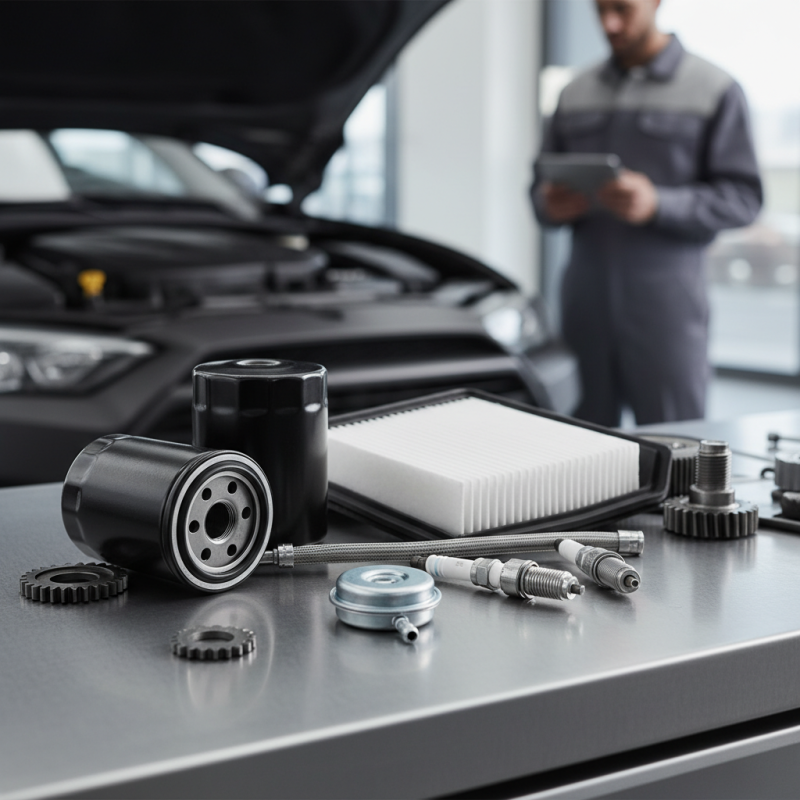
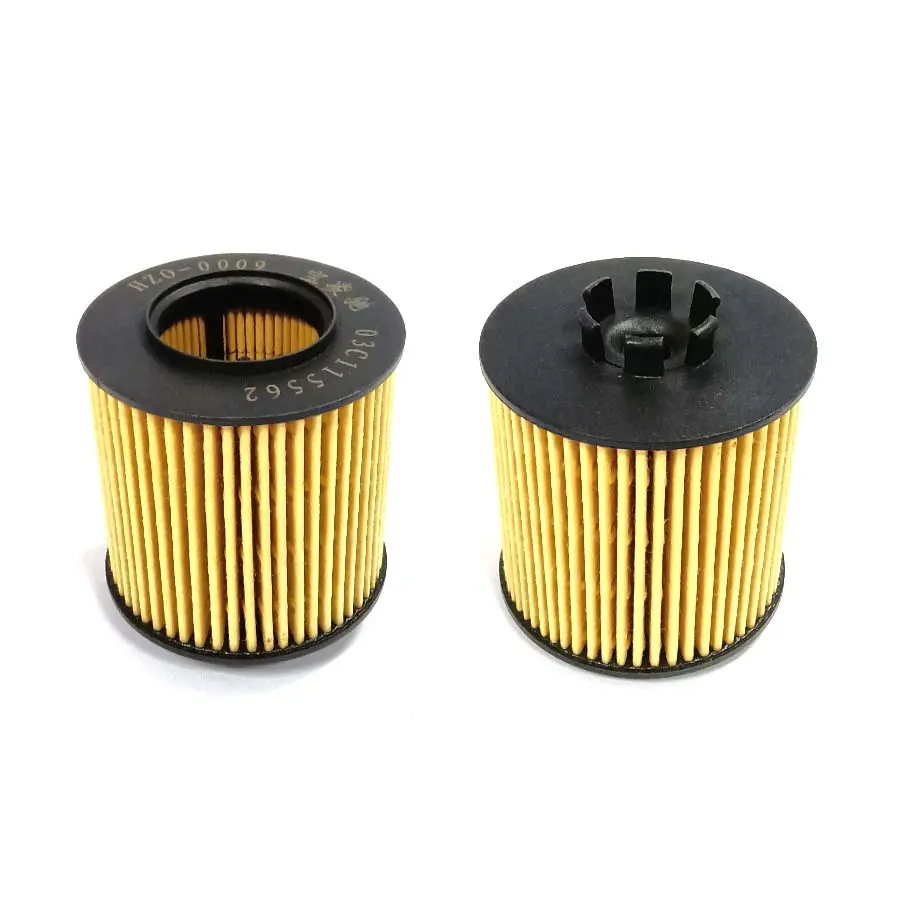
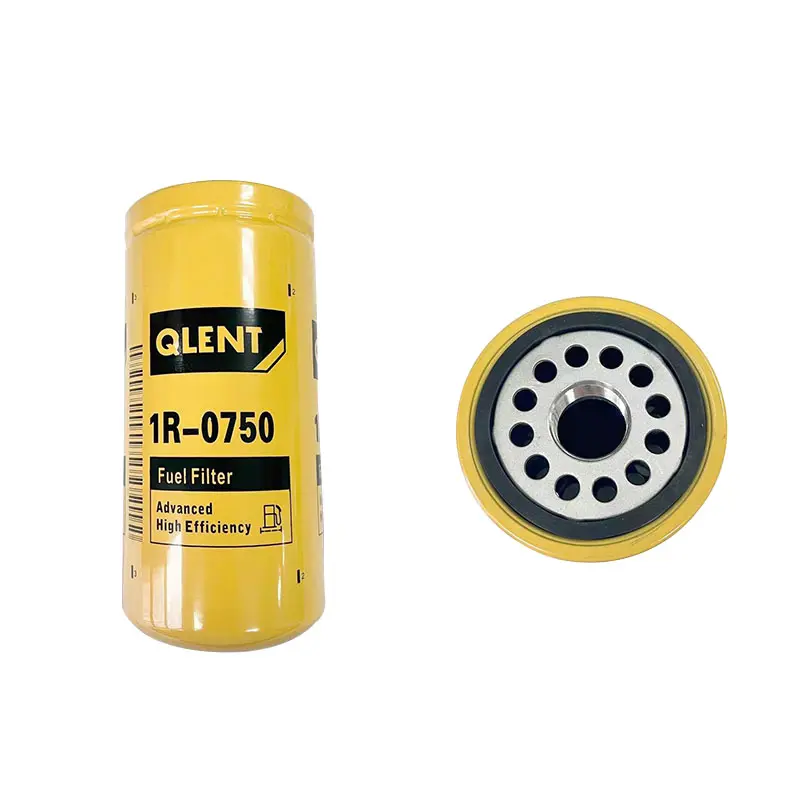
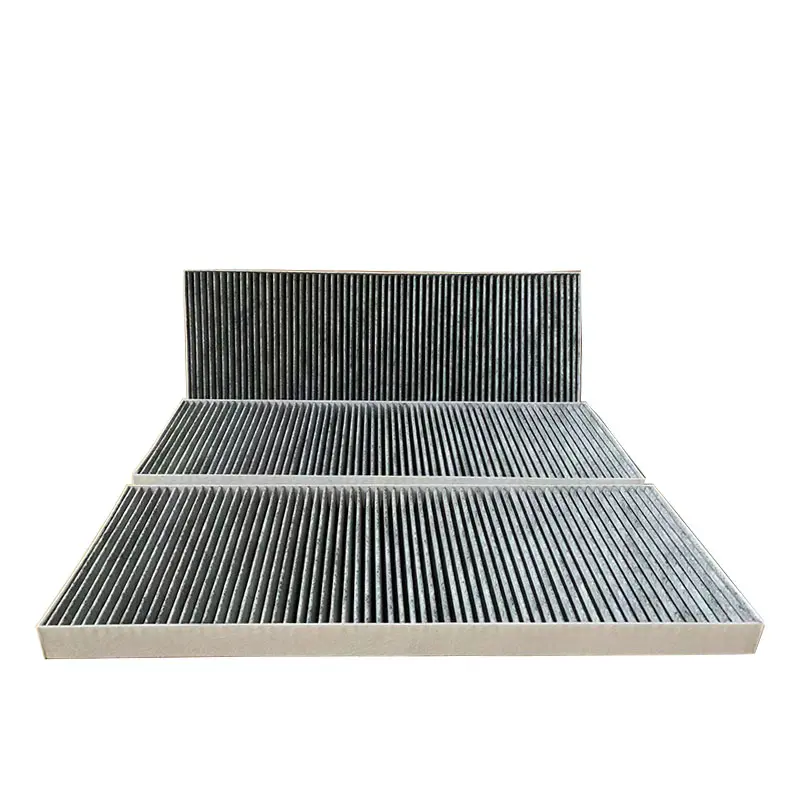
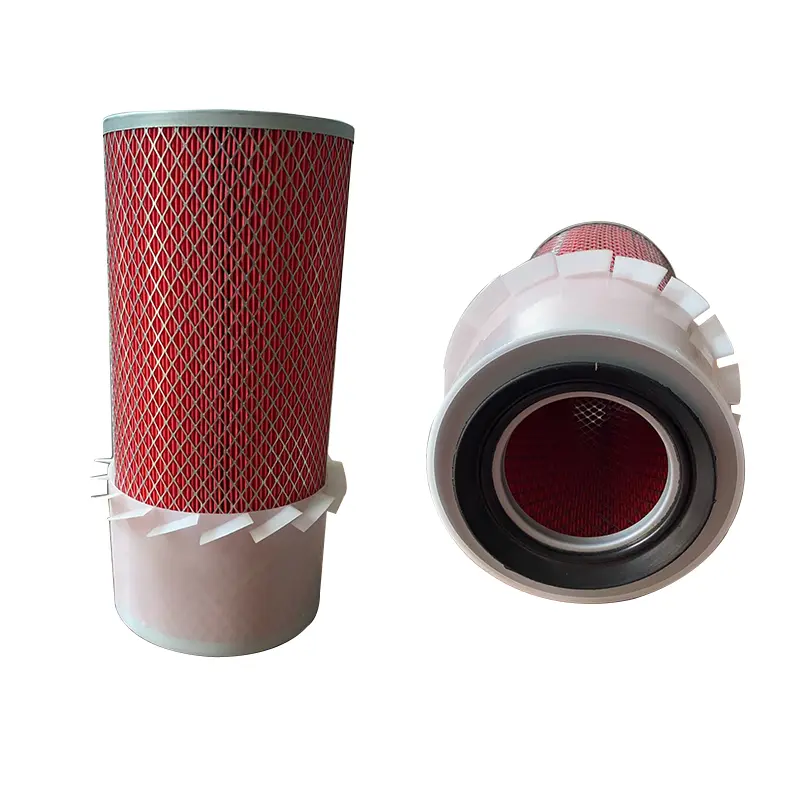
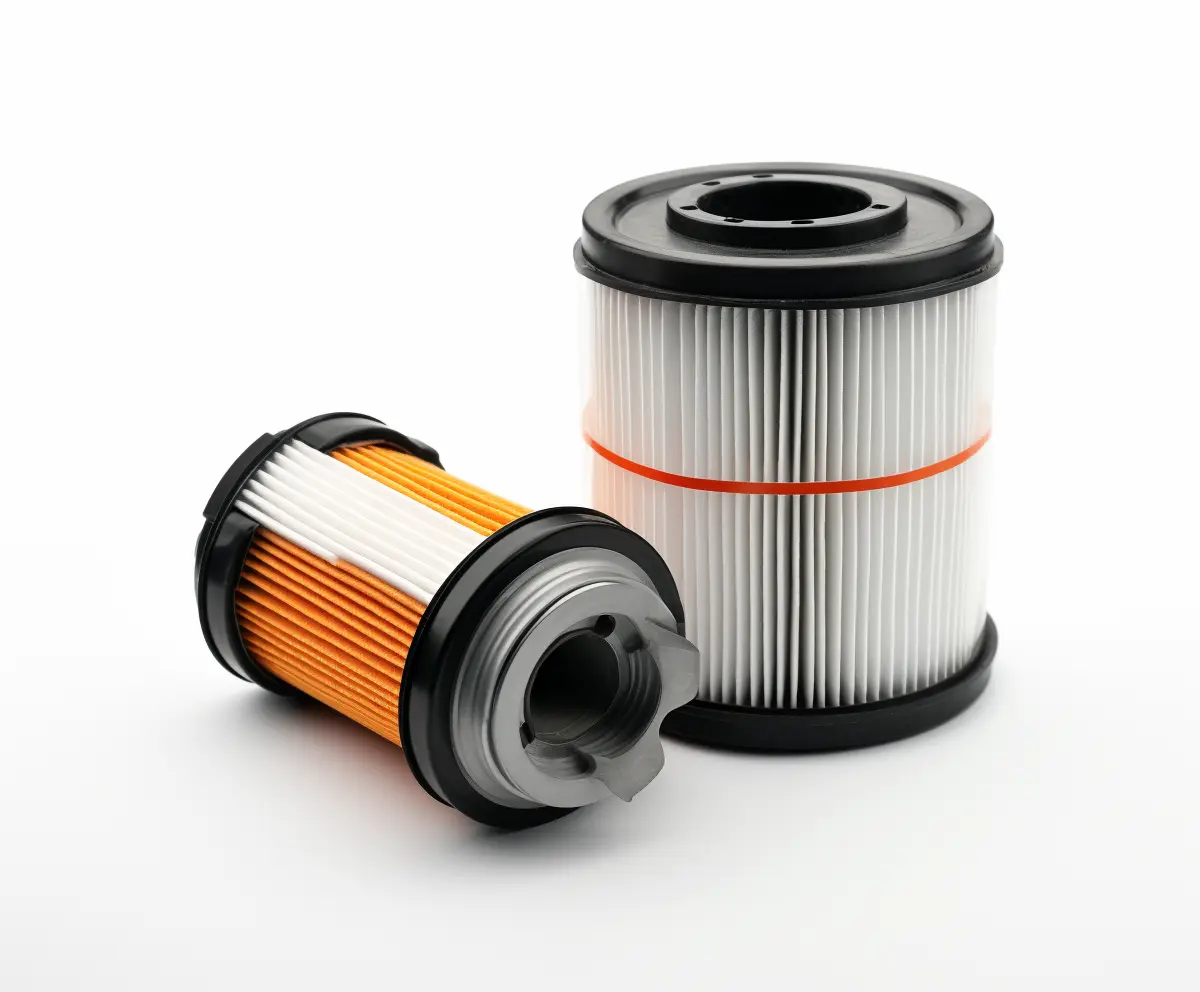
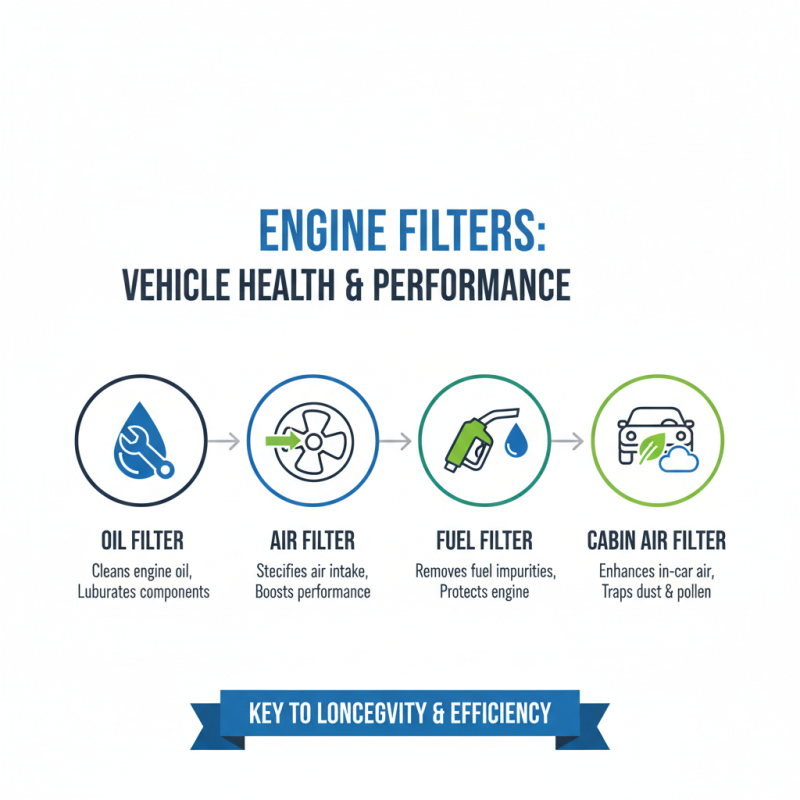
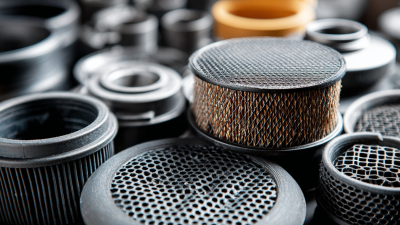
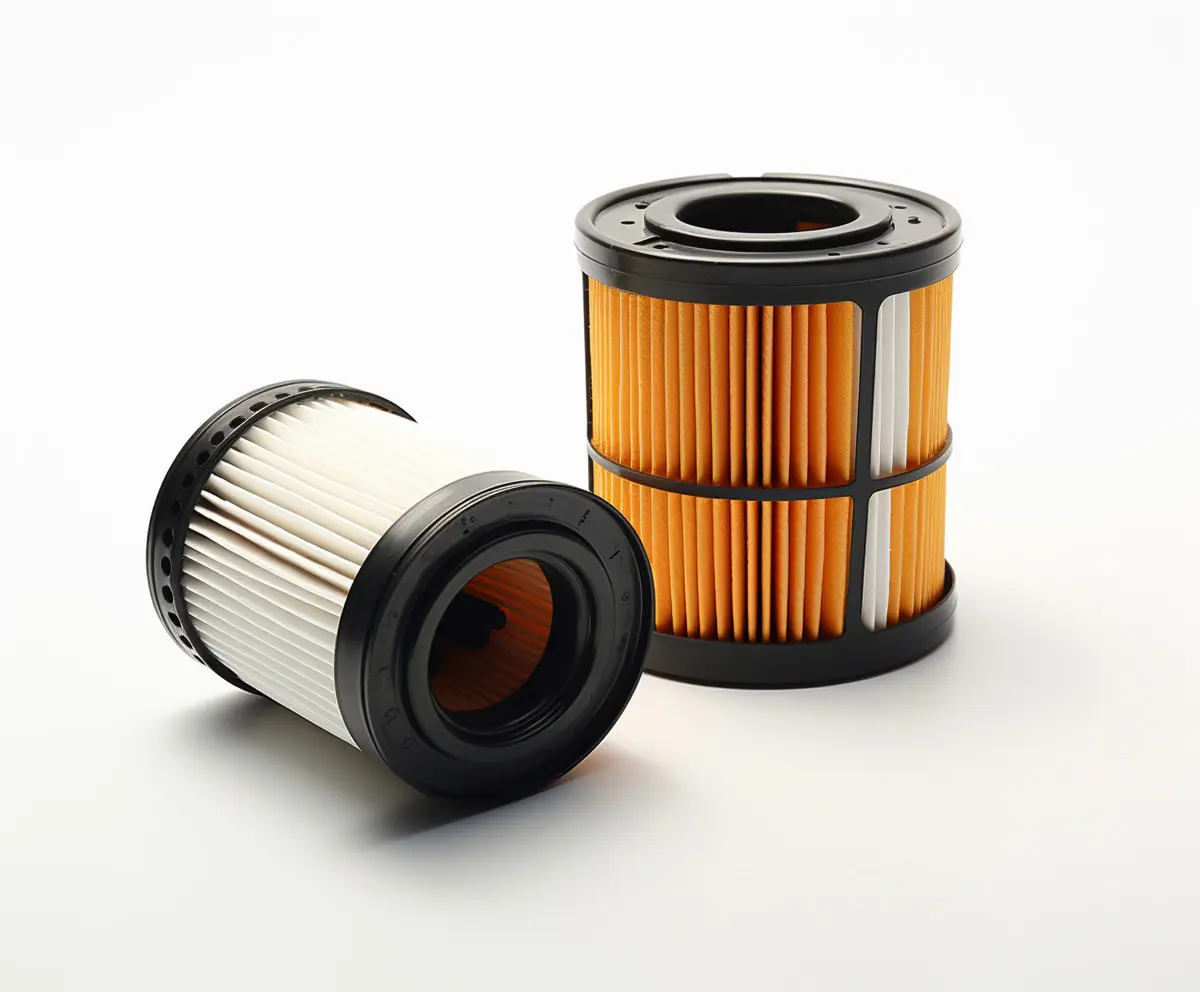
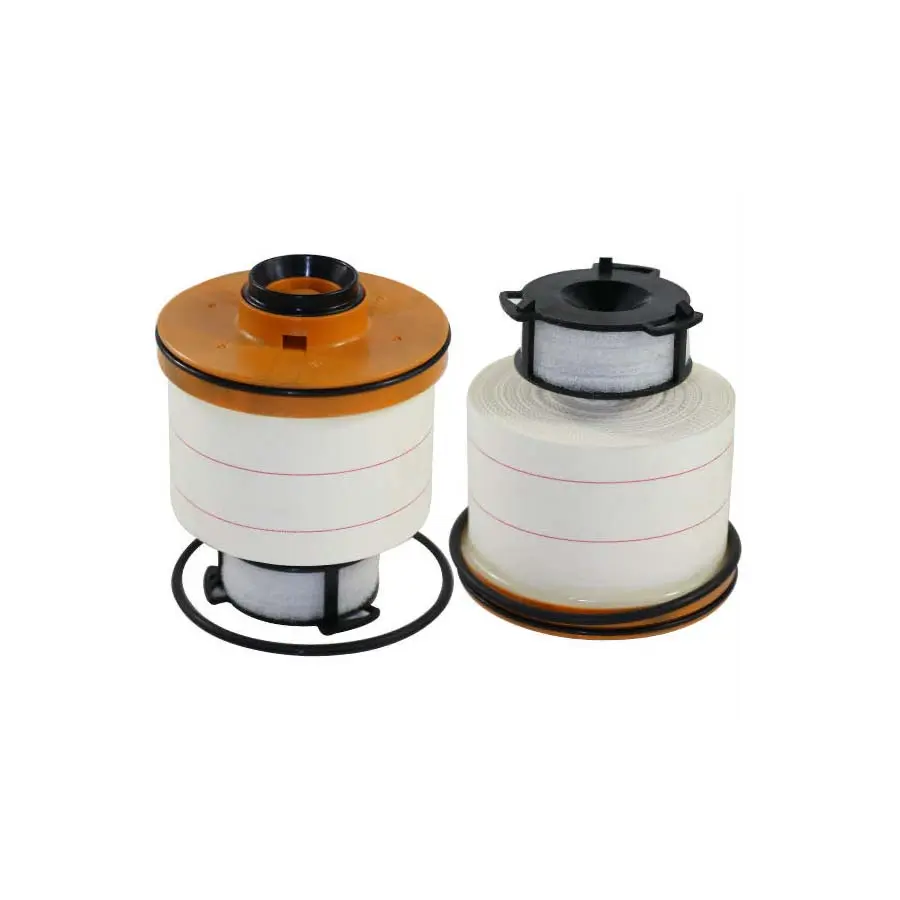
Engine filters play a crucial role in maintaining your vehicle’s performance and longevity. There are several types of engine filters, each serving a specific function. The most common types include oil filters, air filters, fuel filters, and cabin air filters. Oil filters remove contaminants from the engine oil, ensuring that the internal components are lubricated effectively. Air filters clean the air intake, preventing dirt and debris from entering the engine, which can lead to reduced performance and efficiency. Fuel filters eliminate impurities from the fuel before it reaches the engine, while cabin air filters enhance air quality inside the vehicle by trapping dust, pollen, and other particles.
When selecting engine filters, consider factors such as compatibility with your vehicle model and the environment in which you drive. Opting for high-quality filters can result in improved engine efficiency and reduced maintenance costs.
Tips: Regularly checking and replacing your engine filters according to the manufacturer’s recommendations can prevent costly repairs down the line. Additionally, inspecting filters more frequently if you drive under extreme conditions—like dusty environments or heavy traffic—can help maintain optimal performance. Remember, clean filters contribute to better fuel economy and a smoother driving experience.
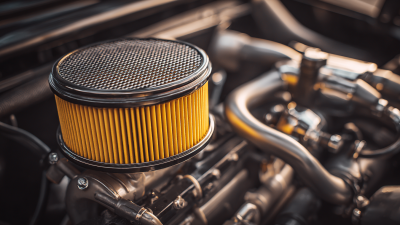
When purchasing engine filters, it is crucial to consider several essential features that will ensure optimal performance and longevity of your vehicle. First, filter efficiency is a primary factor. Look for filters with a high filtration capacity that can effectively capture dirt, debris, and contaminants without restricting airflow. The materials used in the filter construction also play a significant role; high-quality paper or synthetic fibers tend to provide better filtration while ensuring durability under various engine conditions.
Another important feature to consider is the filter's compatibility with your specific engine type. Ensure that the filter fits your vehicle's make and model to avoid issues during installation or performance. Additionally, examine the design and construction of the filter; options with reinforced seals and sturdy casings can prevent leaks and withstand vibration, enhancing overall reliability. Lastly, checking the manufacturer's specifications and installation instructions can provide insights into the maintenance and replacement schedule, helping you keep your engine running smoothly over time.
In the automotive industry, engine filters are crucial components that contribute to the overall efficiency and longevity of vehicles. As we approach 2025, it's essential for consumers to understand what to look for in high-quality engine filters. According to a recent industry report, the global market for automotive filters is expected to reach approximately $22 billion by 2025, driven by the demand for better vehicle performance and environmental regulations.
When selecting engine filters in 2025, buyers should consider filtration efficiency, compatibility with various engine types, and resistance to various contaminants. Research indicates that filters with higher capture rates can significantly reduce the number of particles entering the engine, which can lead to fewer maintenance issues and improved fuel efficiency. Additionally, the rising trend of hybrid and electric vehicles is prompting manufacturers to innovate and develop filters that can meet the unique needs of these advanced engines.
Top brands in the engine filter market have been focusing on sustainable materials and design innovations to appeal to environmentally conscious consumers. Data from an automotive analysis firm notes that brands investing in eco-friendly production processes are likely to see increased consumer loyalty and market share over the next few years. As such, when purchasing engine filters, it's not only the performance that matters but also the commitment to sustainability and innovation exemplified by leading manufacturers.
| Filter Type | Application | Material | Lifespan (Miles) | Price Range |
|---|---|---|---|---|
| Oil Filter | Most Vehicles | Cellulose/ Synthetic | 3000 - 10000 | $5 - $30 |
| Air Filter | Most Engines | Paper/ Foam | 15000 - 30000 | $10 - $50 |
| Fuel Filter | Gasoline & Diesel Engines | Polymer/ Metal | 20000 - 50000 | $15 - $90 |
| Cabin Air Filter | Passenger Cabin | Activated Carbon/ HEPA | 12000 - 25000 | $10 - $40 |
| Transmission Filter | Automatic Transmission | Metal/ Fiber | 30000 - 60000 | $20 - $75 |
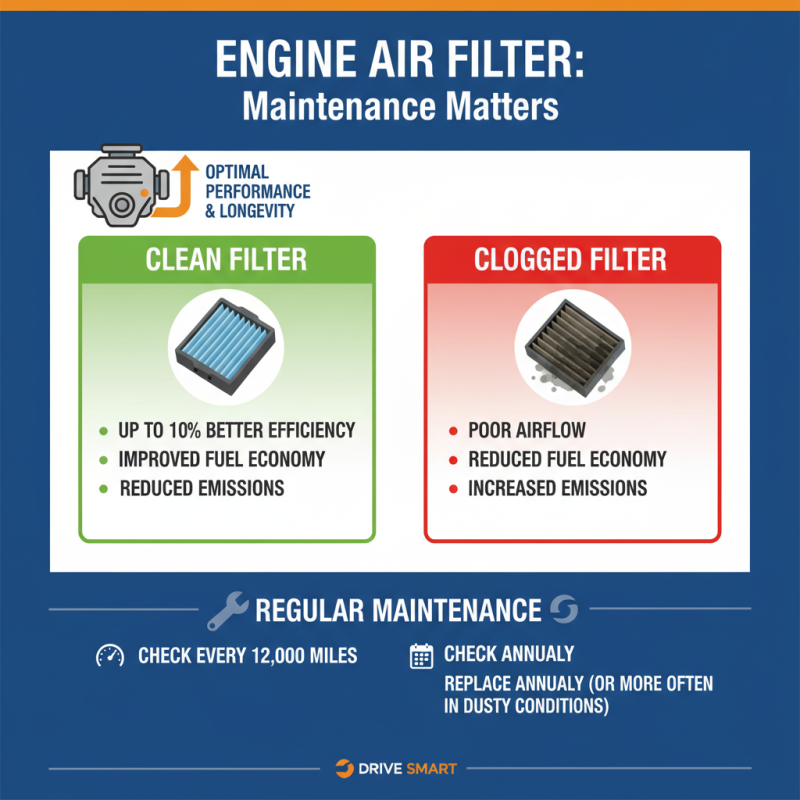
Maintaining your engine filter is crucial for optimal engine performance and longevity. According to industry reports, a clean air filter can improve engine efficiency by up to 10%, while a clogged filter can reduce airflow, leading to poor fuel economy and increased emissions. Regular maintenance, including inspection and replacement, is essential. Experts recommend checking air filters every 12,000 miles and replacing them at least once a year, or more frequently if driving in dust-prone environments.
Another key aspect of maintenance involves understanding the types of filters used in your engine. Engine oil filters, fuel filters, and air filters each play distinct roles in performance and must be maintained according to their specific needs. For example, oil filters should be replaced during every oil change, ideally every 3,000 to 5,000 miles, to ensure the engine runs smoothly without contaminants affecting critical components. Additionally, monitoring filter performance through regular checks can help identify issues before they escalate, preventing costly repairs and ensuring that your engine operates at peak efficiency.
When it comes to engine filters, several common problems can compromise a vehicle's performance and longevity.
One of the most frequent issues is clogging, which occurs when dirt and debris accumulate, restricting airflow and ultimately leading to decreased engine efficiency. To identify this problem, drivers should check for reduced power during acceleration or unusual sounds emanating from the engine. Additionally, regularly inspecting the filter for visible grime can help catch issues early.
Another significant problem is leaks, often caused by a poor seal or damage to the filter itself.
These leaks can result in a drop in oil pressure and can severely impact engine operation. Indicators of oil leaking from the filter area or finding oil spots on the ground where the vehicle is parked can signal the need for immediate inspection. By understanding these common issues and how to identify them, vehicle owners can take proactive measures to maintain their engine’s health and ensure optimal performance over time.
Regular maintenance checks and vigilant observation can mitigate potential problems before they escalate.