2026 Best Engine Parts Intake Filter for Optimal Performance?
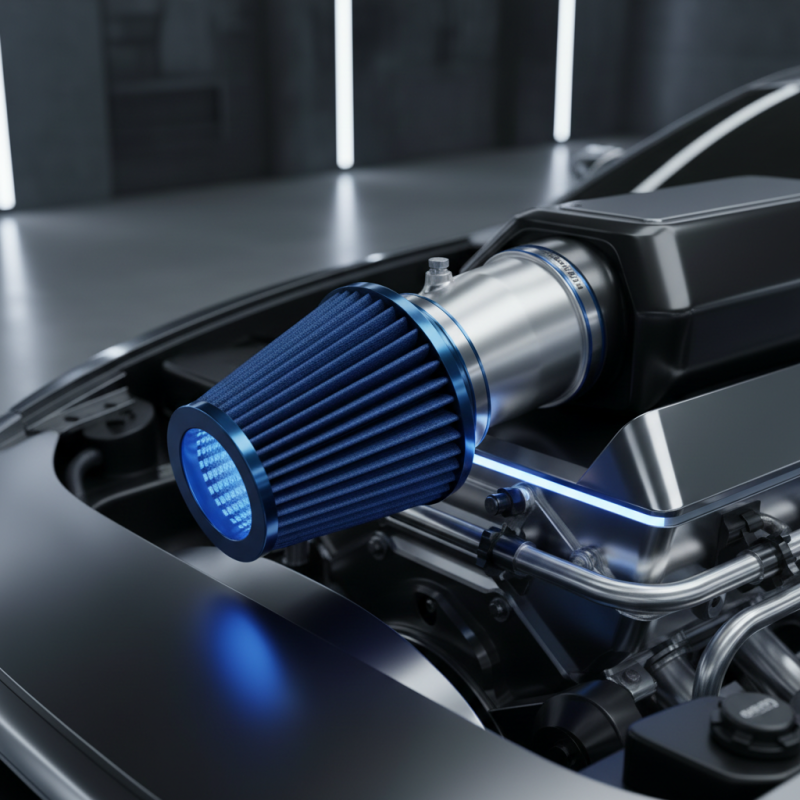
The right Engine Parts Intake Filter can significantly enhance your vehicle's performance. It is an essential component for optimal airflow. A high-quality filter allows your engine to breathe effectively.
Selecting the best filter can be challenging. Many options flood the market. Each product promises excellent results. However, the differences matter. A poor choice can lead to reduced efficiency and power loss.
Investing time in research pays off. Look for filters that fit your vehicle well. Quality materials are non-negotiable. Remember, performance is closely linked to maintenance. Reflect on your choices. Are you prioritizing convenience over quality?
2026 Best Engine Parts Intake Filter: Key Performance Factors
Choosing the right intake filter is crucial for your engine’s performance in 2026. Filters provide clean air for combustion. This increases efficiency and power. A good filter enhances throttle response. It may also improve fuel economy.
When selecting an intake filter, consider airflow and filtration efficiency. The best filters balance these two factors. Too much airflow can lead to dirt entering the engine. This could damage internal components. Finding a filter that prevents debris while optimizing flow is key.
**Tips:** Regularly check your filter for signs of dirt accumulation. Change it every 12,000 miles for optimal performance. Investing in a good filter can save future repair costs. Even the best parts require maintenance to maintain their effectiveness. Do not ignore these small but crucial details.
2026 Best Engine Parts Intake Filter Performance
2026 Best Engine Parts Intake Filter Performance Factors
Types of Intake Filters: Choosing the Right One for Your Vehicle
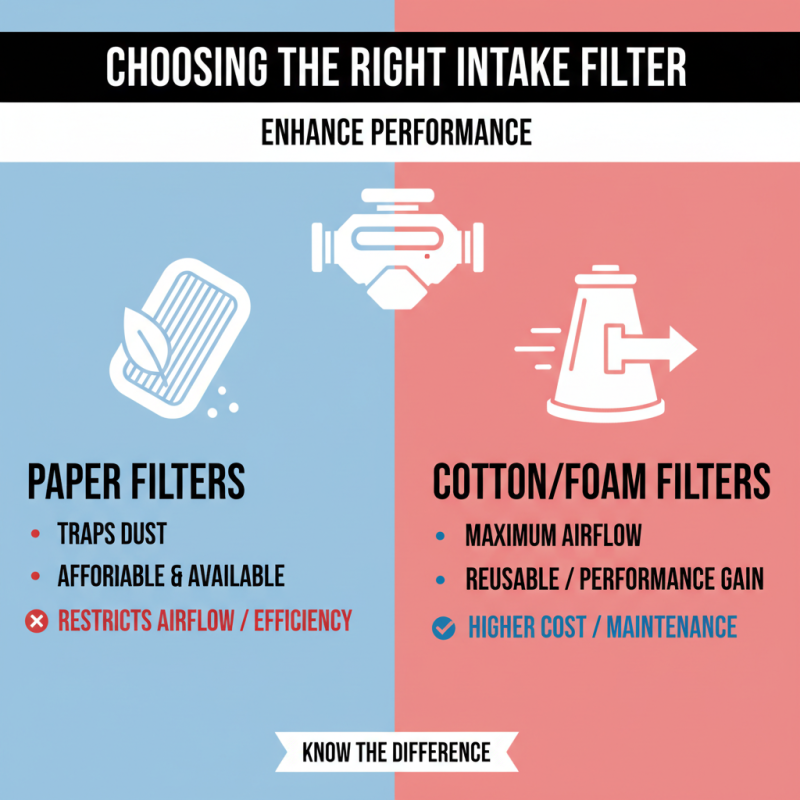
When it comes to choosing the right intake filter for your vehicle, various types exist. Knowing the differences can enhance performance. For example, paper filters trap dust and debris effectively. They are affordable and easy to find. However, they may restrict airflow, which affects efficiency.
In contrast, foam filters offer better airflow. They are reusable and can be cleaned, adding to their appeal. These filters can provide increased performance but may require more maintenance. Consider the environment you drive in. If you often travel through dirt and dust, maintenance will be crucial.
Cotton filters are another option. They balance airflow and filtration, making them popular. However, they need to be oiled, which can be a bit messy. It's important to understand that each filter type has its trade-offs. Choosing the right one depends on your vehicle and driving style. Experimenting with different options can lead to better performance, but results may vary.
How Intake Filters Improve Engine Efficiency and Power Output
Intake filters play a crucial role in enhancing engine efficiency and power output. They are designed to trap dirt and debris, ensuring clean air enters the engine. When the engine gets clean air, it operates more efficiently. This means more power and better fuel economy.
Regularly checking and replacing your intake filter can lead to noticeable improvements. A dirty filter restricts airflow, which can hinder performance. The engine struggles to breathe, affecting acceleration and power. Replacing it regularly can maximize the engine's potential.
**Tip:** Look for signs of wear or dirt buildup. Inspect the filter during oil changes for better performance.
The choice of intake filter also matters. A high-quality filter can make a significant difference. Some filters are designed to increase airflow even further. This can lead to improved throttle response and performance on the road. However, not all filters fit all vehicles perfectly, and improper installation can lead to issues.
**Tip:** Consult with professionals if unsure about the right fit. An ill-fitted filter can cause damage.
2026 Best Engine Parts Intake Filter for Optimal Performance
| Filter Type |
Material |
Efficiency (%) |
Power Gain (HP) |
Lifespan (miles) |
| Cotton Gauze |
Cotton |
98 |
10 |
50,000 |
| Foam |
Polyurethane |
95 |
8 |
40,000 |
| Paper |
Cellulose |
85 |
5 |
15,000 |
| Synthetic |
Synthetic Fiber |
90 |
6 |
30,000 |
Installation Tips for Optimal Intake Filter Performance
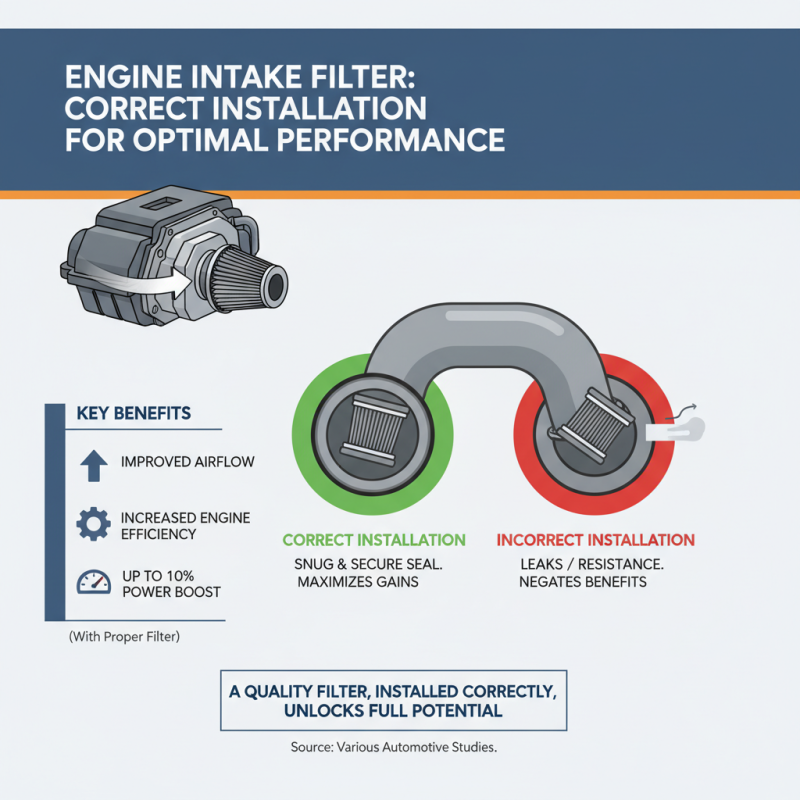
Installing an intake filter correctly is crucial for optimal performance. A quality intake filter helps improve airflow and increases engine efficiency. Studies show that a proper filter can boost power by up to 10%. Issues arise when filters are not installed correctly. This can lead to leaks or increased resistance, negating the potential gains.
When installing, ensure the filter fits snugly. Loose connections can lead to dirt entering the engine. Tighten clamps securely. However, avoid overtightening. This can damage the filter or housing. Use a rubber gasket to improve the seal and reduce noise. Additionally, clean the air intake area before installation. Dirt buildup can hinder airflow, affecting performance.
After installation, monitor performance. If you notice a drop in fuel efficiency, the filter may need adjustments. Regular maintenance is key. Check the filter every 10,000 miles. A clogged filter can reduce airflow by 15%. While aiming for better performance, it is essential to reflect on the installation process. Mistakes in positioning can lead to unnecessary costs.
Maintenance Practices to Extend the Life of Your Intake Filter
Maintaining an efficient intake filter is crucial for your engine's performance. A clean intake filter can boost engine efficiency by up to 15%. Over time, filters accumulate dirt and debris. This buildup can restrict airflow, leading to poor engine performance. Regular checks can prevent these issues.
Tips: Inspect your intake filter every month. Replace it if you see excessive dirt accumulation. A simple visual inspection can save you from decreased performance.
It's also essential to adhere to your vehicle's maintenance schedule. Many experts recommend replacing the intake filter every 15,000 to 30,000 miles. However, driving in dusty or polluted areas may require more frequent changes. This preventative approach ensures that your engine breathes freely.
Tips: Keep an eye on engine performance. If you notice hesitation or reduced power, check the intake filter. Ignoring these signs may lead to more severe engine problems down the line. Regular attention to your intake filter will pay off in the long run. Engage in good maintenance habits to extend its lifespan.

 Products
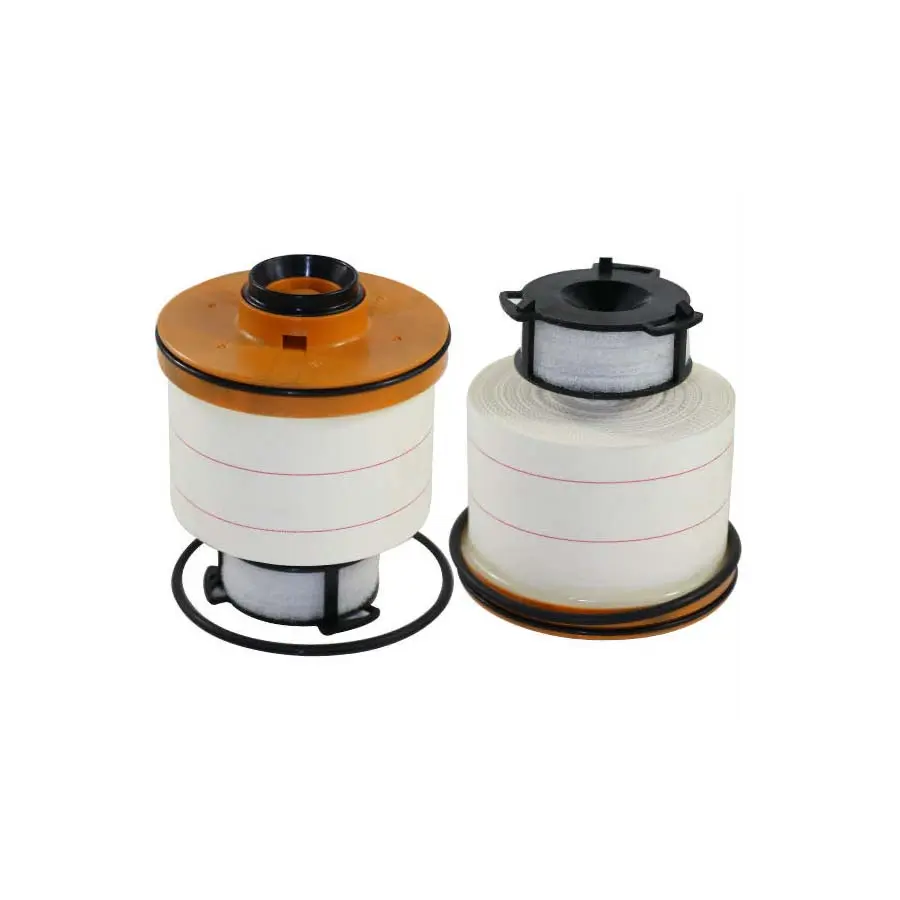 FUEL FILTER
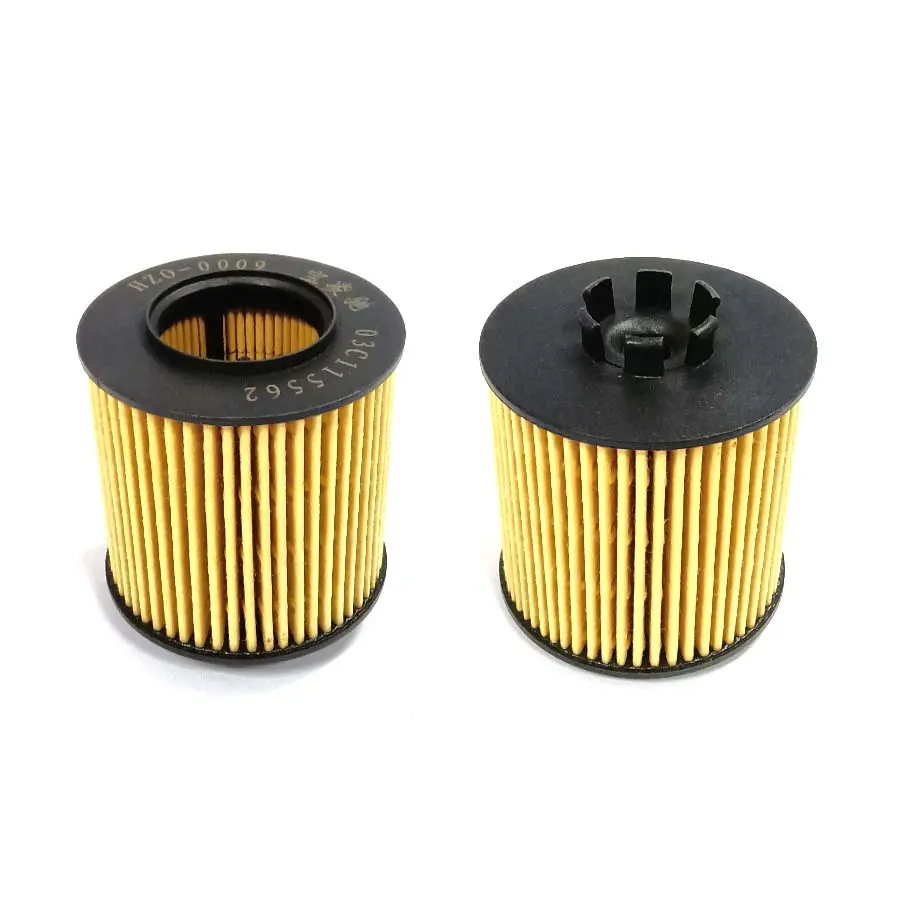 OIL ELEMENT FILTER
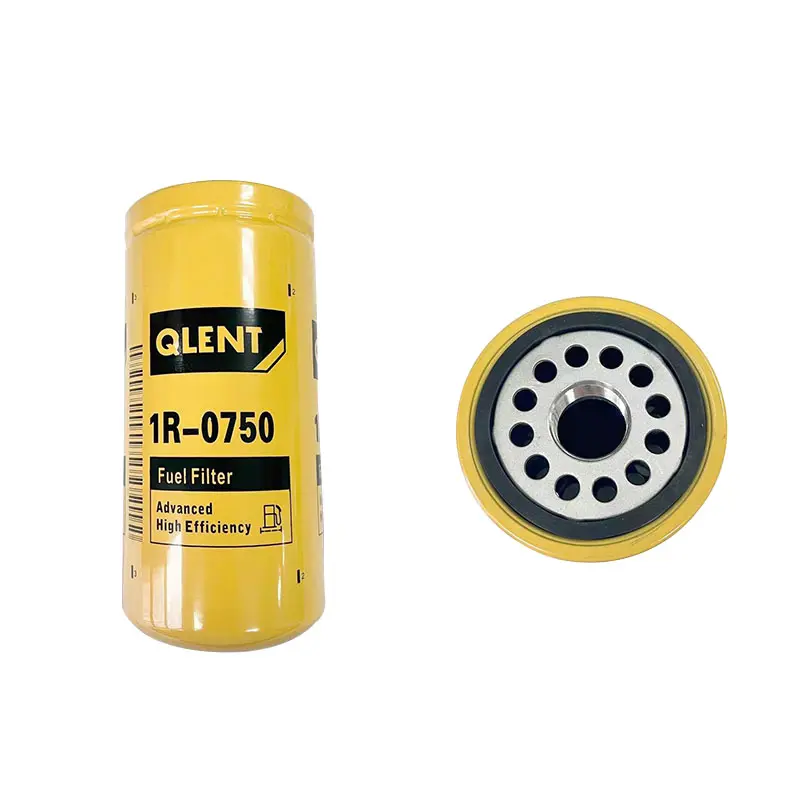 OIL FILTER
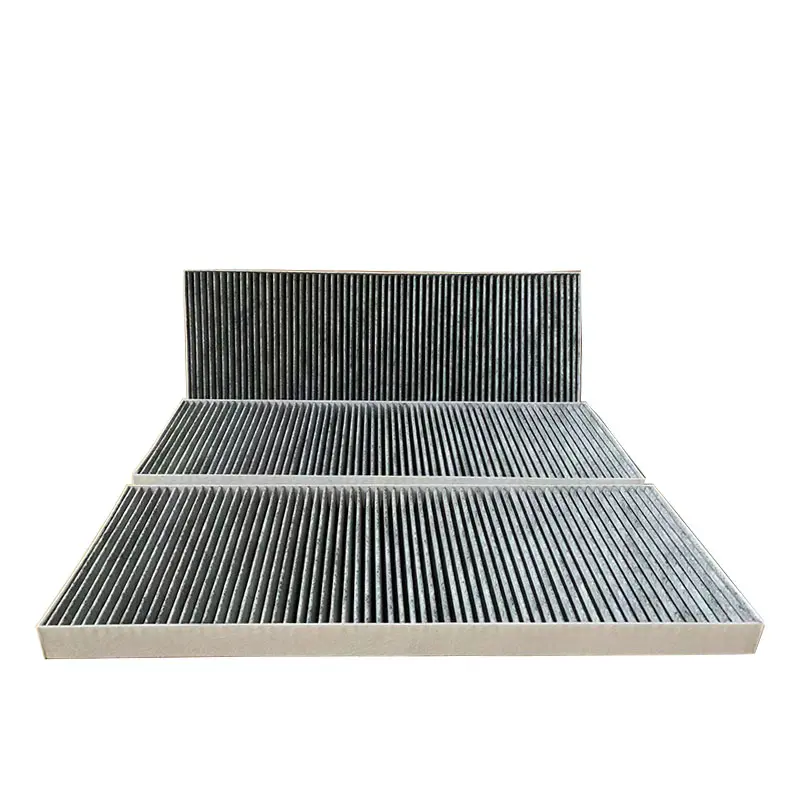 CABIN FILTER
 AIR FILTER