2026 Top Automobile Air Intake Filters What You Need to Know
Choosing the right Automobile Air Intake Filters can significantly boost your vehicle's performance. These filters play a critical role in ensuring your engine receives clean air. Without proper filtration, harmful particles can enter the engine, causing wear and tear over time.
In 2026, advancements in technology have led to various options in the market. Some filters are specially designed for high-performance vehicles, while others cater to everyday drivers. Each type has its own benefits and drawbacks. Understanding these differences is crucial for making an informed choice.
Investing in quality filters is not just about performance; it's also about longevity. A good air intake filter can prolong your engine's life. However, fewer people think about this aspect. When buying, be aware of your vehicle's specific needs. Research helps avoid common pitfalls. Your choice in Automobile Air Intake Filters should reflect your driving style and maintenance routine.
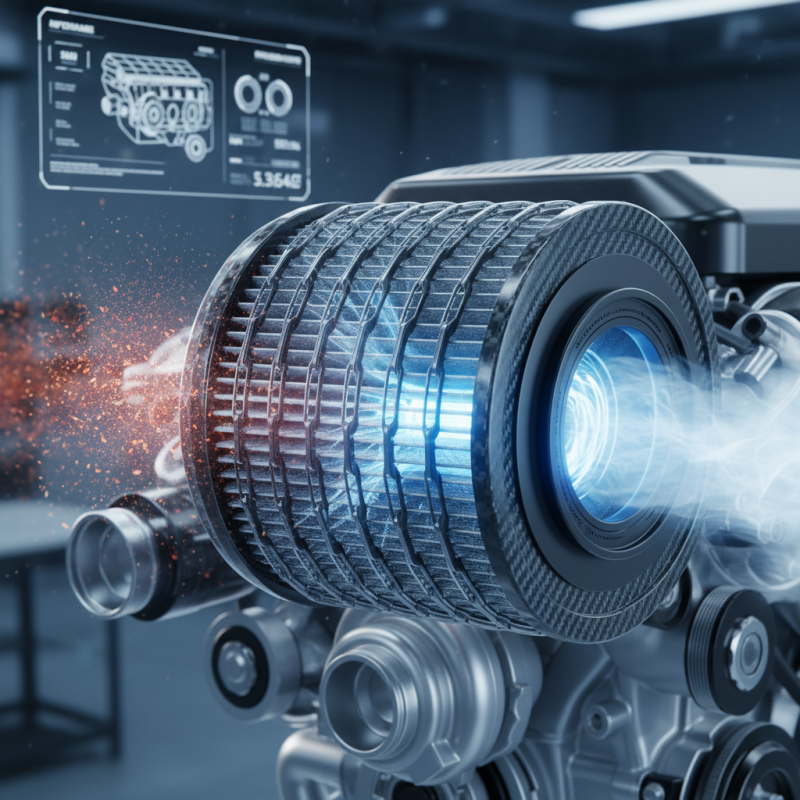
2026 Trends in Automobile Air Intake Filters
As we move toward 2026, the trends in automobile air intake filters are becoming increasingly important for car enthusiasts and everyday drivers alike. One significant trend is the shift toward environmentally friendly materials. Manufacturers are exploring sustainable options that reduce environmental impact. This change aims to cater to eco-conscious consumers who seek greener vehicles. Incorporating biodegradable materials can enhance the appeal of new models.
Another trend is the advancement of filtration technology. New designs are emerging that offer improved airflow and dust retention. This means better engine performance and longer-lasting filters. However, not all advancements are flawless. Some may compromise filtration efficiency for increased airflow. Drivers need to stay informed about the balance between these factors.
Smart filtration systems are gaining attention as well. These systems monitor air quality and filter condition in real-time. They promise enhanced convenience and efficiency. Still, some drivers worry about their reliability and the potential for technical failures. As the industry evolves, understanding these trends will be essential for making informed decisions.
Types of Air Intake Filters Used in Automobiles
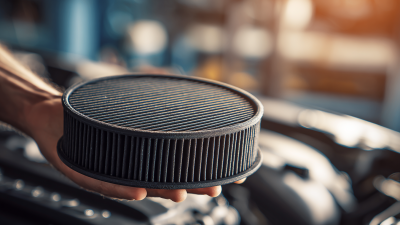
When it comes to automobile air intake filters, several types play a critical role in engine performance. Paper filters are the most common. They are affordable and effective for basic filtration. However, they often need frequent replacements, especially in harsh conditions. This can be annoying for car owners who want a low-maintenance option.
Another popular type is the foam filter. Made from layers of open-cell foam, they are reusable and can provide excellent airflow. Yet, they require regular cleaning and proper oiling to maintain their effectiveness. Some users find this tedious. They might question if the hassle is worth the benefits.
Lastly, performance filters made from synthetic materials offer added durability. They last longer than paper filters and boost engine efficiency. But they are usually more expensive. Owners often need to weigh the cost against performance gains. Choosing the right filter requires considering driving habits and maintenance capacity. Balancing performance and upkeep is essential.
2026 Top Automobile Air Intake Filters - Types and Their Performance
How Air Intake Filters Improve Engine Performance
Air intake filters play a crucial role in enhancing engine performance. By ensuring clean air enters the engine, these filters directly impact combustion efficiency. When air is unfiltered, it can carry dust and debris, which harm engine components. Too much dirt can clog injectors and lead to engine wear.
High-quality air intake filters maximize airflow while minimizing contaminants. This leads to better combustion and increased horsepower. Drivers may notice improved throttle response and acceleration. However, not all filters are created equal. Some filters may need more frequent replacements, which can be overlooked.
Improper installation of air filters can also create issues. A poorly fitted filter may allow impurities to bypass, leading to potential engine damage. Regular checks and replacements are essential. If neglected, even the best filters lose effectiveness over time.
Choosing the Right Air Intake Filter for Your Vehicle
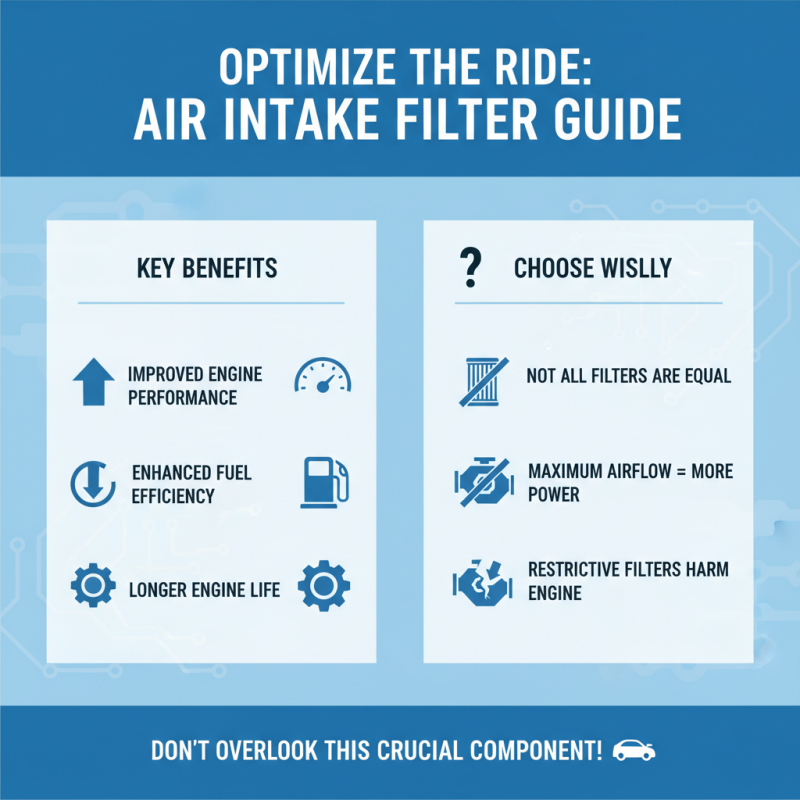
Choosing the right air intake filter for your vehicle is crucial. It aids engine performance and improves fuel efficiency. Many drivers overlook this aspect, thinking any filter will work. However, not all air filters are created equal. Some may restrict airflow, which can hurt your engine’s power.
When selecting an air intake filter, consider the filter’s material. Some filters are made from foam, while others use paper or cotton. Each material has its advantages and drawbacks. For instance, foam filters often provide better airflow but might need frequent cleaning. On the other hand, paper filters can be more convenient but may restrict airflow over time.
Installation is another point to ponder. You might find it challenging to fit certain filters in specific vehicles. It's essential to ensure compatibility to avoid issues down the road. Watching videos or reading guides can help. Make sure to do your research before making a decision. This small part can significantly impact your driving experience.
Maintenance Tips for Maximizing Air Intake Filter Lifespan
Air intake filters play a critical role in your vehicle's performance. Proper maintenance can significantly extend their lifespan. Regularly check the filter for dirt and debris. A clean filter ensures better airflow, improving engine efficiency. You can use a soft brush to gently remove dust. This often overlooked step makes a big difference.
Changing the filter at recommended intervals is key. Neglecting this can lead to reduced power and increased fuel consumption. Always inspect the rubber seals for wear. Damaged seals can allow dirt to bypass the filter. This can harm your engine over time. Remember, a little effort now saves you bigger problems later.
Sometimes, drivers forget that air quality affects the filter's condition. If you drive in dusty areas, you may need to clean the filter more frequently. Consider your driving habits and adjust your maintenance schedule. A proactive approach can help you avoid unnecessary repairs. Every driver should reflect on their routine and make improvements where needed.
2026 Top Automobile Air Intake Filters
| Filter Type |
Material |
Lifespan (Miles) |
Maintenance Tips |
Performance Impact |
| Panel Filter |
Paper |
15,000 |
Replace every 15,000 miles |
Moderate impact on performance when dirty |
| Cotton Gauze Filter |
Cotton/Gauze |
50,000 |
Clean and re-oil every 20,000 miles |
Improves airflow and engine efficiency |
| Foam Filter |
Foam |
25,000 |
Wash every 15,000 miles |
Good airflow, lower filtration |
| Synthetic Filter |
Synthetic Fiber |
30,000 |
Replace every 30,000 miles |
High filtration efficiency |

 Products
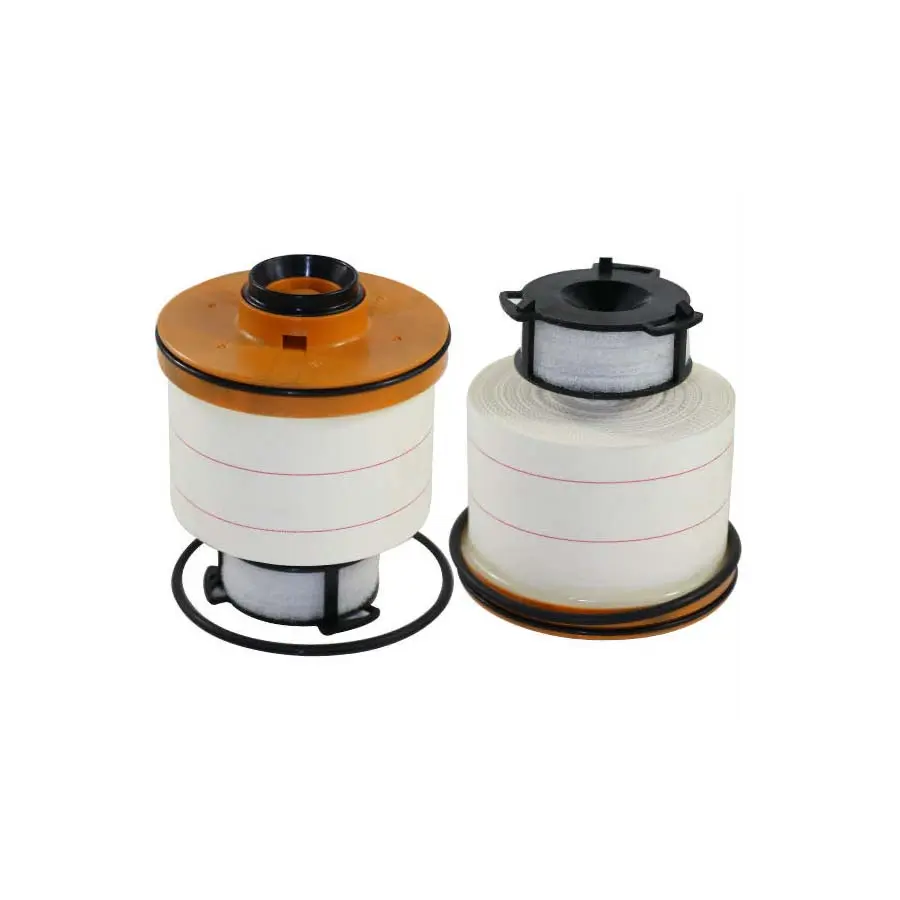 FUEL FILTER
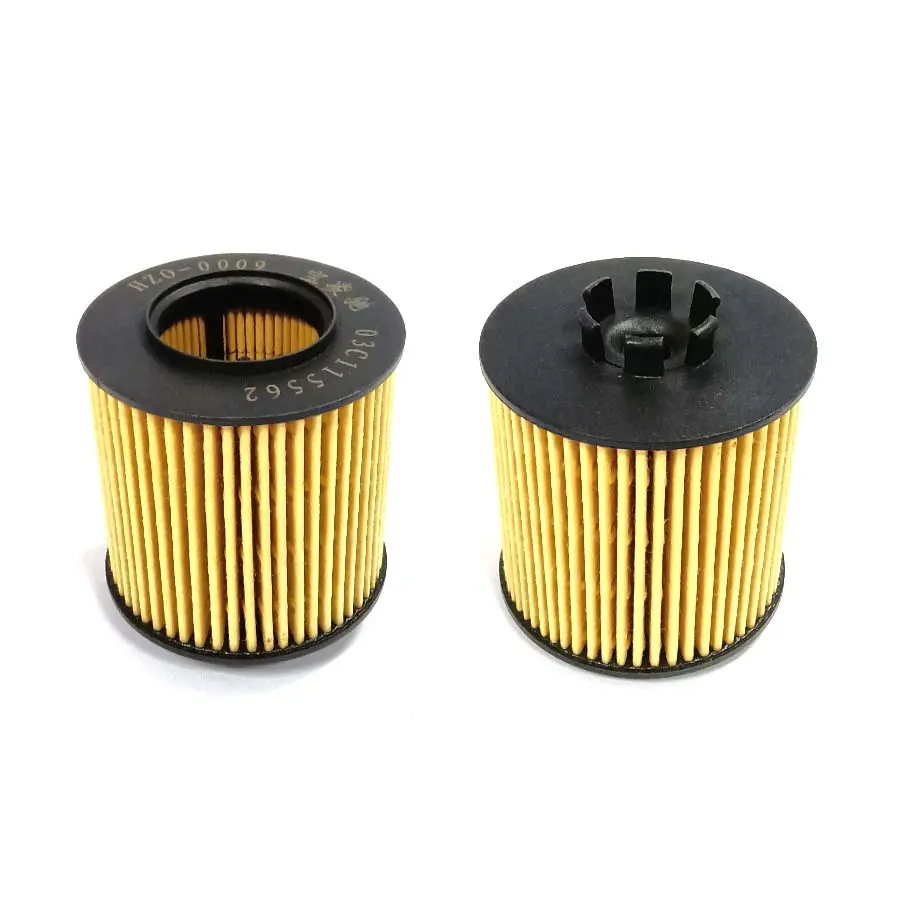 OIL ELEMENT FILTER
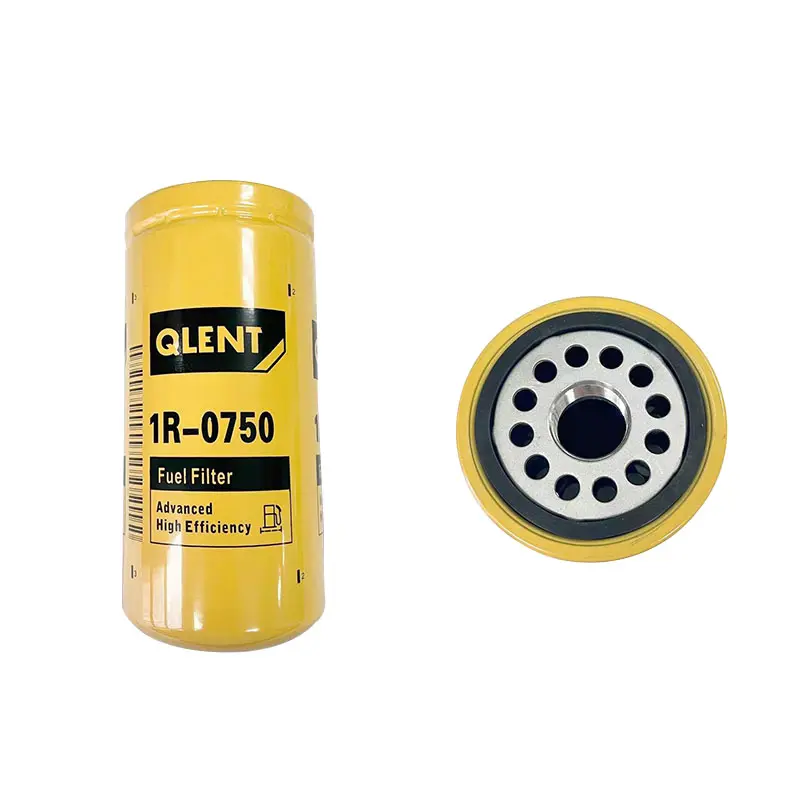 OIL FILTER
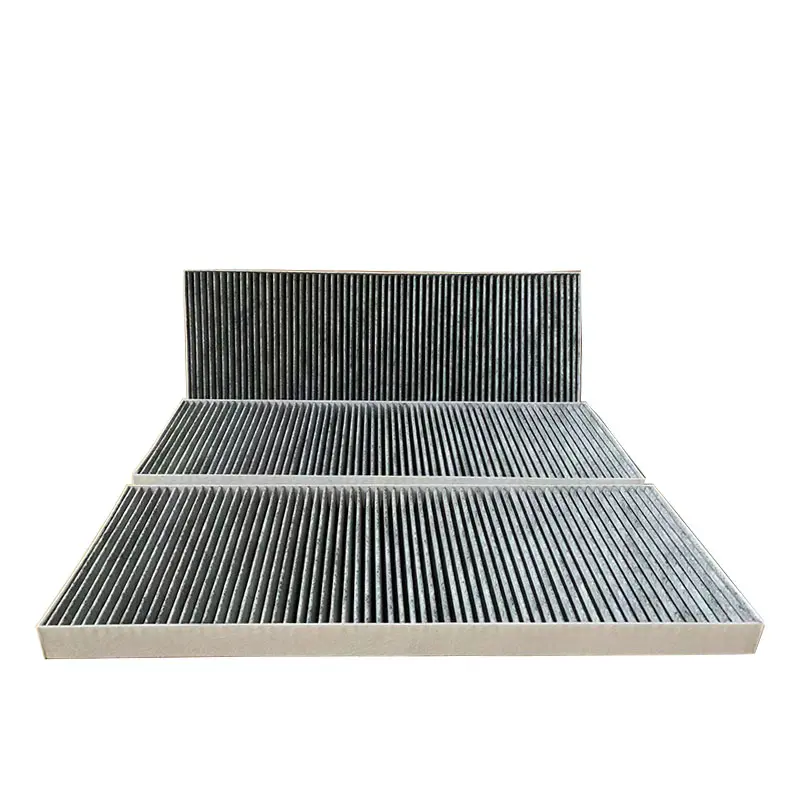 CABIN FILTER
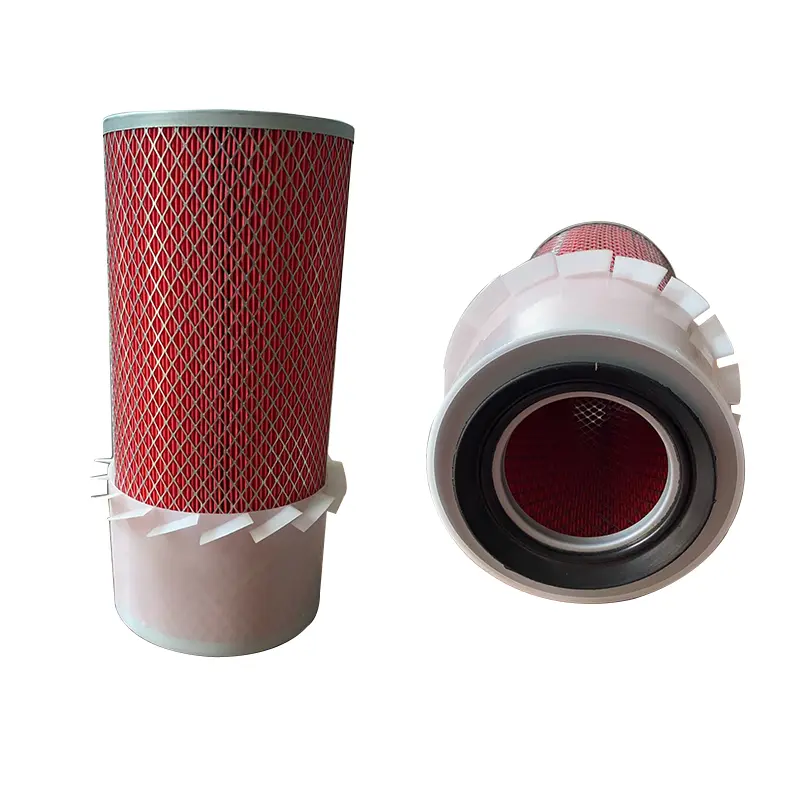 AIR FILTER