Why is Air Conditioning Filter Maintenance Essential for Your Home?
Air Conditioning Filter maintenance plays a crucial role in ensuring optimal indoor air quality and system efficiency. According to the U.S. Environmental Protection Agency, poor indoor air quality can significantly impact health. In fact, it can lead to respiratory issues and allergies, affecting millions of Americans. Regularly changing the Air Conditioning Filter can drastically reduce these risks.
Data shows that a clogged filter can decrease HVAC efficiency by up to 15%, leading to higher energy bills. Homeowners often overlook this essential maintenance task. A lack of awareness can result in compounded problems, such as system breakdowns and costly repairs. Ignoring the state of your Air Conditioning Filter not only affects comfort but also compromises air quality.
This situation highlights a need for better education on HVAC maintenance. Many homeowners struggle to recognize the warning signs of a dirty filter. Over time, this neglect can cause the entire system to work harder, ultimately lowering its lifespan. Being proactive with Air Conditioning Filter maintenance is not just a suggestion; it is a necessity for a healthy home environment.
Importance of Air Conditioning Filter Maintenance for Indoor Air Quality
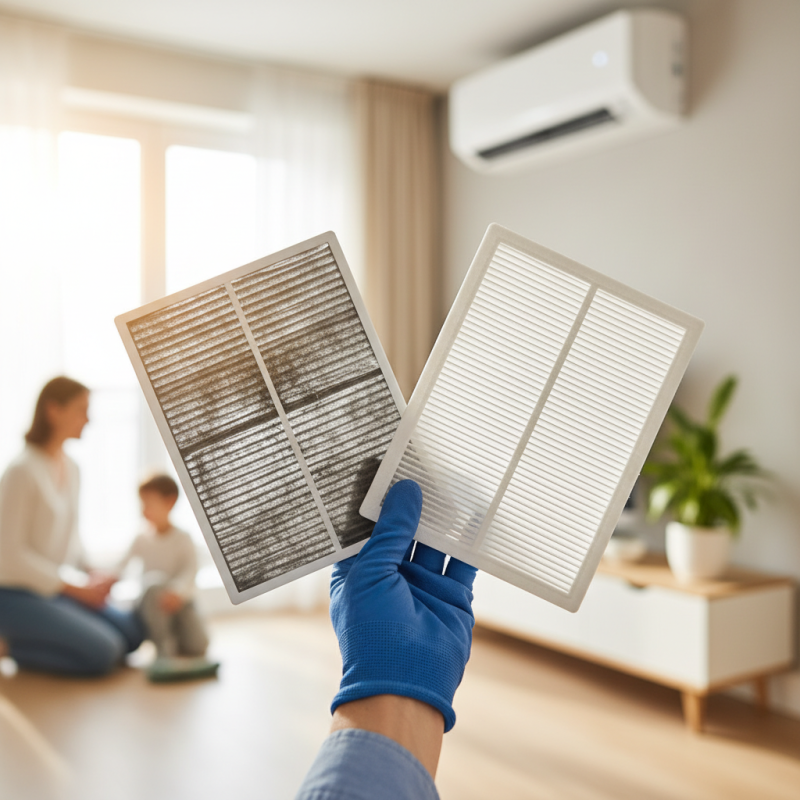
Air conditioning filter maintenance plays a crucial role in ensuring indoor air quality. Clean filters trap dust, allergens, and pollutants. This is vital for a healthy living environment. When filters are neglected, air quality declines. Particles linger in the air, leading to respiratory issues and allergies. It's essential to prioritize filter maintenance for a comfortable and safe home.
Tips for maintaining your air conditioning filter include checking the filter monthly. If the filter appears dirty, replace it. Regular inspections help prevent sudden breakdowns. Also, consider using high-efficiency filters. They capture smaller particles and improve air quality.
Neglecting filter maintenance can seem trivial. However, this can lead to bigger problems down the line. Clogged filters can strain your system. They reduce airflow, resulting in inadequate cooling. Keep an eye on your filter for better indoor air.
Understanding the Role of Filters in Air Conditioning Systems
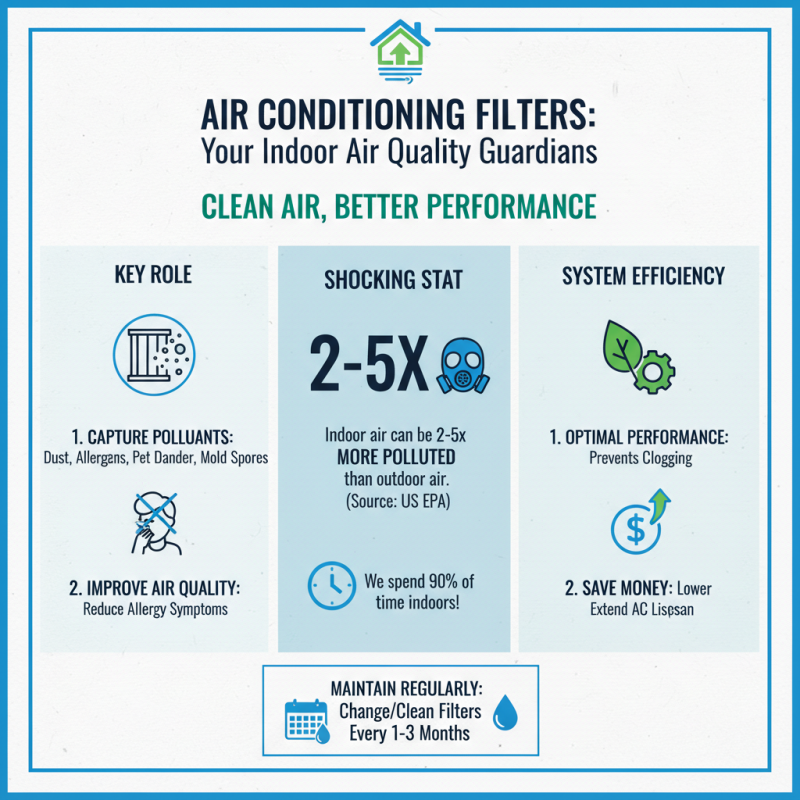
Air conditioning filters play a crucial role in maintaining air quality and system efficiency. They capture dust, allergens, and pollutants, preventing them from circulating in your home. According to the U.S. Environmental Protection Agency, indoor air can be 2-5 times more polluted than outdoor air. This is alarming, especially considering that many people spend over 90% of their time indoors. Regularly changing or cleaning these filters ensures your air conditioner operates at peak performance.
Keeping filters clean not only enhances air quality but also prolongs the lifespan of your HVAC system. A clogged filter can restrict airflow, forcing the unit to work harder and consume more energy. The U.S. Department of Energy states that a well-maintained air conditioning system can reduce energy consumption by up to 15%. On the flip side, neglecting filter maintenance can lead to costly repairs and increased energy bills.
Many homeowners overlook this simple task, thinking it’s not significant. However, dirty filters can result in reduced cooling capacity and even health issues. Allergens and bacteria may thrive in neglected filters. Understanding the impact of filter maintenance is essential for a healthy home environment. Regular checks and replacements can make a big difference in comfort and efficiency.
Common Issues Caused by Neglected Air Conditioning Filters
Neglecting air conditioning filters can lead to several common issues that affect both comfort and efficiency. Clogged filters can restrict airflow, making your system work harder. According to the U.S. Department of Energy, a dirty filter can reduce your system’s efficiency by up to 15%. This not only raises energy bills but also increases wear and tear on components.
Without regular maintenance, air quality suffers. Pollutants like dust and allergens circulate more freely in your home, aggravating health issues such as asthma and allergies. The American Lung Association highlights that indoor air can be up to five times more polluted than outdoor air. This is alarming, especially for vulnerable individuals.
Tip: Check your filters monthly. Change them at least every three months to maintain airflow and efficiency. Consider investing in high-efficiency particulate air (HEPA) filters, which trap more contaminants.
Additionally, neglected filters can lead to frost build-up on coils. This can cause costly repairs if not addressed promptly. Monitor your system for unusual sounds or ice formation.
Tip: Schedule professional maintenance yearly. This can prevent minor issues from escalating into major problems. A small investment in upkeep ensures a comfortable and healthy home environment.
Step-by-Step Guide to Proper Filter Maintenance
Maintaining your air conditioning filter is crucial for optimal performance. A clean filter improves airflow and keeps your home cool. Blocked filters reduce efficiency, which can lead to higher energy bills. Neglecting maintenance may result in more serious problems down the line, such as system breakdowns.
Check your filter monthly. Visual inspections can reveal dirt accumulation. If it looks gray or clogged, it’s time for a change. Depending on usage, consider replacing it every 1-3 months. Make sure to choose the right filter type for your system.
Cleaning the area around your unit is just as important. Dust and debris can enter through cracks. Take time to vacuum or sweep the area. Regular filter maintenance can make a noticeable difference. It helps avoid costly repairs and enhances your home’s comfort. A little effort now can prevent significant issues later.
Benefits of Regular Filter Replacement for Energy Efficiency
Air conditioning systems play a crucial role in maintaining indoor comfort. A clean and well-maintained filter can significantly boost energy efficiency. According to the U.S. Department of Energy, replacing a dirty filter can improve system efficiency by 5% to 15%. This percentage translates into noticeable savings on monthly utility bills, especially during the hotter months.
Regular filter replacement also enhances indoor air quality. Filters trap dust, allergens, and pollutants, making the air healthier to breathe. The Environmental Protection Agency estimates that indoor air can be up to five times more polluted than outdoor air. Neglecting filter maintenance leads to the accumulation of contaminants, which can harm both your family’s health and your AC system’s longevity.
Many homeowners overlook their air filters, believing that they don’t need frequent changes. In reality, engaging in routine maintenance is not just beneficial; it is essential. A dirty filter restricts airflow, causing the system to work harder. This can lead to increased wear and tear, possibly resulting in costly repairs down the line. Regularly changing filters not only ensures efficiency but also prolongs the lifespan of the air conditioning unit.
Why is Air Conditioning Filter Maintenance Essential for Your Home? - Benefits of Regular Filter Replacement for Energy Efficiency
| Aspect |
Details |
Impact |
| Airflow Efficiency |
Clean filters allow for better airflow in HVAC systems. |
Improves system efficiency up to 15%. |
| Energy Costs |
Regular replacement reduces energy consumption. |
Can lower monthly energy bills by up to 20%. |
| Air Quality |
Clean filters capture dust, pollen, and allergens. |
Enhances indoor air quality for health benefits. |
| System Longevity |
Reduces strain on the HVAC system. |
Can extend the lifespan of equipment by several years. |
| Maintenance Cost |
Frequent replacements lead to lower repair costs. |
Helps avoid costly equipment failures. |

 Products
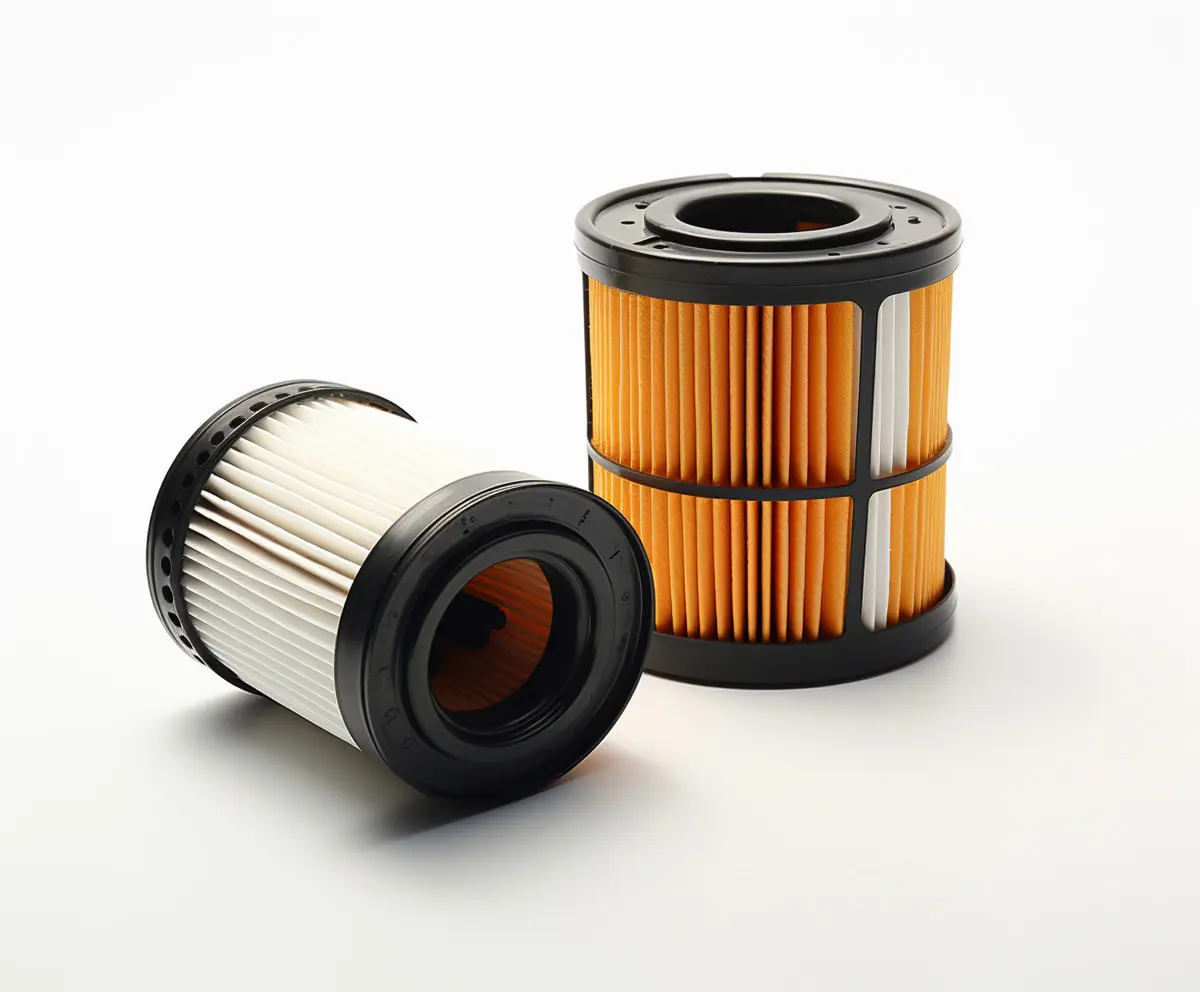
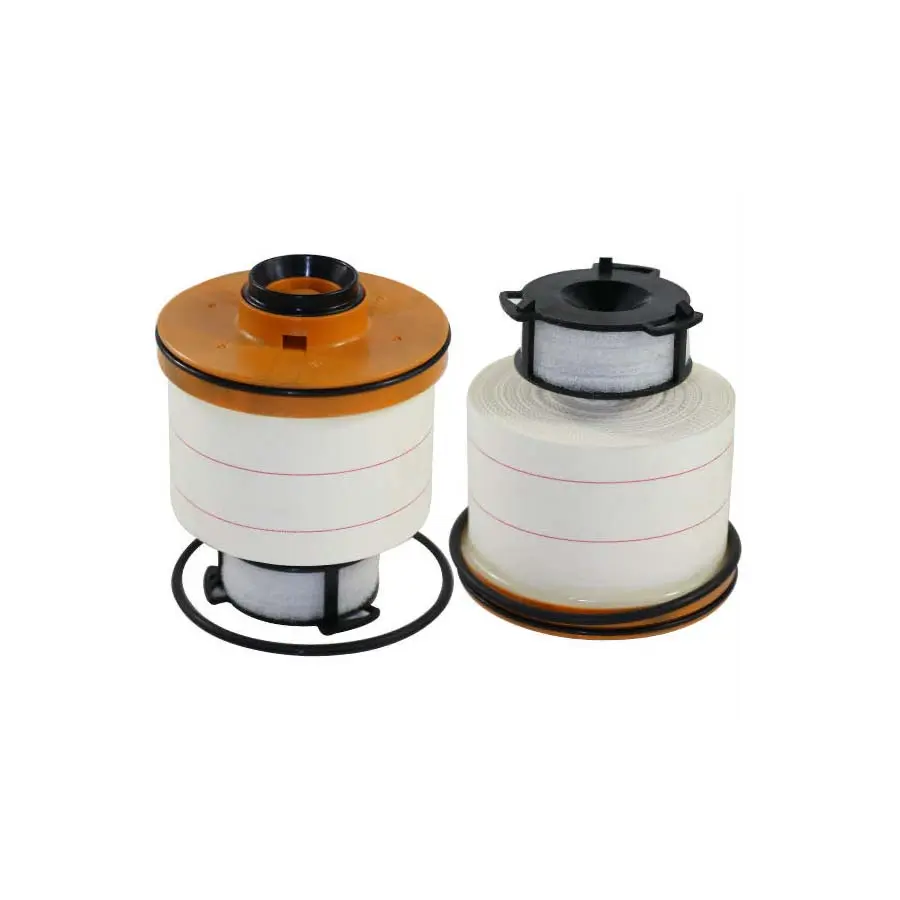 FUEL FILTER
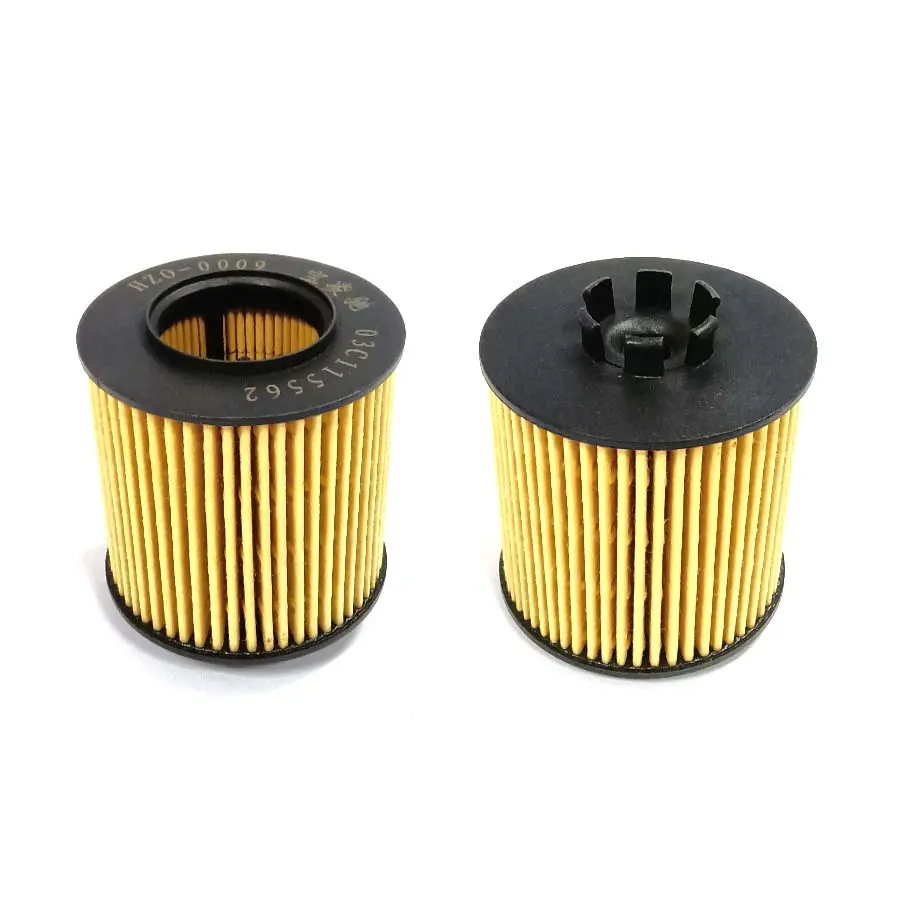 OIL ELEMENT FILTER
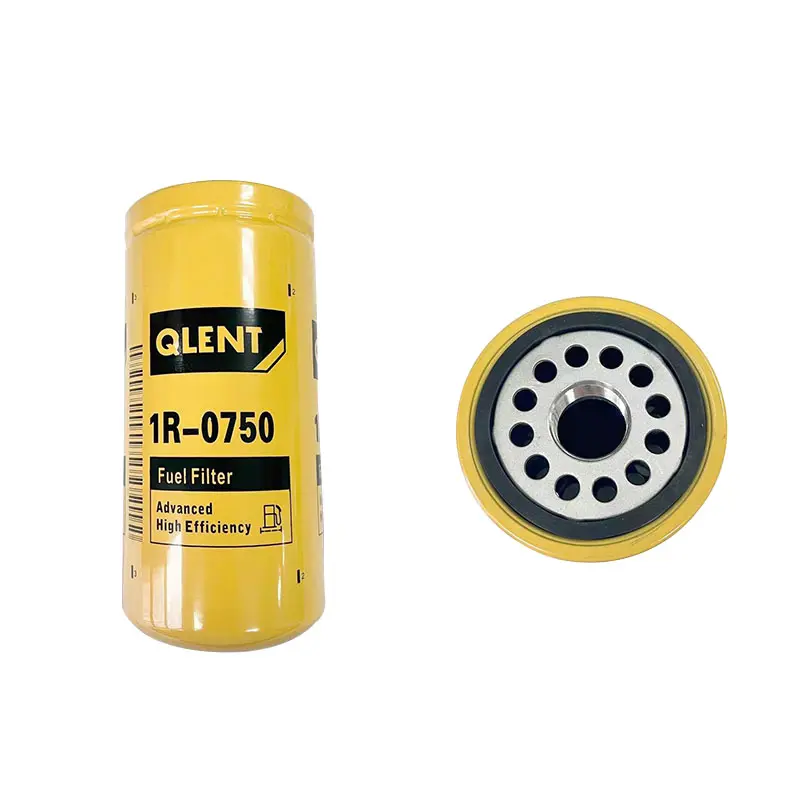 OIL FILTER
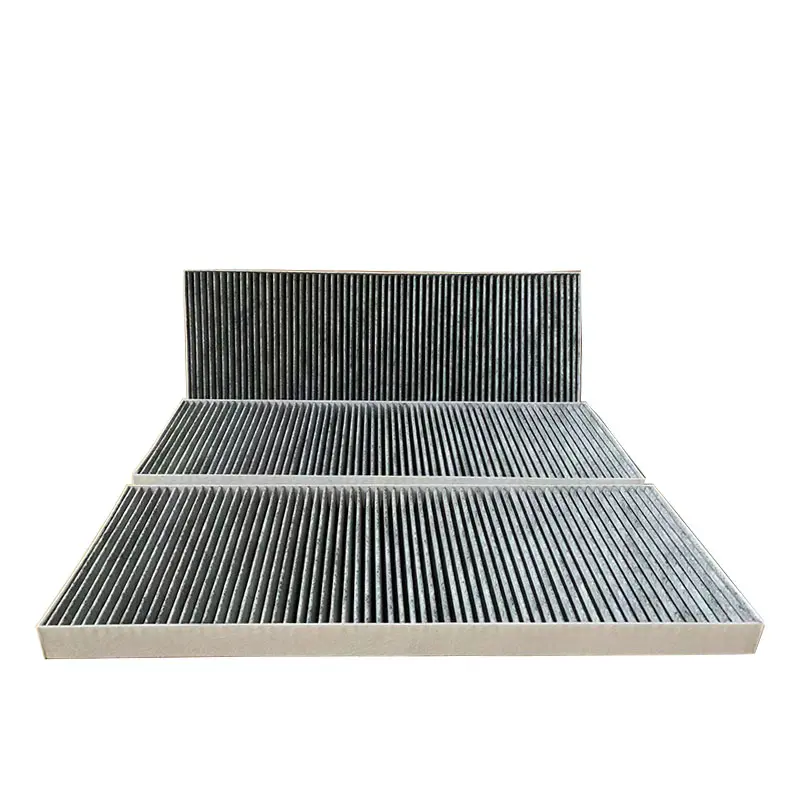 CABIN FILTER
 AIR FILTER