What is an Air Filter and How Does It Improve Air Quality in Your Home
In today's world, where air pollution is a growing concern, understanding the role of an Air Filter in maintaining indoor air quality has become increasingly vital. According to Dr. Lisa Green, a leading expert in environmental health, "A high-quality air filter can significantly reduce airborne contaminants, helping to create a safer and healthier home environment." This statement underscores the importance of integrating effective air filtration systems into residential spaces.
Air Filters work by capturing a variety of pollutants, including dust, pollen, pet dander, and even microscopic pathogens, thereby enhancing the quality of the air we breathe. By filtering out these harmful particles, an Air Filter not only helps in minimizing allergy symptoms but also contributes to the overall well-being of the residents. As many people spend a significant amount of their time indoors, ensuring that the air is clean and pure is essential for both physical health and comfort.
In light of increasing awareness around environmental health, it’s crucial to explore the different types of Air Filters available and how they function. Understanding the mechanisms behind these devices can empower homeowners to make informed decisions, leading to a breath of fresh air in their living spaces.
What is an Air Filter?
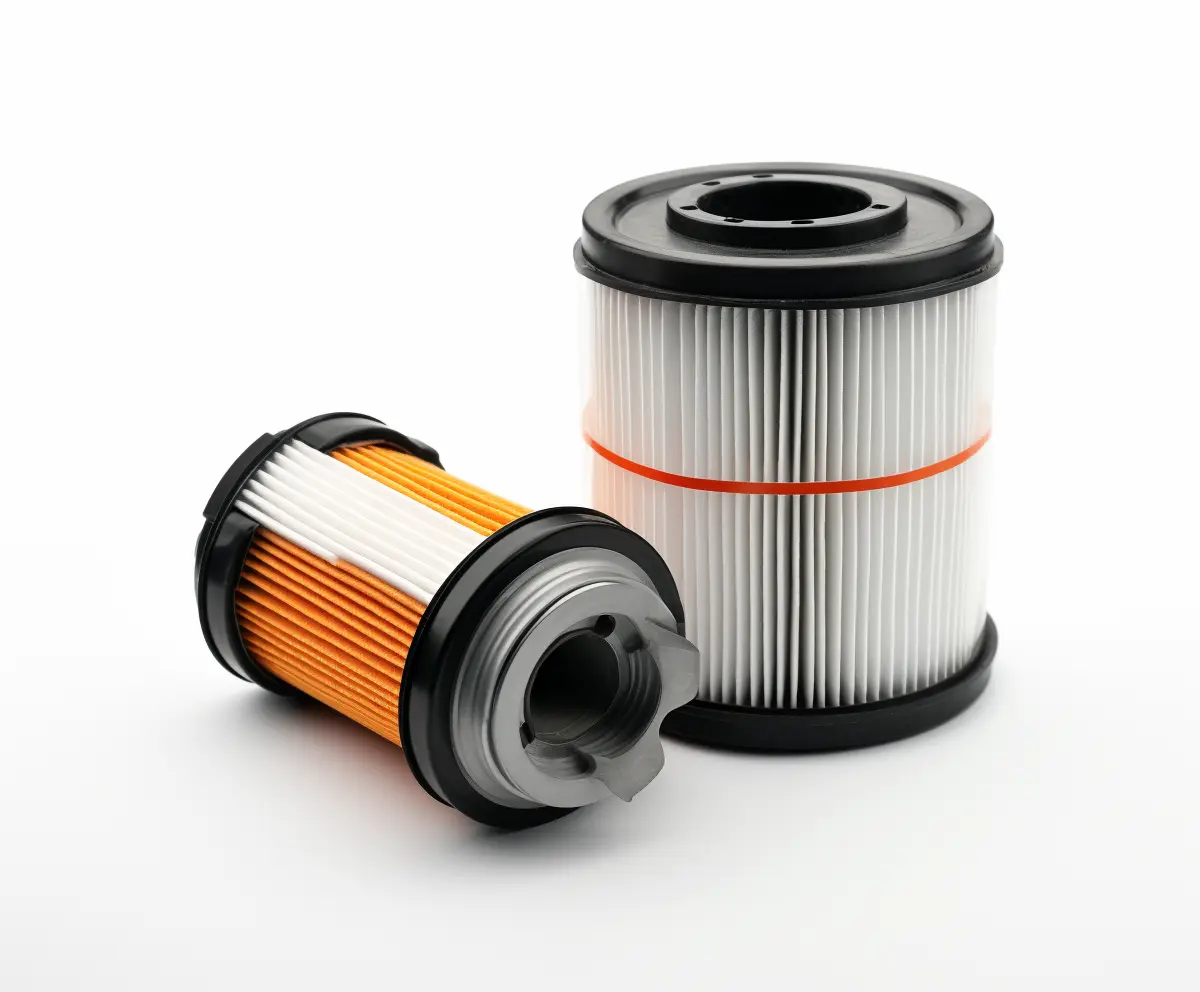
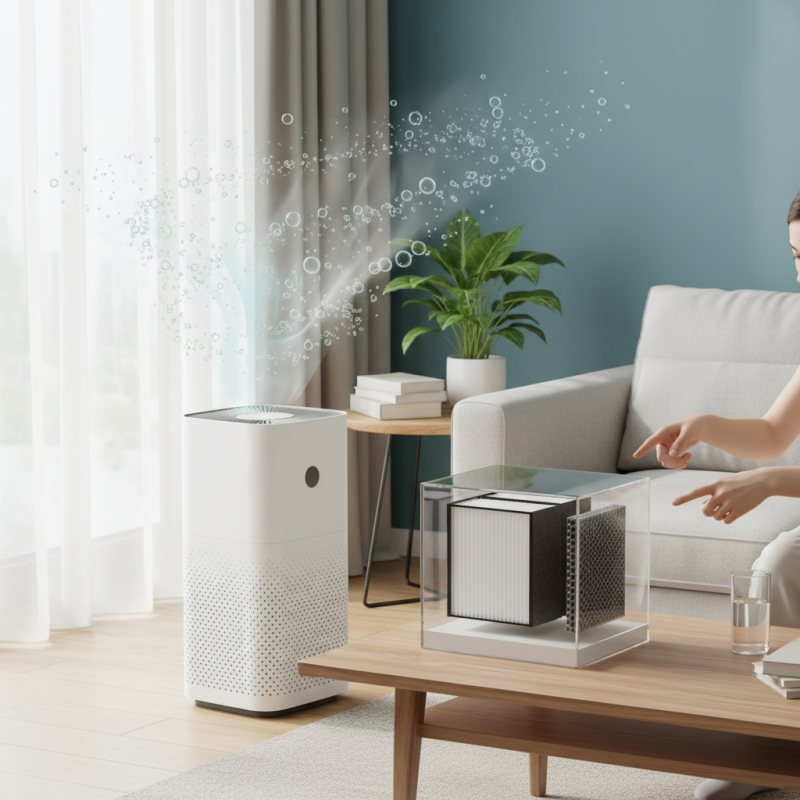
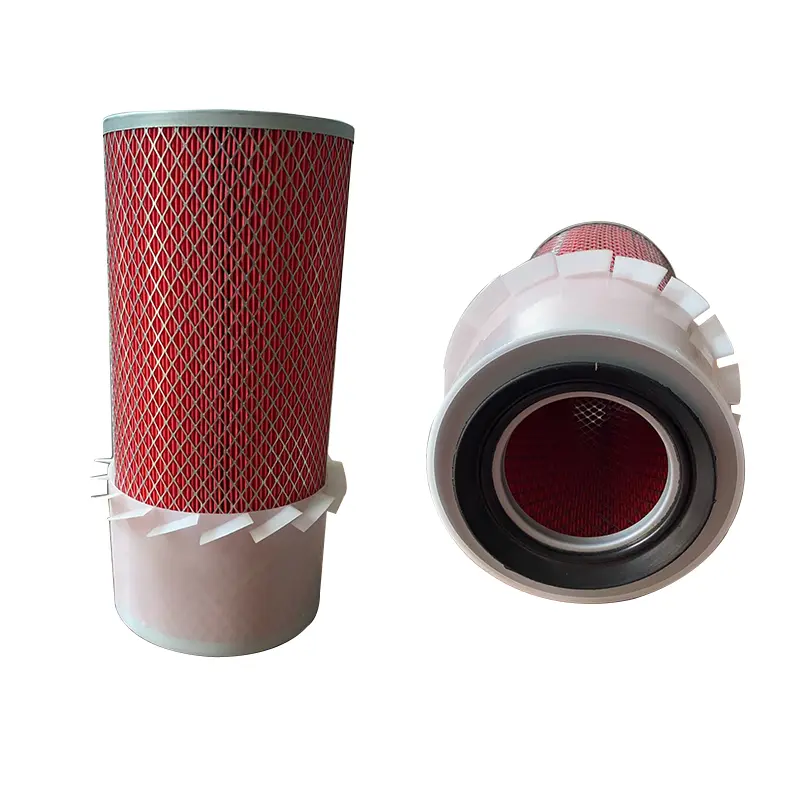
An air filter is a device designed to remove particles such as dust, pollen, smoke, and other pollutants from the air that circulates within your home. Typically made from materials like fiberglass or foam, air filters are an essential component of heating, ventilation, and air conditioning (HVAC) systems. By trapping airborne contaminants, these filters contribute significantly to enhancing indoor air quality and ensuring a healthier environment for you and your family.
To maintain optimal function, it's crucial to regularly check and replace your air filter. A clogged or dirty filter can lead to reduced airflow, making your HVAC system work harder, which may increase energy bills and decrease its lifespan. As a tip, schedule a monthly inspection of your air filter, especially during peak seasons when your heating or cooling system works harder. This simple habit can save you money and improve air quality.
Additionally, consider the type of air filter that best meets your needs. Some filters are designed to capture larger particles, while others can also trap smaller pollutants like bacteria and volatile organic compounds (VOCs). For improved air quality, you might opt for high-efficiency particulate air (HEPA) filters, which are particularly effective at removing allergens. Always remember to consult a professional if you are unsure about which filter is best for your home.
Types of Air Filters and Their Functions
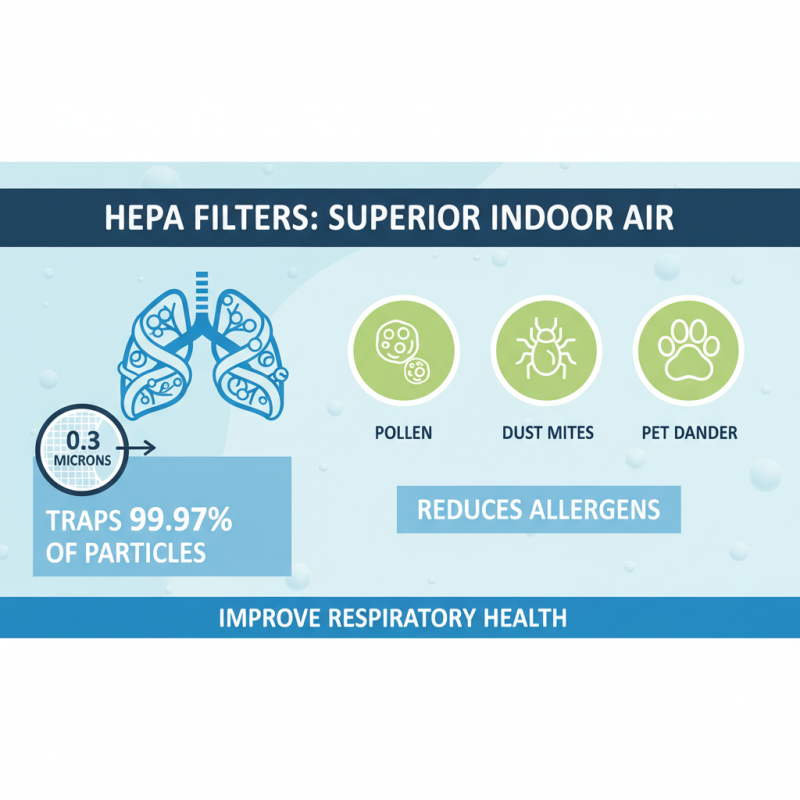
Air filters come in various types, each designed to enhance indoor air quality by targeting specific pollutants. One common type is the HEPA filter, which stands for High-Efficiency Particulate Air. This filter can trap 99.97% of particles that are 0.3 microns in size, effectively capturing allergens like pollen, dust mites, and pet dander. HEPA filters are particularly beneficial for individuals with allergies or respiratory conditions, as they significantly reduce the presence of airborne irritants.
Another prevalent type is the activated carbon filter, which excels in removing odors and harmful gases from the environment. These filters utilize activated charcoal to absorb volatile organic compounds (VOCs), smoke, and other unpleasant smells. They are often used in conjunction with HEPA filters to ensure a comprehensive approach to air purification. Additionally, electrostatic filters use an electrical charge to attract and capture smaller particles, providing a more efficient filter option that can be washable and reusable, offering both environmental and economic benefits. Each air filter type plays a vital role in improving air quality, making it essential to choose the right filter based on specific air quality needs.
How Air Filters Work to Remove Pollutants
Air filters play a crucial role in improving indoor air quality by effectively removing various pollutants present in the environment. They operate using different mechanisms, such as mechanical filtration, electrostatic attraction, and activated carbon adsorption, to capture particles and contaminants. According to the Environmental Protection Agency (EPA), indoor air can be 2 to 5 times more polluted than outdoor air, making the role of air filters even more significant in residential spaces. For instance, high-efficiency particulate air (HEPA) filters can trap up to 99.97% of particles that are 0.3 microns in size, including dust, pollen, pet dander, and smoke.
In addition to particles, air filters help in reducing harmful gases and volatile organic compounds (VOCs) that can contribute to health issues. Studies indicate that commonly used household products may emit VOCs, which can lead to uncomfortable symptoms and exacerbate respiratory problems. Filters equipped with activated carbon can adsorb these harmful gases, improving overall air freshness. The American Lung Association notes that air filtration is a practical solution for alleviating health risks associated with poor air quality, particularly for vulnerable populations, such as children and the elderly. By utilizing air filters, households can significantly enhance their indoor air quality, leading to healthier living environments.
Benefits of Using Air Filters for Home Air Quality
Air filters play a crucial role in enhancing indoor air quality by removing various pollutants and allergens from the environment. One of the primary benefits of using air filters is their ability to capture common airborne particulates such as dust, pollen, and pet dander. By filtering out these irritants, air filters help to reduce allergy symptoms and improve overall respiratory health, making your home a more comfortable space for everyone, especially for individuals with sensitivities.
In addition to particulate matter, many air filters are designed to combat volatile organic compounds (VOCs) and other harmful gases. By eliminating these toxins, air filters contribute to a healthier living environment, reducing the risk of headaches, fatigue, and other health issues associated with poor air quality. Furthermore, improved air quality can lead to better sleep and increased productivity, as cleaner air allows for a more restorative and invigorating atmosphere within the home. This makes investing in good air filtration systems not only a smart choice for health but also for enhancing overall well-being in everyday life.
Benefits of Using Air Filters for Home Air Quality
Maintenance Tips for Effective Air Filter Performance
Proper maintenance of air filters is essential for ensuring optimal performance and improving indoor air quality. One of the most important maintenance tips is to regularly check and replace filters according to the manufacturer’s recommendations. Generally, replacing filters every one to three months is advisable, but this can vary based on factors such as usage, the presence of pets, and local air quality.
A clogged or dirty filter not only reduces efficiency but can also lead to increased energy costs and strain on your HVAC system.
Another effective maintenance practice is to clean washable filters as often as needed. For non-washable filters, vacuuming can help remove dust and debris between replacements. Additionally, keeping the surrounding area of the air filter clean, free from dust and obstructions, will ensure that the airflow is not hindered, further enhancing the filter's functionality. Regular maintenance contributes significantly to better air quality in your home, allowing the air filter to effectively capture pollutants and allergens, ultimately creating a healthier living environment.

 Products
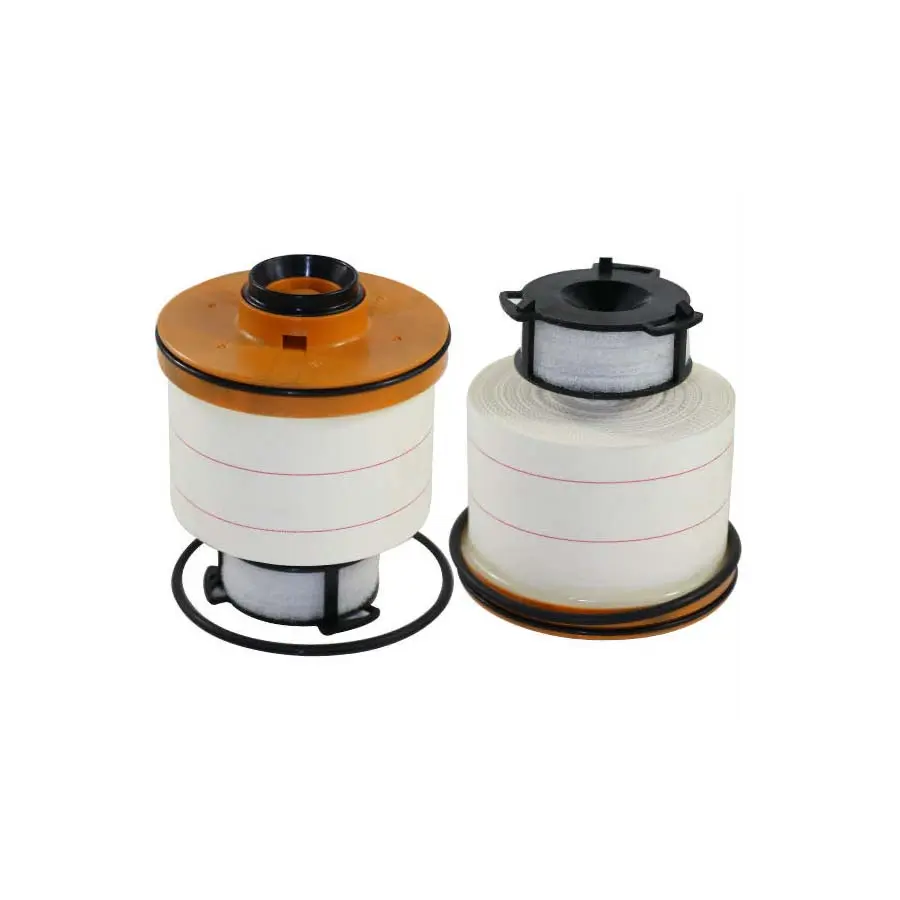 FUEL FILTER
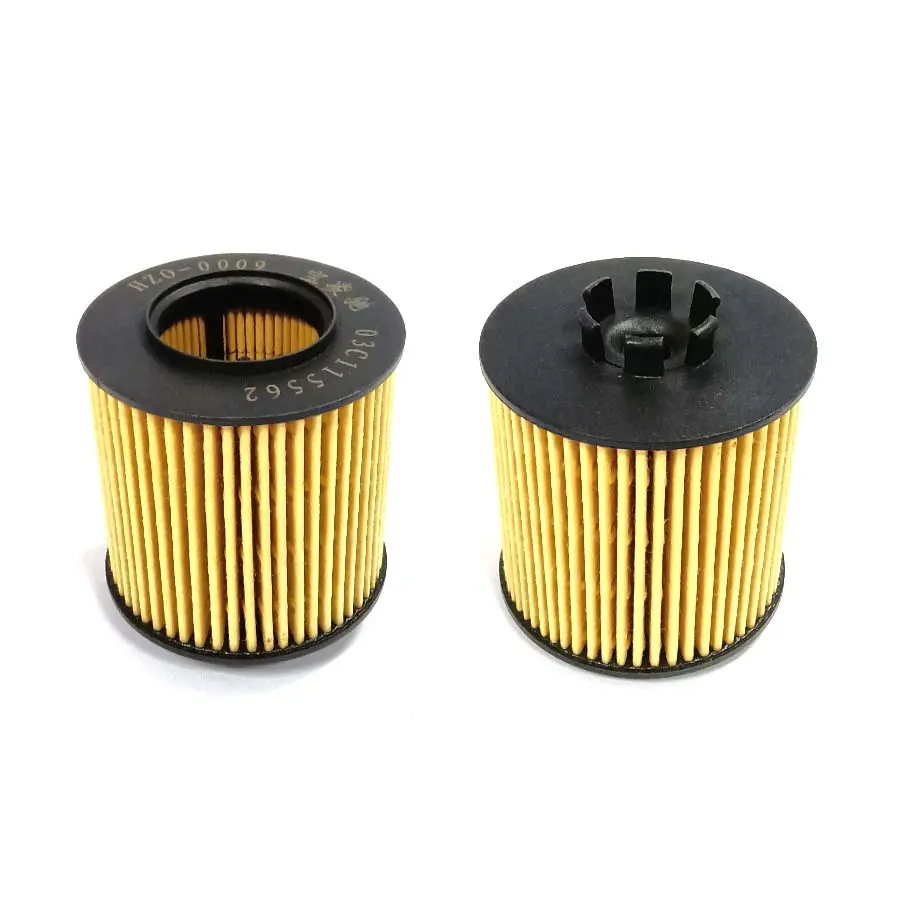 OIL ELEMENT FILTER
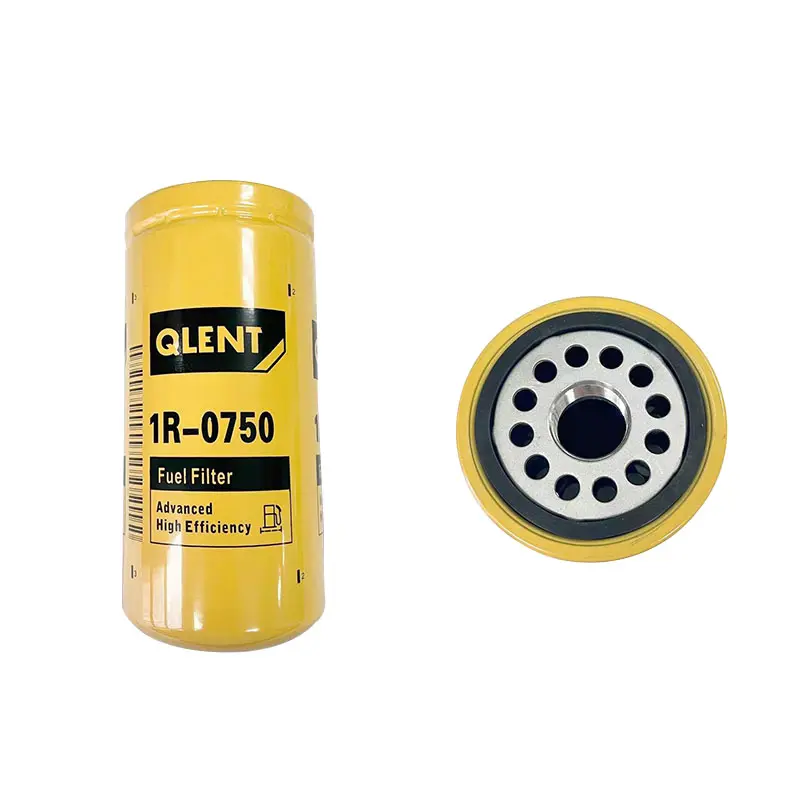 OIL FILTER
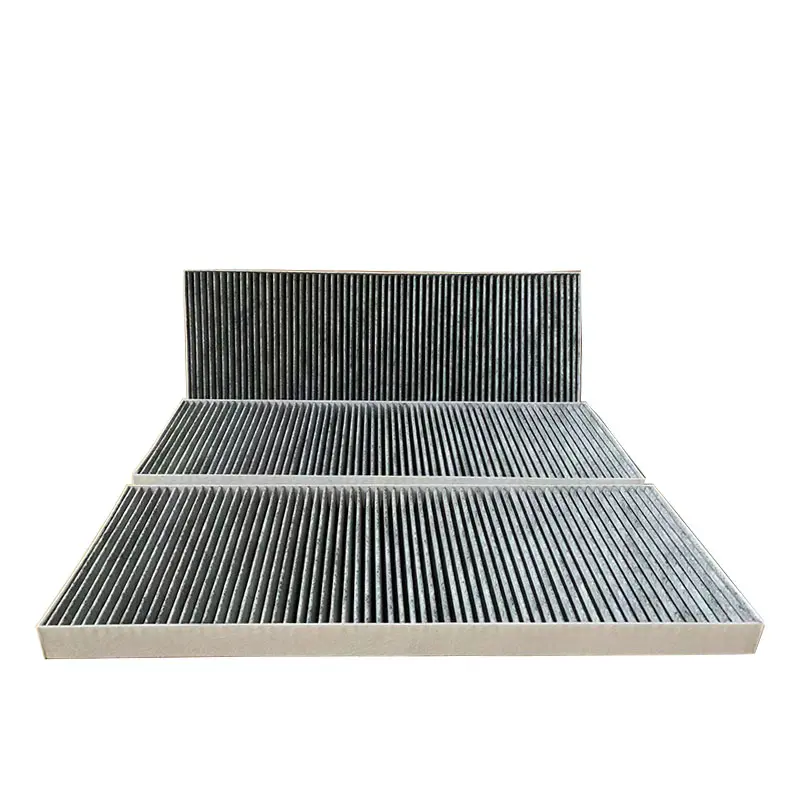 CABIN FILTER
 AIR FILTER