What is an Auto Oil Filter and How Does It Work?
An Auto Oil Filter is a crucial component of any vehicle's engine. It maintains the integrity of engine oil by removing contaminants. Experts like Jeremy Clark, a renowned automotive specialist, emphasize, "A clean oil filter is vital for engine longevity." This underscores the importance of having a properly functioning Auto Oil Filter.
When oil circulates through an engine, it picks up dirt and debris. This is where the Auto Oil Filter comes into play. It traps these unwanted particles, ensuring smooth engine operation. However, not all filters are created equal. Some low-quality filters might allow small particles to pass through, compromising engine performance. This dilemma calls for careful selection and regular maintenance to avoid costly repairs.
Understanding how an Auto Oil Filter works can empower car owners. The filters need replacement at regular intervals to maintain efficiency. Yet, many drivers overlook this task. They might not realize that a dirty filter can lead to engine wear and tear. It's essential to prioritize this aspect for overall vehicle health.
What is an Auto Oil Filter? Definition and Key Functions
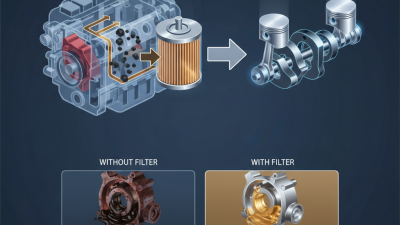
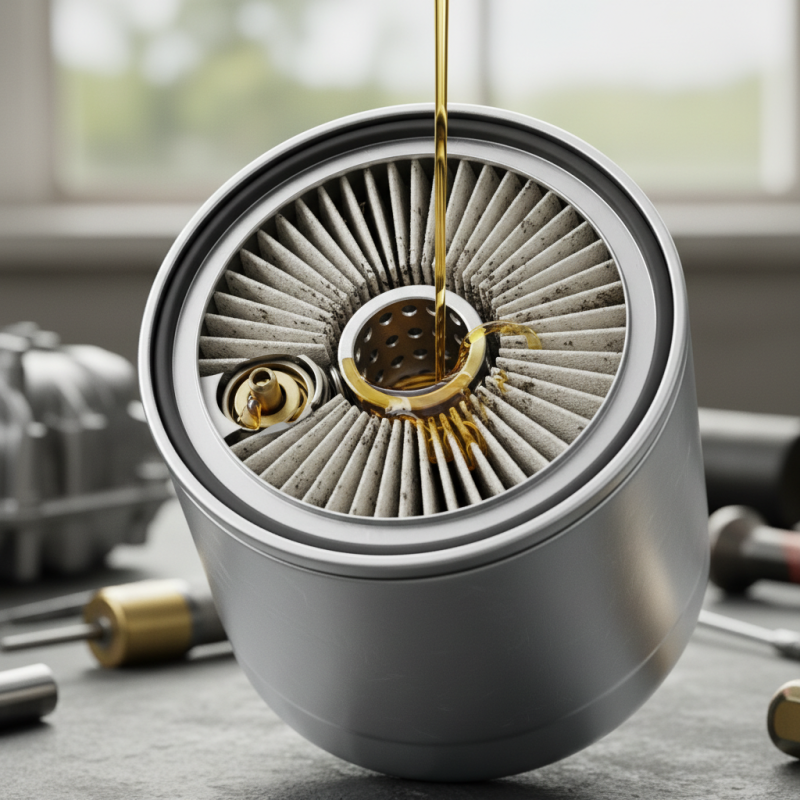
An auto oil filter is a crucial component in an engine's lubrication system. Its primary function is to remove impurities from the engine oil. Contaminants like dirt, metal particles, and sludge can build up over time. The oil filter traps these particles, preventing them from circulating back into the engine. This process helps maintain engine performance and longevity. According to recent industry reports, clean oil improves engine efficiency by up to 10%.
Choosing the right oil filter is essential. Some filters are designed for specific vehicles and driving conditions. A study showed that using the wrong filter could lead to a 20% reduction in filtration efficiency. Regular maintenance is vital. Checking and replacing the oil filter every 5,000 miles is a common recommendation.
**Tips:** Always consult your vehicle's manual to find the right filter. When changing the oil, consider the oil filter's condition as well. Neglecting it can lead to more significant engine issues down the line. Be mindful of installation; improper fitting can cause oil leaks.
Auto Oil Filter Performance Overview
This bar chart illustrates the key performance metrics of an auto oil filter, including filter efficiency, flow rate, dirt holding capacity, and service life. Each metric is represented as a percentage, demonstrating the effectiveness of modern auto oil filters in maintaining engine health.
The Importance of Oil Filtration in Engine Performance and Longevity
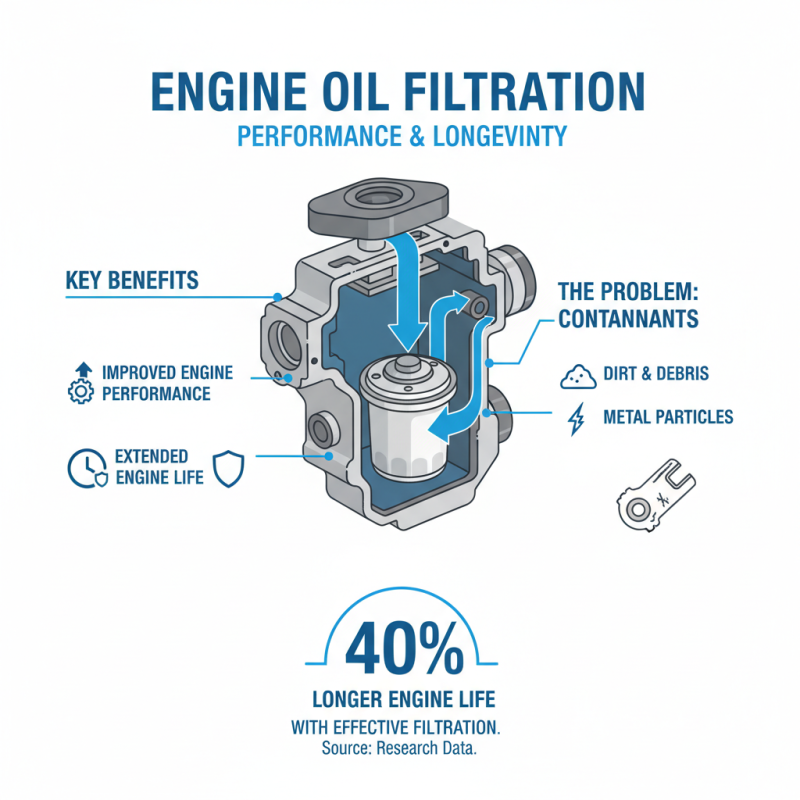
Oil filtration is crucial for engine performance and longevity. It helps remove contaminants that can cause damage. Research indicates that effective filtration can extend engine life by 40%. This statistic underscores the importance of maintaining clean oil. Contaminants like dirt and metal particles can lead to increased wear and tear.
An oil filter captures these harmful particles. A good filter can hold about 5 to 10 grams of debris before becoming ineffective. Although filters can be overlooked, their role is vital. Neglected filters can reduce oil flow, resulting in inadequate lubrication. This can significantly increase friction and heat, leading to engine failure.
Regular oil and filter changes are not merely recommendations. They are necessities for a healthy engine. A study showed that engines with clean oil operate more efficiently, enhancing fuel economy by up to 10%. Skipping maintenance can lead to costly repairs. In the long run, investing time in proper filtration pays off. Ensure your vehicle receives the attention it deserves for optimal performance.
How Auto Oil Filters Operate: Mechanics and Filtration Process
Auto oil filters play a crucial role in a vehicle's engine health. They remove impurities from the engine oil, ensuring a cleaner and more efficient operation. The filtration process begins when engine oil circulates through the engine. As it moves, it collects dirt, metal particles, and other contaminants. The oil then flows into the filter, where a filtering element traps these impurities.
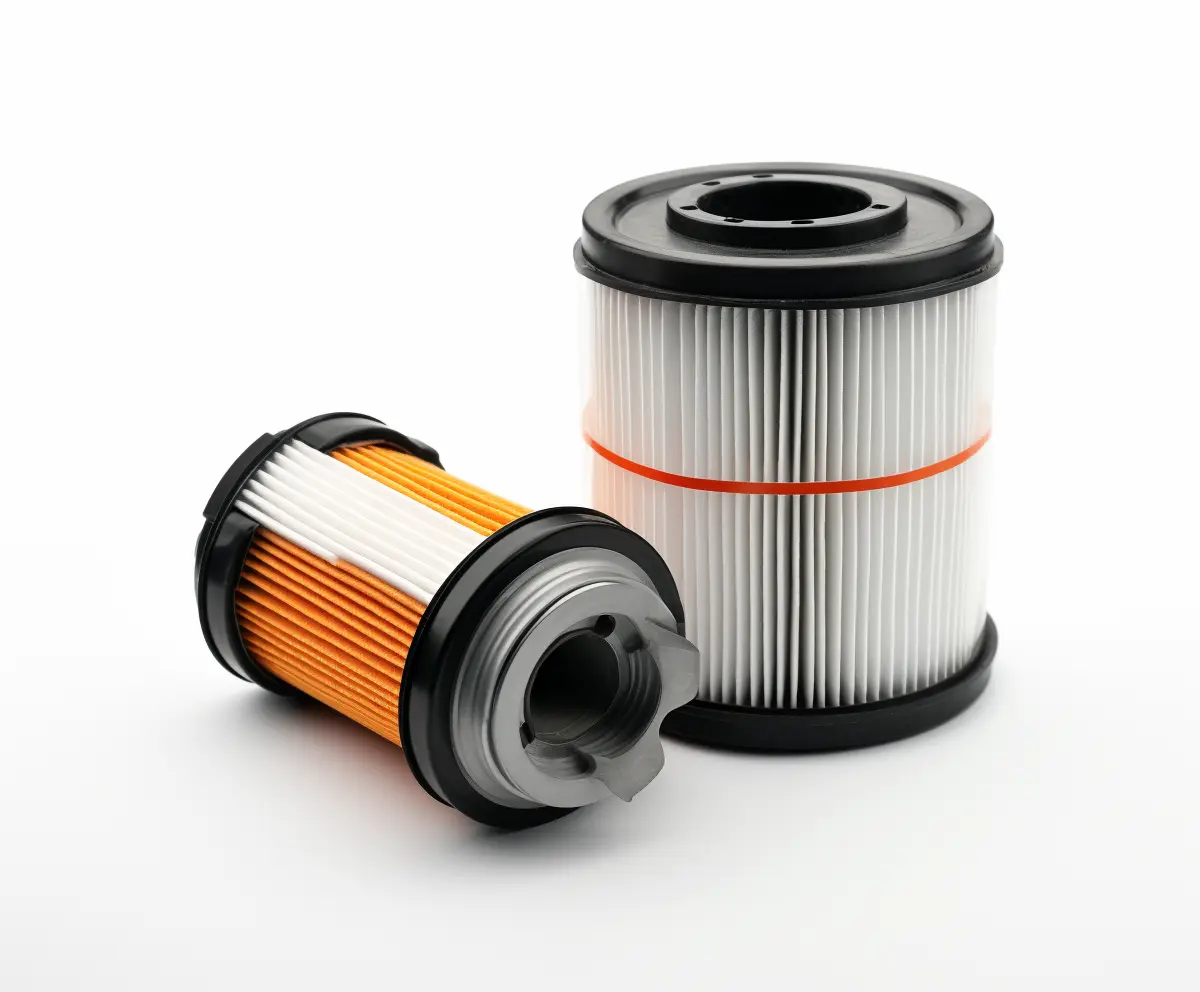
The mechanics of the filter are fascinating. It consists of a canister and a filtering medium, usually made of paper or synthetic material. When oil enters, it passes through the filter medium. Clean oil exits from the other side, ready to lubricate critical engine components. However, the filter also has a limited capacity. Over time, it can become clogged, leading to reduced oil flow.
Tips: Change your oil filter regularly to maintain engine performance. A clogged filter can restrict oil flow and cause damage. Always follow the recommended maintenance schedule in your vehicle’s manual. Remember to check the filter during oil changes, as neglect can lead to unnecessary repairs. Regular maintenance keeps your engine running smoothly and efficiently.
What is an Auto Oil Filter and How Does It Work? - How Auto Oil Filters Operate: Mechanics and Filtration Process
| Feature |
Description |
| Function |
Removes contaminants from engine oil to ensure smooth engine operation. |
| Types |
Spin-on, Cartridge, and Remote Filters. |
| Filtration Process |
Oil is pumped through the filter media capturing particles and debris. |
| Materials |
Typically made of paper, cloth, or synthetic materials. |
| Maintenance |
Regular replacement is necessary to maintain engine health. |
| Signs of a Clogged Filter |
Poor engine performance, oil pressure warning light, unusual noises. |
Types of Auto Oil Filters: Cartridge, Spin-On, and Magnetic Filters
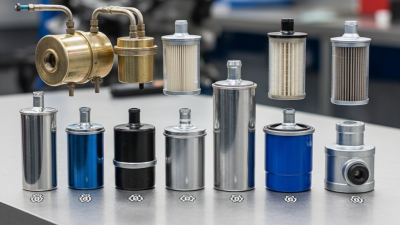
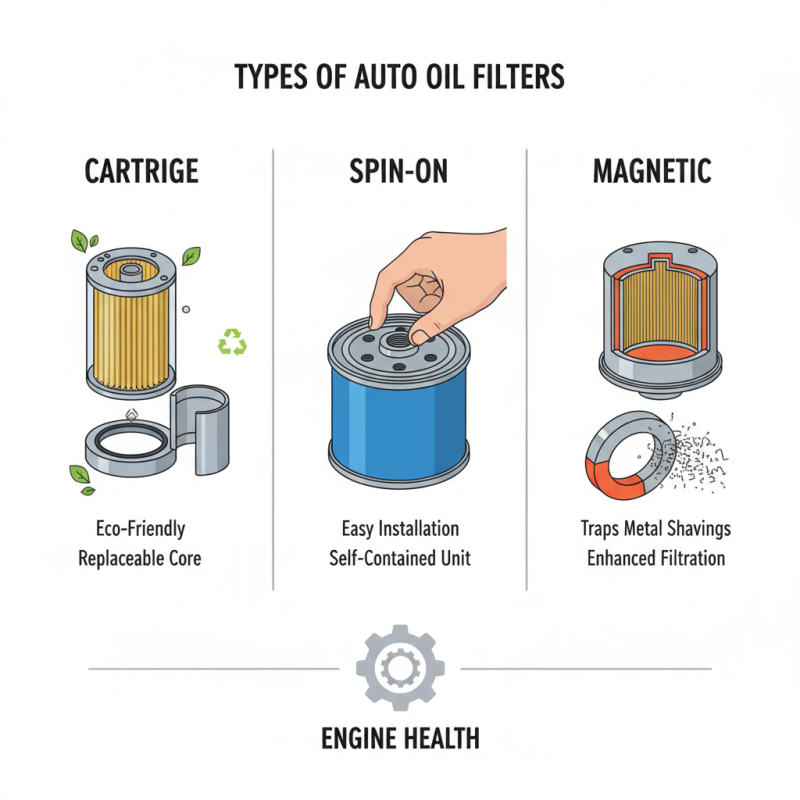
When it comes to auto oil filters, three main types stand out: cartridge, spin-on, and magnetic filters. Each type plays a crucial role in maintaining engine health. Cartridge filters are designed to be replaced and allow for easy maintenance. They have a removable core that houses the filter media. This type often features a more eco-friendly design, which is a significant advantage. However, the installation process can be a bit tricky for some users.
Spin-on filters are perhaps the most common choice. They are easy to install and replace. You simply spin them onto the engine's mounting point. Their simplicity is appealing, but not all spin-on filters are created equal. Some may not provide optimal filtration. This can lead to problems over time. Users should always check the specifications.
Magnetic filters utilize magnets to catch metal particles. They are often less common but can be effective in certain applications. However, their performance can vary. Some vehicles may benefit greatly from using a magnetic filter, while others may not notice much difference. Understanding the pros and cons of each type can help drivers make informed decisions. Choosing the right filter isn't always straightforward.
Industry Standards and Recommended Replacement Intervals for Oil Filters
When it comes to maintaining a vehicle's engine, oil filters play a crucial role. Industry standards suggest replacing oil filters every 3,000 to 5,000 miles. This recommendation is backed by a study from the American Petroleum Institute, highlighting that regular maintenance can significantly extend engine life.
Failure to replace the oil filter can lead to reduced efficiency. Clogged filters can cause contaminants to circulate. A report by the Society of Automotive Engineers indicates that nearly 70% of engine wear results from dirty oil. It's tempting to ignore these recommendations, but doing so can lead to costly repairs down the line.
Different vehicles may have varying needs. Some engines require more frequent changes. Manufacturers often provide specific guidelines for each model. Ignoring these can affect performance. A comprehensive review by the International Council on Clean Transportation mentions that neglecting maintenance reduces fuel efficiency by up to 14%. Regularly changing your oil filter is not just a task; it's an investment in your vehicle's longevity and optimal operation.

 Products
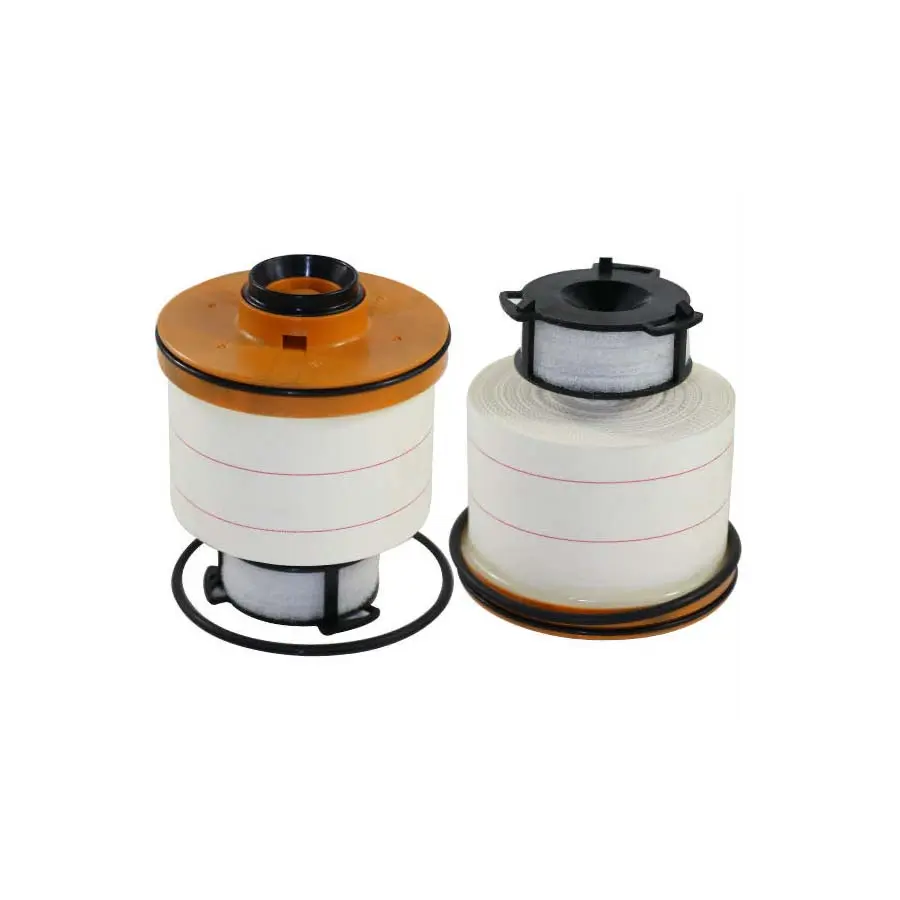 FUEL FILTER
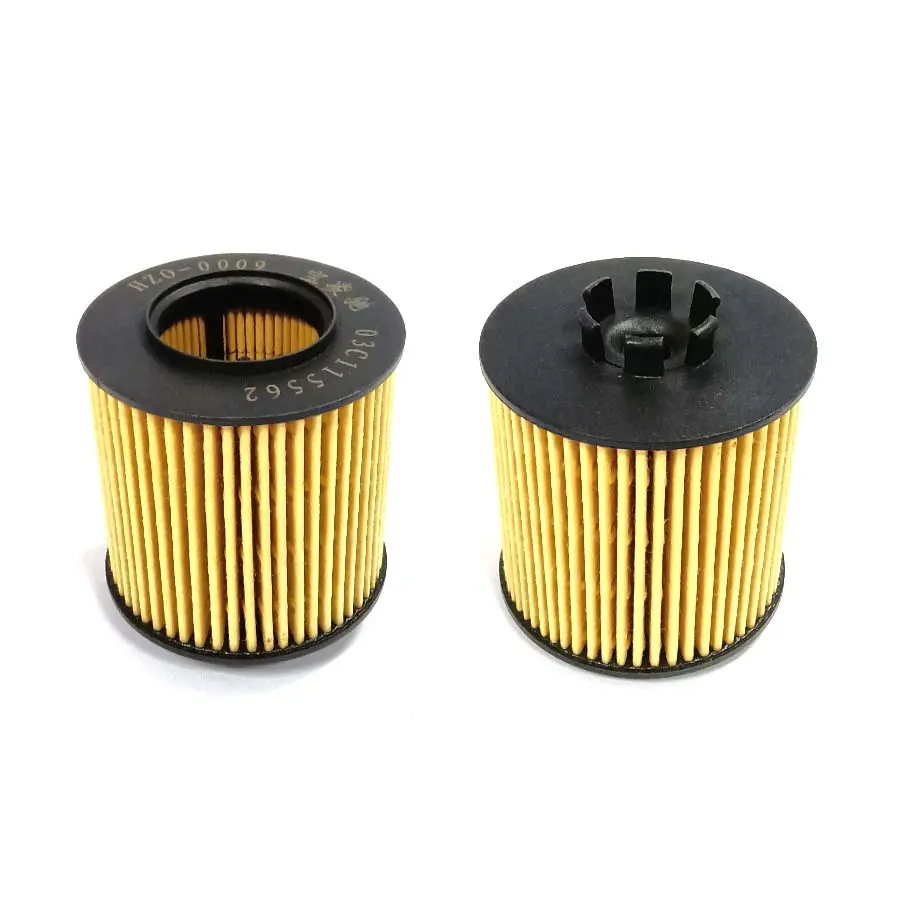 OIL ELEMENT FILTER
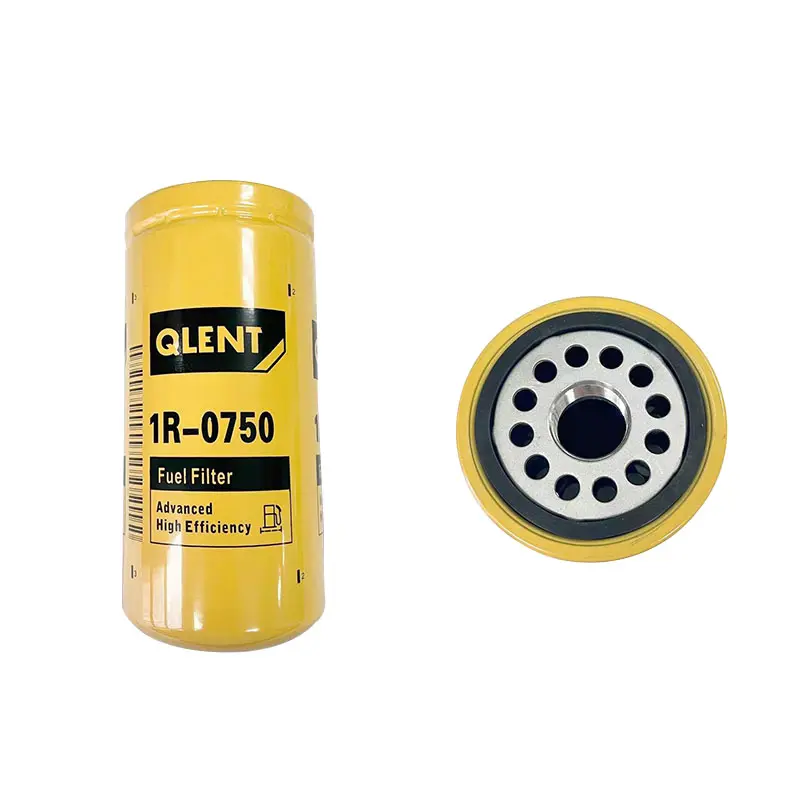 OIL FILTER
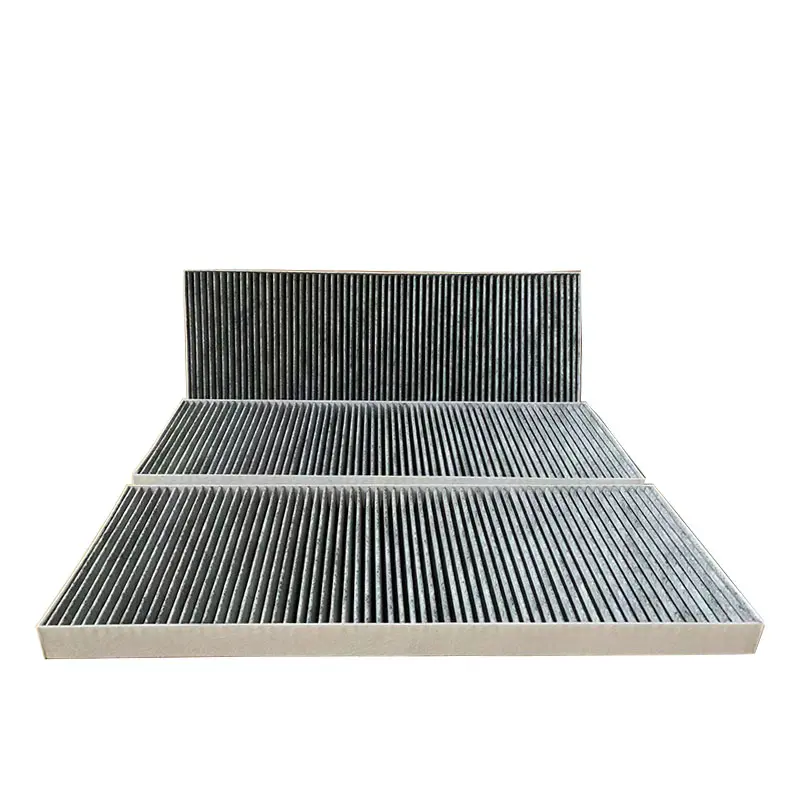 CABIN FILTER
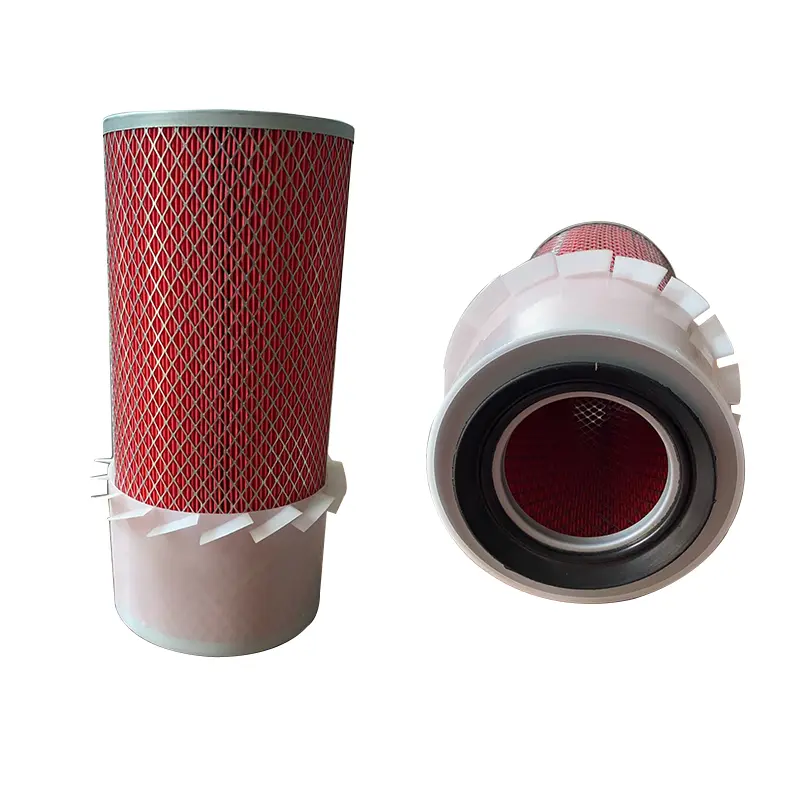 AIR FILTER