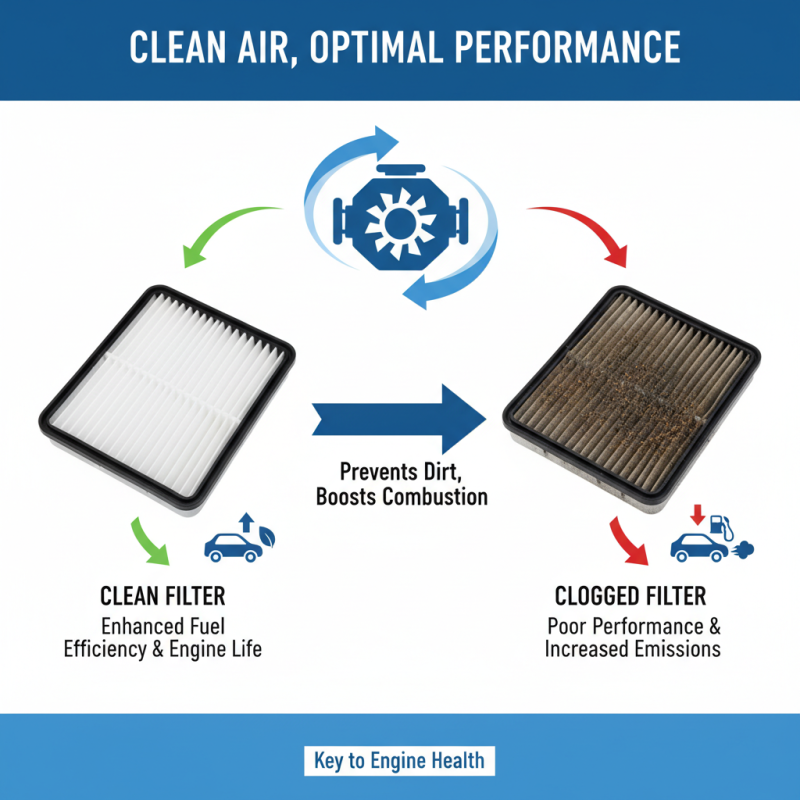
What is an Automobile Air Intake Filter and How Does It Work?
Automobile Air Intake Filters play a crucial role in vehicle performance and efficiency. These filters trap dirt, debris, and other contaminants before they enter the engine. According to a report by the Automotive Filter Manufacturers Association, an effective air intake filter can improve fuel efficiency by up to 10%. This efficiency is essential for both environmental and economic reasons.
Experts emphasize the importance of maintaining clean filters. Dr. Emily Carter, a leading figure in automotive engineering, states, "Neglecting air intake filters can lead to significant engine wear." This highlights the need for regular inspections and replacements of Automobile Air Intake Filters to ensure optimal engine function.
Despite advancements in filter technology, many vehicle owners overlook this aspect of maintenance. The consequences can be severe. Clogged filters can cause reduced engine performance and increased emissions. Understanding the function and importance of Automobile Air Intake Filters is vital for any car owner who wishes to maintain their vehicle's longevity and efficiency.
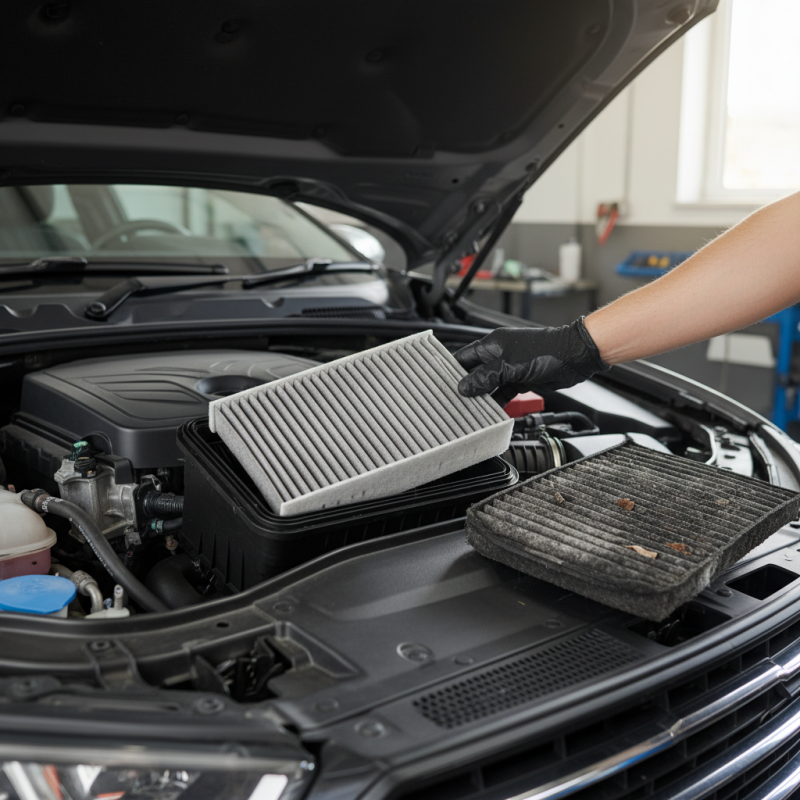
What is an Automobile Air Intake Filter?
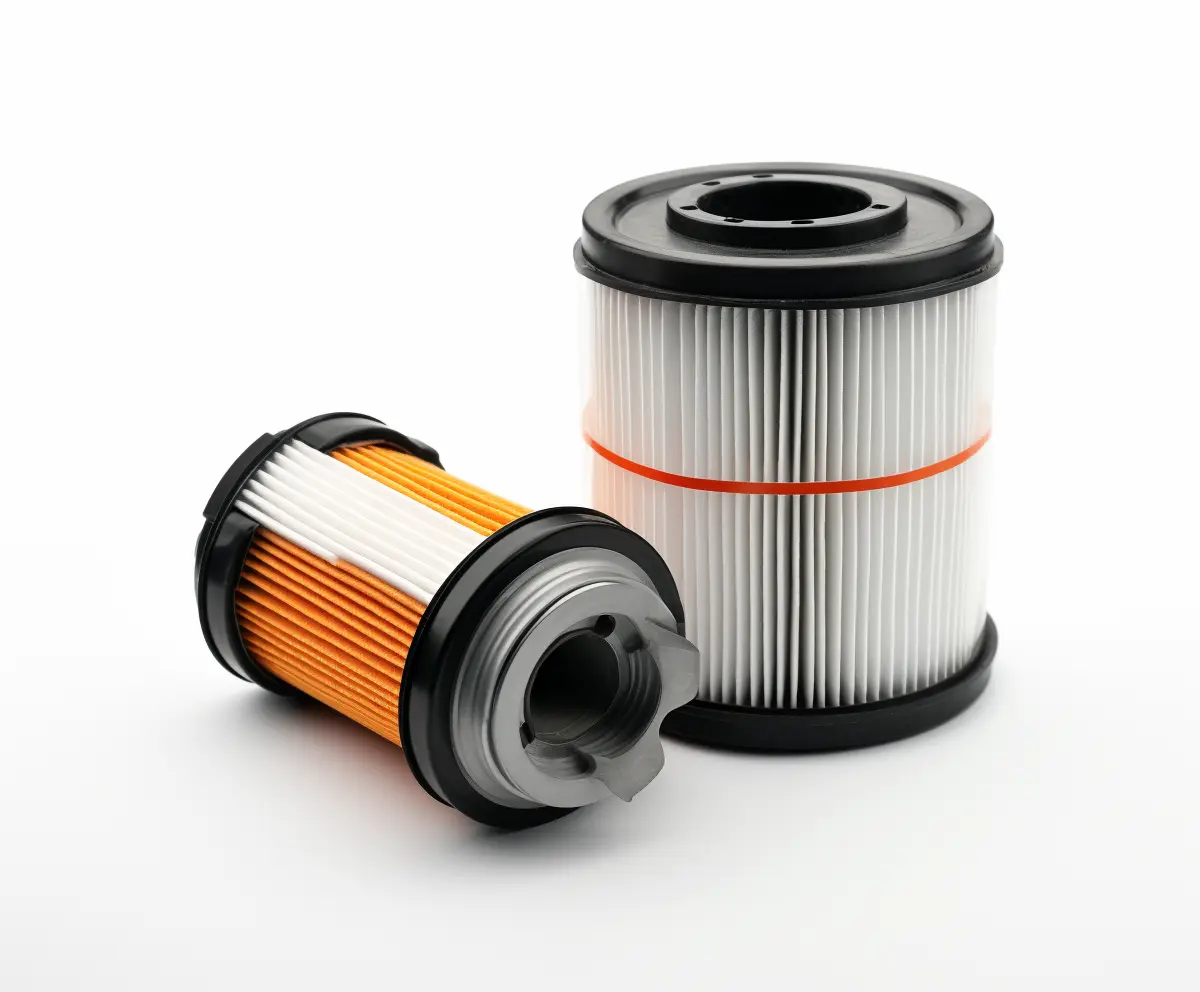
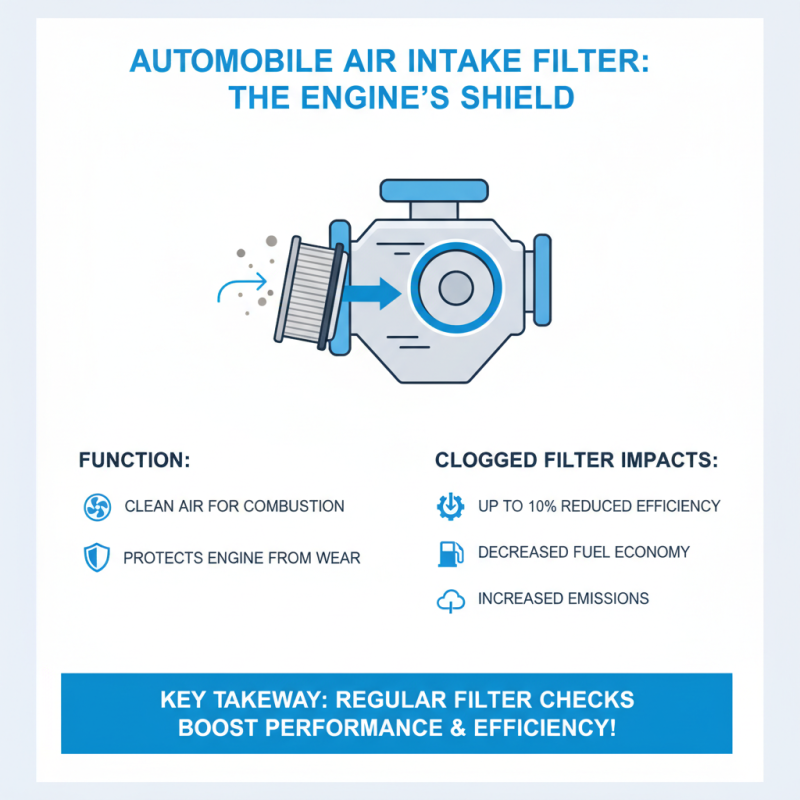
An automobile air intake filter is a crucial component of a vehicle's engine system. It ensures that only clean air enters the engine for combustion. The filter captures dirt, dust, and contaminants, protecting the engine from wear. According to industry reports, a clogged air filter can reduce engine efficiency by up to 10%. This inefficiency can lead to decreased fuel economy and increased emissions.
The effectiveness of an air intake filter largely depends on its condition. Regular maintenance is essential. A dirty filter not only hampers performance but can also cause engine damage over time. Studies show that over 50% of vehicles on the road have air filters that need replacement. It’s concerning that many drivers overlook this simple yet vital maintenance task, impacting overall vehicle health and safety.
Many filters are made from paper, foam, or cotton. Each material has its pros and cons. However, regardless of the type, a timely replacement is necessary to maintain peak performance. Neglecting this can lead to higher repair costs down the line. The intricacies of engine performance rely heavily on this often-overlooked component.
The Functionality of an Air Intake Filter in Vehicles
The air intake filter plays a vital role in a vehicle's performance. It acts as a barrier, preventing dirt and debris from entering the engine. Clean air is essential for optimal combustion. If the filter is clogged, it affects airflow, leading to poor engine performance. This can result in decreased fuel efficiency and increased emissions. A clean filter enhances engine life and performance.
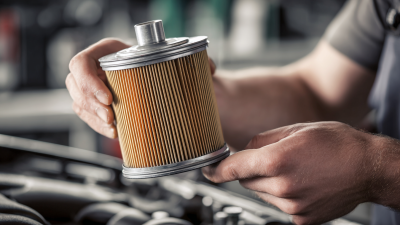
Regular maintenance of the air intake filter is crucial. Check it regularly for dirt or damage. If you notice a layer of dust, it’s time to change it. When replacing, remember to choose a filter that fits your vehicle's requirements.
**Tip:** Inspect your air intake filter during routine oil changes. A clean filter can save you fuel costs.
Over time, your filter may become less effective. It might seem minor, but neglecting it can lead to problems. Ignoring warning signs, like decreased acceleration, can lead to costly repairs. Small actions today can prevent bigger issues tomorrow.
**Tip:** Keep an eye on engine performance and listen for unusual noises. These can be signs of an air intake issue.
Types of Air Intake Filters Used in Automobiles
Automobile air intake filters are crucial components of any vehicle’s engine system. They help to clean the air entering the engine, ensuring optimal combustion. Various types of air intake filters are commonly used in automobiles, each with its unique features and benefits.
The most common type is the paper filter. These filters are affordable and effective, capturing dust and debris effectively. However, they require regular replacement, which can be inconvenient. Foam filters are another option. They offer excellent airflow and are washable, but they may not filter out finer particles as efficiently.
Cotton filters are popular among enthusiasts. They can be reused after cleaning, making them eco-friendly. Yet, they may allow more contaminants to enter compared to paper filters. Each type has its pros and cons, leading to debates among car owners. Choosing the right air intake filter depends on needs and driving conditions. Reflecting on this choice is important for your vehicle's performance and longevity.
Maintenance Tips for Automobile Air Intake Filters
Automobile air intake filters play a crucial role in engine performance. They capture dirt and debris before they enter the engine. This helps maintain optimal air quality and improves fuel efficiency. A clean filter allows for better airflow. However, neglecting this simple part can lead to problems.
Regular maintenance of air intake filters is essential. Check your filter every 15,000 to 30,000 miles. If it appears dirty, it's time for a change. Many drivers overlook this. A clogged filter can cause reduced acceleration and increased emissions. Sometimes, simply cleaning the filter may suffice, but it depends on the filter type.
When replacing, ensure the new filter fits properly. An imperfect fit can lead to air leaks. Also, consider environmental factors. Dusty areas may require more frequent checks. Don't wait until you notice performance issues to act. Taking these small steps can improve your vehicle's health significantly.
Impact of Clean Air Filters on Engine Performance
Clean air filters play a crucial role in engine performance. An effective air intake filter protects the engine by trapping dirt and debris. This ensures that the engine receives clean air, which is essential for optimal combustion. According to industry reports, a clean air filter can improve engine efficiency by up to 10%. When air filters are clogged, engines struggle, leading to reduced power and increased fuel consumption.
Regular maintenance of air filters is often overlooked. Many drivers don't realize that a dirty filter can create significant issues. When airflow is restricted, the engine can misfire or stall. This stresses the engine components. In some cases, this can lead to costly repairs. Statistics suggest that up to 25% of vehicles on the road have dirty filters. This is a common problem, yet easy to fix.
Tip: Check your air filter every 15,000 miles or as recommended. A simple inspection can prevent bigger issues down the line. Remember, clean air filters not only enhance performance but can also extend your engine's lifespan. Don't wait for performance drops to act. Take charge of your engine health today!

 Products
 FUEL FILTER
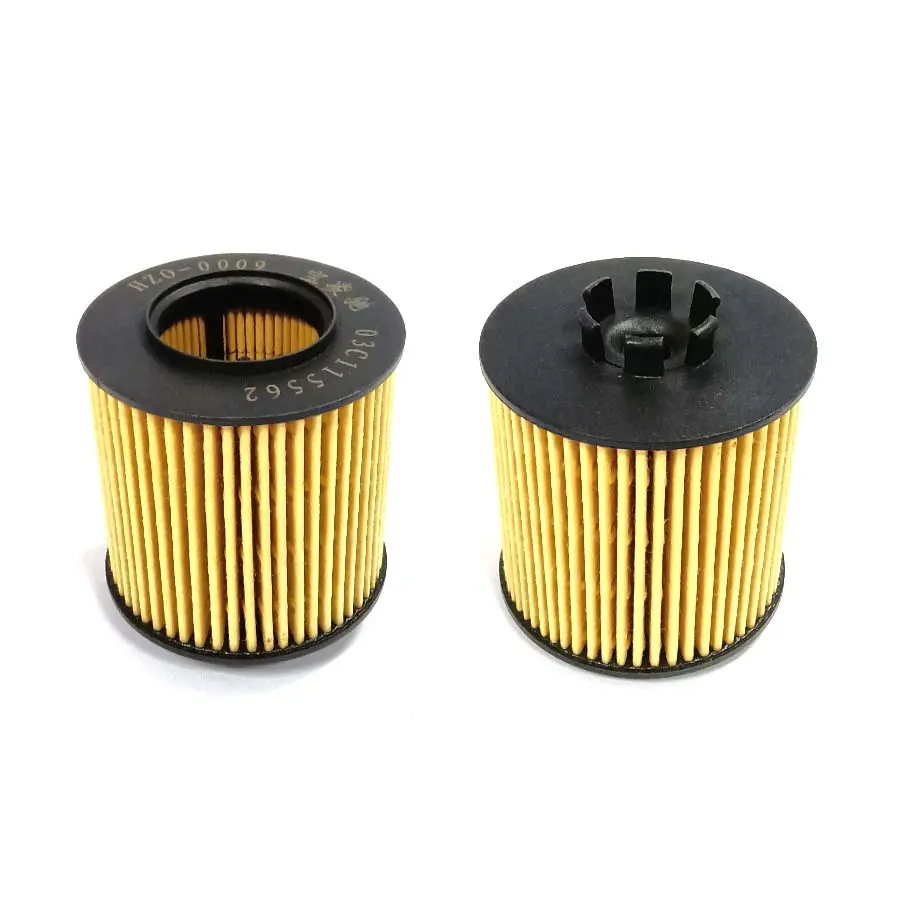 OIL ELEMENT FILTER
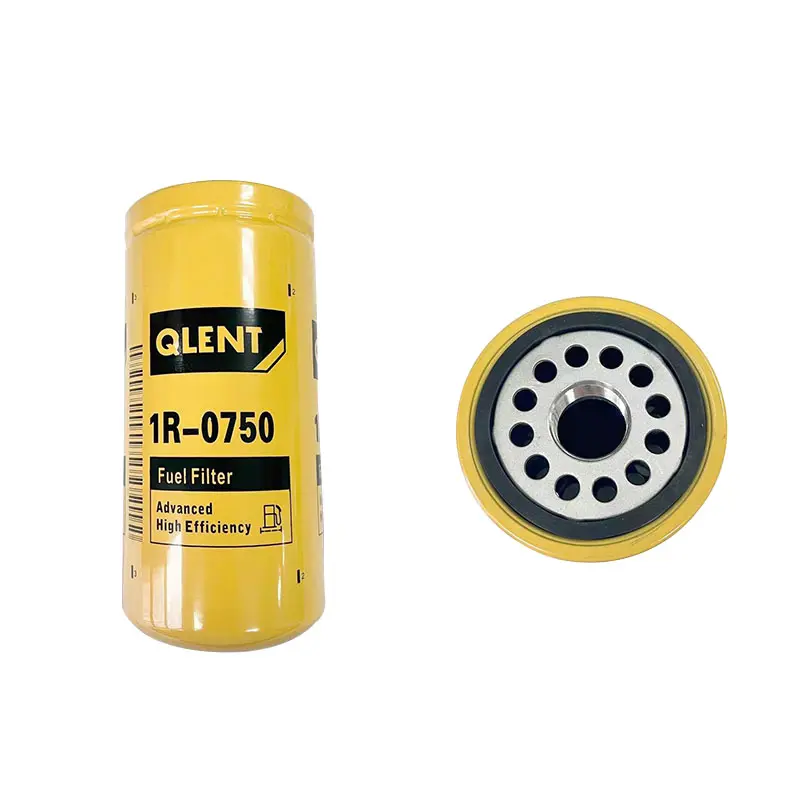 OIL FILTER
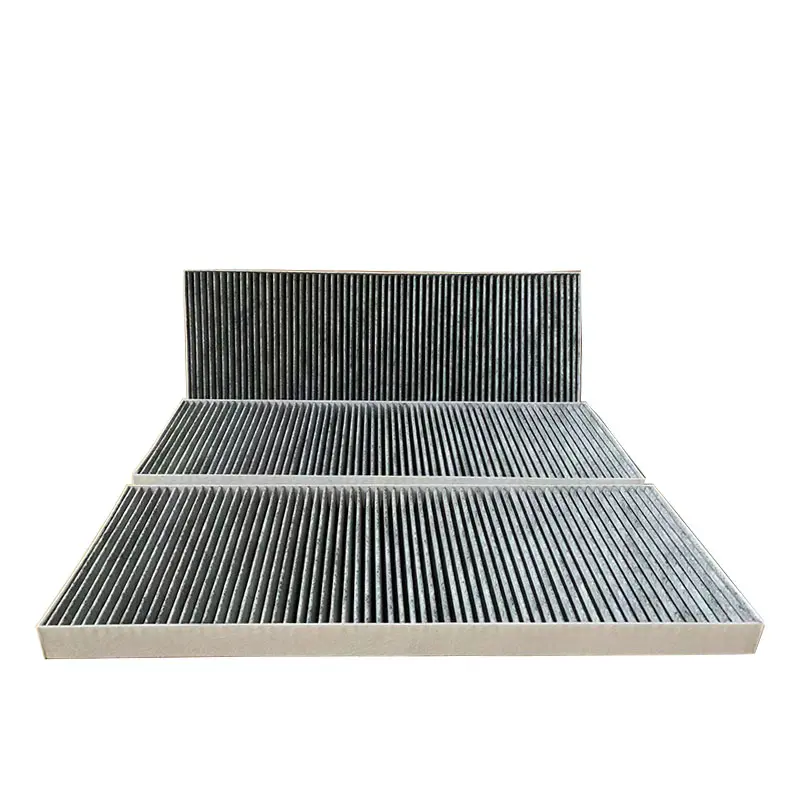 CABIN FILTER
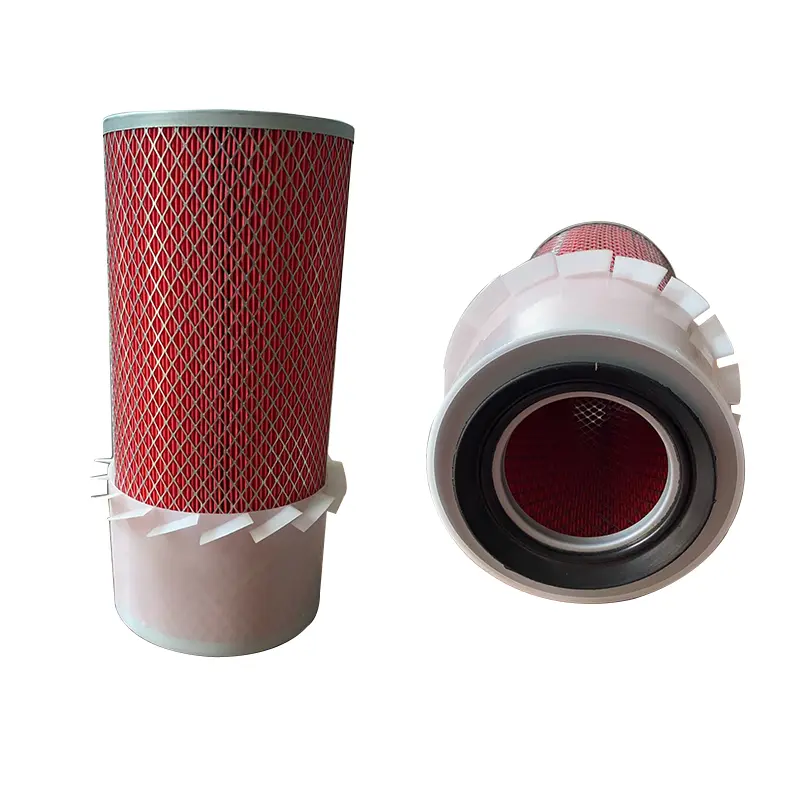 AIR FILTER