Best Vehicle Filter Options for Optimal Performance?
In the evolving automotive industry, vehicle performance relies heavily on the right components. Among these, the vehicle filter plays a crucial role. According to renowned automotive expert Dr. Emily Carter, "The right vehicle filter can enhance engine efficiency and longevity." This statement highlights the significance of choosing the best filter.
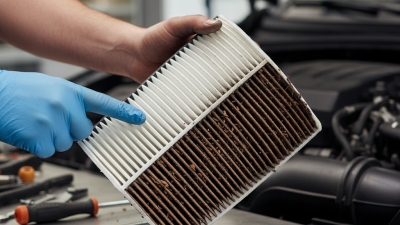
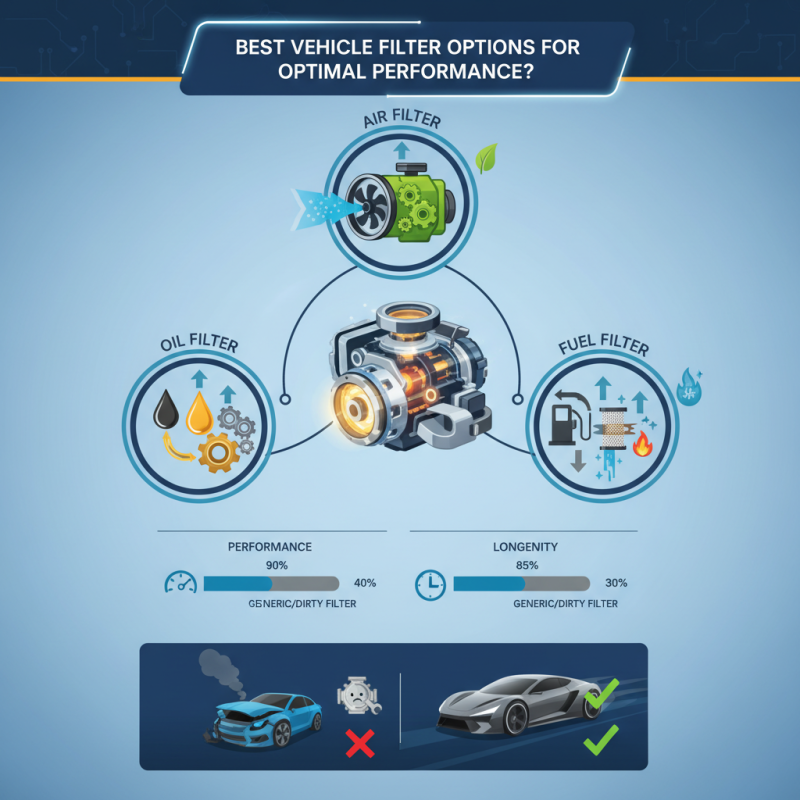
Vehicle filters come in various types, including air, oil, and fuel filters. Each type serves a unique purpose while contributing to optimal performance. Yet, many vehicle owners tend to overlook them. Ignoring filter maintenance can lead to costly repairs down the line. A dirty air filter, for example, can result in poor air intake and reduced fuel efficiency.
Selecting the right vehicle filter is not always straightforward. Lack of information can lead many into making choices that do not serve their vehicles well. Also, filters that are too generic might not fit the specific needs of certain vehicles. It's vital to recognize this, as the wrong filter may compromise performance and overall vehicle health. Embracing knowledge on vehicle filters can make a considerable difference in upkeep.
Factors to Consider When Choosing Vehicle Filters
Choosing the right vehicle filters is essential for maintaining peak performance. There are several factors to consider when making this decision. The type of filter matters. Oil filters, air filters, and cabin filters each serve a specific purpose. Understanding these roles can guide you in selecting the best options for your vehicle.
Filter quality is another critical aspect. Not all filters are created equal. A high-quality filter can enhance engine longevity, fuel efficiency, and air quality inside the car. Look for filters that meet or exceed industry standards. This information is often available in product specifications.
Installation is also significant. Some filters are easier to replace than others. A complicated installation can lead to mistakes. Choosing a filter that fits well and is easy to install may save time and frustration. Consider how often you are willing to perform maintenance. A less frequent but slightly more expensive filter might be worthwhile in the long run. Remember to reflect on your driving habits, as this can influence filter needs.
Types of Vehicle Filters and Their Functions
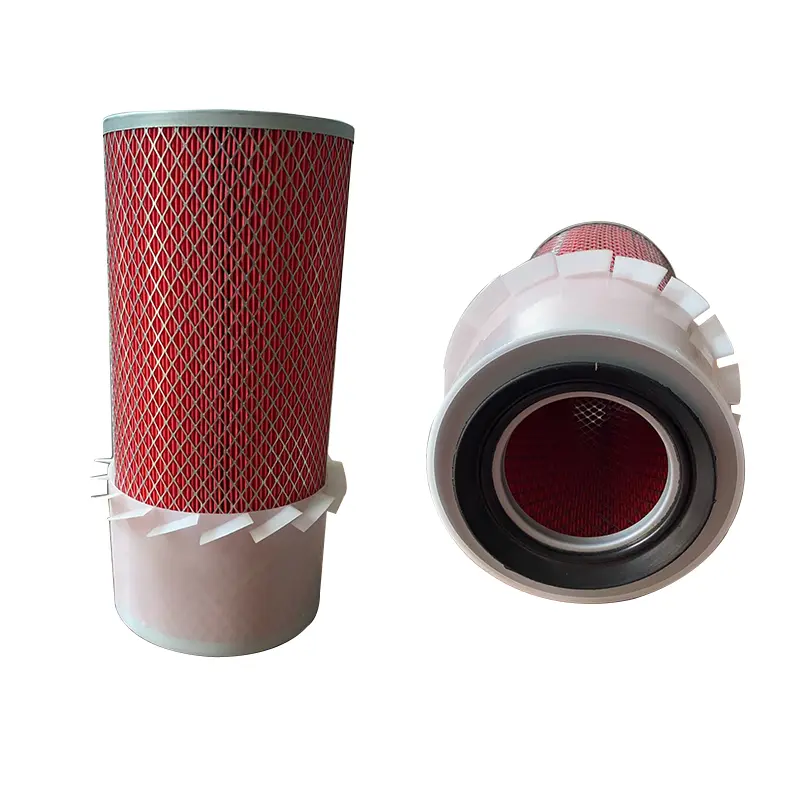
Filters are crucial for maintaining vehicle performance. Different types serve distinct functions. Air filters, for example, trap dirt and debris, ensuring clean air reaches the engine. A clean engine runs efficiently, often improving fuel economy by 6-8% according to industry reports.
Fuel Filter
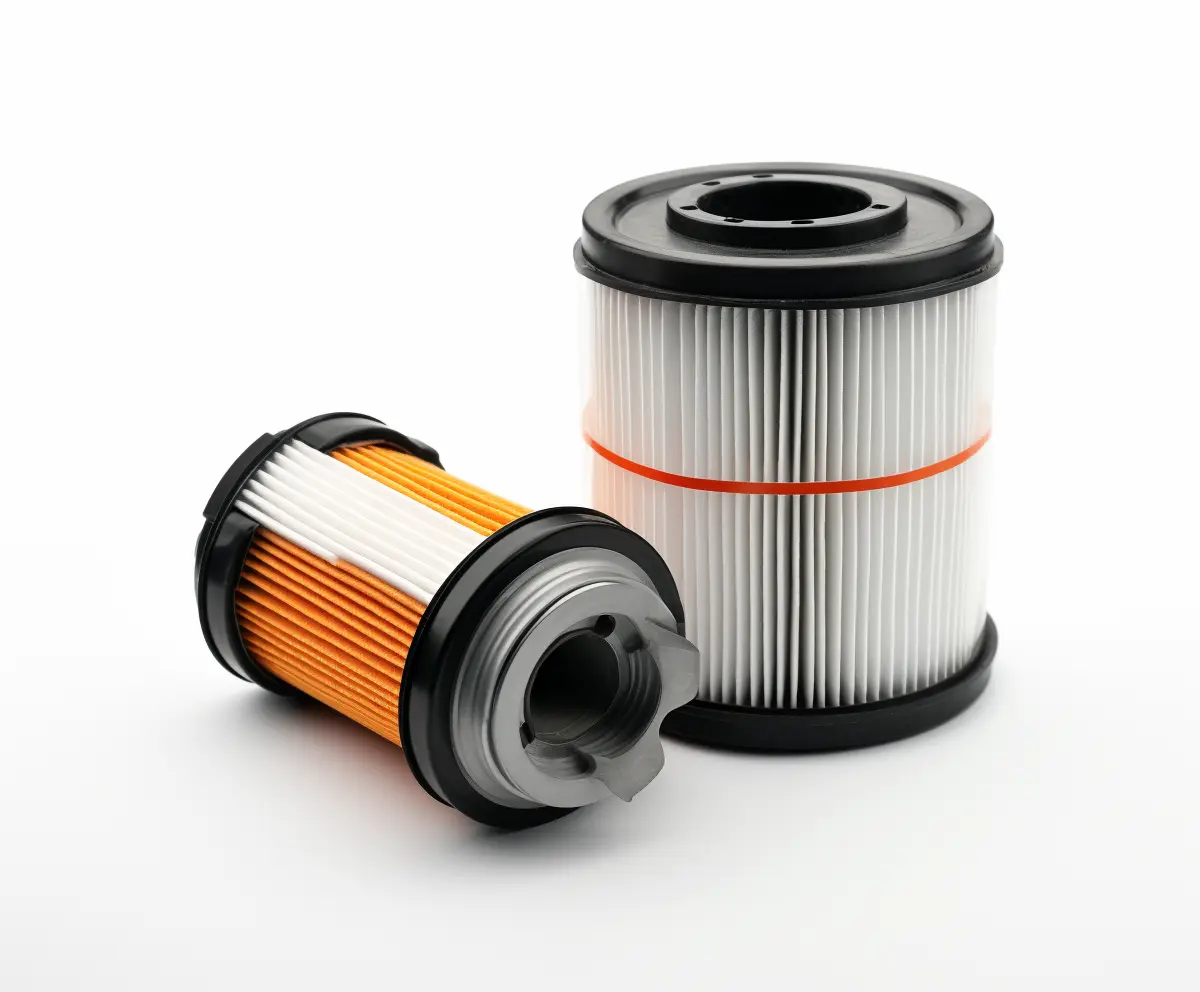
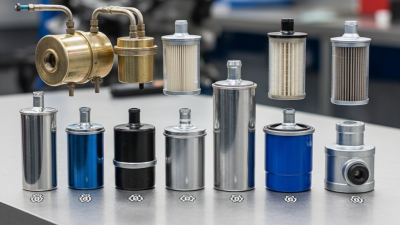
Fuel filters remove contaminants from gasoline or diesel. When these filters clog, fuel flow decreases, leading to poor engine performance. Regular replacement can enhance vehicle longevity.
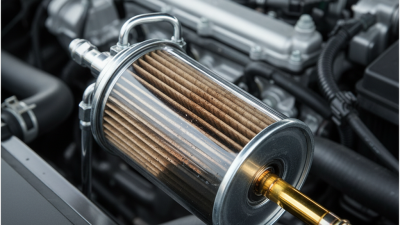
Oil filters keep harmful particles out of the engine oil. Dirty oil can damage components. A report by the Automotive Aftermarket Industry Association states that routine maintenance, including filter changes, can increase a vehicle’s lifespan.
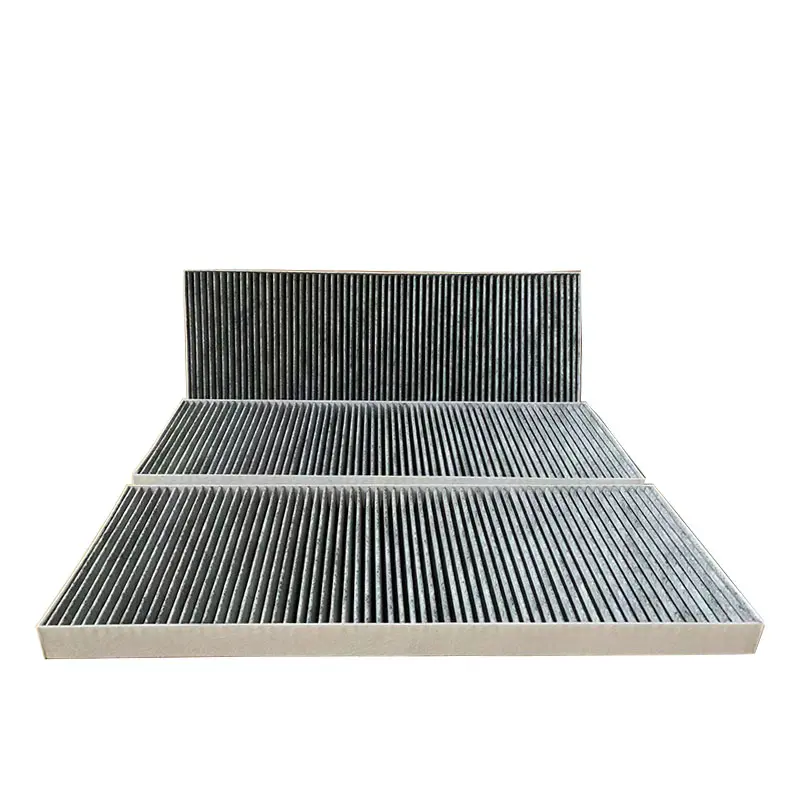
Cabin air filters, while often overlooked, improve interior air quality. They filter out dust, pollen, and pollutants. Poor air quality inside a vehicle can lead to discomfort and health issues.
It’s clear that filters play a vital role. However, many vehicle owners neglect them, risking performance and safety. Regular checks can prevent costly repairs.
Impact of High-Quality Filters on Engine Performance
The quality of vehicle filters plays a crucial role in engine performance.
High-quality air filters
allow cleaner air into the engine. This results in better combustion and improves
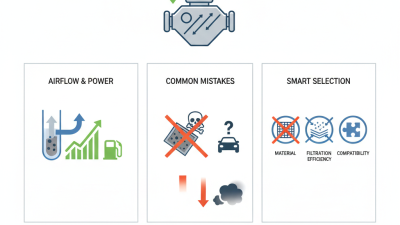
fuel efficiency. Conversely, inferior filters can restrict airflow.
This can lead to reduced power and increased fuel consumption.
Oil filters also significantly impact engine longevity.
They capture harmful contaminants that can damage engine components. If a filter
is not efficient, these particles can circulate within the engine. Over time, this
could lead to costly repairs and reduced performance overall.
Changing filters regularly is essential.
Many drivers forget this key maintenance step. Waiting too long to replace a filter can diminish engine performance.
A clean filter can enhance throttle response and improve acceleration.
Regular inspections can help spot issues before they become severe.
Maintenance Schedule for Optimal Filter Efficiency
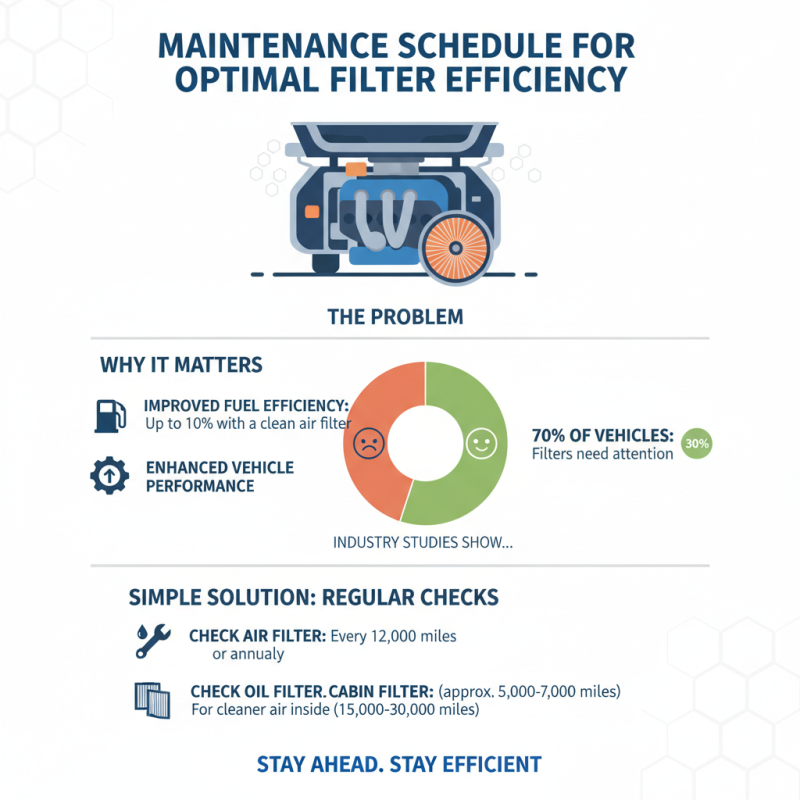
Regular maintenance of vehicle filters is crucial for performance. A clean air filter can improve fuel efficiency by up to 10%. However, many vehicle owners neglect this simple task. According to industry studies, about 70% of vehicles on the road have filters that need attention.
Oil filters should be changed every 5,000 to 7,500 miles. An old filter can cause engine wear and increase emissions. Neglect can also lead to costly repairs. For cabin air filters, manufacturers recommend changing them every 15,000 to 30,000 miles. Dirty filters allow pollutants and allergens to enter the vehicle, impacting health and comfort.
The impact of timing cannot be overstated. Filters that appear clean may still be ineffective. Waiting too long can reduce performance significantly. A 2022 consumer report showed that many drivers overlook this aspect of vehicle upkeep. This leads to lower fuel economy and reduced engine lifespan. Regular checks are essential for optimal filter efficiency.
Popular Brands and Models of Vehicle Filters in the Market
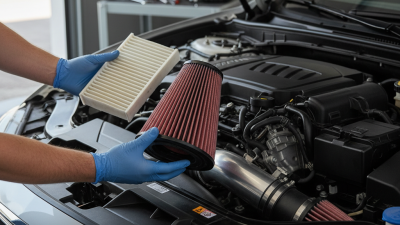
When it comes to vehicle filters, choosing popular options can enhance performance. Air filters are vital. They keep dirt and debris out of the engine. The right air filter improves fuel efficiency and power. Oil filters prevent engine wear. They keep harmful particles from circulating in the engine oil. Cabin filters are just as important. They ensure clean air inside the vehicle.
Tips: Regularly check your filters. Replace them according to manufacturer guidelines. A clogged filter can reduce performance significantly.
Many brands offer reliable filters. Some are known for durability. Others focus on affordability. Filters can vary from one model to another. Always consult your vehicle manual. It provides specific recommendations. Some filters may fit multiple models. However, not all are created equal. Research is necessary for the best fit.
Tips: Don't hesitate to ask for help. Mechanics can offer valuable insights. Online forums can guide decisions. Experiment with different filters to find what suits your style. Even minor changes can make a difference. Trust your instincts, but also consider the evidence.

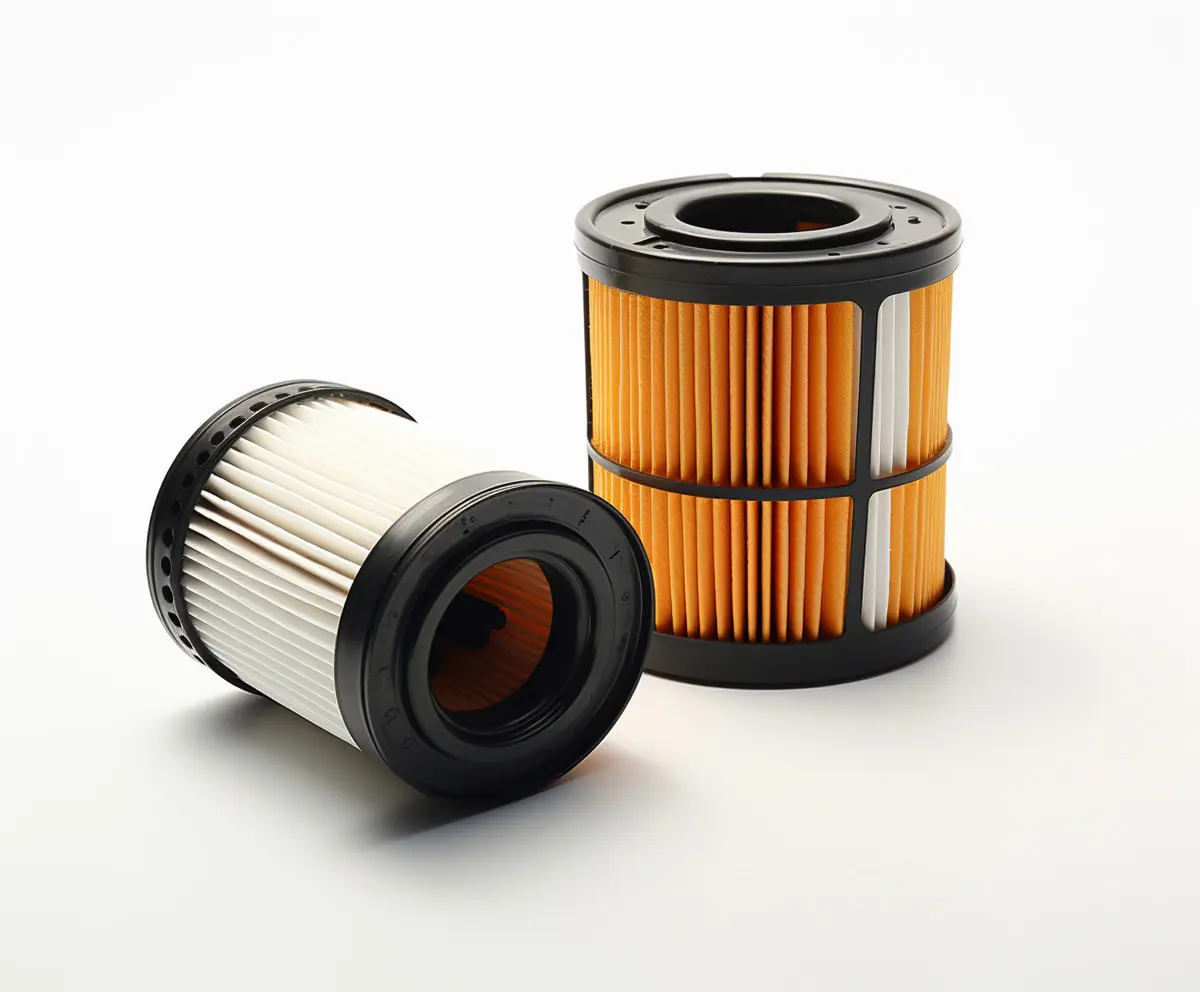 Products
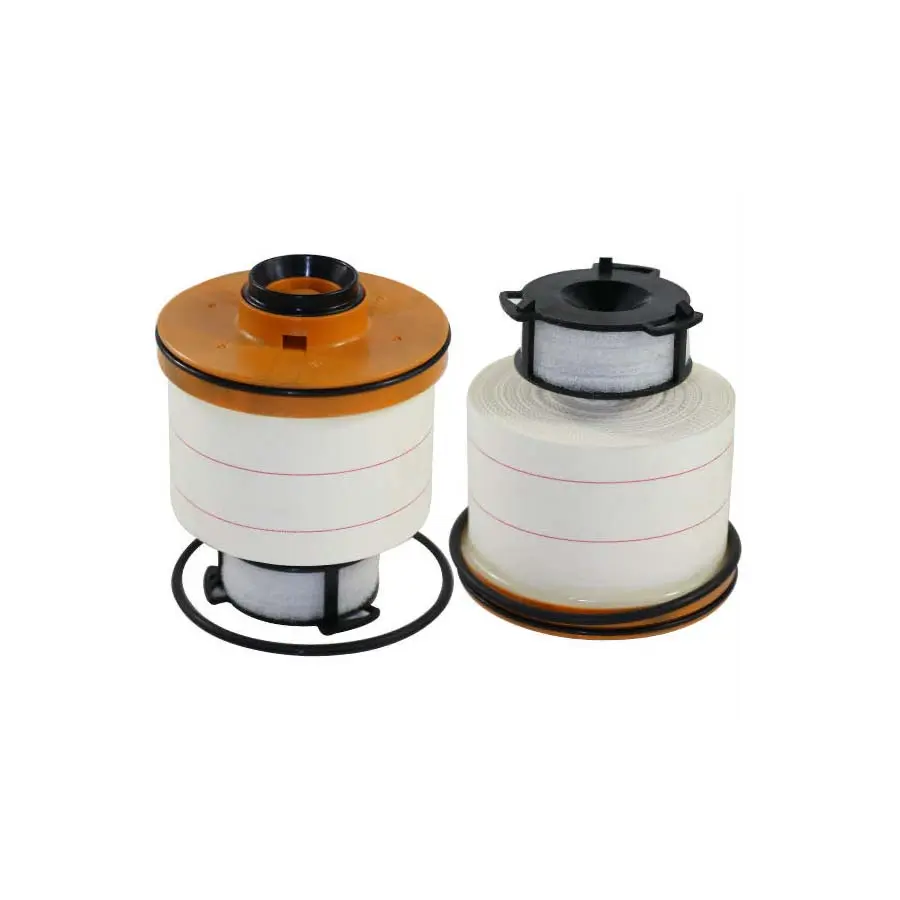 FUEL FILTER
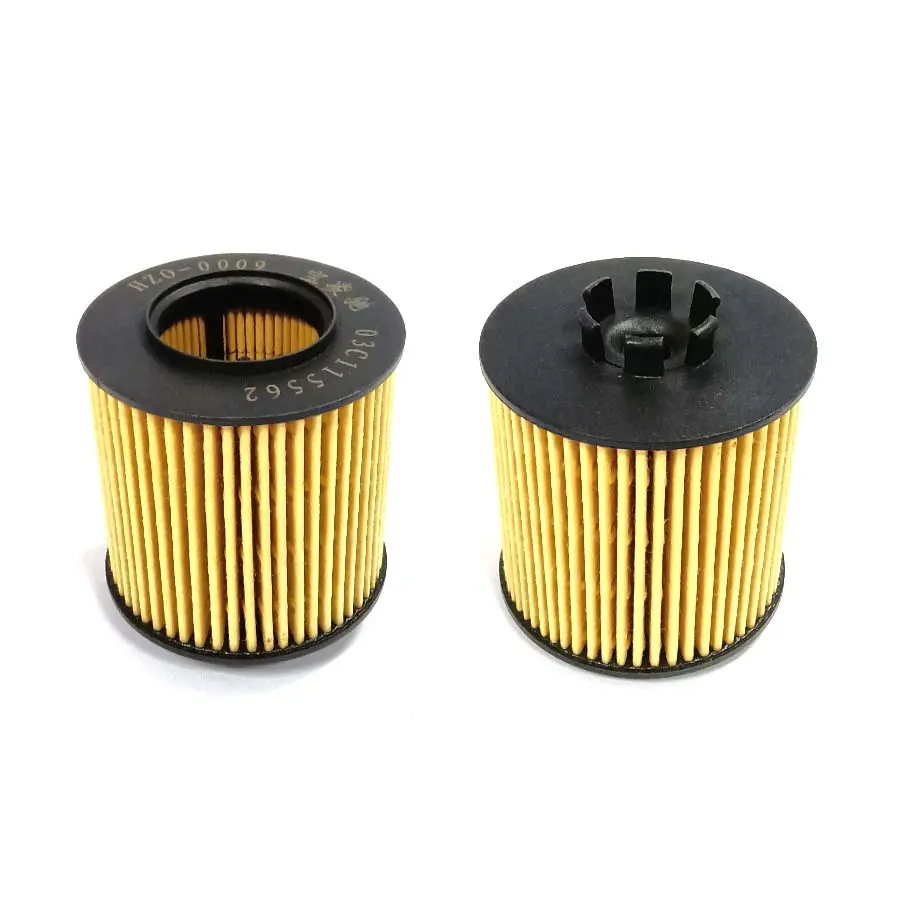 OIL ELEMENT FILTER
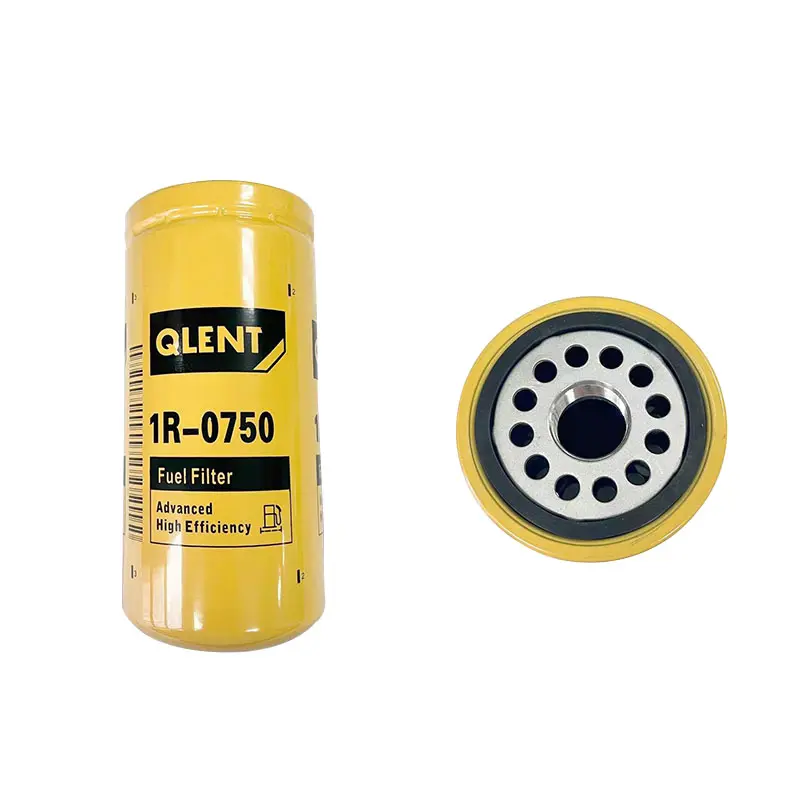 OIL FILTER
 CABIN FILTER
 AIR FILTER