Why is a Cabin Air Filter Important for Your Vehicle?
The importance of a Cabin Air Filter cannot be underestimated. This small component plays a significant role in ensuring clean air inside your vehicle. It traps dust, pollen, and other pollutants, filtering the air before it enters the cabin. This is crucial for the health of all passengers.
Many people forget about the Cabin Air Filter until it becomes clogged. A dirty filter can lead to poor air quality and unpleasant odors. It might also strain your vehicle's heating and cooling systems. Maintaining a clean filter is essential for comfort and safety.
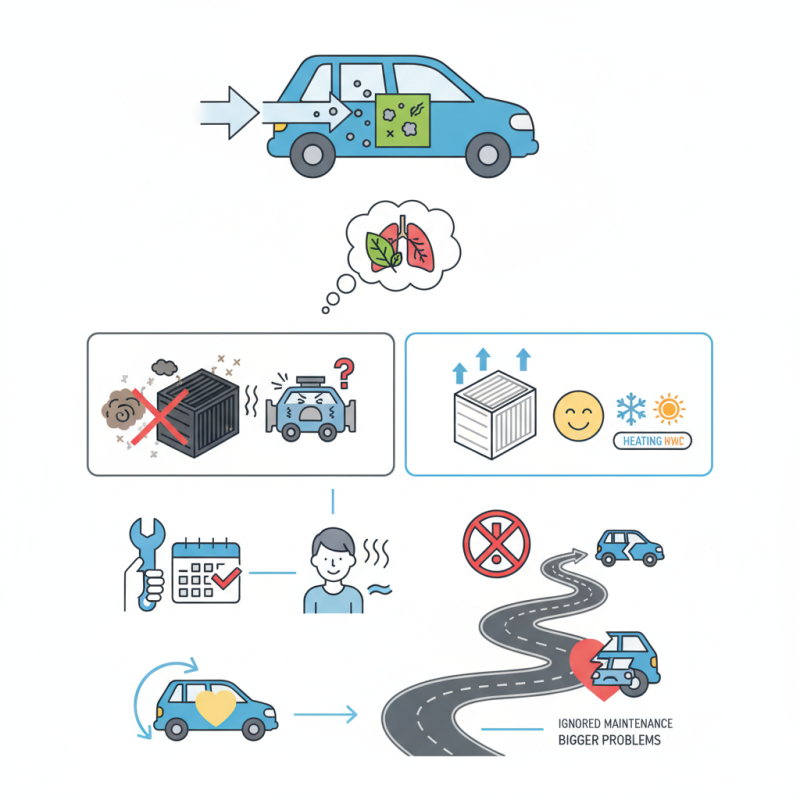
Regularly checking and replacing the Cabin Air Filter can enhance your driving experience. However, not everyone prioritizes this simple task. Sometimes, it's easy to overlook as other car maintenance needs take precedence. Ignoring this can lead to bigger problems down the road. The Cabin Air Filter deserves attention for a reason.
What is a Cabin Air Filter and Its Function in a Vehicle?
A cabin air filter is vital for your vehicle's air quality. It removes dust, pollen, and pollutants from the air entering the cabin. Many people overlook this small yet essential component. A clogged filter can lead to unpleasant odors and reduced air flow. This can make your driving experience uncomfortable.
Cabin air filters work by trapping harmful particles before they can enter your vehicle. They help maintain a clean environment, especially for those with allergies. However, many drivers forget to check or replace their filters regularly. Over time, a dirty filter can affect not only the air quality but also your vehicle's heating and cooling efficiency.
Keeping an eye on your cabin air filter is important. It requires a simple inspection, but many ignore it. This neglect could lead to bigger issues down the road. A clean filter contributes to better air circulation and a healthier driving experience. Consider making it a part of your vehicle maintenance routine.
The Importance of Cabin Air Filters for Vehicle Air Quality
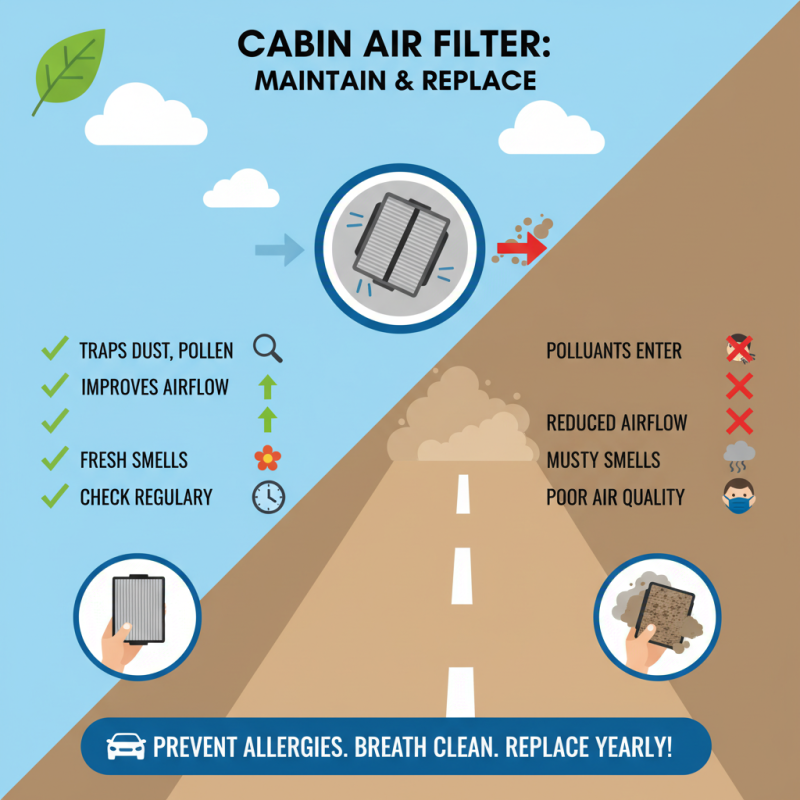
Cabin air filters play a crucial role in maintaining the air quality inside your vehicle. They trap dust, pollen, and other harmful particles. This creates a cleaner and healthier environment for passengers. Imagine driving down a dusty road. Without a good filter, that dust enters your cabin. It can lead to allergies and respiratory issues.
Regularly checking and replacing the cabin air filter can make a significant difference. A dirty filter can restrict airflow and reduce the effectiveness of your HVAC system. You might notice unusual odors or a drop in air quality. These signs shouldn't be ignored. Clean air is important for your health, especially during long trips.
Some may forget about their cabin air filter. It sits quietly, doing its job. But neglecting it can lead to bigger issues. It’s easy to overlook this small component. However, its impact on your driving comfort is huge. A simple filter change can enhance your overall experience on the road. Breathing easier should always be a priority.
Common Pollutants and Allergens Trapped by Cabin Air Filters
The cabin air filter plays a crucial role in your vehicle’s interior air quality. It serves as a barrier against common pollutants, dust, and allergens. You might not notice it, but each time you drive, unseen particles enter your cabin. These include pollen, mold spores, and dust. Allergens can trigger reactions in sensitive individuals.
Pollutants like vehicle exhaust fumes also find their way inside. When you drive in heavy traffic, the air quality worsens. Harmful emissions may affect your health. Having a clean cabin air filter makes a difference. It helps trap these harmful substances. Consider how much time you spend in your vehicle. Improving the air quality can directly enhance your comfort. Regularly replacing the filter is essential to avoid a buildup of contaminants.
However, many people overlook this maintenance step. They may not realize the filter needs checking until they encounter discomfort. An inefficient filter can lead to unpleasant odors and reduced airflow. People often ignore warning signs, thinking they are minor inconveniences. Ignoring them can have a long-term impact on health and well-being. It’s worth considering how good air quality could change your driving experience.
Signs That Indicate a Need for Cabin Air Filter Replacement
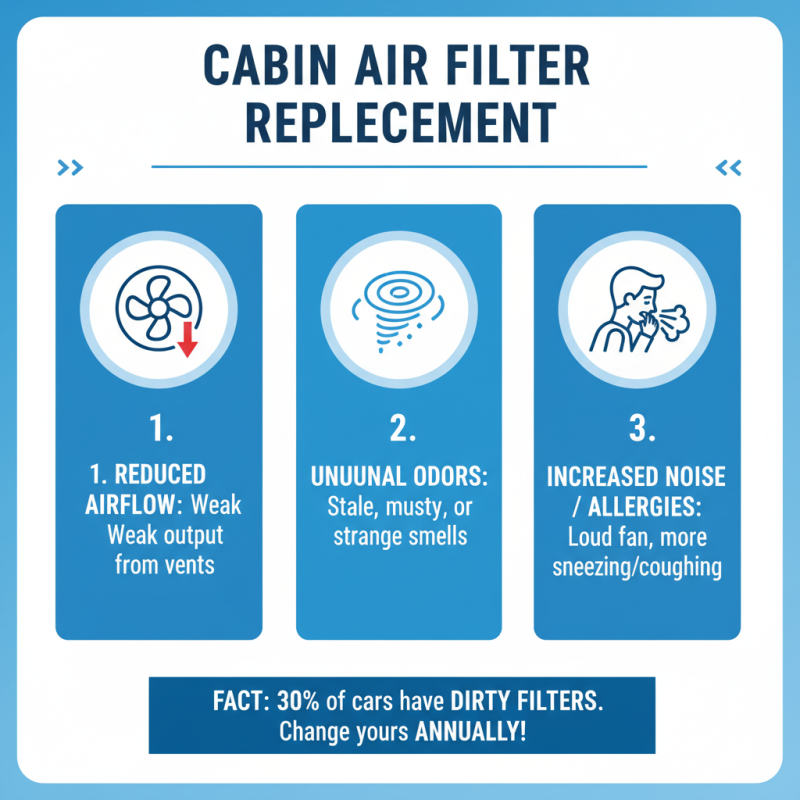
Cabin air filters play a crucial role in vehicle maintenance. They help remove dust, pollen, and pollutants from the air inside your car. However, many drivers overlook the signs that indicate a need for replacement. One common sign is reduced airflow from the vents. If you notice weak air output, your filter may be clogged. According to a study by the International Automobile Manufacturers Association, nearly 30% of vehicles on the road have dirty cabin air filters.
Another indicator is persistent odors in the cabin. Musty or unpleasant smells can signal mold or debris buildup in the filter. Exposure to these contaminants can lead to respiratory issues, which is a growing concern. The Environmental Protection Agency states that indoor air can be more polluted than outdoor air, so keeping your vehicle’s air clean is vital.
In some cases, a warning light on your dashboard may come on. This isn’t exclusive to the cabin air filter, but it's an essential reminder to check all areas. The average lifespan of a cabin air filter is about 15,000 to 30,000 miles, but this varies. Frequently checking your vehicle's maintenance schedule can prevent potential air quality issues. Ignoring these signs can lead to problems that affect your driving experience and health.
How to Properly Maintain and Replace Your Cabin Air Filter
Maintaining a cabin air filter is essential for your vehicle’s comfort. This filter traps dust, pollen, and pollutants. Regularly checking it can prevent these particles from entering your car. Without proper maintenance, air quality suffers. You might notice musty smells or reduced airflow.
To maintain your cabin air filter, check it every few months. If it appears dirty, replace it immediately. A clean filter can improve your driving experience significantly. Installation is often simple and requires minimal tools. However, some find it challenging. Don't hesitate to consult a manual or a professional if needed.
Remember to be mindful of your environment. Seasonal changes can affect how often you need to replace the filter. In dusty or polluted areas, you may need to do it more frequently. Reflect on these factors and adjust your maintenance routine accordingly. Taking these steps ensures a healthier cabin environment while driving.

 Products
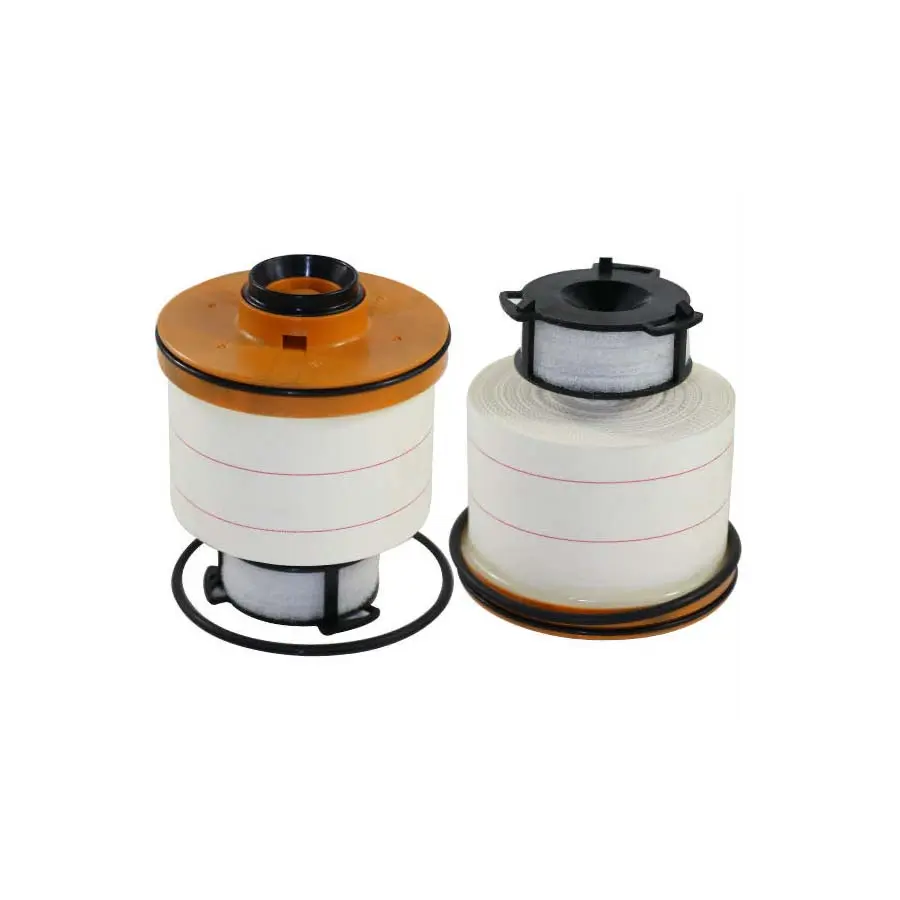 FUEL FILTER
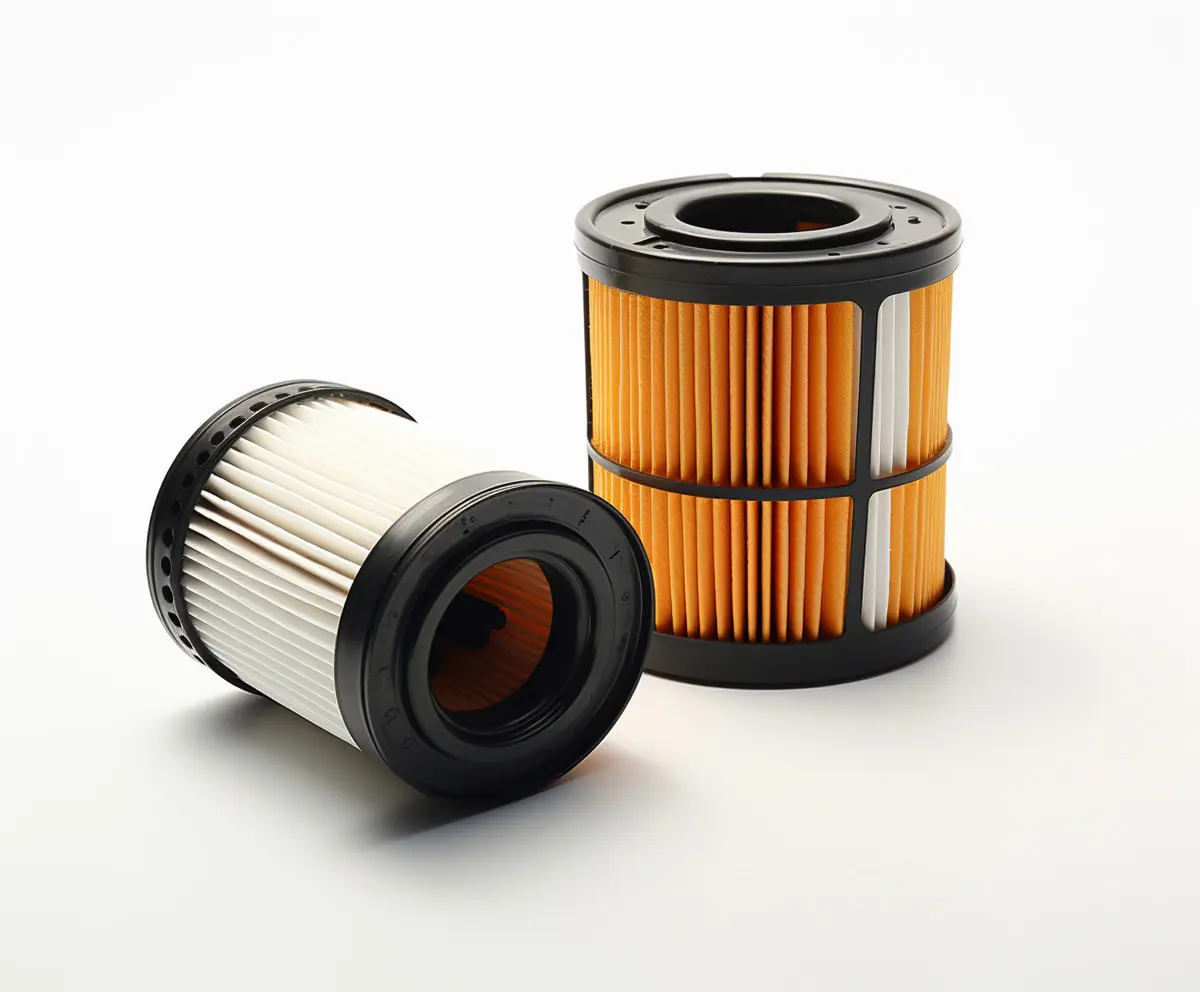
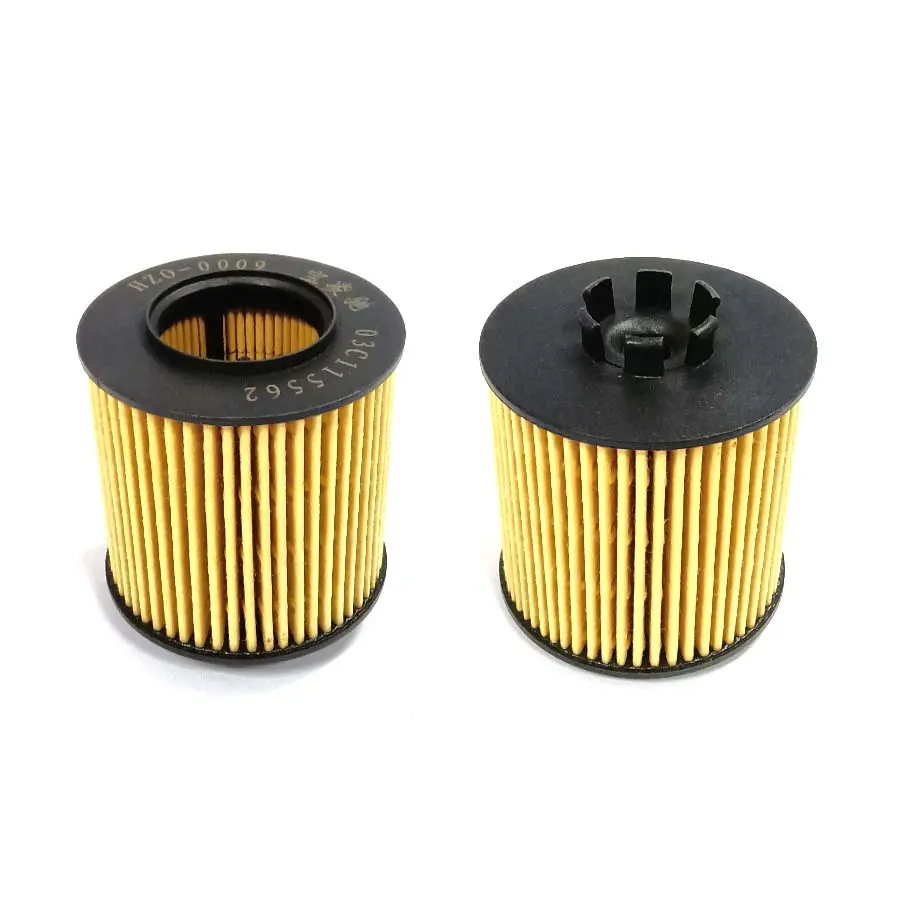 OIL ELEMENT FILTER
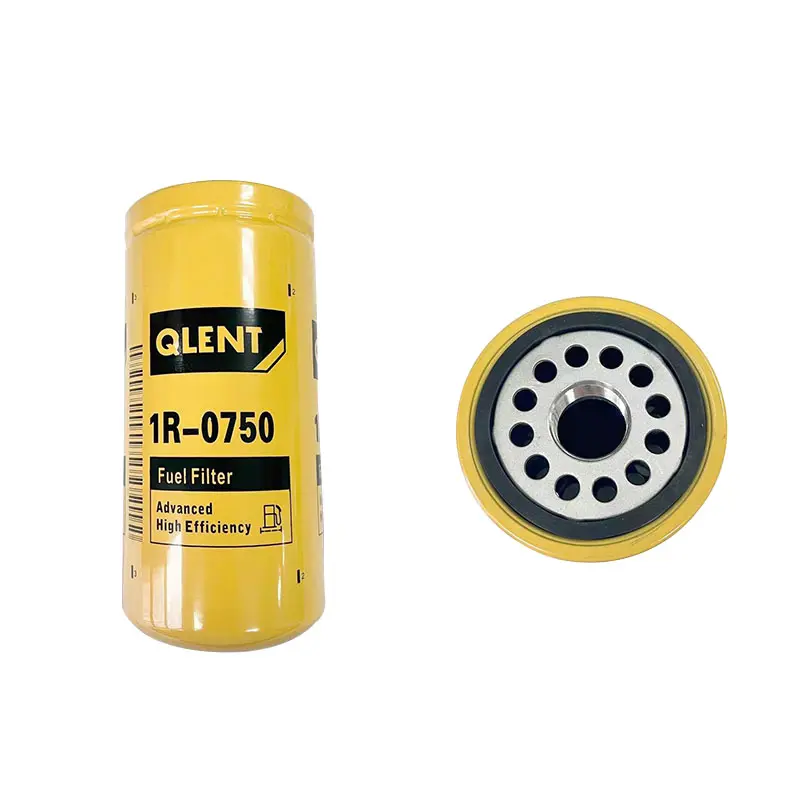 OIL FILTER
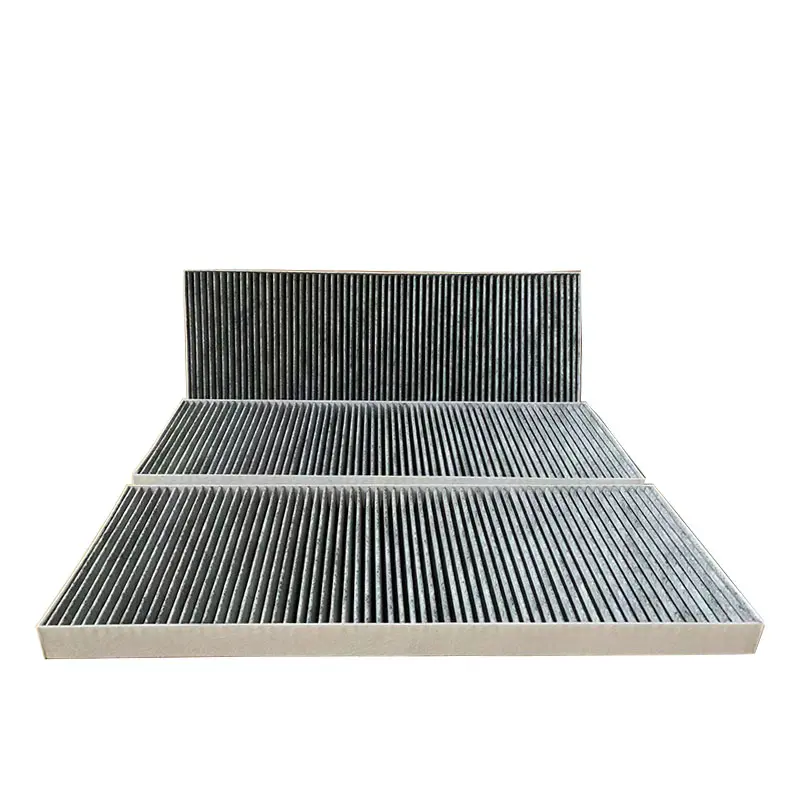 CABIN FILTER
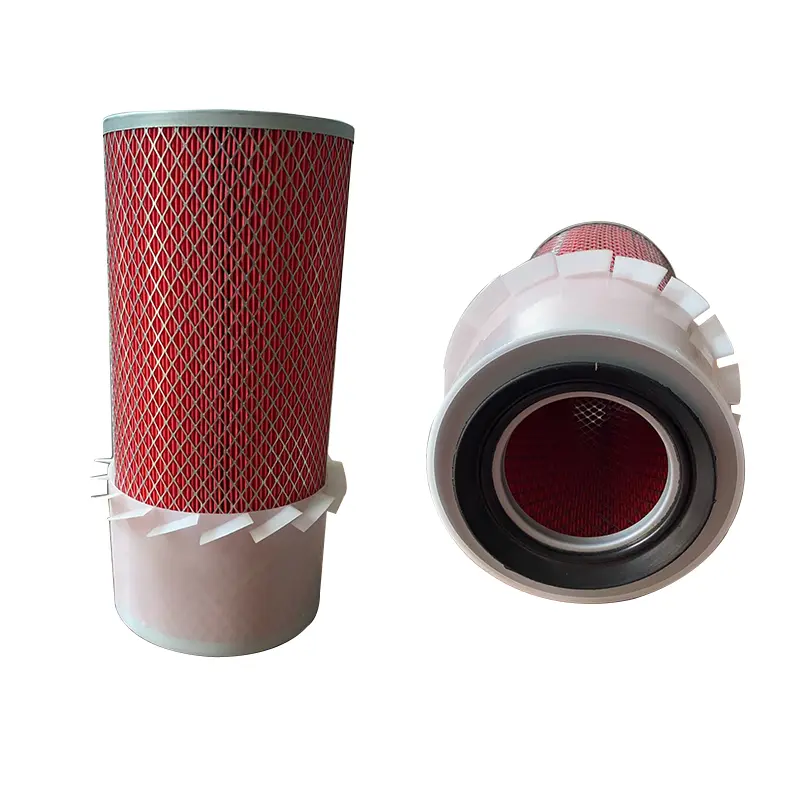 AIR FILTER