Inquiry
Form loading...

Why is Cabin Filter Essential for Your Vehicle Maintenance?

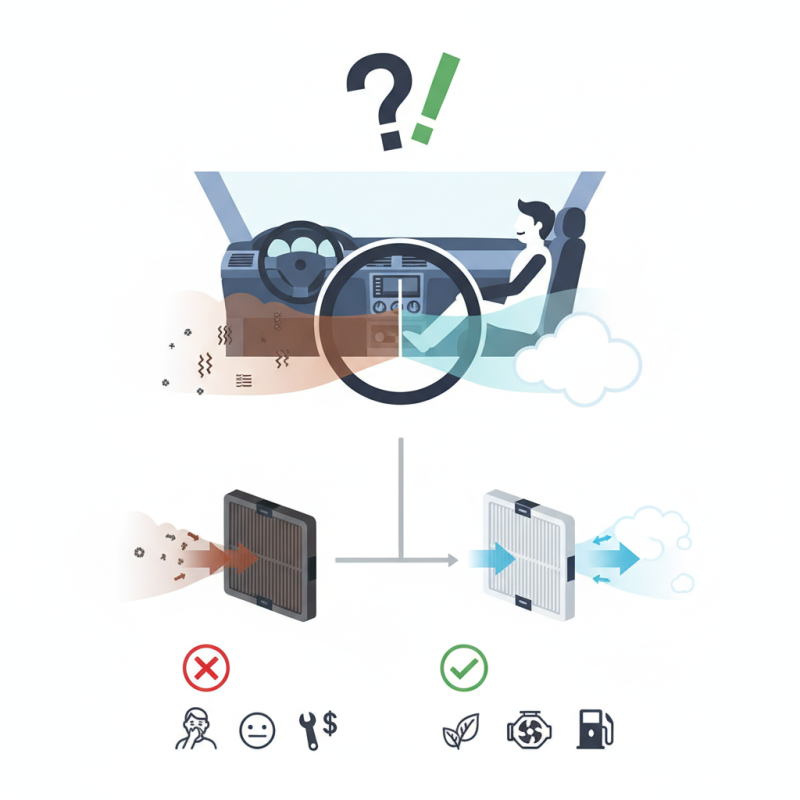
The Cabin Filter plays a crucial role in your vehicle's health. This often-overlooked component directly impacts air quality inside your car. A clean Cabin Filter reduces allergens, dust, and pollutants. Imagine driving with fresh air flowing through your vehicle. This is possible because of a well-maintained filter.

Neglecting the Cabin Filter can lead to problems. Clogged filters can impede airflow, reducing cabin comfort. This sometimes results in unpleasant odors. Additionally, dirty filters can strain the car's ventilation system. Over time, this could lead to costly repairs. Regular inspections and replacements are vital for optimal performance.

Many drivers underestimate the importance of the Cabin Filter. Some may wonder if it is really necessary. The answer is a resounding yes. Prioritizing this small yet impactful maintenance task enhances your driving experience. It ensures you breathe clean air while minimizing mechanical issues in the long run.
Why is Cabin Filter Essential for Your Vehicle Maintenance?

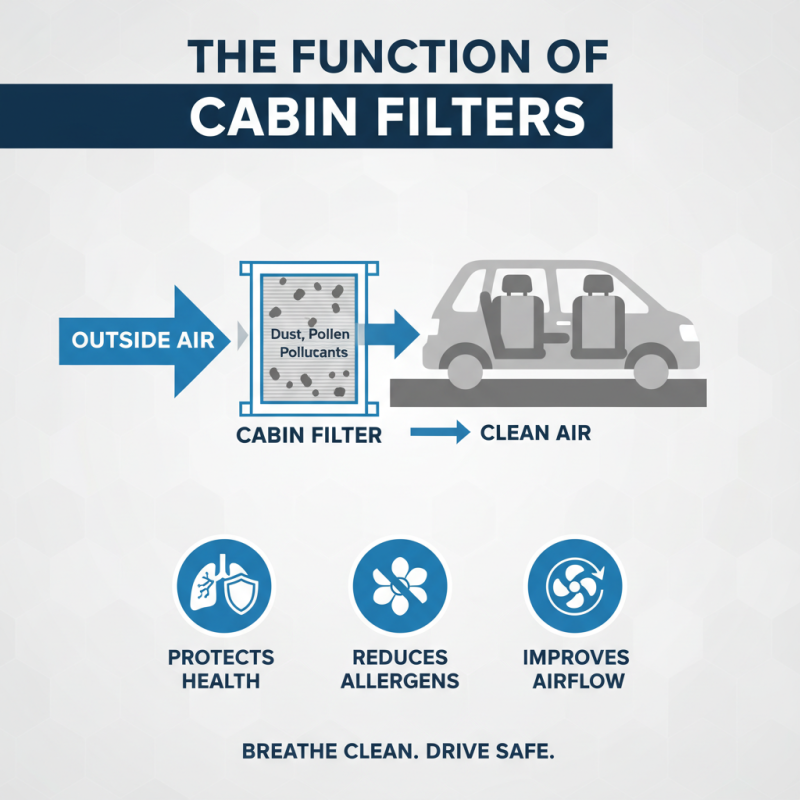
The Function of Cabin Filters in Vehicle Systems

Why is Cabin Filter Essential for Your Vehicle Maintenance?

Cabin filters play a crucial role in vehicle systems. They ensure that the air entering the cabin is clean and free of pollutants. This is especially important for passengers who may suffer from allergies or respiratory issues. A functioning cabin filter traps dust, pollen, and other harmful particles effectively.

Over time, cabin filters can become clogged with debris. This can lead to reduced air quality inside your vehicle. You might notice unpleasant odors or reduced airflow. It’s essential to check the condition of your cabin filter regularly. Replacing it can greatly improve the air circulating in your car. A clean filter allows fresh air to enter, making every drive more pleasant.

Additionally, a well-maintained cabin filter contributes to overall vehicle health. Neglecting it can lead to strain on your HVAC system, causing it to work harder. This strain may result in increased wear and premature failure. So, while it may seem like a minor component, your cabin filter deserves attention. Regular maintenance can lead to a better driving experience for everyone.
Common Contaminants and Pollutants in Vehicle Interiors

The interior of your vehicle can harbor various contaminants that impact your health. Dust and pollen easily accumulate, especially during allergy season. These particles can trigger sneezing, coughing, and discomfort while driving. A cabin filter helps capture these allergens, improving air quality.

Another common pollutant is smoke from cigarettes or nearby vehicles. This can create an unpleasant atmosphere inside your car. The smell can be stubborn, lingering for days. A clean cabin filter can trap these odors and enhance your driving experience.

Mold and mildew often thrive in humid conditions. When the air conditioning system isn’t maintained, moisture builds up. This can lead to the growth of harmful fungi. Changing your cabin filter can prevent such issues. Regular maintenance should not be overlooked. Neglecting your cabin filter might seem minor, yet it can have significant impacts.

Signs Your Cabin Filter Needs Replacement

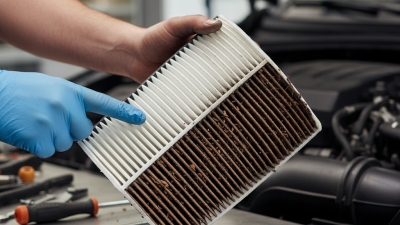
A clean cabin filter is crucial for your vehicle’s comfort and health. Over time, dust, pollen, and debris accumulate in the filter. This can lead to diminished air quality inside your car. Signs of a clogged filter often show up during your drive. You may notice reduced airflow from the ventilation system. Sometimes, unusual odors begin to infiltrate the cabin. These are clear indicators of a filter needing replacement.

Another sign is a foggy windshield. When the filter is blocked, the defrosting capability suffers. You might find yourself constantly wiping the glass. Listening to your vehicle is essential. If you hear strange noises from the blower, that could signal trouble. Don't ignore these hints, as they indicate that the filter is working overtime to pass air through.

Regularly checking your cabin filter is a small task that can significantly impact driving experience. Some drivers may overlook it, thinking air quality is fine. Yet, if you suffer from allergies or respiratory issues, it’s even more critical. Keeping an eye on the cabin filter adds to your vehicle’s overall maintenance. Be proactive to ensure a healthy driving environment for you and your passengers.

Benefits of Regular Cabin Filter Maintenance

The cabin filter plays a crucial role in vehicle maintenance. Regular upkeep ensures the air you breathe inside your car is clean and safe. A well-maintained cabin filter can trap dust, pollen, and other pollutants. This benefits those with allergies, making driving more comfortable. When the filter is dirty, it reduces airflow, straining the vehicle’s HVAC system.

Neglecting the cabin filter can lead to unpleasant odors. It may also cause the windows to fog up more easily. This can distract drivers and create a safety hazard. Take time to inspect the filter regularly. Some suggest changing it every 12,000 to 15,000 miles, but always consult your vehicle's manual.

Tips for maintaining your cabin filter: Check for dirt and blockage every few months. If the air seems less fresh, consider a replacement. This simple task can enhance your driving experience significantly. Remember, a clean cabin filter is essential for good air quality and overall vehicle health. Pay attention to any strange smells; it might be time for a change. Investing in this small piece of maintenance yields big benefits for your health and comfort on the road.

How to Replace Your Cabin Filter Effectively

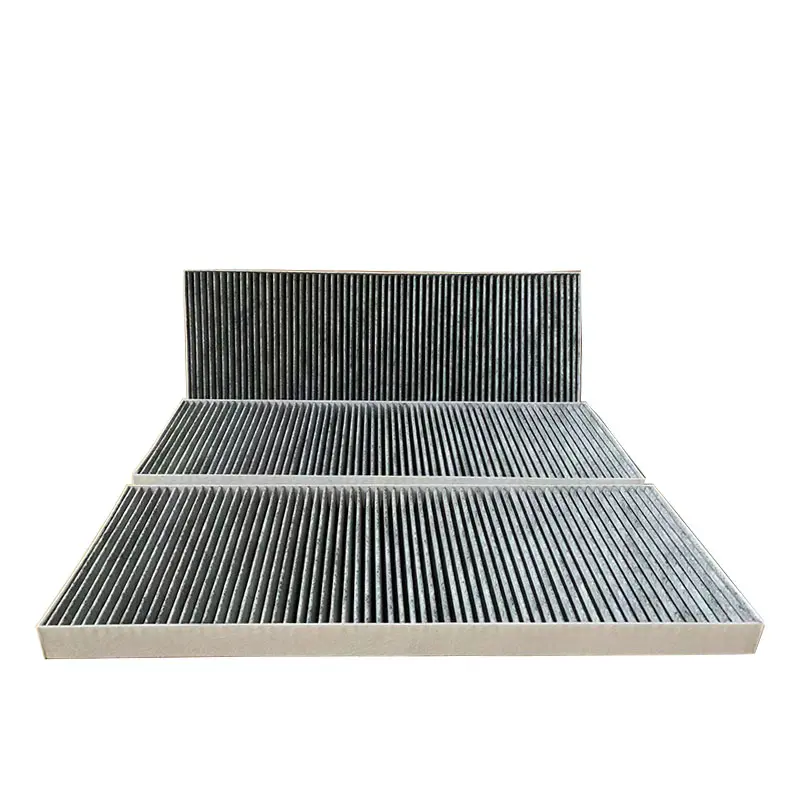
Replacing your cabin filter is crucial for maintaining air quality inside your vehicle. A clean filter traps dust, pollen, and other contaminants. This ensures the air you breathe is fresh and healthy. Over time, filters can become clogged. This reduces airflow and may even cause unpleasant odors.

To replace your cabin filter effectively, locate it first. In many vehicles, it's hidden behind the glove box. Open it carefully and check for clips holding it in place. Remove these clips gently to avoid breaking them. Once exposed, take out the old filter. Pay attention to its orientation for proper reinstallation. Insert the new filter in the same direction.

After installation, test the air system. Turn on the ventilation to ensure smooth airflow. If you notice unusual noises or restricted air, revisit the filter position. This process may seem straightforward, but a lack of care can lead to mistakes. Always follow your vehicle’s manual for specifications. It’s a simple task that greatly impacts your driving experience.

Why is Cabin Filter Essential for Your Vehicle Maintenance? - How to Replace Your Cabin Filter Effectively

Feature Importance Replacement Frequency Signs of Dirtiness How to Replace
Air Quality Filters out pollutants and allergens Every 15,000 to 30,000 miles Unpleasant odors inside the vehicle Identify the filter location, remove cover, and insert new filter
Visibility Enhances visibility by preventing fogging Every 1 year or as needed Fog on windows Follow vehicle manual instructions for replacement
HVAC Efficiency Improves heating and cooling performance Every 15,000 miles or when performance decreases Reduced airflow from vents Turn off the engine, access filter compartment through the glove box
Comfort Maintains a pleasant cabin environment At least once a year or according to vehicle manual Dust accumulation, sneezing or allergy symptoms Carefully remove the old filter and install the new one in reverse order