Inquiry
Form loading...

Essential Cabin Filter Tips for Cleaner Air and Better Car Performance

When it comes to maintaining a vehicle's performance and ensuring the comfort of its occupants, the importance of the Cabin Filter cannot be overstated. According to automotive expert Dr. Emily Carter, "A clean Cabin Filter is essential not only for better air quality within the vehicle but also for enhancing overall engine efficiency." This statement highlights the pivotal role the Cabin Filter plays in regulating the air that circulates inside the car, trapping dust, pollen, and other contaminants that can compromise both health and comfort.

As air quality becomes an increasing concern for vehicle owners, understanding how the Cabin Filter functions and the necessary maintenance practices has never been more critical. Regularly replacing or cleaning this component not only contributes to a healthier driving experience but also supports the vehicle's engine by ensuring that internal systems operate under optimal conditions. With insights from industry experts and practical conseils, this article aims to provide essential tips that will improve air quality and boost car performance, reinforcing the need for diligent Cabin Filter upkeep.

Essential Cabin Filter Tips for Cleaner Air and Better Car Performance

Importance of Cabin Filters for Vehicle Air Quality

Cabin filters play a crucial role in maintaining the air quality within vehicles, directly impacting the health and comfort of passengers. These filters are designed to trap dust, pollen, smoke, and other airborne contaminants that can enter the cabin through the vehicle's ventilation system. A clean cabin filter ensures that the air circulating inside the vehicle remains fresh and free from allergens, which is especially beneficial for individuals with allergies or respiratory conditions. As a result, the importance of regular cabin filter maintenance cannot be overstated.

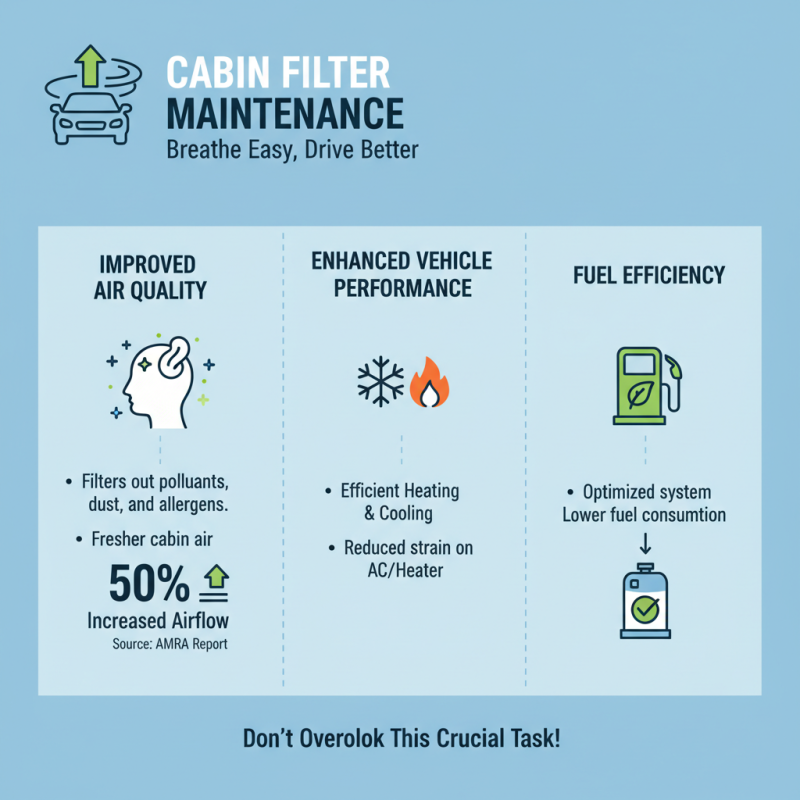
Cabin Filter In addition to promoting better air quality, clean cabin filters also contribute to overall vehicle performance. A clogged or dirty filter can restrict airflow to the heating and air conditioning systems, putting extra strain on these components and potentially leading to increased energy consumption. This can result in suboptimal heating or cooling, making the driving experience less comfortable. Maintaining a clean cabin filter not only enhances air quality but also helps in optimizing fuel efficiency, ensuring that the vehicle operates smoothly and effectively. Regular checks and timely replacements of cabin filters are essential steps every car owner should take to ensure a healthy and enjoyable ride.

Types of Cabin Filters and Their Efficiency

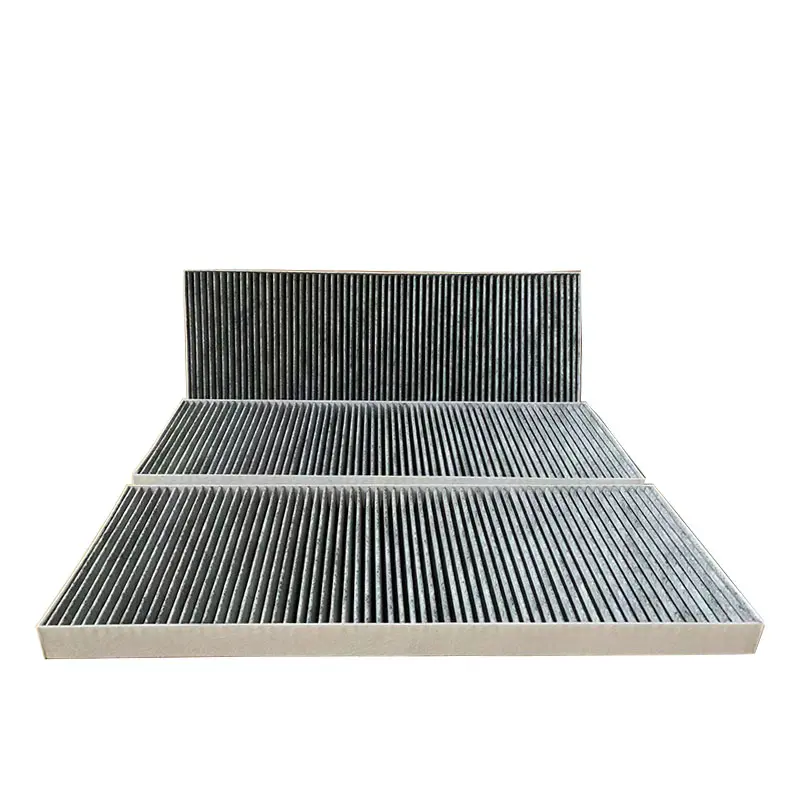
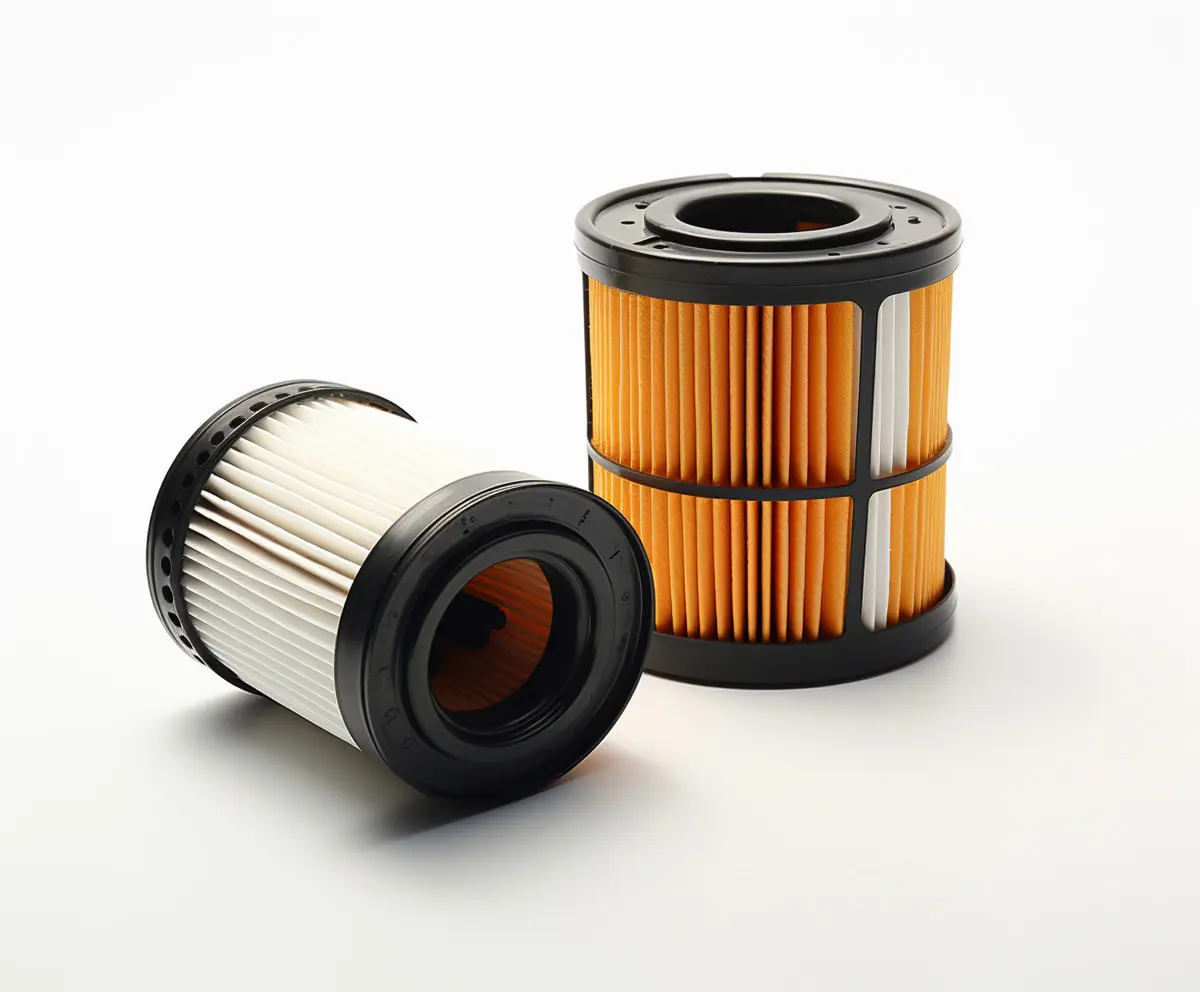
Cabin filters are crucial components of your vehicle's air quality system, designed to eliminate dust, pollen, and other contaminants from the air that enters the cabin. There are primarily two types of cabin filters: the particulate filter and the carbon filter. The particulate filter captures larger particles, such as dust and allergens, ensuring that the air inside your cabin is cleaner and healthier. Typically made of pleated paper, these filters can significantly enhance your driving experience by reducing respiratory irritants.

On the other hand, the carbon filter adds an extra layer of protection. It is infused with activated carbon, which not only traps particulates but also absorbs odors and harmful gases, such as volatile organic compounds. This makes it particularly beneficial in urban areas where pollution levels are high. By using a carbon filter, you can enjoy a fresher, more pleasant atmosphere inside your vehicle. The efficiency of these filters can vary, so it's essential to choose the right type based on your driving environment and replace them regularly to maintain optimal performance.

Essential Cabin Filter Efficiency

Signs Your Cabin Filter Needs Replacement

Essential Cabin Filter Tips for Cleaner Air and Better Car Performance

A cabin filter is a crucial component of your vehicle’s ventilation system, as it filters out dust, pollen, and other pollutants from the air entering the cabin. Ignoring its condition can lead to a host of issues affecting both air quality and driving comfort. Recognizing the signs that your cabin filter needs replacement is essential for maintaining a healthy environment inside your vehicle.

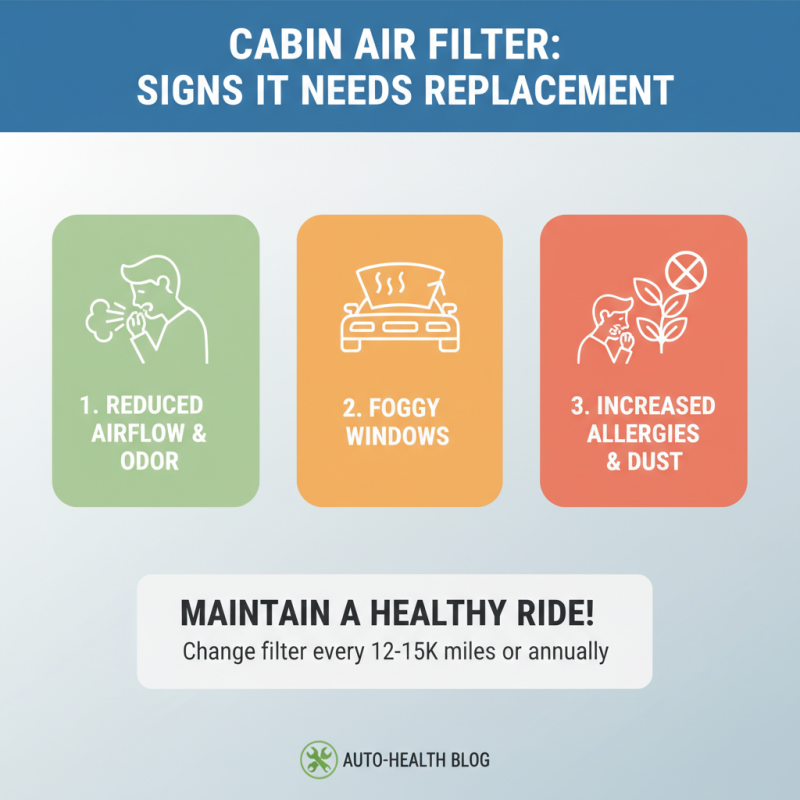
One of the primary indicators that your cabin filter is due for a change is a noticeable decrease in air flow from the vents. If you find that the air feels weak or stale, it may be a sign that the filter is clogged and no longer effectively allowing airflow. Additionally, if you start to notice strange odors emanating from the air conditioning system, this could indicate mold or bacteria buildup on the filter, which can negatively impact your health.

Another key sign to watch for is increased allergy symptoms while driving, such as sneezing or itchy eyes. If you have a history of allergies, a dirty cabin filter can exacerbate these conditions by allowing allergens to circulate freely in the cabin. Regularly inspecting and replacing your cabin filter not only enhances your driving experience but also promotes a healthier atmosphere for you and your passengers.

Step-by-Step Guide to Replacing Your Cabin Filter

Essential Cabin Filter Tips for Cleaner Air and Better Car Performance

Replacing your cabin filter is a crucial yet often overlooked maintenance task that can significantly enhance both air quality and vehicle performance. According to a report from the Automotive Maintenance and Repair Association, a clean cabin filter can improve air flow by up to 50%. This increase not only helps to keep the interior air fresh but also aids the vehicle’s heating and cooling systems in operating efficiently, ultimately leading to lower fuel consumption.

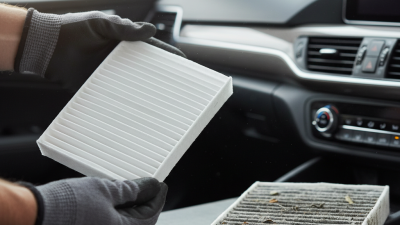
To replace your cabin filter, start by consulting your vehicle’s manual to locate its position, usually found behind the glove compartment or under the dashboard. Once located, remove the old filter, taking care to note the orientation for the new filter. Dust and pollen can accumulate over time, so using a vacuum to clean the filter housing can further enhance performance. Insert the new filter, ensuring it fits snugly, and reassemble any components you had to remove. Regular replacement of the cabin filter—ideally every 12,000 miles or once a year—can contribute to a healthier driving experience by trapping allergens and pollutants, as reported by the American Lung Association, which indicates that in-car air quality can be up to five times more polluted than outside air.

Tips for Maintaining Your Cabin Filter for Optimal Performance

Keeping your cabin filter in top shape is essential for ensuring clean air in your vehicle and enhancing overall performance. A well-maintained cabin filter can significantly improve the air quality by trapping dust, pollen, and other airborne contaminants. Regular inspections are a key step in maintaining your cabin filter. Aim to check it every few months, especially during high-pollen seasons or after extended road trips. This proactive approach will help you identify when it needs cleaning or replacing.

Another useful tip is to replace your cabin filter according to the vehicle manufacturer's recommendations, typically every 15,000 to 30,000 miles. However, if you frequently drive in urban areas or on unpaved roads, consider changing it more often. A clogged filter not only hampers air flow but can also put additional strain on your vehicle's heating and air conditioning systems, reducing efficiency and leading to potential repairs down the line.

Lastly, when selecting a cabin filter, opt for high-quality options that effectively capture particulate matter. Look for filters designed to enhance airflow while providing maximum filtration efficiency. By taking these steps, you'll ensure that your cabin remains a comfortable and healthy environment, contributing to a more enjoyable driving experience.