What is a Car Engine Filter and How It Affects Your Vehicle's Performance?
In the intricate world of automotive mechanics, the Car Engine Filter stands as a critical component that significantly influences a vehicle's overall performance. As noted by renowned automotive expert Dr. Emma Blake, "The efficiency of your vehicle directly correlates with the condition of its engine filter; a clean filter ensures optimal airflow and engine function." This highlights the importance of regular maintenance and attention to the engine filter’s performance.
The Car Engine Filter plays a vital role in keeping harmful particles and debris from entering the engine, ensuring that it operates smoothly and efficiently. A dirty or clogged filter can lead to a decrease in performance, affecting everything from acceleration to fuel efficiency. When enthusiasts and everyday drivers alike understand the profound impact of this often-overlooked component, they can take proactive steps to maintain it, thereby enhancing their vehicle's longevity and performance.
In this article, we will delve into the essential functions of the Car Engine Filter, the potential consequences of neglecting it, and practical tips for maintaining this indispensable part of your vehicle. By following expert advice and staying informed, vehicle owners can foster improved performance and enjoy a more reliable driving experience.
Understanding the Role of Car Engine Filters in Vehicle Performance
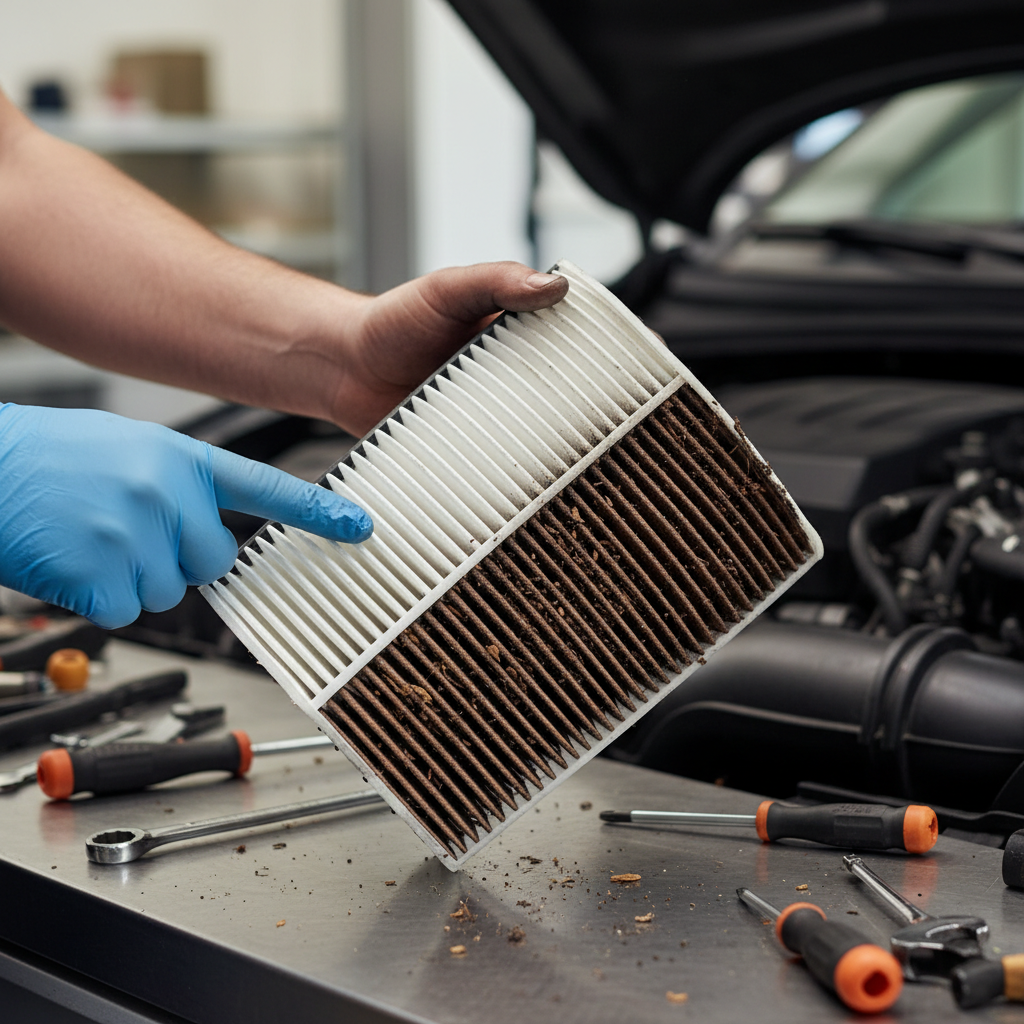
A car engine filter plays a crucial role in maintaining the overall performance and efficiency of your vehicle. By preventing contaminants such as dust, dirt, and debris from entering the engine, these filters ensure that the engine operates smoothly. This is essential since clean air and oil contribute to a properly functioning engine, enhancing its longevity and power output. When these filters become clogged, they restrict airflow and hinder engine performance, potentially leading to decreased fuel efficiency and increased wear and tear.
To keep your engine running optimally, consider these tips: Firstly, regularly check and replace your engine air and oil filters according to your car manufacturer's recommendations. This simple maintenance step can prevent more significant issues down the road. Secondly, pay attention to your vehicle’s performance changes; a noticeable drop in acceleration or power could indicate a failing filter. Lastly, ensure that your filters are compatible with your engine model, as using the wrong type can adversely affect performance. By taking proactive measures regarding engine filters, you can ensure your vehicle remains reliable and efficient.
Types of Engine Filters: Oil, Air, and Fuel Filters Explained
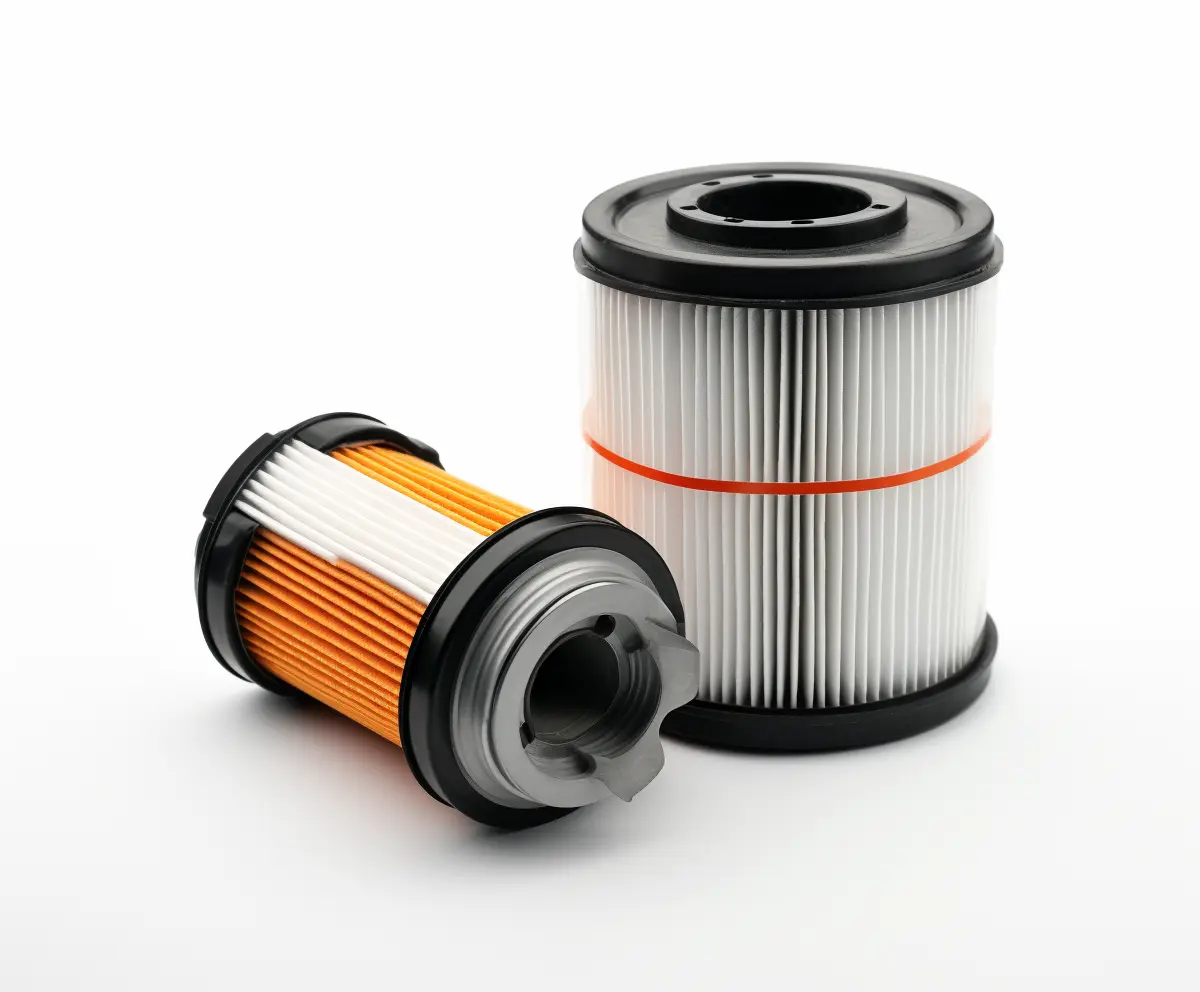
Engine filters play a crucial role in maintaining your vehicle's performance by ensuring that essential fluids are free from contaminants. There are three main types of engine filters: oil filters, air filters, and fuel filters. Each of these components contributes to the overall efficiency and longevity of your car's engine.
Oil filters are responsible for keeping the engine oil clean by trapping dirt, metal particles, and other debris. This is essential for maintaining proper lubrication and preventing engine wear. Regularly changing your oil filter is vital to ensure your engine runs smoothly.
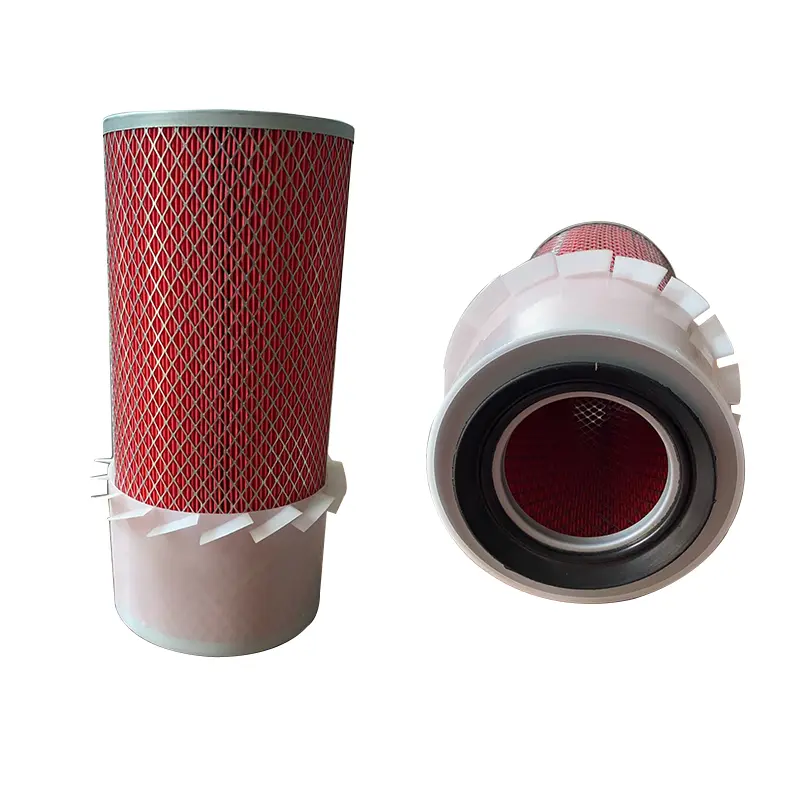
Air filters prevent dust and other pollutants from entering the engine, which can significantly impact combustion efficiency and fuel economy. A clean air filter enhances engine performance and fuel efficiency, while a clogged one can lead to reduced power and increased emissions. It's advisable to check and replace your air filter as per your manufacturer’s recommendations.
Fuel filters keep gasoline clean by removing impurities before they reach the engine. A dirty fuel filter can lead to reduced fuel efficiency and engine performance. Regularly replacing your fuel filter can help avoid costly repairs.
Tips:
- Check your oil filter during every oil change to ensure optimal engine health.
- Inspect your air filter every 12,000 miles or as specified by your vehicle's manual, and replace it if it's dirty or damaged.
- Don’t overlook the fuel filter; changing it every 20,000 to 30,000 miles can prevent issues related to fuel clogging.
How a Clean Engine Filter Improves Fuel Efficiency and Power Output
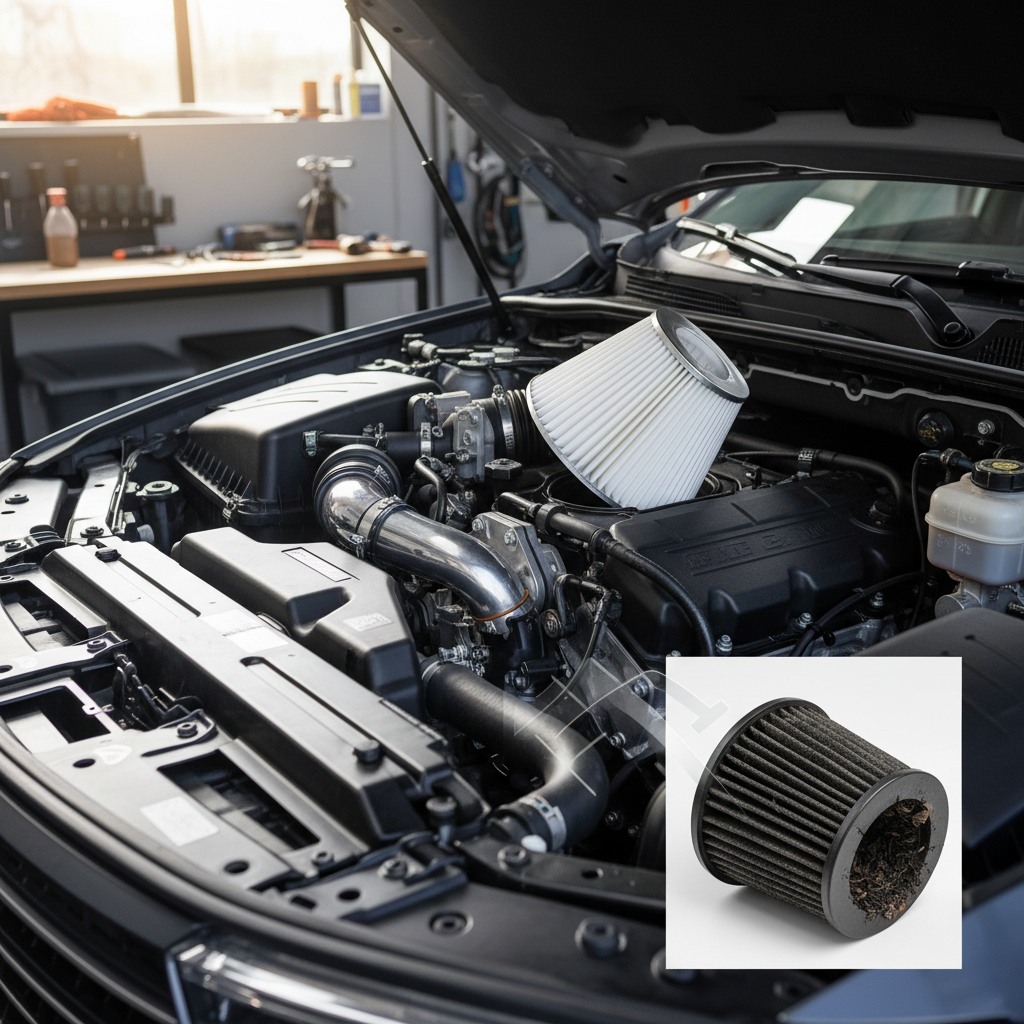
A clean engine filter plays a critical role in enhancing fuel efficiency and power output in vehicles. When the engine filter is clogged, it restricts the flow of air and fuel, leading to poor engine performance and a decrease in efficiency. Studies indicate that maintaining a clean intake system can improve fuel efficiency by as much as 10-15%, especially in diesel engines where optimized combustion is essential for performance. In contrast, using premium formulations of diesel has shown to keep engines running clean and efficiently, which further helps in maintaining optimal power and reducing emissions.
Moreover, advanced engine technologies have demonstrated that cooler engines burn more oxygen-rich fuel, mitigating issues like knocking and enhancing overall performance. This is particularly relevant in the context of new regulations regarding emissions, pushing manufacturers to innovate for cleaner, more efficient engines. Reports suggest that the latest engine designs not only comply with stringent emissions standards but also deliver improved torque and power output, showcasing the combined benefits of clean fuel availability and effective engine filtration systems. Maintaining these systems is crucial for maximizing vehicle performance and ensuring longevity.
Signs That Your Engine Filter Needs Replacement: Symptoms to Watch For
This is an example paragraph to showcase important content with some inline styling.
You can also underline specific words for emphasis.
The image above illustrates how to integrate text and visuals together effectively.
Make sure your content is engaging and easy to read on all devices.
Remember to test your layout on various screen sizes to ensure accessibility.
Concluding thoughts on incorporating imagery into your written content will enhance user experience.
Regular Maintenance Tips for Extending the Life of Your Engine Filters
Regular maintenance of engine filters is crucial for the optimal performance and longevity of your vehicle. Engine filters, including air, oil, and fuel filters, play a vital role in keeping impurities and contaminants away from vital engine components. To ensure they function effectively, it’s important to check and replace these filters according to the manufacturer's recommendations. Neglecting this aspect can lead to reduced engine efficiency, decreased fuel economy, and even serious engine damage over time.
In addition to following the suggested replacement schedule, there are several maintenance tips that can help extend the life of your engine filters. Regularly inspecting the filters for dirt and debris buildup is essential; clean or change them as necessary. Using high-quality filters that meet or exceed manufacturer specifications can also make a significant difference. Furthermore, regularly servicing your vehicle, including oil changes and fuel system cleanings, can help maintain the cleanliness of your engine filters, ultimately enhancing their performance and prolonging their lifespan.
What is a Car Engine Filter and How It Affects Your Vehicle's Performance? - Regular Maintenance Tips for Extending the Life of Your Engine Filters
| Filter Type |
Function |
Recommended Change Interval |
Impact on Engine Performance |
Maintenance Tips |
| Oil Filter |
Keeps oil clean by trapping contaminants. |
Every 5,000 - 7,500 miles |
Improves lubrication, reduces wear, enhances longevity. |
Replace during oil changes, check for leaks. |
| Air Filter |
Filters air entering the engine for combustion. |
Every 15,000 - 30,000 miles |
Enhances fuel efficiency, improves acceleration. |
Inspect regularly, replace if dirty or damaged. |
| Fuel Filter |
Removes impurities from fuel before it enters the engine. |
Every 20,000 - 40,000 miles |
Improves engine performance, prevents clogs. |
Replace at specified intervals, check fuel efficiency. |
| Cabin Air Filter |
Filters air entering the passenger compartment. |
Every 15,000 - 25,000 miles |
Improves air quality, enhances HVAC efficiency. |
Check during vehicle service, replace if necessary. |

 Products
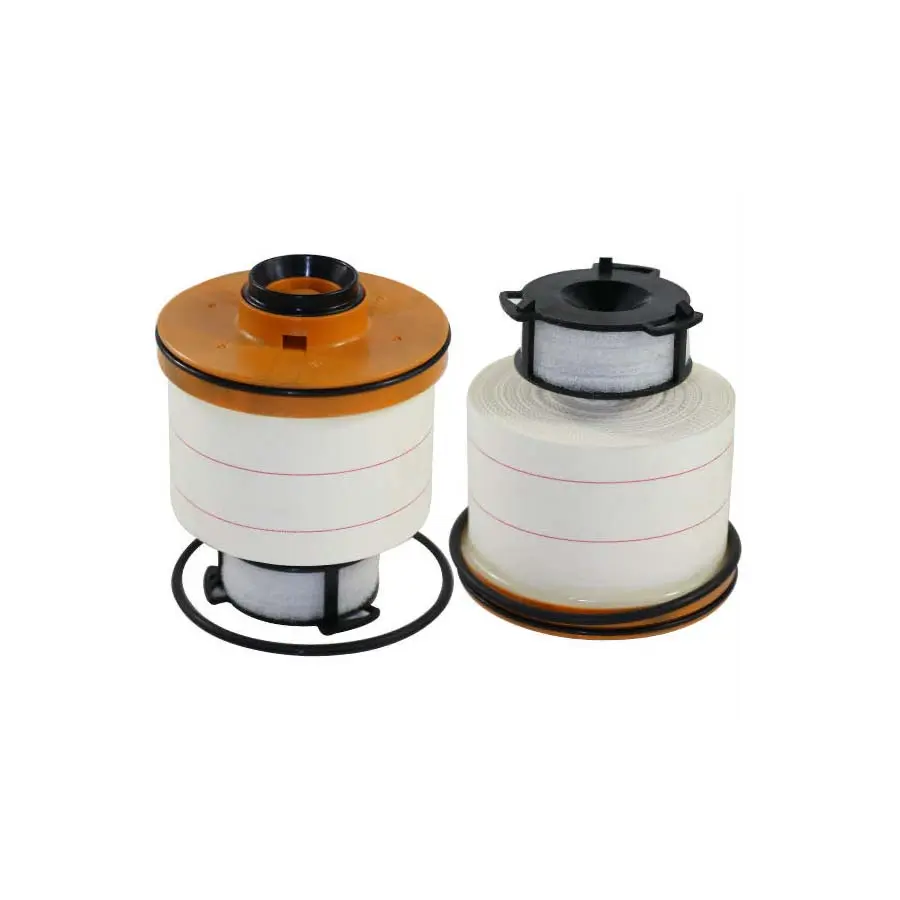 FUEL FILTER
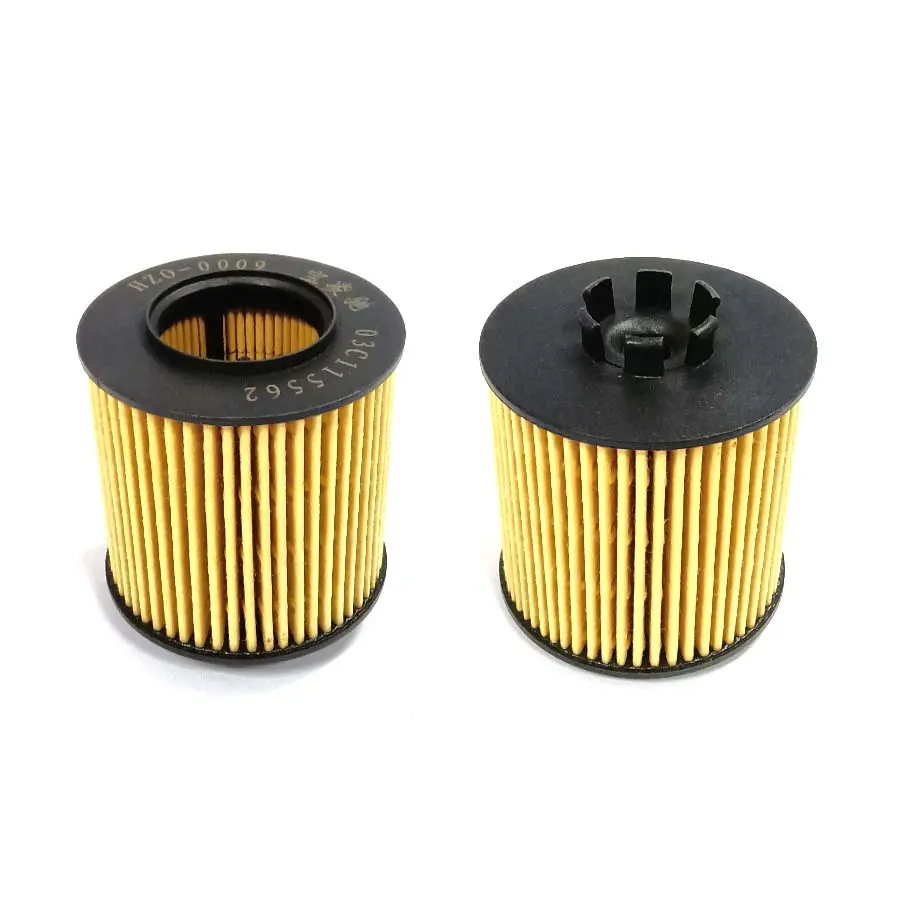 OIL ELEMENT FILTER
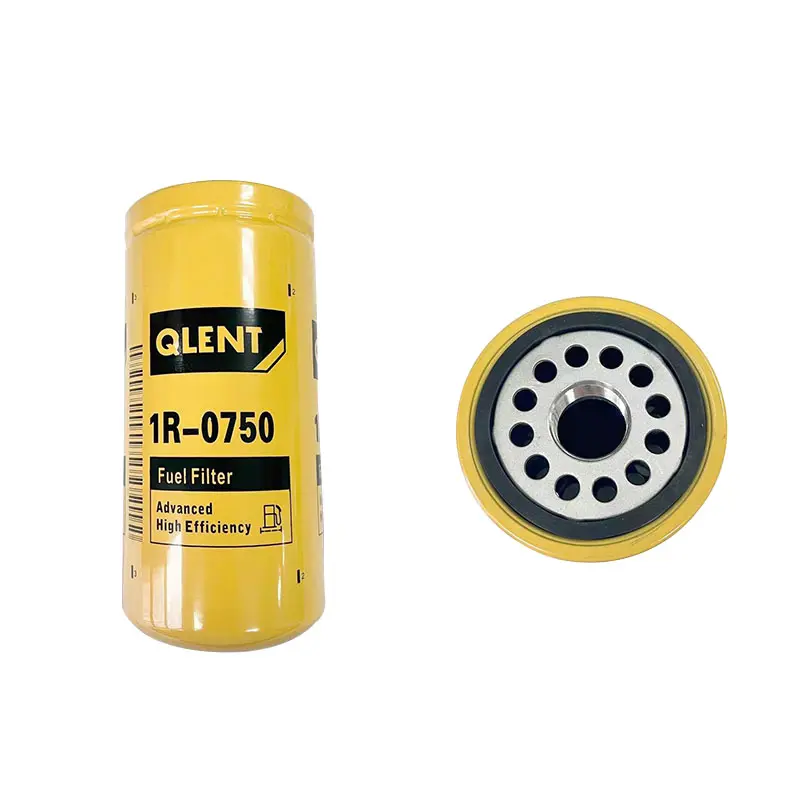 OIL FILTER
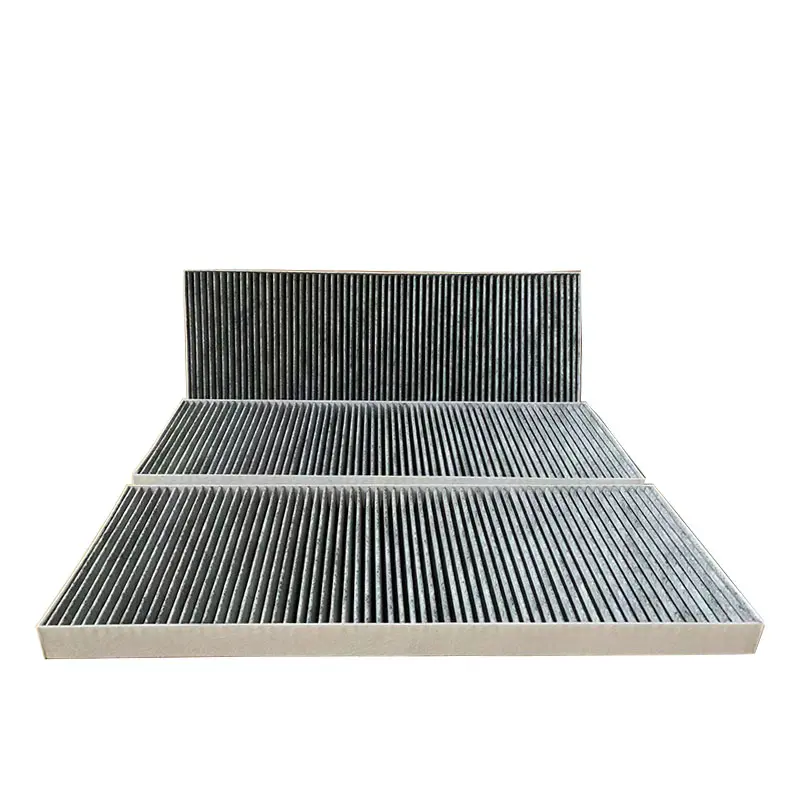 CABIN FILTER
 AIR FILTER