How to Choose the Best Auto Parts Filter for Your Vehicle?
When selecting auto parts, the importance of choosing the right auto parts filter cannot be overlooked. Expert mechanic John Stevens emphasizes, "A high-quality auto parts filter keeps your engine running smoothly and efficiently." This highlights the vital role filters play in maintaining vehicle performance.
A well-functioning auto parts filter prevents contaminants from entering critical engine components. Many vehicle owners underestimate how much this choice impacts longevity and efficiency. Without the right filter, engines can suffer, leading to costly repairs.
Navigating the variety of options can be overwhelming. Not all filters are created equal. Quality and compatibility with your vehicle are crucial. It’s essential to research and understand what each filter offers. Reflecting on past choices can guide better decisions in the future. Choosing the right auto parts filter isn't merely about saving money. It's about investing in the health of your vehicle.
Understanding the Function of Auto Parts Filters in Vehicles
Auto parts filters play a crucial role in your vehicle's performance. These filters ensure that contaminants are kept out of critical systems. They protect engine oil, fuel, and air from particles that could cause damage. A high-quality filter can significantly extend the lifespan of engine components.
Different filters serve various functions.
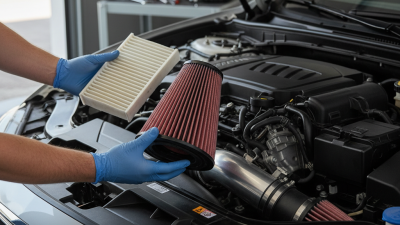
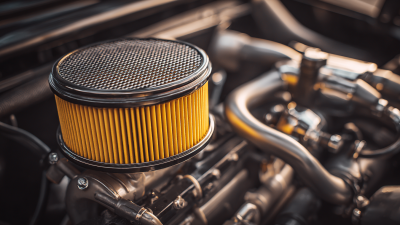
Engine air filters trap dust and debris, ensuring clean air enters the combustion chamber.
Oil filters prevent harmful substances from circulating in the engine oil.
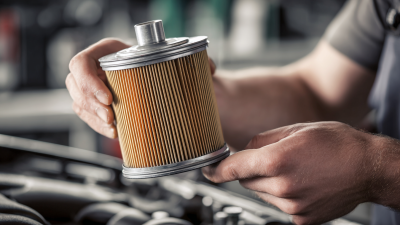
Fuel filters maintain the purity of the fuel entering the engine. Each type of filter must be chosen based on your vehicle’s needs.
Choosing the right auto parts filter requires careful consideration. Look for filters that meet or exceed OEM standards. This approach indicates quality and reliability. Some filters may appear similar, but their effectiveness can vary. Reading reviews and seeking expert recommendations can provide useful insights. However, not all advice is perfect. Always verify information through trusted sources to ensure you make an informed decision.
Identifying Different Types of Auto Parts Filters Available
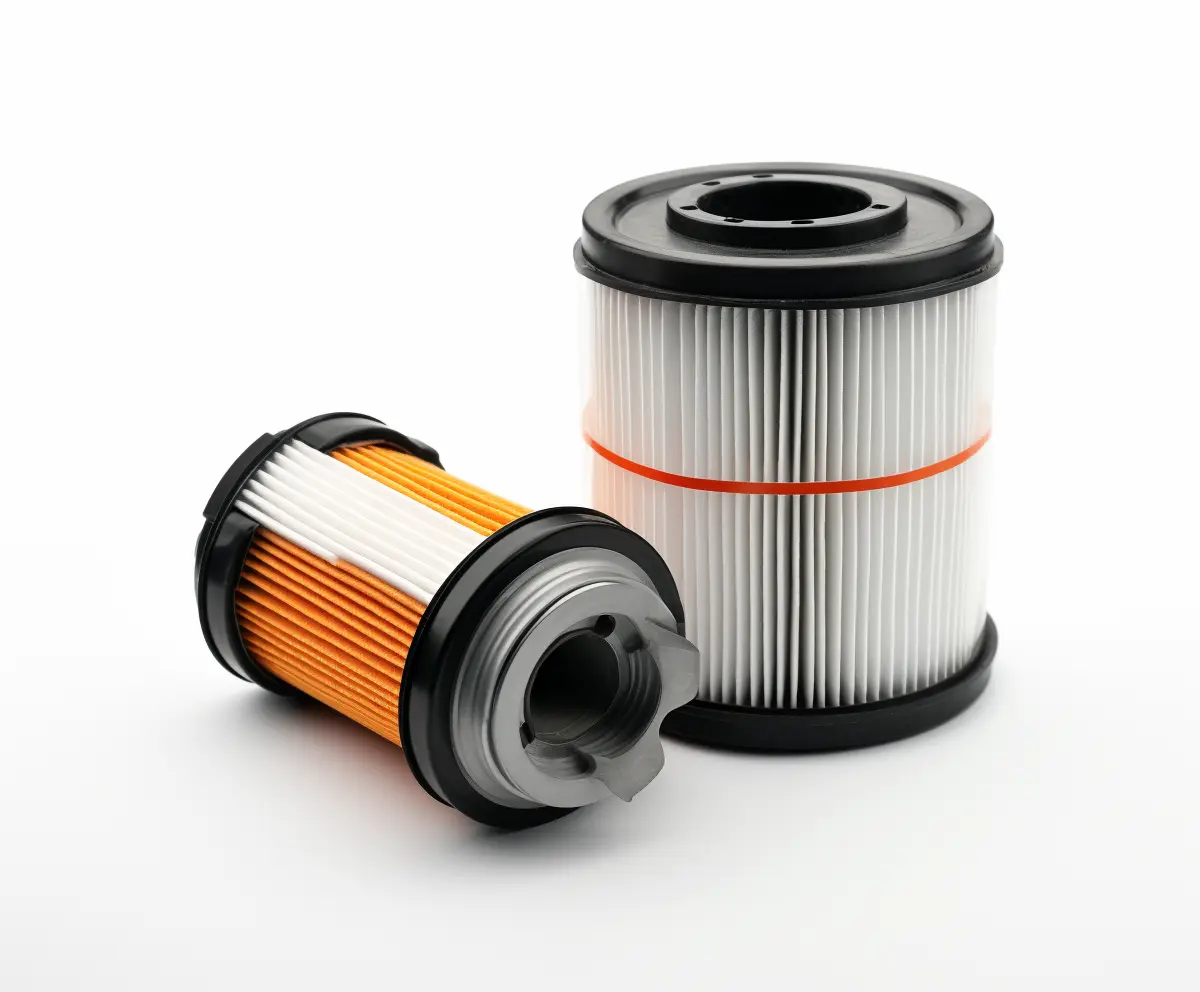
When selecting an auto parts filter, understanding the types available is essential. Filters come in many varieties, each serving a specific function. Engine oil filters, air filters, fuel filters, and cabin air filters are among the most common. Each filters contaminants to ensure vehicle efficiency.
Engine oil filters remove debris and dirt from the oil that lubricates engine components. Air filters play a critical role in maintaining air quality, trapping dust and pollen. Fuel filters keep impurities out of the fuel system. Cabin air filters enhance interior air quality, keeping pollutants at bay.
Tips: Regularly check your vehicle’s filters. Even a minor clog can affect performance. Change them according to your vehicle's maintenance schedule, and consider the driving environment. Filters in urban areas may require more frequent replacements. Always opt for quality materials to ensure reliability and longevity. You may find that not all filters meet the same standards; it's crucial to assess their performance and fit for your vehicle’s needs.
How to Choose the Best Auto Parts Filter for Your Vehicle?
| Filter Type |
Purpose |
Typical Replacement Interval |
Compatibility |
| Oil Filter |
Removes contaminants from engine oil |
Every 5,000 to 7,500 miles |
Most gasoline engines |
| Air Filter |
Cleans the air entering the engine |
Every 15,000 to 30,000 miles |
All vehicles |
| Cabin Air Filter |
Filters air entering the cabin |
Every 15,000 to 25,000 miles |
Most passenger vehicles |
| Fuel Filter |
Removes impurities from fuel |
Every 20,000 to 30,000 miles |
Petrol and diesel engines |
Evaluating Compatibility with Your Vehicle's Specifications
When selecting an auto parts filter, compatibility is essential. Each vehicle has specific requirements for filters based on design and functionality. A misfit can lead to poor performance or even damage to your engine. Always refer to your vehicle's manual. It provides critical specifications for parts selection.
Check the filter's dimensions and compatibility with your engine model. Different engines may require unique filter designs. Using an incompatible filter can obstruct oil flow or air circulation, leading to overheating. Remember to cross-reference the parts you've researched with official specifications.
Sometimes, filters may seem similar but differ significantly. It's easy to overlook these nuances. Engage with communities or forums for insights from other vehicle owners. Their experiences highlight potential pitfalls. This feedback can guide your decision-making process. Being diligent in this choice can save time and money in the long run.
Comparing Filter Brands and Their Performance Ratings
When selecting an auto parts filter for your vehicle, comparing filter brands and performance ratings is essential. Different brands offer varying levels of filtration efficiency, durability, and compatibility. Some filters may excel in capturing larger particles but may struggle with smaller contaminants. Others provide excellent flow rates but can sacrifice filtration efficiency. It's crucial to determine what aspects matter most for your specific needs.
Performance ratings can be a game-changer. Look for filters that have been tested for efficiency under various conditions. Understanding the testing methods helps in evaluating their reliability. While online reviews can offer insights, they may not always capture long-term performance. It’s wise to consider filters with comprehensive warranties or guarantees. These indicate the manufacturer’s confidence in their product.
Yet, brand reputation isn’t everything. Personal experience often informs better choices. Some users find that less-known brands actually perform better than established names. Don’t overlook the carbon footprint, either. Eco-friendly options are becoming more available and can influence your decision. Balancing performance and environmental responsibility is part of a thoughtful buying process.
Tips for Maintaining and Replacing Your Auto Parts Filter
Maintaining and replacing your auto parts filter is crucial for vehicle performance. Filters play a vital role in ensuring clean air and fluid circulation. Ignoring this can lead to serious engine problems. It’s essential to check your filters regularly, looking for dirt and wear. A clogged filter can reduce efficiency.
When replacing a filter, choose a reliable source. It’s tempting to go for cheaper options, but quality matters. A subpar filter may not fit correctly. It can allow debris into the system, leading to costly repairs. Installation plays a critical role. Make sure to follow the guidelines carefully. Mistakes can happen, like missing a seal during installation.
Consider your driving habits. If you often drive in harsh conditions, filters might need more frequent replacement. Dusty roads and heavy traffic can cause filters to clog quickly. Listen to your vehicle. Unusual sounds or a drop in performance can signal filter issues. Regular maintenance can save you money and extend your vehicle's lifespan. Investing time in understanding your filter needs is worthwhile.

 Products
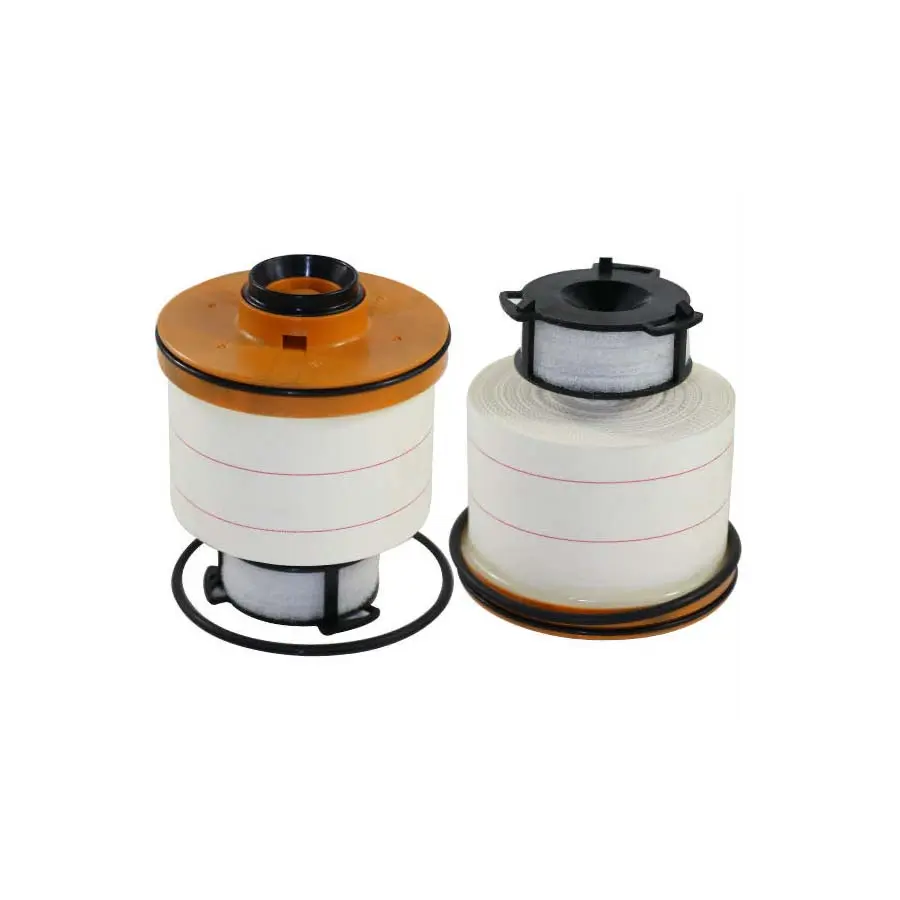 FUEL FILTER
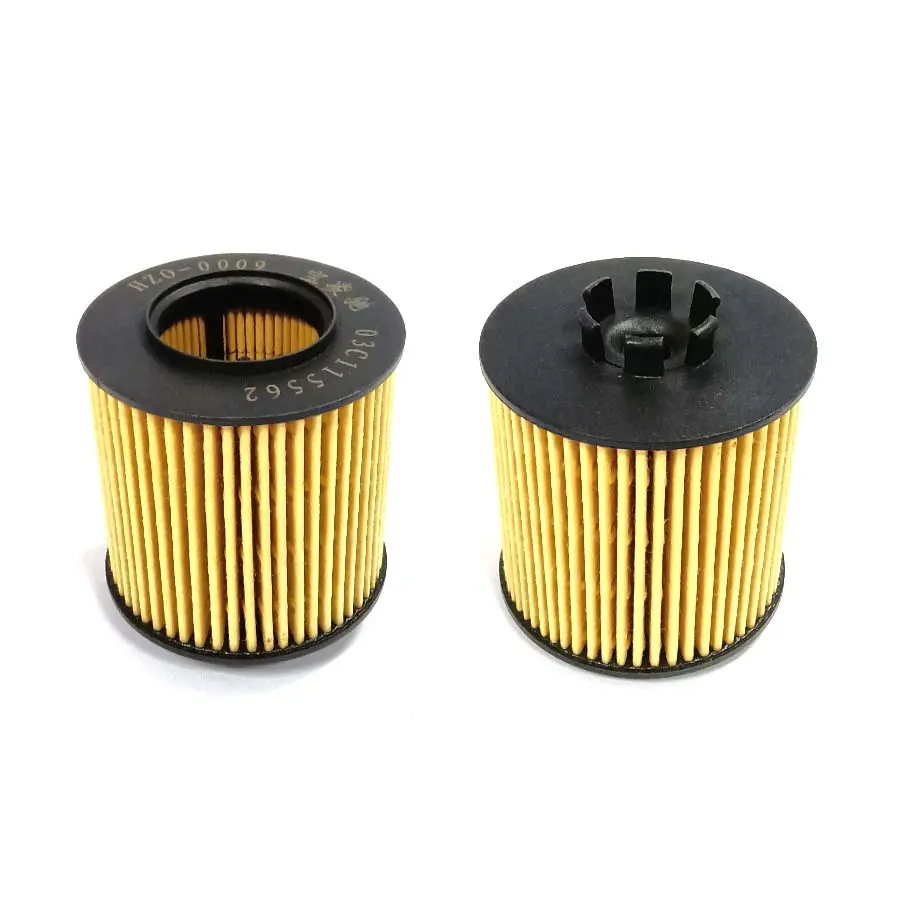 OIL ELEMENT FILTER
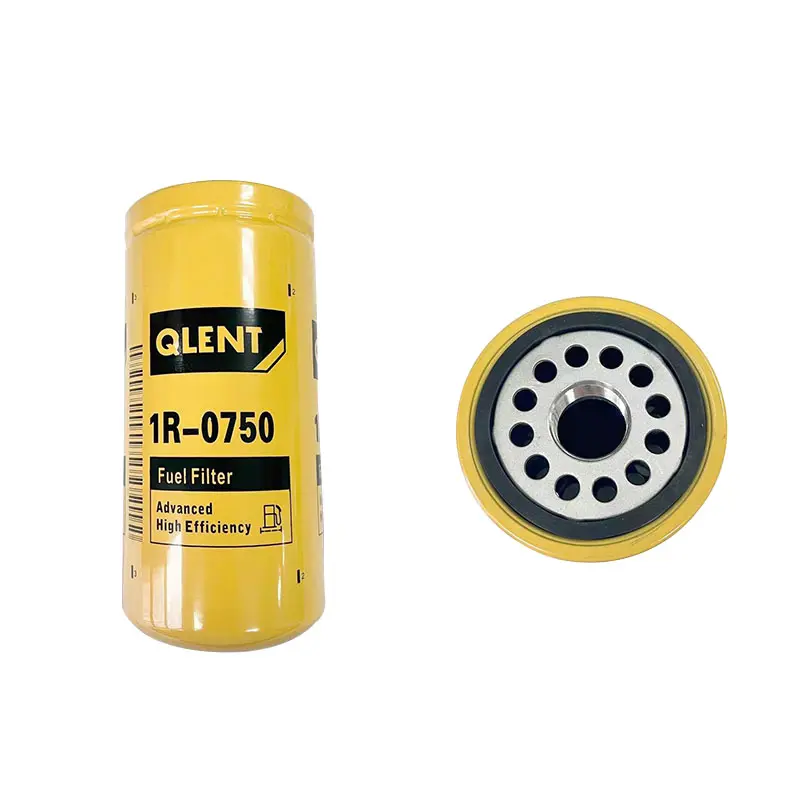 OIL FILTER
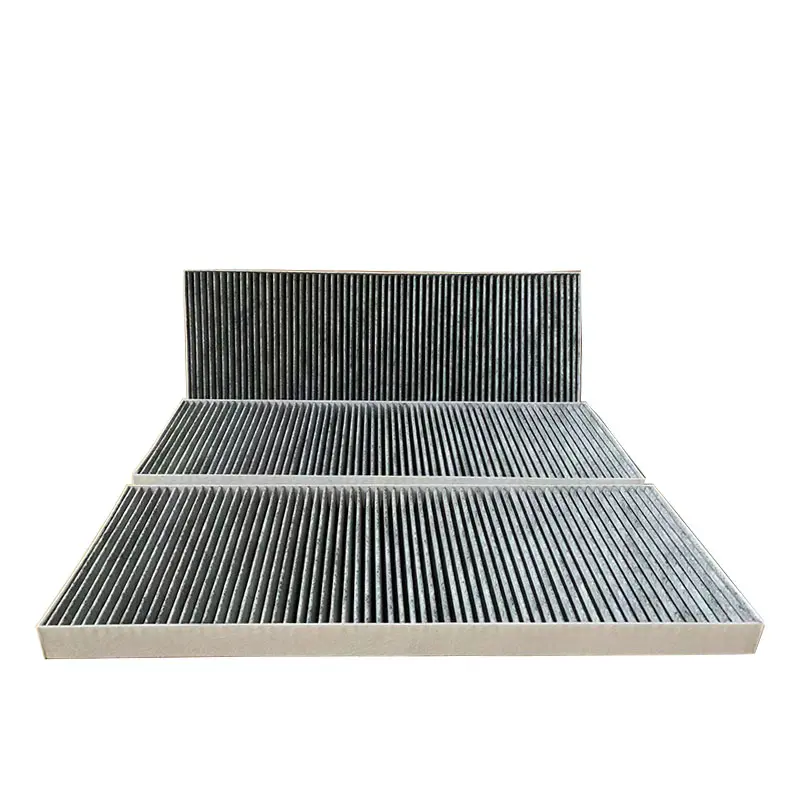 CABIN FILTER
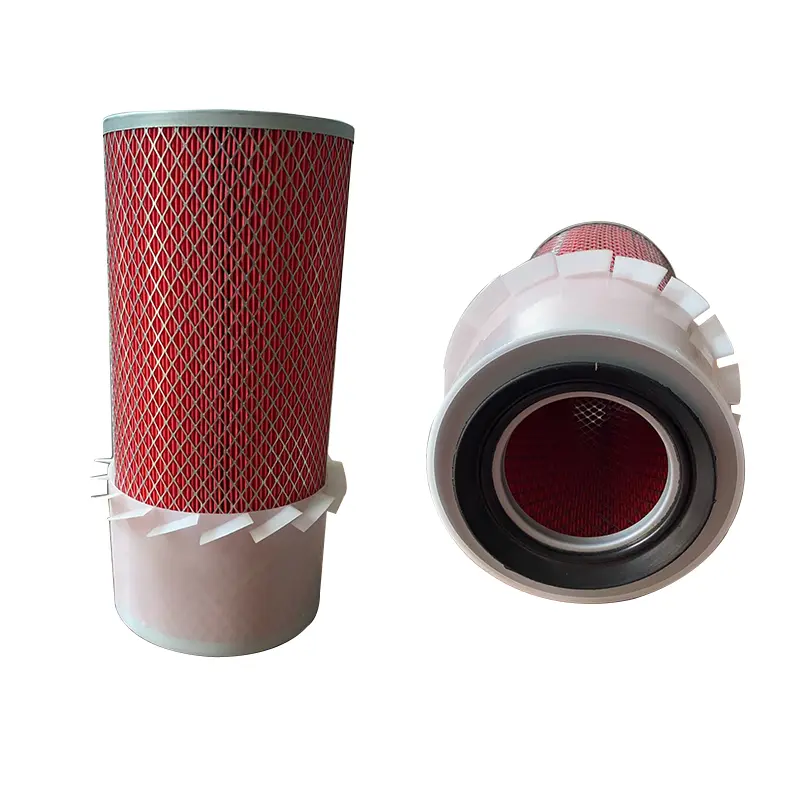 AIR FILTER