How to Choose the Best Car Air Filter for Your Vehicle?
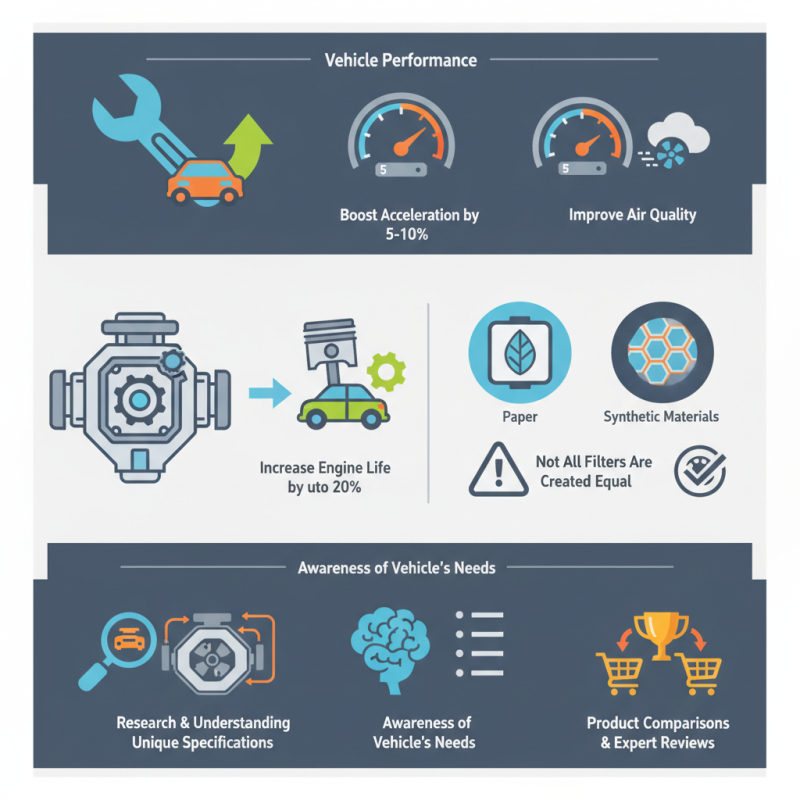
Choosing the right car air filter is crucial for vehicle performance. A quality Car Air Filter can enhance engine efficiency and improve air quality inside your car. According to the Automotive Research Council, a clean air filter can boost acceleration by 5-10%. This statistic is significant, as many drivers overlook this small component's impact on vehicle function.
Many filters on the market vary in design and filtration capabilities. Some are made from paper, while others use synthetic materials. A report from the Engine Manufacturers Association indicates that a high-performance air filter can increase engine life by up to 20%. However, not all filters are created equal. It’s important to select a filter that meets your specific vehicle requirements.
Choosing the best air filter requires research and understanding unique specifications. A poorly chosen filter might result in poor engine performance or even damage. Awareness of your vehicle's needs is key. Investing time in product comparisons and expert reviews can lead to a more informed decision.
Understanding the Importance of Car Air Filters for Vehicle Performance
Car air filters play a vital role in maintaining vehicle performance. They ensure that clean air enters the engine, which is essential for combustion. A dirty or clogged filter restricts airflow, leading to decreased power and fuel efficiency. When the engine doesn't breathe properly, it can affect overall performance. Regular maintenance of the air filter can prevent these issues.
Choosing the right car air filter is crucial. Different vehicles have unique requirements. Not every filter is made equal; some filter better than others. It's important to consider the environment in which you drive. Dusty or polluted areas may require more frequent changes. Ignoring this can lead to costly repairs down the line.
Sometimes, people overlook air filters. They focus on the more visible parts of their cars. Yet, neglecting this component can impact performance significantly. You might notice reduced acceleration or higher fuel consumption. Reflecting on this can lead to better decisions when maintaining your vehicle. Regular inspections and timely replacements are simple yet effective.
Identifying Different Types of Car Air Filters Available in the Market
When selecting a car air filter, it's essential to understand the different types available in the market. The primary categories include panel filters, cylindrical filters, and washable filters. Panel filters are the most common. They fit perfectly in the factory housing.
Cylindrical filters offer versatility for various applications. They are popular in high-performance vehicles. Washable filters can be reused, but they require regular cleaning and maintenance.
Each type serves specific functions. Paper filters trap particles effectively but are often disposable. Foam filters provide excellent airflow but may need more frequent cleaning. Choosing the right filter involves assessing your vehicle's needs and your driving conditions. For instance, if you often drive in dusty areas, a more robust filter may be necessary. However, some filters are less effective over time. You might find yourself replacing them sooner than expected.
Research is crucial before making a choice. Not all filters fit every vehicle perfectly. Mismatched filters can lead to decreased performance. When unsure, consulting a specialist can be beneficial. Their expert advice can guide you to make a reliable choice, ensuring your vehicle runs smoothly.
Factors to Consider When Choosing an Air Filter for Your Vehicle
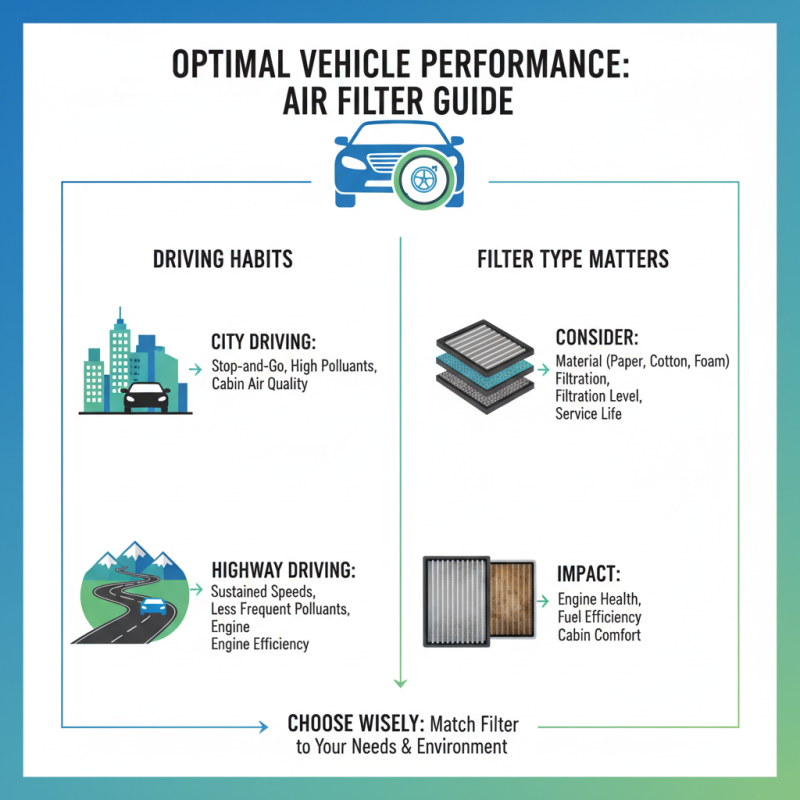
Choosing the right air filter for your vehicle is crucial for optimal performance. Several factors influence this decision. First, consider the type of driving you do. Frequent city driving may require a different filter than extensive highway travel. Air pollutants vary in urban environments compared to rural areas. Understanding your driving habits helps in selecting a filter that fits your needs.
Next, evaluate the filter's material. Different materials affect airflow and filtration efficiency. Some filters are made from synthetic media, while others use paper or foam. High-efficiency filters can trap smaller particles better but may restrict airflow. Balancing efficiency and airflow is key. Regular maintenance and replacement schedules are also important. A neglected filter can reduce engine performance and fuel efficiency.
Lastly, check for compatibility with your vehicle. Some filters may fit different makes and models. Always refer to your vehicle’s specifications. It can be easy to overlook this, leading to incorrect purchases. Even high-quality filters might not work effectively in an incompatible vehicle. This basic check can save you time and ensure better air quality in the cabin. Remember, a well-chosen air filter contributes significantly to overall vehicle health.
How to Properly Inspect and Maintain Your Car Air Filter
Regular inspection and maintenance of your car air filter is crucial for optimal vehicle performance. Start by checking the filter every 12,000 miles or as recommended in your vehicle manual. Remove the filter and hold it up to a light source. A clean filter allows light to pass through easily. If it appears dark or clogged, it’s time for a replacement. Don’t just rely on mileage; environmental conditions can affect filter life.
While maintaining your filter, also consider the surrounding area. Dust and debris can accumulate, potentially affecting filter efficiency. Make sure the housing is clean before inserting a new filter. If you notice any unusual noises or decreased engine performance, inspect the air intake components. These are signs that further attention may be necessary. Regular checks support better fuel efficiency and engine health.
Ignoring air filter maintenance might lead to bigger issues. A dirty filter restricts airflow, affecting engine performance and fuel consumption. Think about all the benefits of a clear filter versus the risks of neglect. Staying vigilant on these details may save you time and money in the long run. Keep your vehicle running smoothly by prioritizing this simple task.
How to Choose the Best Car Air Filter for Your Vehicle? - How to Properly Inspect and Maintain Your Car Air Filter
| Filter Type |
Material |
Lifespan (miles) |
Maintenance Frequency |
Benefits |
| Paper Filter |
Cellulose |
15,000 - 30,000 |
Every 15,000 miles |
Affordable, basic filtration |
| Cotton Gauze Filter |
Cotton with oil |
50,000 - 100,000 |
Every 30,000 - 50,000 miles |
Reusable, high airflow |
| HEPA Filter |
Synthetic fiber |
30,000 - 50,000 |
Every 30,000 miles |
Higher filtration efficiency |
| Synthetic Filter |
Polyester |
20,000 - 50,000 |
Every 20,000 - 40,000 miles |
Durable, better dust filtration |
Signs That Indicate It's Time to Replace Your Car Air Filter
When it comes to your car's performance, the air filter plays a crucial role. A dirty air filter can lead to decreased fuel efficiency and poor engine performance. Here are some signs that indicate it’s time to replace your car air filter.
One clear sign is reduced airflow. If you notice that your vehicle struggles to accelerate, it could be due to a clogged filter. Another indicator is a decrease in fuel efficiency. If your car is suddenly consuming more gas, it’s worth inspecting the air filter. Look for unusual black smoke from the exhaust. This can signify that your engine is not getting enough clean air.
Tips: A simple visual inspection can help. If the filter looks dirty, it’s probably time to replace it. Listen for unusual sounds. Engine noise can increase if the air filter is blocked. You might also notice a strange odor inside the car. This could mean the filter is not working effectively.
Regular maintenance is essential. It's good practice to check the air filter every 12,000 miles or during oil changes. However, driving in dusty conditions may require more frequent checks. Ignoring these signs can lead to costly repairs down the road.

 Products
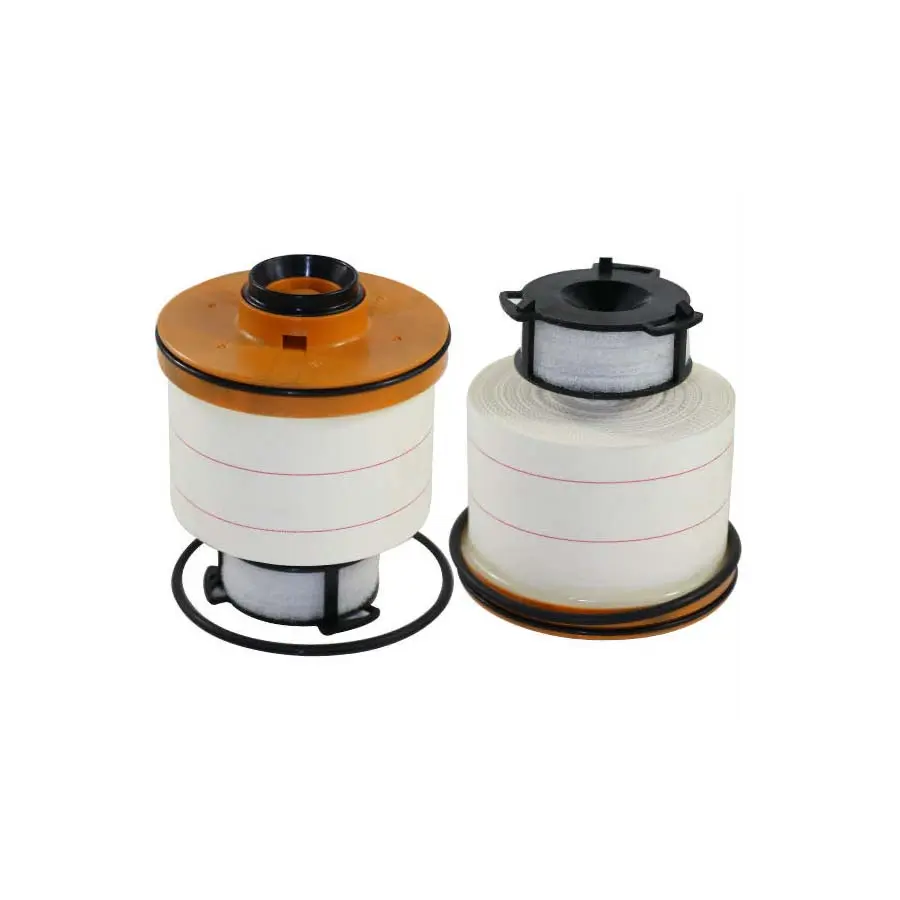 FUEL FILTER
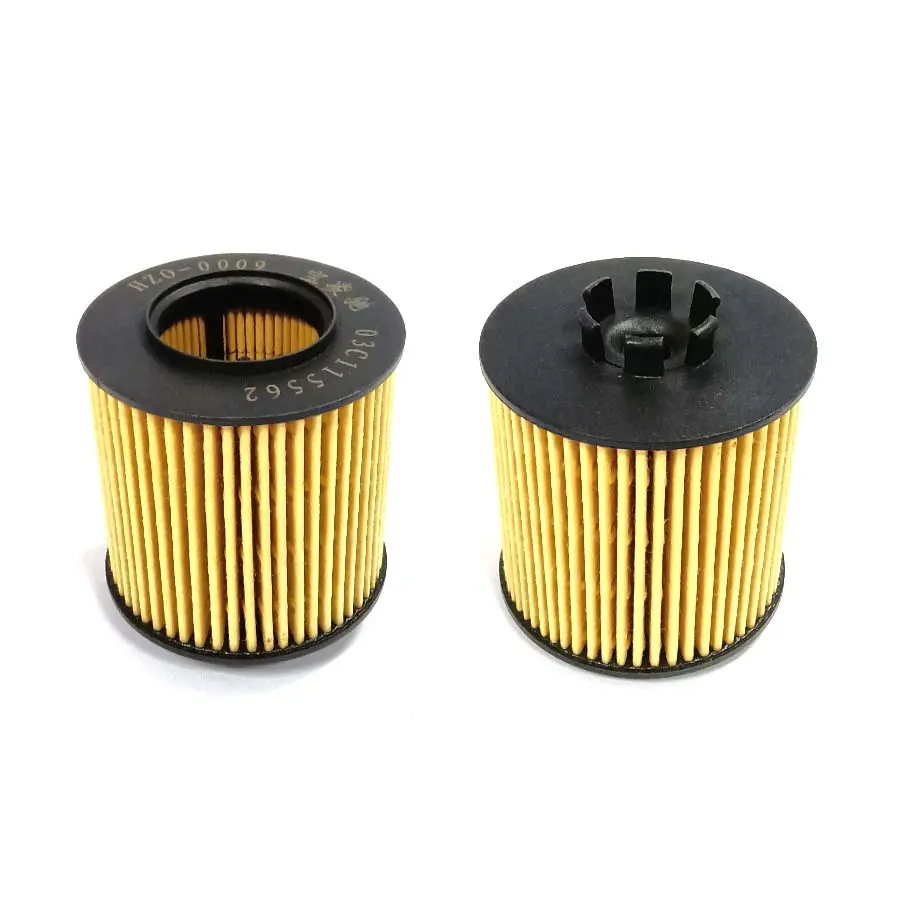 OIL ELEMENT FILTER
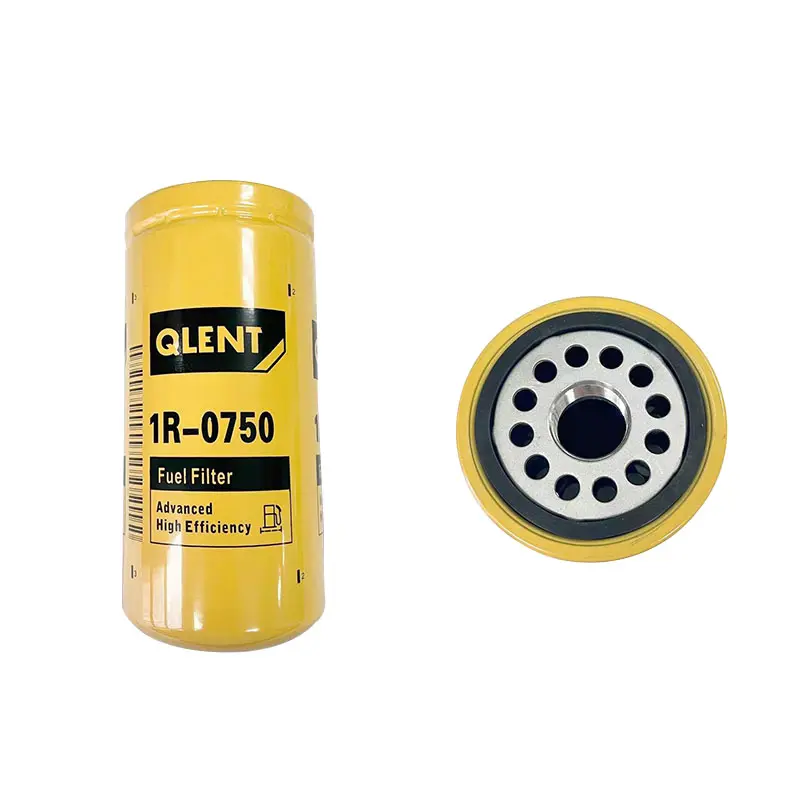 OIL FILTER
 CABIN FILTER
 AIR FILTER