How to Choose the Best Engine Accessories Filter for Your Needs?
Choosing the right Engine Accessories Filter is essential for optimal vehicle performance. An effective filter protects your engine from contaminants. However, with many options available, selecting the best one can be challenging. Understanding your specific needs can guide your decision.
Factors such as engine type, driving conditions, and filter specifications play a crucial role. For instance, off-road conditions may require a more robust filter. Also, consider the brand’s reputation. Reliable brands often provide better quality filters.
Many people overlook these details. This can lead to poor engine health. While price matters, quality should be the priority. A cheaper filter may save money initially but can lead to costly repairs later. Balancing cost and quality is vital for making an informed choice. Aim for a filter that meets your engine’s requirements without compromising on quality.
Understanding the Importance of Engine Accessories Filters
Engine accessories filters play a crucial role in maintaining vehicle performance. These filters eliminate contaminants that can damage the engine. Dirt, debris, and impurities can lead to serious issues over time. By understanding their importance, you can make better decisions for your vehicle's health.
Choosing the right filter is not always straightforward. Factors like compatibility, material, and filtration efficiency matter significantly. A higher quality filter may offer better protection but can also be more expensive. Balancing cost and quality can be tricky. Many drivers opt for inexpensive options, only to face issues later. Realizing this can lead to better long-term maintenance decisions.
Regular checks on your engine accessories filter are essential. If neglected, it can become clogged and impede engine efficiency. This impacts fuel economy and overall performance. Noticing these small changes can prevent bigger problems down the line. Taking the time to evaluate your options carefully is worth it. Adjusting your approach based on past experiences can improve future choices.
Identifying Your Engine's Specific Needs and Requirements
When selecting engine accessories, understanding your engine's specific needs is crucial. Each engine operates differently based on its design and intended use. Factors such as horsepower, fuel type, and operating conditions play significant roles in determining the right filter for your engine. A filter suited for a sports car may not be ideal for a heavy-duty truck. Therefore, knowing these details can prevent inefficiencies and potential damage.
Tips: Check your engine's specifications in the owner's manual. This document provides guidance on compatible accessories. Don't overlook the quality of materials used in the filter, as this affects longevity and performance.
Another consideration is your driving habits. Frequent short trips may require different accessories than long highway drives. An engine that often runs at high RPM needs filters that can handle increased airflow and contaminants. Ignoring this can lead to subpar performance and costly repairs.
Tips: Monitor engine performance regularly. Any unusual noises or decreased efficiency could indicate a need for a better filter. Trust your observations; they can guide you in making the right choice.
Comparing Different Types of Engine Accessories Filters
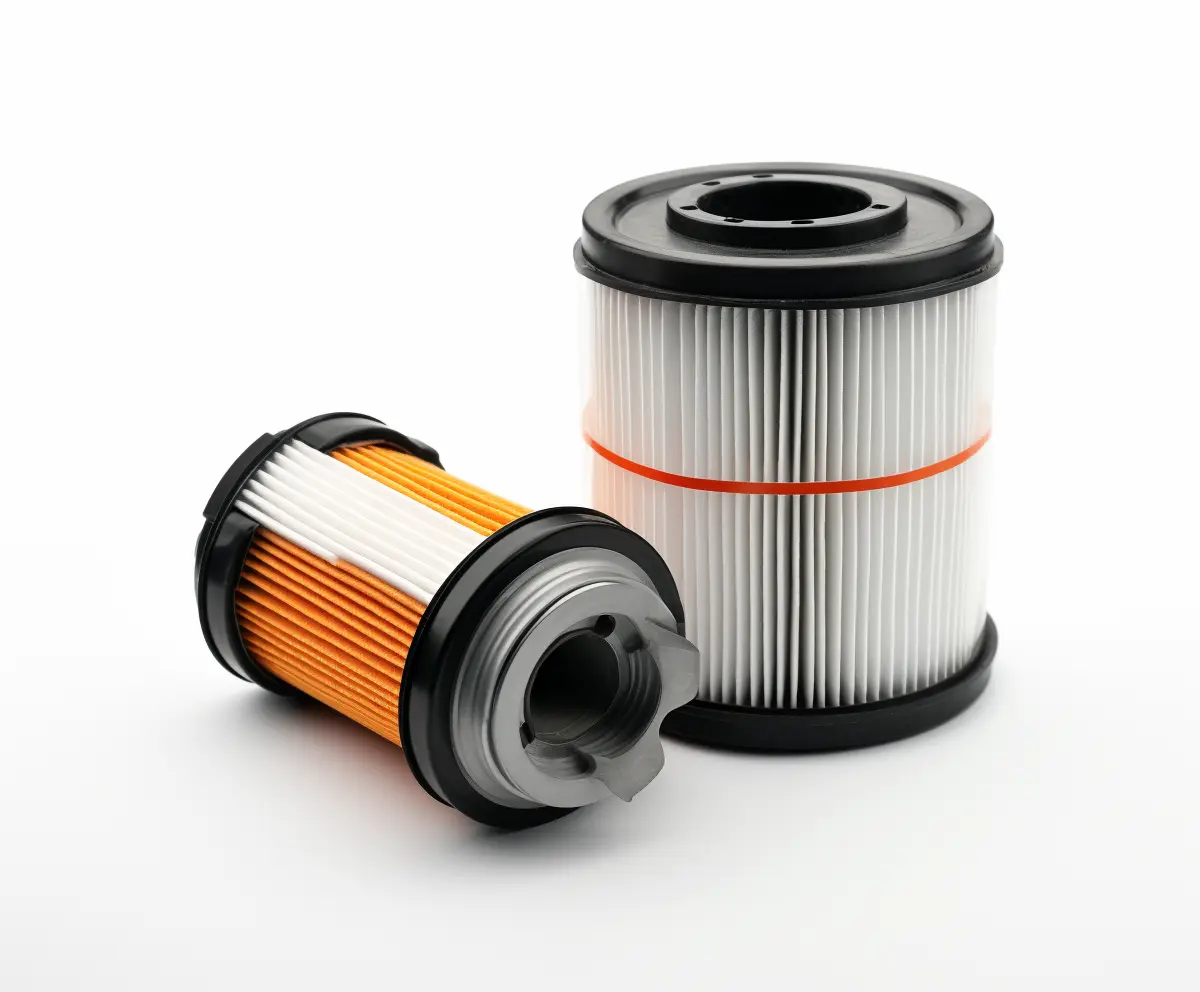
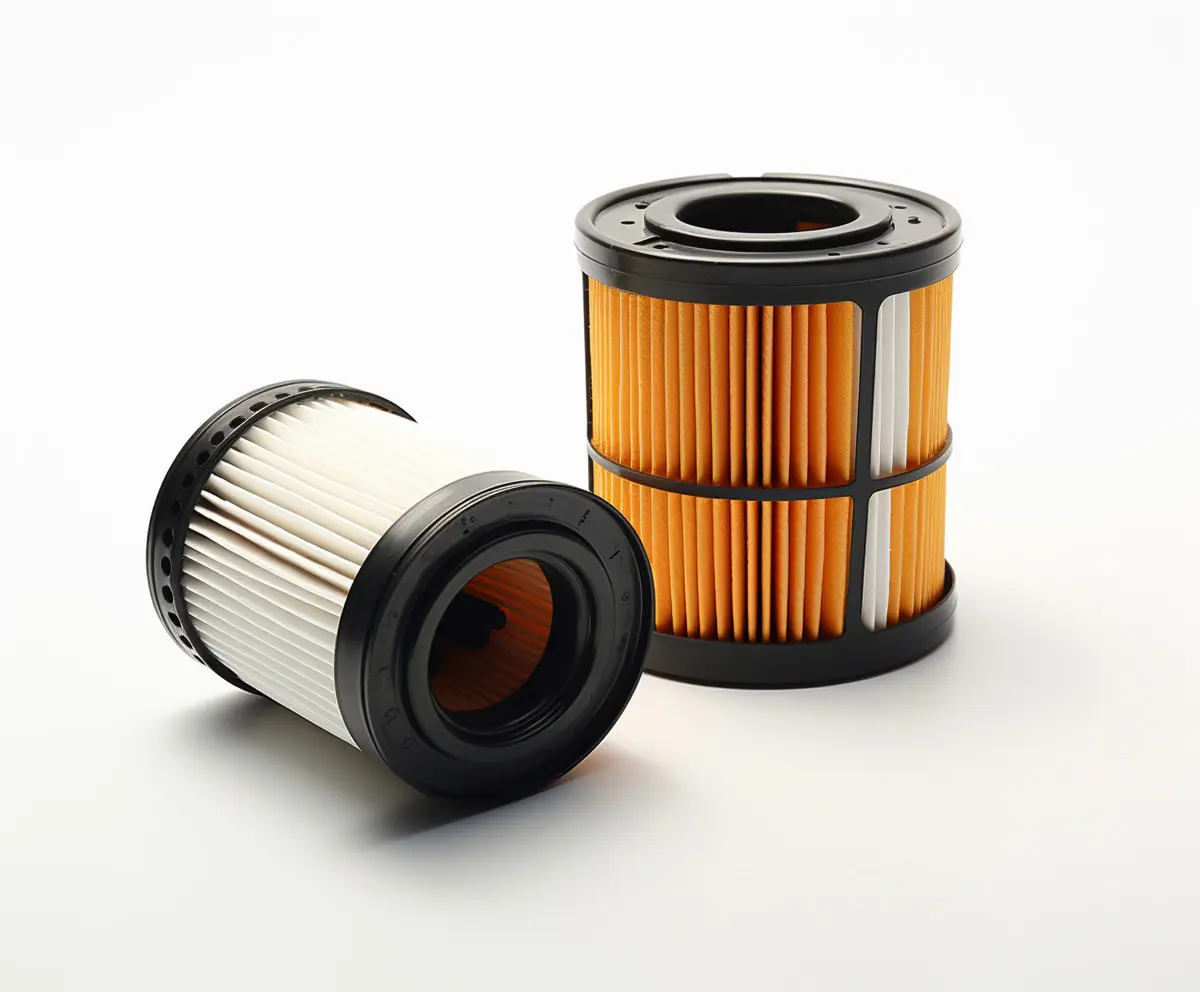
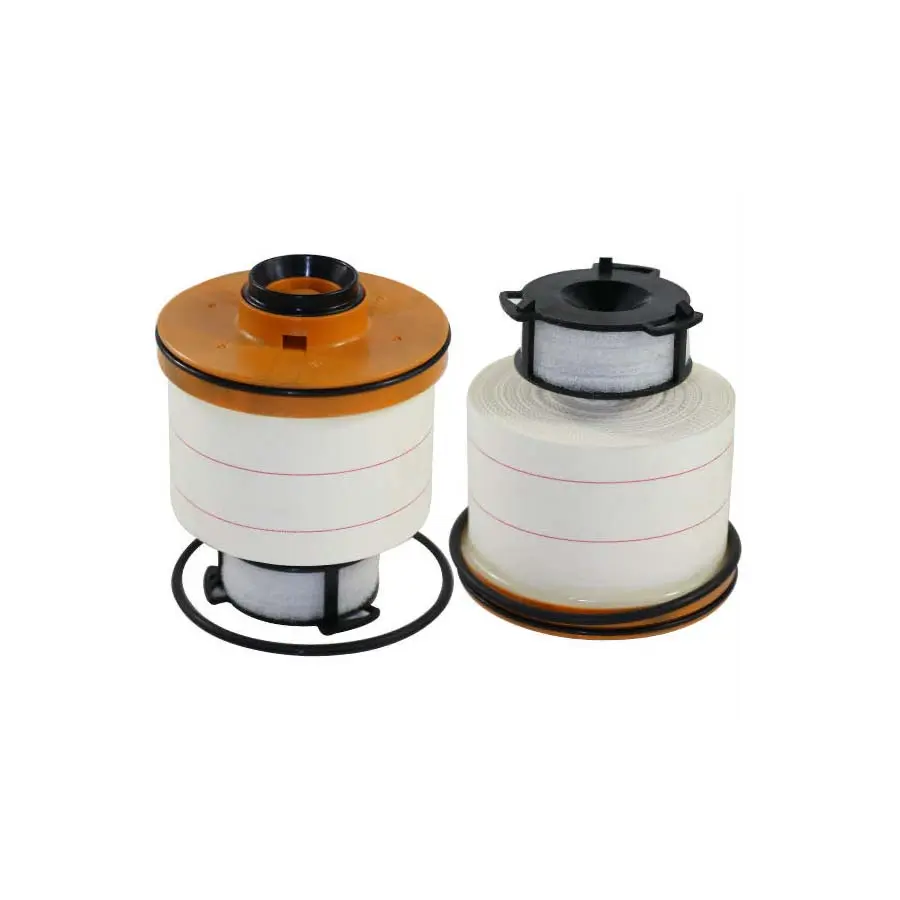
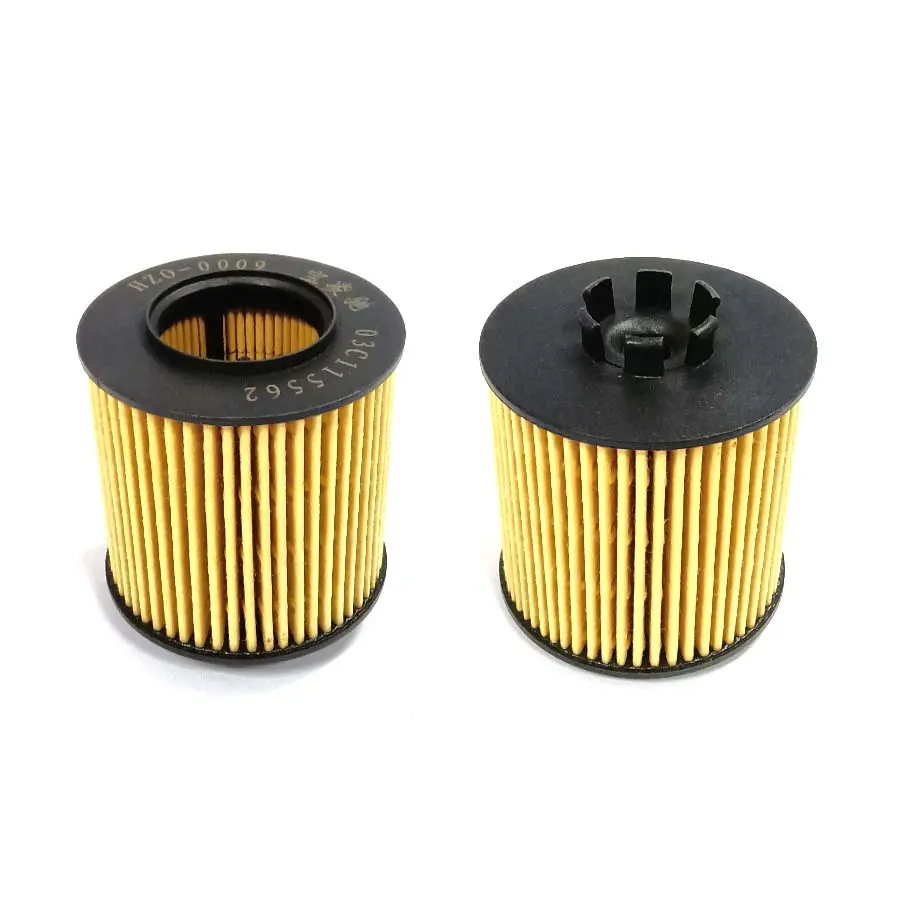
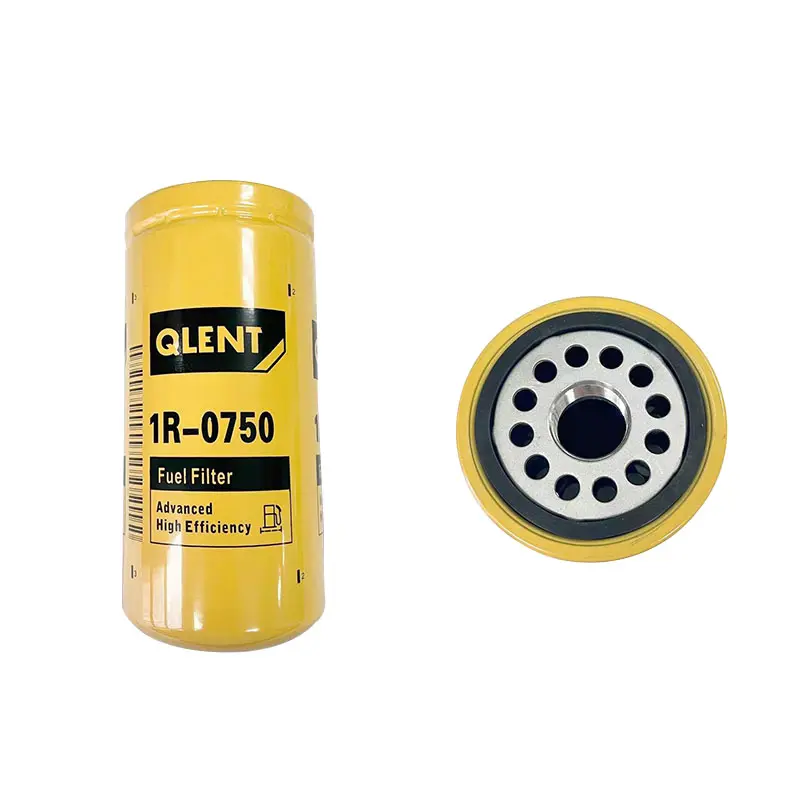
When selecting engine accessories filters, it's vital to understand the different types available. Typically, you’ll encounter fuel filters, oil filters, and air filters. Each serves a unique purpose in keeping your engine running smoothly. Fuel filters prevent contaminants from entering the fuel system. This ensures better combustion and protects injectors. Oil filters, on the other hand, remove dirt and debris from engine oil. They are crucial for maintaining engine longevity. Air filters keep dirt and particles from entering the intake manifold, which is essential for optimal engine performance.
Choosing the right filter type means considering your vehicle's specific needs. For example, high-performance engines may demand more advanced filters. However, not all filters are created equal. Some may offer better filtration but sacrifice flow rate. Others may be cost-effective but may need to be replaced more often. It's important to evaluate the balance between cost, performance, and reliability. Sometimes your vehicle manual can offer clarity, but it may not always reflect current technology or options.
Remember, the best filter is not just about price. Consider the environment in which you drive, too. Off-road conditions can mean higher dirt loads. Periodic inspections are necessary to ensure they function effectively. If you're unsure, consulting with a knowledgeable automotive technician can also prove beneficial. Engaging a professional adds another layer of insight and can guide your decisions better.
Key Features to Look for in Engine Accessories Filters
When selecting engine accessories filters, certain key features stand out. First, filter efficiency is crucial. A filter should remove at least 99% of contaminants, according to the Society of Automotive Engineers. Contaminants can include dirt, dust, and even microscopic particles. High-efficiency filters promote engine longevity, ensuring better performance metrics.
Durability is another significant feature. Filters made from robust materials tend to withstand extreme temperatures and harsh conditions. A study by the Engine Manufacturers Association indicates that a reliable filter can extend engine life by 15% or more. This increase stems from less wear on engine components, maintaining optimal performance over time.
Consider the ease of installation as well. Some filters require professional installation, while others are user-friendly. An accessible filter can save time and labor costs. However, the user must balance ease with performance. A less intricate design may compromise filtration efficiency. Always weigh these factors when making a decision. You might reflect on your specific needs and environment before investing in a filter.
Engine Accessories Filter Performance Comparison
Tips for Installation and Maintenance of Engine Accessories Filters
Installing and maintaining engine accessories filters is crucial for optimal performance. Pay attention to your engine’s specifications before starting any work. Proper installation helps prevent leaks and ensures airflow is maintained. Make sure all components fit snugly and are free of debris. This step is often overlooked, leading to unnecessary problems later.
Regular maintenance is equally important. Routinely check for clogs and clean or replace filters as needed. Ignoring these details can result in reduced efficiency. It’s wise to create a schedule to keep track of maintenance dates. Sometimes, engines might show signs of poor performance but users overlook the need for simple checks. Recognizing these signs early can save time and money.
If you notice unusual sounds or decreased fuel efficiency, do not dismiss them. These could indicate that your filter needs attention. Consistent maintenance practices will help build a reliable engine system. Keeping an eye on your accessories filters is a smart choice. It may feel tedious, but it's vital for longevity and performance.
How to Choose the Best Engine Accessories Filter for Your Needs? - Tips for Installation and Maintenance of Engine Accessories Filters
| Filter Type |
Key Features |
Best For |
Maintenance Tips |
| Oil Filter |
Removes contaminants from engine oil |
Regular oil changes |
Change every 5,000 to 7,500 miles |
| Air Filter |
Filters harmful particles from incoming air |
Dusty environments |
Inspect every 15,000 miles |
| Fuel Filter |
Cleans fuel before it enters the engine |
Older vehicles with carburetors |
Replace every 30,000 miles |
| Cabin Air Filter |
Keeps cabin air clean and fresh |
All vehicle types |
Replace yearly or as needed |

 Products
 FUEL FILTER
 OIL ELEMENT FILTER
 OIL FILTER
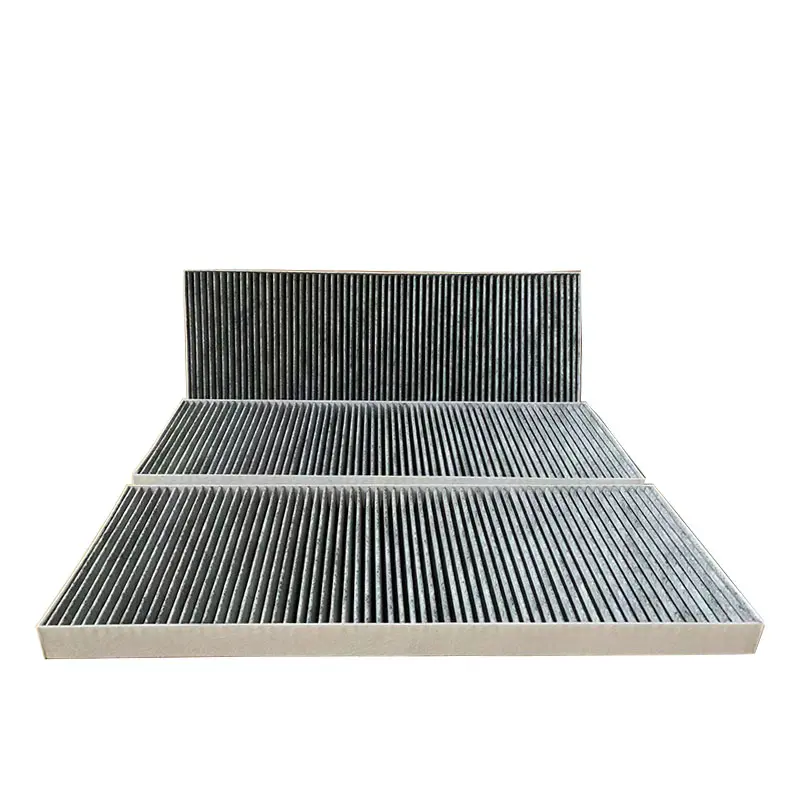 CABIN FILTER
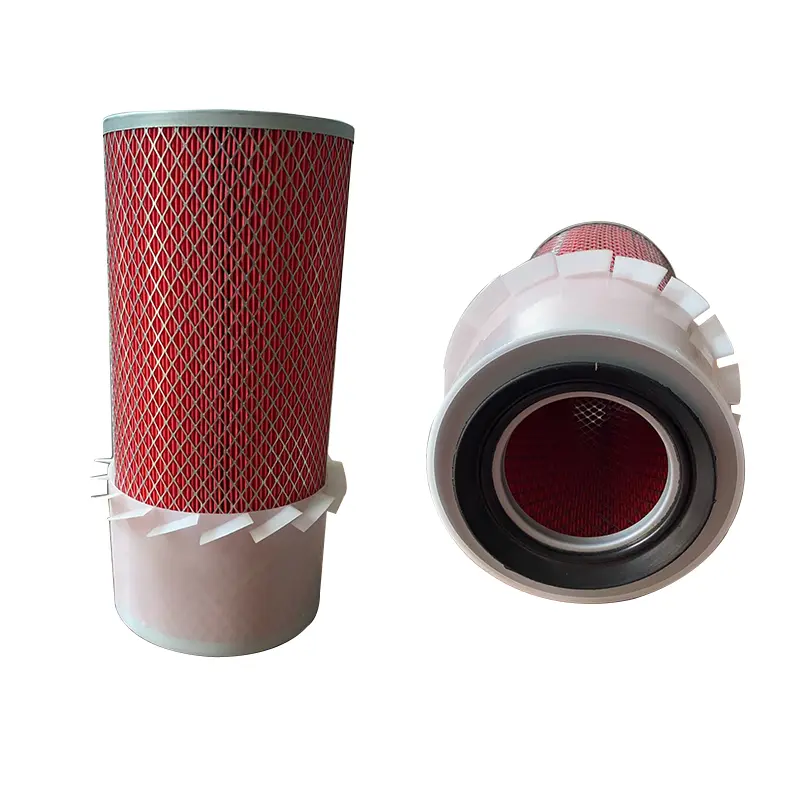 AIR FILTER