How to Choose the Best Engine Parts Intake Filter for Your Vehicle?
Choosing the right Engine Parts Intake Filter is crucial for vehicle performance. Research shows that a high-quality intake filter can improve airflow by up to 10%. This increase helps the engine breathe better, enhancing power and fuel efficiency. A dirty or subpar filter can restrict airflow, leading to decreased performance and higher emissions.
Many vehicle owners overlook their intake filters, often changing them too infrequently. In fact, industry data indicates that more than 30% of car owners are unaware of the need for regular filter replacements. This lack of knowledge can lead to inefficiencies and costly repairs. It's vital to understand how many factors affect the selection of the best filter for specific vehicles and driving conditions.
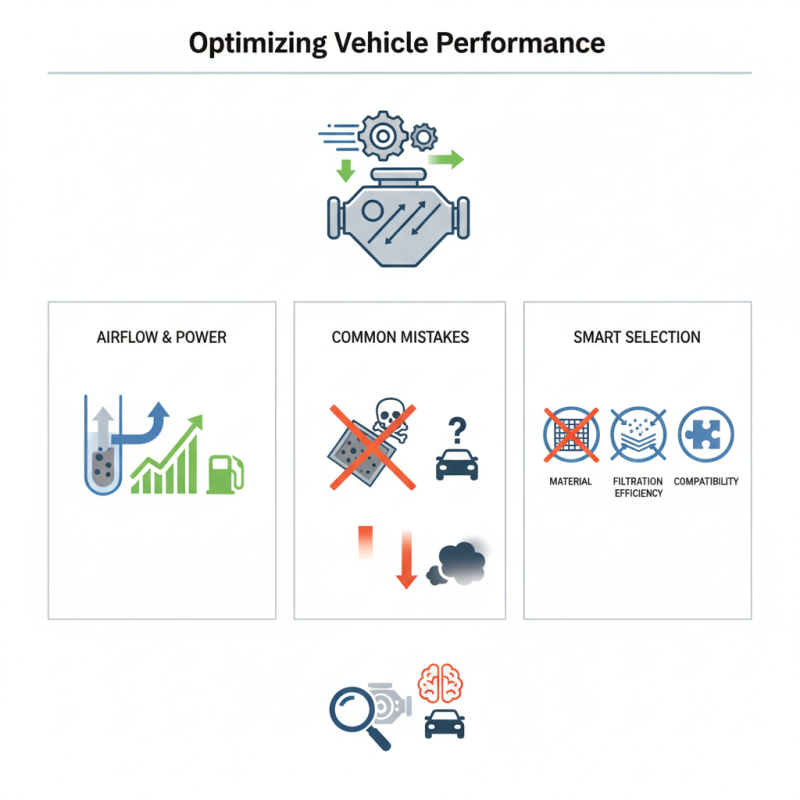
Selecting the ideal Engine Parts Intake Filter involves considering factors like material, filtration efficiency, and compatibility. Not all filters are created equal, and sometimes, the most popular options may not be the best for your needs. Researching and reflecting on your vehicle's performance can lead you to the right choice, ensuring optimal engine function and longevity.
Understanding the Role of Intake Filters in Engine Performance
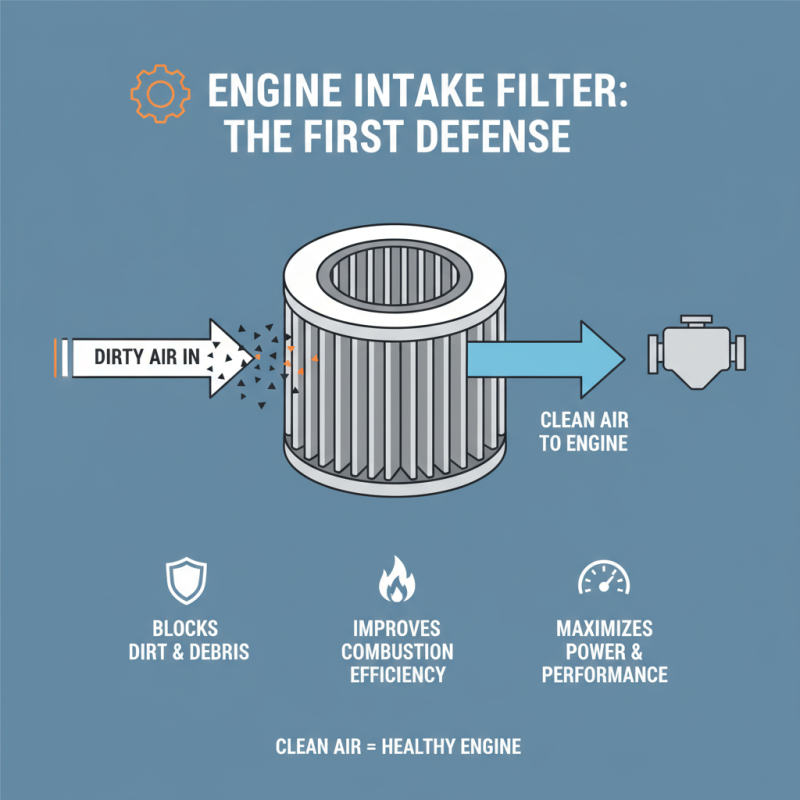
Intake filters play a crucial role in engine performance. They serve as the first line of defense against dirt and debris. When an engine breathes, clean air is essential. If the air is contaminated, it can impact combustion. This leads to reduced efficiency and power. A quality filter ensures that particles do not enter the engine.
Choosing the right intake filter can be challenging. Several factors need consideration, including the type of driving you do. For instance, off-road driving might require a more robust filter. On the other hand, city driving may allow for simpler options. It's also important to inspect filters regularly. Even the best filters can become clogged over time. This might result in poor engine performance.
Installation is another critical aspect. A poorly fitted filter can cause air leaks, negatively affecting power. Some users might overlook this step. Regular maintenance usually gets pushed to the bottom of the to-do list. Yet, a simple check can prevent more significant issues down the road. Remember, your vehicle's performance starts with clean air.
Types of Intake Filters: Options and Features for Different Vehicles
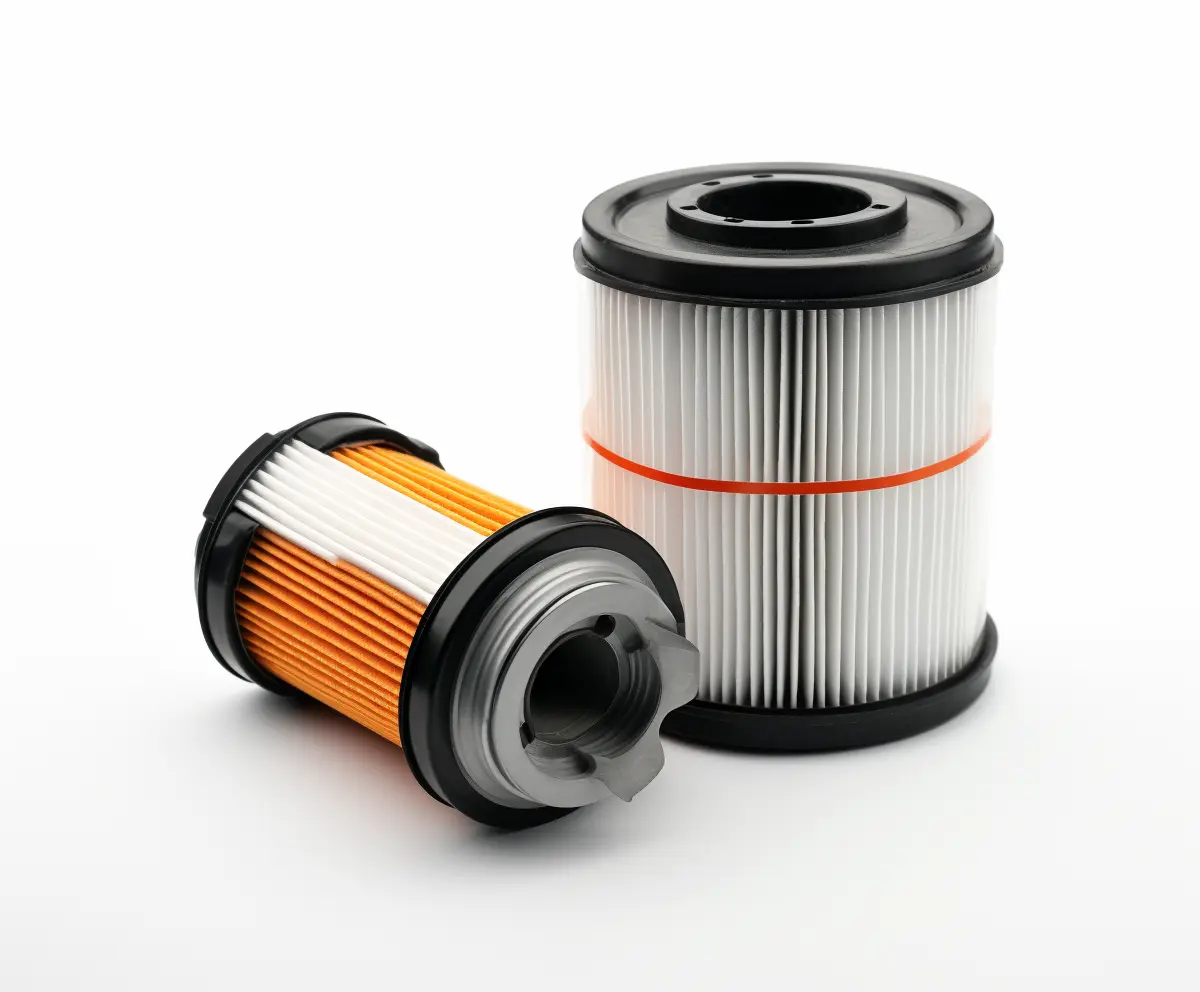
When selecting an intake filter for your vehicle, understanding the options is crucial. There are several types available, each tailored for specific needs.
Foam filters are popular for their high airflow and easy cleaning. They are ideal for off-road or racing applications where maximum performance is vital. However, they may need more frequent maintenance compared to other types.
Factory paper filters are another choice. They offer decent filtration and are generally easy to replace. Their lifespan tends to be longer. Yet, some users find them restrictive for high-performance engines. For those seeking an upgrade, cotton filters might be the answer. These filters are reusable and often provide better airflow while still catching dirt. Still, they require proper oiling, which can be a tedious process.
Consider your vehicle's requirements carefully before choosing. Some filters may need regular cleaning and maintenance. This can be a hassle for busy drivers. Don't ignore that different driving conditions impact filter performance. Dusty environments may clog filters more quickly. Ultimately, assess how often you're willing to maintain what you choose. Each option has pros and cons, and the right one hinges on your driving habits and needs.
Key Factors to Consider When Choosing an Intake Filter
Choosing the right intake filter for your vehicle is crucial. Various factors impact performance and efficiency. For example, filter material can determine airflow and filtration efficiency. High-quality filters may improve engine performance by up to 10%.
A significant consideration is the filter's compatibility with your vehicle. Each engine type has specific requirements. Using an ill-fitting filter can lead to performance issues. Studies show that improper filtration can decrease fuel economy by 5–15%. It's essential to check manufacturer specifications.
The environment also plays a role. If you drive in dusty areas, you may need a more robust filter. Dusty conditions can clog filters quickly. Regular maintenance is necessary. Filters should be checked every 12,000 to 15,000 miles. Ignoring this can result in engine damage over time. Be mindful of these factors when selecting the best intake filter for your vehicle.
How to Choose the Best Engine Parts Intake Filter for Your Vehicle?
| Factor |
Description |
Importance Level |
Recommendation |
| Material Quality |
Choose filters made from high-grade materials for better durability. |
High |
Select filters that specify the material used, such as cotton or foam. |
| Filtration Efficiency |
Look for filters that offer high filtration efficiency to ensure clean airflow. |
High |
Check for ratings that indicate filtering performance, like micron rating. |
| Size Compatibility |
Ensure the filter fits your vehicle’s specific intake system dimensions. |
Critical |
Cross-check with vehicle specifications or OEM dimensions. |
| Ease of Installation |
Select filters that are easy to install to save time and effort. |
Medium |
Opt for filters with straightforward installation instructions. |
| Cost |
Consider the price in relation to quality and performance. |
Medium |
Evaluate various filters in a similar price range for better value. |
How to Evaluate the Quality and Compatibility of Intake Filters
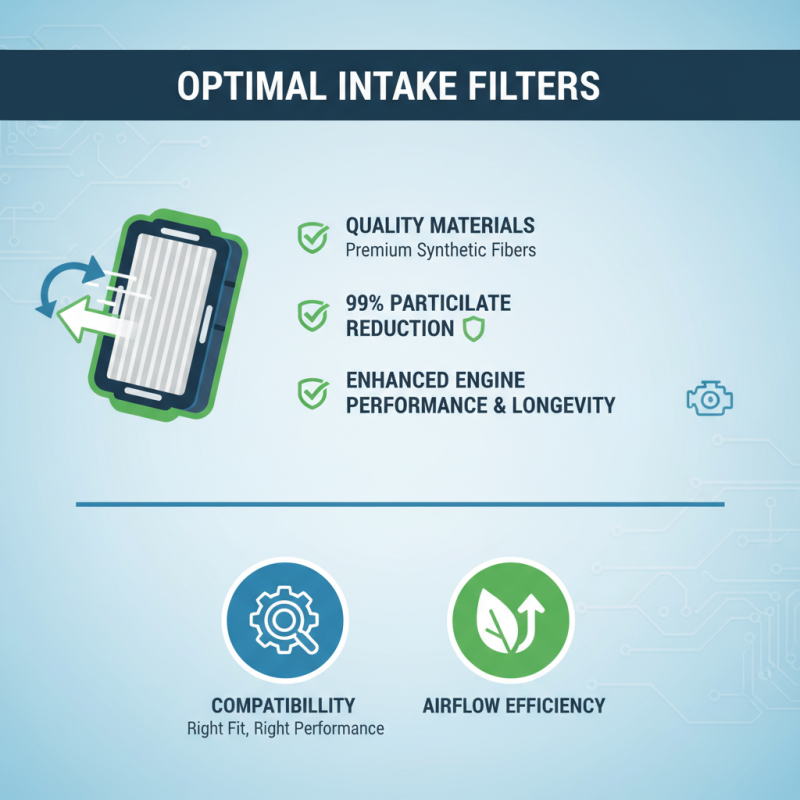
When selecting an intake filter, quality and compatibility are crucial. Evaluate the materials used in the filter. High-quality filters often use advanced materials that enhance airflow and filtration efficiency. According to industry reports, filters made with premium synthetic fibers can reduce particulates by up to 99%. This significantly improves engine performance and longevity.
Tip: Always check the filtration rating. A higher rating usually indicates better performance. For example, a filter with a rating of 10 microns will catch more contaminants than one rated at 25 microns. This can prevent engine damage, leading to expensive repairs.
Compatibility is equally important. Ensure the filter fits your vehicle’s specifications. An improper fit can lead to air leaks and reduced performance. It’s not just about size; the design must match as well. Sometimes, filters that seem compatible may not work efficiently due to design differences.
Tip: Consult your vehicle's manual. It provides critical insights into the required specifications. Investing time in research saves money in the long run.
Maintenance Tips for Prolonging the Life of Your Intake Filter
Maintaining your vehicle's intake filter is essential for optimal performance. A clean filter ensures a proper air supply to the engine. This can enhance efficiency and improve fuel economy. Regular inspections are crucial. Look for dirt, debris, and damage. Even minor tears can impact airflow significantly.
Replacing the intake filter is usually straightforward. However, many forget this simple task. Depending on driving conditions, it may need changing every 15,000 to 30,000 miles. Dusty roads or heavy traffic can shorten this lifespan. Remember, neglecting the filter might lead to engine problems. This is not an easy repair.
Cleaning the filter is another option. Some filters are reusable and can be washed with water and mild soap. However, be mindful of the drying process. Ensure it dries completely before reinstallation. A wet filter can lead to mold. This oversight can result in costly repairs. Regularly checking and maintaining your intake filter prevents unnecessary issues down the road.

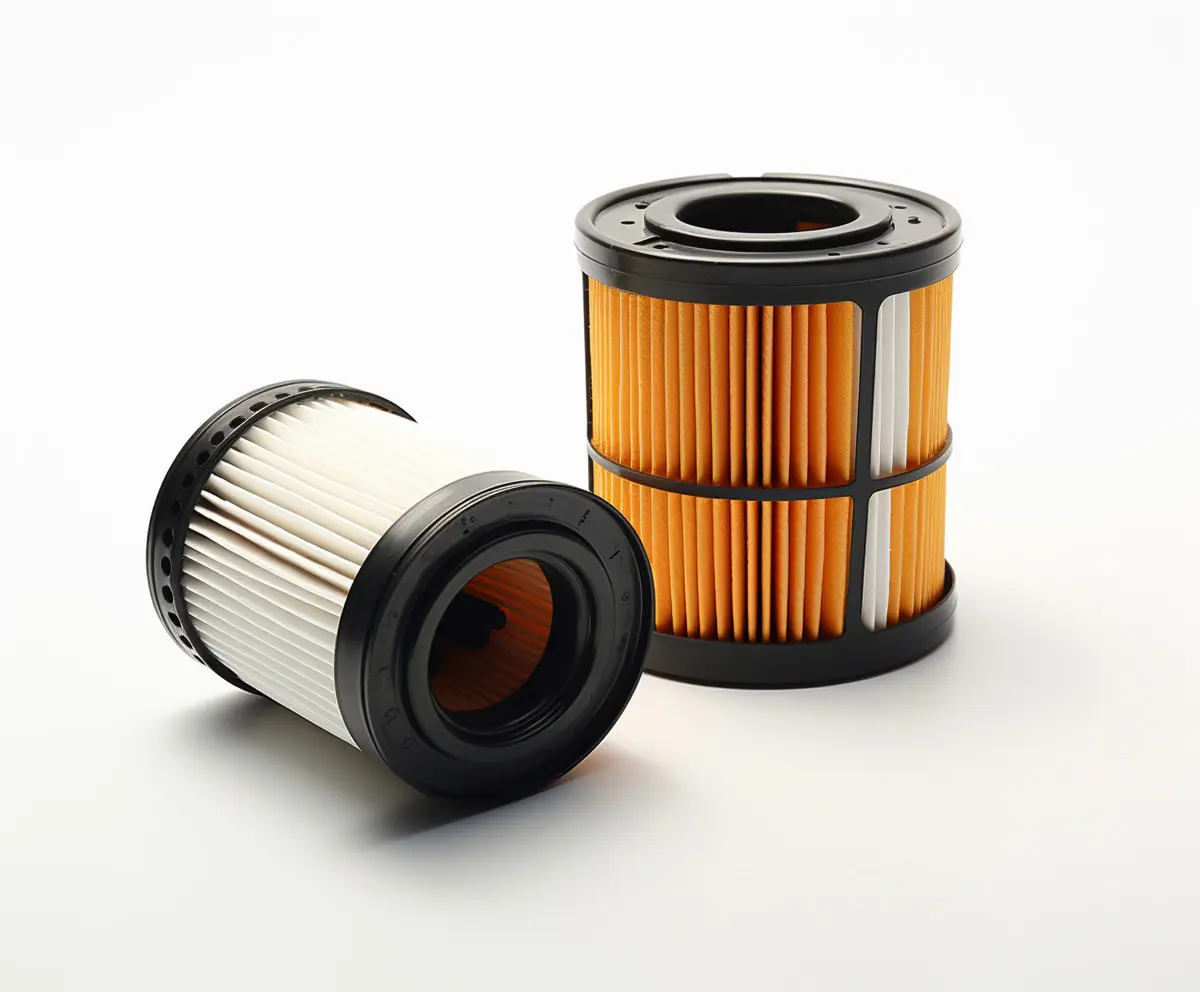 Products
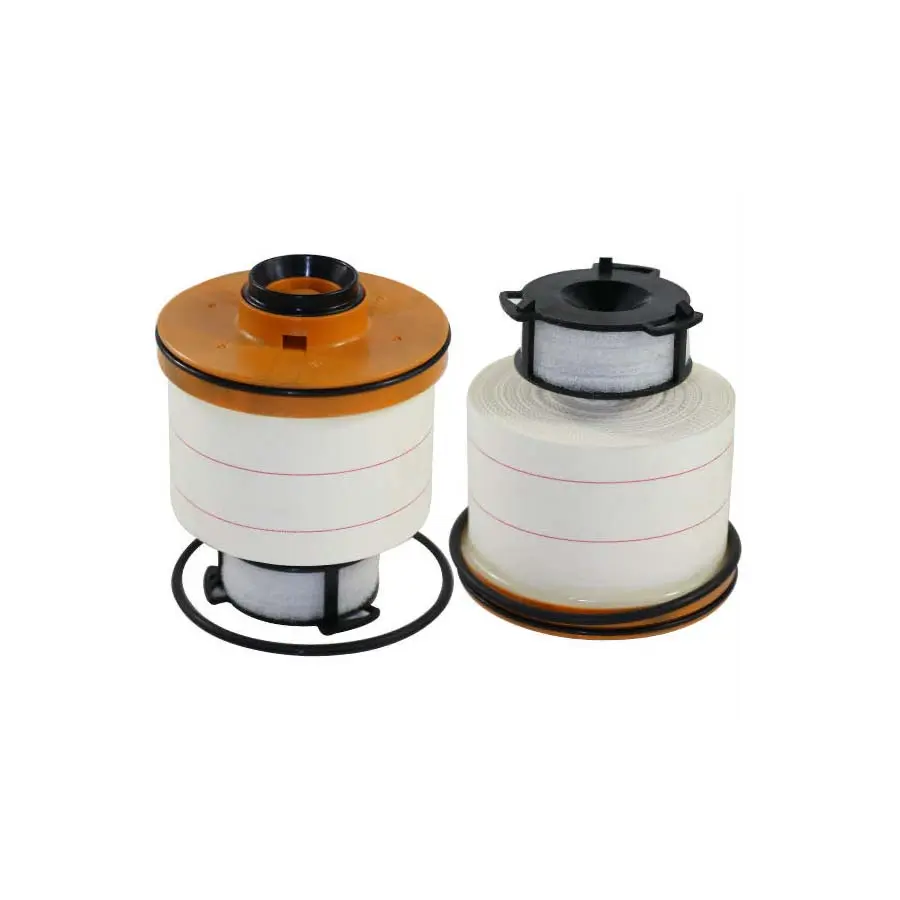 FUEL FILTER
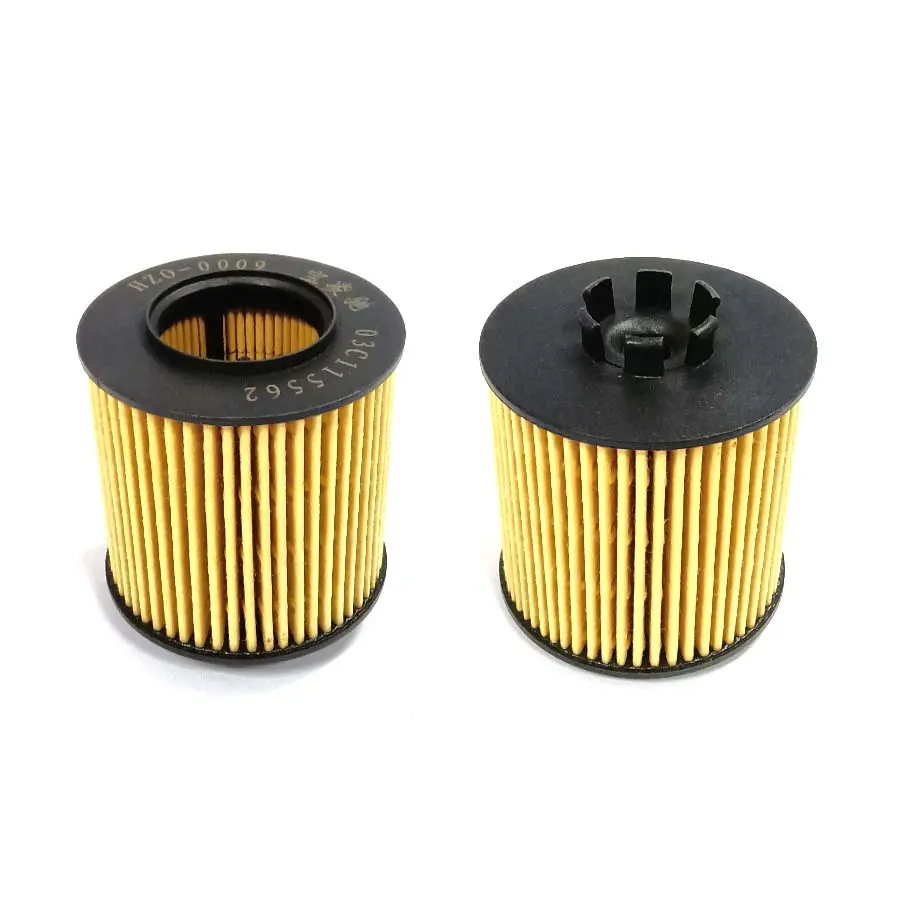 OIL ELEMENT FILTER
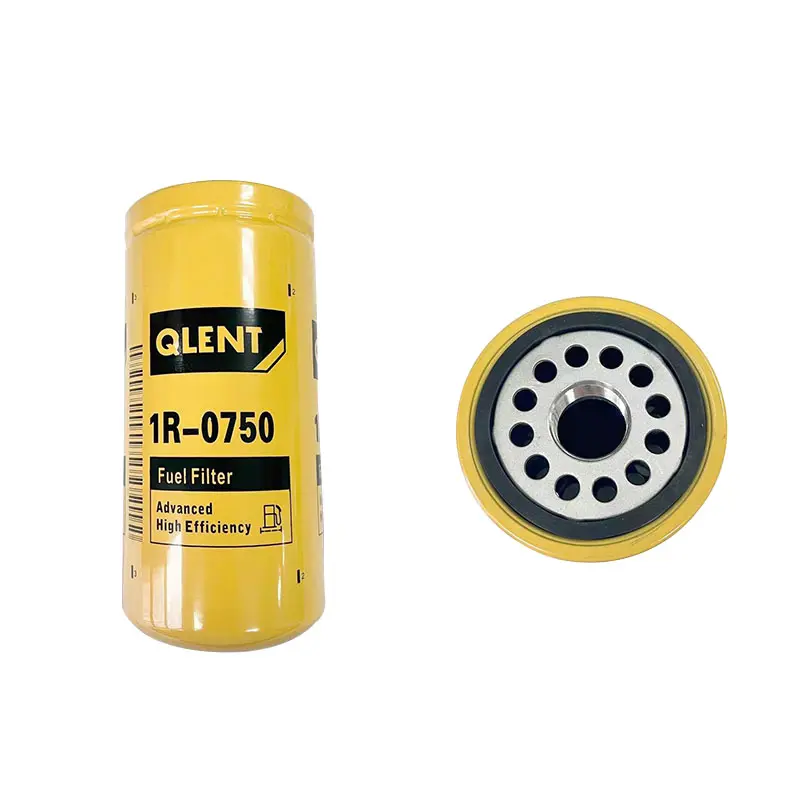 OIL FILTER
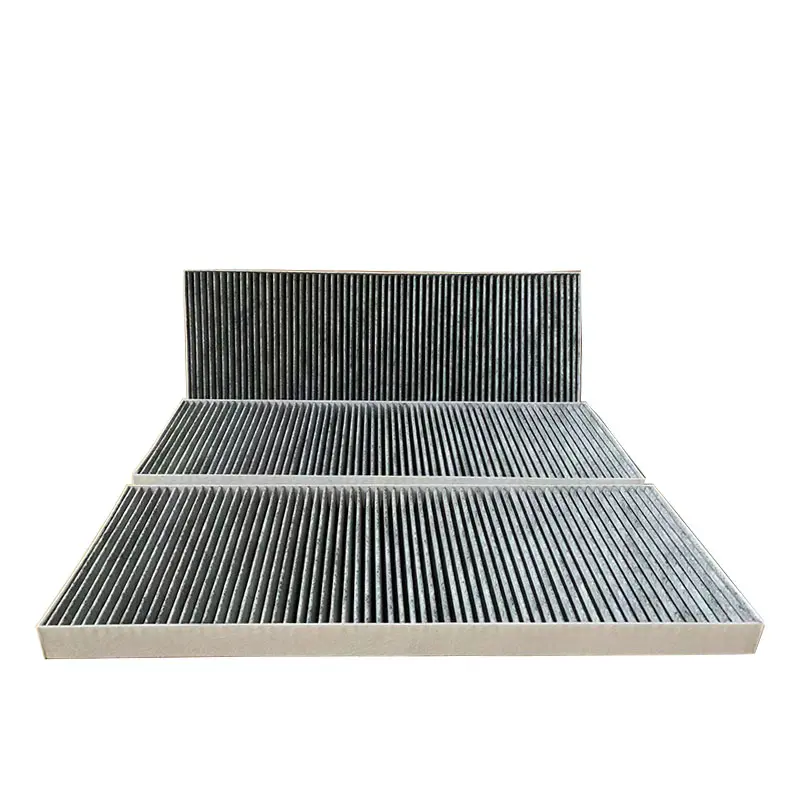 CABIN FILTER
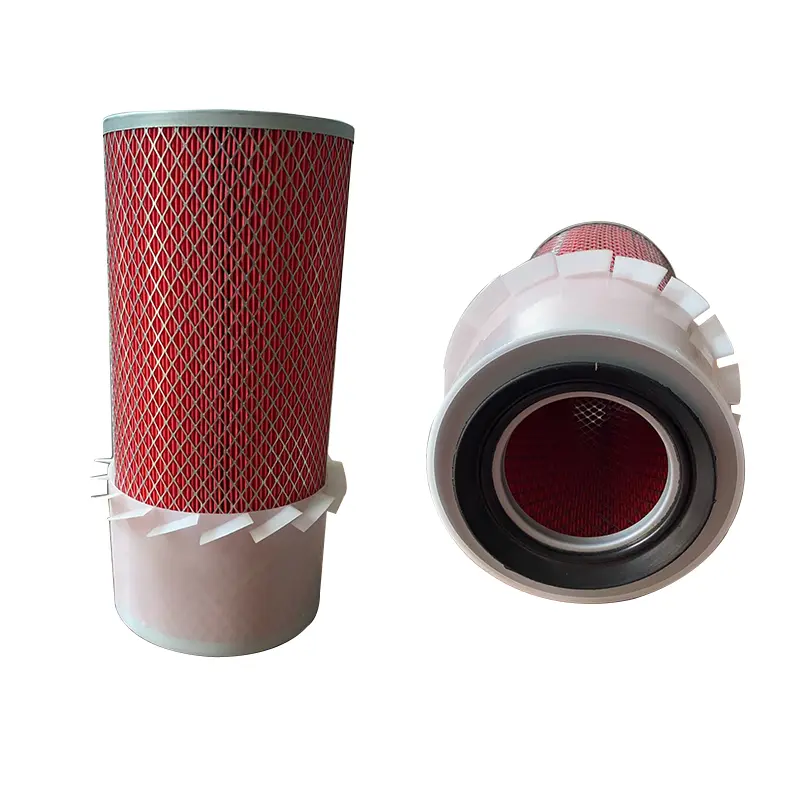 AIR FILTER