How to Choose the Right Auto Spare Parts Air Filter?
Choosing the right auto spare parts air filter is crucial for your vehicle's performance. An air filter prevents dirt and debris from entering the engine. A good filter ensures better airflow, leading to improved fuel efficiency. However, not all air filters are the same.
Many drivers overlook the importance of quality. They often choose filters based solely on price. This method can lead to long-term issues. Low-quality air filters may not fit properly. They can allow harmful particles to enter, causing damage.
Understanding your vehicle's requirements is essential. Research different brands and types available in the market. Each model has specific filter needs based on engine size and type. With the right auto spare parts air filter, you can maintain your vehicle's health.
Understanding the Importance of Air Filters in Vehicle Maintenance
Air filters play a crucial role in the performance of your vehicle. They filter out dirt, dust, and debris from the air entering the engine. A clean air filter helps ensure optimal air flow, which can enhance fuel efficiency. If your air filter is dirty, it can lead to engine problems. You may notice reduced power or decreased acceleration.
Neglecting air filter maintenance can lead to larger issues. Clogged filters may restrict air flow, causing the engine to work harder. This can result in higher emissions and poor gas mileage. Sometimes, drivers forget to check their air filters, leading to costly repairs down the road. Regular inspection is key.
Understanding the signs of a failing air filter is important. Look for decreased engine performance or unusual sounds from the engine bay. Changing the air filter at regular intervals can protect your engine. It’s a simple task that can save money over time. Don't overlook this small but vital component in your vehicle's maintenance routine.
Types of Auto Spare Parts Air Filters: A Comprehensive Overview
When choosing air filters for vehicles, understanding the types available is essential. There are several common types of air filters.
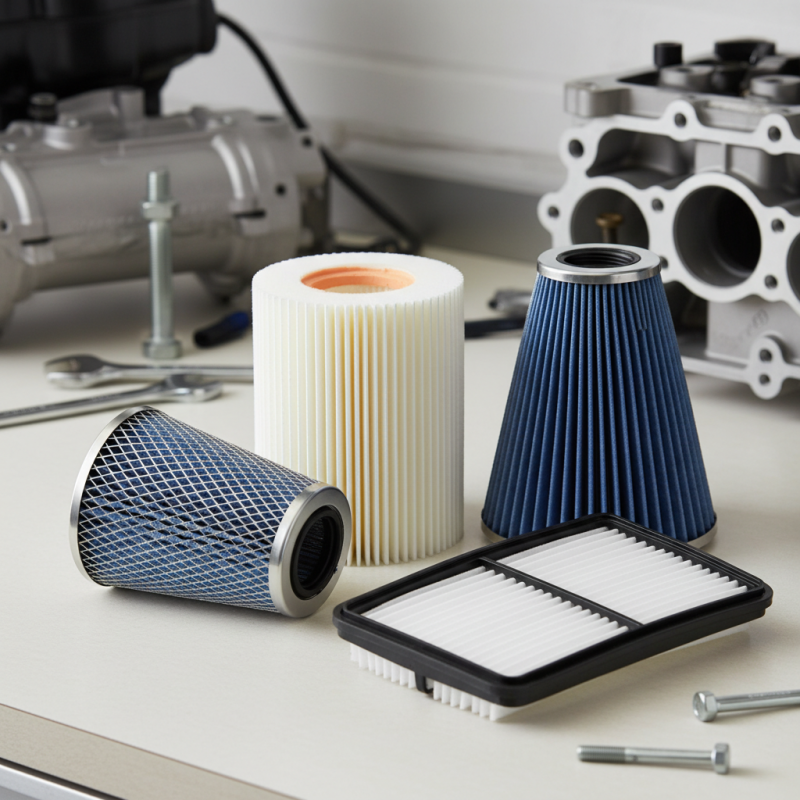
Paper air filters are made of a pleated paper element, offering good filtration at a lower cost.
Foam filters provide excellent airflow and are reusable, but they may not capture fine particles as effectively as paper.
Lastly, cotton filters are popular for performance vehicles. They offer higher filtration efficiency and can last much longer than paper filters.
According to industry studies, a dirty air filter can reduce engine performance by up to 10%.
This statistic highlights the importance of using the right type of filter for your vehicle. Another report indicated that
replacing a clogged air filter can improve fuel economy by as much as 14%. Each type of filter has its strengths and weaknesses.
Inadequate research on these options may lead to poor engine performance and higher maintenance costs.
While some filters might seem cost-effective upfront, they may require frequent replacements. This could result in higher long-term expenses.
It's crucial to assess the driving conditions as well. Factors like dust and
humidity can influence filter performance. You might find yourself questioning if you’ve made the right choice.
Choosing the right air filter involves more than just picking one. It often requires understanding your specific needs.
Key Factors in Selecting the Right Air Filter for Your Vehicle
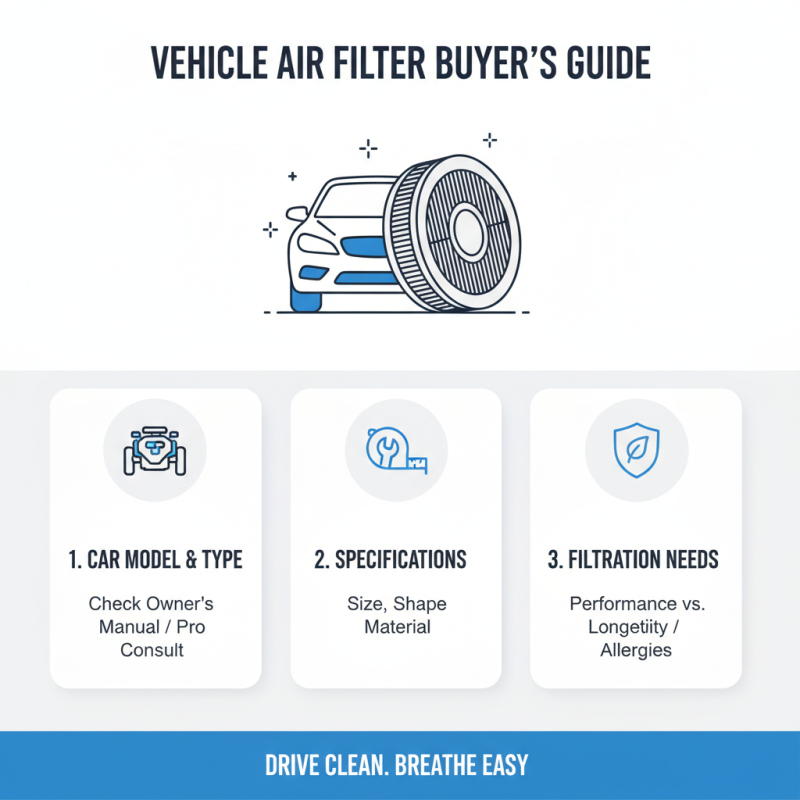
When choosing the right air filter for your vehicle, there are several key factors to consider. The first is the type of air filter suitable for your car model. Each vehicle has different requirements, so understanding these needs is crucial. Look at the owner's manual or consult with a professional to determine the correct specifications.
Next, consider the quality of the air filter. Not all filters are created equal. Some may promise better performance but fail to deliver. It's essential to find a filter that can effectively trap dust, pollen, and other contaminants. This keeps your engine running smoothly. A clean engine is more efficient and can save fuel in the long run.
**Tips:** Check for OEM specifications. This ensures compatibility with your vehicle. Regularly inspect your air filter for dust buildup. A dirty filter can reduce engine performance. Remember, cheap options may not always be better. Investing in quality can pay off eventually.
Impact of Air Filter Quality on Engine Performance and Fuel Efficiency
The quality of an air filter significantly affects engine performance and fuel efficiency. A high-quality air filter ensures that the engine receives clean air. This is crucial for optimal combustion. Studies reveal that a dirty or worn filter can reduce fuel efficiency by up to 10%. This means more fuel consumption and higher costs for drivers.
Investing in a proper air filter can lead to noticeable benefits. For example, clean air filters increase horsepower and torque. This is essential for performance vehicles. In contrast, substandard filters allow dirt and debris into the engine. This can lead to damage over time. A report from the Automotive Maintenance and Repair Association suggests that regular air filter maintenance can extend engine life by hundreds of thousands of miles.
Tips: Always check your air filter regularly. If it appears dirty or clogged, replace it. Consider environmental factors too. If you drive in dusty conditions, check more often. Remember, a clean filter can enhance fuel efficiency and save money on fuel.
Impact of Air Filter Quality on Engine Performance and Fuel Efficiency
Maintenance Tips for Extending the Life of Your Auto Air Filter
Maintaining your auto air filter is crucial for optimal engine performance. A clean air filter improves air intake. This leads to better combustion and increased fuel efficiency. Regular inspections can help catch issues early. Look for signs of dirt or damage. A simple visual check can save you trouble later.
Replace the filter according to your vehicle's manual. Ignoring this may cause engine strain. The environment plays a crucial role too. If you drive in dusty areas, check your filter more often. Extreme conditions may demand more frequent replacements. Cleaning can extend the filter's life, but be mindful. Over-cleaning can damage filter materials.
Pay attention to unusual sounds or decreased performance. These could be signs of a clogged filter. Trust your instincts; if something feels off, investigate further. A well-maintained air filter not only helps your car but also the environment. It reduces harmful emissions and keeps your engine running smoothly. Regular care is essential for longevity.
How to Choose the Right Auto Spare Parts Air Filter?
| Air Filter Type |
Material |
Lifespan (miles) |
Maintenance Tips |
| Dry Paper Filter |
Cellulose |
15,000 - 30,000 |
Replace regularly, Check during service |
| Oiled Cotton Filter |
Cotton |
30,000 - 50,000 |
Clean and re-oil as needed |
| Foam Filter |
Polyurethane |
20,000 - 40,000 |
Wash periodically, Replace if damaged |
| Synthetic Filter |
Synthetic fibers |
50,000+ |
Check regularly, Replace based on performance |

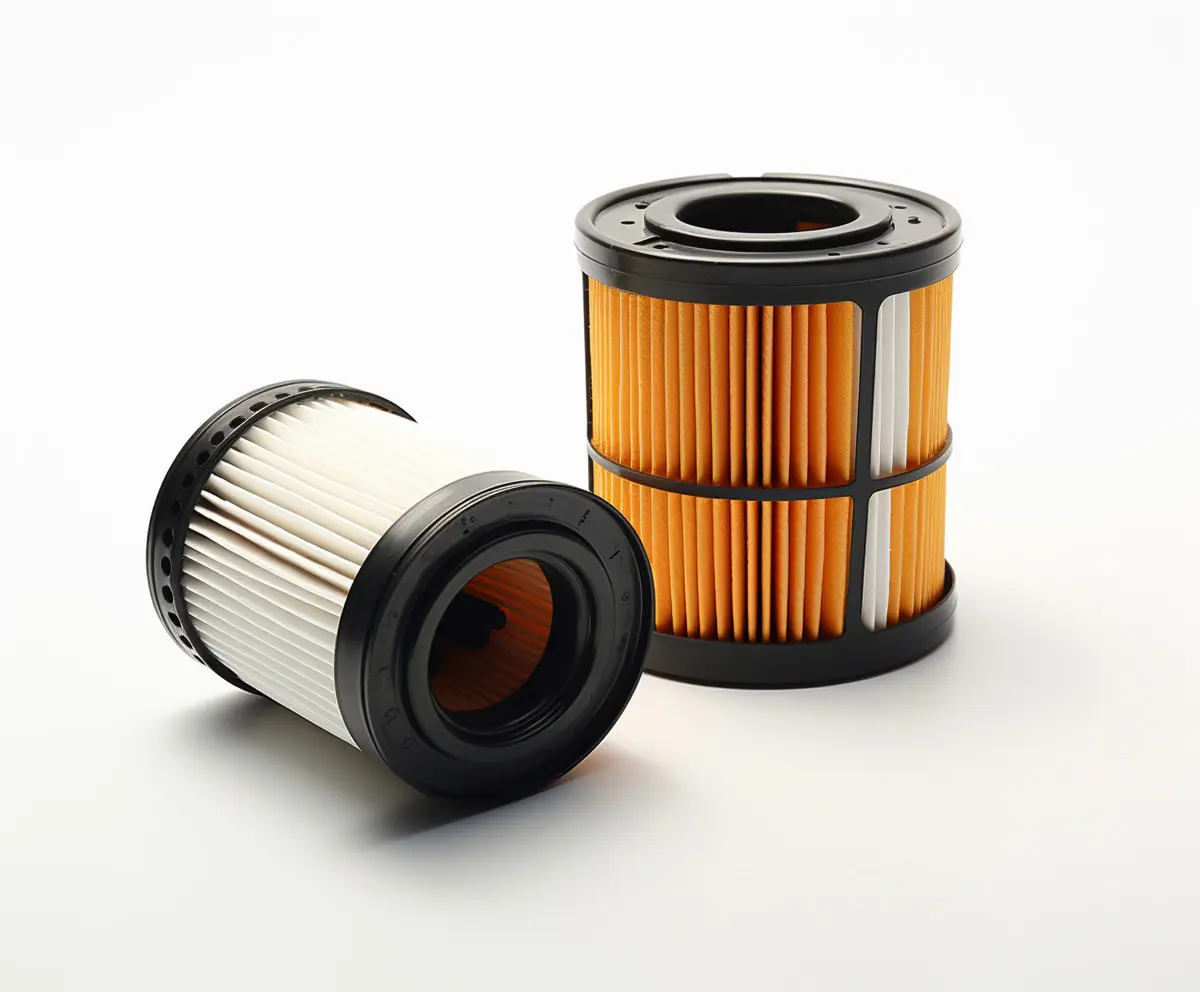 Products
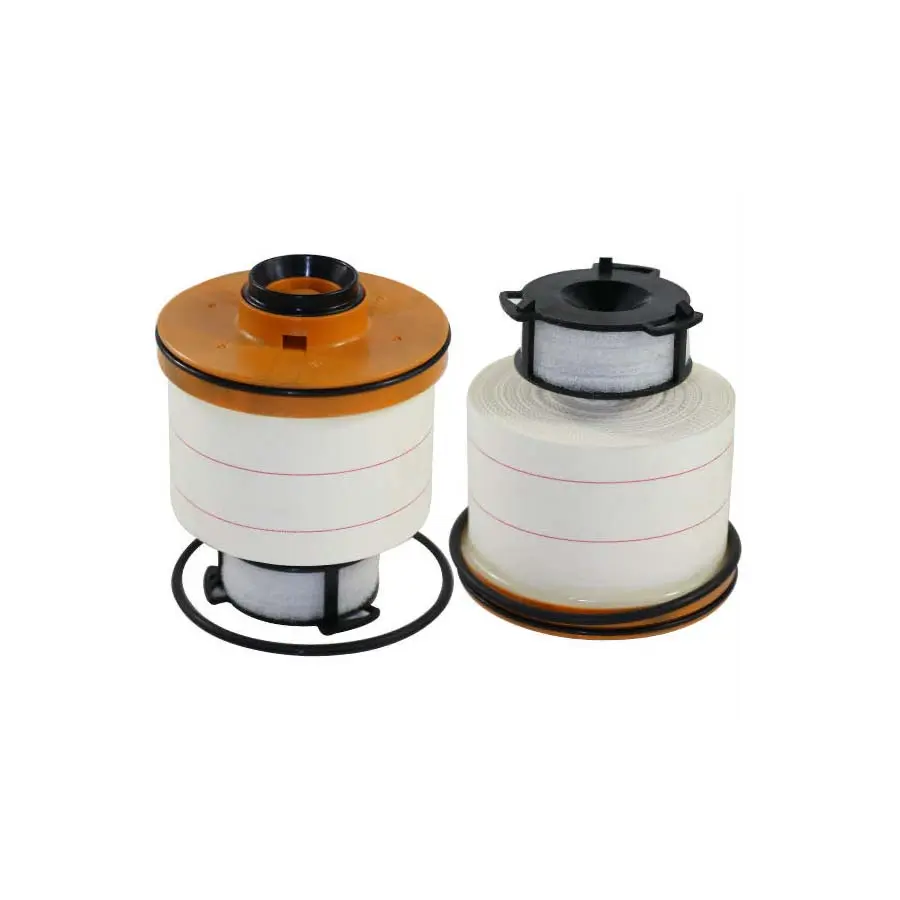 FUEL FILTER
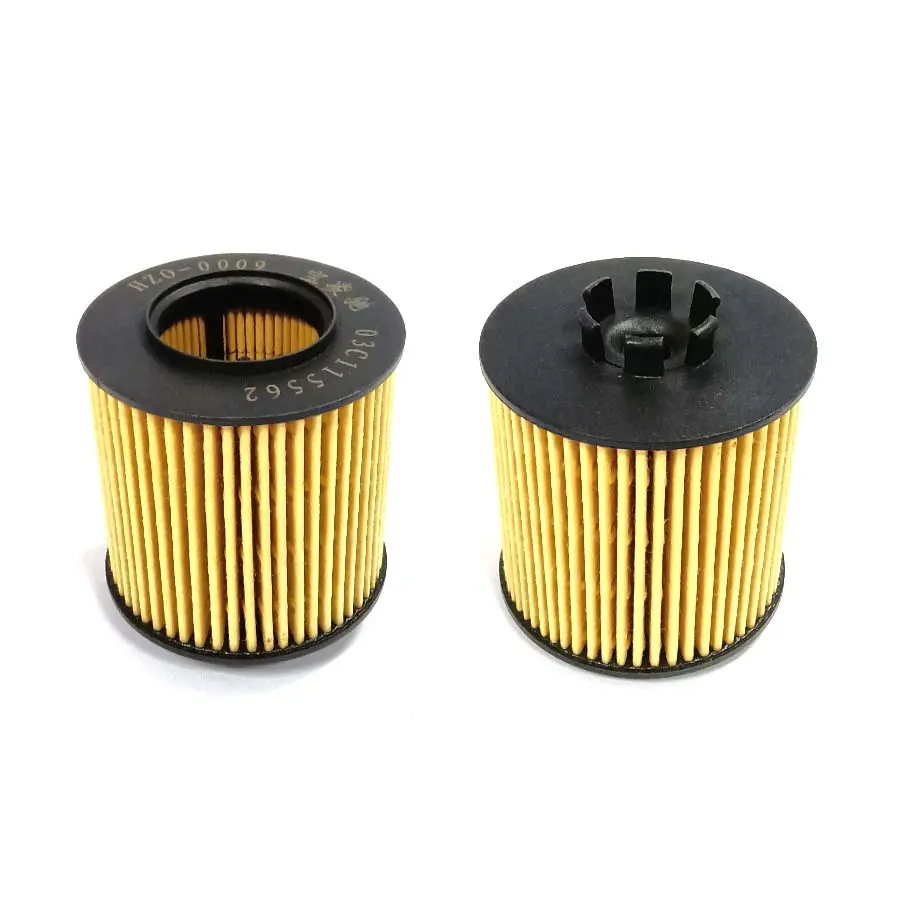 OIL ELEMENT FILTER
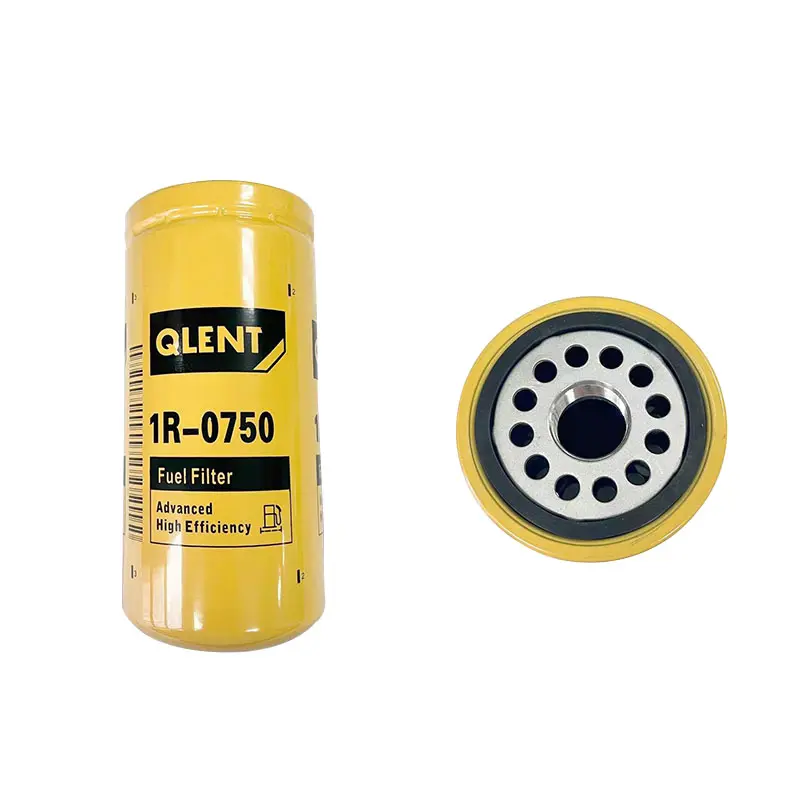 OIL FILTER
 CABIN FILTER
 AIR FILTER