How to Choose the Right Cabin Air Filter for Your Vehicle?
When it comes to maintaining your vehicle, choosing the right cabin air filter is crucial. "A good cabin air filter can significantly improve air quality," says Mark Thompson, a certified automotive expert. He emphasizes the importance of selecting a filter that fits your specific vehicle model.
Cabin air filters play a vital role in filtering dust, pollen, and other pollutants. This is especially important for those with allergies or respiratory issues. Many car owners overlook this essential component. A subpar cabin air filter can lead to poor air quality and even damage your vehicle's HVAC system.
Understanding the types of cabin air filters available can be overwhelming. Feel free to ask questions and do research. It’s also wise to consider how often you drive and in what conditions. A more polluted environment may require more frequent changes. Taking these factors into account will lead to better choices and a healthier driving experience.
Understanding the Importance of Cabin Air Filters for Vehicle Health
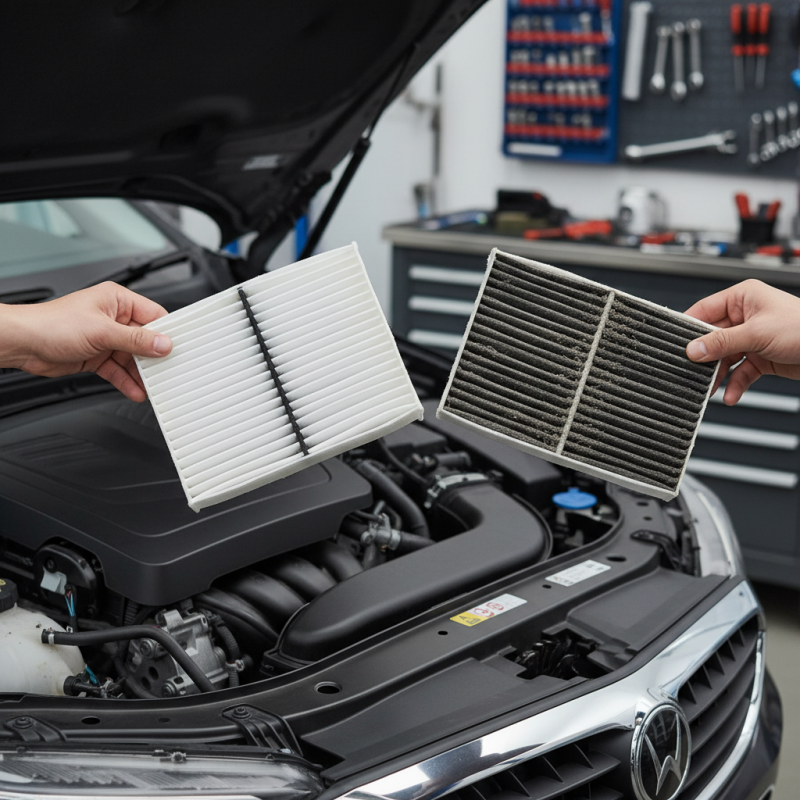
Cabin air filters are essential for maintaining a healthy vehicle environment. They play a crucial role in filtering out pollutants, allergens, and harmful particles. According to a study by the Automotive Aftermarket Suppliers Association (AASA), nearly 50% of drivers neglect to replace their cabin air filters regularly. This oversight can impact both air quality and vehicle performance. A dirty filter can restrict airflow, making it harder for the HVAC system to function efficiently.
The importance of a clean cabin air filter goes beyond comfort. The National Institute for Occupational Safety and Health (NIOSH) reports that poor air quality can lead to health issues like headaches and respiratory problems. By investing in a quality filter, vehicle owners can ensure that harmful contaminants are kept at bay. This is particularly vital for those with allergies or respiratory conditions. Regularly checking and replacing the cabin air filter can enhance not just air quality, but also overall vehicle longevity.
Choosing the right filter requires understanding vehicle specifications and operating conditions. Not all filters are created equal; some offer better filtration than others. A mismatch can lead to suboptimal results. Research indicates that a significant number of drivers are unaware of their filter's status. Educating oneself about cabin air filters is vital. Ultimately, maintaining this small component can lead to substantial benefits for both health and vehicle enjoyment.
Cabin Air Filter Efficiency Comparison
This chart illustrates the efficiency percentages of various types of cabin air filters in blocking pollutants and allergens. Understanding these efficiencies can help consumers make informed decisions when choosing the right cabin air filter for their vehicle.
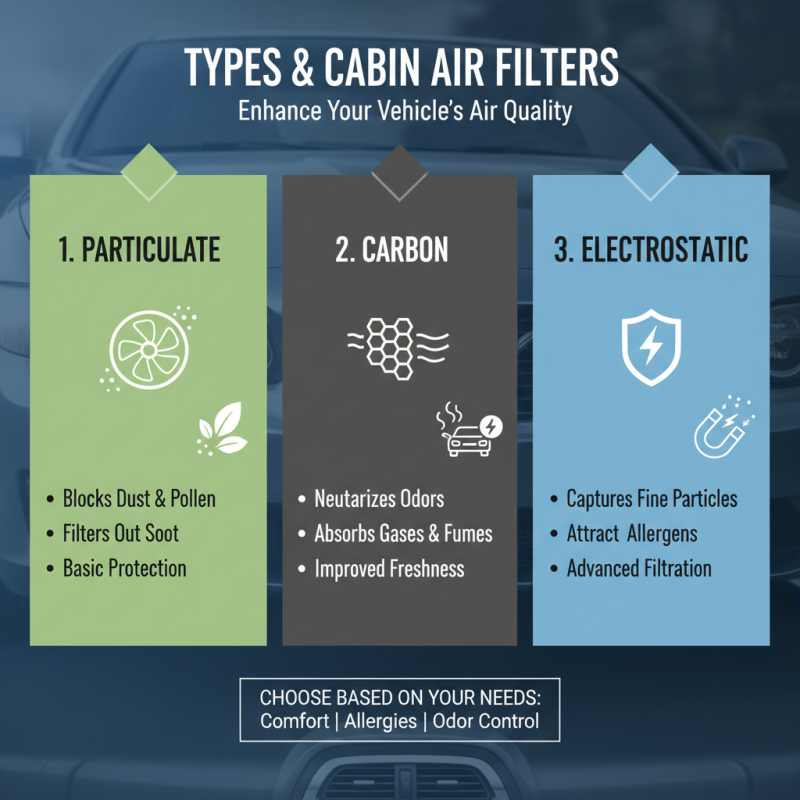
Types of Cabin Air Filters: Particulate, Carbon, and Electrostatic
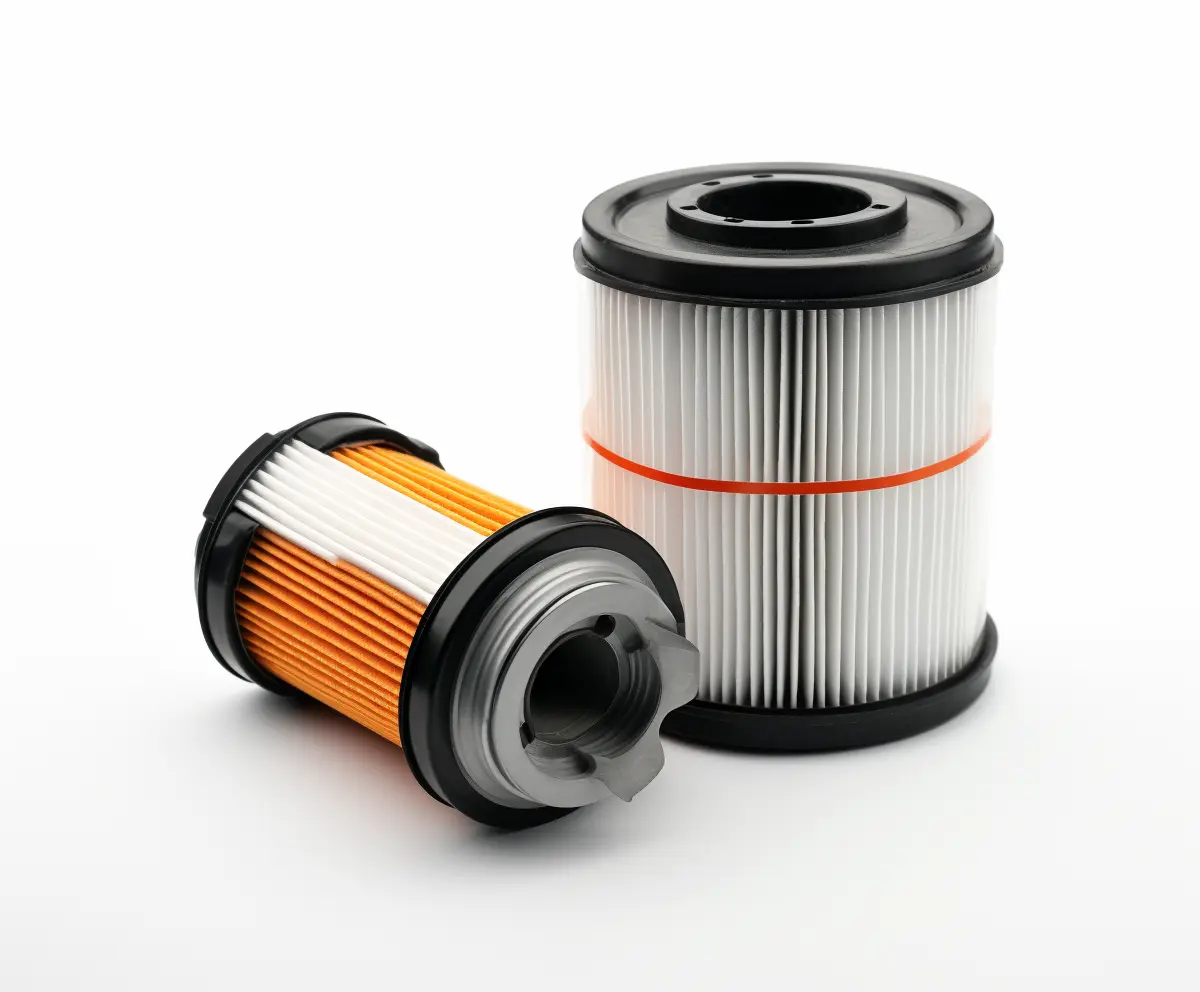
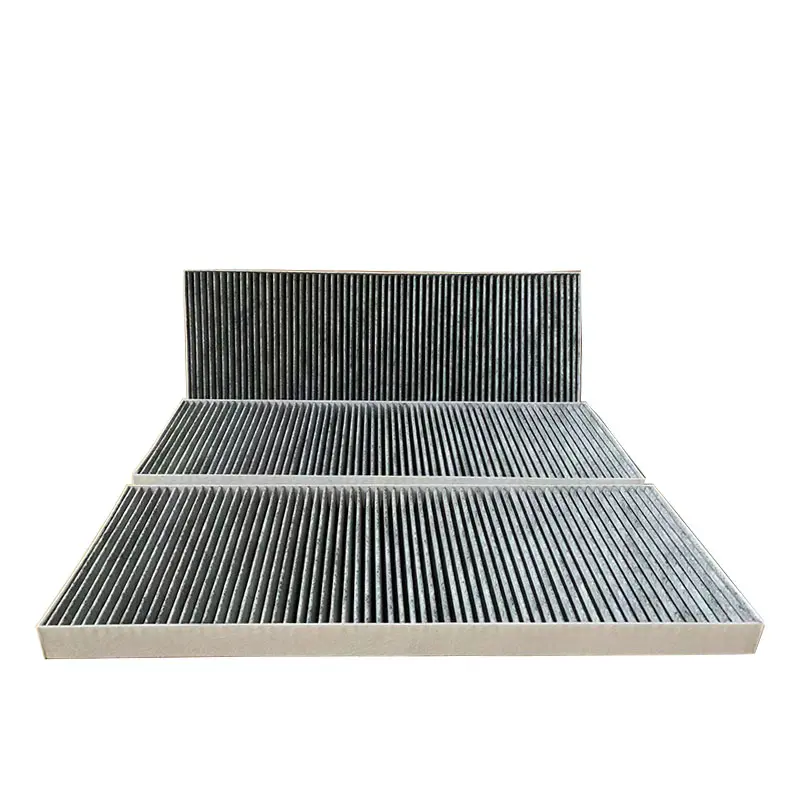
Choosing the right cabin air filter is essential for your vehicle's comfort and air quality. There are three main types of cabin air filters: particulate, carbon, and electrostatic. Each type offers unique advantages based on your needs.
Particulate filters capture dust, pollen, and other allergens. They are perfect for those sensitive to outdoor pollutants. These filters can prevent allergens from entering your vehicle. If you live in an area with high pollen counts, a particulate filter is a great choice.
Carbon filters go a step further by absorbing odors. They contain activated carbon, which traps smells from outside and keeps the cabin air fresh. If you often drive in urban areas with heavy traffic, consider a carbon filter. It helps reduce the impact of vehicle emissions.
Electrostatic filters use static electricity to attract and trap particles. They can be more durable than other options. However, the effectiveness may diminish over time. Regular maintenance is crucial.
Tips: Always check your vehicle's manual for specific filter recommendations. Inspect your filter regularly for dirt and debris. Replacing a worn-out filter can significantly improve air quality. A clean cabin air filter enhances your driving experience. It’s vital for both comfort and health.
Key Factors to Consider When Choosing a Cabin Air Filter
Choosing the right cabin air filter is essential for your vehicle’s comfort and air quality. There are several key factors to consider. The type of filter is crucial. Some filters trap pollen and dust, while others also eliminate odors and pollutants. Knowing your driving environment can help you select the best option. Do you often drive in urban areas or near construction sites? This can influence the type of particles your filter needs to handle.
Another important aspect is the filter's lifespan. Most cabin air filters should be replaced every 12,000 to 15,000 miles. However, factors like weather and driving conditions can affect this. It's easy to overlook this maintenance task. Neglecting it can lead to reduced airflow and musty smells. Checking the filter regularly is a good habit to develop.
Compatibility with your vehicle model is vital too. Not all filters fit all cars. Referencing your owner’s manual can guide you in making the right choice. Many people make errors here. They may buy a filter that doesn't suit their vehicle's specifications. Inaccurate information can easily circulate, leading to further confusion. Thus, verifying the part number may save time and effort.
Recommendations for Replacement Intervals Based on Vehicle Usage
Choosing the right cabin air filter is crucial for maintaining your vehicle's air quality. It is essential to understand how different driving conditions affect replacement intervals. According to industry studies, vehicles often require cabin air filter changes every 12,000 to 15,000 miles under normal driving conditions. However, those driving in urban areas or frequently in heavy traffic might need to replace theirs every 5,000 to 10,000 miles. These environments increase the accumulation of dust, pollen, and pollutants in the air.
Moreover, seasonal changes play a significant role. During spring, for instance, pollen levels skyrocket, which can clog filters quickly. A recent report indicated that vehicle owners who replace their filters seasonally can improve air circulation and reduce allergy symptoms. The deterioration of a cabin air filter can lead to musty odors and reduced airflow. Additionally, a study noted that a dirty filter could decrease HVAC system efficiency by nearly 20%. Neglecting replacements might impact your comfort and respiratory health over time.
Pay attention to your vehicle's specific needs based on usage patterns. Regular checks of your cabin air filter can prevent unnecessary strain on the HVAC system. Noting unusual smells or decreased air quality can prompt a timely replacement. Ensure you regularly assess the condition of your filter, especially when changes in air quality occur.
How to Properly Install and Maintain Your Cabin Air Filter
Installing and maintaining your cabin air filter is crucial for ensuring clean air in your vehicle. A well-maintained filter can remove up to 99% of dust, pollen, and other airborne pollutants. Industry studies suggest that regular replacement every 12,000 to 15,000 miles can significantly improve air quality inside your car. This practice can also enhance the efficiency of your heating and cooling systems, providing not just comfort but also safety.
When installing a cabin air filter, follow specific steps for your vehicle model. Always refer to the owner's manual for location and access points. Typically, filters are located behind the glove compartment or under the dashboard. Wear gloves to avoid transferring oils from your hands. Failing to ensure a snug fit might result in unfiltered air entering the cabin, which defeats the entire purpose.
Regular checks are equally important. Inspect the filter every time you change your oil or every few months. Look for dust buildup or any visible damage. Over time, even high-quality filters can become clogged and less effective. A proactive approach to replacing and inspecting your cabin air filter can prevent potential respiratory issues. Keeping your vehicle’s air clean is essential for overall well-being, as studies indicate that indoor air quality can be significantly worse than outdoor levels.
How to Choose the Right Cabin Air Filter for Your Vehicle? - How to Properly Install and Maintain Your Cabin Air Filter
| Filter Type |
Material |
Frequency of Replacement |
Installation Difficulty |
Approximate Cost |
| Particulate Filter |
Synthetic Fiber |
12,000 - 15,000 miles |
Easy |
$15 - $30 |
| Activated Carbon Filter |
Activated Carbon Layer |
12,000 - 18,000 miles |
Moderate |
$25 - $50 |
| HEPA Filter |
High-Efficiency Particulate Air |
15,000 - 20,000 miles |
Moderate |
$30 - $60 |
| Electrostatic Filter |
Electrostatic Material |
6,000 - 10,000 miles |
Difficult |
$35 - $70 |

 Products
 FUEL FILTER
 OIL ELEMENT FILTER
 OIL FILTER
 CABIN FILTER
 AIR FILTER