How to Choose the Best Cabin Air Filter for Your Vehicle?
Choosing the best cabin air filter for your vehicle can feel overwhelming. With so many options available, it's vital to understand what makes a cabin air filter effective. The right filter can significantly enhance your driving experience by ensuring clean air circulation inside your car.
Cabin air filters trap dust, pollen, and other pollutants. This helps reduce allergens and maintains air quality, especially for those with respiratory issues. However, not all filters are created equal. Some may lack the filtration efficiency needed for urban environments, while others might be too costly without providing noticeable benefits.
When selecting a cabin air filter, consider factors like material quality and compatibility with your vehicle model. Reading reviews and expert opinions can guide your choice. Remember, a well-chosen filter not only improves air quality but also contributes to your vehicle's overall health. Always prioritize reliable brands to ensure effective filtration and durability.
Understanding the Function of Cabin Air Filters in Vehicles
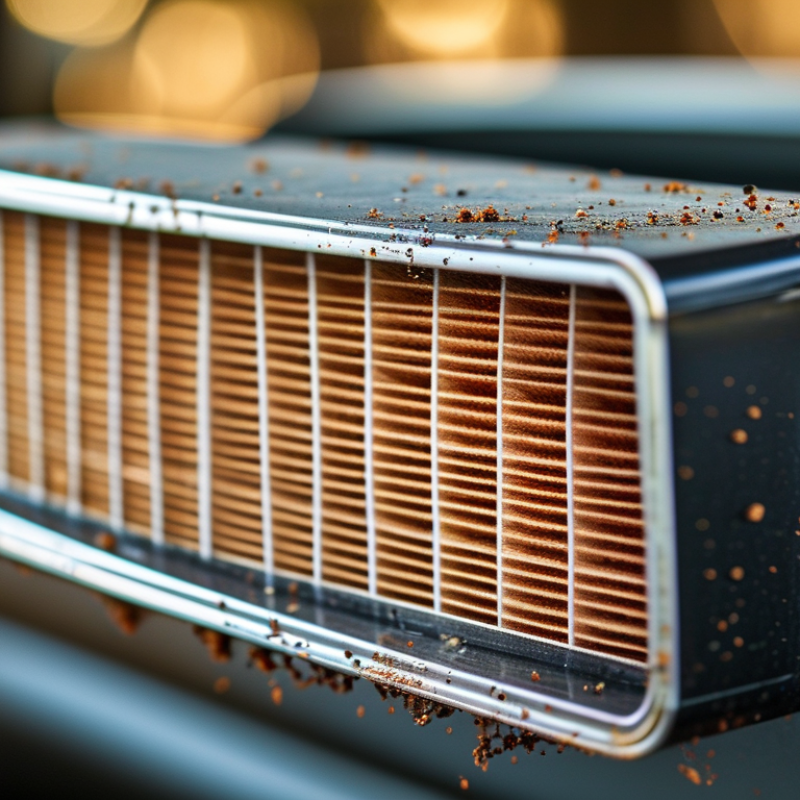
Cabin air filters play a crucial role in maintaining air quality inside vehicles. They filter out pollutants, dust, pollen, and even odors, ensuring that the air occupants breathe is clean. According to industry studies, a clean cabin air filter can improve air quality by up to 30%, reducing respiratory issues and allergies for passengers. Regular replacement of this filter is essential, as clogged filters can hinder airflow and decrease HVAC efficiency.
For optimal performance, it's advisable to check your cabin air filter every 12,000 to 15,000 miles. Conditions may vary based on location. Drivers in urban areas with high pollen or pollution should consider more frequent changes. If you notice reduced air flow or must frequently adjust your climate control settings, it’s time for a replacement.
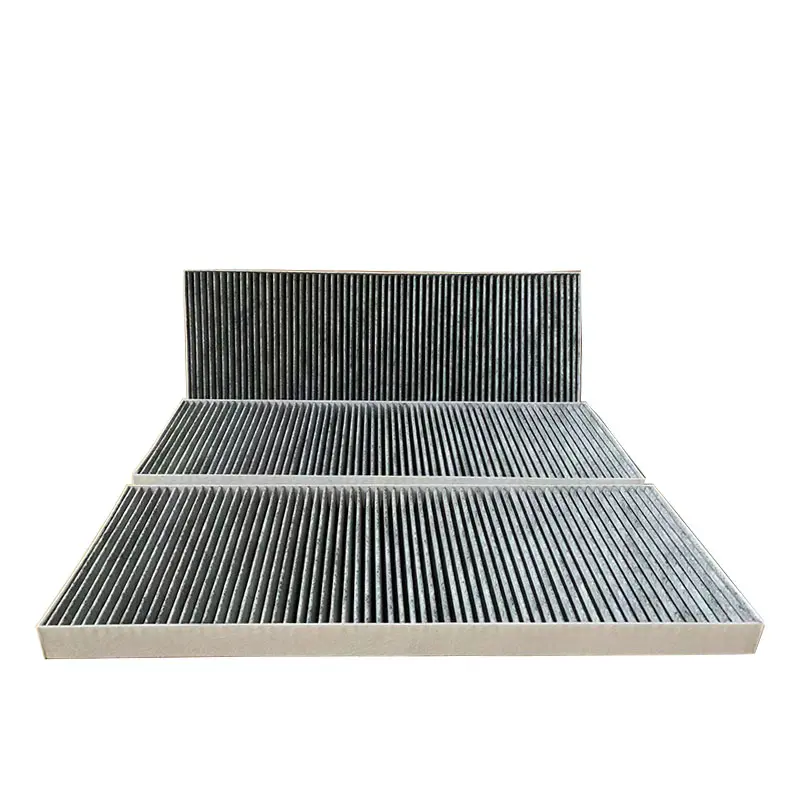
Tip: When selecting a cabin air filter, look for filters with activated charcoal. They not only trap particulate matter but also capture unpleasant odors effectively. Remember, not all filters are created equal; some low-cost options may lack sufficient filtration capabilities. Investing in a quality filter can make a significant difference in your driving experience.
How to Choose the Best Cabin Air Filter for Your Vehicle?
| Filter Type |
Material |
Efficiency Rating |
Replacement Interval (Months) |
Estimated Cost ($) |
| Particulate Filter |
Fiberglass |
95% |
6-12 |
15-30 |
| Activated Carbon Filter |
Activated Carbon |
98% |
12-18 |
25-50 |
| HEPA Filter |
Synthetic Fiber |
99% |
12-24 |
40-70 |
| Standard Filter |
Paper |
85% |
6 |
10-20 |
Types of Cabin Air Filters: Charcoal, HEPA, and Foam Options
When selecting a cabin air filter, understanding the types available is crucial.
Charcoal filters excel at removing odors. They capture harmful gases and smoke.
This makes them a great choice for drivers in urban environments.
Studies show charcoal filters can reduce pollutants by more than 98% in some cases.
This is beneficial for those with respiratory issues.
HEPA filters offer a different advantage.
They are designed to trap fine particles, including dust, pollen, and mold spores.
Research indicates that HEPA filters can capture at least 99.97% of particles measuring 0.3 micrometers in diameter.
This level of filtration is particularly important for allergy sufferers.
However, they may not be as effective in eliminating odors compared to charcoal filters.
Foam filters are another option, often less expensive but also less efficient.
They primarily capture larger particles.
Their longevity can be appealing, but they require more frequent replacement.
Some users report dissatisfaction with the results, highlighting the need for thoughtful consideration.
In the end, the best cabin air filter depends on specific driving conditions and personal health needs.
Each type has its pros and cons, reflecting the diversity in user preferences and environmental challenges.
Factors to Consider When Selecting a Cabin Air Filter
When selecting a cabin air filter, several factors come into play. The type of filter is crucial. HEPA filters, for example, capture 99.97% of particles. This includes dust, pollen, and smoke. According to the American Lung Association, improving indoor air quality can significantly affect respiratory health.
Next, consider the filter's size and fit. A poorly fitting filter won't perform optimally. The wrong size can lead to air leaks. This decreases filtration efficiency by up to 50%. Always refer to the vehicle's specifications for the right dimensions. Another point to note is the filter's lifespan. Most cabin air filters last 12,000 to 15,000 miles, but some can last longer. Regular replacement is essential to ensure clean air circulation.
Material quality also matters. Some filters use activated carbon for odor reduction. This is especially useful in urban environments. A report from the Environmental Protection Agency indicates that high-quality filters can reduce the concentration of pollutants by up to 30%. Neglecting these factors may lead to reduced air quality in your vehicle, affecting both comfort and health.
Signs That Indicate You Need to Replace Your Cabin Air Filter
Your cabin air filter plays a crucial role in maintaining air quality inside your vehicle. Regularly replacing it ensures clean air circulation while driving. If you notice unusual odors inside your car, it may indicate that the filter is clogged. Foul smells can come from mold or debris trapped in the filter. This can lead to an unpleasant driving experience.
Another sign to watch for is reduced airflow from the ventilation system. If you turn on the air conditioning or heater and notice weak airflow, the filter might be obstructed. It can restrict airflow, making it harder for your car’s climate control system to function effectively. Dust and allergens can build up over time, especially if you frequently drive in dusty environments.
Lastly, pay attention to increased allergy symptoms when inside your vehicle. If you develop sneezing or irritations while driving, your cabin air filter may not be doing its job. It should trap pollen and other allergens. A dirty filter can allow these particles to enter the cabin air. This indicates it's time for a filter replacement to ensure you breathe cleaner air while on the road. Ignoring these signs can lead to long-term health issues and an uncomfortable driving experience.
Installation Tips for Cabin Air Filters in Different Vehicle Models
Installing a cabin air filter can seem daunting. Different vehicles have unique systems. Knowing your vehicle is key. Research your model’s specifications. Identify the filter location. Some filters are easy to access under the glove box, while others may require more effort.
For many vehicles, it helps to have a flathead screwdriver and a pair of pliers. Removing old filters can be tricky. Some filters may be stuck or hard to pull out. Take your time to avoid damaging any clips. Always check the orientation of the old filter before removing it. This ensures proper installation of the new one.
Pay attention to the airflow direction marked on the filter. Misplacement can lead to poor air quality. After installing, ensure everything is secured. Listen for unusual noises after you start the vehicle. If you notice changes in airflow, you may need to revisit your installation. Doing it right can enhance your driving experience with cleaner air.
Cabin Air Filter Efficiency by Vehicle Model

 Products
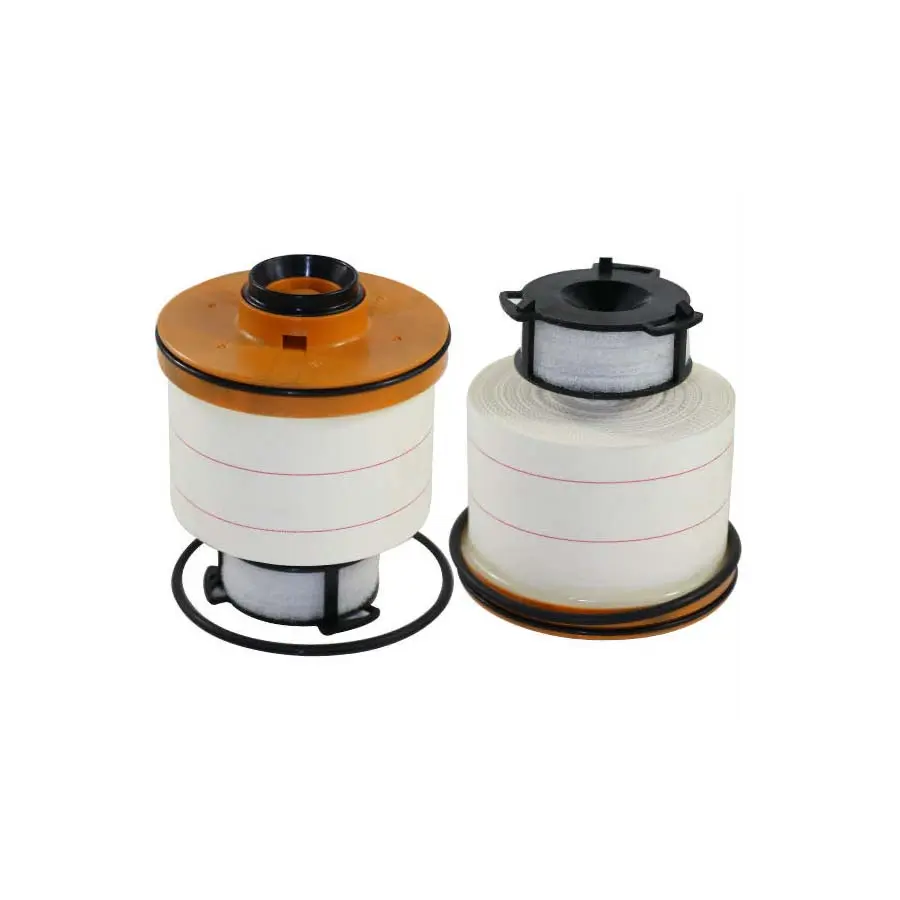 FUEL FILTER
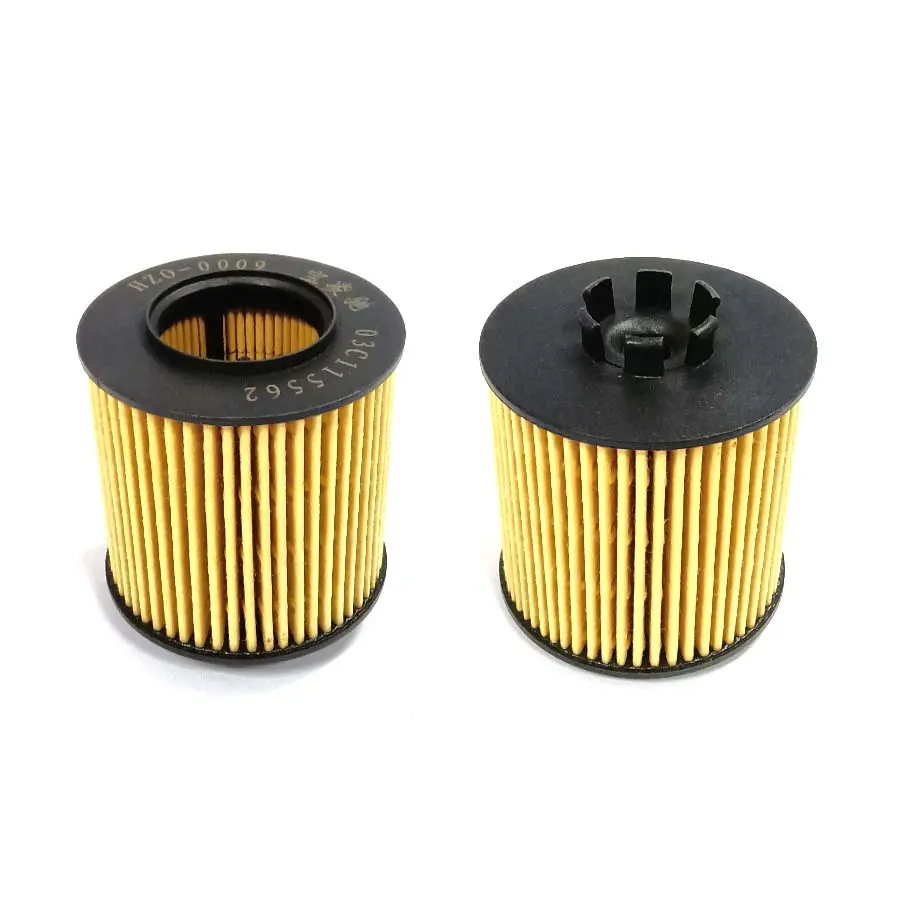 OIL ELEMENT FILTER
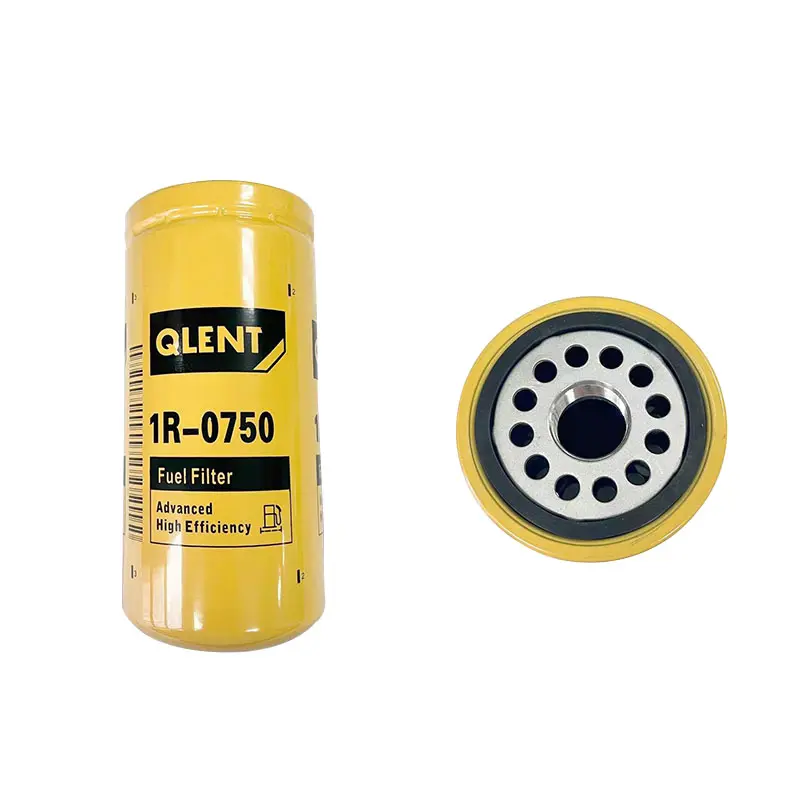 OIL FILTER
 CABIN FILTER
 AIR FILTER