How to Choose the Best Spare Parts Filter for Your Needs?
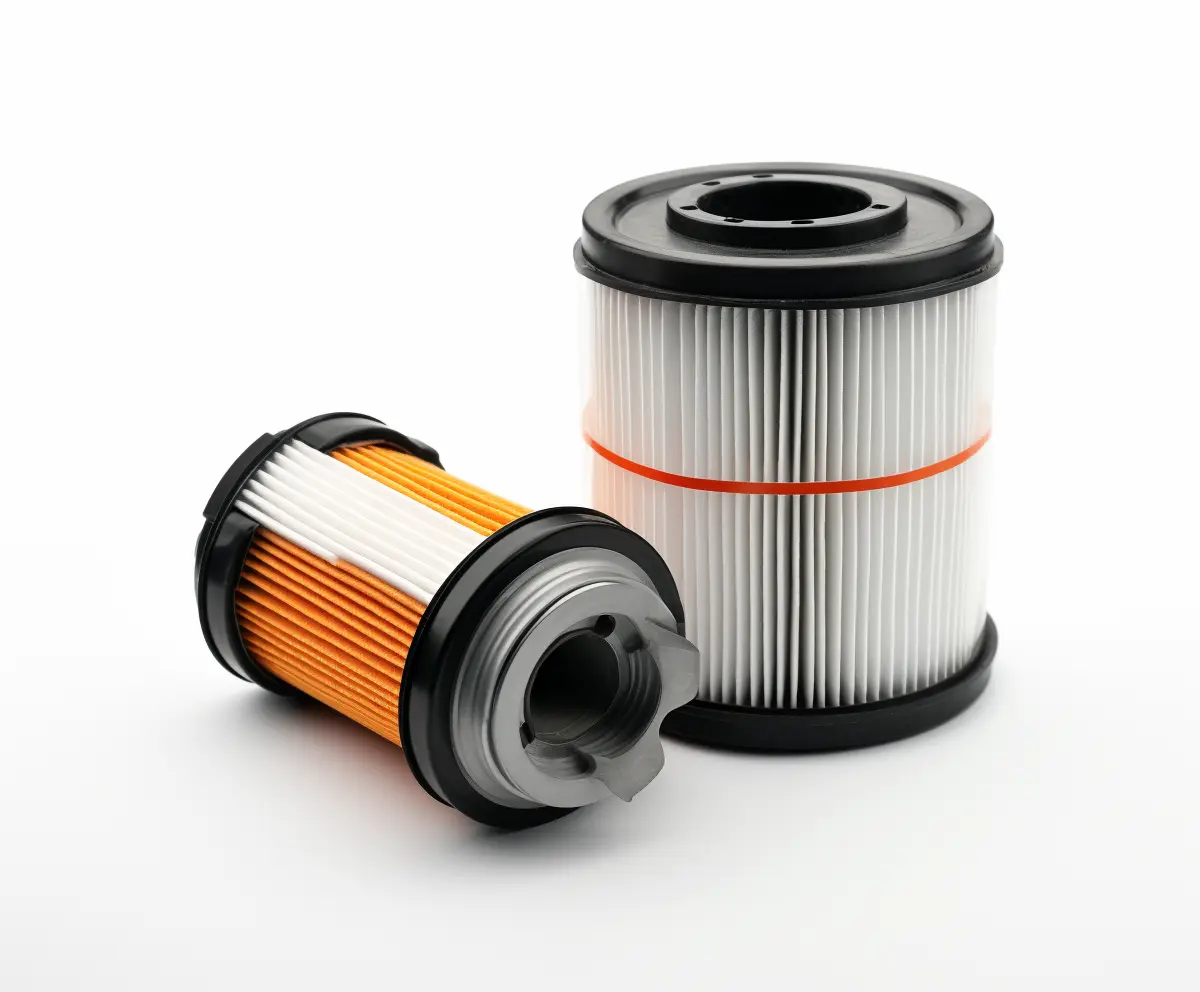
Choosing the right Spare Parts Filter is crucial for optimal machinery performance. According to industry research by MarketWatch, the global demand for spare parts is expected to increase by 5% annually. This growth emphasizes the need for quality filters that can enhance operational efficiency.
Selecting a Spare Parts Filter requires attention to specific needs and applications. Filters must match the machine type and operational environment. A poor choice can lead to inefficiencies, increased wear, and operational downtimes. Interestingly, many facilities overlook this, resulting in costly errors and frustration. By analyzing equipment specifications and performance data, one can make informed decisions.
Industry experts recommend evaluating filters based on their durability and compatibility. Studies show that using suboptimal filters can reduce a machine’s lifespan by up to 30%. Therefore, investing time in research can yield substantial long-term benefits. Balancing cost with performance is essential. Finding the right filter is not a trivial task; it requires careful consideration and a deeper understanding of your equipment.
Factors to Consider When Selecting Spare Parts Filters for Equipment
When selecting spare parts filters for your equipment, understanding specific requirements is essential. Consider the type of equipment you are using. Different machines operate under distinct conditions, which affect filter performance. For example, a filter meant for a heavy-duty vehicle may not suit a light-duty application. Assessing the operating environment can help you pick the right filter.
Another key factor is the filter's specifications. These include dimensions, material, and filtration efficiency. A poorly matched filter can lead to equipment failure and costly downtime. Moreover, compatibility with the fluid being filtered is crucial. For instance, certain materials may react poorly to specific fluids. It's important to verify these aspects to ensure optimal filter function.
Don't ignore the maintenance aspect of filters. Regular checks are necessary to prevent unexpected malfunctions. Many users overlook the replacement schedule, which can lead to performance issues. Reflect on your maintenance habits and adjust them if needed. The selection process can often be complex, requiring a balance of factors. Take your time to research, ensuring that the chosen filter meets your needs effectively.
Types of Spare Parts Filters and Their Applications in Various Industries
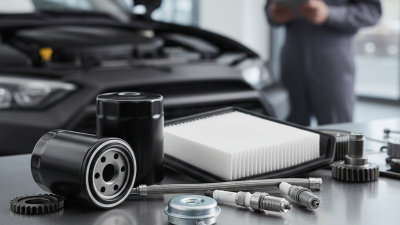
Choosing spare parts filters is essential in various industries. Different types fit unique applications. For instance, automotive filters are crucial for maintaining engine performance, while HVAC filters ensure air quality in buildings. According to a recent industry report, the global market for automotive filters is set to grow by 6.5% annually through 2025. This suggests a heightened focus on durability and filtration efficiency.
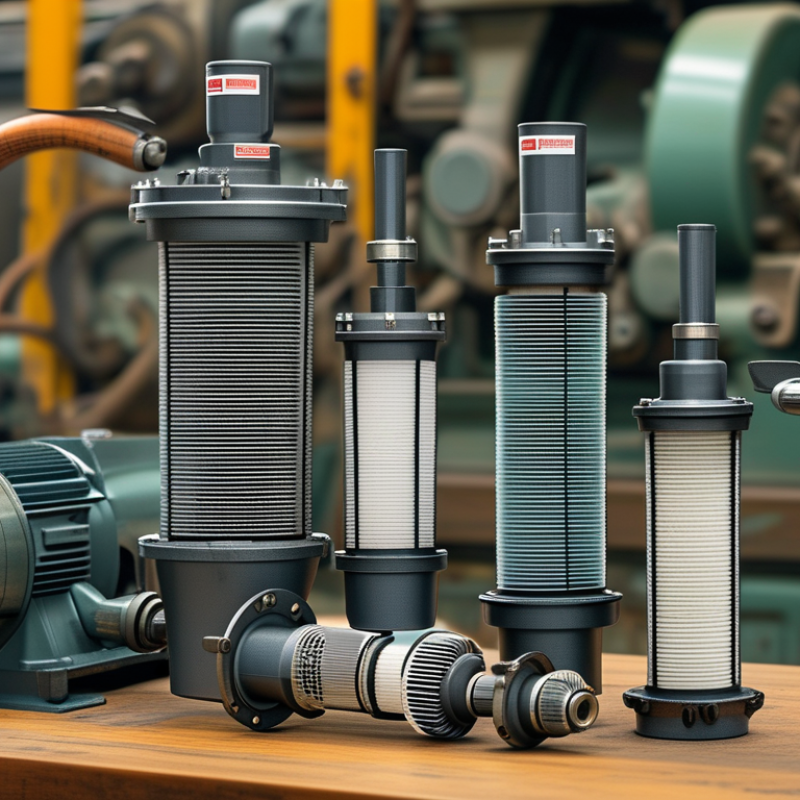
In manufacturing, selecting the right hydraulic filters can prevent costly downtime. These filters protect machinery from particulate contamination. Research indicates that unfiltered hydraulic systems lead to premature wear and increased maintenance costs. Each industry requires filters that match specific operational needs.
Consider these factors when selecting filters. Ensure you evaluate the filter's efficiency, size, and expected lifespan. A well-informed choice minimizes risks and enhances performance. Regularly review and replace filters based on usage patterns. Adjusting filtration strategies can significantly impact operational efficiency.
Understanding Filter Specifications: Flow Rate, Efficiency, and Dimensions
When selecting a spare parts filter, understanding filter specifications is crucial. The flow rate is an essential factor. It measures how much fluid the filter can handle efficiently. A filter with a low flow rate may cause problems in high-demand situations. Conversely, an excessively high flow rate might compromise filtration efficiency. Thus, always check the filter’s rated flow to match your application’s needs.
Efficiency is another vital specification. It indicates how well the filter can remove contaminants from the fluid. Filters are rated based on their ability to capture particles of various sizes. A highly efficient filter might be ideal for sensitive systems. Yet, it can also restrict flow, leading to other issues. You might face trade-offs between efficiency and performance.
Dimensions also matter significantly. A filter’s size must align with existing systems. An ill-fitting filter can lead to leaks or reduced effectiveness. Consider the physical space available and installation requirements. Proper dimensions ensure you don’t face installation headaches later. Reflections on these details can help in making informed decisions. The right filter improves system longevity and operational reliability.
Evaluating Material Compatibility for Enhanced Filter Performance
When selecting spare parts filters, evaluating material compatibility is crucial. The wrong materials can lead to reduced filter performance. Different contaminants require specific materials to ensure effective filtration. For instance, plastic filters may not withstand high temperatures, while metal filters might corrode in certain environments. Understanding these differences can prevent costly failures.
Optimal performance relies on the chosen materials. Consider environments where the filter will operate. Extreme conditions test material limits. If a filter is exposed to harsh chemicals, choose resistant materials to avoid degradation. Regularly review the compatibility of materials with the intended application. Ensure that the filter can withstand both physical and chemical stress.
When in doubt, consult with experts. Their knowledge can guide you in making the right choice. Seek materials recommended for similar uses. After installation, monitor performance regularly. Maintenance can reveal how well the materials hold up in practice. Adjust your selection based on real-world feedback. Your choices should evolve with experiences gained over time.
Cost-Benefit Analysis: Investing in Quality vs. Economy Filters
When it comes to choosing spare parts filters, the decision often revolves around cost versus quality. Many consumers lean towards economy filters because they are cheaper. However, this might not always be the best choice. Budget-friendly filters can carry hidden costs. They may lack the durability and efficiency needed for optimal performance. In the long run, these costs can add up due to potential damage and repairs.
Investing in a quality filter often pays off. High-quality filters usually offer better filtration and a longer lifespan. They might be more expensive upfront, but the benefits can outweigh these initial costs. A well-made filter can improve engine efficiency, which leads to fuel savings. Consider real-world scenarios where a cheap filter caused engine issues that resulted in expensive repairs. In such cases, the initial savings become irrelevant.
Choosing between cost-effective and quality options requires careful thought. Reflecting on personal experiences can shed light on the best approach. Are you willing to face potential failures from lesser-quality filters? Balancing cost with performance can lead to smarter choices for your needs. It's essential to take the time to evaluate both options thoroughly, ensuring you make an informed decision.

 Products
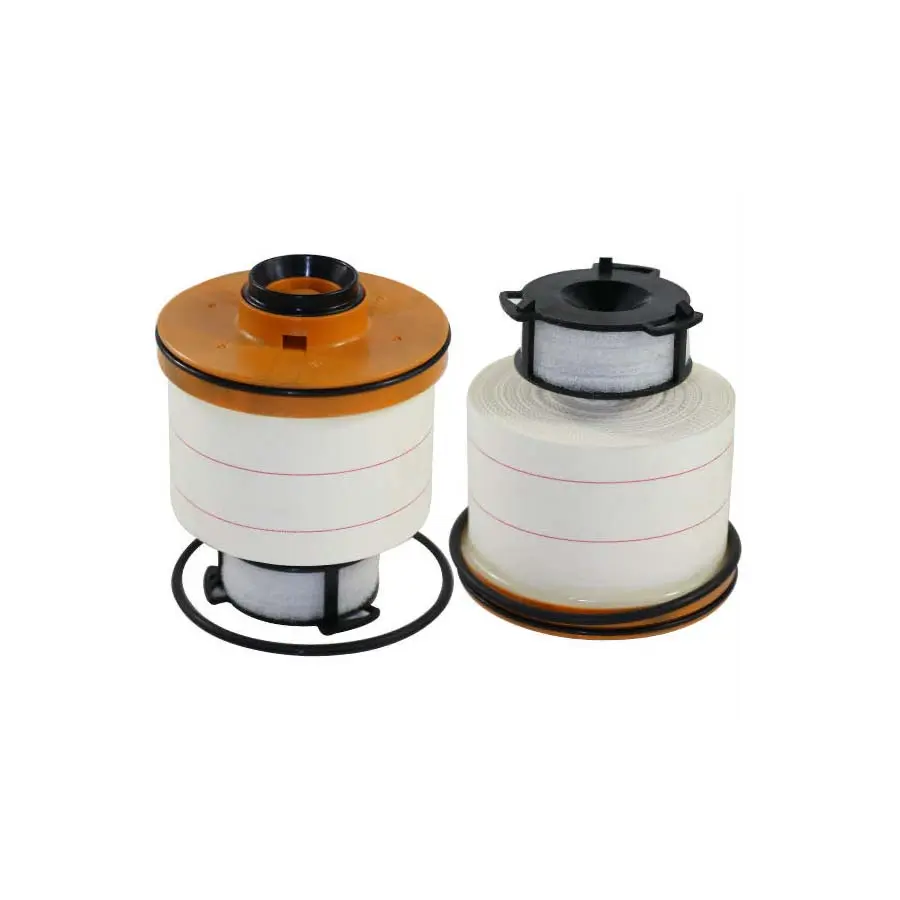 FUEL FILTER
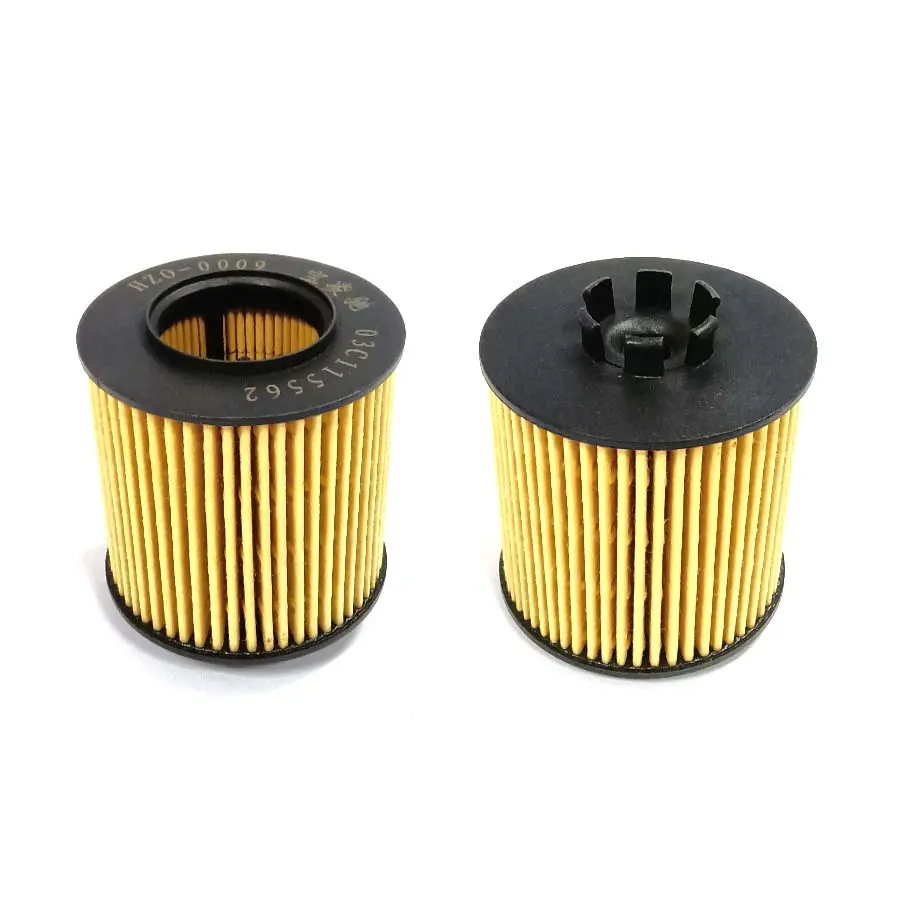 OIL ELEMENT FILTER
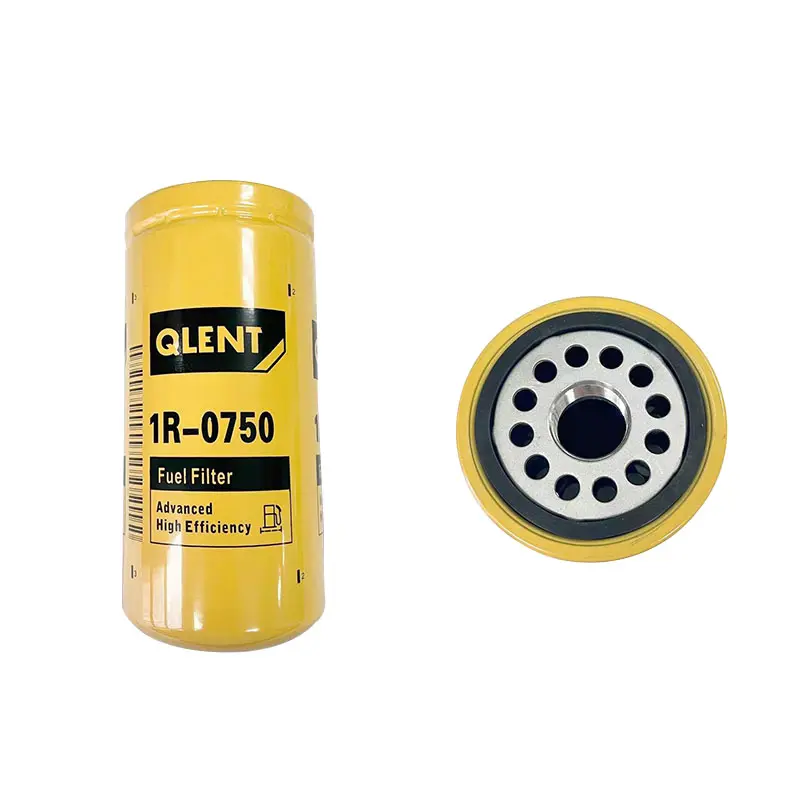 OIL FILTER
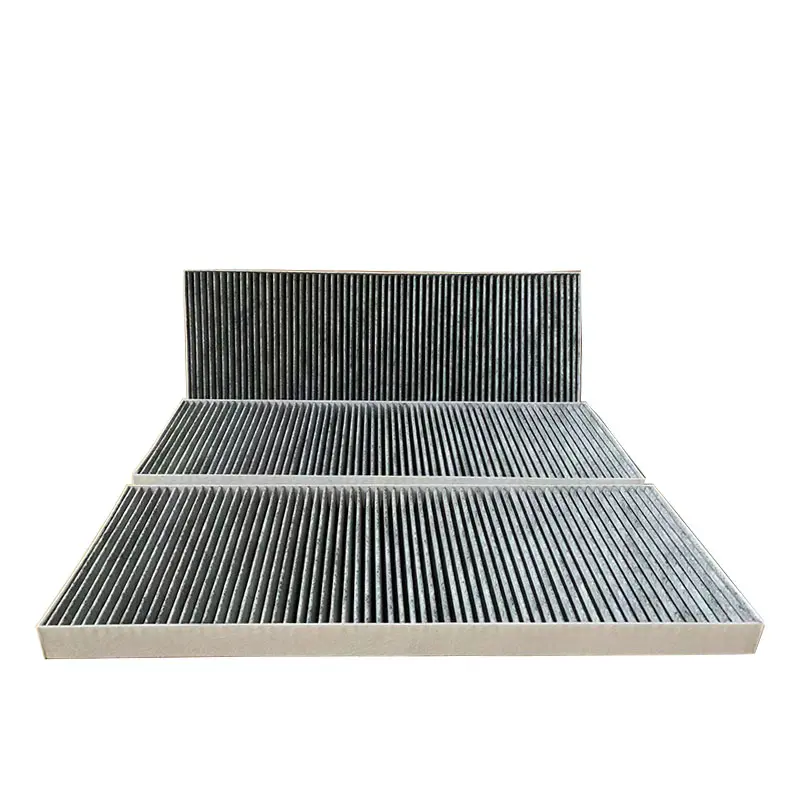 CABIN FILTER
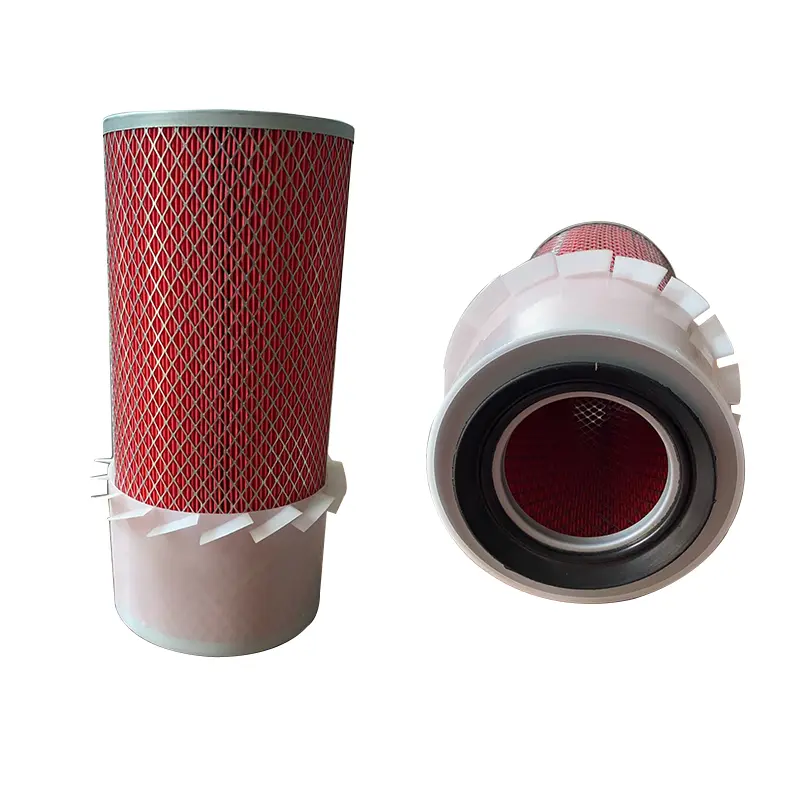 AIR FILTER