How to Choose the Right AC Filter for Your Needs?
Choosing the right AC filter can significantly impact indoor air quality and energy efficiency. An AC filter is not just a component; it plays a crucial role in protecting your system and improving air circulation. In the world of air conditioning, understanding filter types, ratings, and maintenance tips is essential. Many people overlook the importance of selecting an appropriate AC filter.
Different filters have various capabilities. For instance, HEPA filters trap smaller particles but may restrict airflow. Conversely, standard fiberglass filters are inexpensive but less effective at filtering pollutants. This can lead to poor air quality in your home. The size of the filter is another factor to consider, as an improper fit can cause leaks and reduce efficiency.
Investing in the right AC filter can save money long-term. However, it's easy to feel overwhelmed by options. You might wonder if you're making the right choice. A little research goes a long way. Take time to understand the specifications and suitability of each filter type. Reliable information is available from trusted HVAC professionals. Making an informed decision is worth the effort.
Understanding the Importance of AC Filters in Indoor Air Quality
AC filters play a crucial role in maintaining indoor air quality. A study by the Environmental Protection Agency (EPA) shows that indoor air can often be more polluted than outdoor air. This is particularly concerning as people spend about 90% of their time indoors. Pollutants can range from dust to allergens, impacting health and comfort.
Selecting the right AC filter is essential. Filters are rated by their MERV (Minimum Efficiency Reporting Value) score. A higher MERV score indicates better filtration. For example, filters with a MERV rating between 8 and 13 capture a significant amount of airborne particles. These can include mold spores, pet dander, and dust mites. Regularly replacing filters can keep them functioning efficiently, though it’s often overlooked.
Many users replace filters less frequently than recommended. This leads to reduced airflow and increased strain on AC systems. It is important to assess individual needs. For those with allergies or respiratory issues, a higher MERV filter may provide better relief. However, high-efficiency filters can also restrict airflow in certain systems. Periodic evaluation and adjustment are necessary to find the right balance.
How to Choose the Right AC Filter for Your Needs? - Understanding the Importance of AC Filters in Indoor Air Quality
| Filter Type |
MERV Rating |
Particle Size Captured |
Lifespan (Months) |
Typical Use |
| Fiberglass Filters |
1-4 |
>10 microns |
1-3 |
Basic residential use |
| Pleated Filters |
5-13 |
1-10 microns |
3-6 |
Residential and light commercial |
| Electrostatic Filters |
7-12 |
1-3 microns |
6-12 |
Residential and allergen control |
| HEPA Filters |
13-16 |
<0.3 microns |
12-24 |
Hospitals and respiratory issues |
| Activated Carbon Filters |
7-10 |
1-3 microns |
3-6 |
Odor removal and smoke |
Key Factors to Consider When Selecting an AC Filter
When selecting an AC filter, several key factors come into play.
First, consider the MERV rating.
This rating indicates the filter's efficiency in capturing airborne particles. A higher MERV rating means better filtration but may restrict airflow. Ensure your AC system can handle the chosen rating.
Next, think about the filter type.
HEPA filters
are excellent for allergen removal. Disposable filters are convenient, while washable filters offer long-term savings.
Evaluate your personal needs. Do you have pets or allergies? This will influence the type of filter that serves you best.
Finally, pay attention to size. A filter that doesn't fit properly can reduce efficacy.
Measure your current filter or consult your AC unit's manual for the correct dimensions. Keep in mind that choosing a filter is not simply about efficiency.
Balancing airflow and particle capture is crucial.
Understanding these factors will lead you to the right choice for your environment.
Types of AC Filters: Comparing HEPA, MERV, and Electrostatic Options
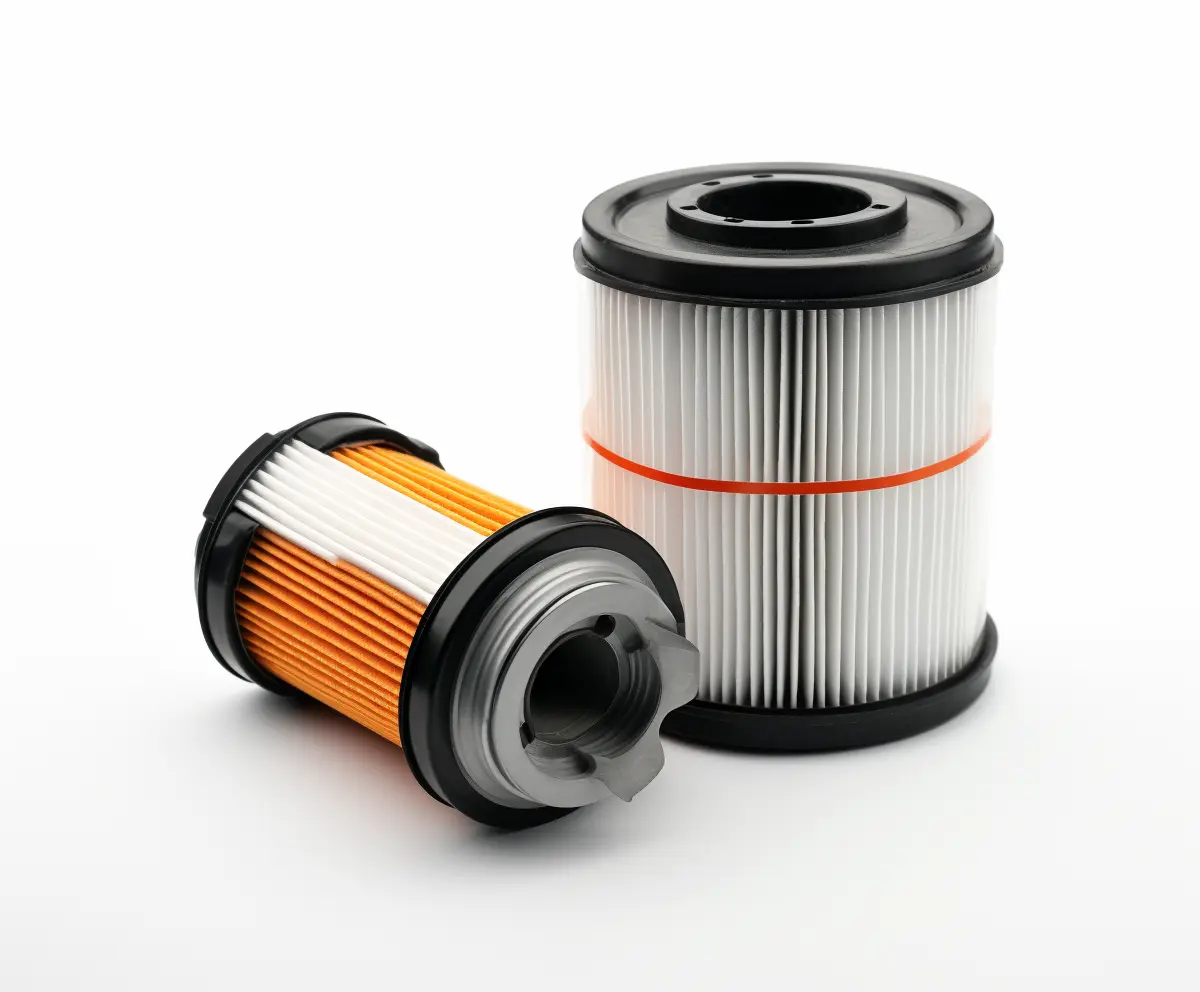
Choosing the right AC filter can significantly impact your indoor air quality. Different types of filters function differently, each with unique benefits. HEPA filters, known for their high efficiency, capture tiny particles like pollen and pet dander. They are excellent for allergy sufferers. However, they may restrict airflow if not replaced regularly.
MERV filters offer a range of ratings, balancing efficiency and airflow. A higher MERV rating means better particle capture, but also potential strain on your system. If your HVAC unit isn’t designed for high-efficiency filters, opting for a lower MERV rating might be smarter. Remember to check your system’s specifications before making a choice.
Electrostatic filters work differently by using static electricity to attract particles. They are reusable, which is cost-effective. However, they require regular washing and maintenance, which some homeowners may find inconvenient. Consider your lifestyle and willingness to maintain your filter. Each option has its pros and cons, so it’s essential to reflect on what matters most for your home environment.
Evaluating Filter Efficiency: What is MERV Rating and its Implications?
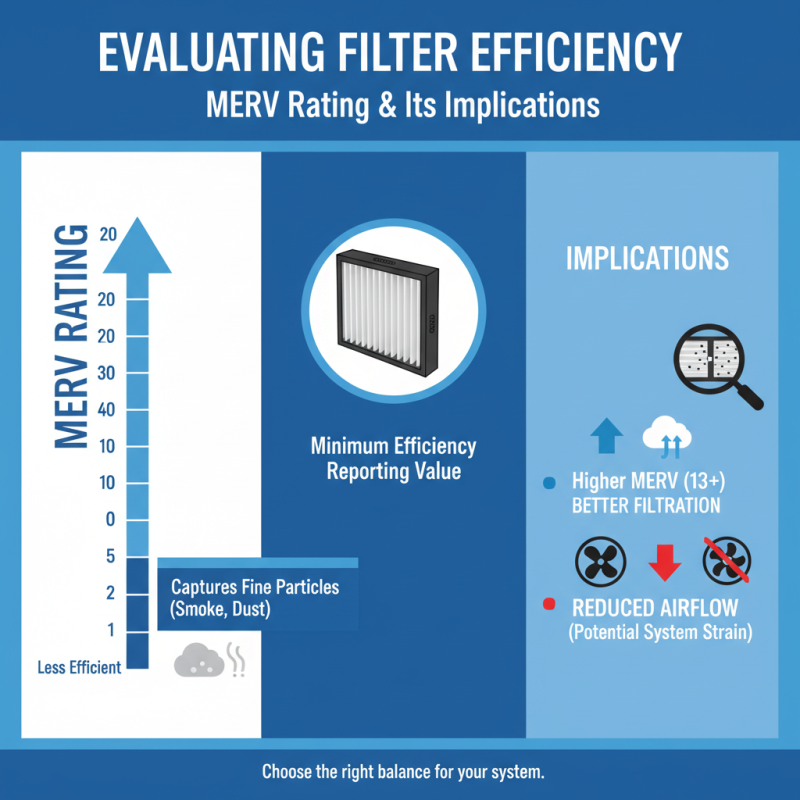
When choosing an air conditioning filter, understanding its efficiency is key. The MERV rating, or Minimum Efficiency Reporting Value, signifies how well a filter captures particles. It ranges from 1 to 20, with higher numbers indicating better filtration. Filters with a MERV rating of 13 or above can trap fine particles such as smoke and dust. However, these high-efficiency filters may restrict airflow, potentially affecting your system's performance.
Evaluating your needs is vital. Consider your environment. If you live in a dusty area, a higher MERV filter may be necessary. But if allergies are a concern, filters rated 10-12 might suffice. Not every home requires the same level of filtration. High MERV ratings can lead to additional costs and maintenance. Regularly checking and replacing filters is crucial to ensure effectiveness. Sometimes, a balance between efficiency and compatibility with your AC system is essential. Aim for the right MERV rating that protects your health without compromising your system's efficiency.
Maintenance and Replacement Guidelines for Optimal AC Filter Performance
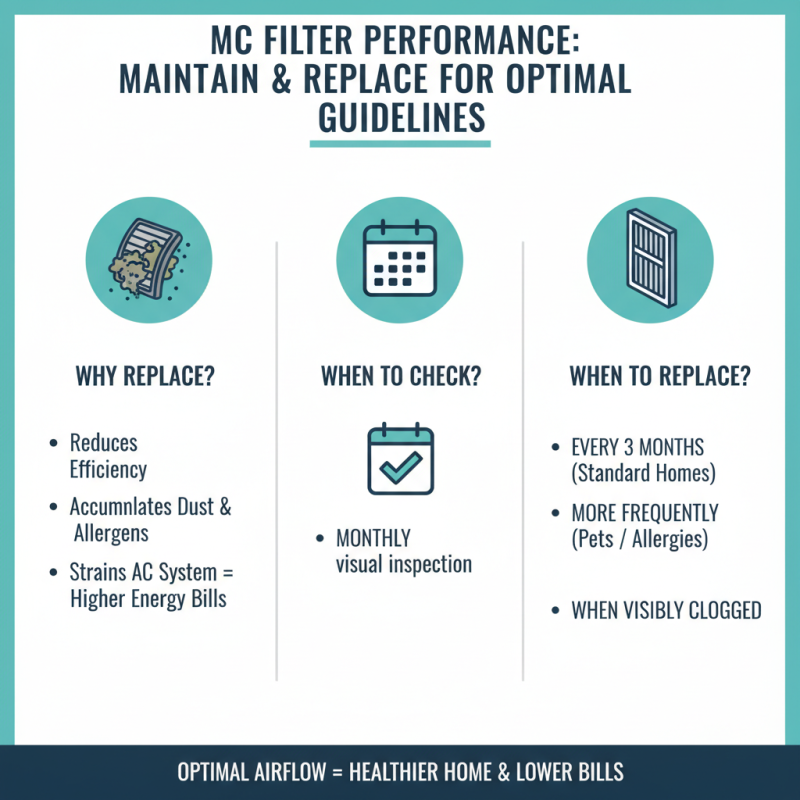
When it comes to maintaining optimal AC filter performance, regular replacement is crucial. Dust and allergens accumulate over time, reducing efficiency. Filters should be checked monthly and replaced at least every three months. In homes with pets or allergy sufferers, more frequent changes may be necessary. A clogged filter can strain your system, leading to higher energy bills.
The installation process can also affect performance. Ensure the filter fits snugly within the frame. An improper fit can allow air bypass, reducing filtration efficiency. Always follow the manufacturer’s guidelines for installation. Utilizing the right size and type of filter is key to maximizing airflow and minimizing pollutants.
There are many options available, including HEPA and pleated filters. Each has its benefits and drawbacks. Consider your specific needs carefully. Are allergens a concern? Or is energy efficiency your priority? Reflecting on these questions can help you select the most suitable filter. If you're unsure, consulting a HVAC professional can provide valuable insights.

 Products
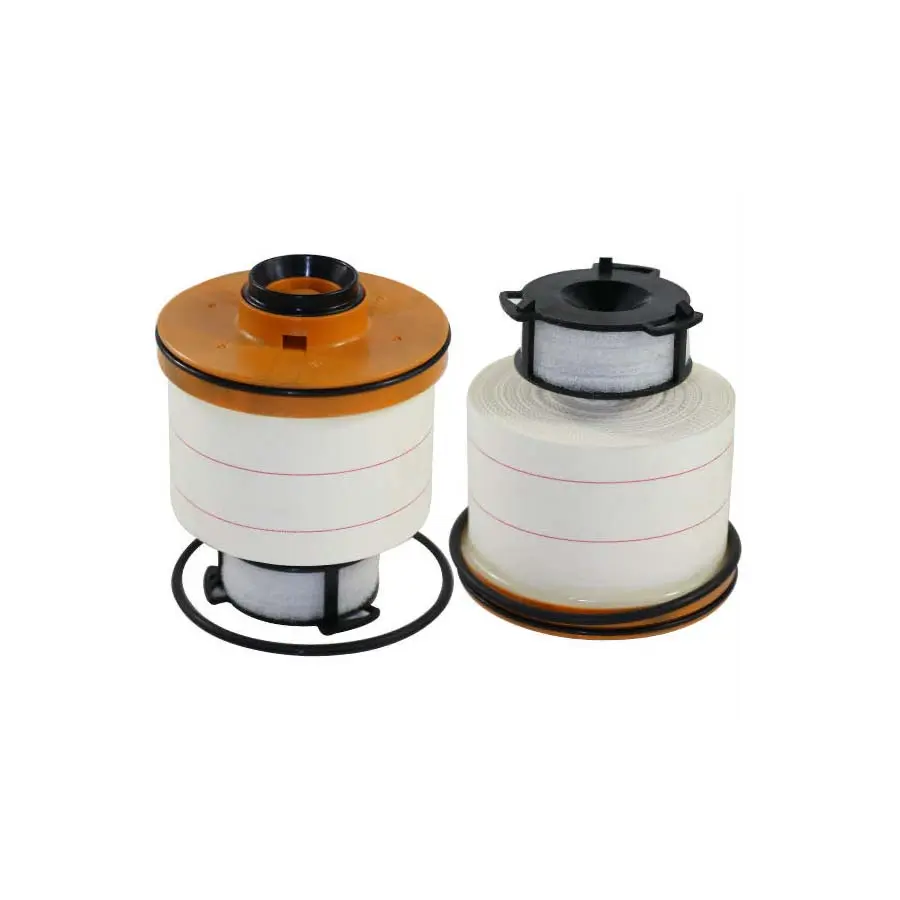 FUEL FILTER
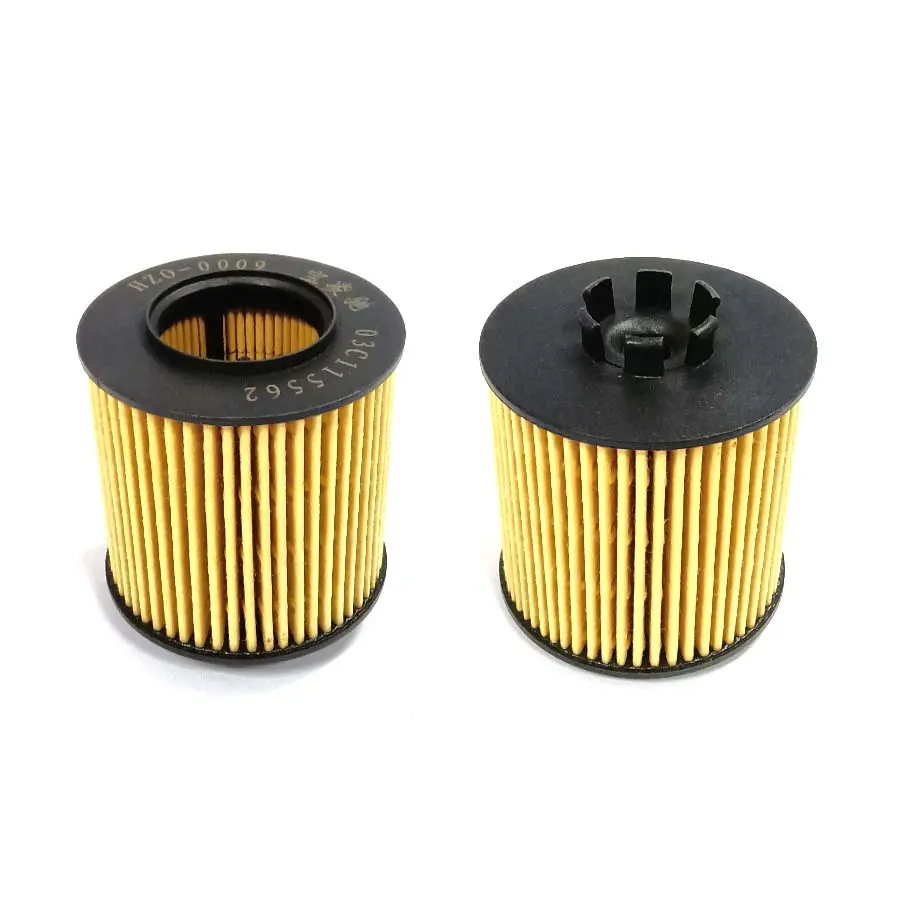 OIL ELEMENT FILTER
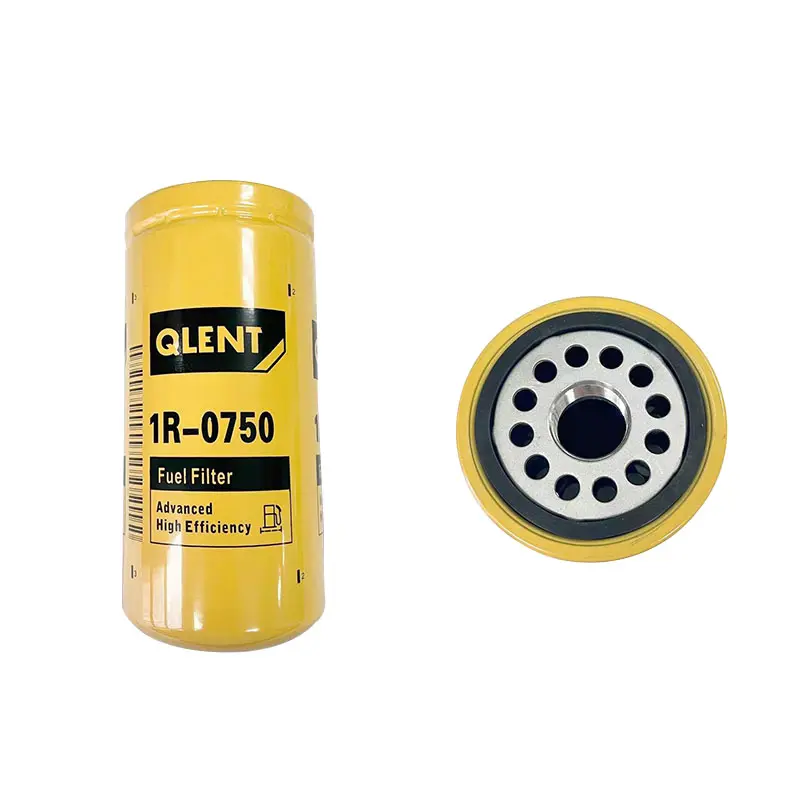 OIL FILTER
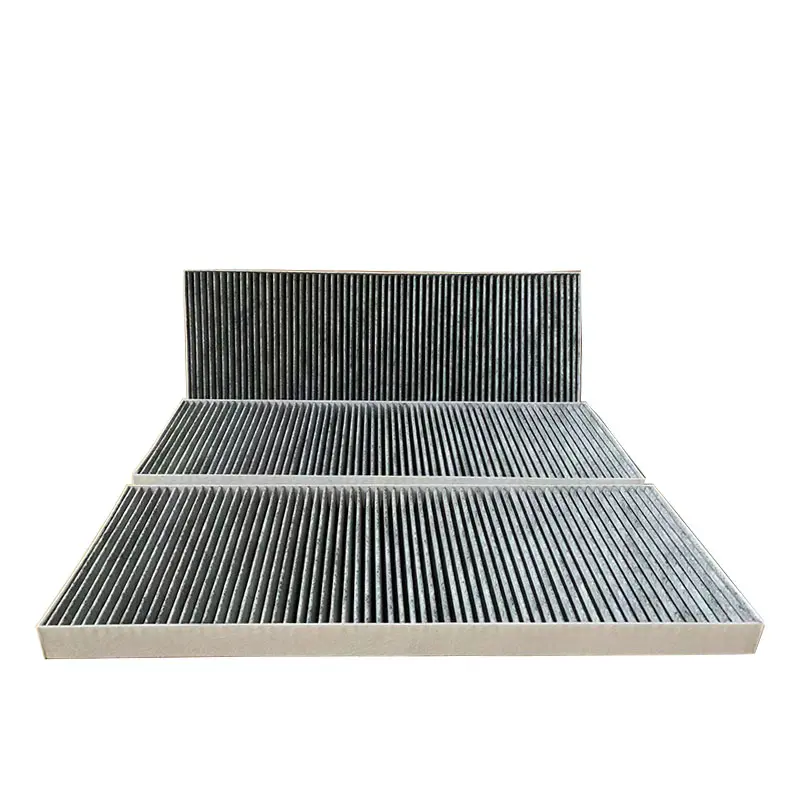 CABIN FILTER
 AIR FILTER