Why Choose the Right AC Filter for Your Needs?
Choosing the right AC filter is crucial for indoor air quality. A recent report by the Environmental Protection Agency highlights that indoor air can be two to five times more polluted than outdoor air. This is where an effective AC filter comes into play. An appropriate filter can significantly reduce allergens, dust, and other airborne contaminants.
Filters vary widely in their efficiency ratings. For instance, High-Efficiency Particulate Air (HEPA) filters capture at least 99.97% of particles that are 0.3 micrometers in size. With respiratory diseases on the rise, the choice of the right AC filter cannot be overlooked. Many homeowners still opt for standard filters, which may not provide adequate protection.
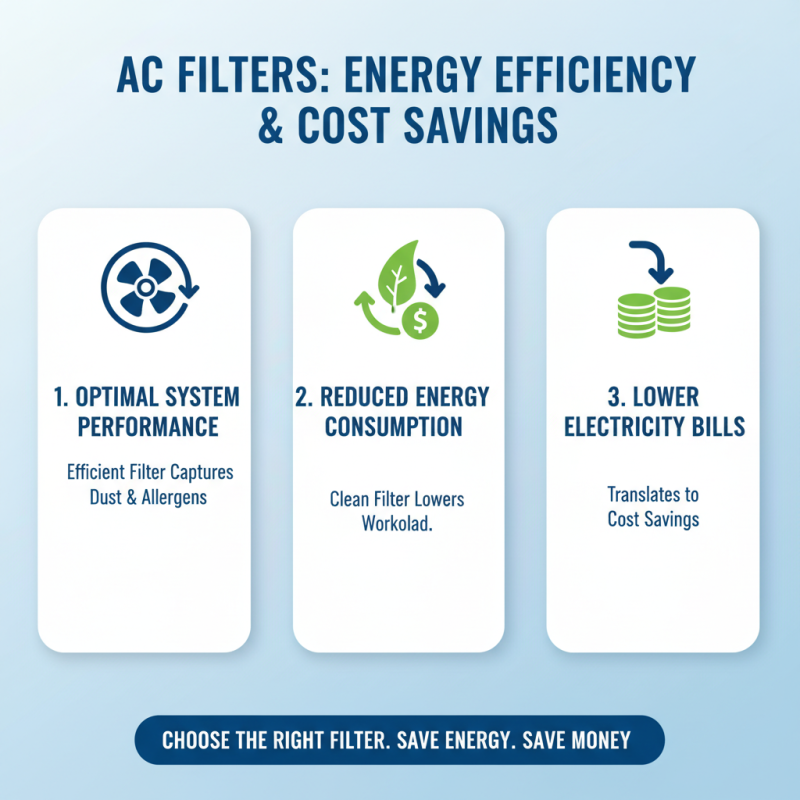
Moreover, it’s essential to consider filter replacement frequencies. Some filters require changing every month, while others can last up to a year. Neglecting this can lead to reduced airflow and increased energy bills. It’s a balance between cost and effective filtration, reminding us that not every solution is perfect. Your health and comfort depend on making the right choice.
Importance of Selecting the Appropriate AC Filter for Air Quality
Choosing the right AC filter can significantly impact indoor air quality. Many people overlook this when selecting filters. A proper filter traps dust, allergens, and pollutants. This creates a cleaner living space, promoting better health.
Air quality is vital for comfort and well-being. Inadequate filtration can lead to respiratory issues. It’s frustrating when filters fail to perform. Regularly checking and replacing filters is essential. A filter’s efficiency can diminish over time, leading to poor air quality.
Different filters serve various needs. HEPA filters, for instance, are excellent for allergies but may restrict airflow. Finding the perfect balance is challenging. Homeowners should evaluate their specific needs. Factors like pet dander or local pollen levels matter. Reflecting on these can help in making a more informed choice.
Understanding Different Types of AC Filters and Their Efficiency Ratings
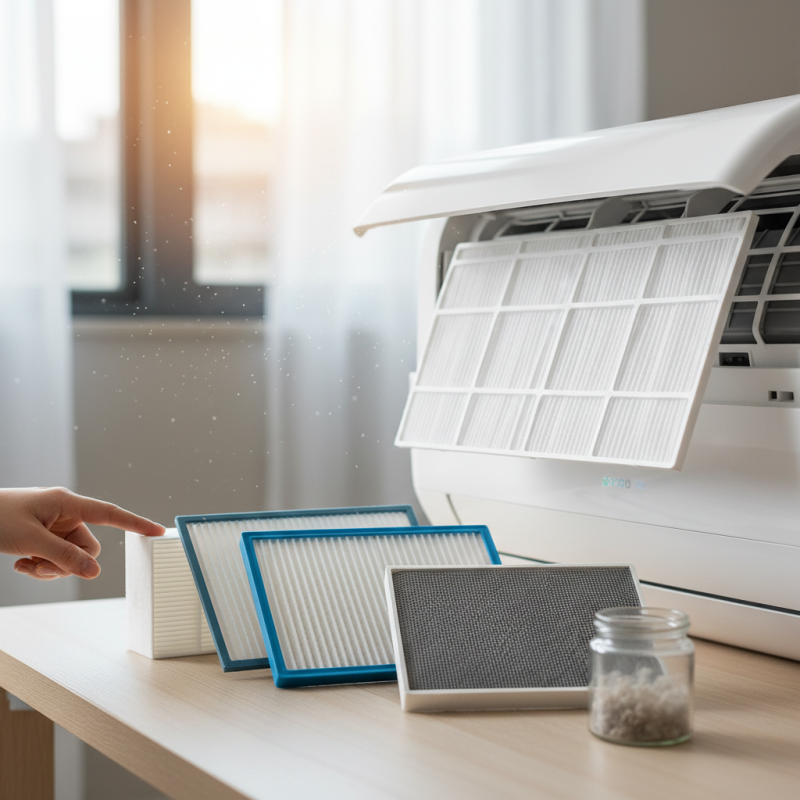
Choosing the right AC filter is crucial for maintaining air quality and system efficiency. Different types of filters offer varying levels of filtration, making it essential to understand your options. Fiberglass filters are inexpensive and serviceable but may not capture small particles effectively. Pleated filters, on the other hand, trap finer dust and allergens. They are more effective in improving indoor air quality but can restrict airflow if not changed regularly.
Keep in mind the efficiency ratings of AC filters. The Minimum Efficiency Reporting Value (MERV) indicates a filter's ability to capture particles. Filters with higher MERV ratings trap more particles but may impact the system's airflow. It's vital to find a balance. High-quality filters can help reduce dust, allergens, and even odors. Regular maintenance is key to ensuring your filter performs efficiently.
**Tip:** Check your filters every month and replace them as needed. Dirty filters stress the system and increase energy bills. Consider your specific needs, such as allergies or pets, when selecting a filter. Higher filtration might be necessary for sensitive environments.
Why Choose the Right AC Filter for Your Needs? - Understanding Different Types of AC Filters and Their Efficiency Ratings
| Filter Type |
MERV Rating |
Efficiency (%) |
Typical Use |
| Fiberglass Filter |
1-4 |
Less than 20% |
Residential |
| Electrostatic Filter |
5-8 |
20-40% |
Residential & Commercial |
| Pleated Filter |
8-13 |
40-60% |
Residential & Light Commercial |
| HEPA Filter |
14-16 |
99.97% |
Hospitals, Labs, and Homes with Allergies |
| Carbon Filter |
10-12 |
50-90% |
Odor Control in Residential & Commercial |
How MERV Ratings Impact Air Filtration and HVAC System Performance
Choosing the right AC filter is crucial for your indoor air quality. The Minimum Efficiency Reporting Value (MERV) is a key factor in this decision. Higher MERV ratings indicate better filtration capabilities. For example, filters with MERV ratings of 8 to 13 can trap allergens like dust and pollen effectively. However, filters with extremely high ratings can restrict airflow in some HVAC systems. This can lead to inefficiencies and potential system damage.
Understanding the impact of MERV ratings is essential for homeowners. A filter rated too high might seem beneficial. Yet, it can strain your HVAC system. Proper airflow is vital for performance and energy efficiency. Filters with a MERV rating of 5 to 8 often strike a balance. They capture larger particles without overly restricting airflow. This balance can be key to maintaining a comfortable indoor environment.
It’s important to consider your specific needs when selecting a filter. If allergies are a concern, a higher MERV rating may be necessary. Conversely, if your system is older or not designed for high-efficiency filters, lower ratings might be suitable. Regularly assessing your filter choice ensures your system runs optimally while improving indoor air quality.
Common Misconceptions About AC Filter Selection and Maintenance Practices
Choosing the right AC filter is often clouded by misconceptions. Many believe that any filter will suffice, but this is far from true. Filters vary in their efficiency and the types of particles they capture. A standard filter may block larger dust particles but might let smaller allergens pass through. This can impact indoor air quality significantly.
Some homeowners change their filters regularly but choose low-efficiency options. This practice can lead to increased energy costs and reduced system performance. It is crucial to understand that not all maintenance practices yield the same results. Additionally, some might think that a higher MERV rating always means better filtering. However, a filter that is too dense can restrict airflow, causing strain on the AC unit. Regularly checking and matching filters to system specifications is essential for optimal performance.
Ignoring proper selection and maintenance can have lasting consequences. Indoor air may become polluted, and HVAC systems can suffer. Reflecting on one’s filter choices and maintenance schedule often reveals gaps in understanding. This can lead to costly repairs and health issues that might have been prevented with better practices. Investing time in research and making informed decisions about AC filters is truly worthwhile.

 Products
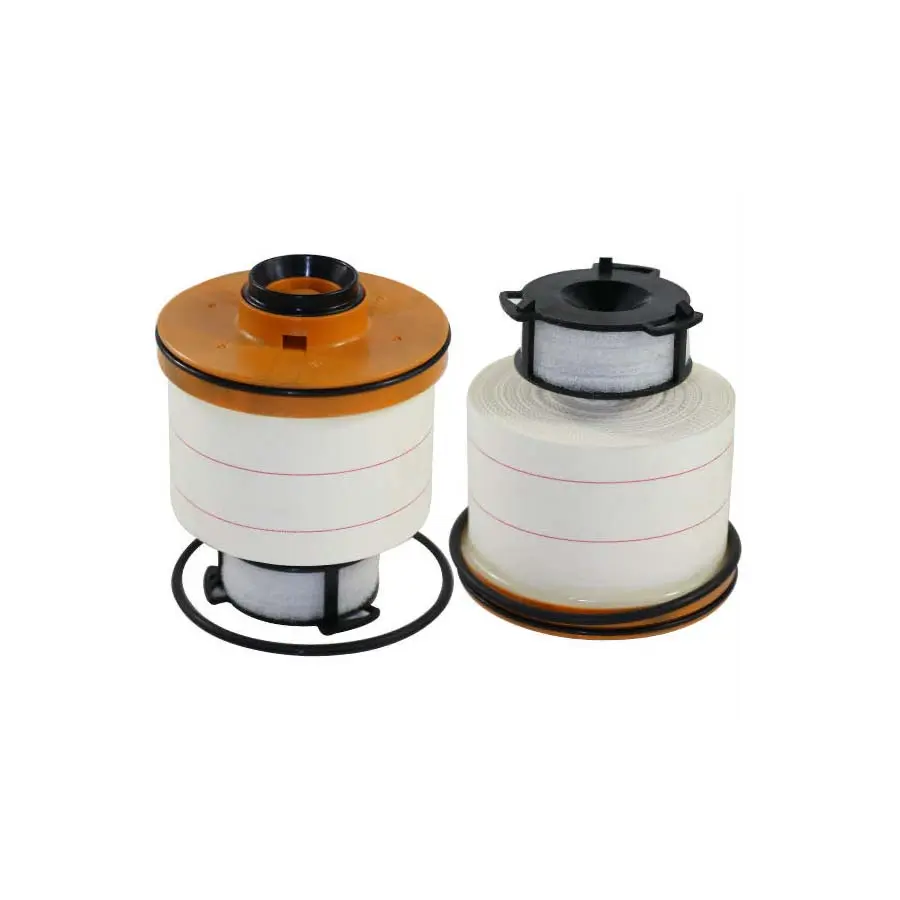 FUEL FILTER
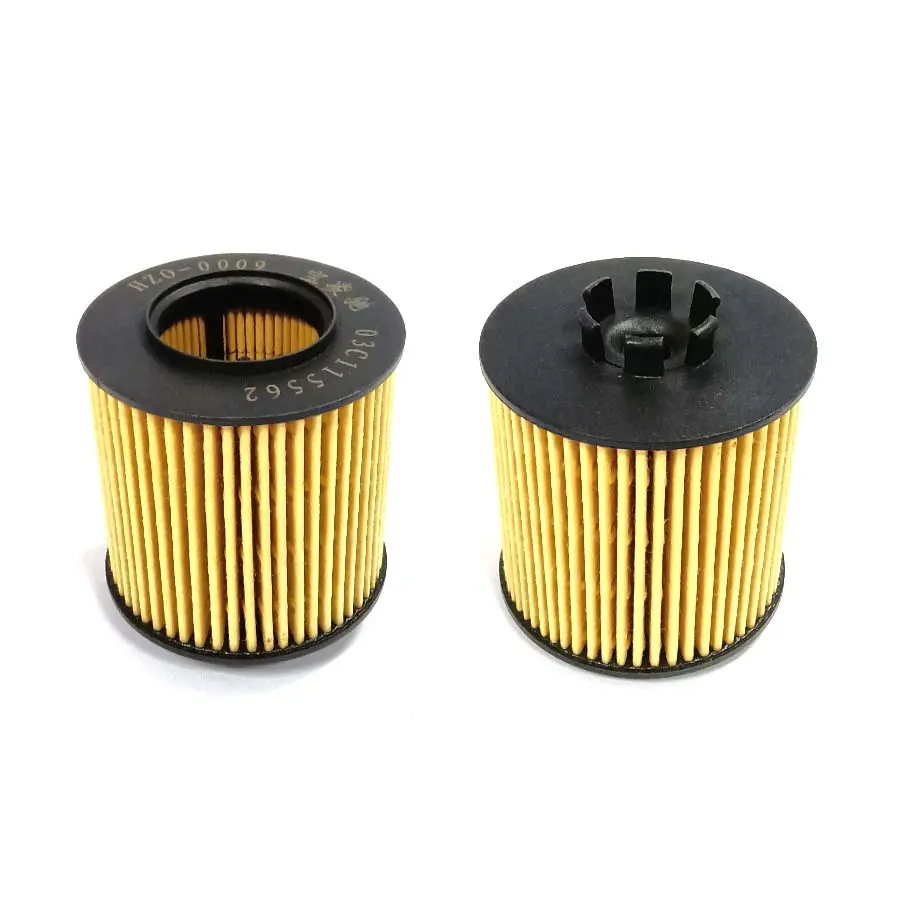 OIL ELEMENT FILTER
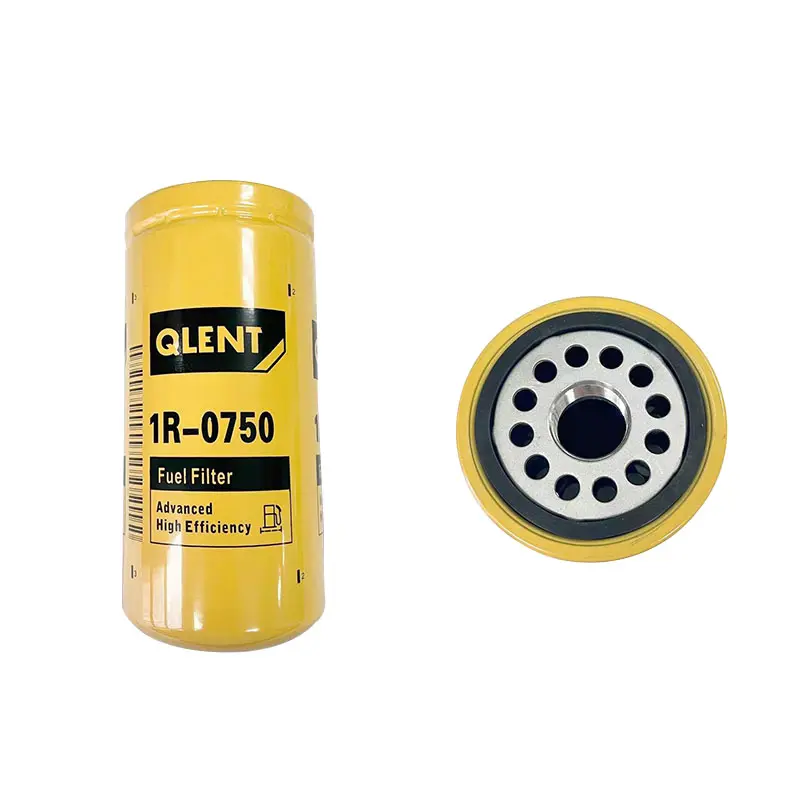 OIL FILTER
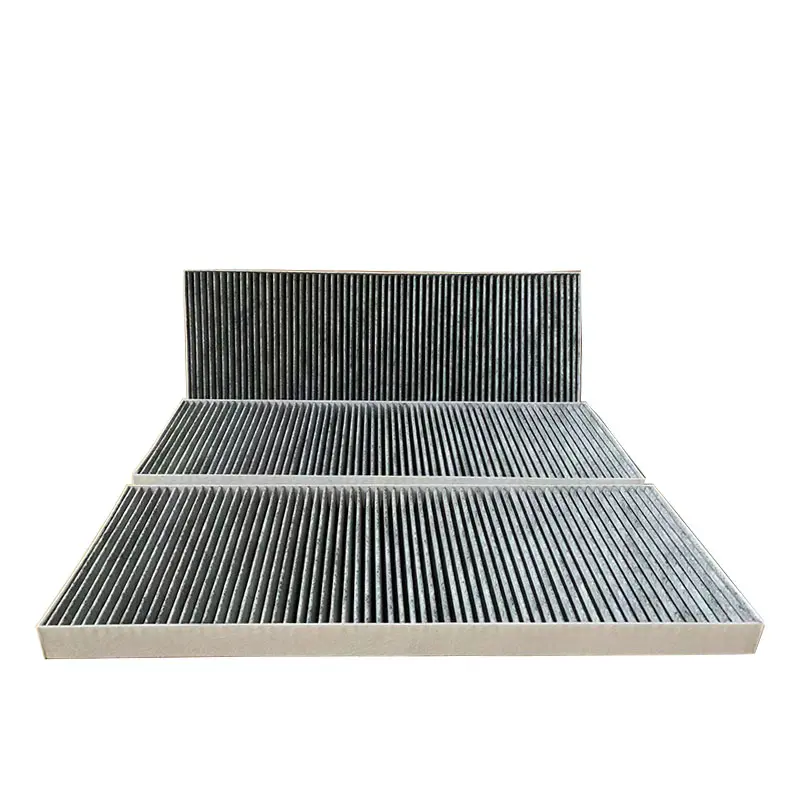 CABIN FILTER
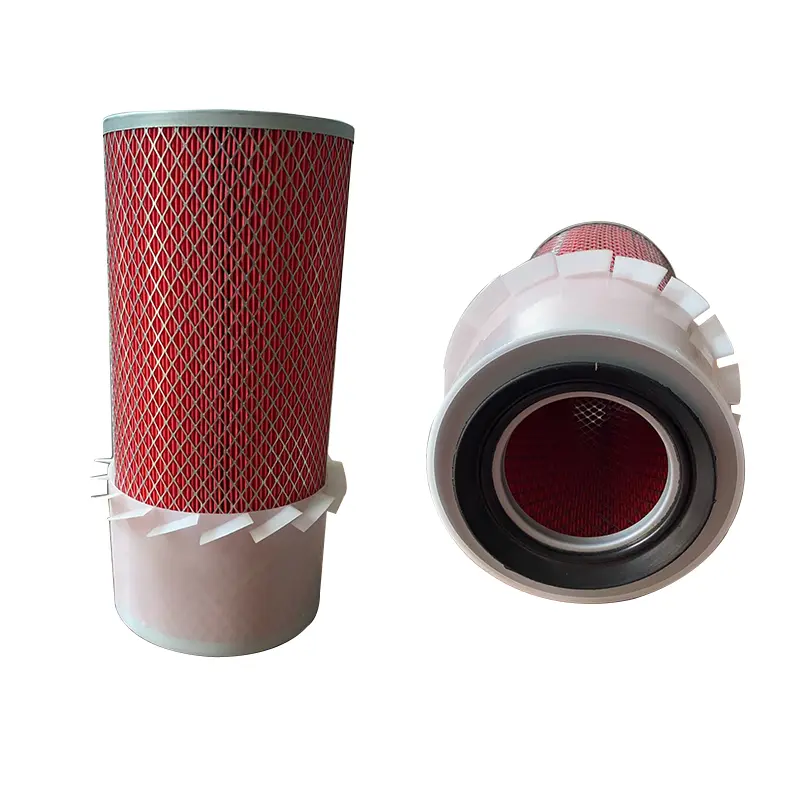 AIR FILTER