How to Choose the Right Automotive Filter for Your Vehicle?
Choosing the right automotive filter for your vehicle is crucial. Renowned expert, Dr. Emily Grant, states, "A quality automotive filter boosts performance and extends engine life." When selecting an automotive filter, you must consider various factors. These include the type of vehicle, driving conditions, and the specific filter requirements.
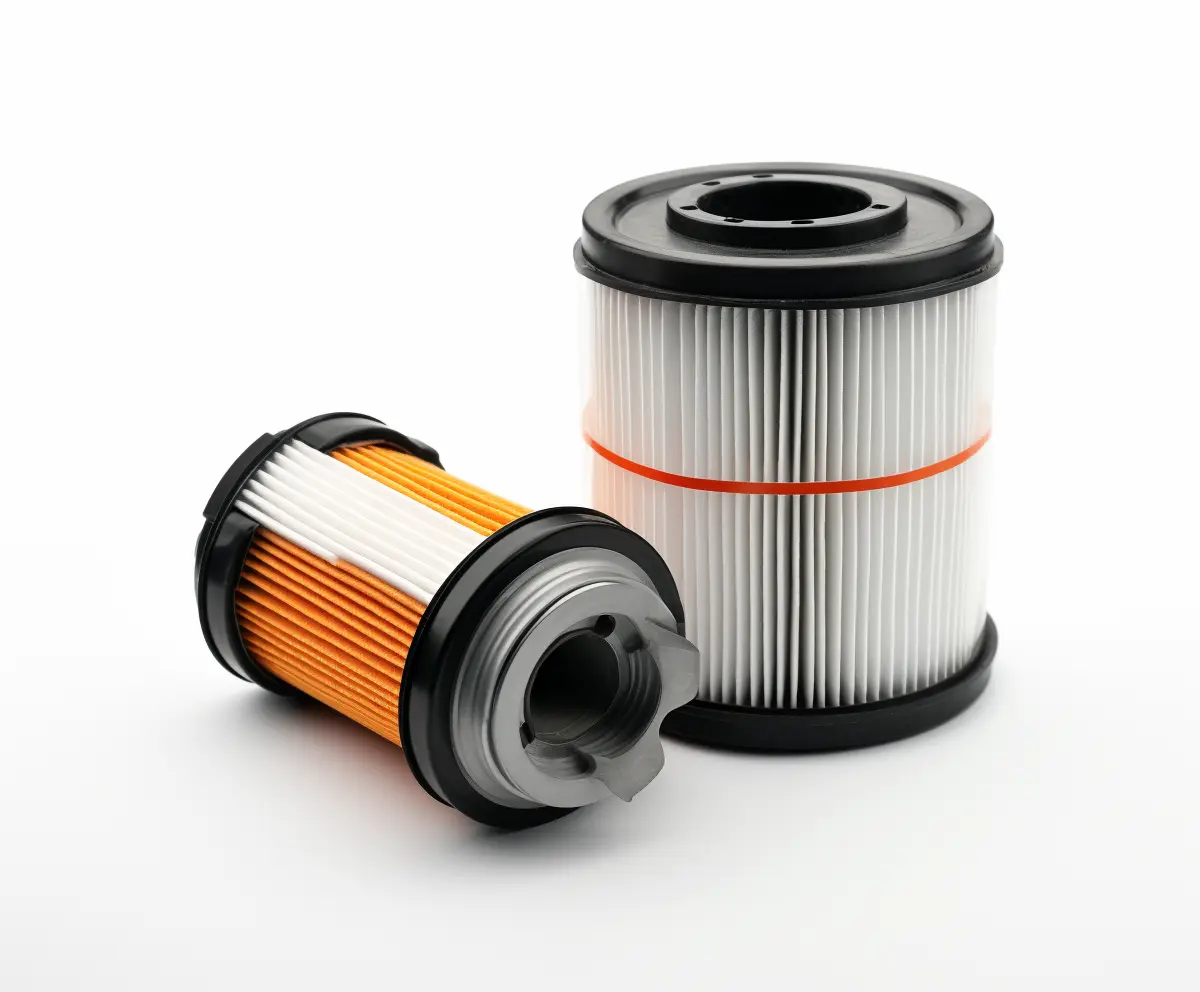
Automotive filters come in different types. Oil filters, air filters, and fuel filters each serve unique purposes. A well-chosen air filter prevents dirt from entering the engine, while a fuel filter ensures clean fuel delivery. Neglecting this selection can lead to poor performance and increased repair costs.
Making the ideal choice can feel overwhelming. The market offers many options, each claiming superiority. Be aware that not all filters are created equal. Understanding your vehicle’s needs is vital. Take the time to research and ask for expert advice. This reflection can lead to a more informed decision. Your vehicle deserves the best automotive filter available, ensuring optimal performance and longevity.

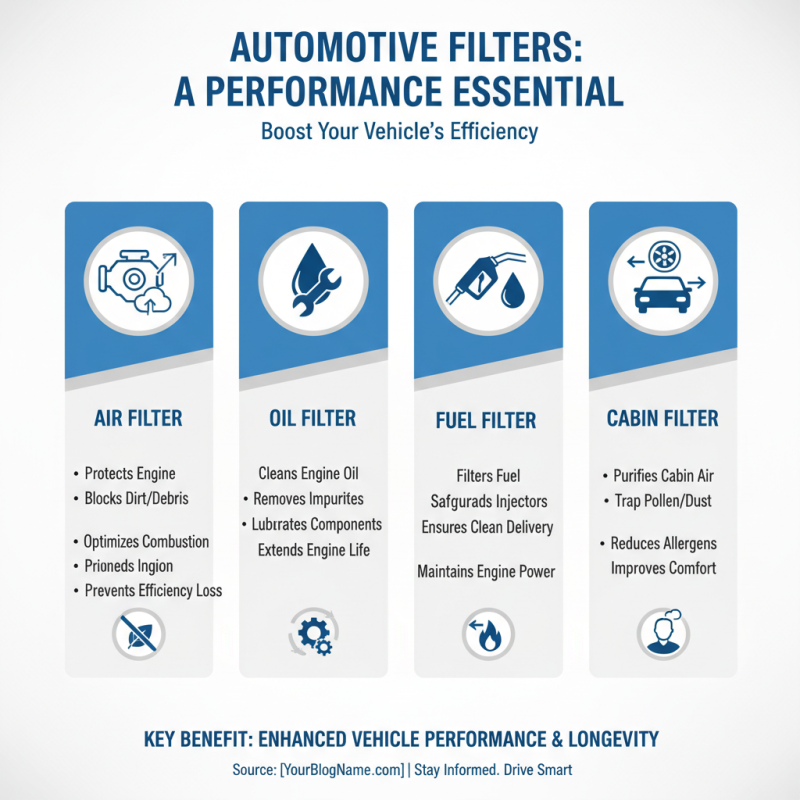
Types of Automotive Filters: Air, Oil, Fuel, and Cabin Filters Explained
Choosing the right automotive filter
is crucial for your vehicle’s performance. There are four main types:
air, oil,
fuel, and cabin filters. Each plays a unique role
in maintaining your car’s functionality.
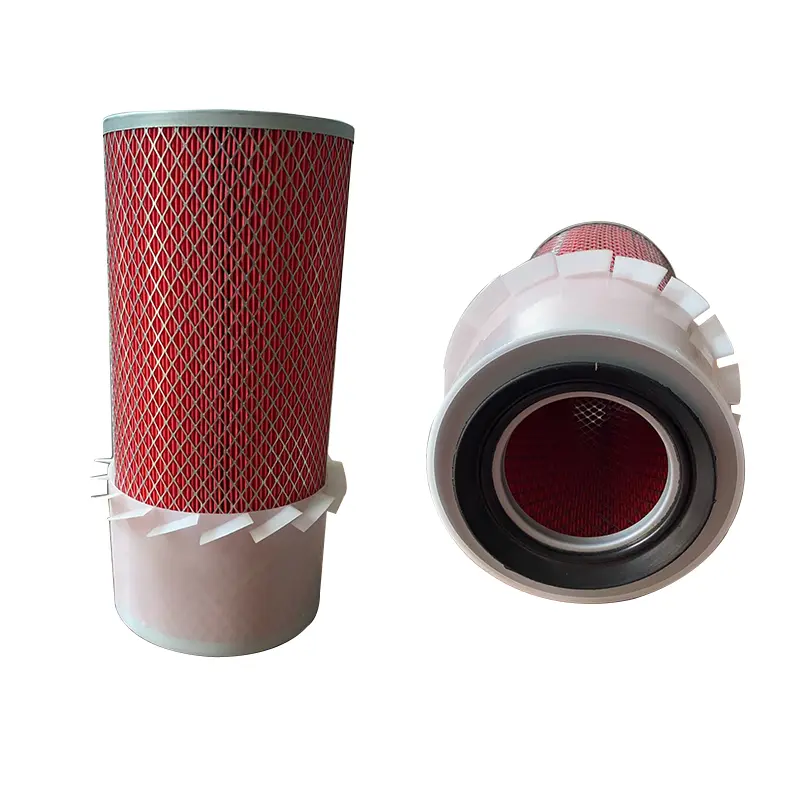
Air filters prevent dirt from entering the engine. A clogged air filter reduces performance and fuel efficiency.
It’s simple to change, yet many ignore it. You may notice sluggish acceleration
or increased fuel consumption when it’s dirty.
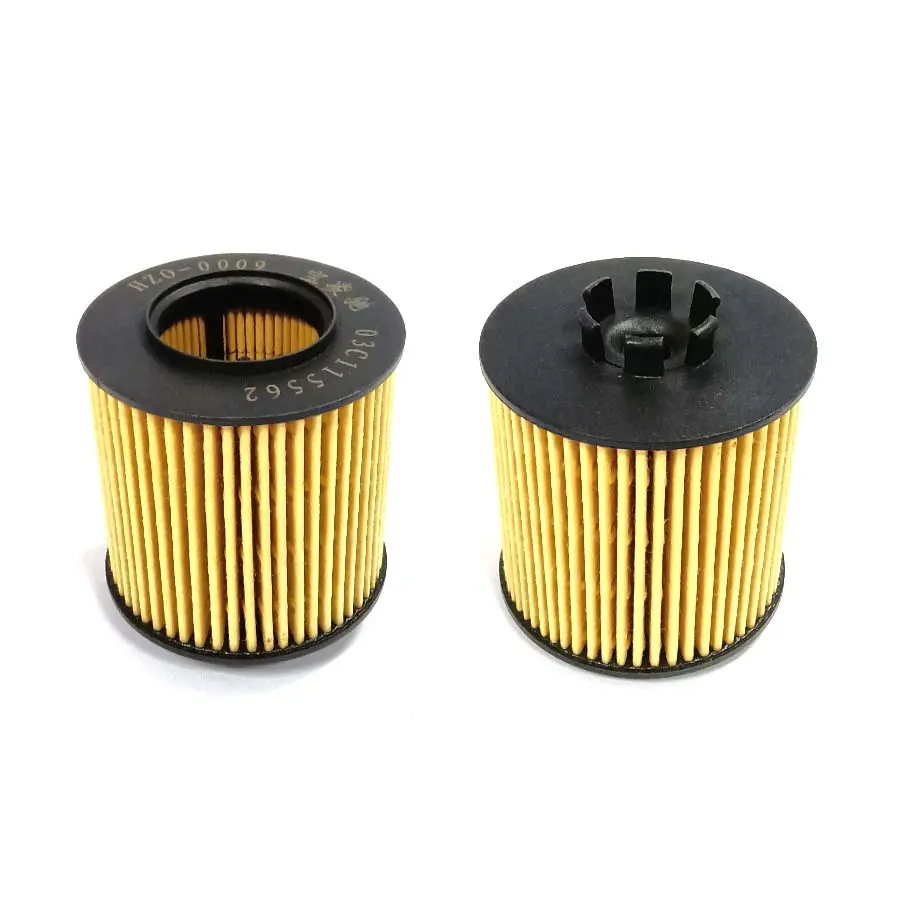
Oil filters keep harmful particles out of your engine oil. They wear over time and must be replaced regularly.
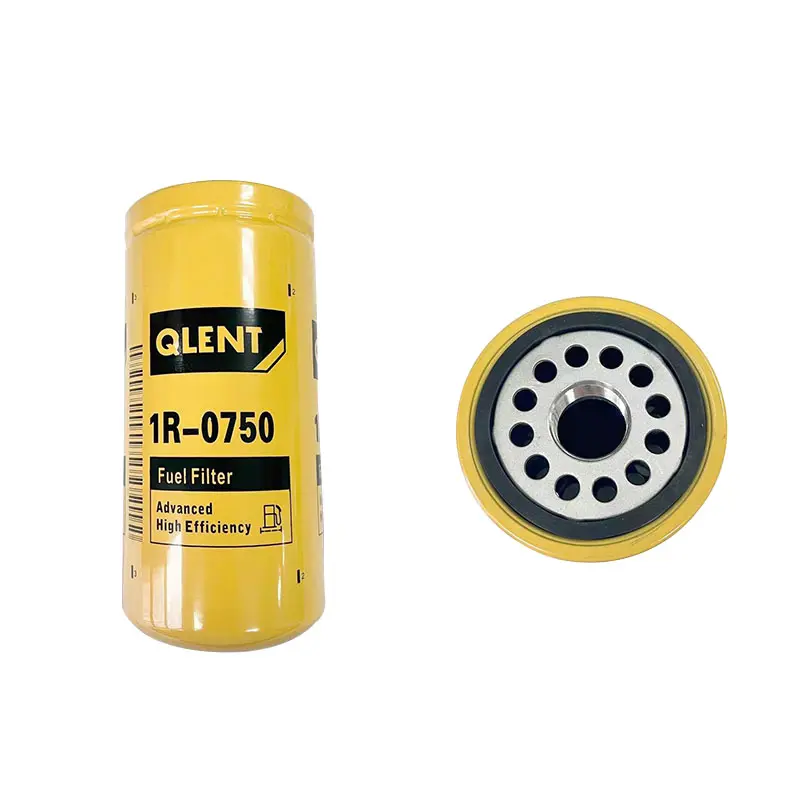
If you skip this, engine damage may occur. Fuel filters ensure that clean fuel reaches the engine.
A failing fuel filter causes misfires and poor acceleration.
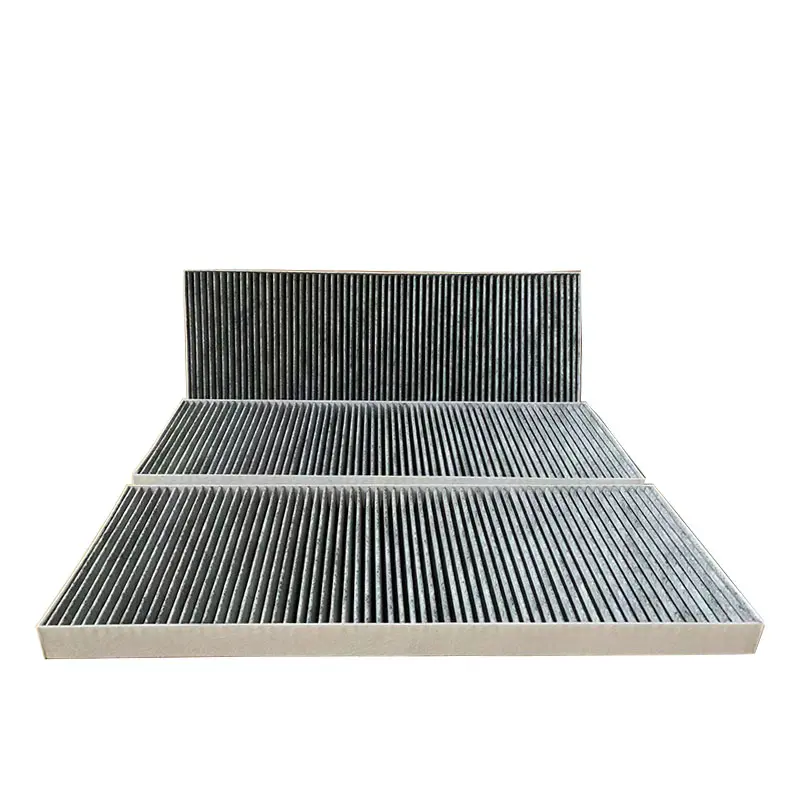
Lastly, cabin filters improve air quality inside the vehicle. They catch dust and allergens. A dirty cabin filter
can lead to unpleasant odors. Regular maintenance is necessary to keep all these filters in good condition.
Key Factors to Consider When Selecting an Automotive Filter
Choosing the right automotive filter is crucial for your vehicle's performance. The primary types are air, oil, fuel, and cabin filters. Each serves a specific purpose. For example, air filters prevent dirt from entering the engine. Clean air is essential for combustion. A clogged air filter can lead to decreased engine efficiency.
When selecting a filter, consider the specific requirements of your vehicle. Look into the model and make for compatibility. Not all filters fit every vehicle. You might find options that seem appealing but don't perform well. Price can be tempting, but low-cost filters may lack quality. Materials used can greatly affect filtration efficiency.
Pay attention to maintenance schedules as well. Regularly replacing filters can prevent costly repairs down the line. It’s easy to overlook this aspect. Some filters may need frequent changes, while others can last longer. Knowing your vehicle’s needs is key. Always check owner manuals or consult a professional if in doubt. A little research can lead to better choices.
Understanding Filter Specifications: Micron Ratings and Flow Rates
When selecting an automotive filter, understanding specifications like micron ratings and flow rates is crucial. Micron ratings indicate the size of particles a filter can trap. For example, a filter rated at 10 microns can capture dirt, dust, and even some bacteria. According to industry reports, filters with lower micron ratings provide better filtration but may restrict flow. This balance is essential for ensuring engine performance.
Flow rates relate to how quickly fluids can pass through the filter. High flow rates are vital for maintaining engine efficiency. A filter with insufficient flow may lead to engine strain. Reports show that filters that maintain a flow rate of at least 10 gallons per minute are optimal for most vehicles.
**Tips:** Always check manufacturer specifications before making a choice. It's easy to overlook these details, but they significantly affect performance. If in doubt, seek expert advice. Be prudent; not all filters may suit your vehicle's specific needs. Sometimes, a higher cost does not guarantee better performance.
How to Choose the Right Automotive Filter for Your Vehicle? - Understanding Filter Specifications: Micron Ratings and Flow Rates
| Filter Type |
Micron Rating |
Flow Rate (GPH) |
Recommended Change Interval (miles) |
Application |
| Oil Filter |
20-30 microns |
30 |
5,000 - 7,500 |
Motor oil filtering |
| Air Filter |
5-10 microns |
50 |
15,000 - 30,000 |
Engine intake air |
| Fuel Filter |
5 microns |
20 |
30,000 - 50,000 |
Fuel system |
| Cabin Air Filter |
1-2 microns |
N/A |
15,000 - 25,000 |
Passenger compartment air |
The Importance of Filter Maintenance and Replacement Schedules
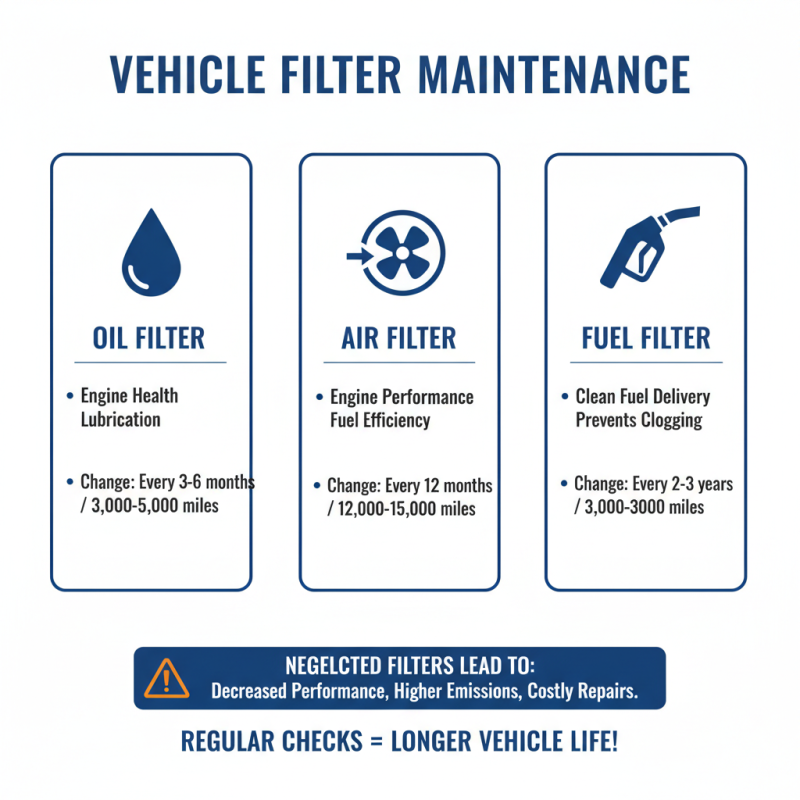
Maintaining your vehicle's filters is crucial. Filters, such as oil, air, and fuel filters, play significant roles in the efficiency of your vehicle. Neglecting them can lead to issues such as decreased performance and higher emissions. Drivers often overlook the maintenance schedules, thinking filters last indefinitely. In reality, each filter has its lifespan. Regular checks can help you avoid costly repairs.
Different driving conditions affect how often filters need replacing. For instance, city driving can clog air filters quicker than highway driving. This is an example of how we sometimes misjudge the environment's impact on vehicle maintenance. Setting reminders for filter checks can be beneficial, yet many of us forget. Keeping track of mileage since the last replacement is essential.
If filters are not replaced on time, it can lead to engine strain. The consequences might not be evident immediately, but long-term neglect can be costly. A simple upkeep task can spare you from major mechanical issues. Reflecting on your vehicle's filter maintenance routine could reveal oversights. It’s not just about driving; it’s about caring for your vehicle.
Impact of Quality Filters on Vehicle Performance and Longevity
Choosing the right automotive filter can greatly affect your vehicle's performance and longevity. Quality filters ensure clean air, oil, and fuel flow through the engine. A dirty filter can restrict airflow, which often leads to decreased efficiency. Over time, it might even cause engine wear. Regularly replacing filters can save you money on repairs.
Many owners overlook the importance of filters. A cheap or low-quality filter may not offer the same level of protection. This can lead to discrepancies in engine performance. Some filters might seem adequate but can clog quickly. Inadequate filtration can lead to dirt entering sensitive engine parts. It’s essential to choose wisely and to understand the specific needs of your vehicle.
Investing in high-quality filters pays off in the long run. It enhances overall performance and keeps the engine running smoothly. A well-maintained engine leads to a reliable vehicle. Neglecting this aspect may seem minor, but it can result in significant issues over time. Consider evaluating your current filters and their condition regularly.
Impact of Automotive Filter Quality on Vehicle Performance
This chart illustrates the impact of filter quality on vehicle performance and longevity. High-quality filters significantly improve engine efficiency and prolong the lifespan of your vehicle compared to lower quality alternatives.

 Products
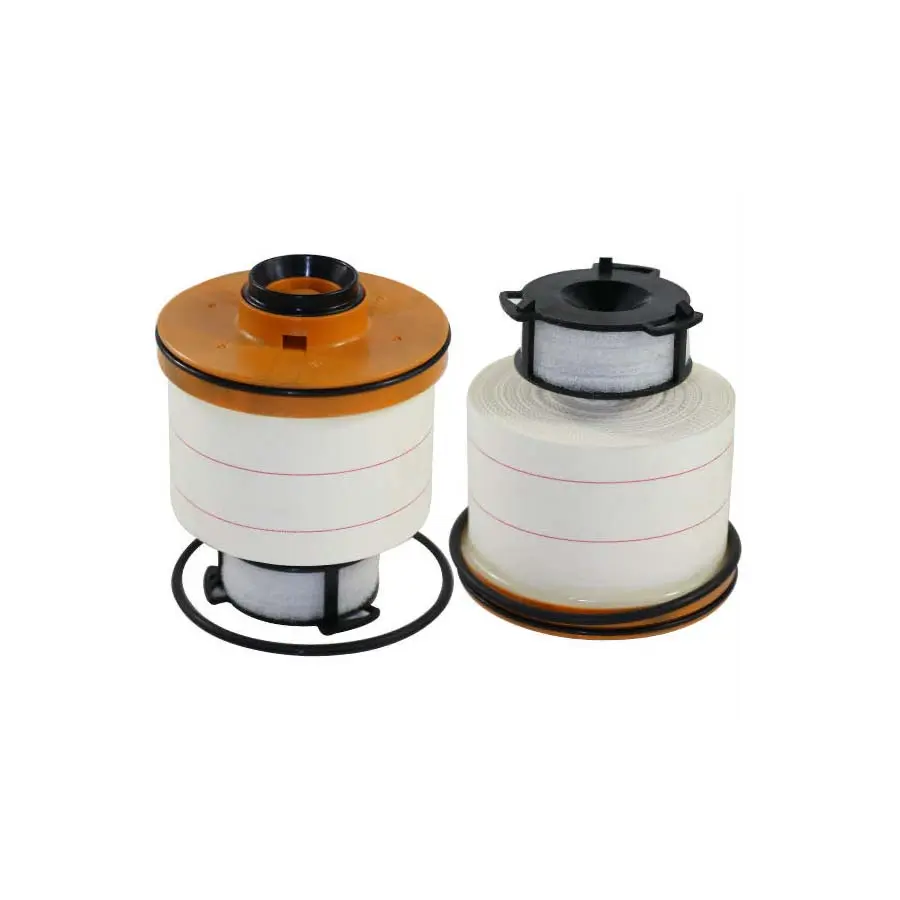 FUEL FILTER
 OIL ELEMENT FILTER
 OIL FILTER
 CABIN FILTER
 AIR FILTER