How to Choose the Right Engine Filter for Your Vehicle?
Choosing the right engine filter for your vehicle is crucial for performance and longevity. According to a report by the National Automotive Dealers Association, a clean engine filter can improve fuel efficiency by up to 10%. This significant improvement underlines the importance of selecting the appropriate filter for your specific model.
However, many drivers overlook this key component. A survey from the Automotive Service Association found that 30% of vehicle owners do not replace their engine filters regularly. This negligence can lead to engine wear and wasted fuel. Engine filters have a direct impact on air and fuel intake, affecting overall vehicle health.
When considering an engine filter, pay attention to quality. Not all filters are created equal. Some might seem cheaper but can damage your engine in the long run. Research suggests that using high-quality filters can extend engine life by an average of 20,000 miles. It’s worth investing in the right engine filter, yet many still gamble with their choices. This raises a point for reflection: when will we prioritize our vehicles' needs over cost?
Understanding the Function of Engine Filters in Vehicles
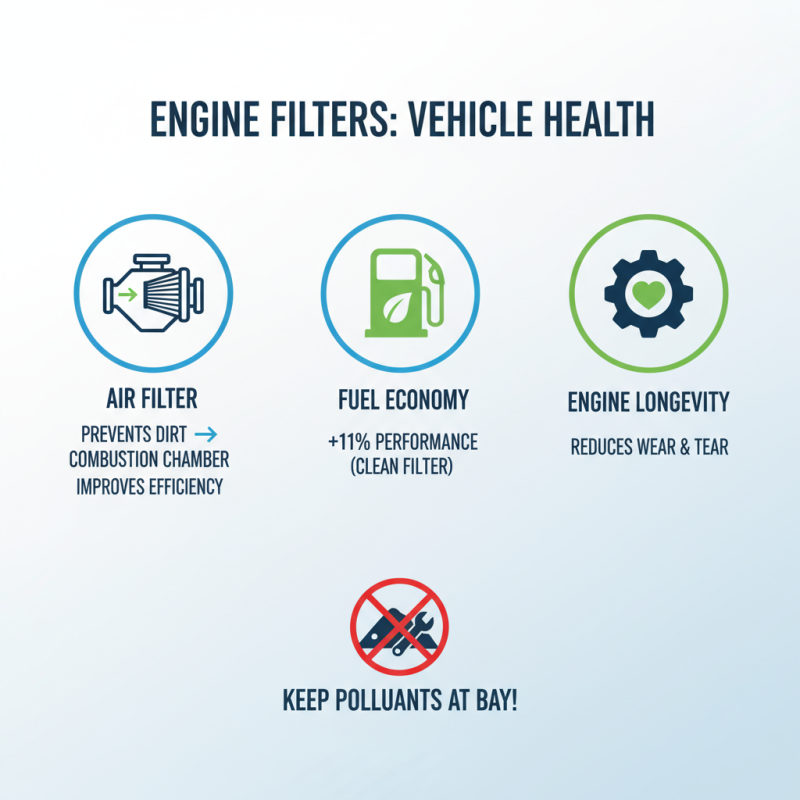
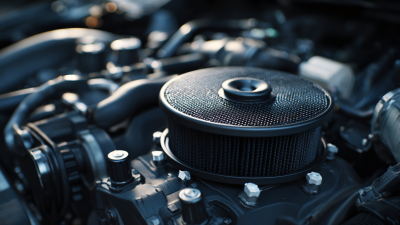
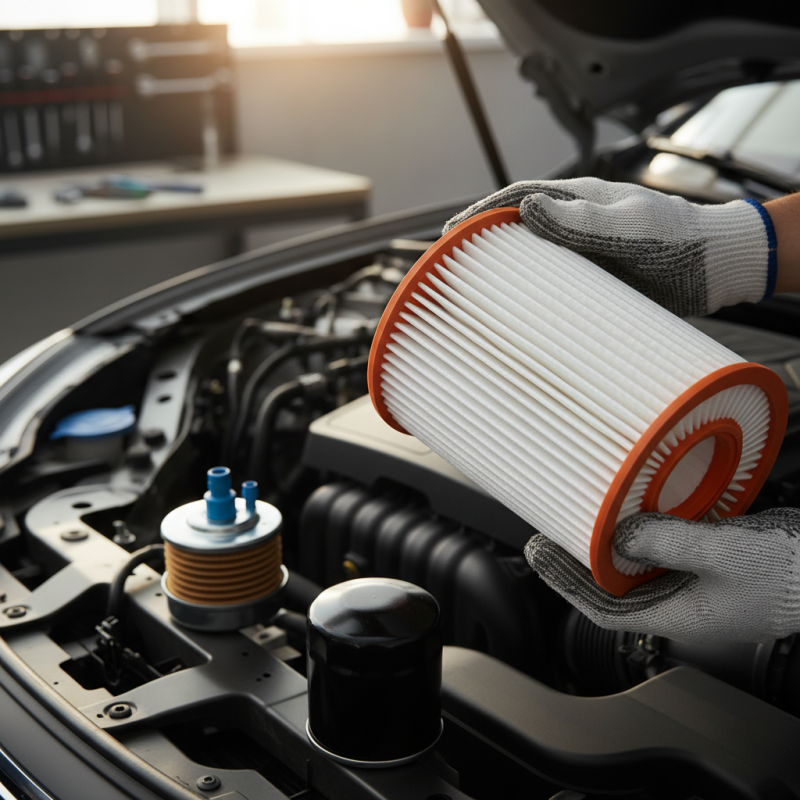
Engine filters play a critical role in maintaining your vehicle's health. They ensure that pollutants and debris are kept at bay. In the engine compartment, the air filter prevents dirt from entering the combustion chamber. This improves engine efficiency and longevity. A clean air filter can enhance engine performance by up to 11%. This is crucial for fuel economy.
Oil filters, on the other hand, remove contaminants from the engine oil. According to industry reports, dirty oil can cause severe engine wear and diminish performance. A quality oil filter captures particles as small as 10 microns. When these filters are neglected, it may lead to engine failure. It's vital to adhere to the recommended replacement intervals to keep the engine running smoothly.
Regular inspections and replacements are necessary. However, many vehicle owners overlook this essential maintenance. Reports suggest that 27% of drivers change filters less frequently than recommended. This neglect can lead to costly repairs. Understanding how engine filters function can empower owners to maintain their vehicles effectively. Keeping filters clean is not just a recommendation; it's a necessity for optimal performance.
Types of Engine Filters: Air, Oil, and Fuel Filters Explained
Engine filters play a vital role in maintaining the performance of your vehicle. There are three primary types: air, oil, and fuel filters. Each type has a specific function and impact on engine longevity. For instance, air filters prevent dirt and debris from entering the engine, boosting fuel efficiency. According to industry statistics, a clean air filter can improve fuel efficiency by up to 10%. However, many drivers overlook this simple maintenance task.
Oil filters are equally important. They remove contaminants from the engine oil, ensuring proper lubrication. Research indicates that up to 60% of engine wear occurs during the first few minutes of operation. This highlights the need for regular oil filter changes. Neglecting to replace the oil filter can lead to oil sludge, reducing engine performance.
Fuel filters, on the other hand, keep impurities out of the fuel system. A clogged fuel filter can cause poor acceleration and reduced engine power. Reports show that 14% of cars experience fuel system issues due to dirty filters. It's crucial to replace them as outlined in the vehicle’s maintenance schedule. Ignoring these issues may lead to costly repairs down the road. Maintaining these filters is not just about performance; it's about protecting your investment.
Key Factors to Consider When Choosing Engine Filters
Choosing the right engine filter for your vehicle is crucial. Engine filters protect your engine from dirt and debris. A study showed that clean filters can improve engine efficiency by up to 10%. When selecting an engine filter, consider the type of filter needed: oil, air, or fuel. Each filter has a unique function and requires specific specifications.
Tips: Regularly check your filters. Dirty filters can lead to costly repairs. Look for filters with optimal filtration efficiency. Some filters have a higher dirt-holding capacity. This means they'll last longer before needing replacement.
Don’t forget about the installation process. An incorrect installation can lead to leaks or engine damage. Review user manuals or online resources for guidance. Some filters might look similar but have different fitting requirements. Pay attention to these details to avoid costly mistakes.
Read reviews and ratings on filters. Reliable sources can provide insights into filter performance. While many filters will meet basic requirements, some do a better job than others. Balancing cost and quality is essential for maintaining engine health.
How to Choose the Right Engine Filter for Your Vehicle?
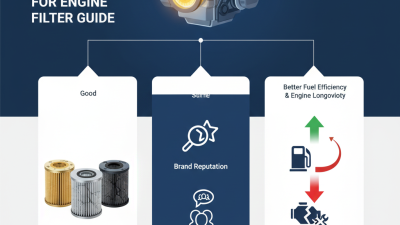
When selecting an engine filter, it's essential to consider various factors such as filter type, filtration efficiency, cost, and brand reputation. The following chart illustrates the distribution of key factors influencing the choice of engine filters:
How to Determine the Right Specifications for Your Vehicle's Filter
When determining the right specifications for your vehicle’s filter, it’s essential to consider several factors. First, the filter type matters. Engine filters can include oil, air, fuel, and cabin filters. Each has a specific role in maintaining optimal vehicle performance. Industry reports show that 80% of engine wear is due to inadequate filtration. Dust and impurities can lead to significant engine damage, which is costly.
Next, reference your vehicle's manual. It usually provides detailed specifications, including size and type. Pay attention to measurements and compatibility. A mismatch can reduce efficiency and increase engine strain. Research indicates that using the appropriate filter can enhance engine lifespan by up to 30%. However, not all filters meet the same standards.
Lastly, evaluate the filtration rating. Filters come with different grades, affecting how well they trap particles. Reports suggest that high-quality filters capture up to 98% of contaminants, while lower-grade ones may only filter around 70%. This disparity can have real implications on engine health. Take time for this step. Neglecting it might lead to unforeseen repairs. Remember, your vehicle deserves careful attention to avoid future issues.
Maintenance Tips for Extending the Life of Your Engine Filters
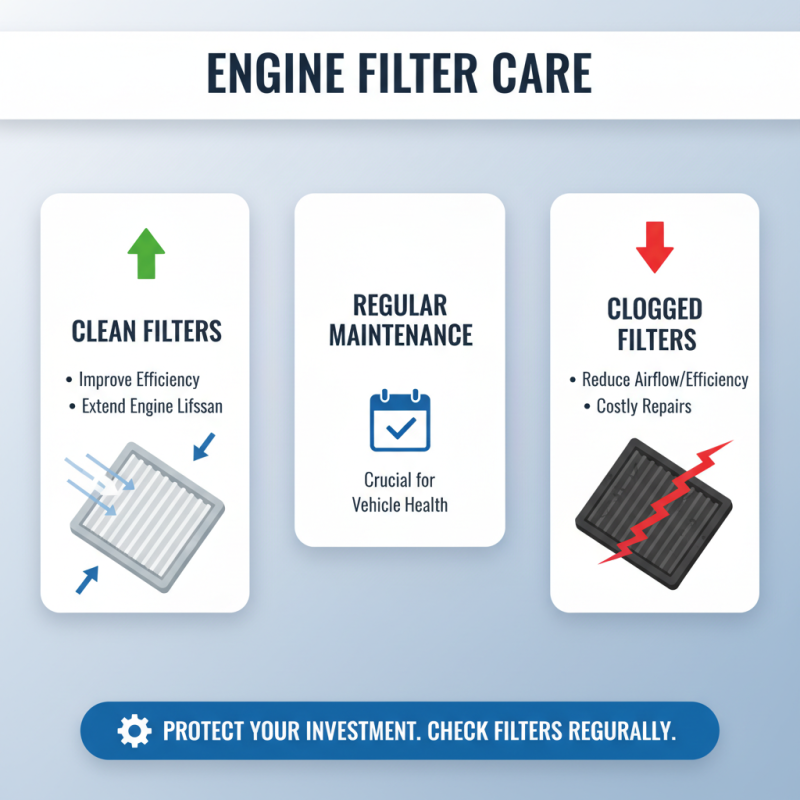
Engine filters play a critical role in maintaining your vehicle. Regular care can extend their lifespan. Clean filters improve engine efficiency. Clogged filters reduce airflow and efficiency. This can lead to costly repairs.
Check your engine filter regularly. Dirty filters are often overlooked. You might not notice any immediate problems. However, neglecting them can lead to bigger issues. Consider changing filters every 15,000 miles. This can prevent major engine damage. In dusty environments, more frequent checks are essential.
Cleaning is also a vital aspect. Use compressed air to remove dust. This can prolong the filter's effectiveness. However, avoid excessive force. You could damage the filter. Remember, replacing a filter is sometimes better than cleaning it. A new filter ensures optimal performance.

 Products
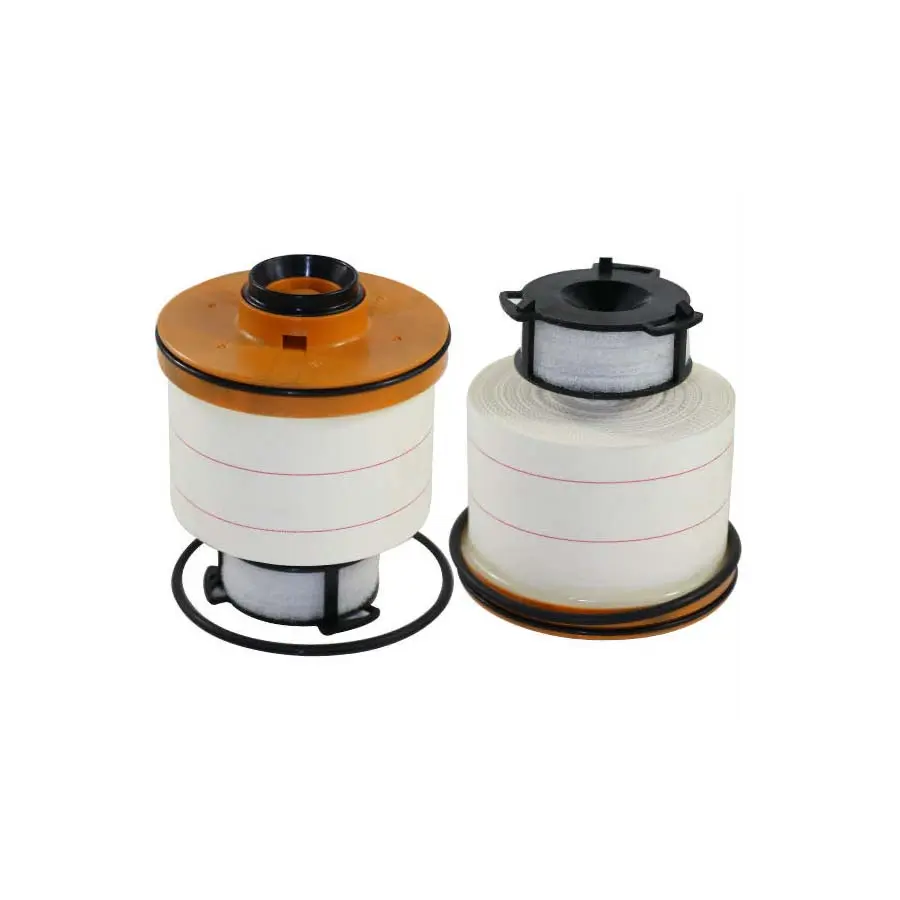 FUEL FILTER
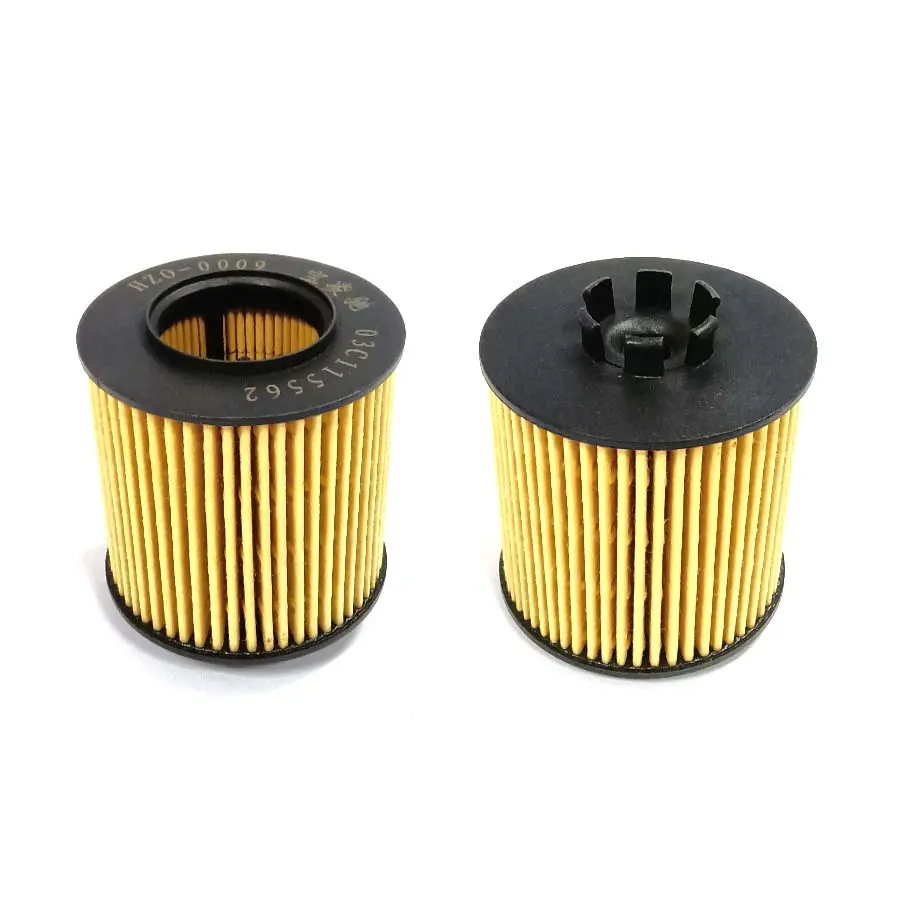 OIL ELEMENT FILTER
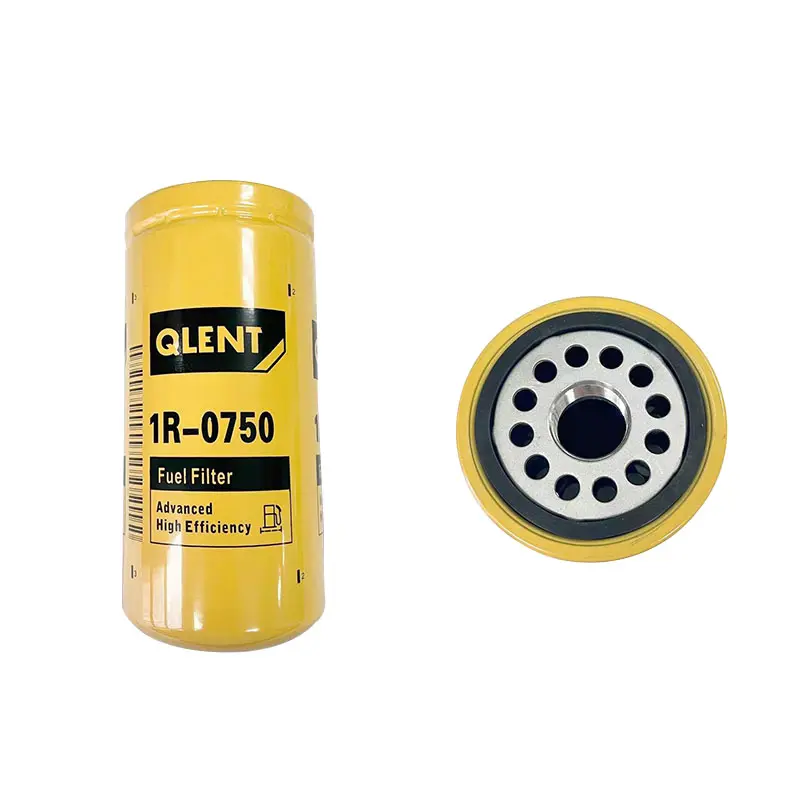 OIL FILTER
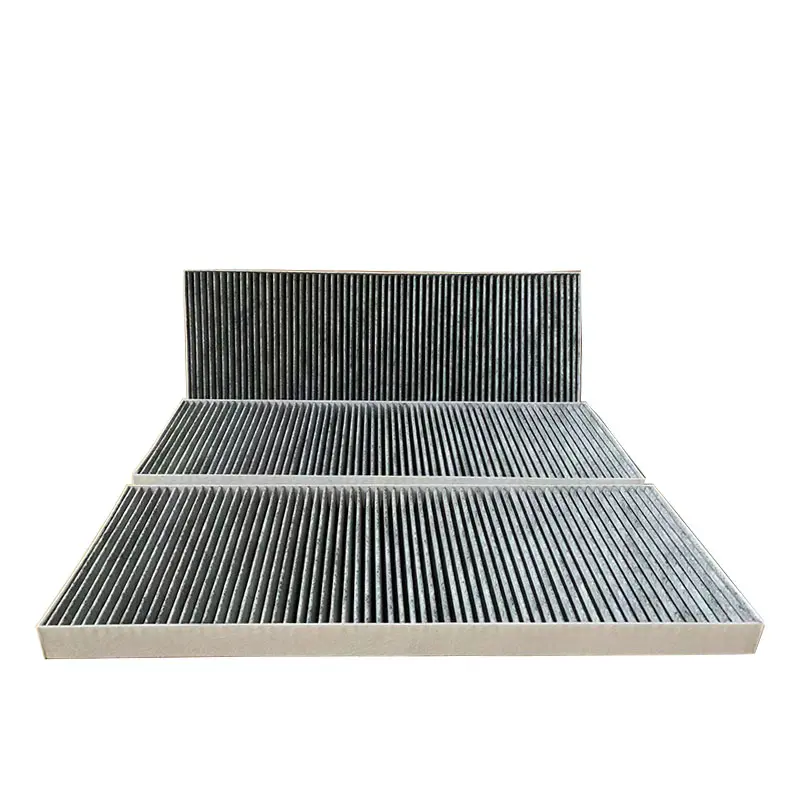 CABIN FILTER
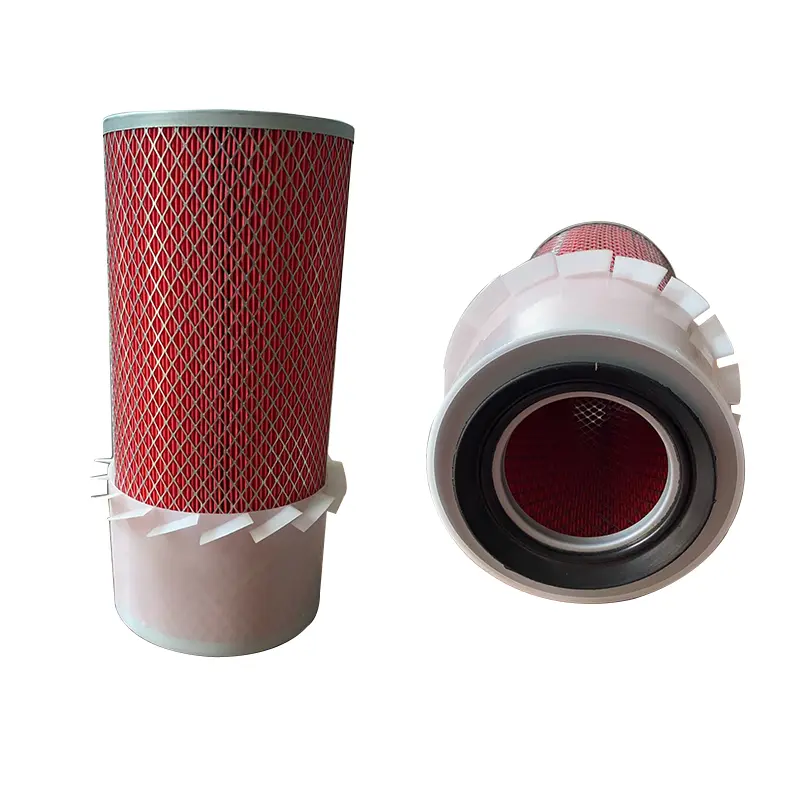 AIR FILTER