Inquiry
Form loading...

7 Engine Filter Buying Tips for Global Buyers

Global buyers often compare Engine Filter prices before checking what the numbers actually represent. Yet a low-cost element can restrict airflow, fit poorly, or require replacement sooner than expected. The details matter. A few millimeters of gasket mismatch can let dust bypass the media and reach the engine.

MarketsandMarkets’ Automotive Filters Market report tracks demand across vehicle types and filtration categories, while ISO 5011 provides standardized methods for evaluating air-cleaner performance. These references help buyers ask better questions: Was restriction tested at the required airflow? What dust-holding capacity was measured? Were results produced under comparable conditions? A market forecast is useful context, not proof that one supplier’s product will suit your equipment.

Engine filtration researcher David B. Kittelson’s work on diesel aerosols offers a relevant principle: “Particle capture and airflow must be considered together.” This is a practical paraphrase of the engineering issue, not a verified verbatim quotation. Buyers should request test reports, media specifications, dimensional drawings, and traceable batch records. Check them against the engine maker’s requirements.

Then look beyond the sample. Confirm production capacity, packaging, lead times, and the supplier’s process for handling defects. A glossy certificate is not enough. Ask for evidence tied to the exact part number. Even careful buyers can miss a detail; I would recheck the seal and test conditions before approving a large order. These seven buying tips are designed to make that review more systematic—and less dependent on price alone.

7 Engine Filter Buying Tips for Global Buyers

Understand Engine Filter Types and Their Functions

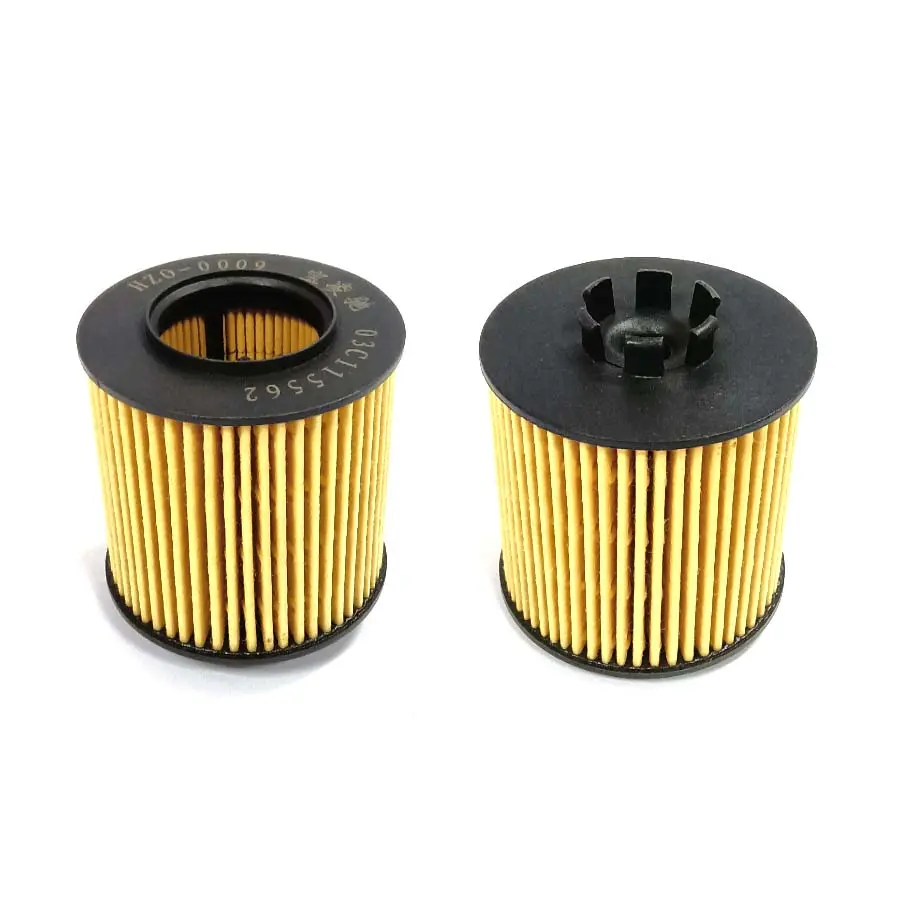
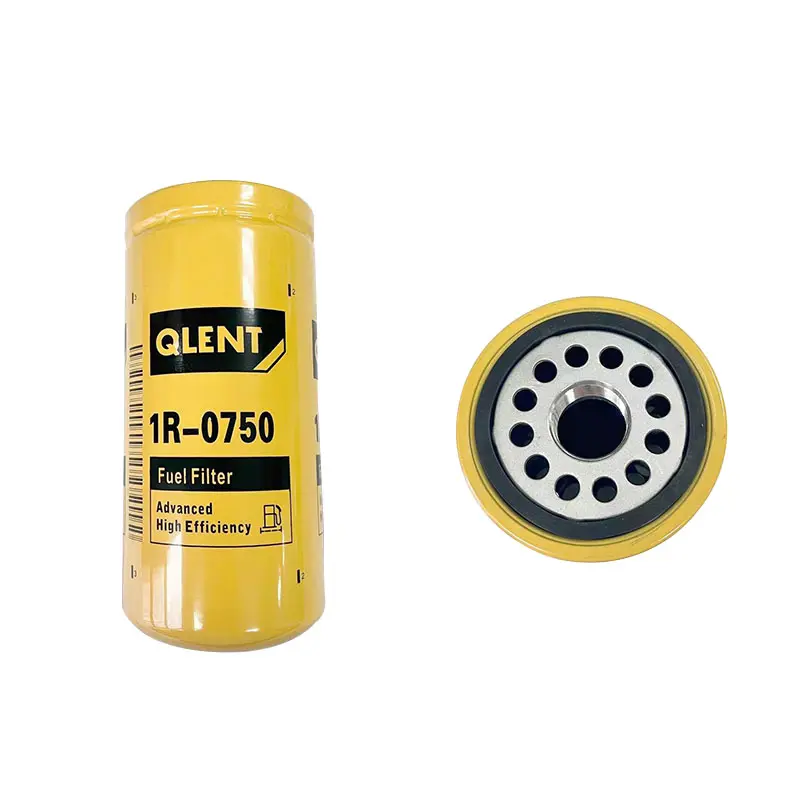
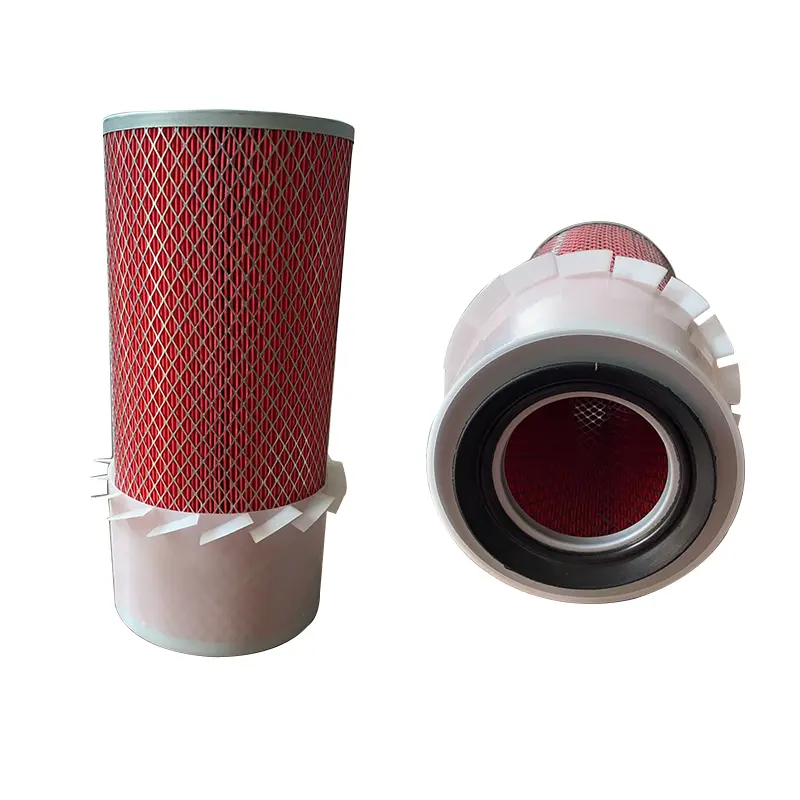
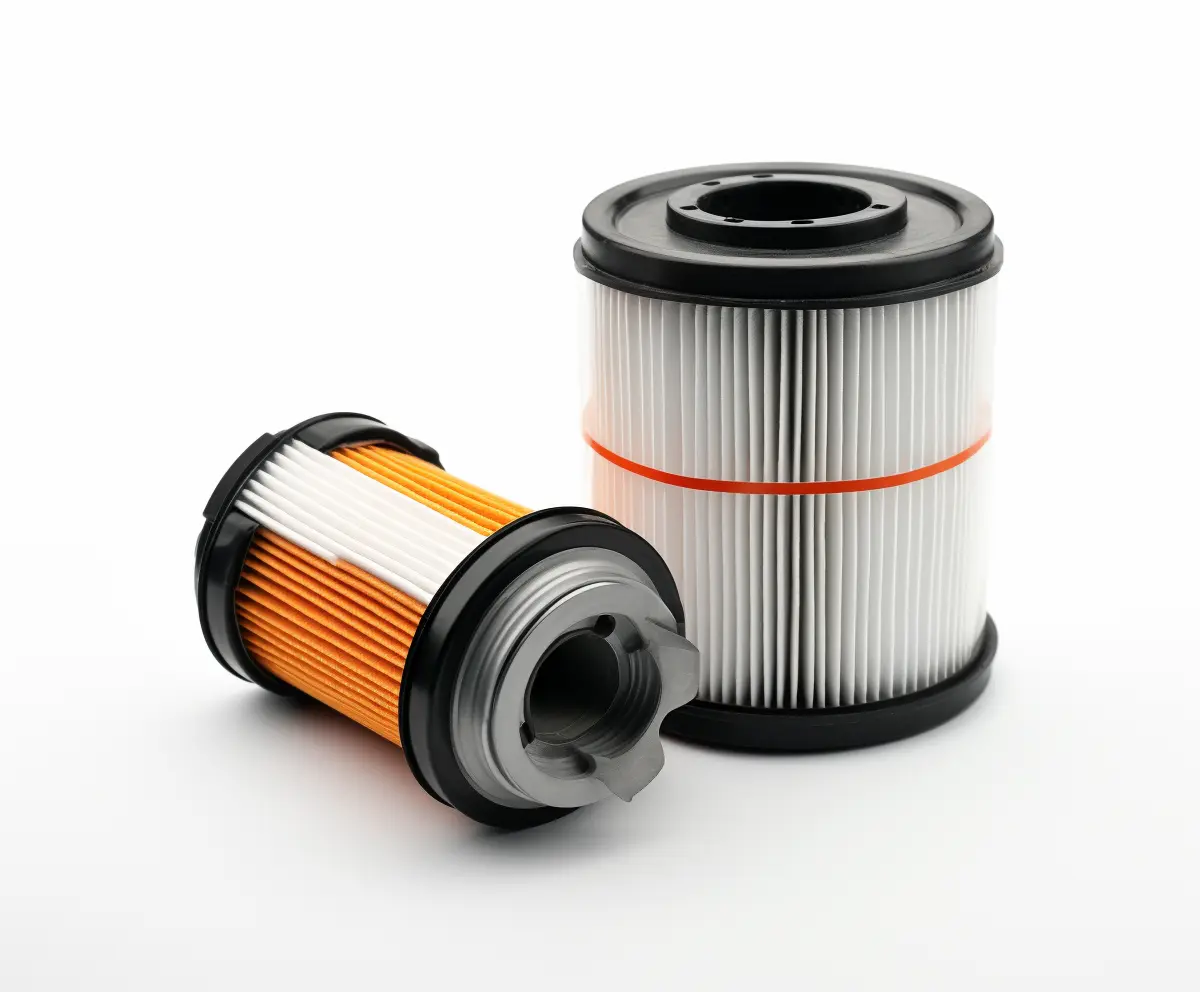
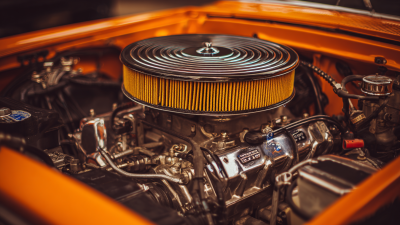
Engine filters do different jobs, so match the type to the fluid and operating conditions. The intake air filter traps dust before it reaches the cylinders; a loaded element can restrict airflow. Oil filters capture soot and wear particles circulating through the lubrication system. Fuel filters separate fine particles and, in many designs, water. Exhaust particulate filters catch soot after combustion. They are not interchangeable. A clean-looking filter can still be restricted.

For air cleaners, ISO 5011:2014 specifies tests for dust-holding capacity, restriction, and separation efficiency. For oil filters, ISO 4548-12:2007 describes multipass testing that measures particle-removal efficiency and contaminant capacity. These results help compare products, but test conditions matter: dust type, flow rate, and particle size can change performance. Check the equipment maker’s service requirements and the supplier’s test conditions. Small print matters.

Exhaust filtration has a measurable emissions role. The U.S. Environmental Protection Agency’s Verified Technologies List reports that verified diesel particulate filters can reduce particulate matter by at least 85 percent under specified conditions. That figure describes exhaust treatment, not ordinary intake filtration. In a dusty worksite, inspect the air-filter housing and sealing edge for fine dust trails. I still find that seal checks are easy to overlook. Don’t rely on appearance alone; compare pressure restriction and service records before replacing a filter.

Match Filter Specifications to Engine Requirements

7 Engine Filter Buying Tips for Global Buyers

Match Filter Specifications to Engine Requirements

An engine filter should match the engine, not just the housing. Check the equipment manual for the exact filter type, dimensions, flow needs, and bypass-valve setting. A few millimeters of difference can affect sealing. So can a mismatched valve pressure.

Compare test results, not vague claims like “high efficiency.” ISO 4548-12:2017 specifies multipass testing for engine lubricating-oil filters, including particle-removal efficiency and contaminant capacity. For context, ISO 16889:2022 defines a beta ratio of 200 as 99.5% efficiency at a stated particle size. That figure comes from a hydraulic-filter test method, however; it is not a direct engine-filter rating. Test methods matter.

Match the filter to real operating conditions. Frequent cold starts, dusty routes, long idle periods, or heavy loads can change service needs. For intake filters, ISO 5011:2020 evaluates efficiency, dust-holding capacity, and airflow restriction. Ask for results under the relevant test method, then check that the part fits the engine’s specified limits. Check the manual. A cross-reference number alone can miss a design difference. I would verify the engine model and serial range too; it is an easy step to overlook, and catalog data can be imperfect.

Assess Filtration Efficiency, Materials, and Durability

For engine air filters, ask for complete ISO 5011:2020 test results, not a lone efficiency claim. The standard measures filtration efficiency, dust-holding capacity, and airflow restriction under controlled conditions. Compare results at the engine’s rated airflow: a filter can capture fine dust yet create excessive pressure drop. As an initial screen, 99% efficiency may be useful for some intake applications, but it is not a universal pass mark. Check the equipment maker’s requirements and the test conditions.

Small print matters.

Material choice affects both performance and service life. Cellulose media can suit predictable, moderate-dust duty; synthetic or blended media may offer greater moisture resistance or dust capacity, depending on construction. SAE J726 testing also provides a framework for comparing air-cleaner performance. Request dust capacity in grams and restriction in kilopascals, then compare like with like. Inspect pleat spacing, end-cap bonding, and gasket compression; uneven pleats can load early, while a poor seal can let dust bypass the media.

Feel the seal. A few millimetres matter.

I would still question any “long-life” claim without test data from the intended airflow and dust conditions. Supplier figures are useful, but field dust is rarely as tidy as a laboratory test.

Verify Product Quality, Certifications, and Supplier Reliability

An engine filter may look sturdy on a desk and still fail under heat, vibration, or changing oil pressure. Ask for test data tied to the exact model, not a similar product. Check media consistency, pleat spacing, end-cap bonding, and gasket fit. A simple sample inspection can reveal uneven seams or a seal that shifts under light pressure. Small details matter.

Check whether certificates are current and cover the supplier’s actual site and product scope. A quality-system certificate is useful, but it does not prove every filter meets your specifications. Request traceable batch records and relevant performance results, such as pressure-drop or collapse testing. Requirements differ by market, so confirm which documents your application needs. Paperwork can look tidy; it is not the filter.

Supplier reliability shows up in routine communication. Ask how production lots are identified, how defects are investigated, and how quickly corrective-action reports are shared. Review sample consistency and delivery records, not just a polished catalogue. A low quote may still be reasonable, but clarify material changes and lead-time assumptions in writing. Even a careful checklist can miss something; reassess after the first shipment and record what the inspection found.

7 Engine Filter Buying Tips for Global Buyers — Verify Product Quality, Certifications, and Supplier Reliability
No. Buying Dimension What to Verify Practical Evidence or Check Why It Matters
1 Application and fit Confirm the filter type, dimensions, connection details, sealing surface, and intended engine or equipment application. Compare the supplier’s drawing and fitment data with the equipment manufacturer’s specification. Check part dimensions and installation requirements before ordering. A filter that looks similar may not seal correctly or provide the required flow and protection.
2 Filtration performance Request test data for efficiency, pressure drop, and dust-holding capacity under stated test conditions. For engine air cleaners, ask whether testing follows an applicable method such as ISO 5011. Compare results under equivalent conditions and against the engine or equipment requirements. Performance figures are meaningful only when the test method, conditions, and filter configuration are clear.
3 Structural strength and durability Check that the filter media, end caps, seams, seals, and housing withstand the operating environment and specified service conditions. Review relevant test reports for the filter type, including pressure or collapse resistance where applicable. Request samples for dimensional, seal, and workmanship inspection. Weak construction or poor sealing can allow unfiltered air or fluid to bypass the media.
4 Quality-management certification Determine whether the supplier’s quality system is appropriate for the product and intended market. Verify the certificate’s validity, issuing body, covered manufacturing site, and scope. ISO 9001 covers quality-management systems; it is not, by itself, proof that a particular filter meets performance requirements. Checking the certificate scope helps distinguish a valid management-system credential from product-level performance evidence.
5 Applicable standards and destination-market requirements Identify the standards, regulations, and documentation applicable to the filter and the country of sale. Ask for the exact standard and edition used in testing. For oil filters, relevant parts of the ISO 4548 series cover test methods for full-flow lubricating-oil filters for internal-combustion engines; applicability depends on the product. Standards are product-specific, and a test method should not be treated as a universal approval or market-access certificate.
6 Traceability and consistency Check whether production lots can be identified and whether changes to materials, design, or manufacturing are controlled. Request sample inspection records, lot or batch identification details, and the supplier’s process for notifying buyers of product changes. Confirm that production samples match approved samples. Traceability supports investigation and corrective action if a shipment has quality issues.
7 Supplier reliability and delivery readiness Assess manufacturing capability, communication, lead-time commitments, packaging, and export-document readiness. Review recent sample performance, production capacity evidence, quality-response procedures, packaging specifications, and agreed delivery terms. Clarify inspection, claims, and replacement procedures in writing. Reliable documentation and clear processes help reduce supply disruption, transit damage, and disputes across borders.

Compare Total Cost, Availability, and International Shipping Terms

A low unit price can hide a high delivered cost. Compare the filter price with minimum order quantities, packing charges, freight, insurance, and expected import fees. Ask whether the quote is per piece or per carton, and confirm the carton count before comparing suppliers. Small details matter. A spreadsheet helps, but it can still miss currency changes or storage costs at your receiving warehouse.

Check availability by part number, dimensions, filtration rating, and seal material. A listing marked “in stock” may cover only part of your order. Request a written quantity and dispatch estimate, especially before seasonal maintenance periods. For repeat purchases, ask how much notice is needed for replenishment. Lead times can shift; assuming otherwise is an easy mistake.

Review the shipping term and named destination on every quotation. These details clarify who arranges transport, pays specific charges, and handles export or import steps. Request the package weight, dimensions, and protective packing details. Filters exposed to water, crushing, or dust may arrive unusable. Compare delivery estimates using the same route and service level, then confirm which documents accompany the shipment. When responsibilities remain unclear, get them clarified in writing before payment.