Why is Cabin Air Filter Essential for Your Vehicle Maintenance?
The Cabin Air Filter plays a vital role in vehicle maintenance, though it often goes unnoticed. It filters out harmful pollutants, allergens, and particulate matter, ensuring clean air circulates within the cabin. According to the Automotive Maintenance Industry Report 2023, up to 30% of drivers neglect to replace their cabin air filters regularly. This oversight can lead to decreased air quality and respiratory issues for passengers.
Expert Michael Thornton, an automotive air quality specialist, emphasizes, “A well-maintained Cabin Air Filter is crucial for both driver comfort and health.” His insight highlights the importance of this component in enhancing the in-car environment. A clogged air filter not only compromises air quality but can also strain the vehicle’s HVAC system.
Many vehicle owners remain unaware of the potential risks associated with a dirty cabin air filter. Regular replacement can remarkably improve air flow and maintain a comfortable cabin climate. Reflecting on maintenance practices reveals a common pitfall: prioritizing visible car parts while ignoring hidden components like the Cabin Air Filter. This dissonance can lead to reliance on unhealthy air, making awareness and regular checks essential.
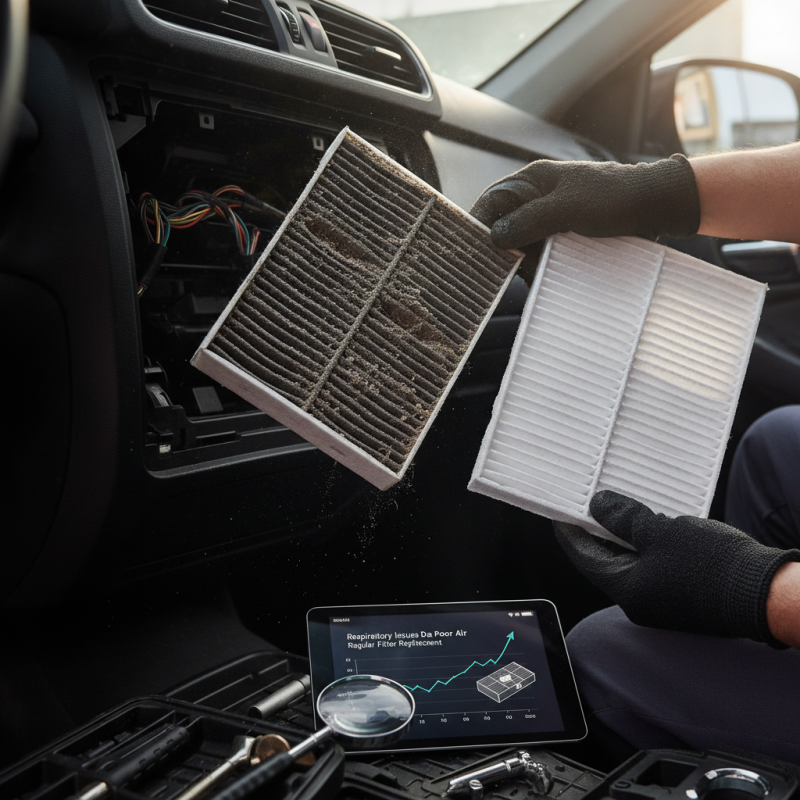
Importance of Cabin Air Filter in Vehicle Health
The cabin air filter plays a crucial role in maintaining vehicle health. It traps dust, pollen, and other pollutants before they enter your car’s interior. A clean filter ensures that the air you breathe while driving is free from harmful particles. Over time, however, this filter can become clogged. A clogged filter can lead to reduced airflow and odors inside the cabin. You might notice this when air conditioning or heating systems struggle to work efficiently.
Regularly checking and replacing the cabin air filter should be part of routine vehicle maintenance. A dirty filter can cause increased strain on your vehicle's HVAC system. If that system is overworked, it may lead to more significant issues down the line.
Replacing it is a straightforward task that can improve air quality and comfort. Neglecting this vital component may lead to unexpected problems and repairs that can strain your wallet.
Some drivers overlook the importance of clean air filters until they face the consequences.
Ignoring the signs can harm your health and that of your passengers. It’s essential to prioritize this small yet significant part of your vehicle’s upkeep. The benefits of a fresh cabin air filter far outweigh the effort of replacing it, making it a worthwhile consideration for any vehicle owner.
Understanding the Function of Cabin Air Filters
Cabin air filters play a crucial role in vehicle maintenance. They clean the air entering the cabin, filtering out dust, pollen, and other pollutants. This ensures that passengers breathe fresh, clean air while driving. On average, these filters need replacement every 12,000 to 15,000 miles. However, this can vary based on driving conditions.
When driving in urban areas or near construction sites, your filter may become clogged faster. This can impact air quality inside your vehicle. A dirty cabin air filter can also strain the HVAC system, leading to poor ventilation. You might notice musty odors as a sign of a filter needing attention.
**Tips:** Regularly check your cabin air filter. Look for any visible dirt or debris. Consider changing it seasonally, especially before winter and summer months. This not only improves air quality but also enhances the efficiency of your vehicle’s heating and cooling systems. Remember, a clean cabin air filter contributes to overall comfort and safety while driving.
Why is Cabin Air Filter Essential for Your Vehicle Maintenance? - Understanding the Function of Cabin Air Filters
| Aspect |
Description |
| Function |
Filters out pollutants and allergens from the air entering the vehicle. |
| Importance |
Ensures clean air inside the vehicle and enhances passenger comfort and safety. |
| Maintenance Frequency |
Recommended replacement every 12,000 to 15,000 miles or annually. |
| Signs of Clogging |
Decreased airflow, unpleasant odors, and increased dust accumulation inside the vehicle. |
| Impact on HVAC System |
A clean cabin air filter helps maintain efficient HVAC operation, prolonging system lifespan. |
Signs Your Cabin Air Filter Needs Replacement
The cabin air filter is crucial for maintaining a healthy vehicle environment. However, many drivers overlook its condition until problems arise. Awareness of the signs indicating a need for replacement can improve your driving experience.
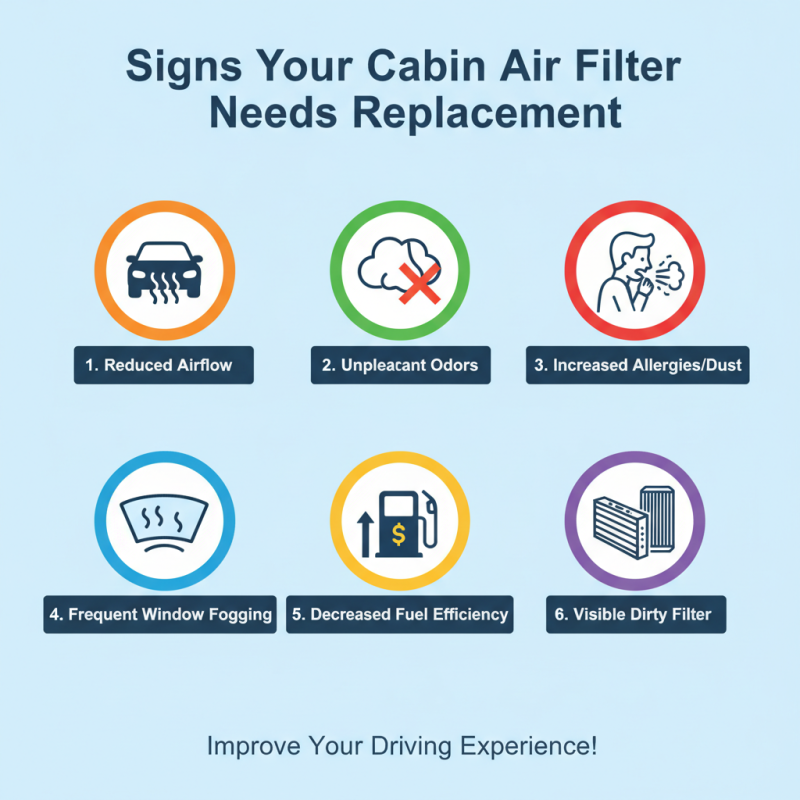
One clear sign is reduced airflow from the vents. If you notice a significant decrease in air output, your filter might be clogged. According to the U.S. Department of Energy, a clean cabin air filter can improve airflow by 30% or more. Another indicator is unpleasant odors inside the vehicle. A faulty filter cannot effectively capture dust and pollutants, leading to discomfort during drives.
Moreover, if you experience increased allergy symptoms when inside your car, this is a red flag. The American Academy of Allergy, Asthma & Immunology emphasizes that poor air quality can exacerbate respiratory problems. Regular inspections are essential. Industry reports suggest replacing the cabin air filter every 15,000 to 30,000 miles, depending on driving conditions. Ignoring these signs can affect both health and comfort.
Steps for Proper Cabin Air Filter Maintenance
Maintaining your cabin air filter is vital for your vehicle's overall performance. A clean filter improves air quality inside the vehicle. Research shows that nearly 30% of vehicles on the road have a clogged cabin air filter. This can lead to poor airflow, making your HVAC system work harder and reducing its efficiency.
To avoid these issues, regularly check your cabin air filter. The general recommendation is to replace it every 15,000 to 20,000 miles. However, this can vary based on driving conditions. If you often drive in polluted areas, consider changing it more frequently. Dust, pollen, and allergens can accumulate and negatively impact your health. Studies indicate that new filters can reduce harmful particles by up to 98%.
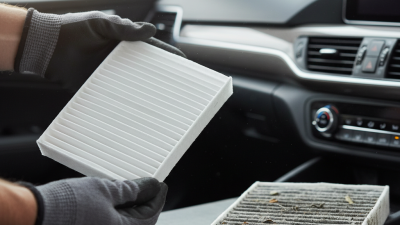
Inspecting the cabin air filter is simple. Locate the filter, typically behind the glove box. Remove it and check for dirt and debris. If it appears dirty, replace it. Neglecting this maintenance can lead to unpleasant odors and diminished air quality. Regular upkeep not only enhances comfort but also supports vehicle longevity.
Cabin Air Filter Maintenance Over Time
Regular maintenance of the cabin air filter is crucial for ensuring clean air circulation within your vehicle. This bar chart illustrates the performance of cabin air filters over different time periods, showing a decrease in effectiveness as the filter ages.
Effects of a Clogged Cabin Air Filter on Comfort and Safety
A clogged cabin air filter significantly affects your driving experience. It can lead to unpleasant odors inside your vehicle. Dust, pollen, and other contaminants accumulate over time. These particles can enter the cabin, creating an uncomfortable environment. Breathing in polluted air can worsen allergies and respiratory issues.
When the filter is blocked, airflow decreases. This can make your car’s ventilation system less effective. A weak air circulation can cause the windows to fog up. This is especially problematic in colder weather. Visibility decreases, leading to potential safety concerns. Furthermore, a malfunctioning system can stress other components, like the blower motor.
When maintaining your vehicle, don’t overlook the cabin air filter. Regular inspections are key to ensuring comfort and safety. A clean filter improves air quality and keeps everyone safe on the road. Although it might seem minor, neglecting this component can have serious repercussions. Monitoring this aspect of vehicle maintenance is a small step toward a more pleasant driving experience.

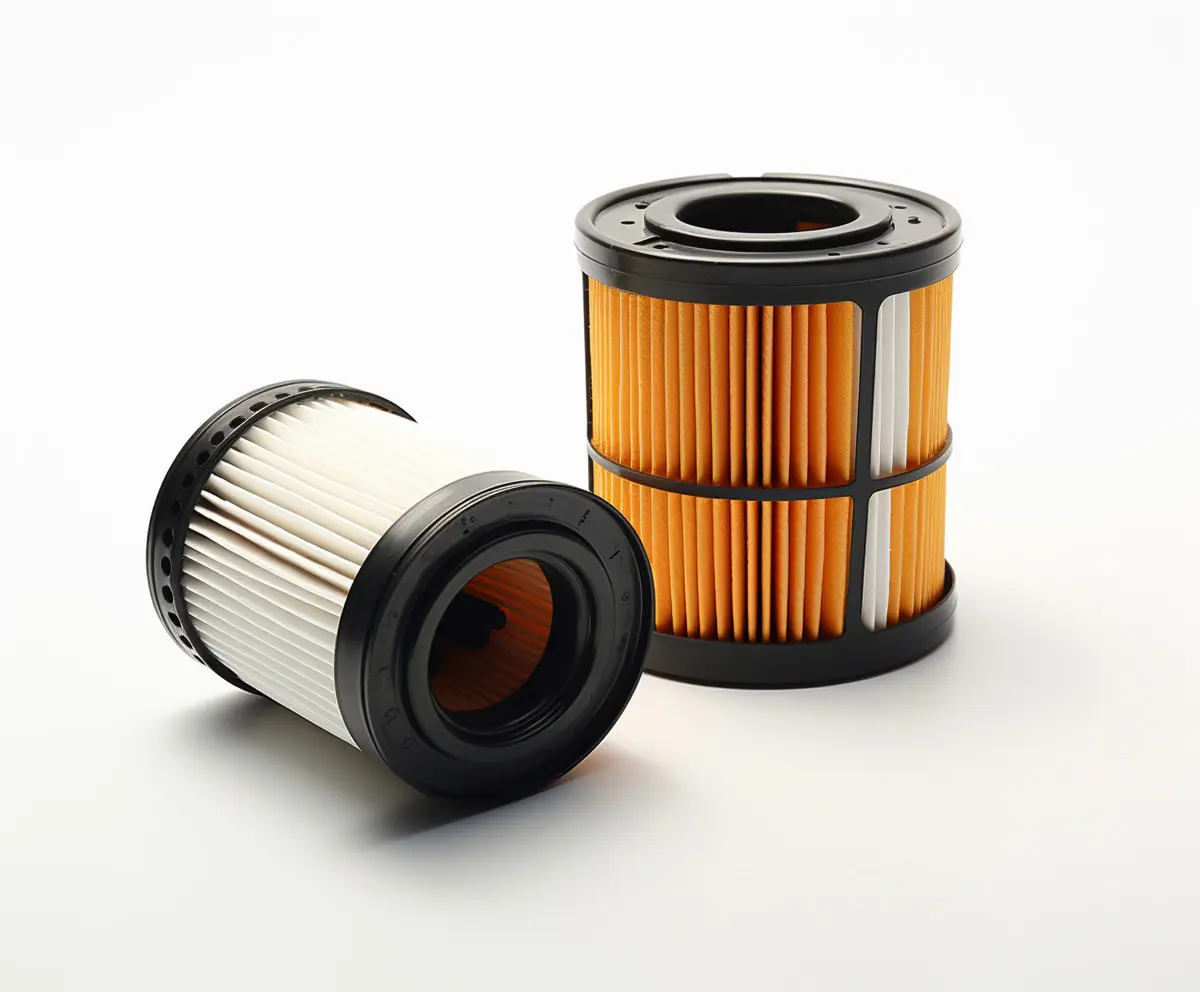 Products
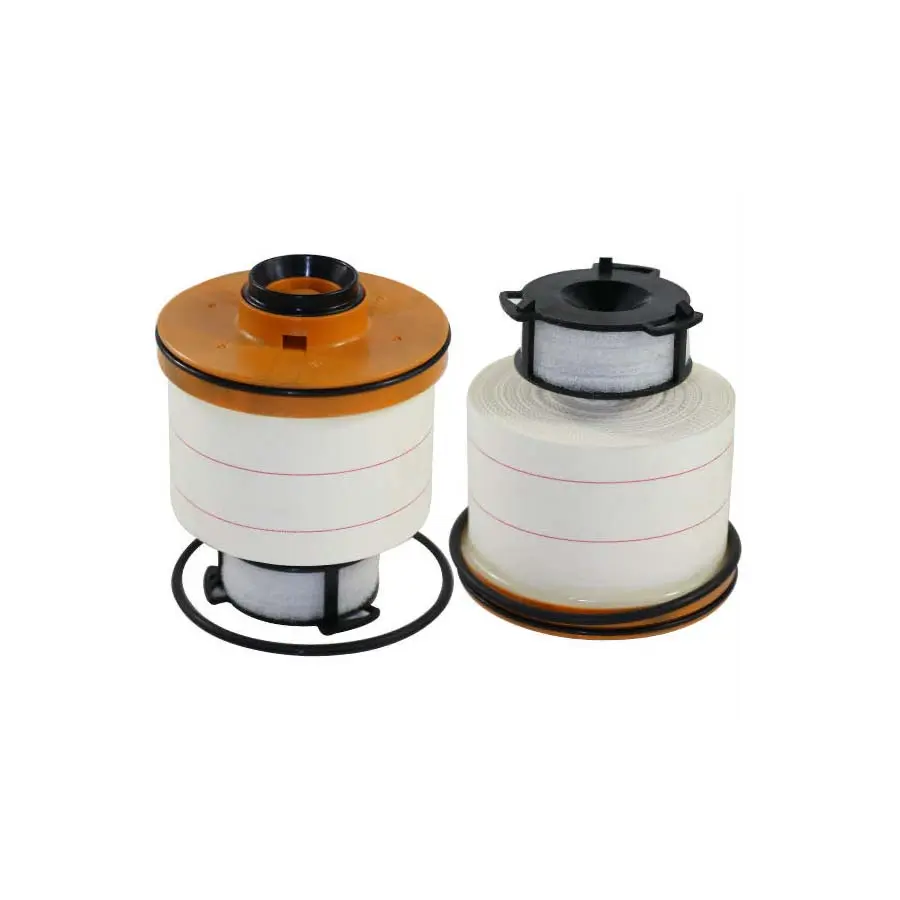 FUEL FILTER
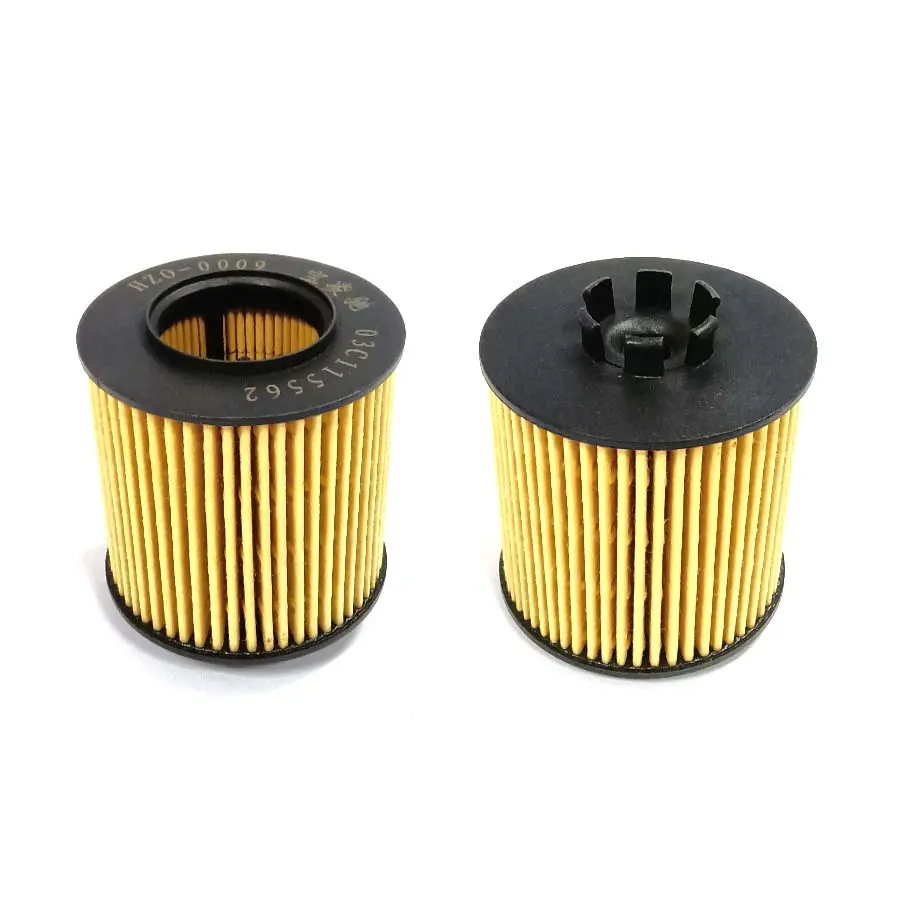 OIL ELEMENT FILTER
 OIL FILTER
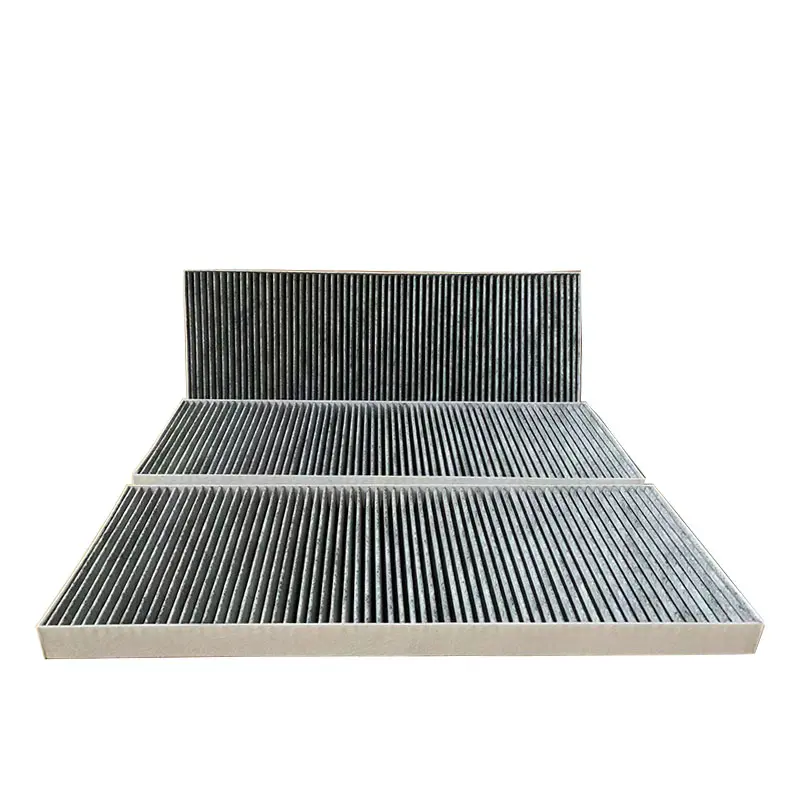 CABIN FILTER
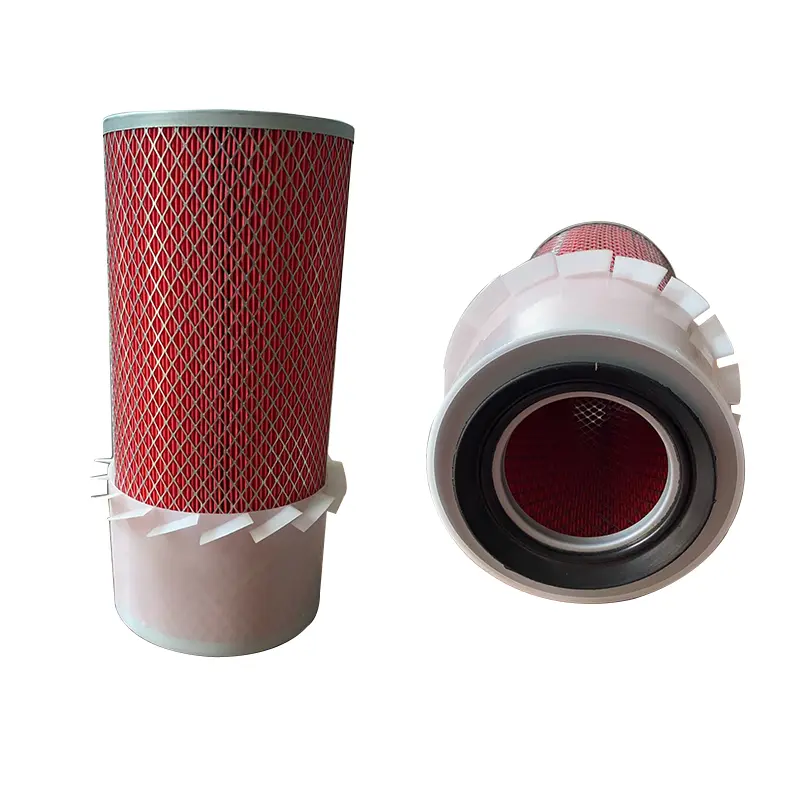 AIR FILTER