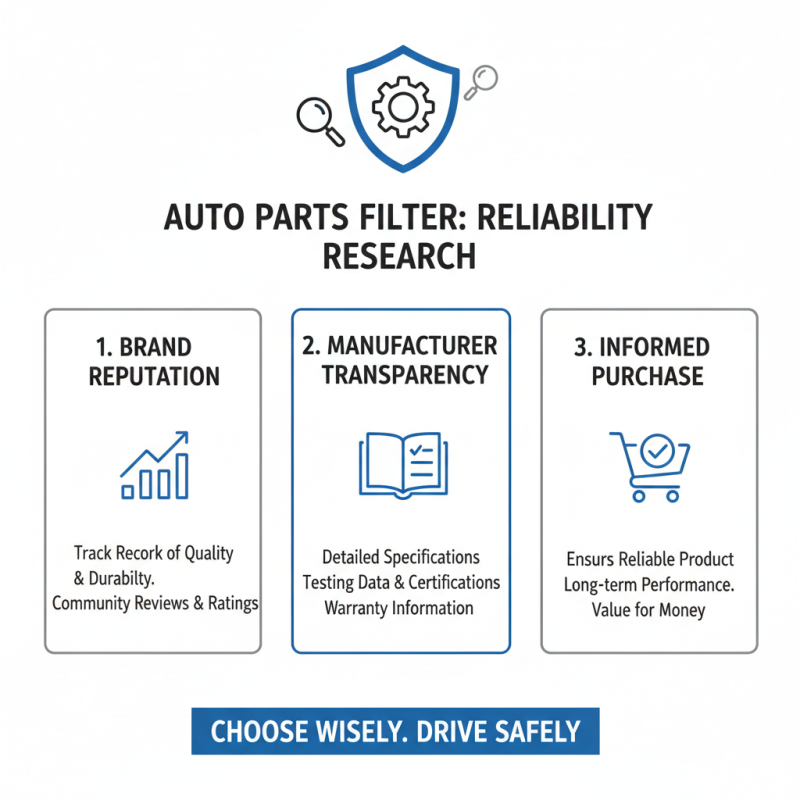
Top 10 Essential Tips for Choosing the Right Auto Parts Filter?
In the world of automotive maintenance, selecting the right Auto Parts Filter is crucial. Experts emphasize its importance. John Smith, an industry veteran, once stated, "Choosing the correct filter enhances performance and prolongs engine life."
Filters play a vital role in keeping your vehicle running smoothly. The right Auto Parts Filter ensures that impurities do not enter the engine. This choice can impact fuel efficiency. One poorly chosen filter can lead to costly repairs.
Take time to understand your vehicle's needs. Different makes and models require specific filters. Research is essential. There is a learning curve. Mistakes happen, but learning from them is what counts. Remember, the right Auto Parts Filter is a significant investment in your vehicle's longevity.
Understanding the Different Types of Auto Parts Filters Available
When selecting the right auto parts filter, it's essential to understand the different types available. Filters play a crucial role in your vehicle's performance. They keep the engine clean and help it run efficiently. This is why knowing the various filters is vital.
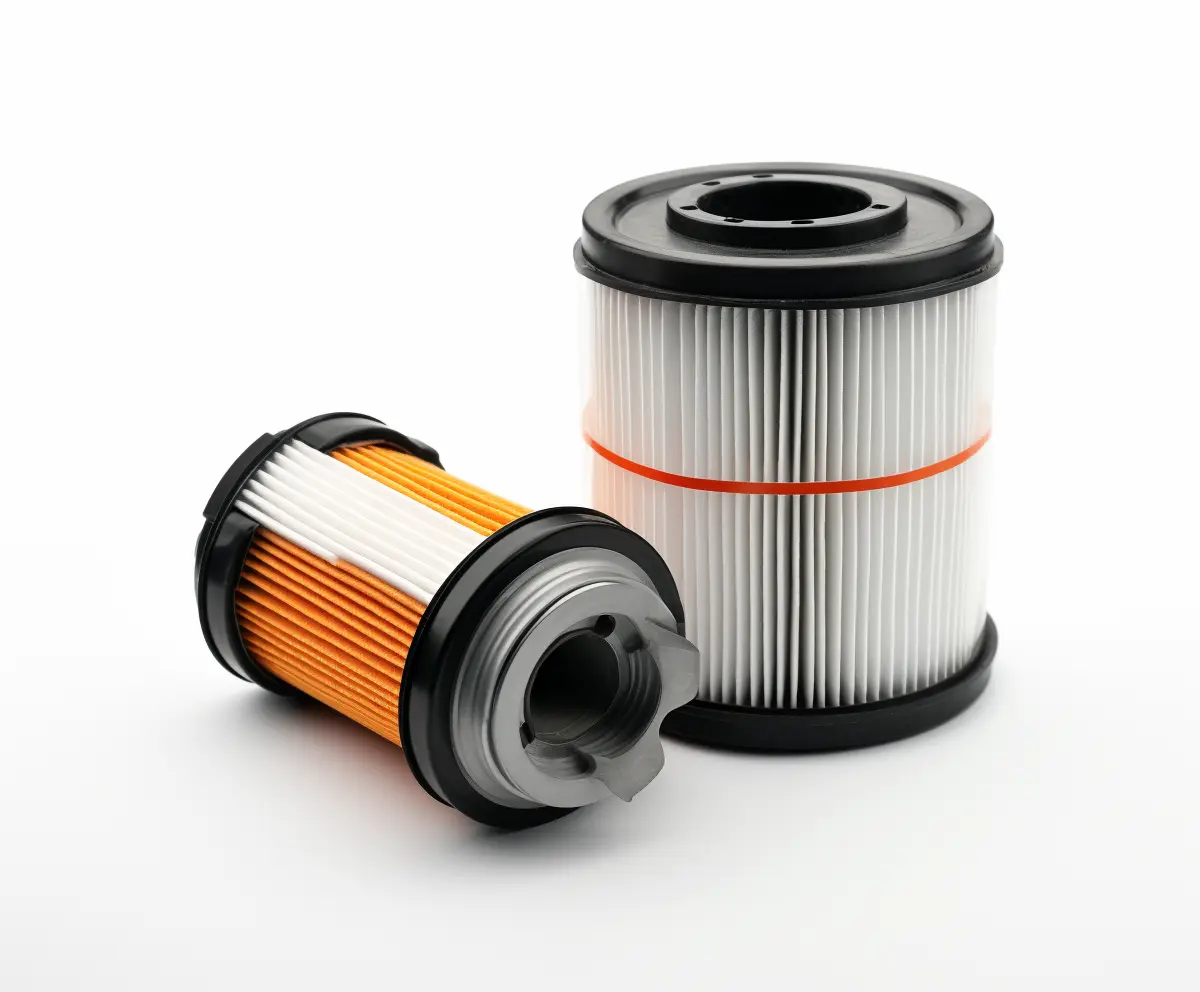
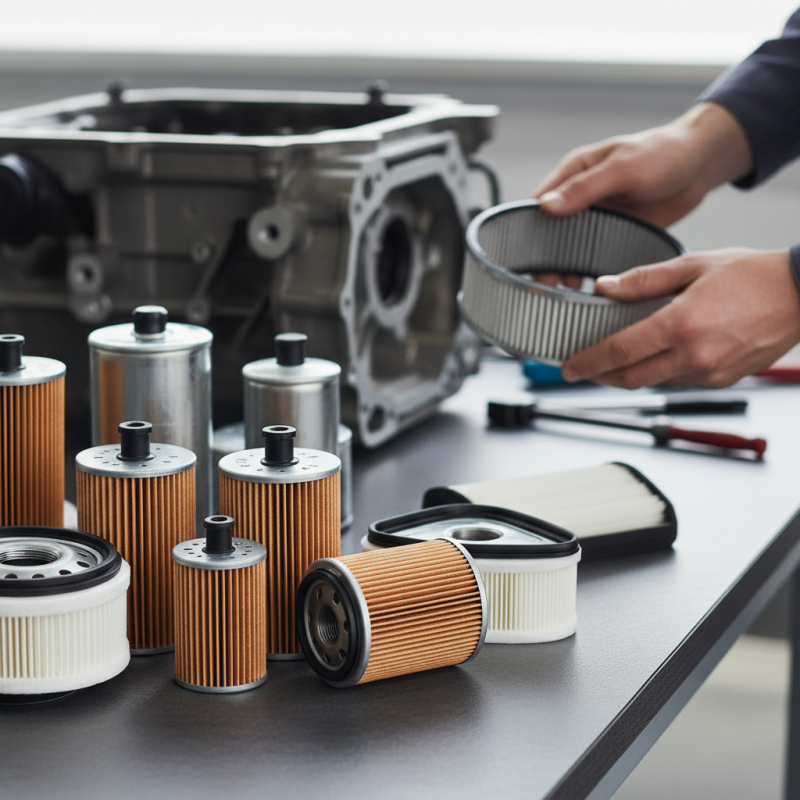
There are three main types: oil filters, air filters, and fuel filters. Oil filters remove particles from engine oil. Air filters clean the air entering the engine, preventing dirt from damaging components. Fuel filters ensure that fuel is free of contaminants, improving engine performance. Each filter type contributes significantly to the car's overall health.
Ensure you choose the right filter for your vehicle. A poorly fitting filter can lead to engine damage or decreased efficiency. Research specifications and consider professional advice. Regular replacement is crucial, as dirt and debris can accumulate over time. Change filters as part of your car maintenance routine to ensure optimal performance.
Top 10 Essential Tips for Choosing the Right Auto Parts Filter
| Filter Type |
Purpose |
Material |
Lifespan |
Maintenance Tips |
| Oil Filter |
Removes contaminants from engine oil |
Fiberglass, paper |
3,000 - 5,000 miles |
Change with every oil change |
| Air Filter |
Filters air entering the engine |
Paper, foam, cotton |
12,000 - 15,000 miles |
Inspect regularly for dirt |
| Cabin Air Filter |
Cleans air entering the vehicle cabin |
Activated carbon, HEPA |
15,000 - 25,000 miles |
Change during vehicle servicing |
| Fuel Filter |
Removes impurities from fuel |
Metal, resin |
15,000 - 30,000 miles |
Replace according to vehicle manual |
| Transmission Filter |
Cleans transmission fluid |
Synthetic, paper |
30,000 - 60,000 miles |
Check fluid regularly |
| Power Steering Filter |
Cleans power steering fluid |
Resin, paper |
30,000 miles |
Inspect every oil change |
| Differential Filter |
Keeps differential fluid clean |
Metal, paper |
40,000 miles |
Change with differential service |
| Fuel Vapor Filter |
Prevents fuel vapor from escaping |
Activated charcoal |
25,000 - 50,000 miles |
Check for clogs regularly |
| EGR Valve Filter |
Filters exhaust gas recirculation |
Paper, metallic mesh |
30,000 - 50,000 miles |
Replace as part of EGR system maintenance |
Evaluating Quality: What Makes a Filter Stand Out?
Choosing the right auto parts filter requires careful evaluation. Quality is the key distinguishing factor. A standout filter often features advanced filtration technology, ensuring it effectively traps dirt and contaminants. Look for materials that can withstand high temperatures and harsh conditions. These elements enhance the filter's durability and performance.
When assessing quality, consider the filter's design. A well-constructed filter has a robust frame that resists deformation under pressure. Many filters use multilayered construction to improve airflow while maintaining filtration efficiency. Test the filter’s compatibility with your vehicle model for optimal function.
It’s crucial to scrutinize product reviews. They often provide insights into the filter's real-world performance. Readers frequently mention issues like installation difficulties or unexpected failures. This feedback can guide your choice. Sometimes, a seemingly minor detail can reveal a significant difference in effectiveness. Overall, knowledge of these details aids in making an informed decision.
Compatibility Check: Ensuring Parts Fit Your Vehicle Model
When selecting the right auto parts filter, compatibility is crucial. Your vehicle's make and model determine what fits. Even minor discrepancies can lead to performance issues. A wrong filter can compromise engine health, reducing efficiency and longevity. Always refer to your vehicle's manual for specifications. Verify part numbers and specifications carefully.
Research and cross-reference parts before purchasing. Online databases can provide essential compatibility information. However, remember that not all sources are reliable. Some may have outdated information. It's wise to consult a professional mechanic if you're unsure. A simple mistake can lead to costly repairs down the road.
Remember, even after thorough checks, issues can arise. Filters can be mispackaged or incorrectly labeled. This reality underscores the importance of vigilance in your choices. Keeping informed and cautious can save you time and trouble. Remove unnecessary stress by double-checking all details before you commit.
Reading Customer Reviews: Insights for Informed Decisions
When selecting auto parts filters, reading customer reviews can be extremely valuable. These reviews provide insight into how well a product performs in real-world conditions. You can gain information about durability, efficiency, and ease of installation. Sometimes, the star ratings don't tell the whole story. A low rating could be due to an isolated incident rather than an inherent flaw.
Pay attention to detailed comments. They often reveal the strengths and weaknesses of the filters. Users may mention specific vehicles or conditions for the best results. However, beware of overly positive reviews. Some may be biased or from promotional sources. It's crucial to seek balanced perspectives. Look for reviews that address both pros and cons. This will help you form a clear understanding of the product.
Consider the number of reviews too. A filter with many reviews can highlight its reliability over time. A few reviews may not provide enough data regarding its performance. Ultimately, reviews help bridge the gap between product specifications and real-life experiences. Dive deep into this feedback to make a more informed decision.

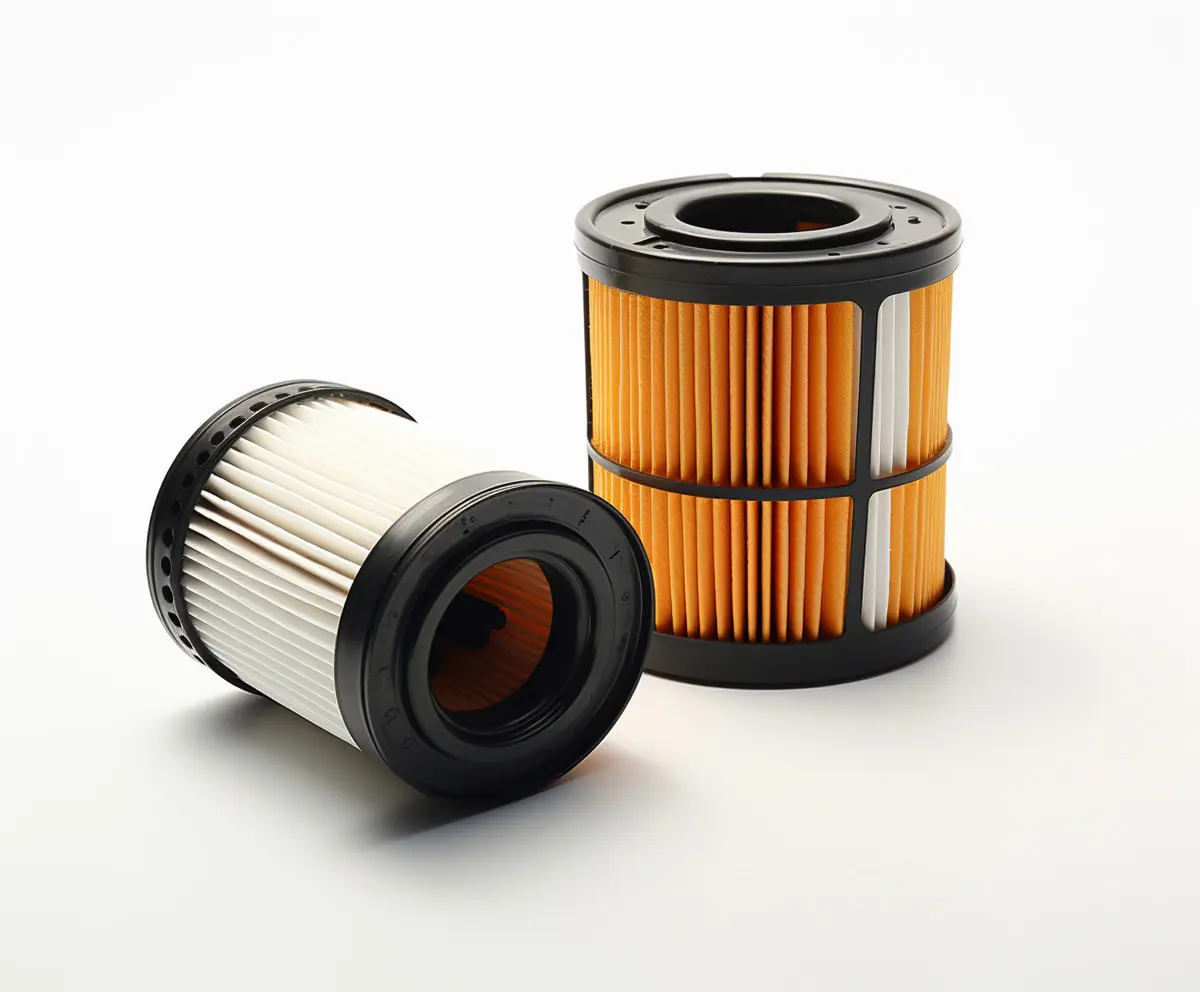 Products
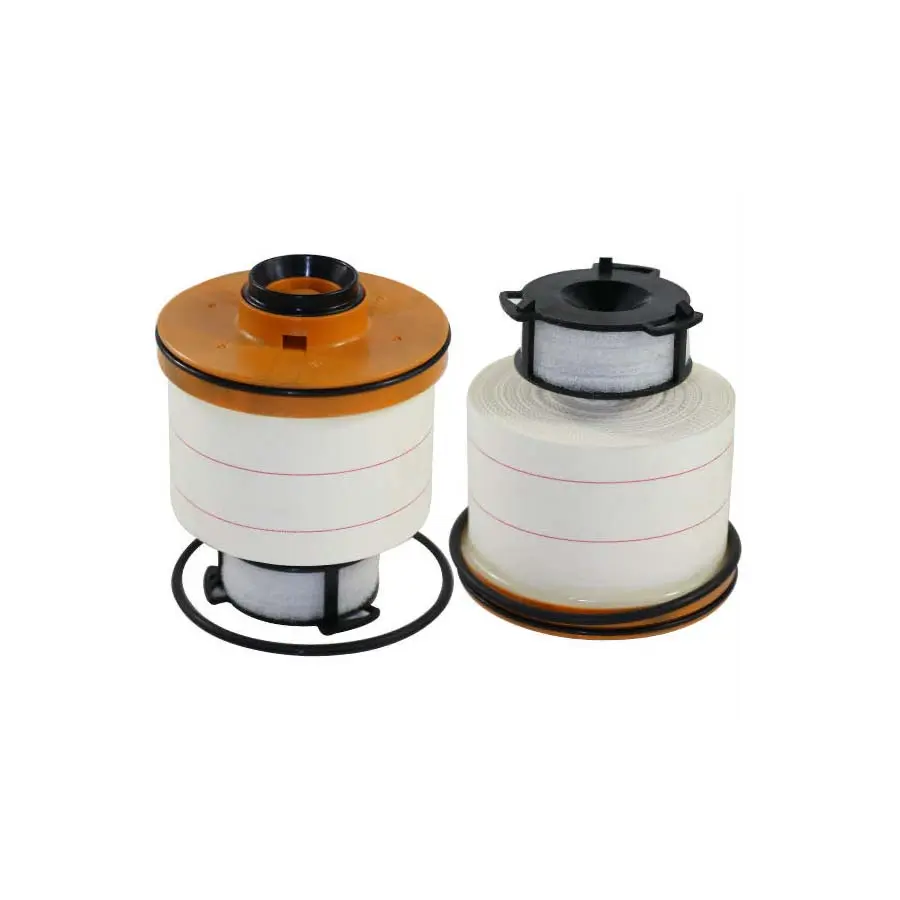 FUEL FILTER
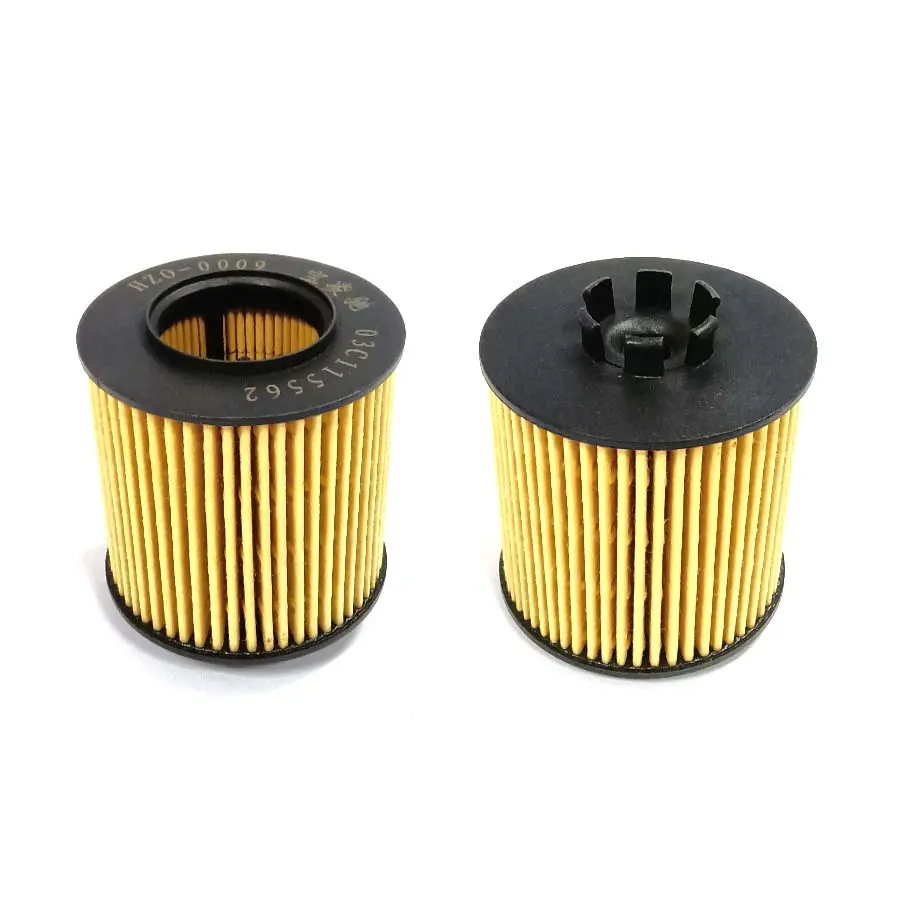 OIL ELEMENT FILTER
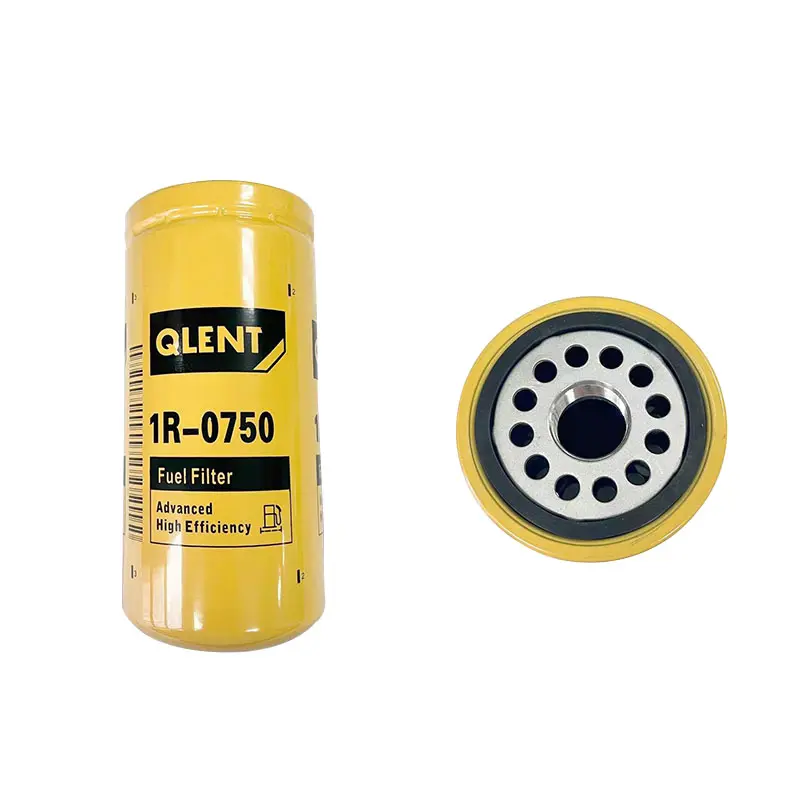 OIL FILTER
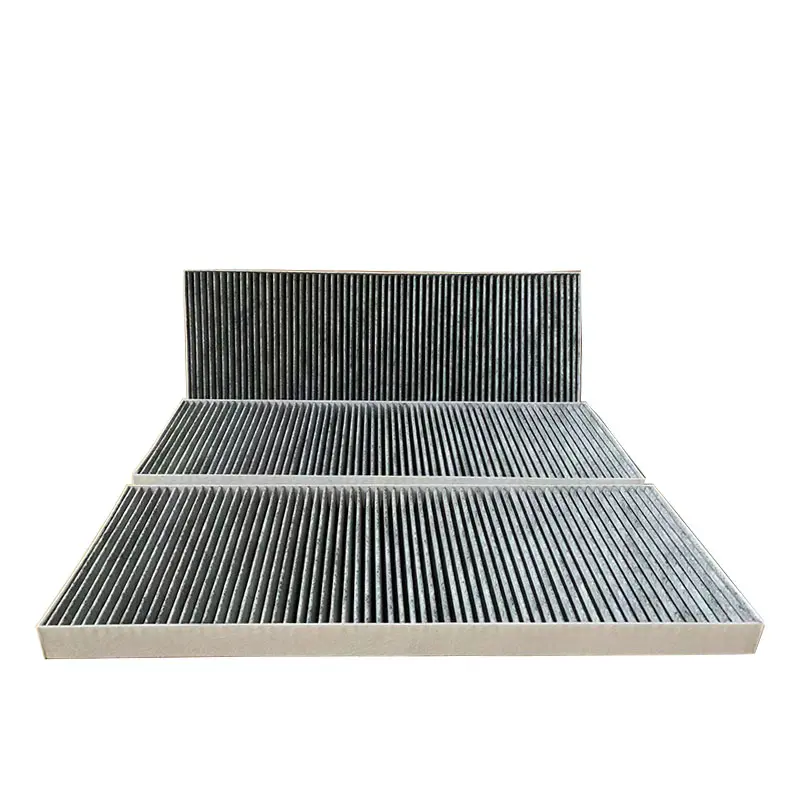 CABIN FILTER
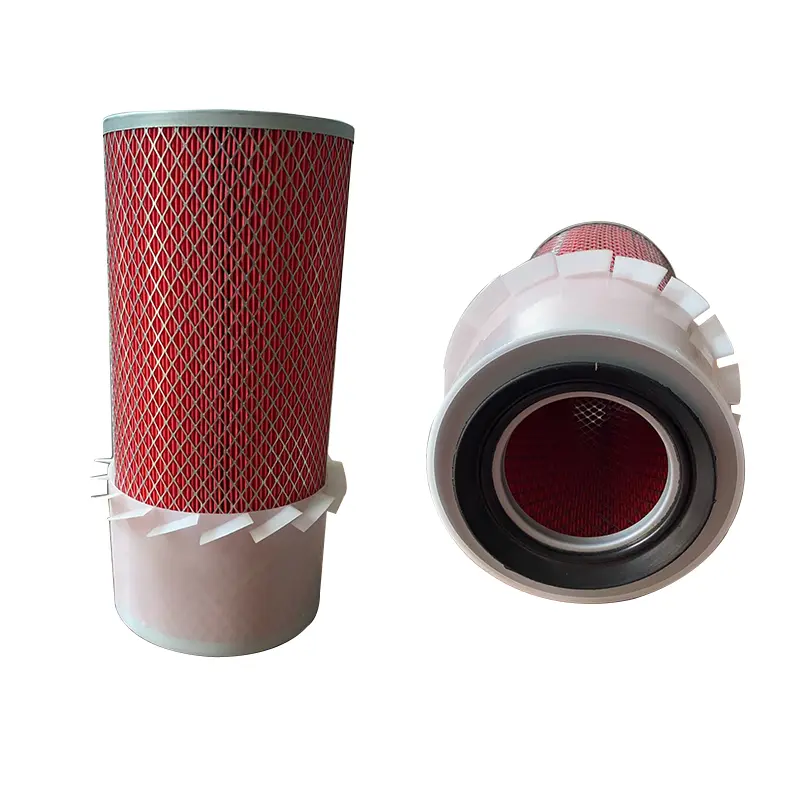 AIR FILTER