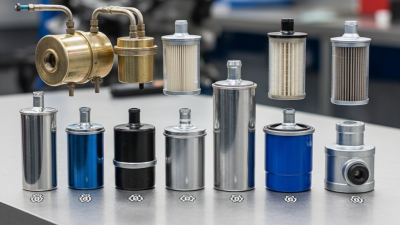
Why is a Fuel Filter Essential for Your Vehicle's Performance?
A Fuel Filter is a critical component for maintaining your vehicle's overall performance. According to the American Automobile Association (AAA), up to 70% of fuel system issues stem from contaminants in fuel. These impurities can lead to poor engine performance and higher emissions. A clean fuel filter ensures optimal fuel flow, protecting the engine from these harmful particles.
When the Fuel Filter becomes clogged, it restricts the flow of fuel to the engine. This can result in decreased power and fuel efficiency. A study by the Federal Trade Commission (FTC) highlighted that regular Fuel Filter maintenance can improve fuel economy by as much as 10%. Such statistics underscore the importance of timely replacement.
Ignoring the Fuel Filter can have long-term repercussions. Drivers may face costly repairs due to damage from dirt and debris. Routine checks and replacements can prevent these issues. A little attention to this small part can lead to significant performance benefits. Neglecting it could lead to unforeseen challenges.
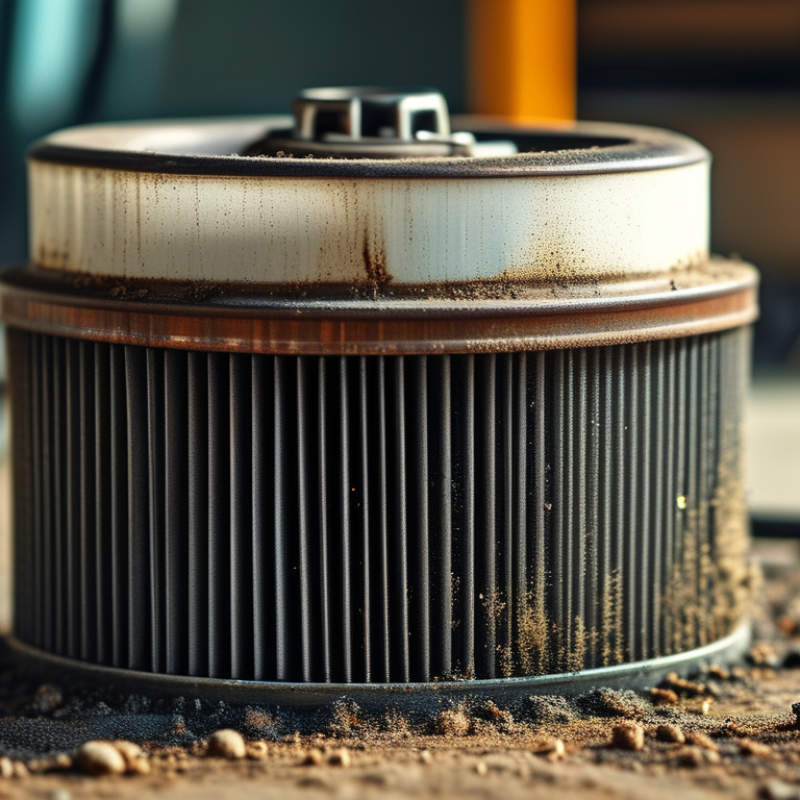
The Role of a Fuel Filter in a Vehicle's Fuel System
A fuel filter plays a crucial role in a vehicle's fuel system. It removes contaminants from fuel before they reach the engine. Dirt, rust, and other particles can clog fuel injectors and fuel lines. This can lead to poor performance, decreased fuel efficiency, and even engine damage over time. A clean fuel filter ensures that only pure fuel reaches the engine, promoting optimal combustion.
In many vehicles, the fuel filter is easily overlooked. Drivers often focus on oil changes and tire rotations. However, a clogged fuel filter can cause hesitation when accelerating. Improper fuel flow can cause extensive engine issues. Regular inspection and timely replacement of the fuel filter can help avoid these complications. It's essential to consider your driving conditions. If you frequently drive in dusty or dirty environments, your filter may need more frequent attention.
Maintaining the fuel filter is an aspect of vehicle care that deserves more focus. Many drivers might not realize the importance of this small yet significant component. Understanding its role can save money on repairs and ensure the vehicle runs smoothly. An uninformed decision regarding maintenance can have lasting consequences. It’s a simple part of vehicle upkeep that should not be neglected.
Understanding the Composition of Fuel and Contaminants
Fuel is a complex mixture made primarily of hydrocarbons. It may contain impurities and contaminants from various sources.
These can include dirt, rust, or even microscopic particles from fuel storage tanks. When these contaminants enter
the fuel system, they can cause significant damage to the engine. A clean fuel system
is crucial for optimal performance.
The fuel filter plays a vital role in protecting your engine from these harmful substances. It captures pollutants before
they reach sensitive components like fuel injectors. Clogged filters can restrict fuel flow. This can lead to poor engine performance and reduced fuel efficiency.
Regular maintenance and timely filter changes help ensure your vehicle runs smoothly.
Yet, many vehicle owners overlook the filter's importance. This lack of awareness can lead to costly repairs down the line.
Filters are not everlasting. Drivers should check their condition periodically. Learning about the fuel's composition
can deepen one’s understanding of the filter's role. Recognizing this connection can enhance vehicle care practices and extend
engine life.
How a Fuel Filter Affects Engine Performance and Efficiency
The fuel filter plays a crucial role in your vehicle's engine performance. It removes impurities from the fuel before they reach the engine. This is vital because dirty fuel can cause wear and tear on engine components. A clogged fuel filter can lead to fuel starvation. This results in poor engine performance and reduced efficiency.
Effective fuel filtration enhances combustion. Cleaner fuel burns more efficiently, translating to better mileage. In contrast, contaminated fuel can create deposits on fuel injectors. This reduces their ability to deliver the right amount of fuel. Over time, this can cause the engine to misfire or hesitate during acceleration.
Many drivers overlook the fuel filter until issues arise. Ignoring maintenance can lead to unexpected repair costs. Regular checks can prevent this. Awareness about the fuel filter's health can optimize your vehicle's performance. Remember, a simple filter change can make a significant difference.
Signs of a Clogged Fuel Filter and When to Replace It
A clogged fuel filter can significantly impair your vehicle's performance. It is essential to be aware of the signs indicating that your fuel filter may need attention. One common symptom is a rough engine start. If your vehicle struggles to start or idles inconsistently, it could mean that fuel is not reaching the engine efficiently.
Another noticeable sign is a decrease in engine power. If you experience sluggish acceleration or vibrations while driving, the fuel filter might be obstructed. Additionally, you may notice a decrease in fuel efficiency. If you find yourself refueling more often than usual, this could be a result of a failing filter.
Timing is crucial when it comes to replacing a clogged fuel filter. Regular vehicle maintenance can help identify this issue early. If you observe any of these signs, inspect your fuel filter promptly. Ignoring the problem may lead to more severe engine damage and costly repairs down the line. Don’t hesitate to seek professional advice for a thorough evaluation.
Fuel Filter Performance Impact
This chart illustrates the impact of various fuel filter conditions on fuel flow rate in liters per hour. Regular maintenance of your fuel filter is essential for vehicle performance, as a clogged filter can drastically reduce flow and engine efficiency.
Maintenance Tips for Fuel Filters to Enhance Vehicle Longevity
Maintaining a fuel filter is crucial for optimal vehicle performance. A clean filter ensures that the fuel system works efficiently. Neglecting its maintenance can lead to engine problems and reduced fuel efficiency.
One effective maintenance tip is to replace the fuel filter regularly. Depending on your vehicle type, consider changing it every 20,000 to 30,000 miles. Keeping an eye on the filter's condition can prevent clogging. Dirty filters struggle to deliver fuel, causing engine misfires or stalling.
Another tip is to observe your fuel system closely. If you notice a decrease in performance or hear strange noises, the fuel filter might be the issue. Cleaning the filter occasionally can help, but this isn’t always a permanent fix. Regular inspection can prolong its lifespan.
Remember, a small oversight today might lead to larger repairs tomorrow.

 Products
 FUEL FILTER
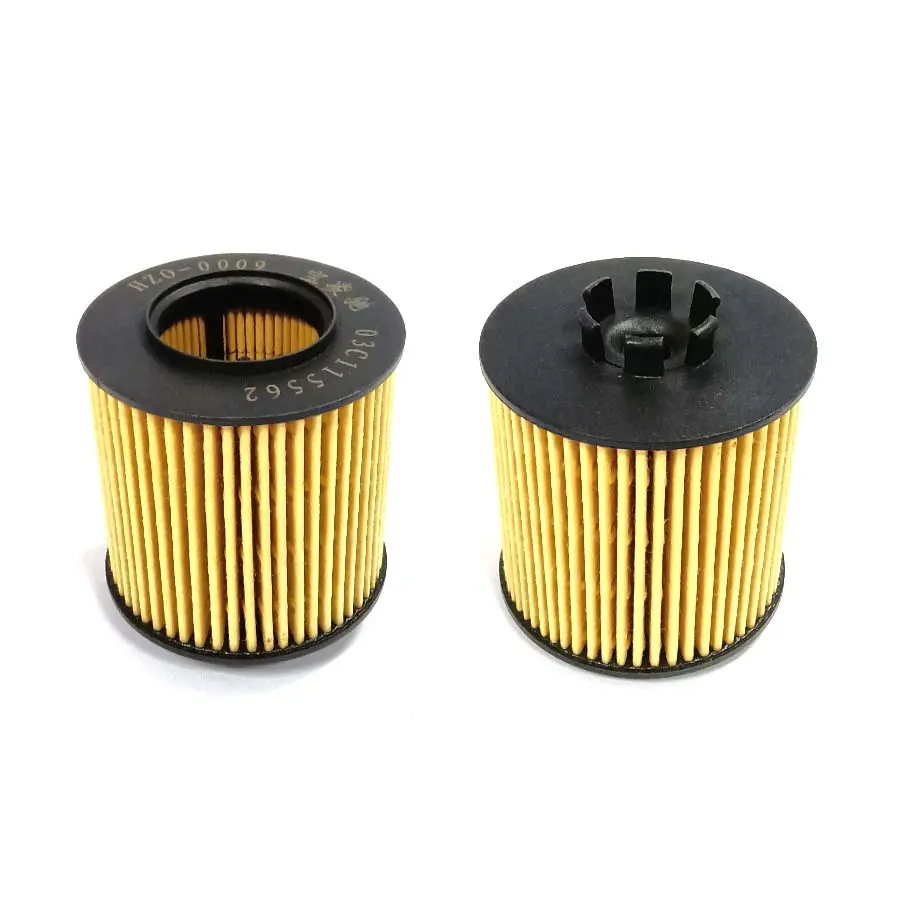 OIL ELEMENT FILTER
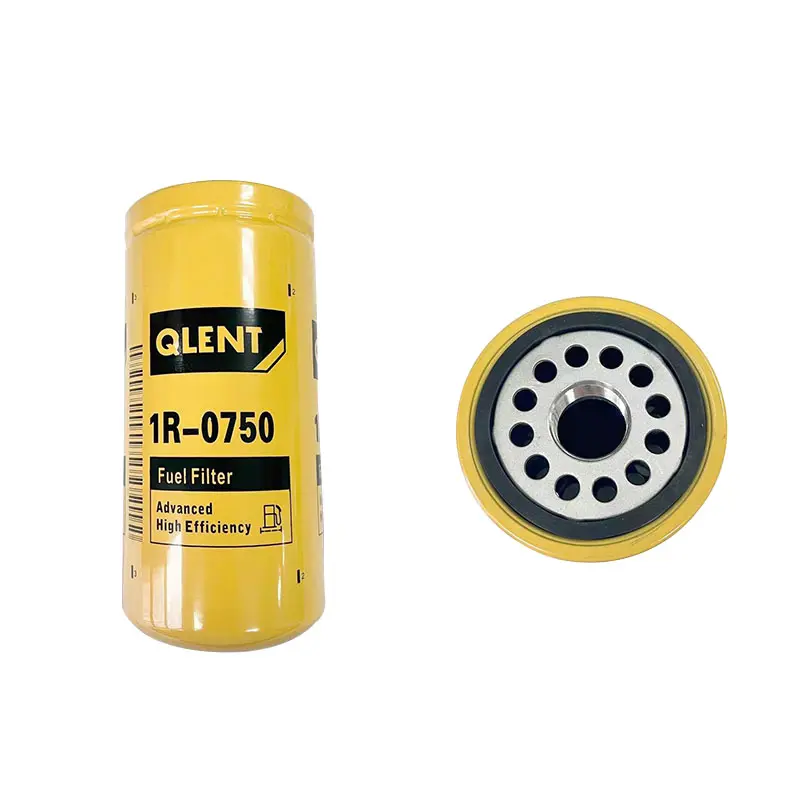 OIL FILTER
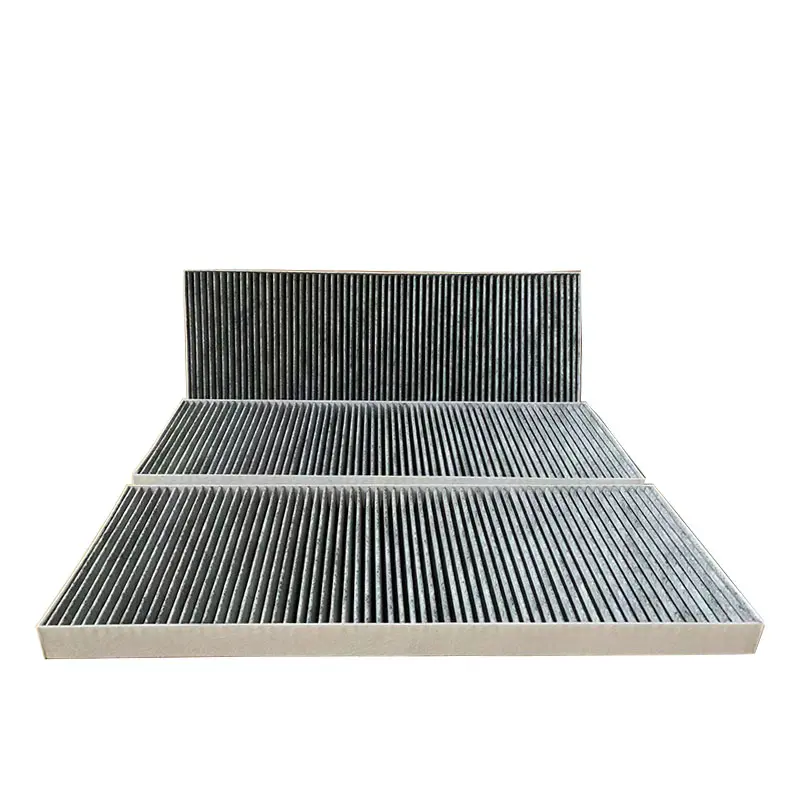 CABIN FILTER
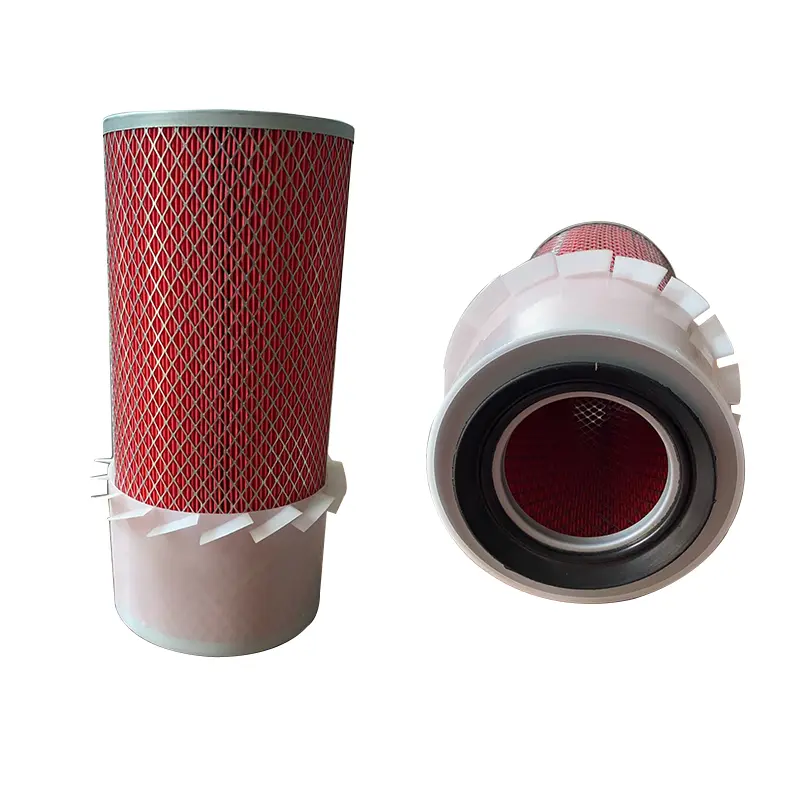 AIR FILTER