Why is Cabin Air Filter Important for Your Vehicle?
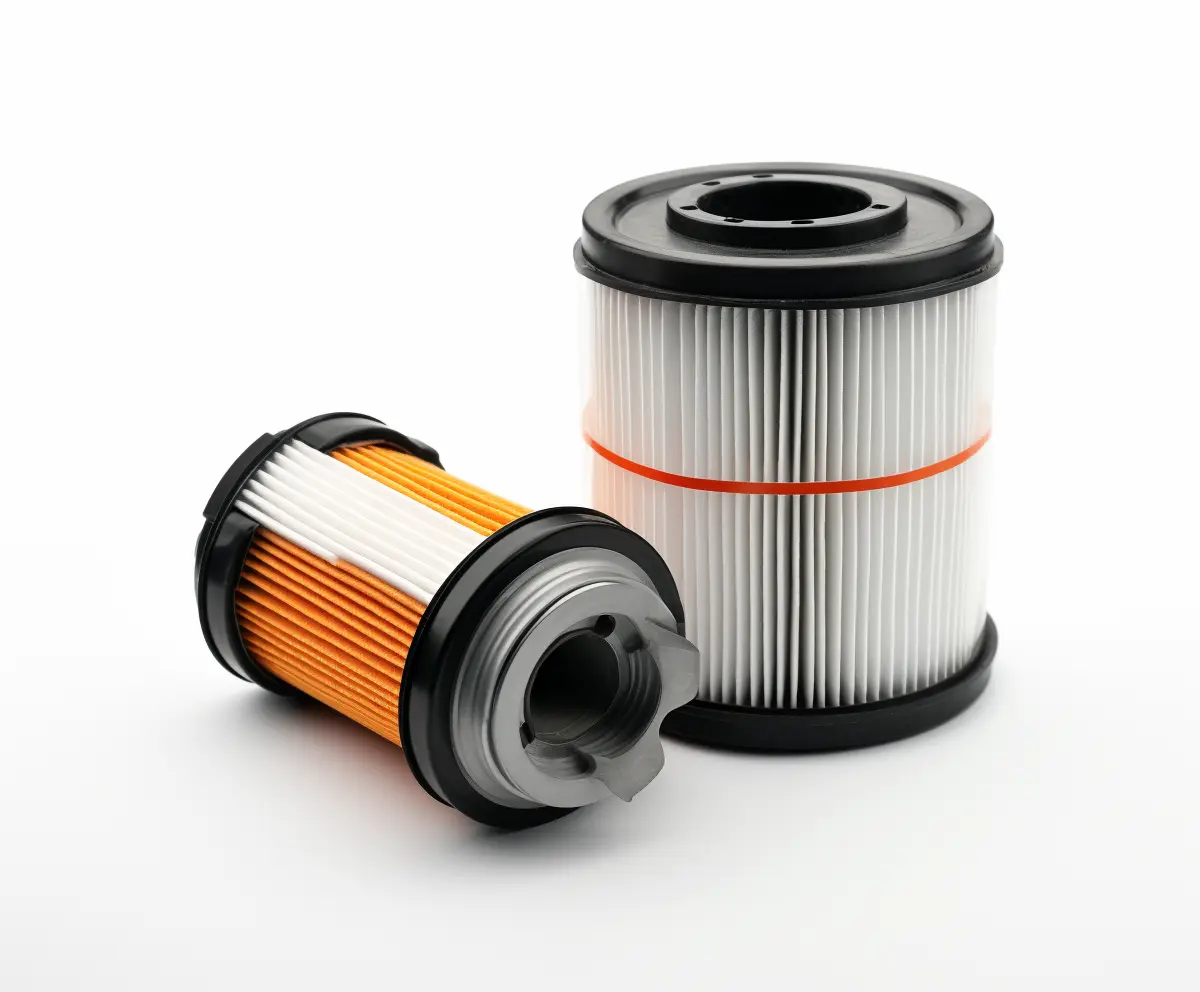
The importance of a Cabin Air Filter in vehicles is often overlooked. According to a report by the Automotive after market industry, around 95% of vehicles on the road lack adequate air filtration. This number suggests that many drivers unknowingly expose themselves to harmful pollutants while traveling.
Dr. Emily Carter, an automotive air quality expert, stated, "A clean Cabin Air Filter is essential for ensuring optimal air quality inside a vehicle." This highlights the filter's crucial role in protecting passengers from dust, pollen, and hazardous airborne particles.
Moreover, some studies reveal that contaminated filters can reduce airflow and strain the heating and cooling systems, impacting efficiency. Drivers might not realize that neglecting the maintenance of their Cabin Air Filter can lead to discomfort and health issues. Therefore, prioritizing its upkeep is vital for both comfort and safety.
Understanding the Role of Cabin Air Filters in Vehicle Maintenance
Cabin air filters play a vital role in vehicle maintenance. They filter dust, pollen, and exhaust gases, providing clean air to passengers. A study by the Automotive Aftermarket Suppliers Association highlighted that 70% of drivers underestimate the importance of these filters. This lack of awareness can lead to health issues and discomfort.
Dirty filters can restrict airflow, impacting defrosting and heating efficiency. In some cases, a clogged filter can reduce air circulation by up to 50%. This problem is often overlooked until it's too late. Not replacing the cabin air filter can lead to musty odors and increased allergens inside the vehicle.
The importance of routine maintenance cannot be stressed enough. Neglecting the cabin air filter can compromise the overall air quality. Industry experts recommend changing the filter every 15,000 to 30,000 miles. Still, many drivers fail to follow this guideline. Regular checks can help maintain a comfortable driving experience, reflecting on the driver’s commitment to safety and health.
How Cabin Air Filters Improve Air Quality Inside Your Vehicle
Cabin air filters play a crucial role in enhancing the air quality inside your vehicle. These filters trap dust, pollen, and other pollutants that can enter through the ventilation system. When you drive, outside air flows into the cabin. If your filter is dirty or clogged, harmful particles can easily reach you and your passengers. This can lead to discomfort or worsen allergies.
Regularly changing the cabin air filter can improve your driving experience. Clean air helps to keep everyone calm and healthy. You might notice an immediate difference. The air feels fresher and smells better. However, many people forget about this small but vital component. Ignoring it can lead to musty odors or decreased airflow. It's essential to pay attention to how you feel in your vehicle. If something seems off, consider checking the filter.
Neglecting the cabin air filter can also lead to other issues. A polluted cabin can lead to headaches or fatigue during long drives. The filter can also affect the car's climate control efficiency. Therefore, it's worth reflecting on the importance of this simple part. Taking proactive steps can lead to a much more enjoyable journey.
Signs That Your Cabin Air Filter Needs Replacement
A clean cabin air filter is essential for a comfortable ride. Over time, filters can become clogged with dust, pollen, and other debris. This can lead to poor air quality inside your vehicle. When the air inside smells stale or musty, it’s a sign that your cabin air filter may need replacement.
You might also notice reduced airflow from the vents. This can make your heating or cooling system less effective. Strange noises when the fan is running can indicate an obstructed filter as well. If you experience any of these symptoms, it’s wise to check your cabin air filter.
**Tips:** Regular inspection is key. Check your filter every six months to see its condition. In areas with high pollen or pollution, consider replacing it more often. Don’t forget to replace it in the spring and fall. It's easy to overlook this small task, but it greatly impacts your driving experience. A clean filter improves air quality and helps you breathe easier.
Importance of Cabin Air Filter for Vehicle Health
The cabin air filter plays a crucial role in maintaining air quality within your vehicle. The chart above illustrates the Air Quality Index (AQI) based on different conditions of the cabin air filter. As the filter gets dirty, the AQI increases, indicating poorer air quality. Regular replacement of the cabin air filter is essential to ensure optimal air quality and comfort inside your vehicle.
The Impact of a Dirty Cabin Air Filter on Vehicle Performance
A dirty cabin air filter can greatly impact your vehicle's performance. When it’s clogged, air cannot flow properly through the ventilation system. This leads to reduced airflow in the cabin. You may notice that your defrosters aren’t working as they should. Visibility during rainy weather can suffer as a result. Drivers often overlook this simple component.
Tips for ensuring a clean cabin air filter include checking it regularly. Change it every 15,000 to 30,000 miles, depending on your environment. Use visual inspections to assess its condition. You might find dust and debris blocking air passages. A filter replacement is a simple task that can save you from bigger issues down the road.
Increased allergens can also plague your driving experience with a dirty filter. Pollen, dust, and even mold can infiltrate your space. Poor air quality can lead to discomfort and health problems. The AC system has to work harder, draining more energy. This can even affect your fuel efficiency. A little maintenance now can prevent significant issues later.
Choosing the Right Cabin Air Filter for Your Vehicle Model
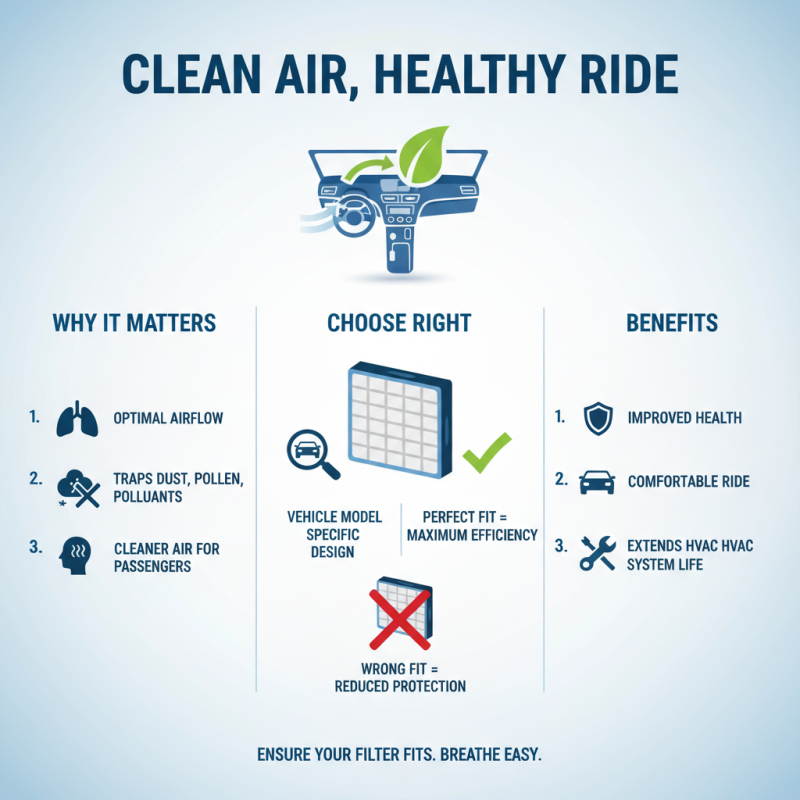
Choosing the right cabin air filter for your vehicle model is crucial. A filter designed for your specific car will ensure optimal airflow. It helps to trap dust, pollen, and pollutants, providing cleaner air for passengers. Not all filters are created equal. Some may not fit properly, resulting in reduced efficiency.
Check your vehicle's manual for specifications. Look for dimensions and filter types compatible with your model. Some filters come with added features, like activated charcoal. This can enhance air purification. However, not every vehicle requires these extras. It's important to assess your needs based on driving conditions.
Regular maintenance is essential. Many users forget to replace their cabin air filters. This can lead to poor air quality and musty smells inside. A neglected filter may even strain the HVAC system. Evaluating your filter every six months can prevent issues. Cleaning the air in your vehicle contributes to a healthier environment.

 Products
 FUEL FILTER
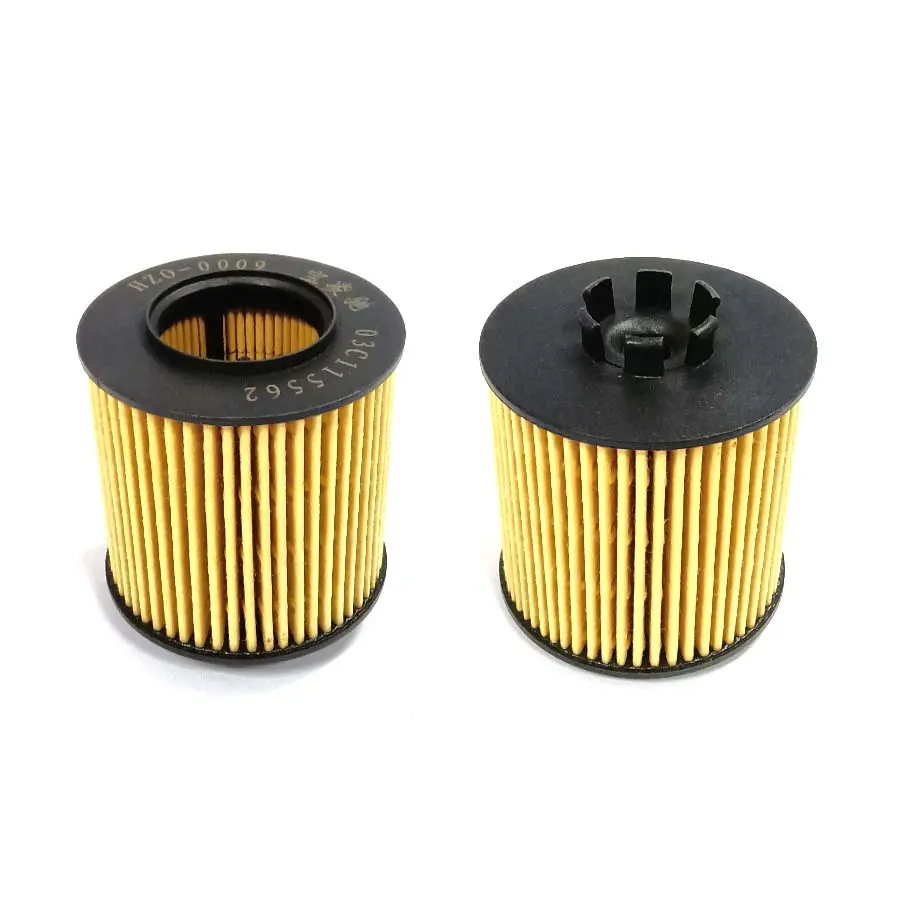 OIL ELEMENT FILTER
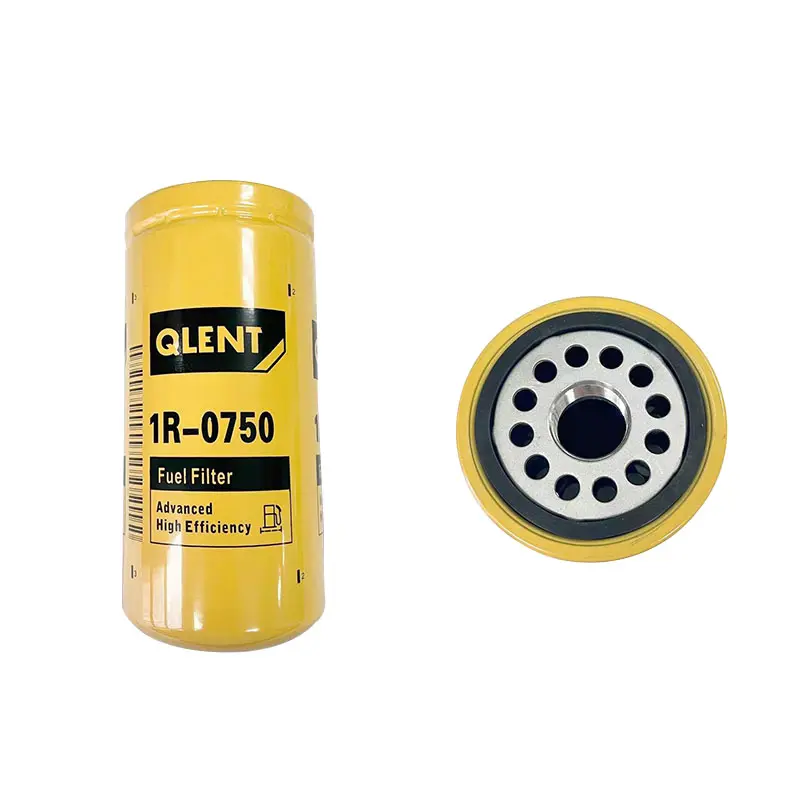 OIL FILTER
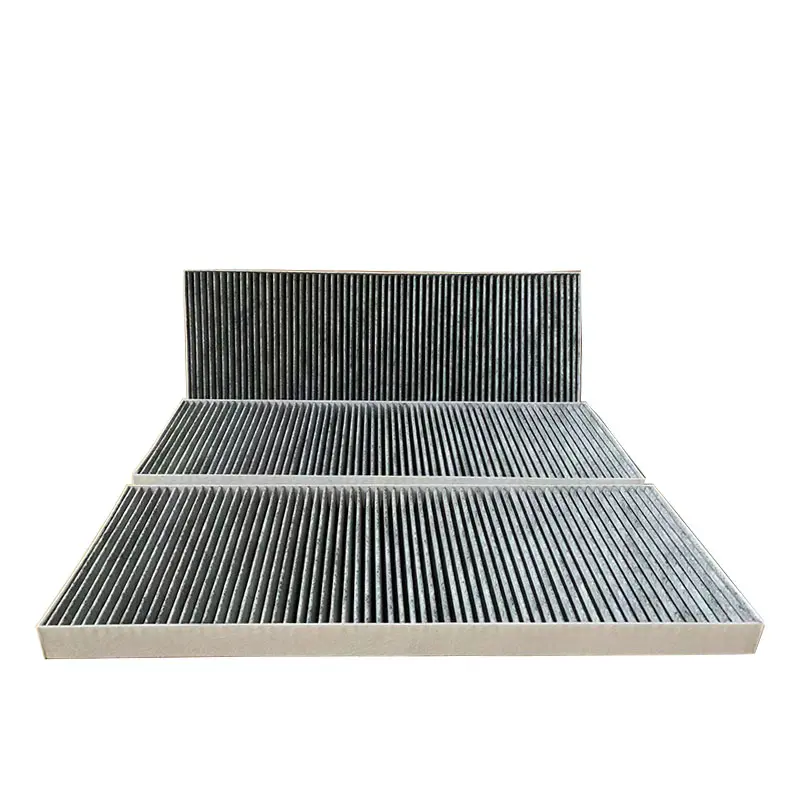 CABIN FILTER
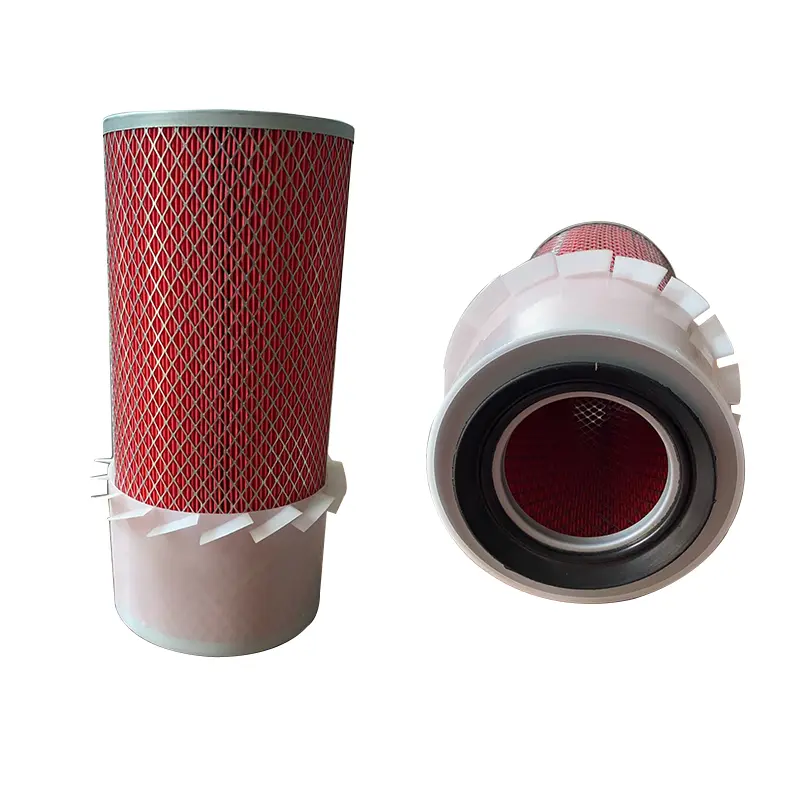 AIR FILTER