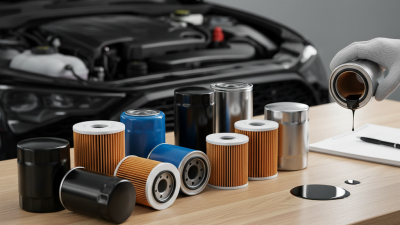
Why Do You Need to Replace Your Vehicle Filter Regularly?
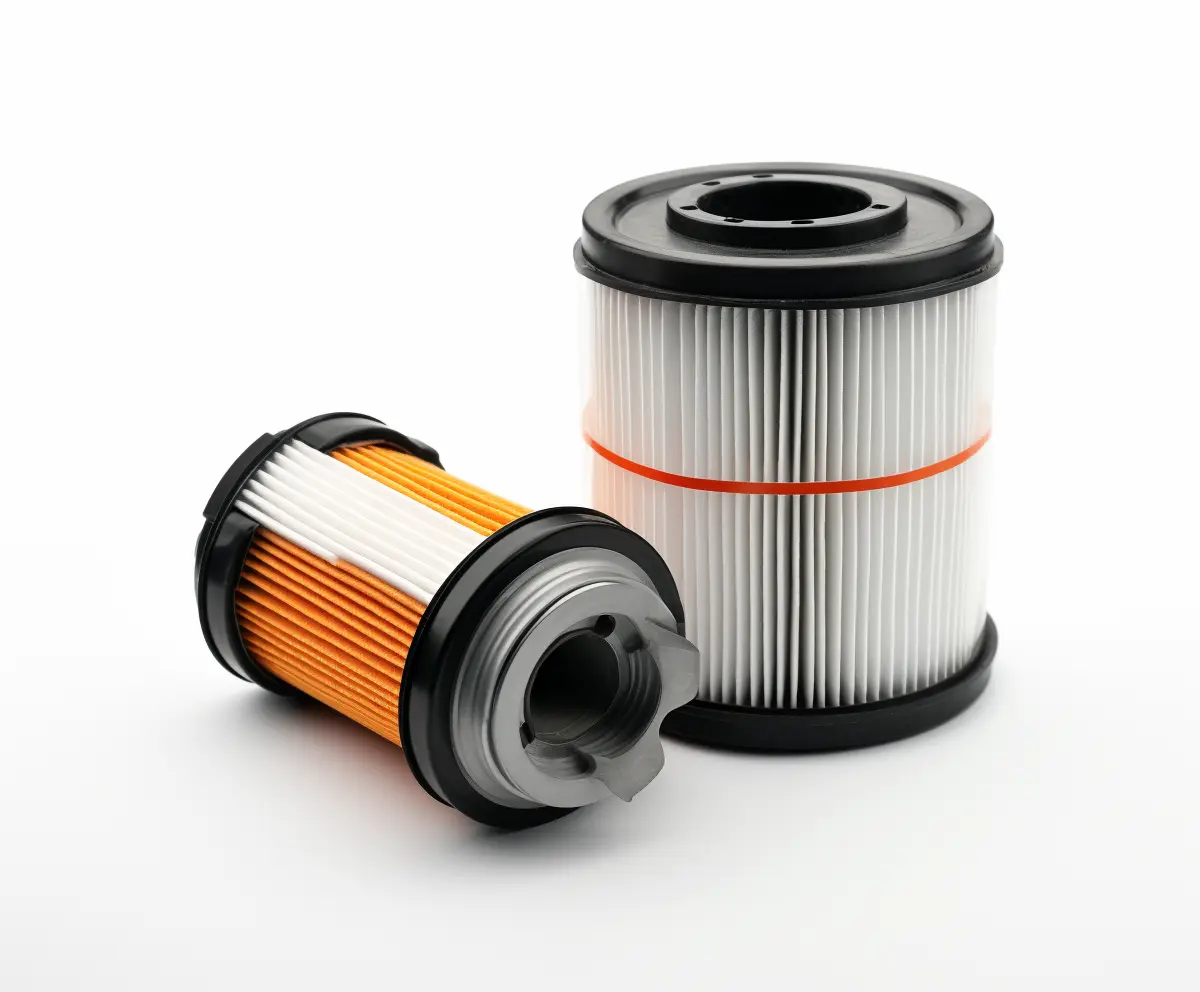
Maintaining your vehicle is crucial for safety and efficiency. One essential aspect often overlooked is the vehicle filter. Dr. James Carter, an automotive engineer with over 20 years of experience, states, "Neglecting your vehicle filter can lead to costly repairs and decreased performance."
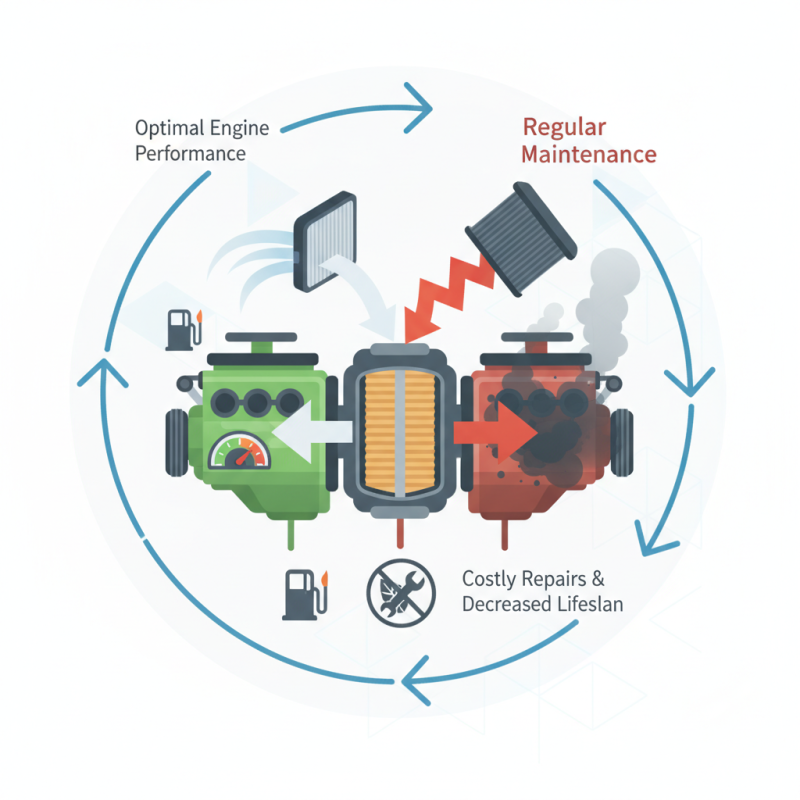
Regular replacement of the vehicle filter helps ensure optimal engine performance. A clogged filter can obstruct airflow and lead to poor fuel economy. This can create an imbalance in the engine’s operation, resulting in increased emissions and reduced lifespan.
While many drivers may forget about this component, it should be a routine part of maintenance. Skipping filter replacements may seem minor, but it can lead to larger issues down the road. Ignoring the vehicle filter’s condition is a misstep that could compromise your vehicle's reliability and efficiency. Regular checks can help you avoid unnecessary expenses and extend your vehicle's life.
Importance of Vehicle Filters in Engine Performance and Longevity
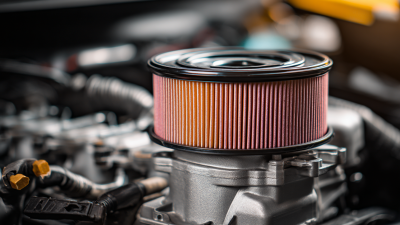
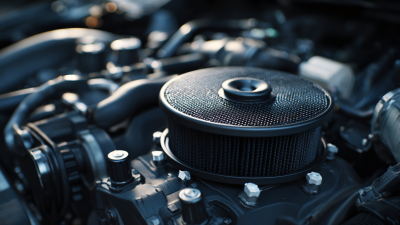
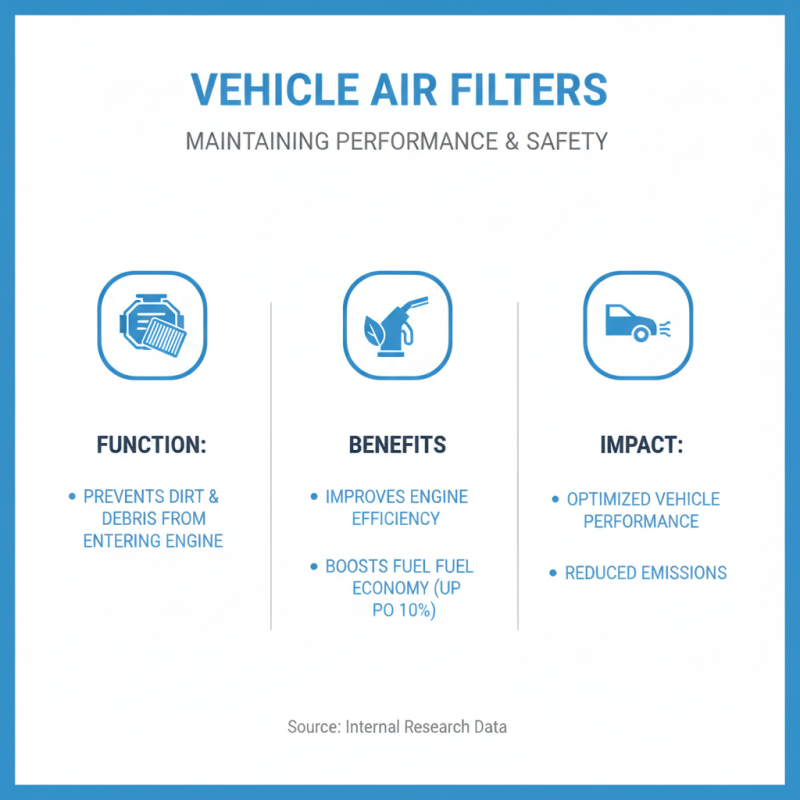
Vehicle filters play a crucial role in maintaining engine performance and extending its life. Regular replacement is essential for optimal functioning. According to the American Automobile Association (AAA), a clogged air filter can reduce engine efficiency by up to 10%. This can lead to increased fuel consumption and higher emissions. Inadequate airflow affects the combustion process, resulting in a less powerful engine.
Oil filters also deserve attention. When they become saturated, they lose their ability to trap contaminants. A study by the Society of Automotive Engineers (SAE) reveals that dirty oil filters can reduce engine oil flow by 15%. This lack of proper lubrication can cause severe damage over time. It could lead to engine wear, overheating, or even complete failure.
Maintaining vehicle filters reflects a balance between immediate costs and long-term savings. Delaying replacements may seem tempting, yet it often leads to costly repairs. While it may feel tedious to keep track of filter changes, investing in this routine care pays off. The health of your engine hinges on these small yet vital components.
Importance of Vehicle Filters in Engine Performance
Regular replacement of vehicle filters is crucial for maintaining optimal engine performance. This chart illustrates the percentage impact of various filters on engine efficiency, highlighting the importance of each filter type in prolonging vehicle lifespan and ensuring effective operation.
Signs Indicating a Filter Replacement is Necessary
Vehicle filters play a crucial role in maintaining your car's overall health. Regular replacement ensures better air quality and engine performance. There are specific signs that indicate a filter replacement is necessary. Understanding these signs can help prevent costly repairs.
One common indicator is reduced engine performance. If your vehicle struggles during acceleration, it may be due to a clogged air filter. According to industry data, a clean air filter can improve engine efficiency by up to 10%. Another sign is reduced fuel efficiency. If you're filling up more often, a blocked fuel filter might be the cause. Reports suggest that dirty filters can cause a decrease in fuel economy by as much as 15%.
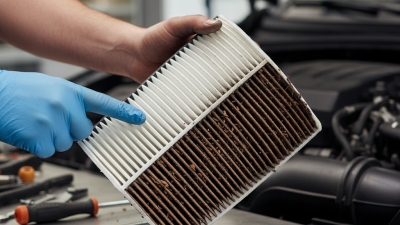
Visual indicators also matter. A visibly dirty or discolored filter should raise red flags. If your car emits strange noises or vibrations, it might signal that filters are obstructed. Many drivers overlook these signs. Regular checks can save time and money. Ignoring filter maintenance can lead to extensive engine damage. Keeping an eye on these indicators helps maintain vehicle reliability.
Consequences of Neglecting Regular Filter Maintenance
Neglecting regular vehicle filter maintenance can lead to significant problems. Filters play a crucial role in keeping your engine running smoothly. When air, fuel, or oil filters get clogged, they restrict flow. This can cause your engine to work harder, leading to decreased efficiency.
Dirty filters can also result in contamination. Harmful particles may enter vital engine parts. Over time, this can lead to costly repairs or even engine failure. Ignoring filter maintenance is a gamble that could leave you stranded.
It's not just about performance; safety is at stake. A clogged fuel filter might hinder acceleration when you need it most. Regularly checking and replacing filters can prevent such dangerous situations. It's better to invest a little time and money now than to face unexpected breakdowns later.
Best Practices for Regular Vehicle Filter Replacement
Regular vehicle filter replacement is essential for maintaining your car’s performance.
Filters play a crucial role in protecting your engine and ensuring clean air and fluids circulate throughout your vehicle.
The air filter prevents dirt and debris from entering the engine. A clogged filter can reduce efficiency and horsepower.
A clean filter contributes to better fuel economy.
Timing is often overlooked. Most vehicle owners forget to check filters regularly.
The general recommendation is to replace the air filter every 12,000 to 15,000 miles.
For oil filters, consider changing them with every oil change.
Fuel filters should be inspected at least once a year.
These practices can greatly enhance vehicle longevity.
Addressing filter replacement can feel overwhelming. Some drivers are unsure when and how to replace their filters.
If you notice reduced acceleration or increased emissions, it might be time to check your filters.
Regular inspections can save you from costly repairs down the road.
Finding a reliable mechanic for guidance is valuable. Your vehicle will thank you for it.

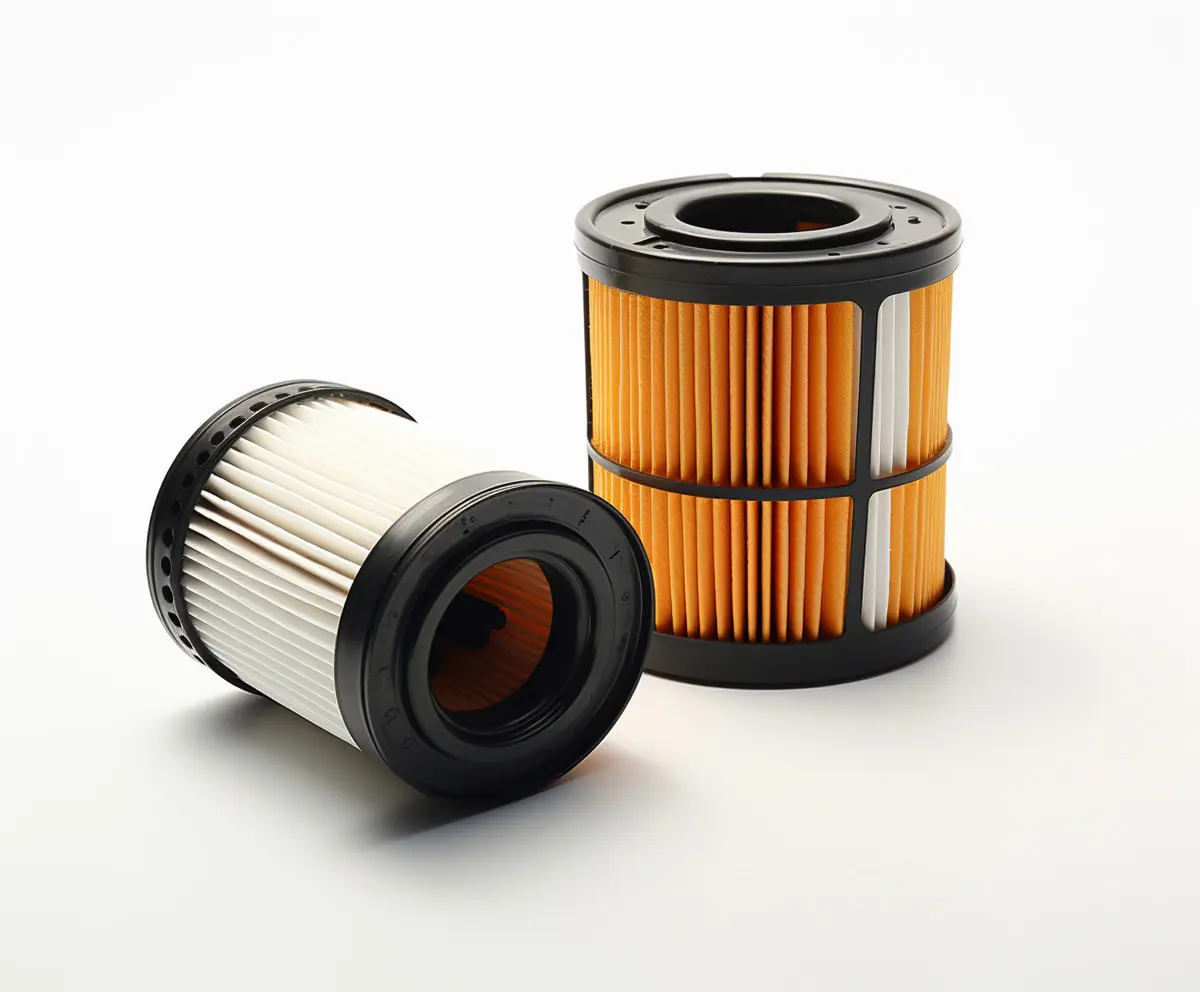 Products
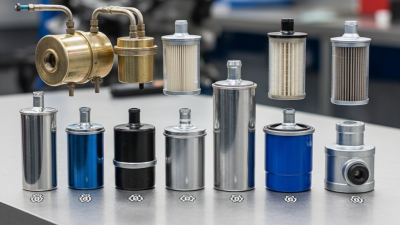
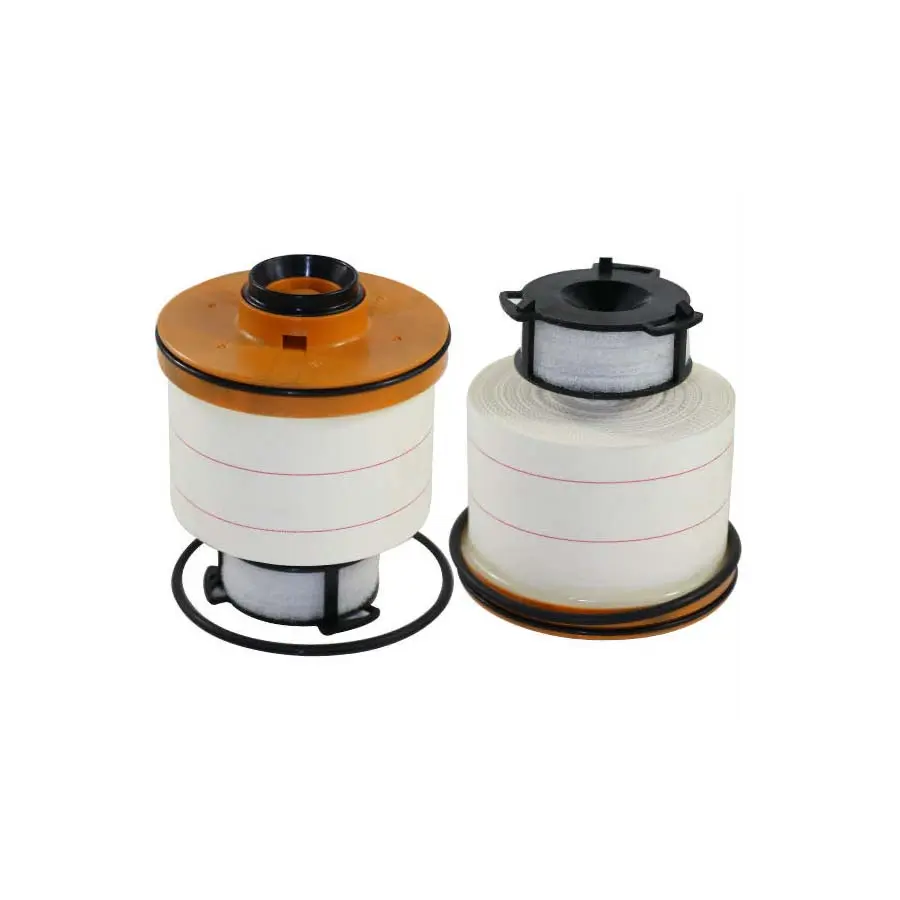 FUEL FILTER
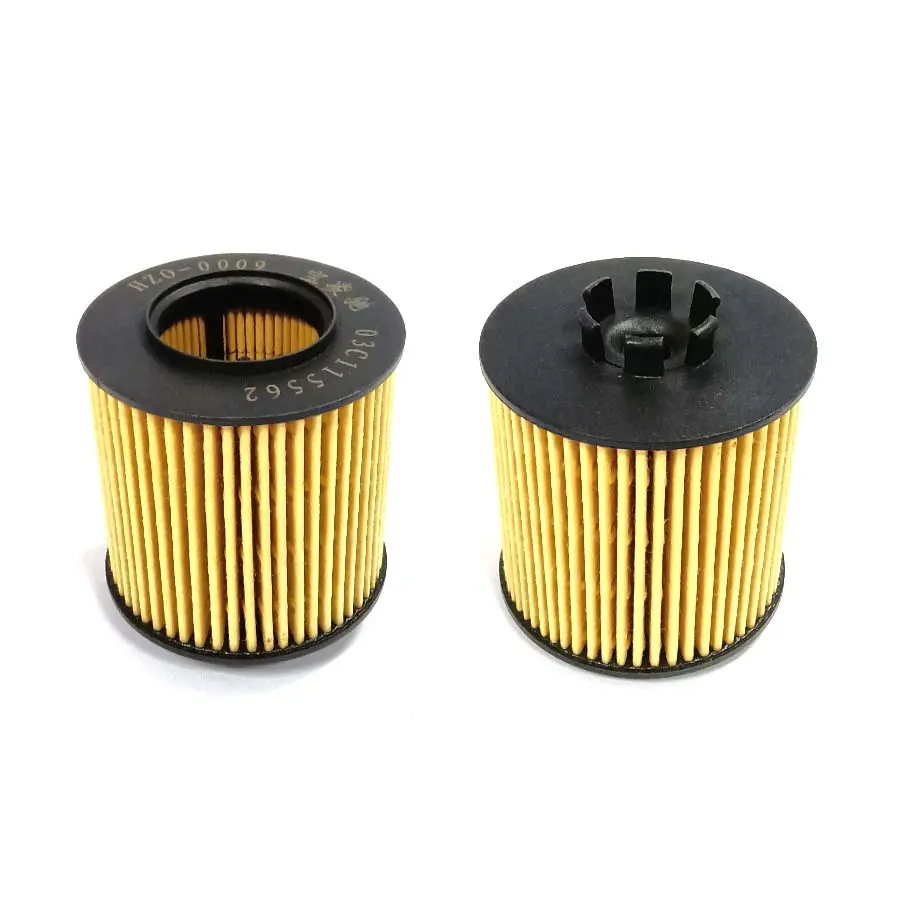 OIL ELEMENT FILTER
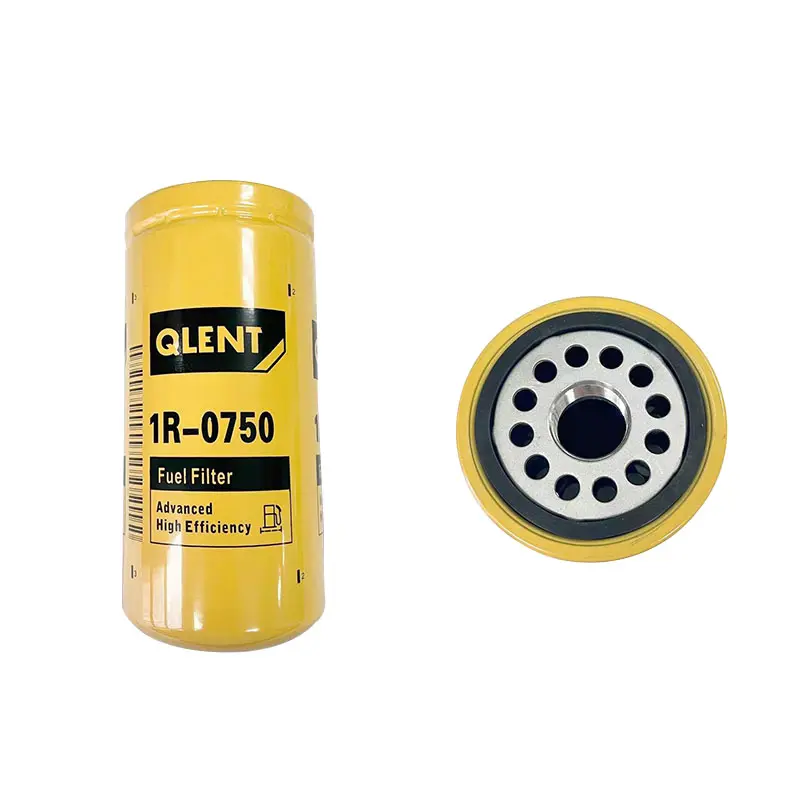 OIL FILTER
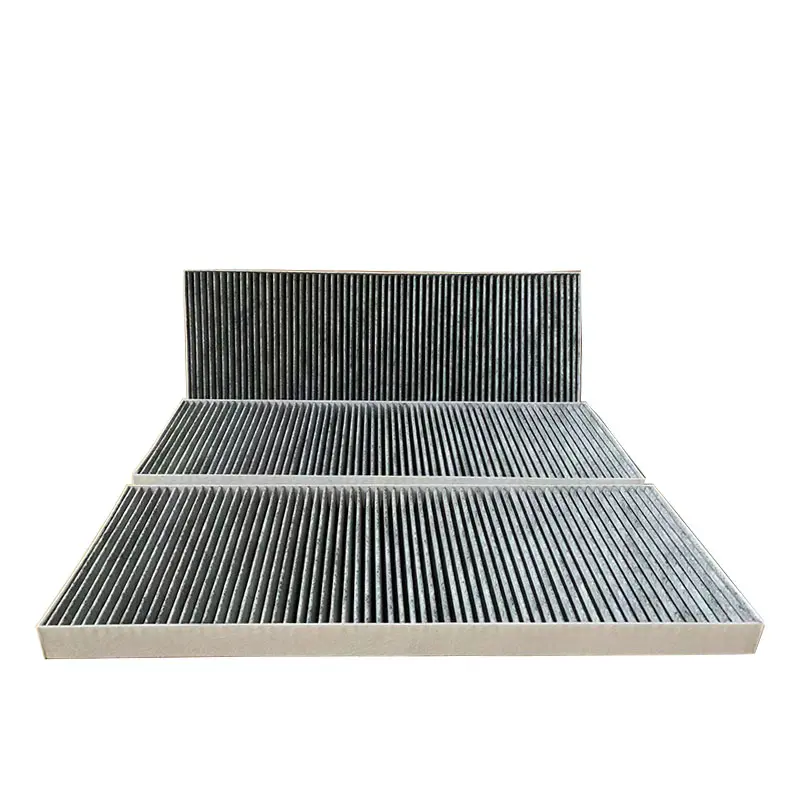 CABIN FILTER
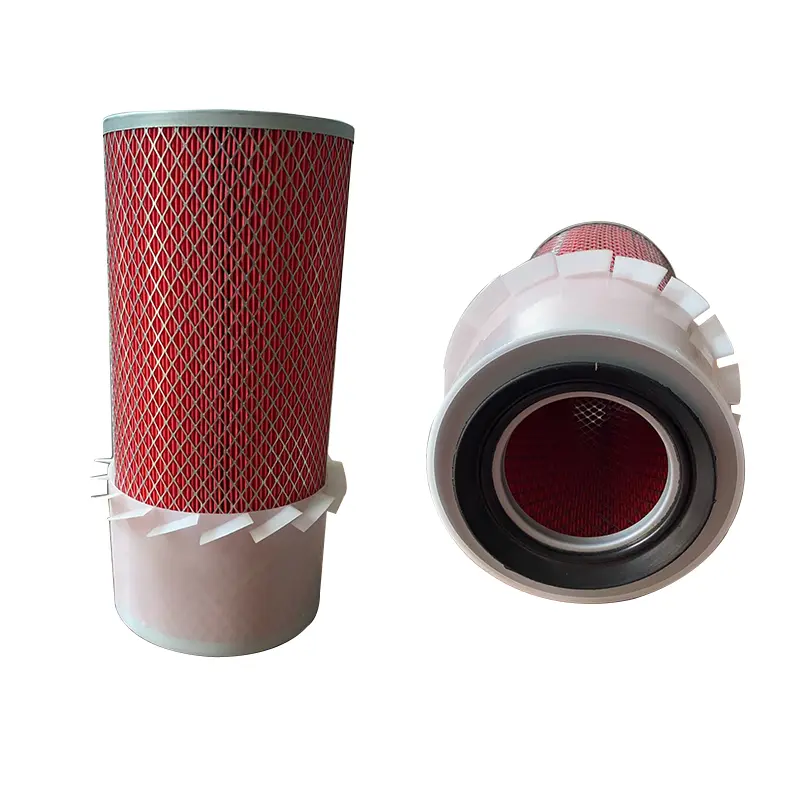 AIR FILTER