Why Do You Need a Spare Parts Engine Filter for Your Vehicle?
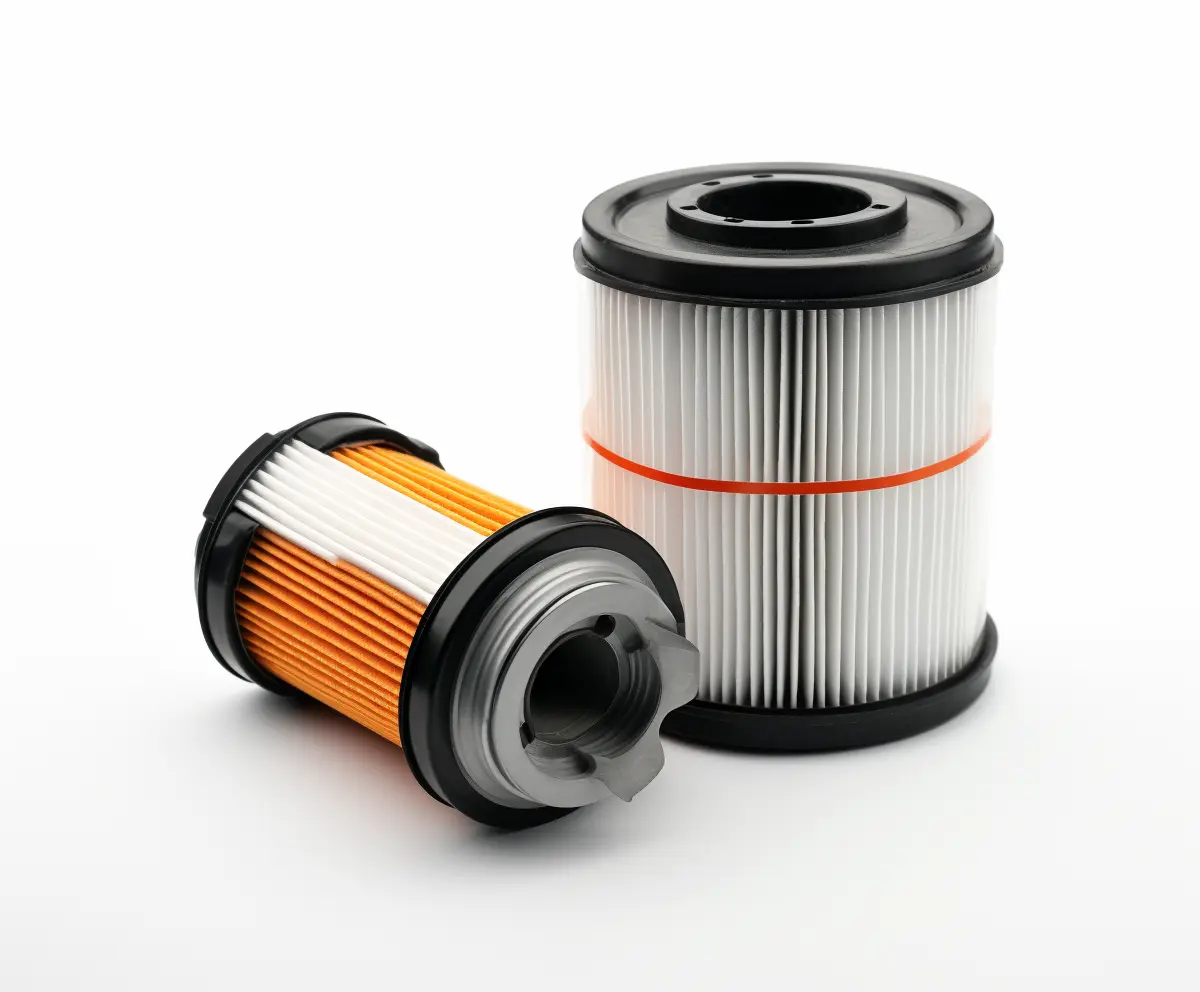
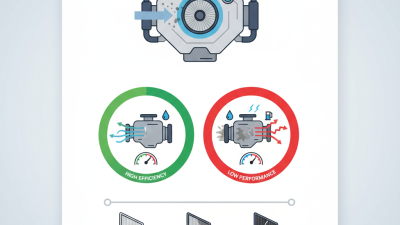
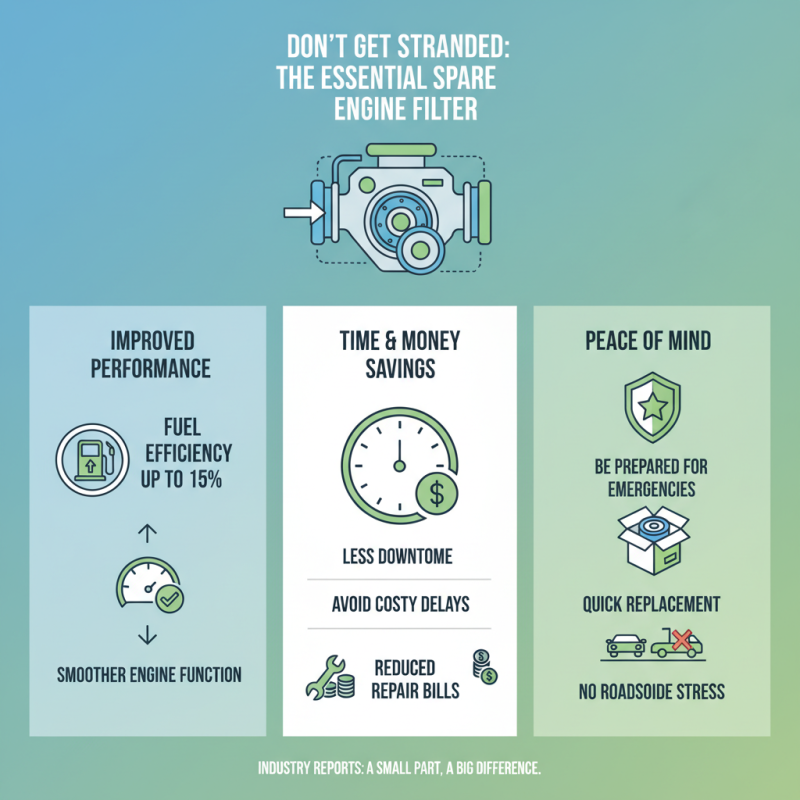
When you think about vehicle maintenance, spare parts often come to mind. One crucial component is the Spare Parts Engine Filter. This item plays a significant role in ensuring your engine runs smoothly. It filters out dirt, debris, and contaminants. Without it, your engine may suffer from reduced performance or even damage.
Regularly replacing the Spare Parts Engine Filter can prevent costly repairs. Many vehicle owners neglect this simple task. They may not realize how vital it is for engine longevity. Some simply forget or think it’s unnecessary. This can lead to engine wear and poor fuel efficiency.
It's surprising how much a small filter can impact your driving experience. A clean engine filter means better airflow and optimal performance. It’s worth considering this often-overlooked part. Investing in a Spare Parts Engine Filter is not just a matter of routine; it’s about safeguarding your vehicle’s health and your safety on the road.
Importance of Engine Filters in Vehicle Maintenance
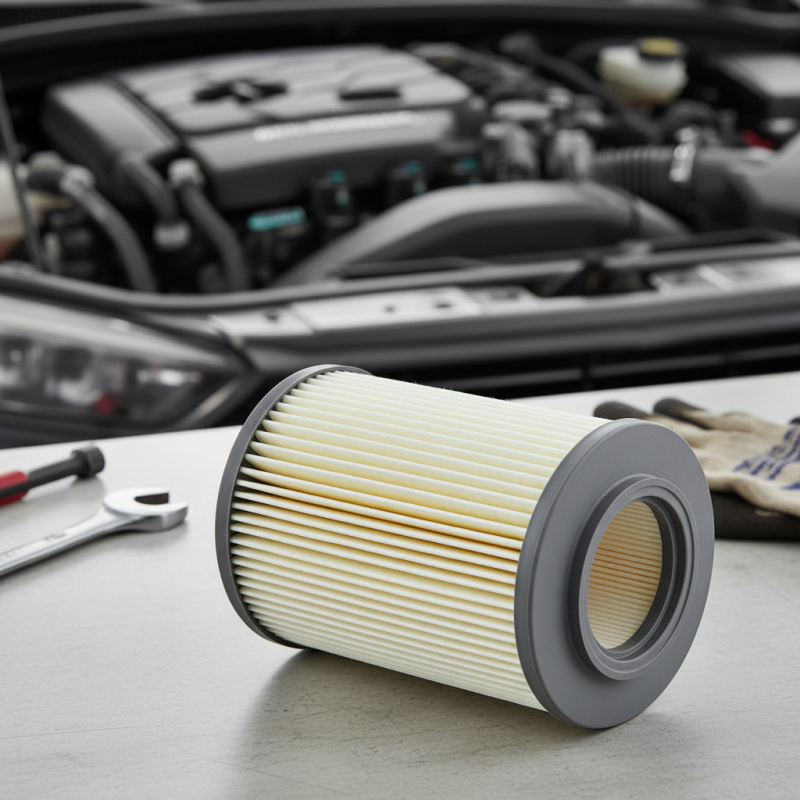
Engine filters play a crucial role in maintaining vehicle health. A clean filter ensures that contaminants do not enter the engine. According to industry studies, up to 80% of engine wear can be caused by impurities in the oil and fuel. Regular replacement of engine filters can drastically cut maintenance costs over time.
Many drivers overlook the importance of these components. They might think, "If it isn’t broken, don’t fix it." This mentality can lead to greater issues down the road. For instance, a blocked oil filter can restrict oil flow, resulting in overheating and potential engine failure. Data suggests that a simple maintenance check could prevent costly repairs.
Monitoring engine filter status is essential. Filtering systems are not just aids; they are necessary for optimal performance. Research indicates that a dirty air filter can reduce engine efficiency by up to 10%. Neglecting these small components can lead to significant power loss. Remember, regularly changing filters is part of responsible vehicle ownership.
Types of Engine Filters and Their Functions
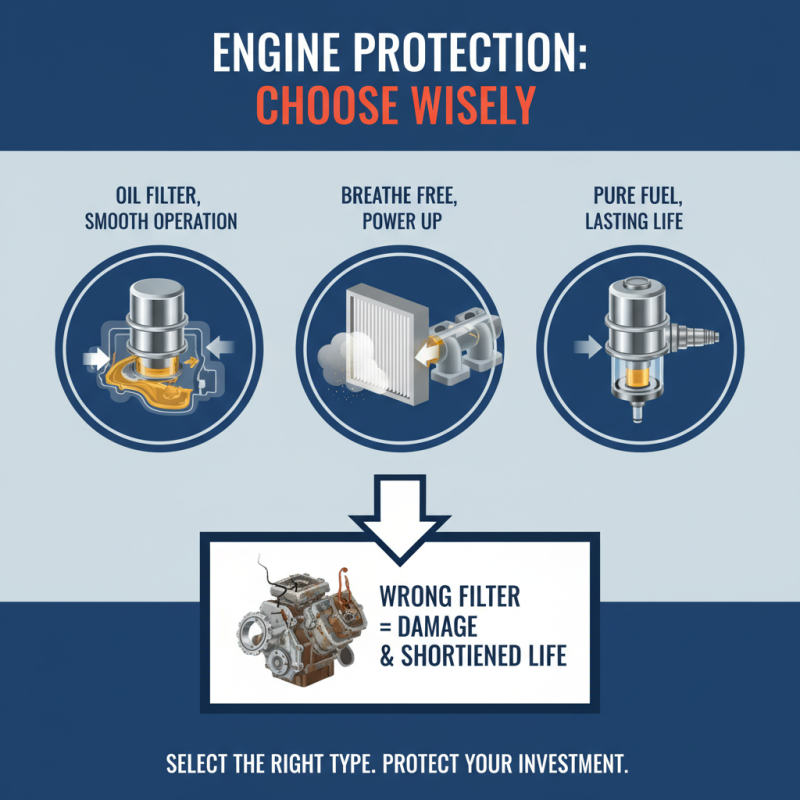
Engine filters are essential components of any vehicle's maintenance routine. They ensure optimal performance by trapping contaminants and impurities. There are several types of engine filters, each serving a unique purpose.
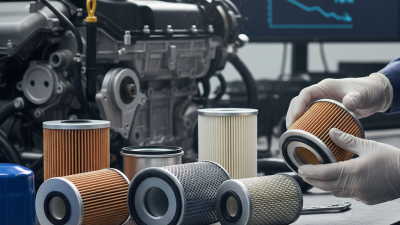
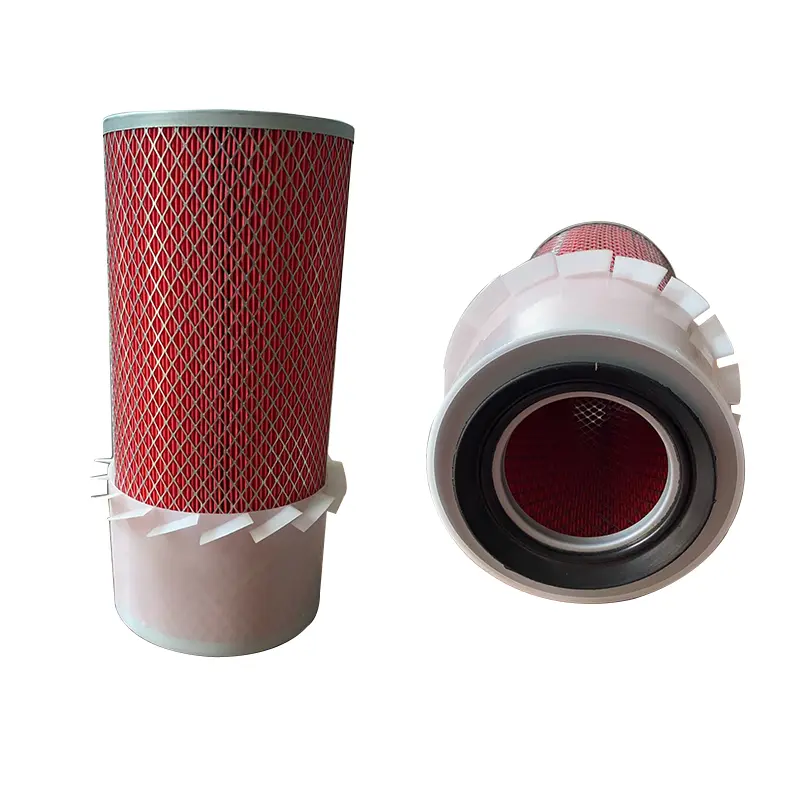
Oil filters are vital for removing debris from engine oil. They keep the engine clean and extend its lifespan. Air filters prevent dirt and particles from entering the engine. A clean air filter improves fuel efficiency and performance. Fuel filters keep the fuel system clean and ensure that the engine gets the right amount of fuel free of impurities.
**Tip:** Check your filters regularly. A dirty filter can lead to poor performance and higher fuel consumption. Replace them as needed to maintain vehicle efficiency.
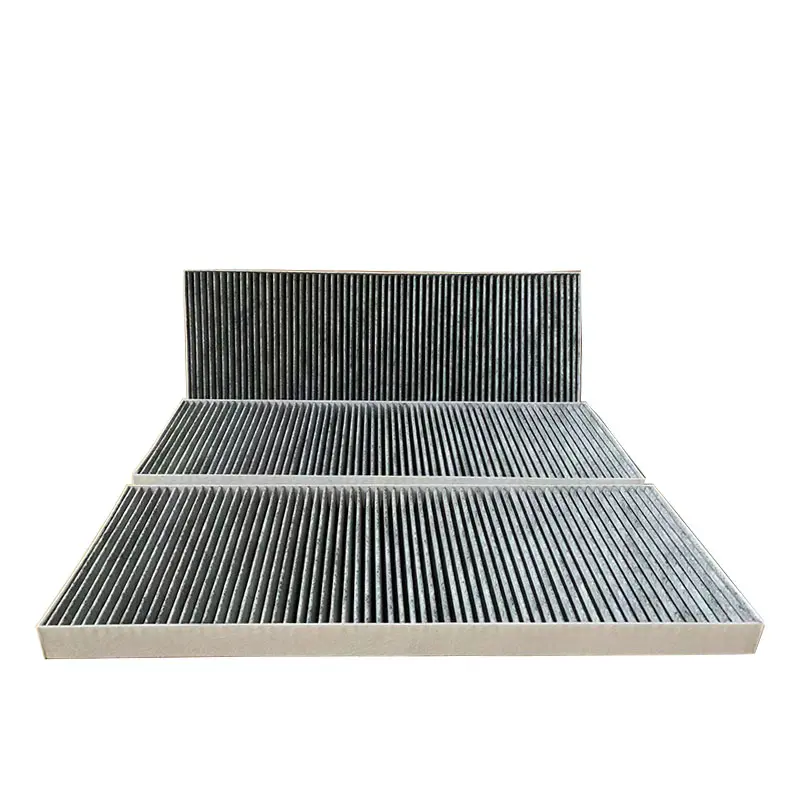
Cabin filters also play a critical role. They filter the air entering the passenger compartment. This helps remove pollutants and allergens. Dirty cabin filters can impact air quality in your vehicle.
**Tip:** Change cabin filters at regular intervals. A fresh filter not only improves air quality but also enhances passenger comfort. Regular maintenance may seem minor, but it can lead to significant improvements in performance.
Importance of Different Types of Engine Filters
How to Choose the Right Spare Engine Filter
Choosing the right spare engine filter for your vehicle is crucial. A good filter protects your engine from dirt and debris. It ensures smooth operation and extends engine life. When selecting a filter, first, consider the type you need. There are oil filters, air filters, and fuel filters. Each serves a specific function.
Next, check the specifications. Look for size and compatibility. An ill-fitting filter can do more harm than good. Research the material quality as well. Not all filters are created equal. Some may have lesser endurance under pressure. Do not ignore reviews from other users. Their experiences can guide you in making a better choice.
Finally, be sure to check the installation process. Some filters are easier to install than others. If you’re not handy, a complicated installation could lead to mistakes. Take your time to understand the requirements fully. A well-chosen filter can save you from costly repairs down the line.
Steps for Replacing Your Vehicle's Engine Filter
Replacing your vehicle's engine filter is crucial for optimal performance. This part helps prevent dirt and debris from entering the engine. Research shows that clean filters can improve engine efficiency by up to 10%. When the filter gets clogged, it can reduce fuel efficiency and lead to costly repairs.
To replace your engine filter, start by locating it. Depending on your vehicle, this can be in various positions. Ensure your engine is cool to avoid burns. Remove the cover or tubing that protects the filter. Take out the old filter carefully. It might require some twisting. Always check for any visible dirt or damage in the area before inserting the new filter.
Tips: Regularly check your filter for signs of wear. Dirty filters can affect vehicle horsepower. It’s a good idea to change your engine filter every 12,000 to 15,000 miles. Ensure the new filter fits snugly. If it's too loose, contaminants may still leak in. Consider using an inspection mirror to get a good view of unreachable areas. A little attention now can save serious headaches later.
Why Do You Need a Spare Parts Engine Filter for Your Vehicle? - Steps for Replacing Your Vehicle's Engine Filter
| Component |
Purpose |
Replacement Interval (miles) |
Estimated Cost ($) |
| Engine Air Filter |
Prevents dirt and debris from entering the engine |
15,000 - 30,000 |
15 - 35 |
| Oil Filter |
Keeps engine oil clean by trapping contaminants |
3,000 - 7,500 |
10 - 25 |
| Fuel Filter |
Filters impurities from the fuel system |
15,000 - 30,000 |
20 - 50 |
| Cabin Air Filter |
Cleans the air entering the vehicle's cabin |
15,000 - 30,000 |
15 - 35 |

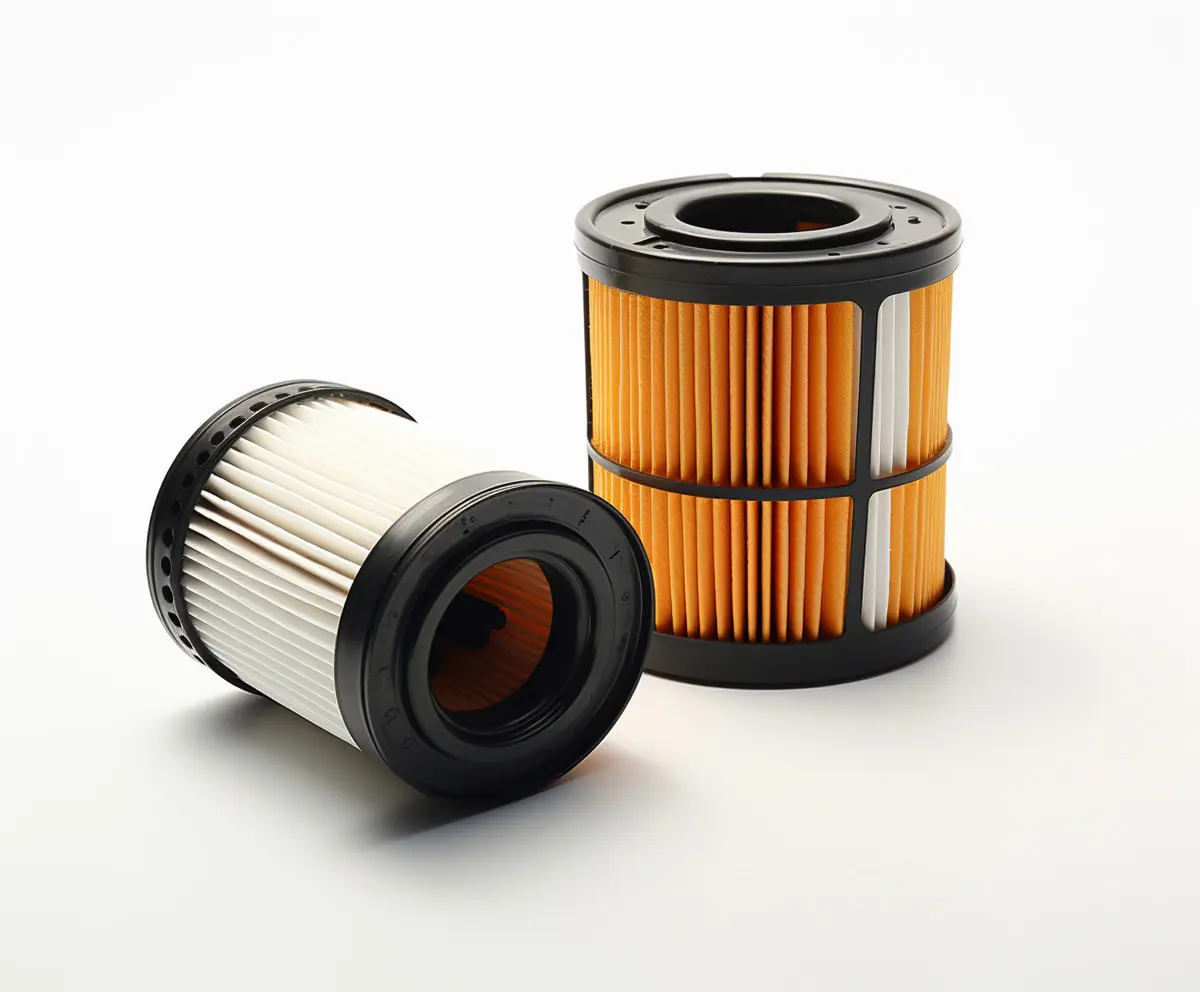 Products
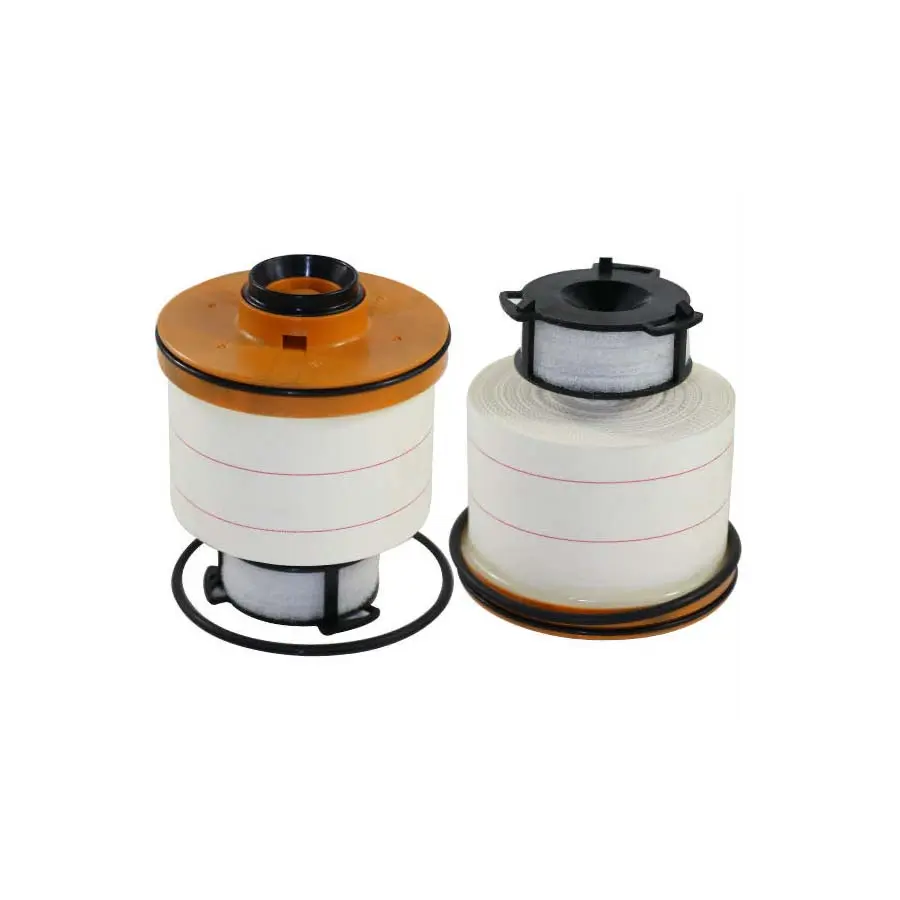 FUEL FILTER
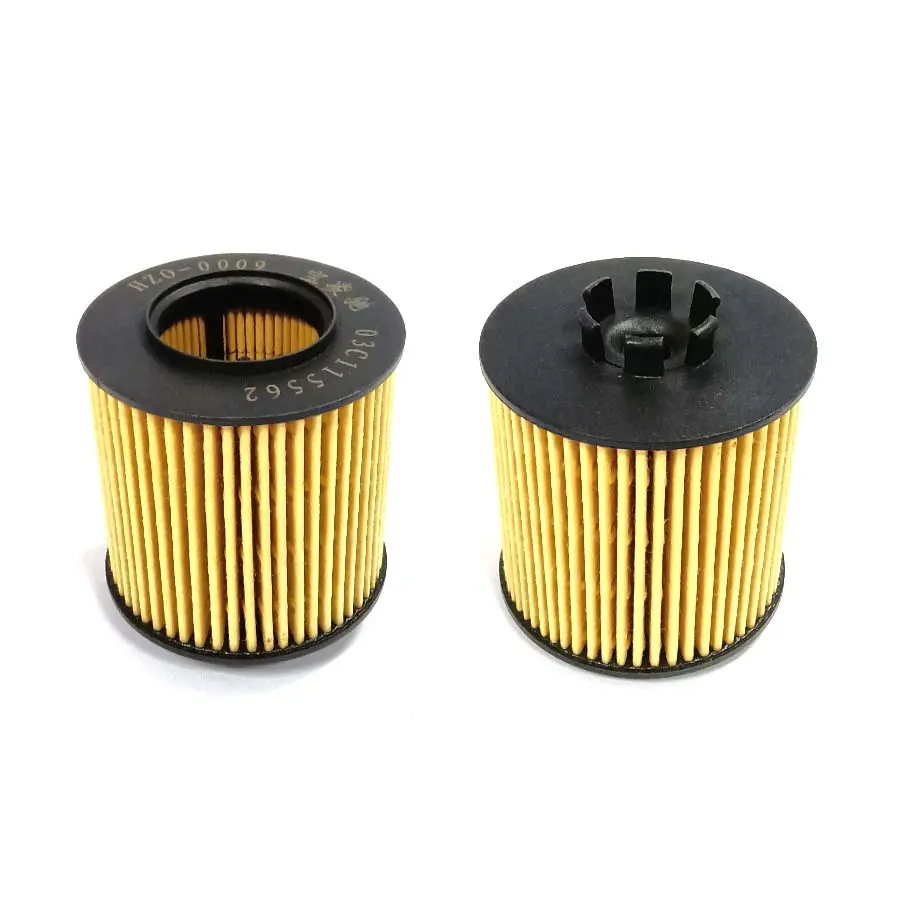 OIL ELEMENT FILTER
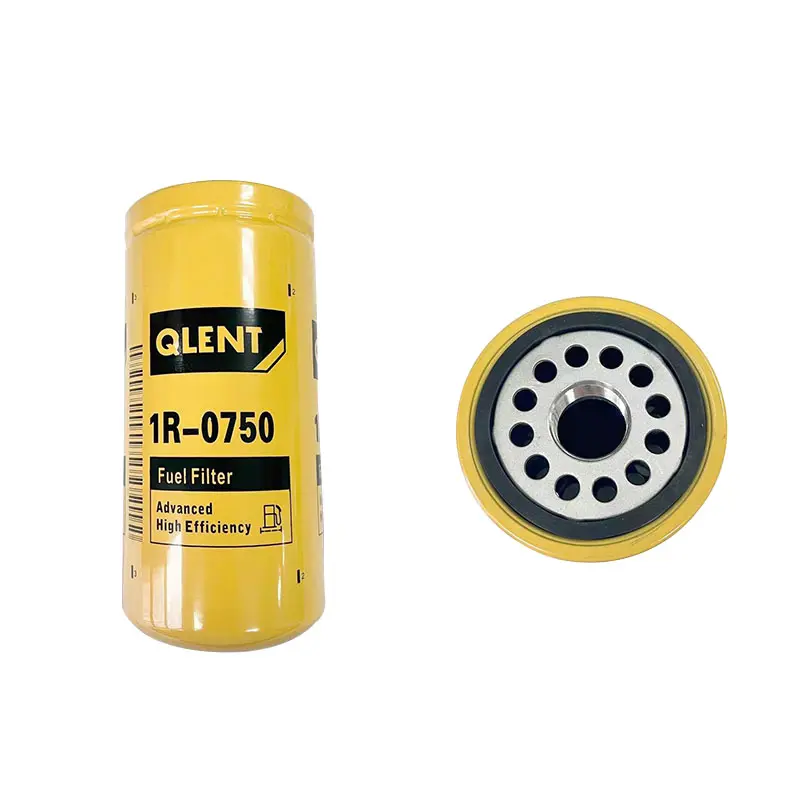 OIL FILTER
 CABIN FILTER
 AIR FILTER