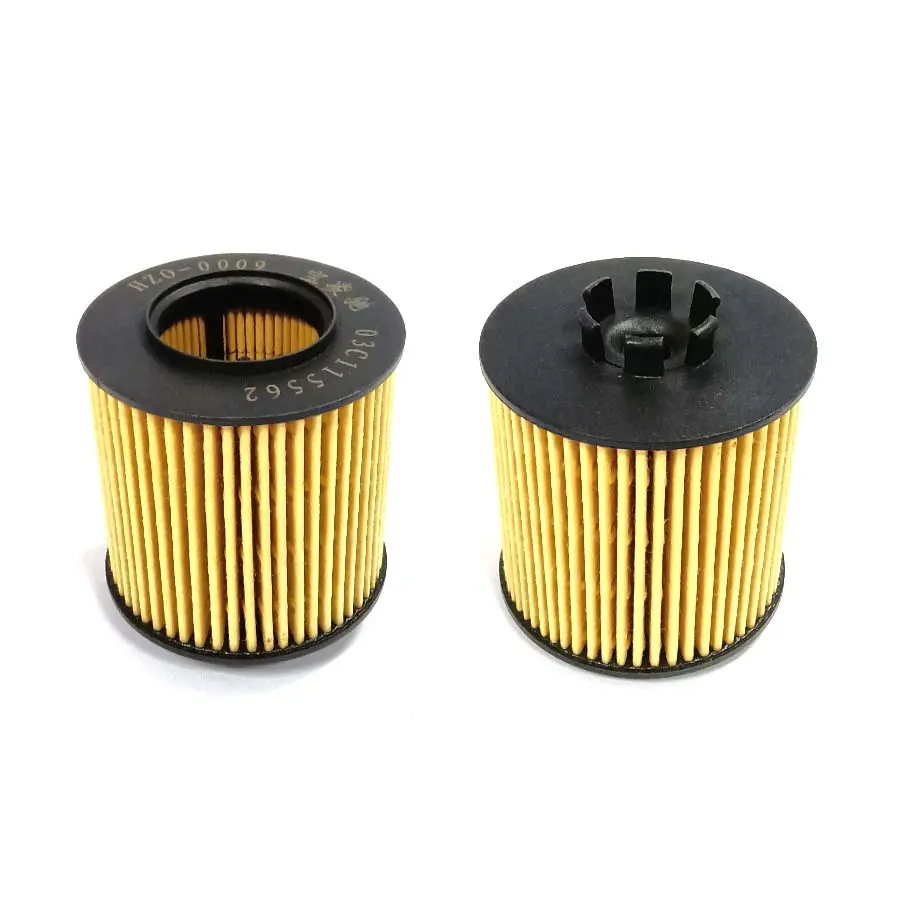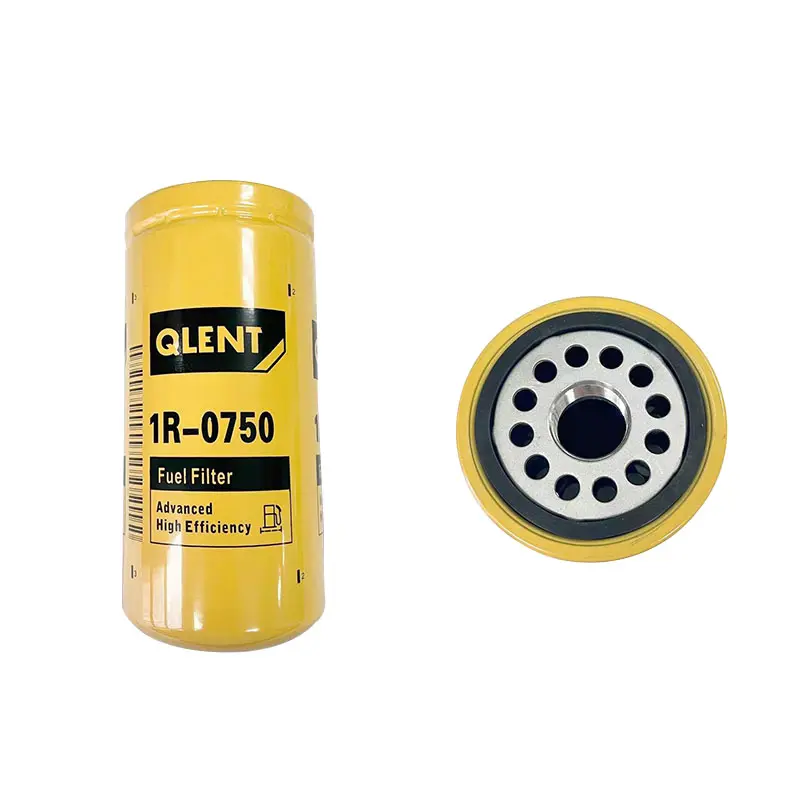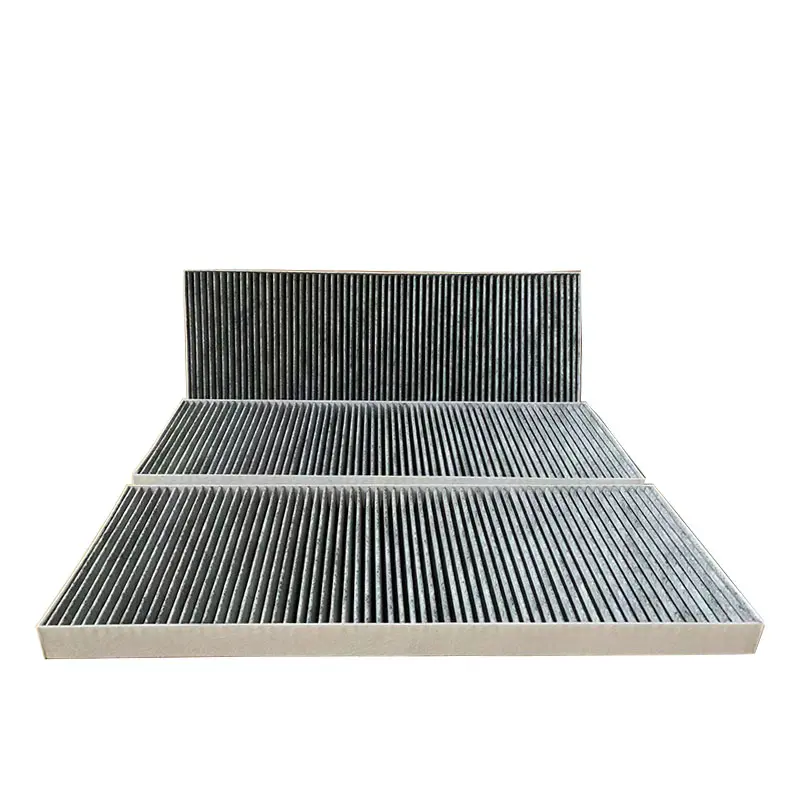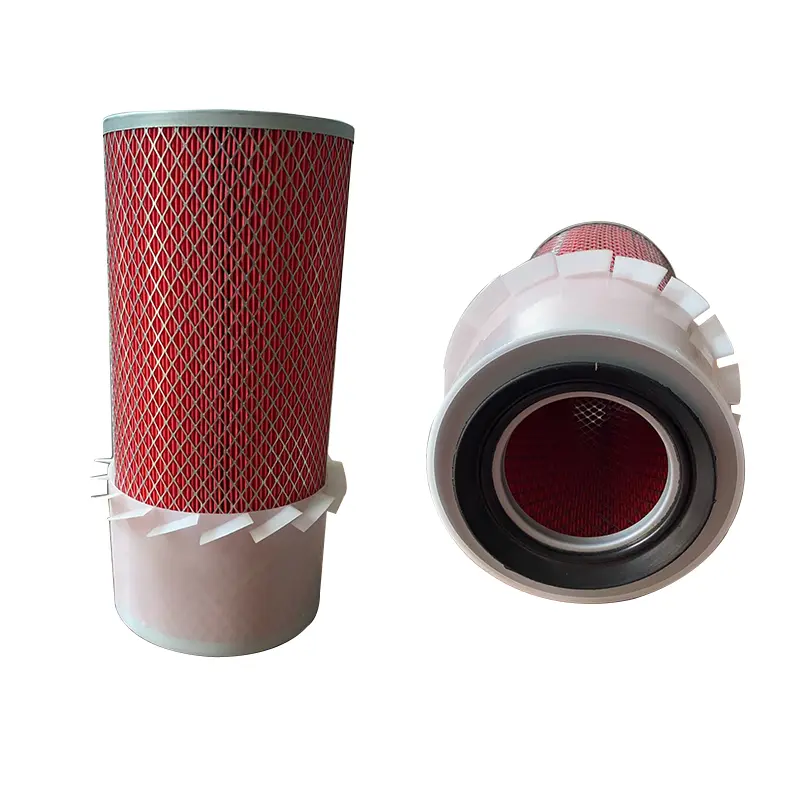
The global Spare Parts Filter market is becoming more demanding as vehicle fleets age, regulations tighten, and buyers expect dependable replacement components. Grand View Research’s Automotive Filters Market report identifies steady market growth through 2030, supported by rising vehicle ownership, maintenance demand, and stricter emission-control requirements. MarketsandMarkets also highlights aftermarket sales as a major growth area, especially for air, oil, fuel, and cabin filters.
Quality matters in a dusty workshop.
A filter may look simple, yet its media structure, sealing ring, pressure resistance, and fitment accuracy affect engine protection. James C. Fitch, a recognized contamination-control specialist and founder of Noria Corporation, has stated, “Contamination is the enemy of reliability.” That principle remains practical. A poorly sealed filter can allow fine particles into expensive equipment, even when the packaging looks professional.
This Top 10 Spare Parts Filter Suppliers Worldwide guide examines manufacturers through product range, certification, testing capacity, distribution coverage, and aftermarket reliability. It also considers supplier transparency, batch consistency, technical support, and delivery performance. ISO 16889 testing, IATF 16949 quality systems, and documented traceability can provide useful evidence, but certificates alone do not guarantee field performance. That is an uncomfortable point.
Real operating conditions often expose the difference. A filter used on a mining truck faces abrasive dust, vibration, and long service intervals. A passenger car filter may face moisture, traffic pollution, and frequent cold starts. No supplier is perfect. Therefore, this ranking should be viewed as a practical comparison, not an absolute verdict. Procurement teams should still verify specifications against the original equipment requirements and local operating conditions.
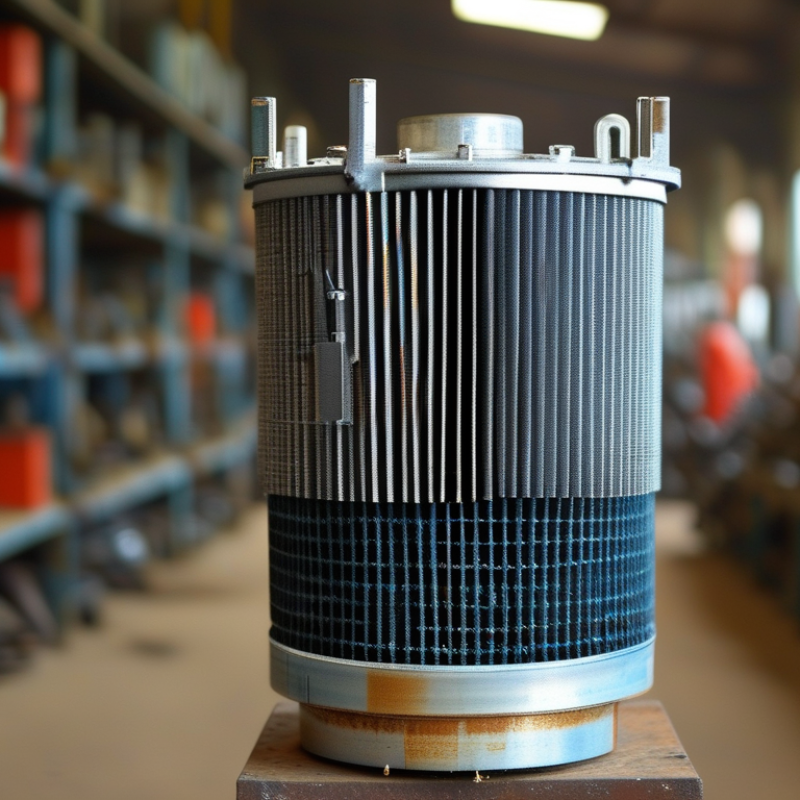
Spare parts filters protect engines, hydraulic systems, compressors, and production equipment from damaging particles. They remove dust, metal fragments, water, and other contaminants before these materials reach sensitive components. A clean filter supports stable pressure, smoother operation, and longer service intervals. Small details matter.
In field maintenance, I have seen a blocked filter cause overheating, weak performance, and unexpected downtime. A damaged seal can be equally serious. Even a high-quality filter may fail when installed incorrectly or replaced too late. Filter suppliers should provide accurate dimensions, suitable media, pressure ratings, and clear maintenance guidance. Their technical documents should be traceable and consistent. Independent testing and practical service experience also build trust. A perfect choice is rare.
Tips: Compare the filter’s micron rating with the equipment manual. Check airflow, fluid compatibility, temperature limits, and sealing materials. Keep one sample for measurement before ordering larger quantities. Do not judge quality by price alone. Cheap parts can create expensive interruptions.
When evaluating the top ten spare parts filter suppliers worldwide, buyers should examine more than product range. Reliable suppliers maintain quality controls, respond clearly to technical questions, and protect part consistency across batches. Delivery accuracy matters when a machine is already idle. I would also review return procedures and documentation before purchase. These checks take time, but rushed decisions often create repeat failures. My own inspection habits have improved, though I still record mistakes after each replacement.
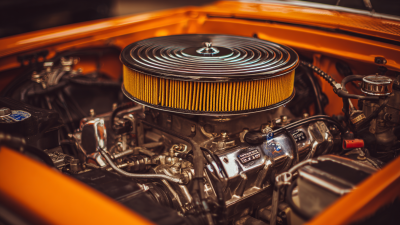
Supplier evaluation should begin with verified performance, not a polished catalog. The 2024 Industrial Filtration Market report projects growth from approximately USD 33.7 billion in 2023 to USD 43.8 billion by 2028. This expansion increases supplier choice, but it also increases comparison risk. Ask for pressure-drop curves, filtration ratings, material specifications, and batch traceability. ISO 16889 supports standardized multipass testing for hydraulic filters. ISO 2941 helps verify collapse or burst resistance. These documents reveal more than a product photograph.
Check dimensional accuracy against the original assembly drawing. Measure the seal diameter, thread pitch, bypass setting, and installation depth. A small mismatch can cause leakage or premature shutdown. Request test certificates for each production batch. Reliable suppliers should explain their media construction, adhesive limits, and storage life. Their answers should remain consistent across sales, engineering, and quality teams.
Lead time deserves equal attention. The 2023 World Bank Logistics Performance Index shows major differences in customs efficiency and delivery reliability between markets. A low purchase price may become expensive after air freight, emergency labor, and machine downtime. I have seen buyers focus too heavily on unit cost. That shortcut is understandable, but incomplete. Compare landed cost, safety-stock support, minimum order quantities, and replacement availability. Require a sample before a large order. Inspect it carefully. Even a seemingly minor inconsistency may deserve another question.
Top 10 Spare Parts Filter Suppliers Worldwide
The top global spare parts filter suppliers usually excel in a specific field. Some focus on engine oil filters, while others specialize in air, fuel, hydraulic, or cabin filtration. Their core strengths include stable materials, precise dimensions, reliable sealing, and broad equipment coverage. A strong supplier should provide traceable batch numbers and clear technical data. This matters when filters operate near dust, heat, vibration, or moisture.
Experienced maintenance teams compare more than unit prices. They inspect filter media, gasket flexibility, pressure ratings, and replacement intervals. Leading suppliers often support heavy trucks, construction equipment, agricultural machines, and industrial systems. Regional stock is another practical advantage. A filter that arrives late can stop a machine for an entire shift. Still, no ranking is perfect. Application conditions differ, and a highly rated supplier may perform poorly with an unusual engine model.
Tips: Request samples before bulk orders. Check dimensions with a caliper. Review test reports and warranty terms. Ask about storage conditions, because damp packaging can weaken seals. Keep one used filter for comparison. It reveals dust loading, oil residue, and possible fit problems. Supplier strength is not only manufacturing scale. It is also responsive service, consistent quality, and honest technical support.
Top 10 Spare Parts Filter Suppliers Worldwide: Which Industries and Applications Do These Suppliers Serve?
Global filter suppliers support manufacturing, power generation, mining, marine transport, food processing, pharmaceuticals, and commercial HVAC systems. Their spare parts include air, oil, fuel, hydraulic, dust, water, and process filters. MarketsandMarkets’ Industrial Filtration Market report projects the sector to grow from about USD 33 billion in 2023 to over USD 42 billion by 2028. This growth reflects stricter process control and higher equipment uptime demands. In factories, a blocked filter can increase pressure loss and heat. Downtime hurts.
Mining and energy operators usually require heavy-duty housings, high-dust capacity, and corrosion-resistant materials. Food and pharmaceutical plants need traceable media, hygienic designs, and documented change intervals. Data centers use filtration in air-handling and cooling systems, where dust control protects sensitive equipment. The International Energy Agency reported that industry represented about 37% of global final energy consumption in 2022. Efficient filtration can support lower energy waste, although results depend on maintenance and airflow design. A perfect supplier ranking is difficult. Regional stock, technical support, and verified compatibility can matter more than catalog size.
Tips: Check the original equipment specification, micron rating, gasket material, pressure limit, and operating temperature. Keep two replacement cycles available for critical machines. Ask suppliers for test certificates and cross-reference data. Do not choose only by price. That mistake is common. Review failure records after each replacement, because real operating conditions may expose weaknesses that a brochure misses.
| Rank | Anonymous Supplier Profile | Primary Supply Region | Main Spare-Parts Filter Categories | Industries Served | Typical Applications | Relevant Standards or Specifications | Supply and Service Capability |
|---|---|---|---|---|---|---|---|
| 1 | Supplier Profile A | Europe and global export markets | Air filters Oil filters Fuel filters Hydraulic filters | Construction equipment, agricultural machinery, mining, industrial production | Diesel engines, hydraulic power units, compressors, mobile equipment | ISO 16890 for general ventilation filters; ISO 29463 or EN 1822 for high-efficiency air filtration; equipment-specific OEM specifications | Cross-reference catalogs, aftermarket replacement programs, batch supply and international distribution |
| 2 | Supplier Profile B | North America and Latin America | Engine air filters Cabin filters Fuel-water separators Transmission filters | Commercial vehicles, fleet transport, power generation, municipal services | Trucks, buses, generator sets, refuse vehicles, service fleets | Vehicle manufacturer fitment data, SAE-related test methods, ISO 5011 for engine air-cleaner testing where applicable | Fleet programs, warehouse distribution, vehicle-fitment databases and scheduled maintenance support |
| 3 | Supplier Profile C | East Asia and Southeast Asia | Hydraulic elements Return-line filters Suction strainers Breathers | Machine tools, plastics processing, robotics, steel production, industrial automation | Hydraulic power packs, injection molding machines, lubrication circuits, servo systems | ISO 16889 for multi-pass hydraulic filter testing; ISO 4406 for hydraulic-fluid cleanliness coding | Custom micron ratings, replacement-element matching, technical drawings and private-label-neutral packaging |
| 4 | Supplier Profile D | Germany, Central Europe and global industrial markets | Compressed-air filters Coalescing filters Activated-carbon filters Dryer elements | Food and beverage, pharmaceuticals, electronics, chemical processing | Compressed-air preparation, instrument air, pneumatic production lines, breathing-air systems | ISO 8573 series for compressed-air quality; application-specific pressure-vessel and food-contact requirements may also apply | Point-of-use filtration, contamination-control guidance, element-life planning and maintenance kits |
| 5 | Supplier Profile E | Japan, South Korea and wider Asia-Pacific | Coolant filters Oil-mist filters Process liquid filters Metalworking filters | Automotive manufacturing, precision engineering, electronics and semiconductor production | Cutting-fluid circulation, grinding machines, vacuum pumps, cleanroom support systems | ISO 29463 or EN 1822 for applicable high-efficiency air elements; process requirements are commonly defined by particle-size and flow-rate data | Fine filtration options, clean manufacturing processes, low-shedding media and export-ready documentation |
| 6 | Supplier Profile F | China and international aftermarket channels | Heavy-duty air filters Dust collectors Cabin air filters Separator elements | Mining, cement, quarrying, agriculture, logistics and material handling | Off-highway engines, baghouse systems, forklifts, excavators and warehouse equipment | ISO 5011 may be used for engine air-cleaner performance; ISO 16890 is relevant to general ventilation applications | High-volume production, broad dimensional coverage, rapid tooling adaptation and mixed-container shipments |
| 7 | Supplier Profile G | Italy, Spain and Mediterranean export markets | Fuel filters Fuel-water separators Hydraulic filters Marine filters | Marine, agriculture, construction, irrigation and distributed power | Marine diesel engines, tractors, pumps, compact construction machinery and generator systems | Engine and equipment manufacturer requirements; marine applications may require additional classification or environmental documentation | Corrosion-resistant options, water-separation designs, low-temperature configurations and aftermarket cross-referencing |
| 8 | Supplier Profile H | India, the Middle East and South Asia | Industrial dust filters Panel filters Bag filters Cartridge filters | Cement, power generation, steel, textiles, pharmaceuticals and general manufacturing | Dust extraction, HVAC systems, turbine inlet air, process ventilation and clean production areas | ISO 16890 for general ventilation; EN 1822 or ISO 29463 for applicable HEPA and EPA filtration; local fire and safety rules may apply | Large-format elements, high-dust-load designs, application surveys and replacement planning for plant maintenance |
| 9 | Supplier Profile I | United Kingdom, Scandinavia and Northern Europe | Gas turbine filters HVAC filters HEPA filters Molecular filters | Data centers, airports, hospitals, energy, laboratories and commercial buildings | Air-handling units, turbine intake systems, cleanrooms, hospital ventilation and critical facilities | ISO 16890, EN 1822 and ISO 29463; cleanroom applications may also use ISO 14644 classification principles | Energy-efficiency assessments, pressure-drop data, cleanroom documentation and planned filter-replacement services |
| 10 | Supplier Profile J | Brazil, Mexico, Australia and other regional markets | Mining filters Oil filters Hydraulic elements Water filters | Mining, oil and gas, water treatment, agriculture and remote infrastructure | Haul trucks, drilling equipment, pump stations, irrigation systems and remote power units | ISO 16889 for hydraulic filtration where applicable; water-treatment products are selected according to media, flow, pressure and contaminant requirements | Remote-site logistics, ruggedized products, emergency replacement supply and regional stockholding |
How to Choose the Right Spare Parts Filter Supplier for Your Needs
A top-ten supplier list is only a starting point. The right choice depends on equipment type, operating pressure, fluid chemistry, and service conditions. Start by checking the filter’s micron rating, beta ratio, pressure-drop curve, seal material, and dimensional drawings. A filter that fits physically may still restrict flow or fail early. The 2024 Global Industrial Filtration Market report by Mordor Intelligence identifies energy efficiency and stricter process standards as major market drivers. This supports a practical rule: compare performance data, not only purchase price.
Supplier reliability matters just as much. Request batch traceability, material certificates, laboratory test results, and clear warranty terms. ISO 9001 certification can indicate controlled processes, but it does not guarantee every filter will suit your machine. Review delivery records and emergency stock policies. Deloitte’s 2023 Smart Manufacturing and Operations Survey found that 86% of manufacturers expect smart manufacturing to remain important for competitiveness. Traceable inventory and digital order records are becoming useful, even for ordinary replacement filters.
Tips: Ask for a sample before placing a large order. Measure the old filter carefully. Check actual pressure loss after installation. Also calculate total cost, including downtime, freight, disposal, and maintenance labor. A low unit price can mislead. I would also question vague claims such as “premium grade” without test figures. Supplier selection is not perfectly clean; field conditions often expose gaps that brochures hide. Be willing to revise your choice after real operating data appears.
The chart presents a transparent 100-point procurement evaluation model for comparing spare parts filter suppliers. Performance verification and product quality receive the highest weights because filtration efficiency, pressure-drop behavior, contamination control, and consistency directly affect equipment reliability. The model is company-neutral and should be adjusted according to equipment type, operating conditions, and total cost requirements.