Top 10 Air Filter Tips for Cleaner Indoor Air?
Indoor air can be filled with pollutants. Many people underestimate the importance of air quality. An effective Air Filter can significantly improve your environment.
Using the right air filter means breathing cleaner air. This is especially relevant for those with allergies or respiratory issues. It's essential to choose filters that capture dust, pollen, and smoke. But not all air filters are created equal. The effectiveness can vary depending on the type and maintenance of the filter used.
We will explore practical tips to maximize your air filter's performance. Some tips may seem obvious, yet they require reflection. Simple changes can lead to better air quality in your home. An air filter is a small device with a big impact. Your indoor air deserves attention and care.
Understanding IAQ: The Importance of Indoor Air Quality for Health
Indoor air quality (IAQ) plays a vital role in our overall health. Poor IAQ can lead to various health issues, including respiratory problems and allergies. According to the Environmental Protection Agency (EPA), indoor air can be two to five times more polluted than outdoor air. This alarming statistic highlights the need for effective air filtration systems.
One key tip for maintaining cleaner indoor air is to regularly replace air filters. Dirty filters can become breeding grounds for allergens and bacteria. The EPA recommends changing filters every 1-3 months, especially during peak usage seasons. Simple tasks, like this, can significantly enhance air quality.
Another useful practice is to control humidity levels. Humidity above 50% can encourage mold growth and dust mites. Use a dehumidifier if necessary. It will minimize the risk of these allergens.
Be mindful that even with the best air filters, complete elimination of pollutants is unrealistic. Regular cleaning and indoor plants can help but aren’t silver bullets. Evaluating these strategies is crucial for better IAQ.
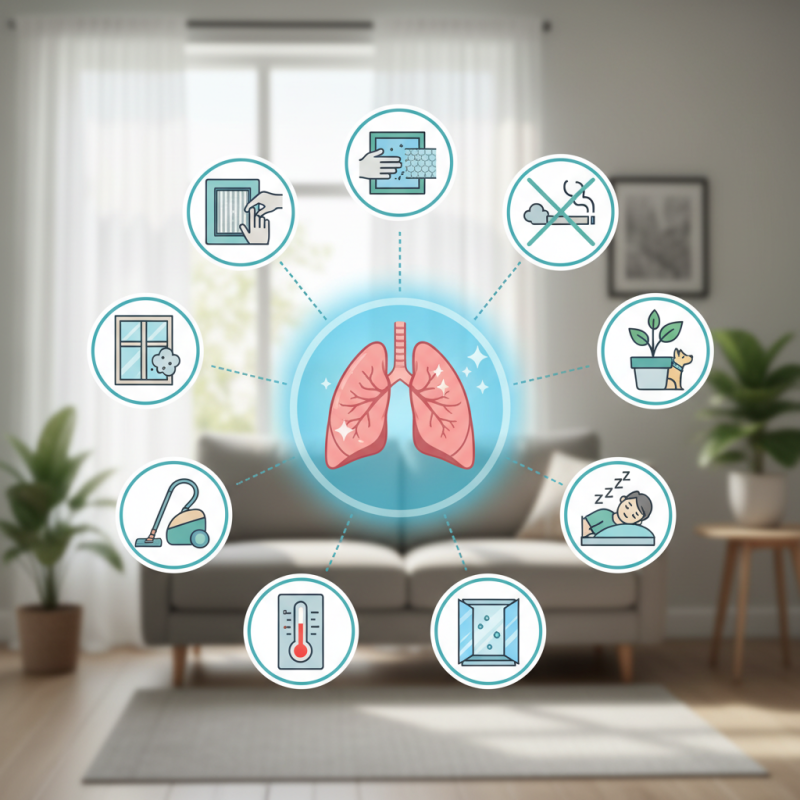
Top 10 Air Filter Tips for Cleaner Indoor Air
| Tip Number |
Tip |
Description |
Frequency |
| 1 |
Change Filters Regularly |
Replace air filters every 1-3 months to maintain air quality. |
Every 1-3 Months |
| 2 |
Use HEPA Filters |
Choose high-efficiency particulate air filters for better pollutant capture. |
As Needed |
| 3 |
Seal Windows and Doors |
Minimize outdoor air pollution by sealing gaps and cracks. |
Annually |
| 4 |
Maintain Humidity Levels |
Keep indoor humidity between 30-50% to prevent mold. |
As Needed |
| 5 |
Use Air Purifiers |
Consider using portable air purifiers for extra filtration. |
As Needed |
| 6 |
Keep HVAC System Clean |
Regularly clean ductwork and the HVAC system to enhance performance. |
Every 1-2 Years |
| 7 |
Avoid Smoking Indoors |
Prohibit smoking to reduce harmful indoor air pollutants. |
Constant |
| 8 |
Limit Use of Chemicals |
Minimize indoor air pollution by using fewer chemical cleaners. |
Constant |
| 9 |
Increase Ventilation |
Open windows or use exhaust fans to circulate fresh air. |
Daily |
| 10 |
Regular Cleaning |
Keep spaces tidy and free of dust to improve air quality. |
Weekly |
What to Look for in an Air Filter: MERV Ratings Explained
When choosing an air filter, MERV ratings are crucial. MERV stands for Minimum Efficiency Reporting Value. This rating system ranges from 1 to 16, indicating how effectively a filter captures particles. A higher MERV rating means better filtration. Filters rated between 1 and 4 are basic. They capture large particles like dust and pollen. However, they may not be suitable for allergy sufferers.
Filters with a MERV rating of 8 to 12 are more effective. They catch smaller particles, such as pet dander and mold spores. According to the American Lung Association, using a filter with at least a MERV 8 rating can significantly improve indoor air quality. Higher-rated filters, like MERV 13 to 16, trap even finer particles, including bacteria and smoke. However, higher MERV filters might restrict airflow. This can reduce HVAC efficiency.
Remember that a filter is only as good as its installation and maintenance. Regular replacement is necessary. Some forget to check their filters, leading to reduced performance. Regular inspection can help. It's important to balance filtration efficiency with airflow needs. An overly restrictive filter could strain your heating and cooling system, leading to higher energy bills. Aim for a clear understanding of your air quality needs and the appropriate filter for your space.
Regular Maintenance: How Often to Replace Your Air Filters
Maintaining clean indoor air requires regular attention to your air filters. It's easy to overlook this task, but ignoring it can lead to air quality issues. Dust, allergens, and pollutants accumulate in the filters over time, reducing their efficiency. This may result in poor air circulation and potential health risks.
Replace your air filters every one to three months, depending on usage and environmental factors. If you have pets or allergies, consider changing them more frequently. Simple reminders can help you stay on track. Some people forget and leave filters in for too long. This can cause the system to work harder, wasting energy and increasing costs.
Pay attention to visible dirt on your filters. If they look grimy, it’s time for a change. Clean filters improve airflow and keep your system running smoothly. You may not notice the gradual buildup of dust and allergens, yet it can significantly affect your health. A proactive approach ensures you maintain a healthier indoor environment.
Top 10 Air Filter Tips for Cleaner Indoor Air
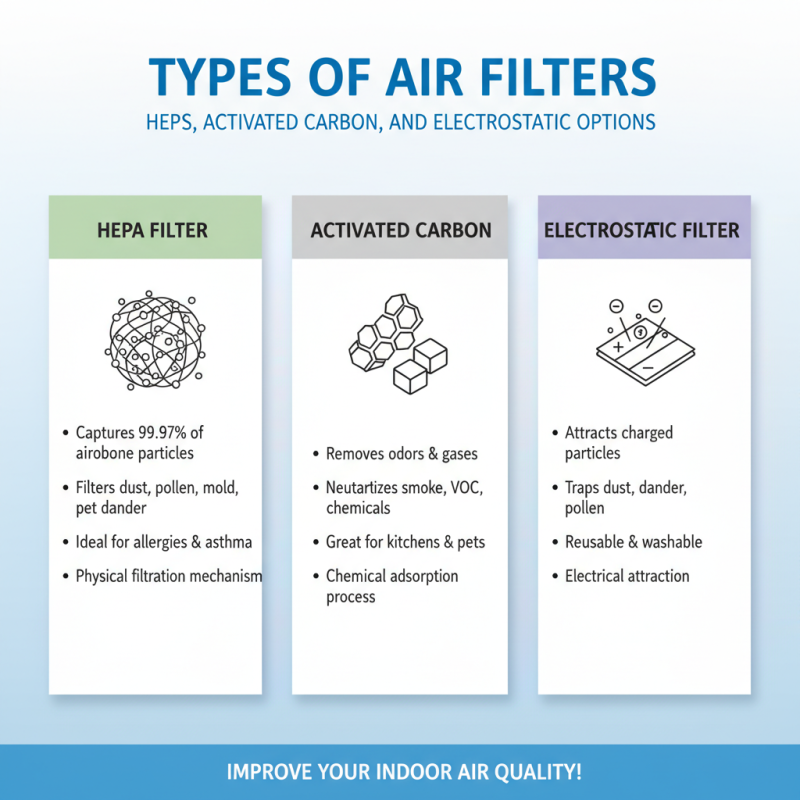
Types of Air Filters: HEPA, Activated Carbon, and Electrostatic Options
Air quality is essential for health. Various air filters can dramatically improve the indoor atmosphere. HEPA, activated carbon, and electrostatic filters each have unique features.
HEPA filters trap 99.97% of particles as small as 0.3 microns. They are ideal for capturing dust, pollen, and pet dander. However, they may not eliminate odors. Regular replacement is necessary; neglecting this can reduce their efficiency.
Activated carbon filters absorb odors and harmful gases. They are excellent for kitchens and smoking areas. Yet, they are not as effective at removing dust particles. This can lead to a false sense of security. Electrostatic filters use static electricity to capture particles. They are reusable and can be more economical in the long run. A deeper understanding of these filters helps choices. Choosing the right filter is not just about cost. It requires consideration of specific needs and environments.
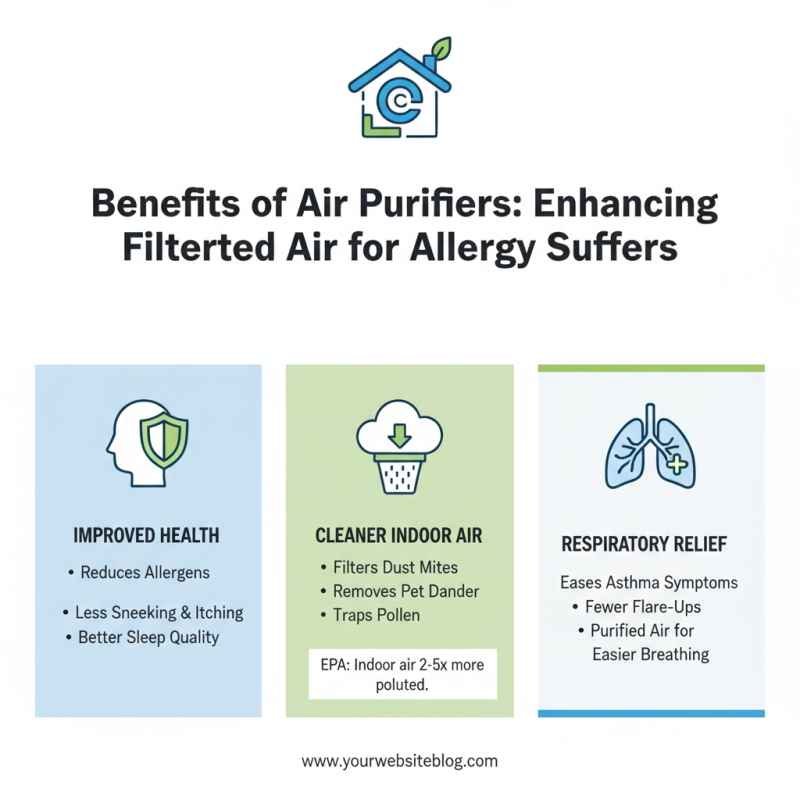
Benefits of Air Purifiers: Enhancing Filtered Air for Allergy Sufferers
Indoor air quality is often overlooked, yet it significantly impacts our health, especially for allergy sufferers. According to the Environmental Protection Agency (EPA), indoor air can be two to five times more polluted than outdoor air. Allergens such as dust mites, pet dander, and pollen can accumulate, leading to serious health issues. Air purifiers can enhance the quality of filtered air, providing a much-needed relief for those with sensitivities.
Investing in an air purifier may improve your overall well-being. A recent study indicated that using HEPA filters could reduce airborne allergens by up to 99%. This makes a striking difference for those battling allergies. It’s essential to select the right filter for your needs. Regularly replacing filters can maintain efficiency. Clean filters trap pollutants effectively.
Here are a few tips to maximize your air purifier’s performance. First, keep windows and doors closed when the purifier is in use. This prevents outdoor allergens from entering. Regular maintenance is critical; clean or replace filters as per the manufacturer’s recommendations. Also, consider the placement of your purifier; position it centrally in the room for optimal airflow. These small adjustments can ensure that your indoor air remains as clean as possible.

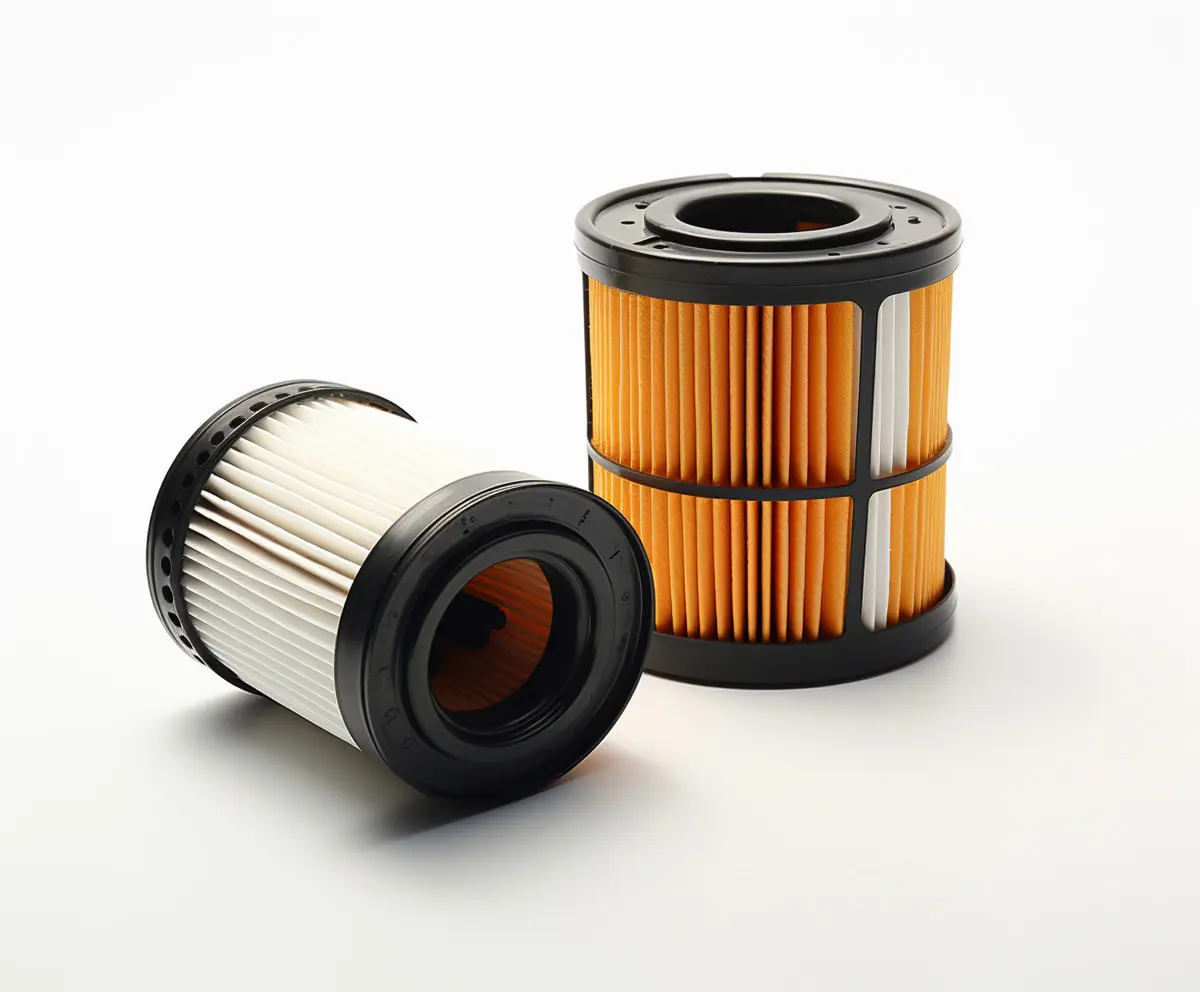 Products
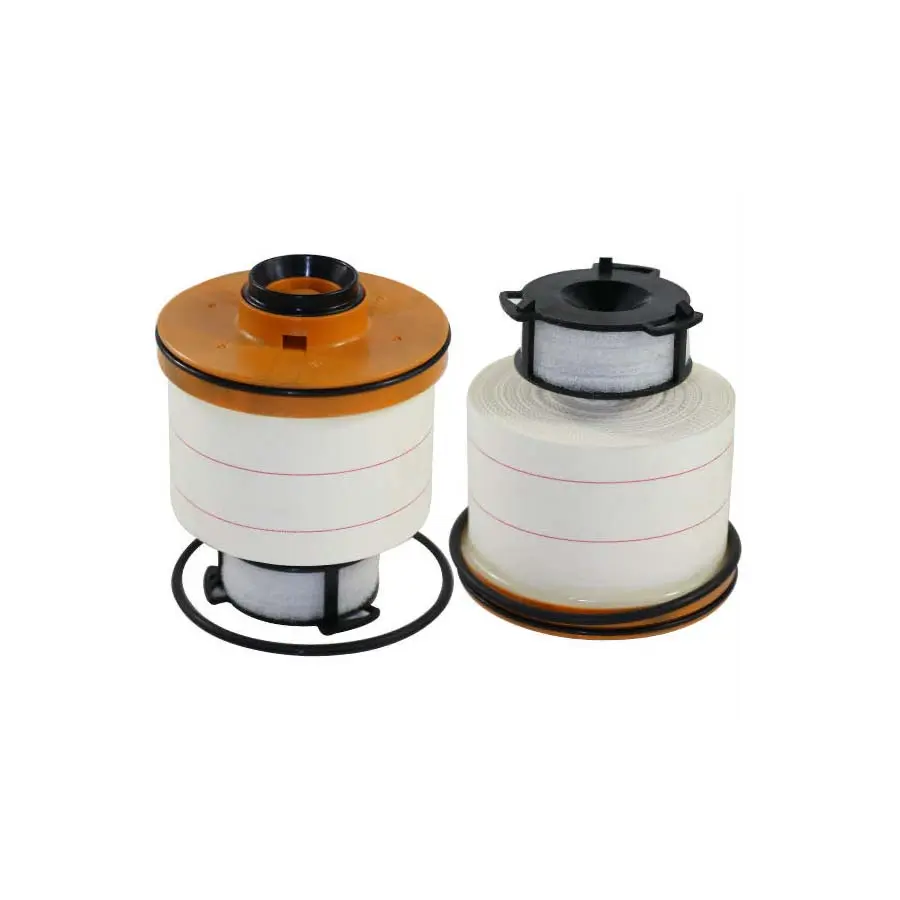 FUEL FILTER
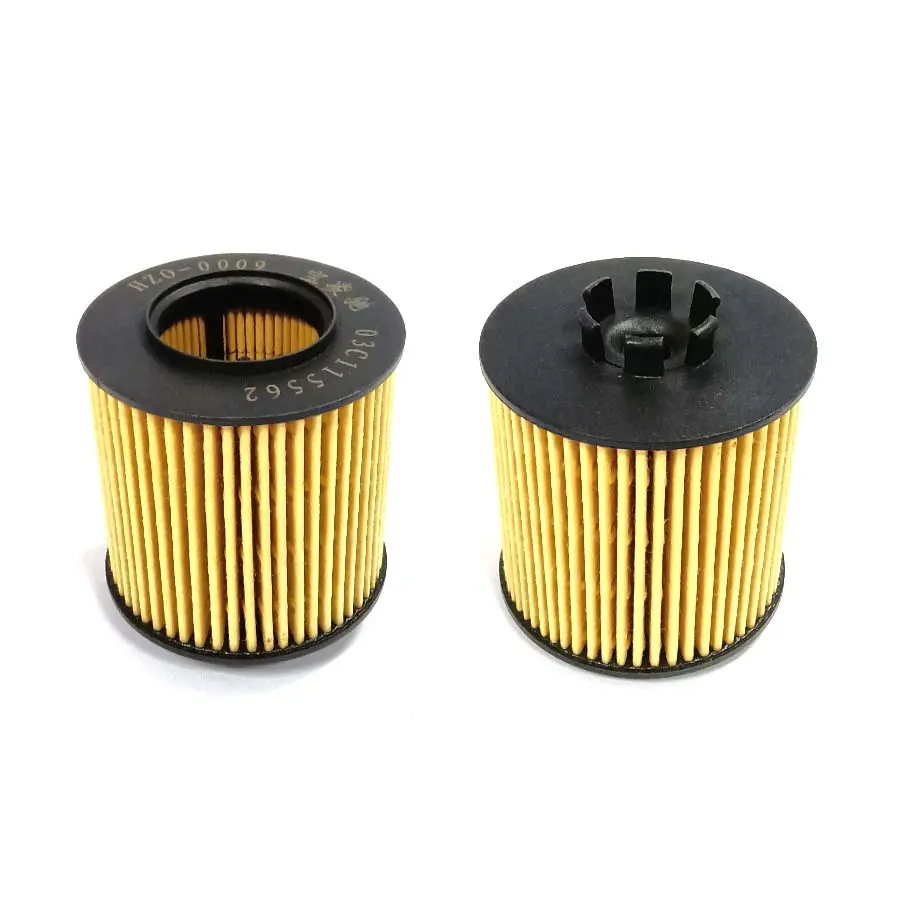 OIL ELEMENT FILTER
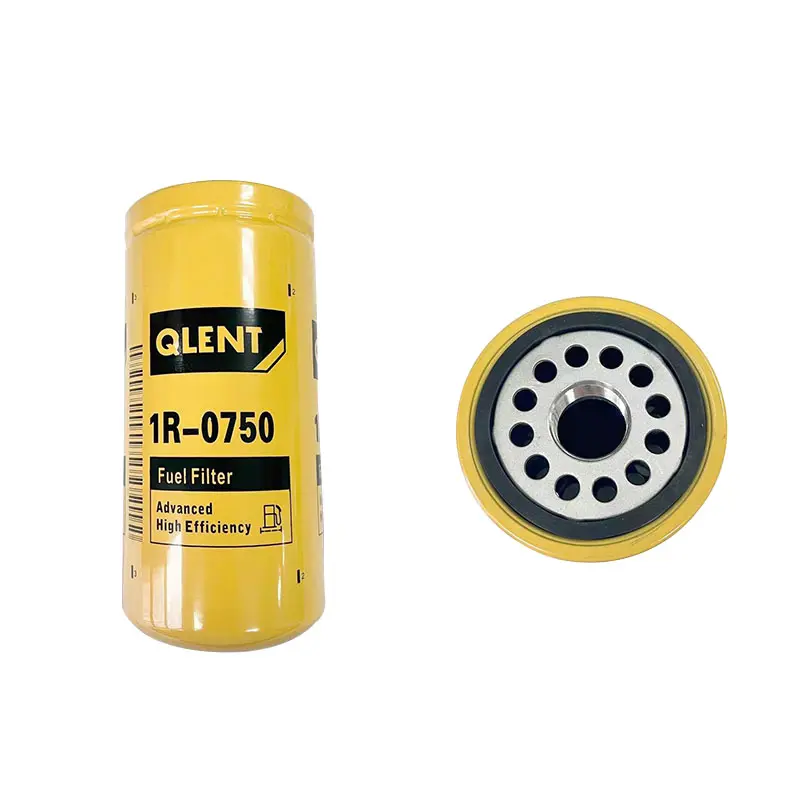 OIL FILTER
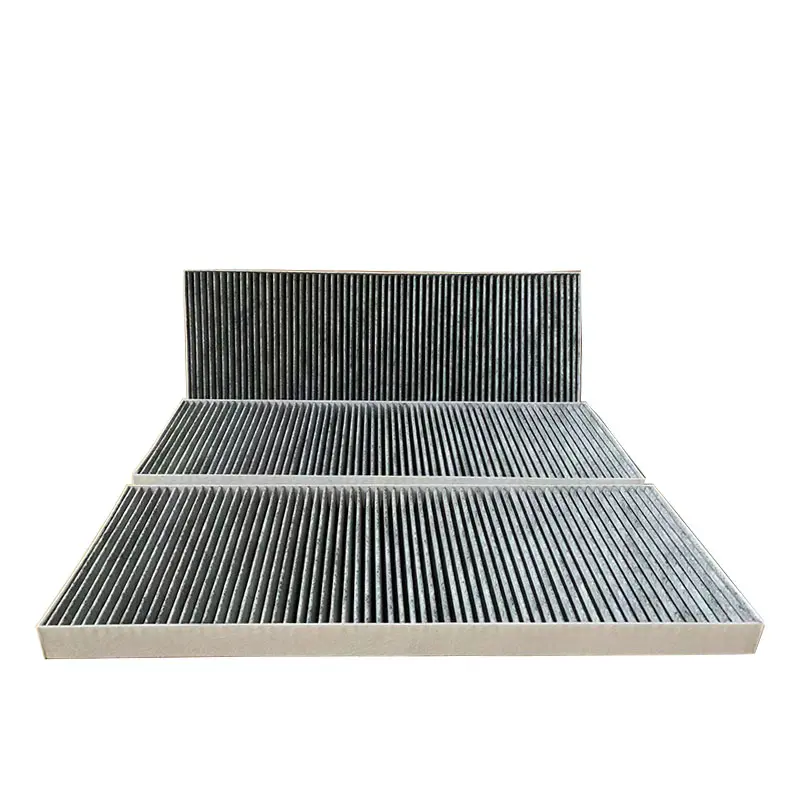 CABIN FILTER
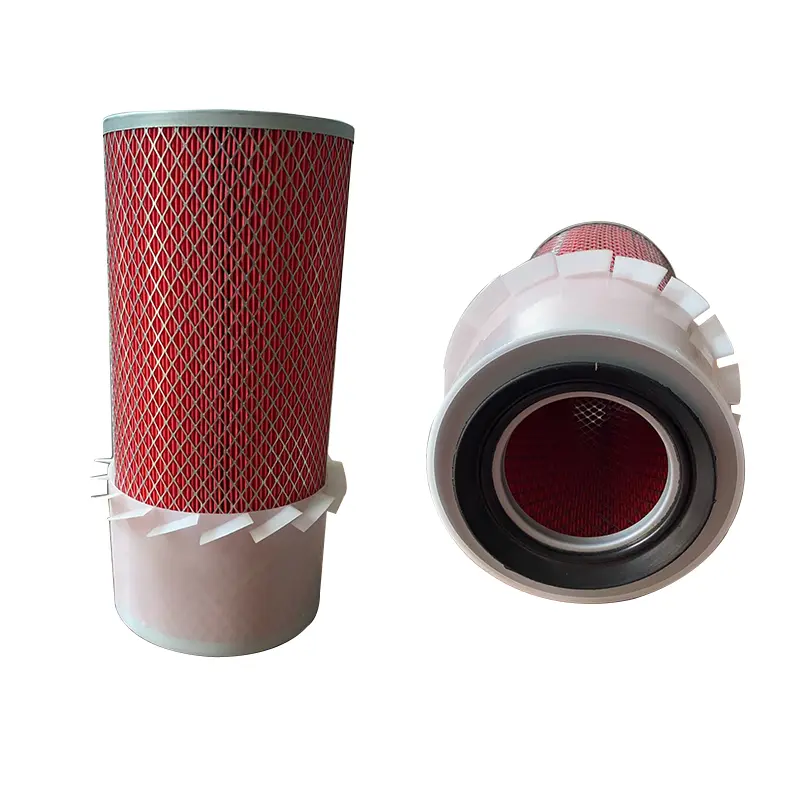 AIR FILTER