Top Auto Engine Filters for 2026 What Buyers Need to Know
As we edge closer to 2026, the importance of selecting the right auto engine filter cannot be overstated. An auto engine filter plays a critical role in maintaining engine health. It ensures a steady flow of clean air and prevents harmful contaminants from entering the combustion chamber. In the competitive automotive market, consumers must understand their options.
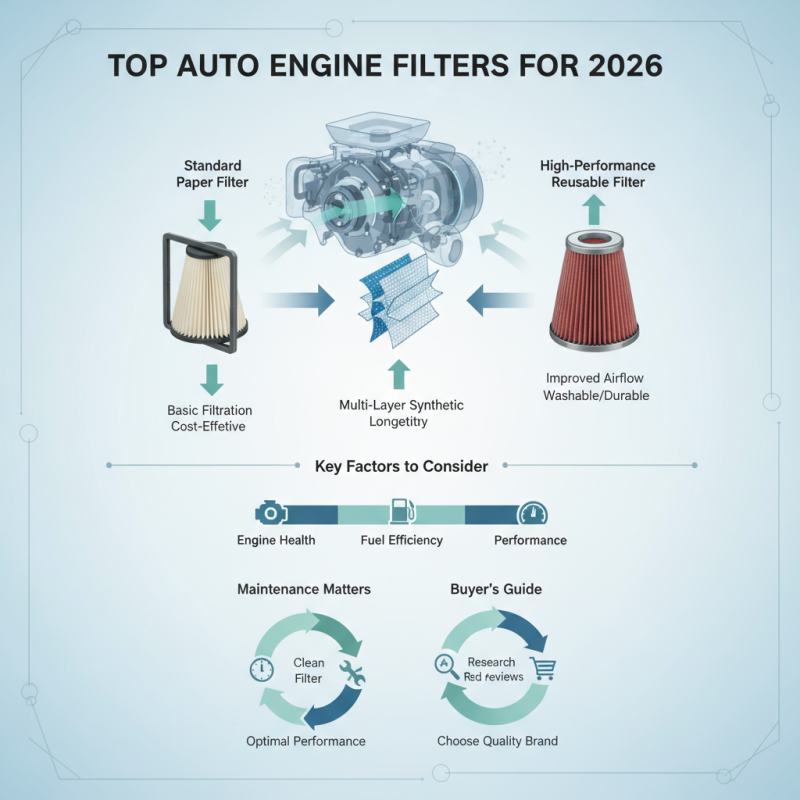
Modern filters vary greatly in design and function. Some are simple paper filters, while others have sophisticated multi-layer designs. Each type has its strengths and weaknesses. Understanding these differences is crucial for buyers. Moreover, the need for maintaining filters regularly is often overlooked. A dirty or clogged filter can reduce engine performance and fuel efficiency.
Choosing an auto engine filter requires careful consideration. Brands have differing levels of quality, which can impact vehicle longevity and functionality. Buyers should research manufacturer specifications and user reviews to make informed choices. Ultimately, the right auto engine filter can enhance driving experience but demands attention and commitment.
Overview of Auto Engine Filters and Their Importance in 2026
Auto engine filters play a crucial role in maintaining vehicle performance. In 2026, these filters are more advanced than ever. They prevent contaminants from damaging engine components. A clean engine filter ensures optimum airflow and enhances fuel efficiency. Drivers need to be aware of the type of filters suitable for their vehicles.
One key aspect of filters is their maintenance requirements. Many car owners neglect to check or replace filters regularly. This can lead to reduced engine efficiency and increased wear. Understanding the lifespan of filters is important. Each type has unique replacement intervals. For example, some may last up to 15,000 miles, while others need attention sooner.
Selecting the right filter involves considering various factors. These include the vehicle's make, model, and driving conditions. Buyers should consult their owner's manual for guidance. An informed choice can lead to a cleaner engine and improved performance. Some filters may not meet high standards. Thus, researching quality and reliability is essential. This often requires reading reviews and expert opinions.
Types of Auto Engine Filters: A Comprehensive Guide for Buyers
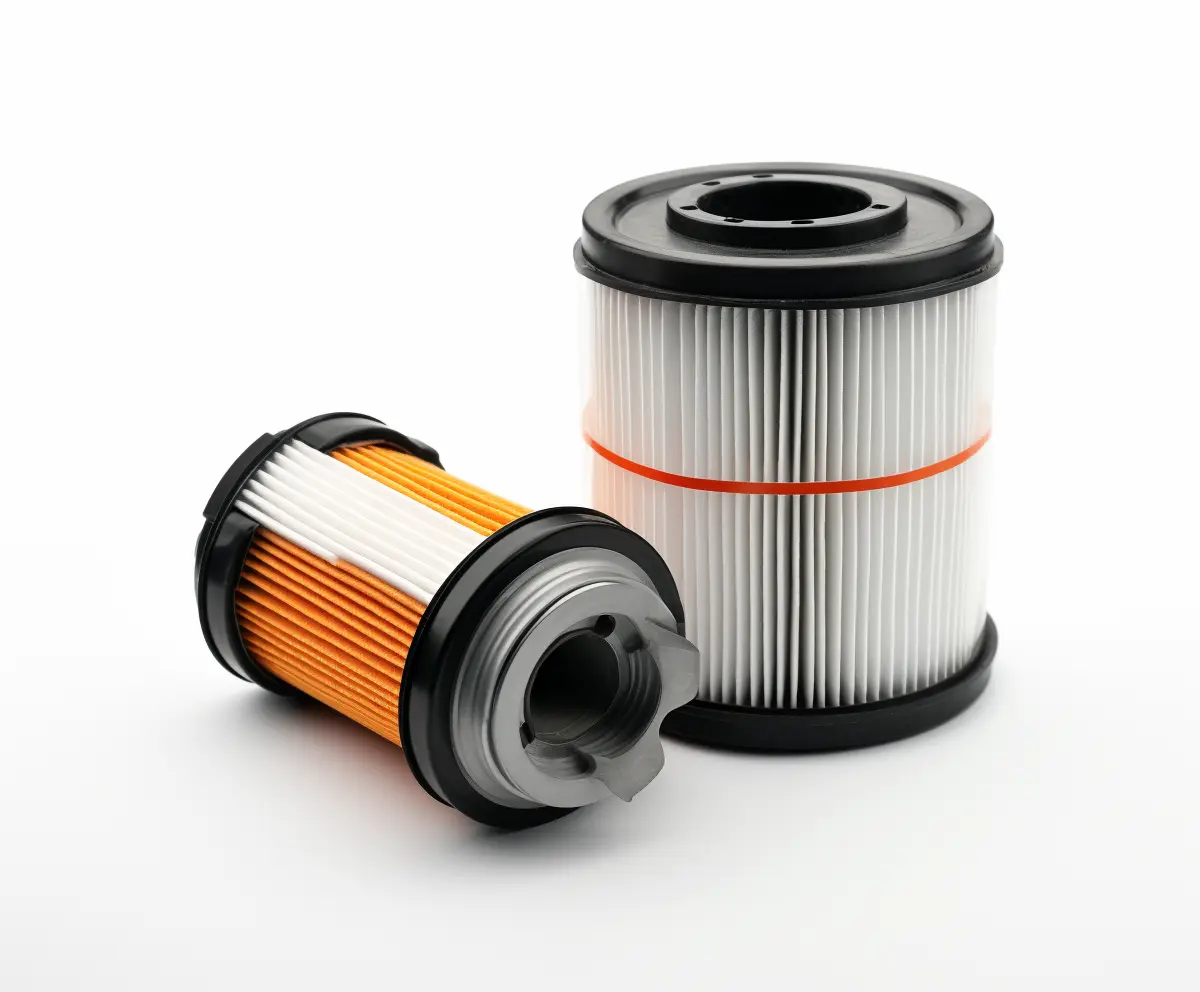
Auto engine filters play a crucial role in maintaining engine performance and longevity. There are primarily three types of filters to consider: oil filters, air filters, and fuel filters. Each type serves a specific purpose and affects engine efficiency in different ways. According to the Automotive Filter Manufacturers Association, around 60% of vehicle issues stem from unmaintained filters. This highlights the importance of selecting the right filter for your car.
Oil filters clean engine oil by trapping contaminants. Regularly replacing them can lead to a noticeable increase in engine efficiency. Conversely, air filters prevent dirt and debris from entering the engine. A clogged air filter can decrease fuel efficiency by up to 10%, as stated in various industry studies. Meanwhile, fuel filters ensure that the fuel system remains free of impurities, which is essential for optimal engine performance. Neglecting these filters can result in poor fuel economy and costly repairs.
When choosing filters, buyers must consider several factors, including filter life and compatibility. Not all filters fit every vehicle, which can complicate the selection process. Some filters might offer longer lifespans but could be mismatched for specific engines. This uncertainty can lead to decreased efficiency or even engine damage. Understanding these nuances can be daunting, but it's necessary for maintaining a healthy vehicle.
Top Auto Engine Filters for 2026: A Comprehensive Guide for Buyers
| Filter Type |
Function |
Material |
Lifespan |
Average Price |
| Oil Filter |
Removes contaminants from engine oil |
Paper/Fiber |
5,000 - 10,000 miles |
$5 - $15 |
| Air Filter |
Cleans the air entering the engine |
Paper/Cotton |
15,000 - 30,000 miles |
$10 - $25 |
| Fuel Filter |
Removes impurities from fuel |
Paper/Plastic |
20,000 - 40,000 miles |
$15 - $30 |
| Cabin Air Filter |
Filters air entering the passenger cabin |
Carbon/HEPA |
15,000 - 25,000 miles |
$10 - $20 |
Key Features to Consider When Choosing Engine Filters in 2026
Choosing the right engine filter is crucial for your vehicle's performance. In 2026, buyers need to focus on several key features. The first is filtration efficiency. High-efficiency filters capture more contaminants, ensuring cleaner engine air. This reduces wear and improves fuel efficiency. Look for filters that boast a high percentage of particulates captured.
Another feature to consider is durability. A filter made from robust materials lasts longer and withstands extreme conditions. Check for reports on longevity and real-world performance. Some filters might seem perfect but may not hold up under stress.
Compatibility is essential too. Not all filters fit every vehicle model. Verify your specific requirements. Sometimes, a highly rated filter may not be suitable for your engine. Additionally, installation ease can affect your decision. Filters that are easy to install save time and effort. Renowned sources recommend checking user reviews to gauge realistic user experiences.
Top Brands of Engine Filters to Look Out for This Year
When considering engine filters for 2026, it’s wise to pay attention to leading brands. Many manufacturers focus on filtration technology. This ensures that your engine runs smoothly and efficiently. Quality filters can greatly extend the life of your vehicle.
Selecting the best filter isn't just about the brand's reputation. It's crucial to understand the filter's specifications and how they align with your car’s needs. Some filters excel in trapping small particles. Others are designed for extended use, offering longer intervals between changes. Buyers should read reviews and product descriptions carefully.
In the world of auto maintenance, not every option is perfect. Some filters may not fit all models. This creates potential issues. Exploring user feedback can provide insight into any recurring problems. Make sure to ask in forums or consult mechanics for their professional opinions. This helps avoid costly mistakes and enhance vehicle longevity.
Top Auto Engine Filters for 2026: What Buyers Need to Know
Maintenance Tips for Prolonging the Lifespan of Engine Filters
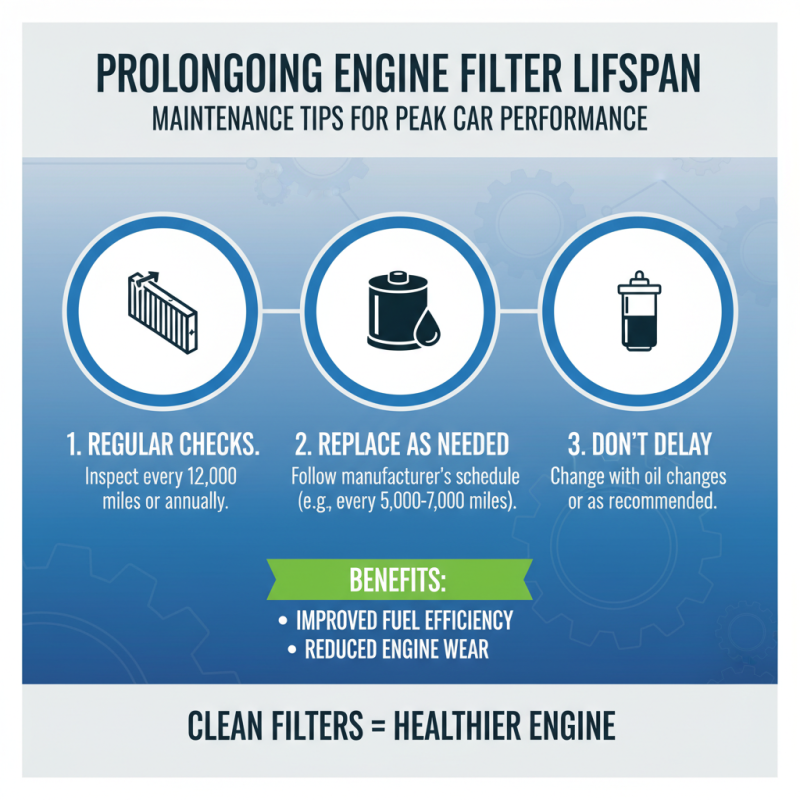
Maintaining engine filters is crucial for car performance. These components prevent harmful particles from damaging the engine. To keep them running effectively, regular maintenance is key.
Change your engine air filter according to your vehicle’s schedule. A clogged filter can restrict airflow, reducing efficiency. Cleaning or replacing it can improve fuel economy. Check it every few thousand miles, especially in dusty conditions.
Don’t neglect the oil filter. Old oil can cause dirt buildup, impacting engine function. Replace the oil filter during every oil change to ensure optimal performance. Remember, a clean oil filter helps maintain a clean engine.
Lastly, pay attention to the cabin air filter. It protects you from contaminants while driving. A dirty filter affects air quality inside the car. Regularly replacing it can enhance your driving comfort and health.

 Products
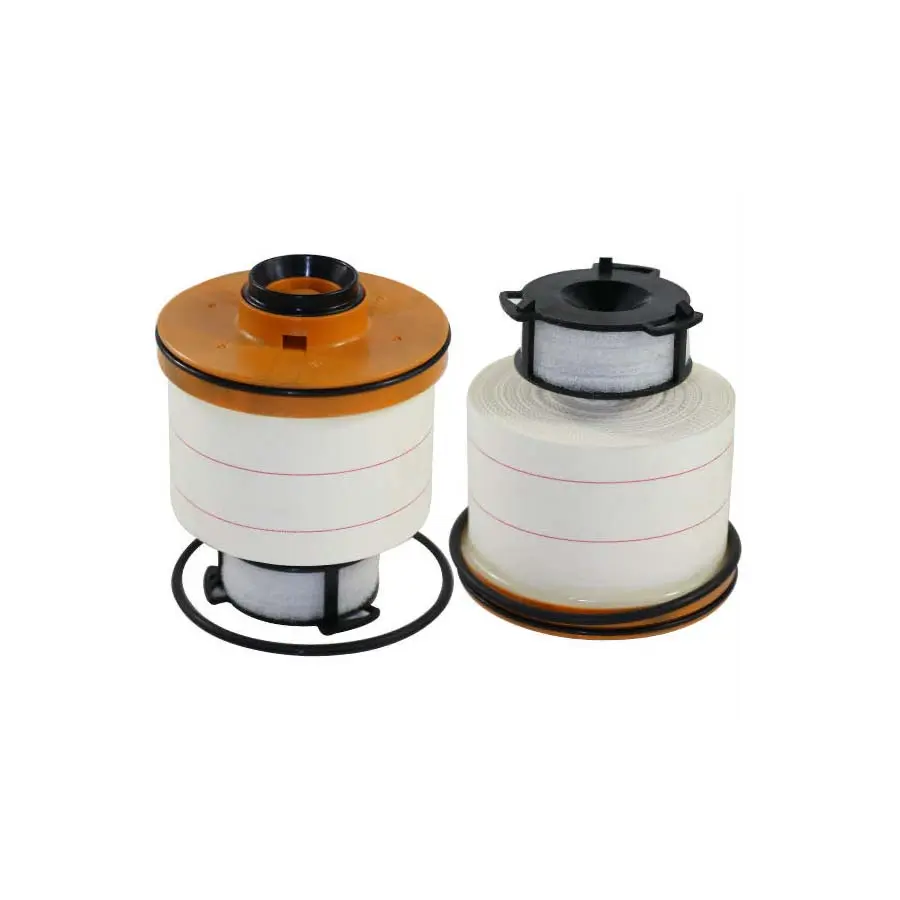 FUEL FILTER
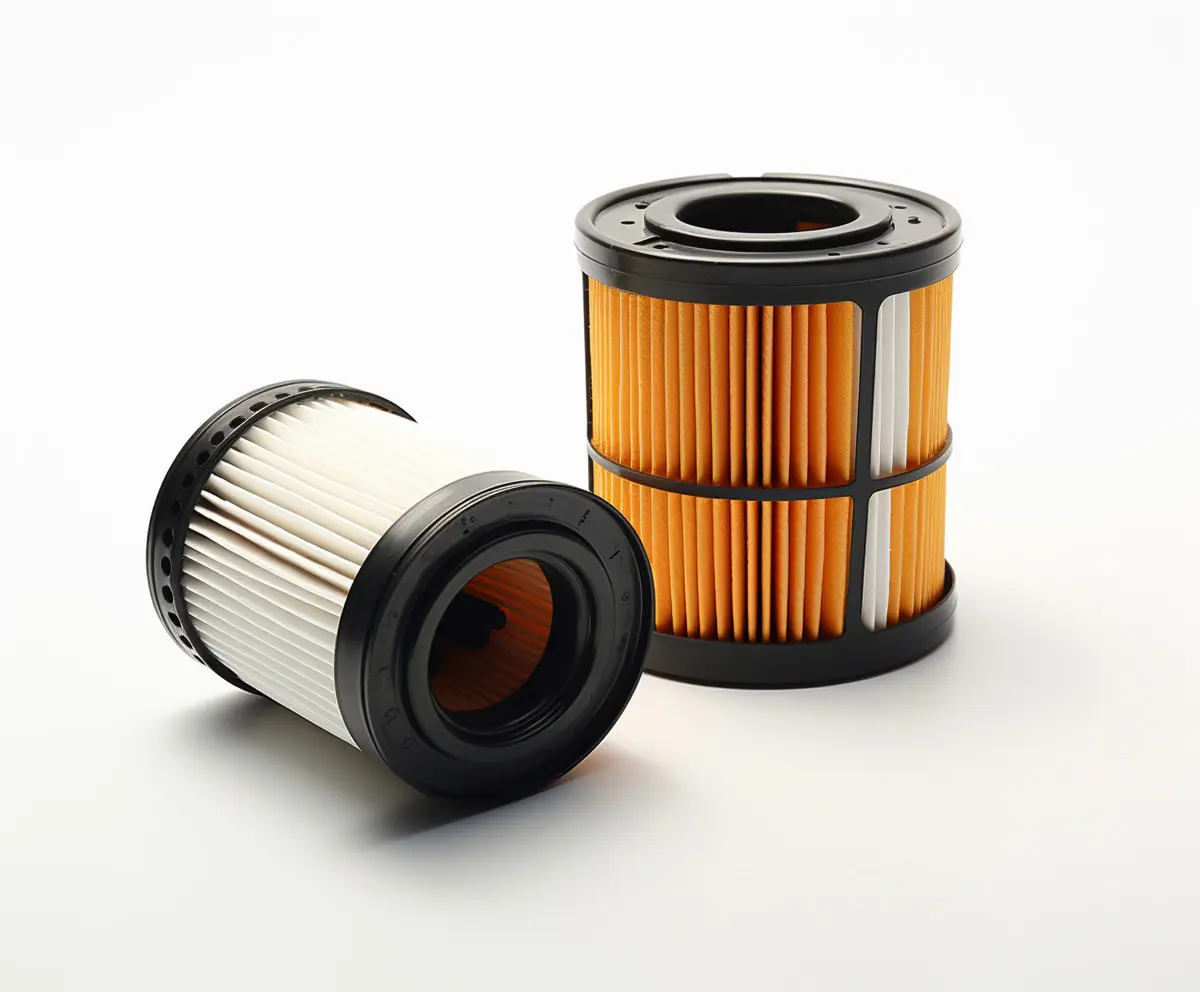
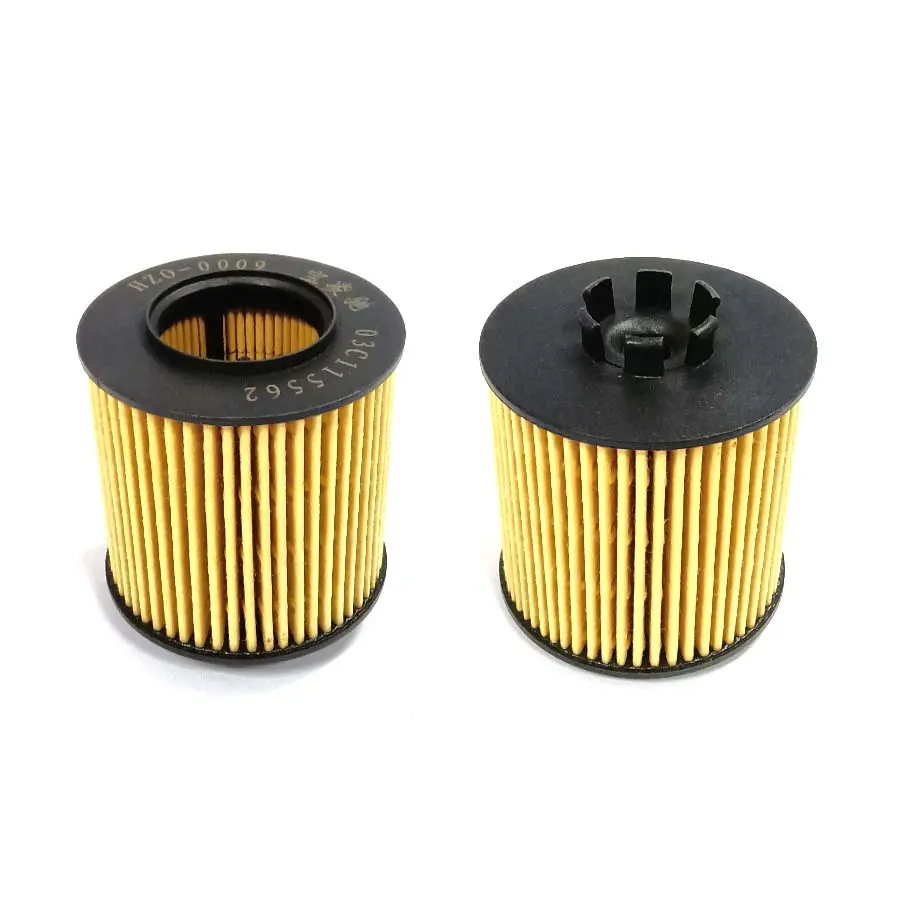 OIL ELEMENT FILTER
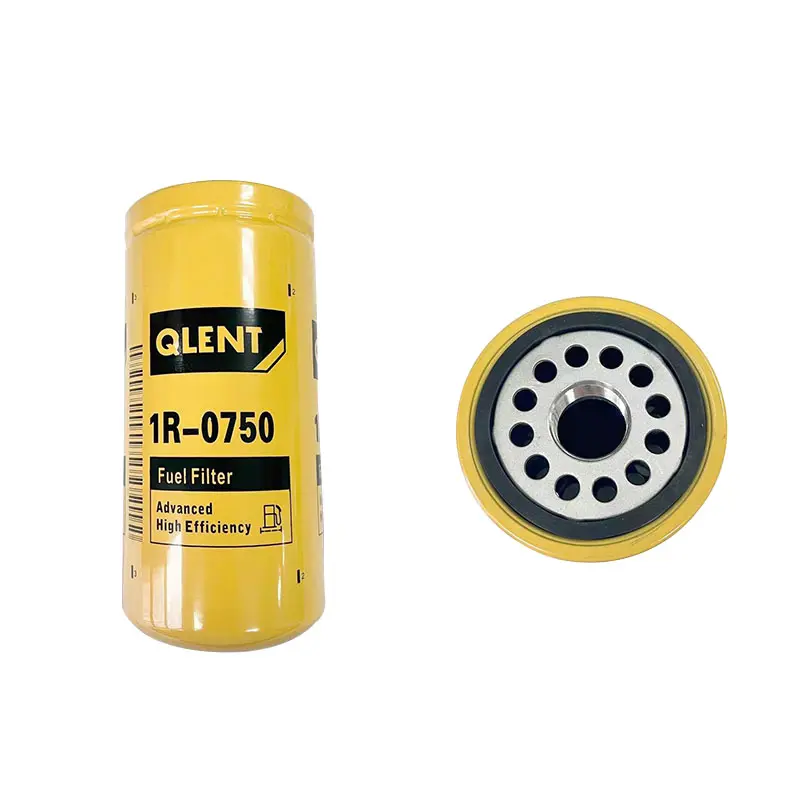 OIL FILTER
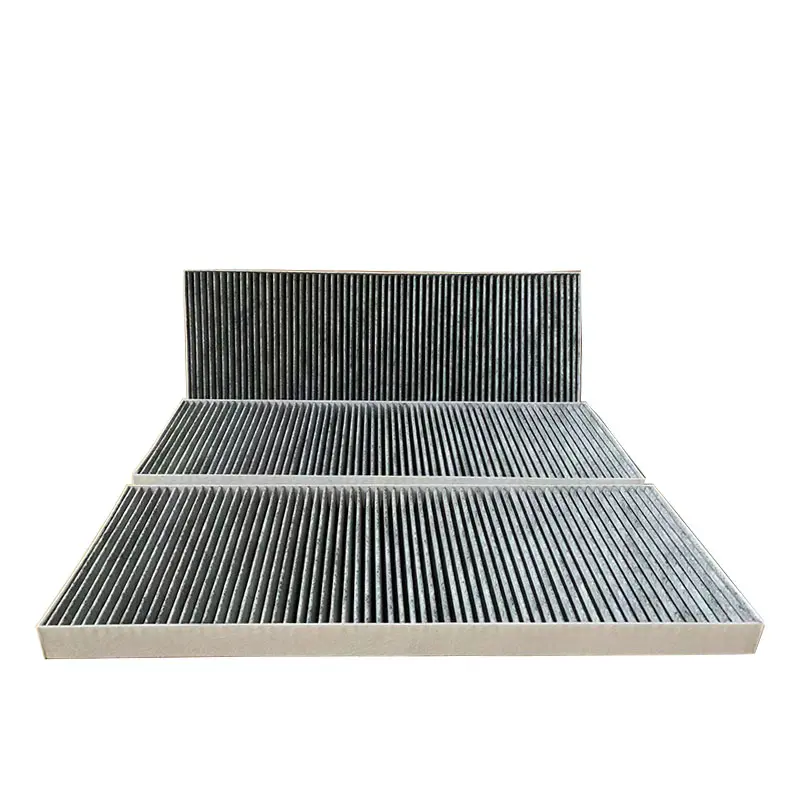 CABIN FILTER
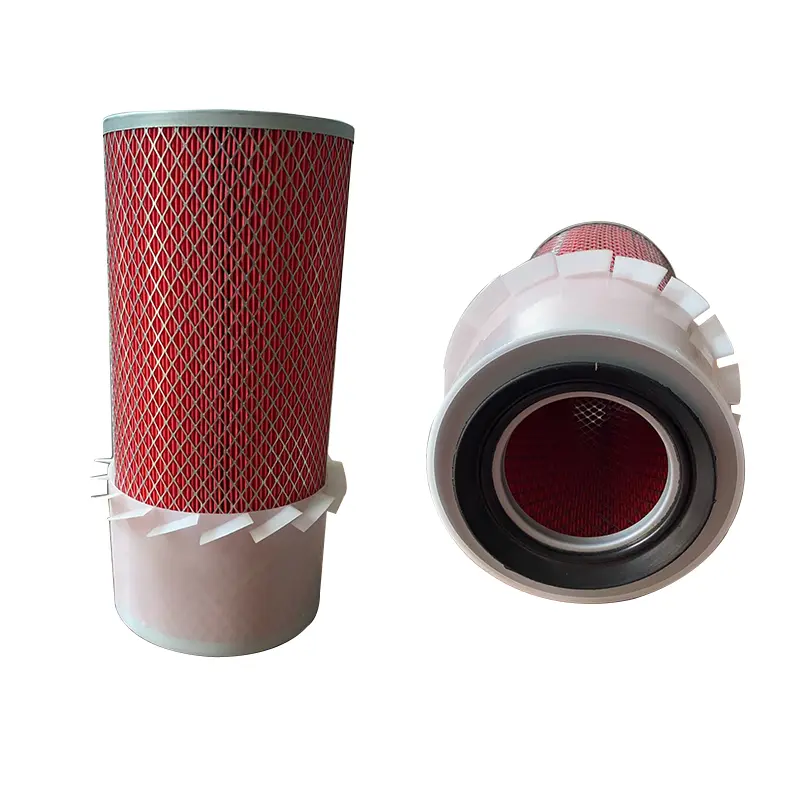 AIR FILTER