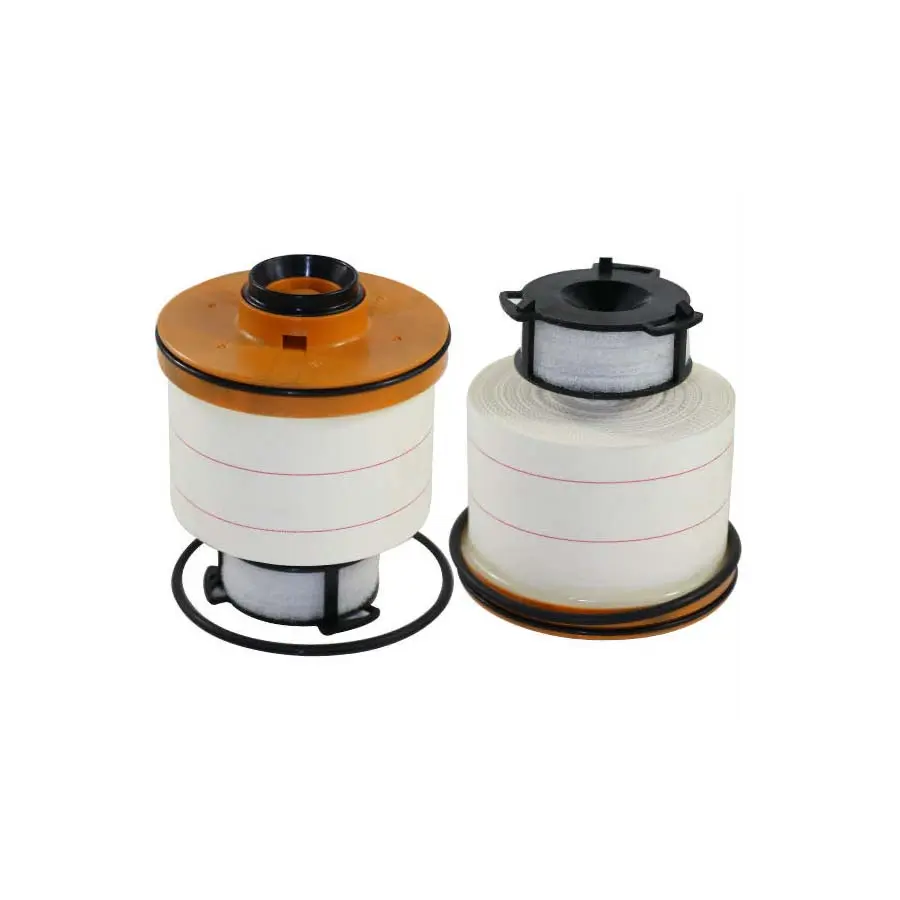
Inquiry
Form loading...

China Top Auto Spare Parts Air Filter Manufacturers?

China has become a major sourcing base for Auto Spare Parts Air Filter products, supported by its large vehicle manufacturing ecosystem and extensive component supply chain. The China Association of Automobile Manufacturers reported 31.28 million vehicle units produced and 31.44 million sold in 2024. This scale creates strong demand for engine air filters, cabin filters, and commercial vehicle filtration systems.

However, production volume does not automatically prove manufacturing quality. Reports from Grand View Research and MarketsandMarkets describe automotive filtration as a technology-driven market, influenced by emission control, fuel efficiency, vehicle electrification, and replacement demand. These trends help explain why leading Chinese manufacturers invest in synthetic filter media, pleated designs, automated sealing, and laboratory testing. Some factories also supply original equipment manufacturers, while others focus mainly on aftermarket distribution. The difference matters.

A useful overview should examine more than factory size. Product consistency, filtration efficiency, dust-holding capacity, pressure-drop performance, raw material traceability, and delivery reliability deserve close attention. Certifications such as IATF 16949 and ISO 9001 can support supplier evaluation, but certificates alone cannot replace independent testing or production audits. That point is often overlooked.

The strongest candidates may combine engineering experience with flexible private-label production. Yet rankings remain imperfect. Public data rarely compares every Chinese factory under identical conditions. A smaller supplier may outperform a larger exporter in one application, especially for regional vehicle models. Buyers should verify test reports, sample performance, tooling ownership, warranty terms, and export records before making a final decision.
China Top Auto Spare Parts Air Filter Manufacturers?

China’s Air Filter Manufacturing Base: 31.28 Million Vehicles Built in 2024

China Top Auto Spare Parts Air Filter Manufacturers?

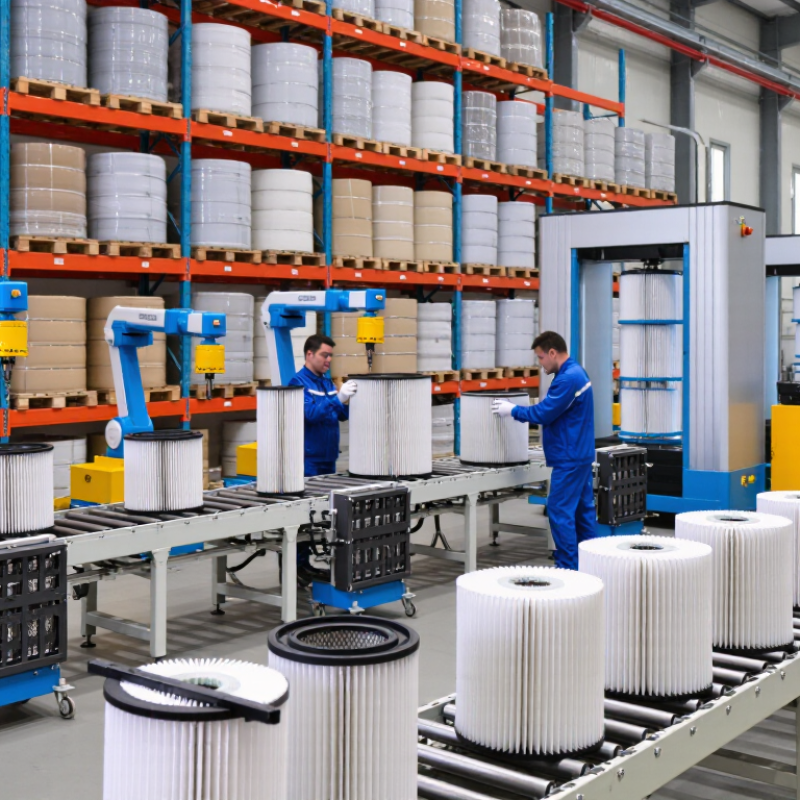
China built 31.28 million vehicles in 2024, creating a vast demand for dependable air filters. This production scale supports a deep manufacturing base, from filter media suppliers to precision assembly plants. Manufacturers serve passenger cars, commercial vehicles, construction equipment, and export markets. Their experience often comes from handling high-volume orders under strict delivery schedules.

A capable air filter manufacturer should control more than basic cutting and folding. Engineers evaluate filtration efficiency, pressure drop, dust-holding capacity, sealing strength, and dimensional accuracy. A filter may look clean, yet perform poorly if its gasket leaks. Small details matter.

Factory audits should examine incoming paper, adhesive curing, pleat spacing, and final packaging. Batch records also improve traceability when a quality issue appears.

The 2024 vehicle figure shows the market’s industrial strength, but scale alone does not guarantee reliability. Some factories still need better process discipline, especially during rapid expansion. Buyers should request test reports, production samples, and clear inspection standards before placing large orders. Fitment data must match the intended vehicle model and service conditions. A filter used in a dusty mining region needs different capacity from one used in a quiet city. The industry is improving, though unevenly, and that difference deserves closer attention.

How to Rank Chinese Suppliers Using ISO 5011 Airflow and Filtration Tests

China Top Auto Spare Parts Air Filter Manufacturers?

How to Rank Chinese Suppliers Using ISO 5011 Airflow and Filtration Tests

A supplier ranking should begin with measured performance, not catalog claims. ISO 5011 testing provides a practical basis for comparing automotive air filters under controlled conditions. It can measure airflow, initial restriction, filtration efficiency, and dust-holding capacity.

Test the sample.

Use identical test fixtures and air volumes for every supplier. Record the filter’s pressure drop at several airflow points. A lower restriction can support better engine breathing, but it should not reduce particle capture. Dust-loading results also matter because a filter may perform well when clean, then deteriorate quickly.

Request complete laboratory reports. Check the test date, sample code, media specification, dust type, and calibration records. Supplier names should match the tested production batch. Independent laboratory verification adds credibility, especially when reported values appear unusually strong. Photos of seals, pleats, and end caps can reveal manufacturing consistency, but images cannot replace testing.

Keep records.

A useful ranking can assign separate scores for filtration efficiency, airflow stability, dust capacity, sealing quality, and report transparency. Production audits should confirm that tested samples represent normal output, not specially selected pieces. One weakness remains: ISO 5011 results depend on test conditions and may not predict every vehicle’s field performance. I would therefore combine laboratory data with fitment checks, repeat sampling, and warranty feedback. The highest-ranked Chinese supplier is not always the cheapest or the one with the largest catalog. It is the supplier whose evidence remains consistent under repeated examination.

Top Manufacturer Profiles: OE Supply, Certifications, Capacity, and Export Data

China’s air filter sector includes suppliers serving passenger cars, trucks, and industrial engines. The strongest manufacturers usually support original-equipment supply through controlled tooling, material traceability, and repeatable testing. Their engineering teams often manage PPAP files, dimensional reports, and validation samples before production approval.

The OE specialist typically operates an IATF 16949-certified plant with automated pleating lines and clean assembly areas. Its monthly capacity may exceed 500,000 filters, although published figures require verification. The high-volume producer often holds ISO 9001 certification and supplies private-label distributors. It may offer molded polyurethane seals, synthetic media, and barcode tracking. Small details matter. A loose seal can reduce service life.

Export-oriented factories should provide recent shipment records, destination markets, and product classifications. Customs data can reveal regular shipments to Europe, Southeast Asia, the Middle East, and North America. Buyers should compare shipment frequency with declared capacity. A factory reporting high output but limited export history deserves closer questioning. Certificates can also expire, change scope, or cover only one facility. This is an easy point to miss. Factory audits, batch samples, and third-party test reports create stronger evidence than sales claims alone. No profile is flawless; some suppliers offer excellent pricing but need better documentation, clearer corrective actions, or more consistent packaging control.

Engine vs. Cabin Filters: ISO 5011 and ISO 16890 Performance Standards

China’s auto spare parts sector offers many air filter manufacturers, but standards matter more than catalog claims.

Engine and cabin filters face different contamination patterns and testing methods.

ISO 5011 evaluates engine intake filters under controlled airflow and dust loading. It measures filtration efficiency, pressure drop, and dust-holding capacity. A useful filter must protect the engine without restricting air excessively. Small gains in efficiency can increase pressure loss. That trade-off needs checking.

Cabin filters are often assessed against ISO 16890, although the standard was developed for general ventilation filters.

It classifies performance by ePM1, ePM2.5, ePM10, and coarse particle removal.

The World Health Organization’s 2021 Air Quality Guidelines set annual PM2.5 exposure at 5 µg/m³. This figure shows why fine-particle performance deserves attention inside vehicles, especially in dense urban traffic.

However, ISO 16890 results should not be treated as direct proof of vehicle performance. Vehicle airflow, housing leakage, humidity, and installation quality can change the result.

For buyers comparing China-based manufacturers, request full test conditions, not only efficiency percentages. Check airflow volume, initial pressure drop, final pressure drop, dust type, and loading mass.

Independent laboratory verification adds credibility. Yet laboratory data is not everything. A filter may pass testing but fit poorly in a real dashboard housing.

I would also inspect pleat stability, sealing foam, and batch consistency. Some specifications remain incomplete, and that should be admitted rather than hidden.

Sources: ISO 5011:2014, ISO 16890-1:2016, and WHO Global Air Quality Guidelines, 2021.

Supplier Due Diligence: Quality Control, MOQ, Lead Times, and Warranty Rates

Choosing China’s top auto spare parts air filter manufacturers requires evidence, not polished catalogs. In supplier audits, I check production records, material traceability, and testing discipline. Ask for recent reports on filtration efficiency, airflow resistance, sealing, and dust-holding capacity. A sample should match the approved drawing. It should survive installation without warped pleats or loose adhesive. Small details matter. Factory visits reveal whether operators follow work instructions or improvise during production peaks. That issue is easy to underestimate.

MOQ affects cash flow and product risk. Request separate MOQs for standard models, customized labels, and new tooling. A reliable supplier should explain setup costs clearly. Lead times need written stages: material purchasing, molding, assembly, inspection, and export preparation. For regular orders, ask for measured history rather than promises. A 20-day quote means little if shipments often slip by a week. Include a pre-shipment inspection point. It may delay dispatch slightly, but it exposes defects before ocean freight.

Warranty rates need careful definitions. Ask for claims per thousand units, not vague “low return” language. Review the last twelve months of complaints, root-cause reports, and corrective actions. Separate manufacturing defects from incorrect vehicle fitment or installation damage. Confirm replacement timing, evidence requirements, and freight responsibility in the contract. A supplier with transparent failures can be safer than one reporting zero claims. Zero sounds perfect. It may not be credible.

How to read the benchmark: A qualified air-filter supplier should typically demonstrate a first-pass quality acceptance rate of about 96%, a minimum order quantity near 500 units, a standard production lead time of approximately 30 days, and warranty claims below 1.2%. These figures are industry planning benchmarks rather than company-specific results and should be verified through inspection records, sample orders, production schedules, and warranty data.