Top Engine Accessories Filters for Global Buyers?
Choosing the right Engine Accessories Filter begins with understanding the engine, operating environment, and maintenance schedule. Global buyers often compare price first, but performance depends on much more. A filter used on a dusty construction site faces different demands from one serving a refrigerated truck. Fine particles, oil mist, heat, vibration, and moisture can all shorten service life.
Experienced purchasers check dimensions, sealing materials, filtration efficiency, pressure-drop data, and recommended replacement intervals. They also request batch details, material specifications, and documented quality inspections from suppliers. A reliable supplier should explain compatibility clearly, rather than making broad claims. Small details matter. A weak gasket can cause leakage after installation. An unsuitable filter may restrict airflow and increase engine strain. These risks are easy to overlook during fast international sourcing.
This guide examines practical filter categories for global buyers, including air, oil, fuel, and cabin-related engine accessories. It considers equipment type, climate, logistics, and long-term operating costs. Product comparisons should rely on verified data and real application needs. Not every premium-looking filter performs better. Some inexpensive models work well in moderate conditions, yet fail under heavy dust or extended service intervals. That uncertainty deserves attention. Buyers should test samples, confirm certification where applicable, and review supplier performance before placing large orders. A perfect selection is rarely possible. A traceable, carefully checked decision is far more dependable.
Understanding Engine Accessory Filters and Their Applications
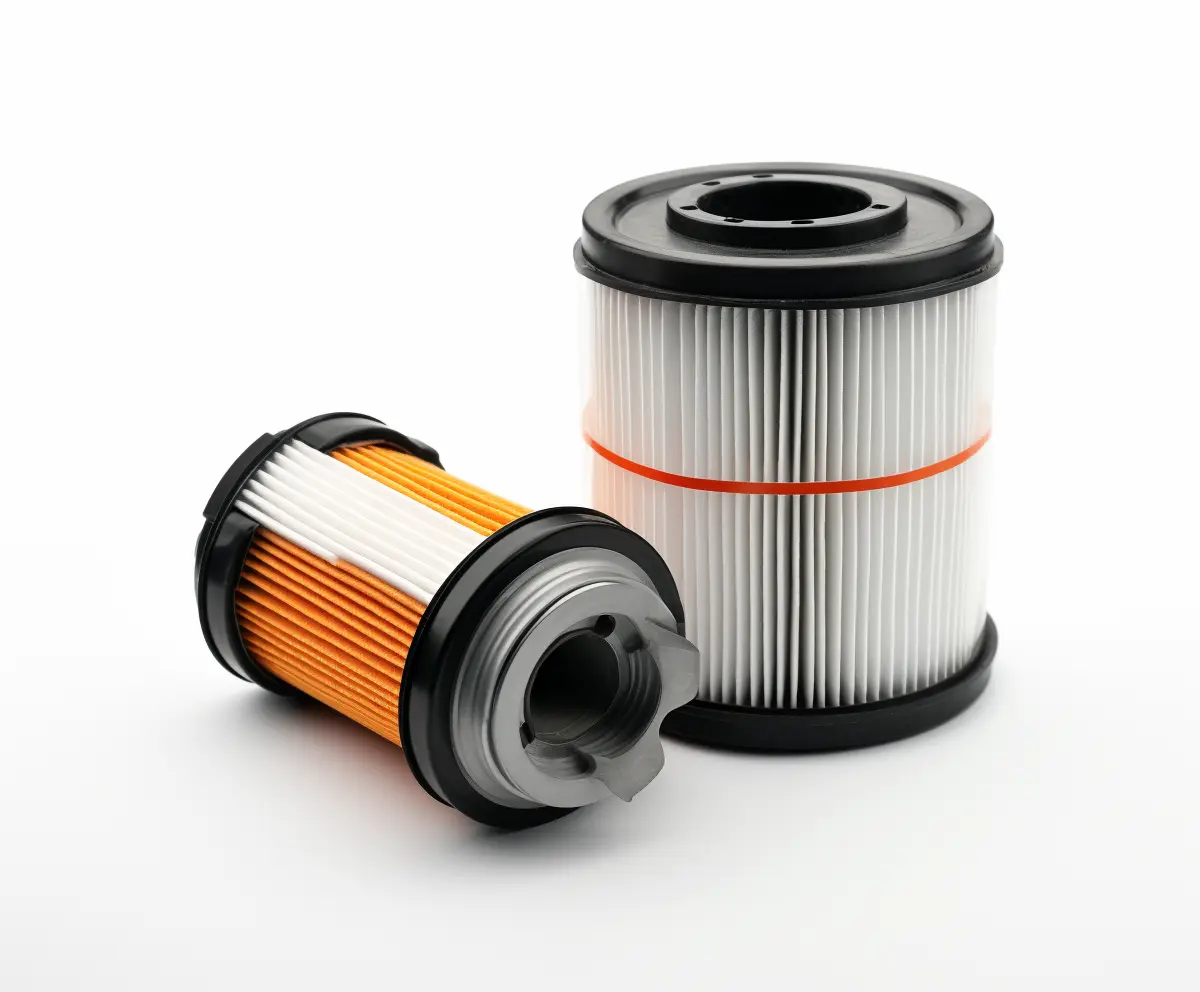
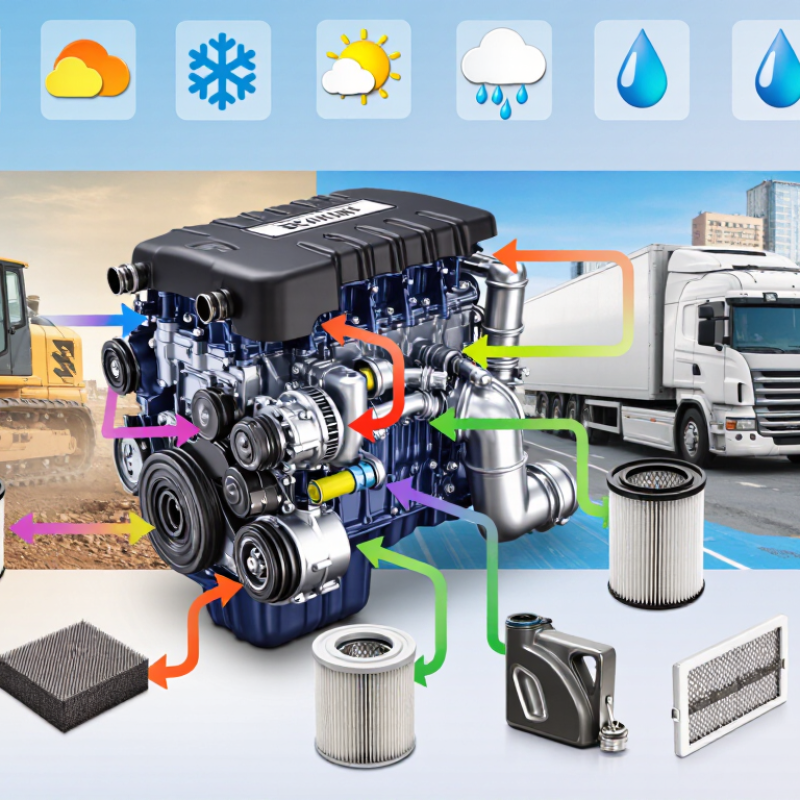
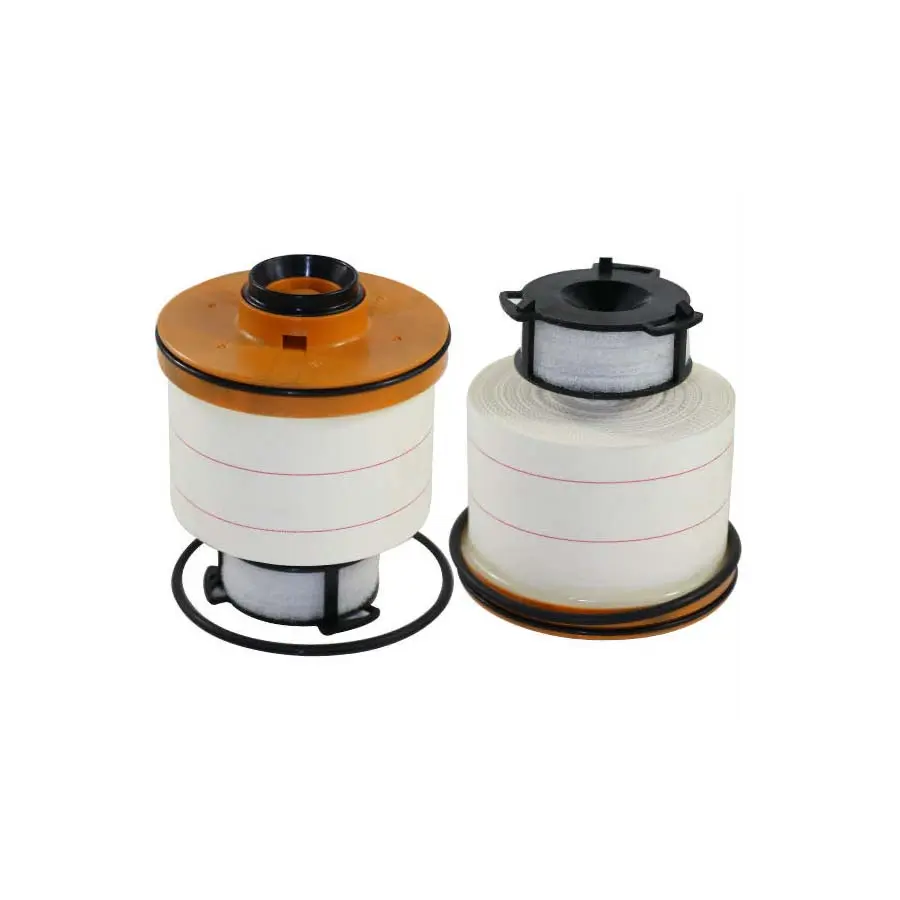
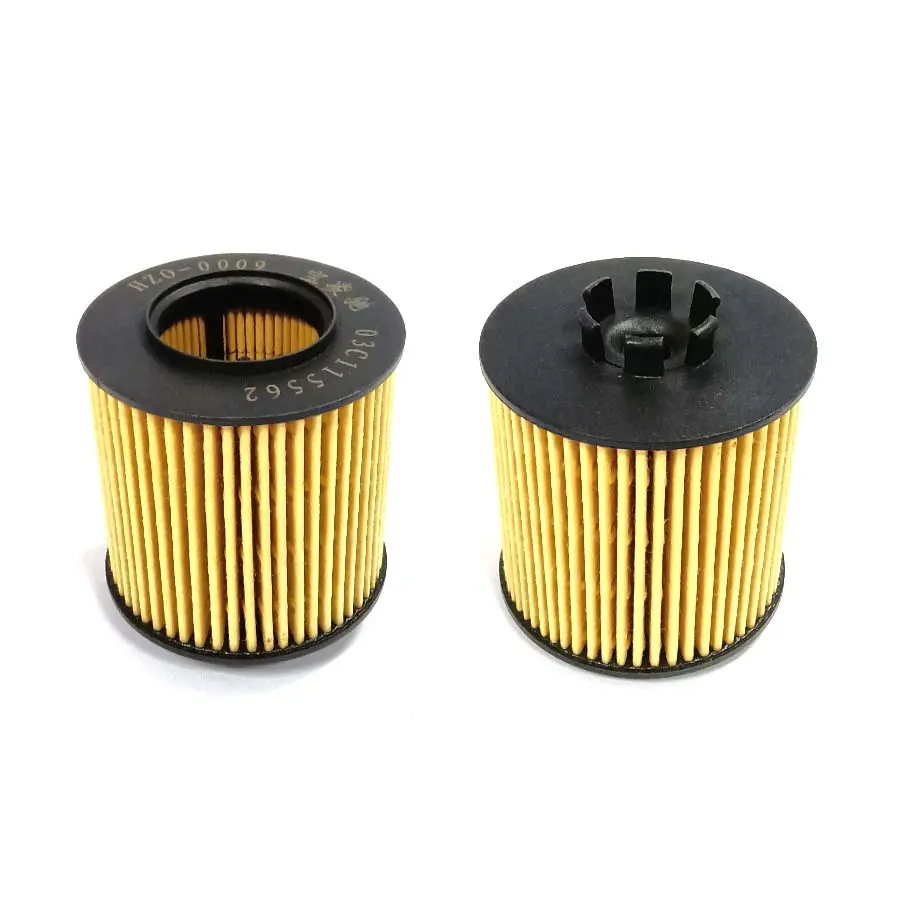
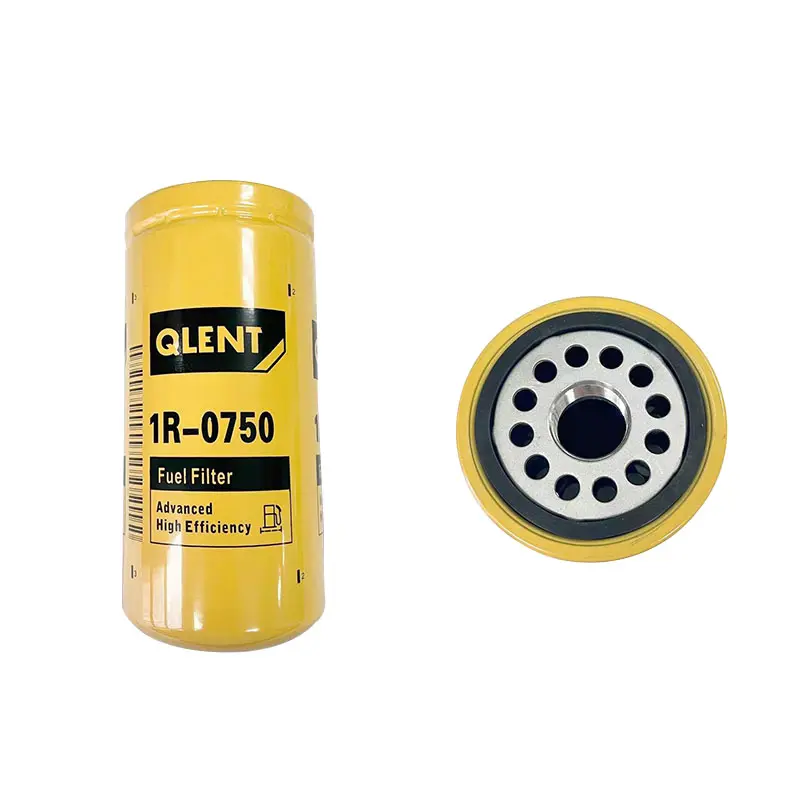
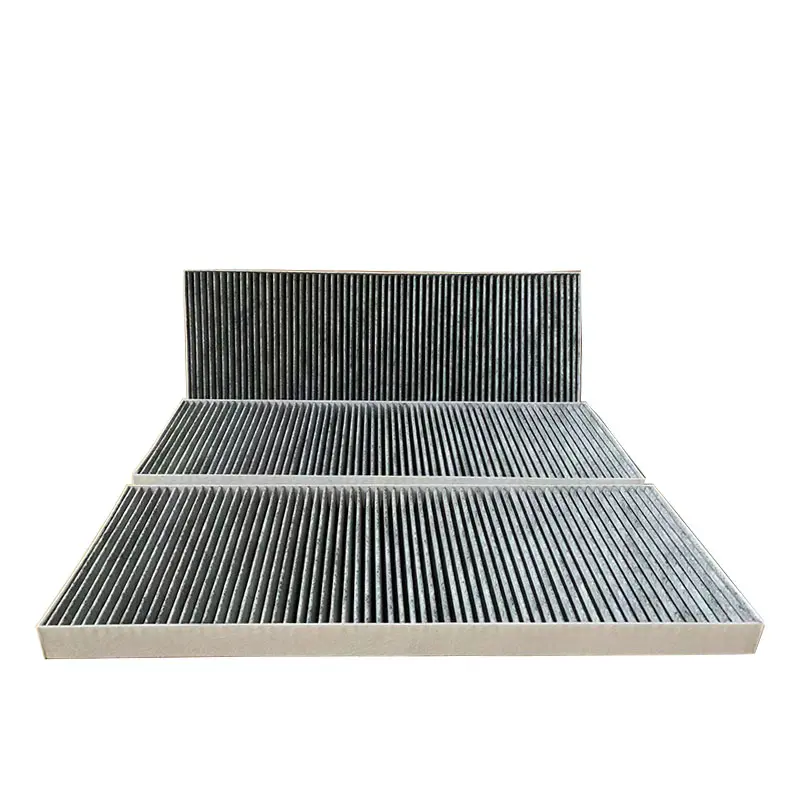
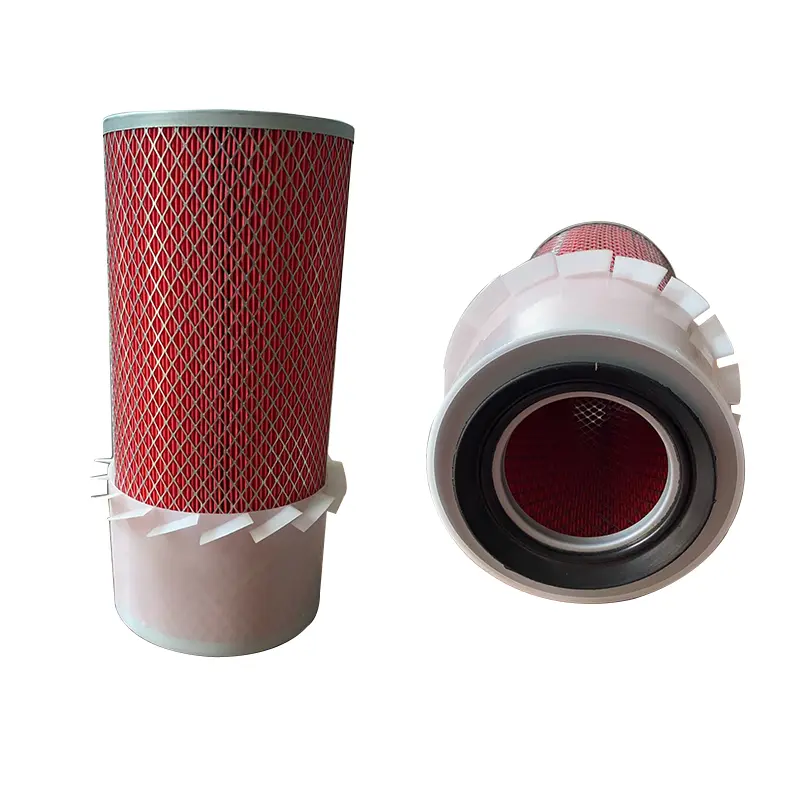
Engine accessory filters are small components with major operating consequences. Air filters remove dust before it reaches the intake system, while oil filters capture particles circulating through bearings and valve trains. Fuel filters protect injectors from water and fine contamination. In heavy-duty equipment, hydraulic and transmission filters also control wear inside pumps and gear assemblies.
Application changes the selection. A construction loader working on dry, dusty sites needs strong air-cleaning capacity and reliable sealing. A delivery truck operating in stop-and-go traffic may require frequent oil and fuel-filter inspections. According to MarketsandMarkets’ 2024 Automotive Filters Market report, the sector is projected to grow steadily through 2029, driven by vehicle production, stricter emissions requirements, and replacement demand. The report also identifies air, oil, fuel, and cabin filtration as core product categories.
Fit matters more than appearance. Buyers should verify thread size, gasket dimensions, flow rate, pressure limits, and filtration efficiency against the equipment manual. ISO 4548 testing methods are widely used for evaluating full-flow lubricating-oil filters, offering a useful technical reference. Field experience still matters. A filter can meet a laboratory rating yet fail when seals harden in cold weather or dust bypasses a damaged housing. That is an uncomfortable point. Maintenance records, local climate, fuel quality, and service intervals should guide purchasing decisions, not price alone. Specification sheets can also contain gaps, so independent test evidence deserves attention.
How to Evaluate Filter Quality, Performance, and Compatibility
For global buyers, filter quality begins with measurable evidence, not a polished catalogue image. ISO 5011 testing records air-cleaner efficiency, dust capacity, and pressure loss under controlled airflow. Ask suppliers for these results, including test dust type and airflow rate. A 2024 automotive filters market report by MarketsandMarkets projects steady market growth through 2028, but market expansion does not guarantee equal manufacturing quality. Check pleat spacing, seal compression, media uniformity, and end-cap bonding. A clean-looking filter can still fail.
Performance must match the engine’s operating environment. High dust regions need greater contaminant capacity, while cold climates demand stable seals and flexible materials. Compare pressure-drop data at the engine’s rated airflow, not at an easier laboratory point. SAE J726 provides a recognized approach for air-cleaner testing. For oil and fuel filters, request micron ratings, beta ratios, burst pressure, and bypass-valve specifications. Numbers need context. A claimed “high-efficiency” rating is weak without test conditions.
Compatibility requires more than matching an online part number. Confirm dimensions, gasket geometry, thread size, flow direction, sensor clearance, and service intervals against the engine manual. I also verify samples before container orders. Small dimensional errors can cause unfiltered air leaks. That lesson is easy to overlook. UN regulations, customs rules, and material documentation should be checked for each destination, especially when filter media or adhesives vary. I would still treat supplier data cautiously when independent laboratory records are unavailable.
Global Standards, Certifications, and Sourcing Considerations
Top Engine Accessories Filters for Global Buyers?
Global buyers should evaluate filters through standards, testing, and field experience. Fit comes first. Air, oil, and fuel filters require different performance criteria. Air filter testing may follow ISO 5011, while oil filter evaluation can reference ISO 4548-12. Buyers should also check pressure loss, filtration efficiency, dirt-holding capacity, seal quality, and service temperature. A filter that looks identical may perform differently inside the engine.
Certifications can support trust, but they do not replace technical verification. ISO 9001 indicates a controlled quality system, not automatic product compliance. IATF 16949 may show stronger automotive process management. Environmental expectations may involve ISO 14001. Requirements still vary by destination, engine type, and import authority. Request current test reports, certificates, material declarations, batch numbers, and certificates of conformity. Records matter.
Sourcing teams should confirm drawings, dimensions, thread specifications, gasket materials, packaging, and labeling before placing large orders. Ask for samples from the intended production batch. Test them under realistic dust, oil, temperature, and vibration conditions. We have seen sourcing decisions fail because buyers compared price before checking media construction. That mistake is easy to repeat. No sourcing plan is perfect. Recheck documents before shipment, especially when suppliers change materials or subcontract production. A reliable supplier should explain test methods clearly and accept reasonable traceability requirements.
Comparing Suppliers, Costs, and After-Sales Support
Top Engine Accessories Filters for Global Buyers?
Supplier quality often matters more than a filter’s catalog price. Experienced buyers compare filtration efficiency, gasket material, thread accuracy, and test records. A sample should fit the target engine without force. Small errors become expensive later.
Ask suppliers for production photos, batch traceability, inspection reports, and clear material specifications. Confirm minimum order quantities and replacement policies. A low unit price may hide tooling fees, packaging charges, or higher freight costs. Calculate landed cost per filter, not just the factory quotation. This approach gives a fairer comparison across regions.
After-sales support deserves equal attention. Reliable suppliers answer technical questions quickly and provide installation guidance, spare seals, and documented warranty terms. Response time matters during an unexpected maintenance shutdown. I also check whether replacement parts remain available after the first shipment. My checklist is not perfect. I once focused too heavily on price and underestimated delays caused by unclear export documents. That mistake changed how I review delivery schedules, customs paperwork, and service contacts. For global purchases, written commitments are safer than friendly promises.
Global Engine Filter Buyer Benchmark
The chart compares typical wholesale unit-cost ranges and after-sales response times for commonly traded engine accessory filters. Prices are indicative USD ranges for bulk international purchasing, while response time reflects the usual business-day target stated in supplier service terms. Actual quotations vary by material grade, certification, order volume, destination, and shipping conditions.

 Products
 FUEL FILTER
 OIL ELEMENT FILTER
 OIL FILTER
 CABIN FILTER
 AIR FILTER