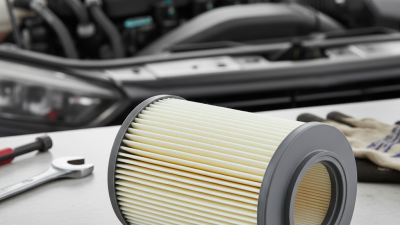
Top 10 Spin On Filters You Need for Efficient Performance?
In the automotive industry, spin on filters play a crucial role in ensuring optimal engine performance. According to a report by Grand View Research, the global automotive oil filter market was valued at over $3 billion in 2022, with steady growth projected through 2030. Efficient filtration systems can enhance engine longevity and reduce maintenance costs. However, not all spin on filters are created equal.
Choosing the right spin on filter can significantly impact a vehicle's efficiency. A study by the Society of Automotive Engineers highlights that high-quality spin on filters can improve oil flow and maintain better lubrication, thus preventing engine wear. While many consumers may overlook this component, understanding its importance is vital. The right filter can be the difference between smooth operation and costly repairs.
There are numerous options on the market. Yet, selecting an optimal filter requires careful evaluation. Not all brands deliver the promised performance benefits. It's essential to look for filters that meet industry standards and offer reliable performance. Prioritizing quality over cost can prevent future regrets in vehicle maintenance.
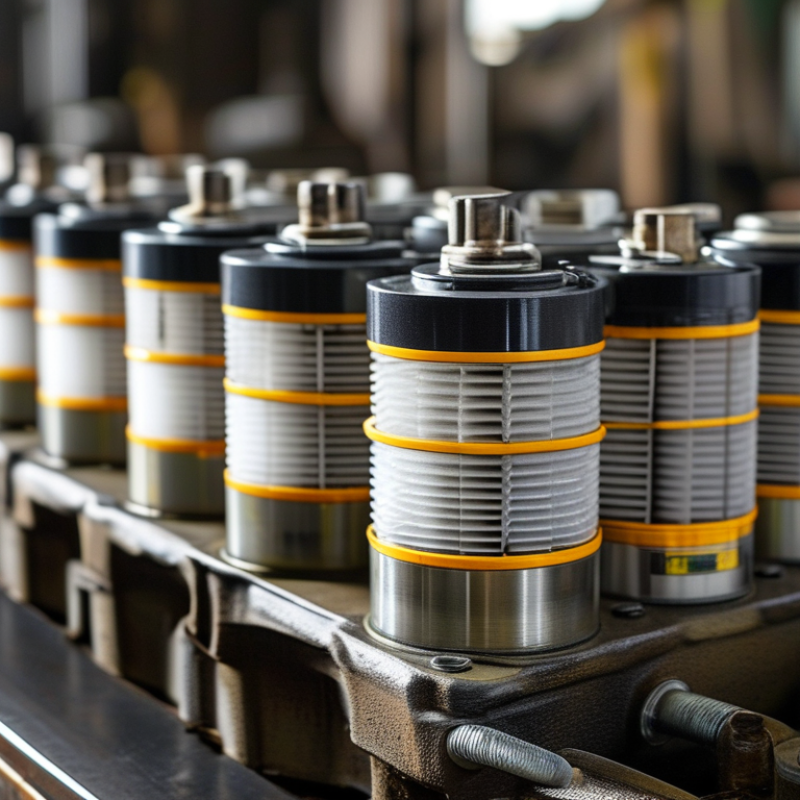
Top 10 Spin-On Filters and Their Role in Engine Efficiency
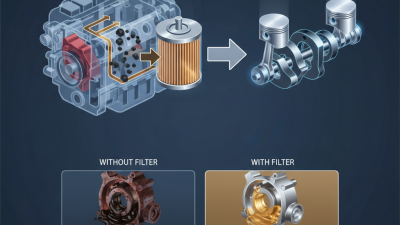
Spin-on filters play a vital role in engine efficiency. They are essential for maintaining optimal performance and longevity of the engine. These filters trap dirt, debris, and contaminants from the oil, ensuring that only clean oil circulates through engine components. This process minimizes wear and tear, ultimately prolonging the life of the engine.
Using quality spin-on filters can enhance engine efficiency significantly. They can help to maintain proper oil flow, reducing friction. When oil flows smoothly, engine parts operate more efficiently, leading to better fuel economy. High-quality filtration allows for better lubrication, which is crucial during intense operation. However, not all spin-on filters are created equal, and some may fail to provide effective filtration, leading to potential engine issues.
Choosing the right spin-on filter requires careful consideration. Factors like filtration capacity and compatibility with your engine type matter significantly. It's also important to regularly inspect and change the filter as recommended. Failing to do so can result in costly repairs. Engaging with automotive professionals can provide invaluable insight into the best options for your vehicle's needs.
Understanding the Mechanics: How Spin-On Filters Function in Cars
Spin-on filters play a crucial role in vehicle maintenance. They are essential for engine cleanliness and optimal performance. Typically, they combine filtration media and a canister. This design allows for easy replacement, which is vital for car longevity.
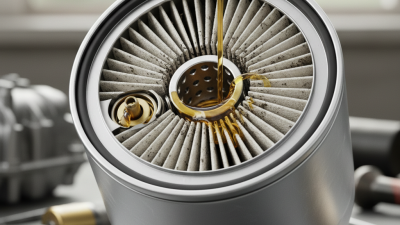
These filters work by trapping contaminants from engine oil. A study by the Society of Automotive Engineers indicates that spin-on filters can remove oil impurities efficiently. In fact, they can capture particles as small as 20 microns. Regularly changing these filters is recommended every 3,000 to 5,000 miles, depending on usage. Neglecting this task may lead to engine wear and decreased efficiency.
Despite their effectiveness, many drivers overlook spin-on filters. In a survey, only 40% of vehicle owners reported routine filter changes. This oversight can have significant consequences. A dirty filter can restrict oil flow, causing overheating and reducing protection against wear. It’s important to understand how these components contribute to engine health and vehicle performance.
Key Performance Metrics: Filtration Efficiency Ratings of Spin-On Filters
When it comes to engine health, filtration efficiency is crucial. Spin-on filters play a vital role. Understanding their performance ratings helps identify the filters that best meet your needs. The filtration efficiency rating measures how effectively a filter removes contaminants from oil or fuel.
Filters with higher ratings trap more particles. This can significantly enhance engine life.
Not all spin-on filters are created equal. Some may claim high efficiency, but their actual performance varies. It's essential to assess filters on their ability to retain dirt and other debris. An effective filter will maintain flow rates while ensuring optimal protection. Consumers often overlook the maintenance aspect of filters. Regularly changing filters and using quality oil can make a difference.
Users sometimes rush through filter selections. This can lead to poor choices based on price alone. Prioritizing filtration efficiency ensures better engine performance. A reliable filter can prevent wear and tear, but some may not last as long as expected. Understanding each filter's limitations and performance metrics is essential for making informed decisions.
Take time to review and compare options. The investment in a quality filter is often worth the long-term benefits.
Comparative Analysis: Leading Brands and Their Spin-On Filter Technologies
When it comes to spin-on filters, understanding the technology behind different brands is crucial for optimal performance. Each brand has its unique approach that aims to enhance filtration efficiency. Some utilize advanced synthetic materials for filtration. Others focus on maximizing the surface area to improve oil flow. Each innovation brings distinct benefits and challenges, making informed choices paramount.
**Tip:** Always check the filter’s capability against manufacturer specifications. This ensures you select a filter that meets your vehicle's requirements.
Performance analytics show that spin-on filters can vary widely in efficiency and longevity. Some filters claim to last longer but may not maintain consistent filtration. It's essential to weigh these claims against real-world performance data. This approach helps in identifying which products can truly deliver when you need them most.
**Tip:** Read consumer reviews and product tests. They offer insights you won’t find in marketing materials.
Ultimately, choosing the right spin-on filter involves understanding these technologies. The right filter should balance efficiency, durability, and compatibility with your vehicle. This decision can impact engine performance significantly. Make your choices based on detailed analysis rather than brand loyalty alone.
Top 10 Spin On Filters You Need for Efficient Performance
| Filter Type |
Filtration Efficiency (%) |
Flow Rate (L/min) |
Max Operating Pressure (psi) |
Material Used |
| Standard Full Flow |
95 |
18 |
75 |
Synthetic Fibers |
| High Efficiency |
99 |
15 |
80 |
Microglass |
| Extended Life |
98 |
17 |
70 |
Cellulose |
| Heavy Duty |
97 |
20 |
85 |
Fiberglass |
| Eco-Friendly |
92 |
16 |
65 |
Recycled Materials |
| Performance Enhancer |
96 |
19 |
90 |
High-Grade Plastic |
| Rapid Flow |
94 |
22 |
75 |
Polyester |
| All-Season |
91 |
14 |
72 |
Blended Fabrics |
| Marine Application |
99.5 |
12 |
78 |
Corrosion Resistant |
| Custom Fit |
93 |
21 |
69 |
Variate Composite Materials |
Best Practices: Proper Installation and Maintenance of Spin-On Filters
Proper installation and maintenance of spin-on filters are crucial for optimal performance. According to industry reports, approximately 30% of engine failures are attributed to improper filtration. One common mistake is overlooking the filter's torque requirements during installation. This may lead to leaks or damage, reducing the filter's effectiveness. Ensuring a snug fit without over-torquing can significantly enhance performance and longevity.
Regular maintenance practices also play a vital role. Replacing spin-on filters at recommended intervals can prevent contaminants from building up. It is advised to change these filters every 3,000 to 5,000 miles, depending on vehicle usage. Neglecting this can lead to reduced flow rates and engine strain. Regular inspections can reveal signs of wear or damage early on, reducing the risk of costly repairs.
Attention to detail matters. Using the right oil filter can boost efficiency, but mistakes can happen. Sometimes, people forget to check for proper oil levels after replacement. This could lead to insufficient lubrication, risking engine health. Maintenance logs can help track service history and remind users of upcoming replacements. These practices ensure that spin-on filters continue to perform at their best and contribute to overall vehicle reliability.

 Products
 FUEL FILTER
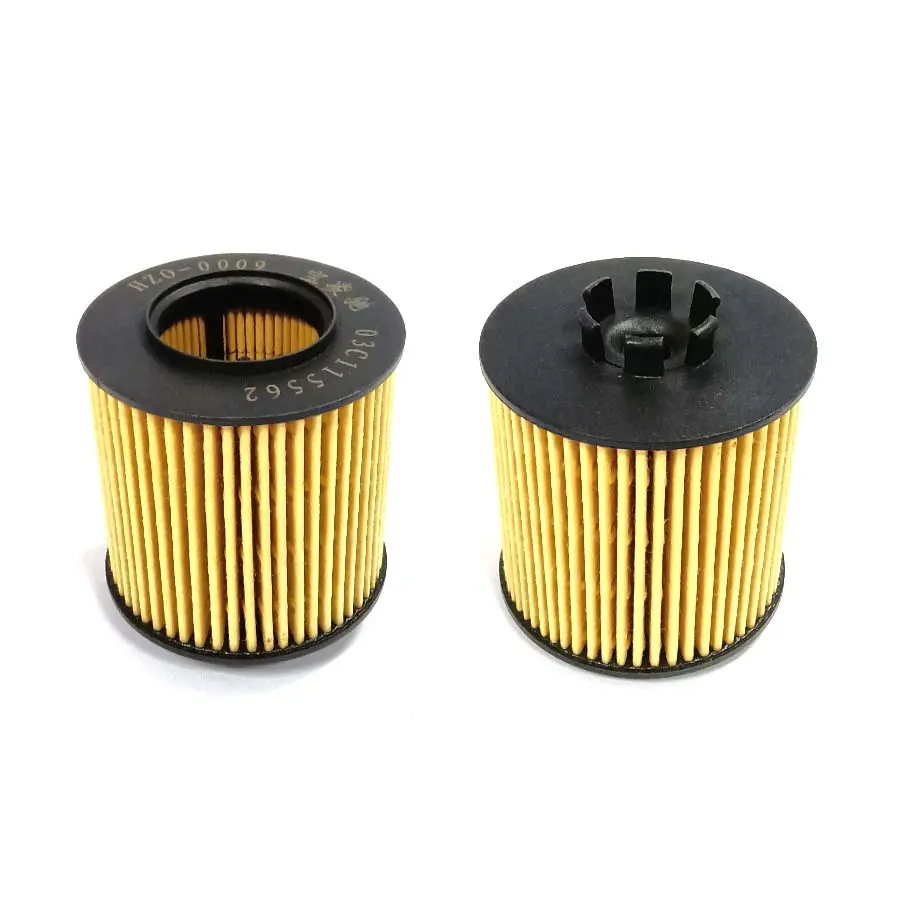 OIL ELEMENT FILTER
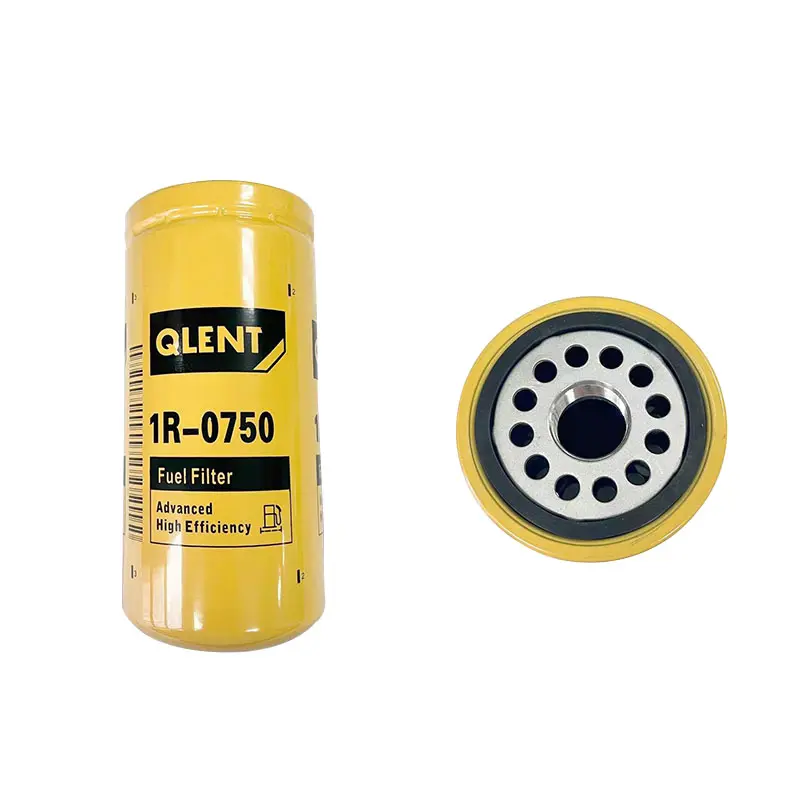 OIL FILTER
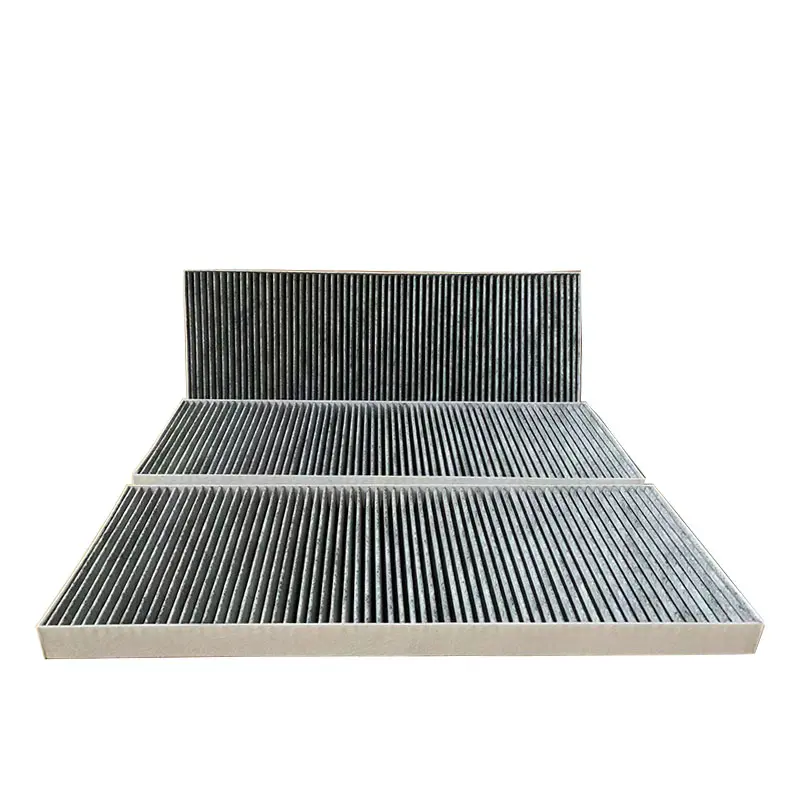 CABIN FILTER
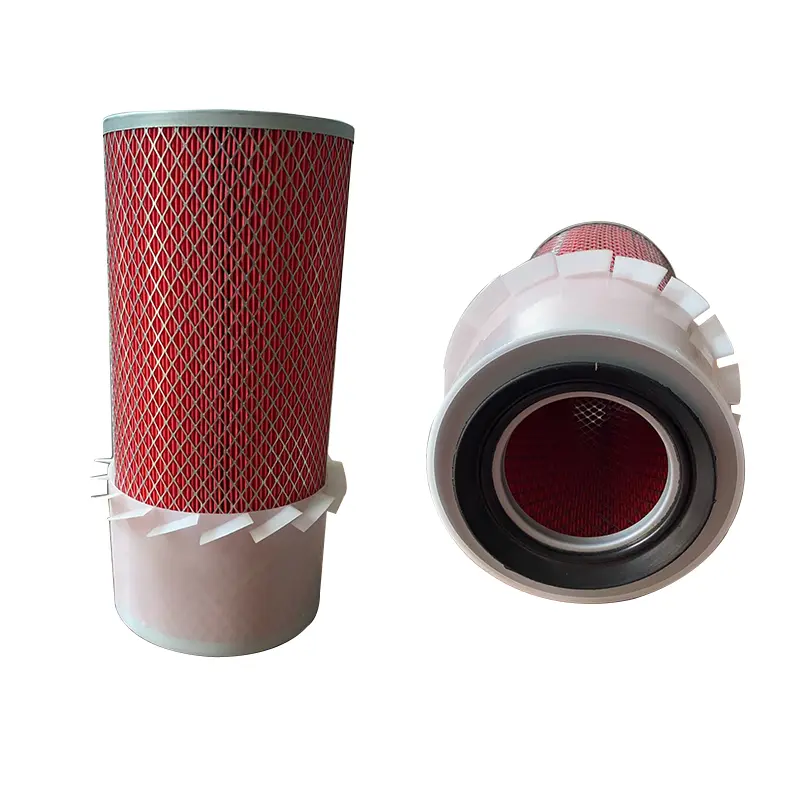 AIR FILTER