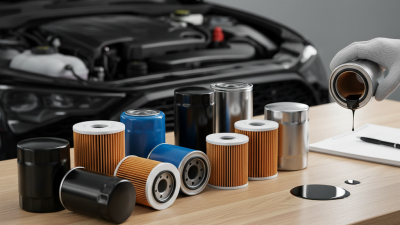
Top 10 Vehicle Oil Filters You Should Consider for Your Car?
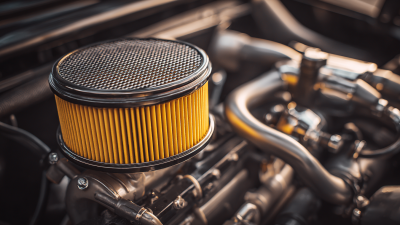
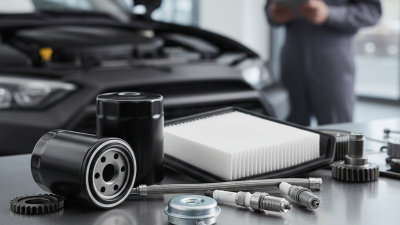
When it comes to maintaining a vehicle, selecting the right Vehicle Oil Filter is crucial. A good oil filter protects the engine by removing dirt and contaminants from the oil. This ensures smooth engine performance and longevity.
Many drivers overlook this essential component. They often choose based on price rather than quality. However, a low-cost filter can lead to bigger problems down the road. Poor filtration can damage the engine, resulting in costly repairs.
Understanding the importance of a reliable oil filter can save money and time. In this guide, we'll explore the top 10 Vehicle Oil Filters worth considering. Each option has been chosen for its durability, filtering efficiency, and user reviews. Investing time in choosing the right one is not just wise—it's necessary for the health of your vehicle.
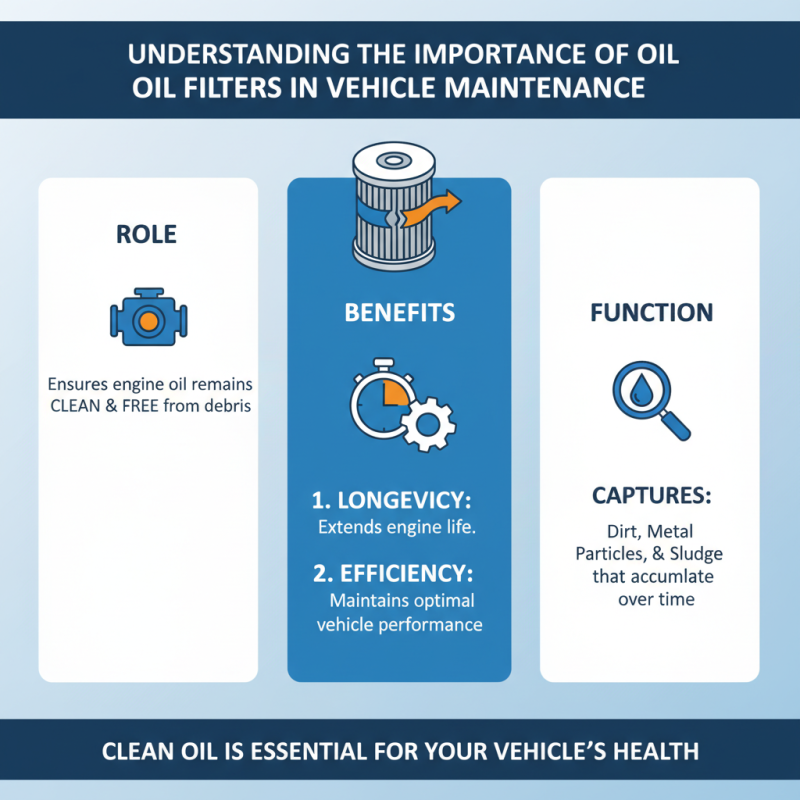
Understanding the Importance of Oil Filters in Vehicle Maintenance
Oil filters play a crucial role in vehicle maintenance. They ensure that the engine oil remains clean and free from debris. Clean oil is essential for the longevity and efficiency of your vehicle. A good filter captures dirt, metal particles, and sludge that can build up over time.
Without a reliable oil filter, your engine could suffer damage. Contaminants in the oil can lead to increased friction. This friction can cause premature wear and tear on engine components. Regularly changing your oil filter is as important as changing the oil itself. Ignoring this small part could result in costly repairs.
Many vehicle owners overlook the oil filter during maintenance. This oversight can lead to serious issues down the road. Choosing the right filter can be challenging. It requires research and understanding of your vehicle's needs. It’s vital to maintain a routine that includes oil filter checks. Regular attention to this component can protect your engine and enhance its performance.
Key Features to Look for in a Quality Oil Filter
When choosing a vehicle oil filter, key features are paramount. A quality oil filter ensures optimal engine performance and longevity. Look for filters that offer excellent filtration. This feature traps harmful particles before they can damage your engine. Opt for filters with a robust construction that can withstand high pressure. A well-built filter lasts longer and performs better under extreme conditions.
TIP: Check the material used in the filter. Premium filters often have a blend of synthetic and cellulose materials. These materials enhance filtration efficiency and durability. Also, pay attention to the filter's flow rate. A good oil filter must allow for smooth oil circulation while preventing contaminants from passing through.
The size and compatibility of the oil filter matter, too. Ensuring it fits your vehicle perfectly is crucial. An ill-fitting filter may lead to leaks or reduced performance. Some filters may not effectively fit all models, so double-check specifications.
TIP: Always consult your vehicle’s manual for specifications. It helps avoid mistakes and ensures you choose a compatible filter. Remember, it's not just about the price, but also the filtration capabilities. Balancing cost and quality can be tricky, so take your time.
Top 10 Oil Filter Brands and Their Unique Offerings
Choosing the right oil filter is crucial for your vehicle’s engine health. Several brands stand out in the market, each offering unique features and benefits. Some focus on high filtration efficiency, ensuring that even the smallest particles are trapped. Others emphasize durability and longevity, reducing the frequency of changes. These aspects can significantly enhance engine performance and longevity.
Different brands have specialized offerings. Some provide filters designed for specific vehicle types. Others offer high-capacity filters that can hold more contaminants. Many filters use advanced materials to withstand extreme conditions and improve oil flow. The variety can be overwhelming, prompting drivers to reflect on their choices. It’s important to consider not just the price but the overall value and performance.
Using an oil filter that suits your vehicle can lead to better gas mileage and engine response. However, not all filters are created equal. Some may promise high performance but may not deliver in real-world situations. Drivers often encounter issues with fit and compatibility. It’s essential to do thorough research and consult reliable sources before making a decision. This ensures you select a filter that meets your car's specific needs.
Top 10 Vehicle Oil Filters Performance Comparison
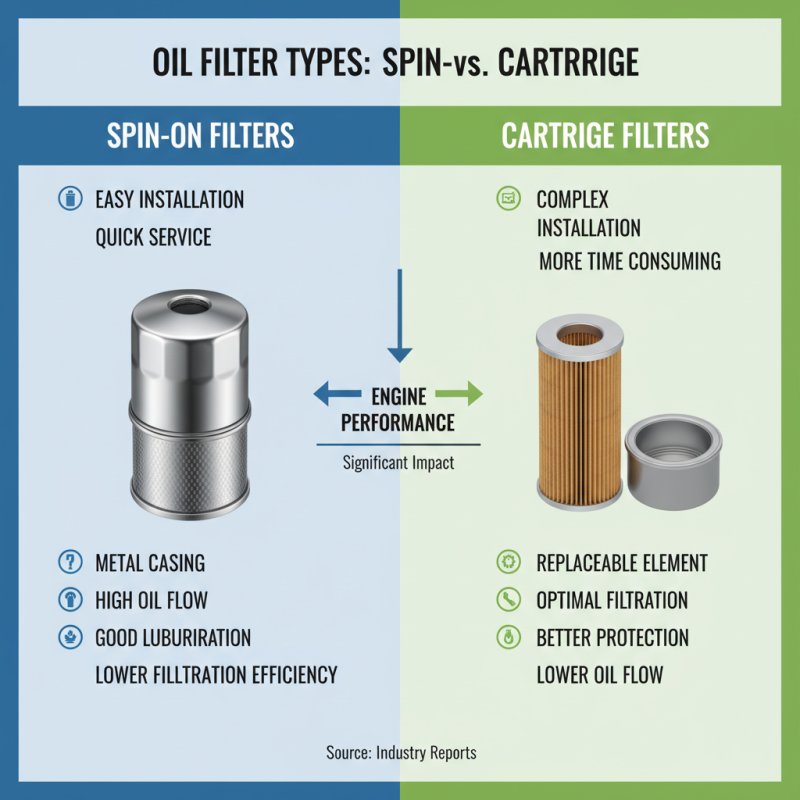
Comparative Analysis of Oil Filter Types: Spin-on vs. Cartridge
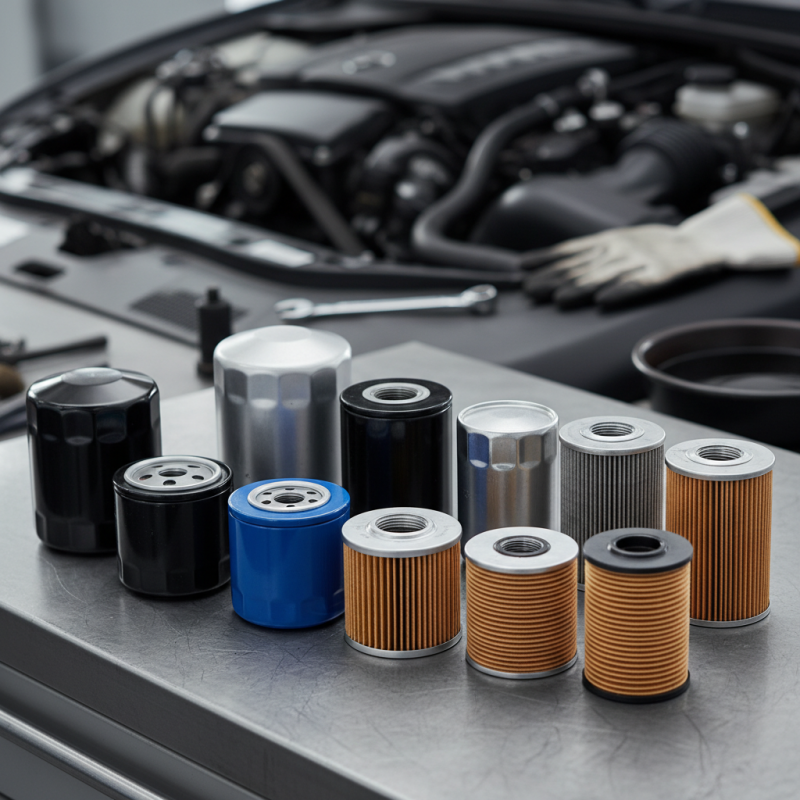
When it comes to vehicle oil filters, the choice between spin-on and cartridge types can significantly impact engine performance. The spin-on filter is a popular choice for many drivers. It offers a straightforward installation process, allowing for quick servicing. Typically, these filters utilize a metal canister that houses the filter media. According to industry reports, these filters are designed for higher oil flow rates, which can lead to better lubrication. However, they may have limitations in filtration efficiency compared to cartridge-style filters.
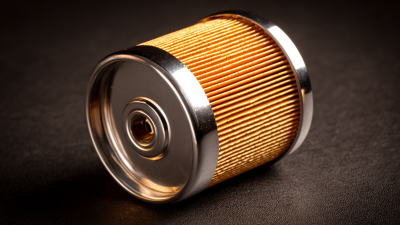
On the other hand, cartridge filters are receiving increased attention for their eco-friendliness. The filter housing is usually integrated into the engine, resulting in less waste. A study conducted by the Society of Automotive Engineers found that cartridge filters generally capture finer particulates. This can lead to improved engine longevity and performance. However, these filters may require more complex installation techniques, leading to potential errors during service. Thus, while each type has its strengths and weaknesses, the choice often hinges on individual preferences regarding service ease versus filter efficiency.
How to Properly Change and Maintain Your Vehicle's Oil Filter
Changing and maintaining your vehicle's oil filter is a crucial part of car maintenance. Regular oil changes are important. According to industry reports, over 50% of engine wear is due to poor oil filtration. A clean oil filter ensures that impurities do not compromise your engine's performance.
When replacing your oil filter, always check the type and fit for your vehicle. Many motorists neglect to assess compatibility, leading to potential leaks or damage. It’s advisable to inspect the oil filter during each oil change, as recommended intervals typically range from every 3,000 to 5,000 miles, depending on usage and oil type. Neglected filters can lead to reduced oil flow, which increases engine stress and promotes overheating.
Additionally, proper disposal of used oil filters is essential. Many people are unaware that they contain hazardous materials and should not be discarded in regular trash. Instead, take them to a designated recycling center. This practice not only helps the environment but also adheres to local regulations. Ensuring you change and maintain your oil filter can significantly enhance engine longevity and efficiency, proving to be a wise investment in your vehicle's health.

 Products
 FUEL FILTER
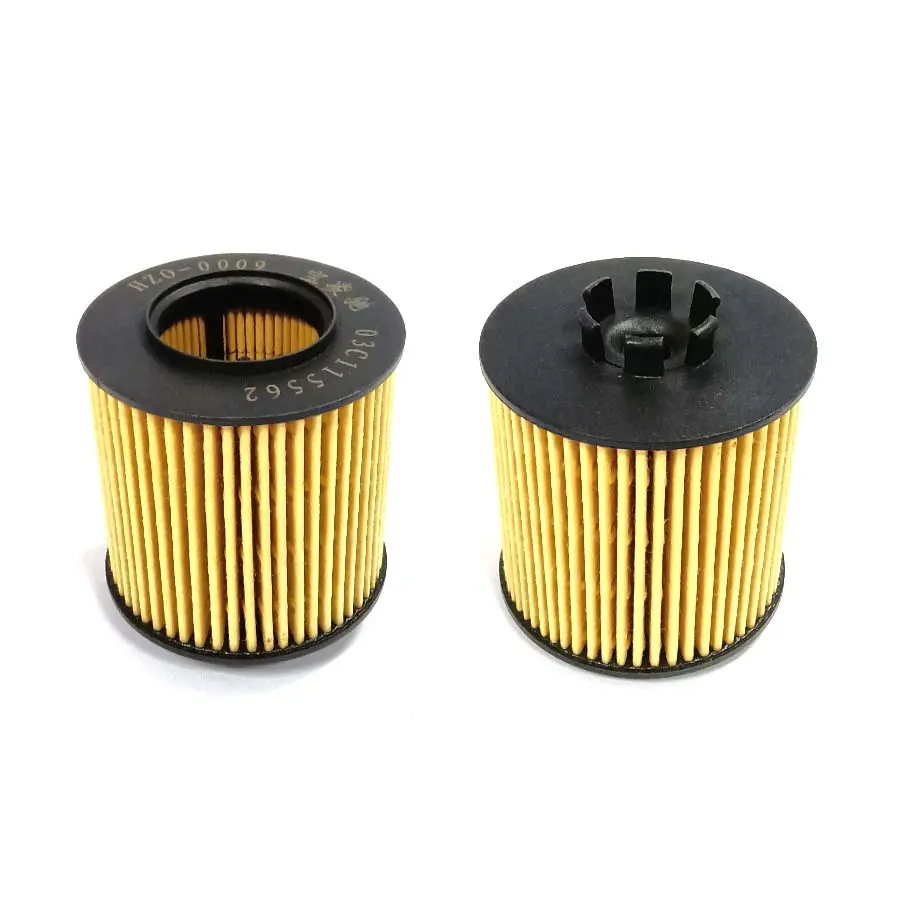 OIL ELEMENT FILTER
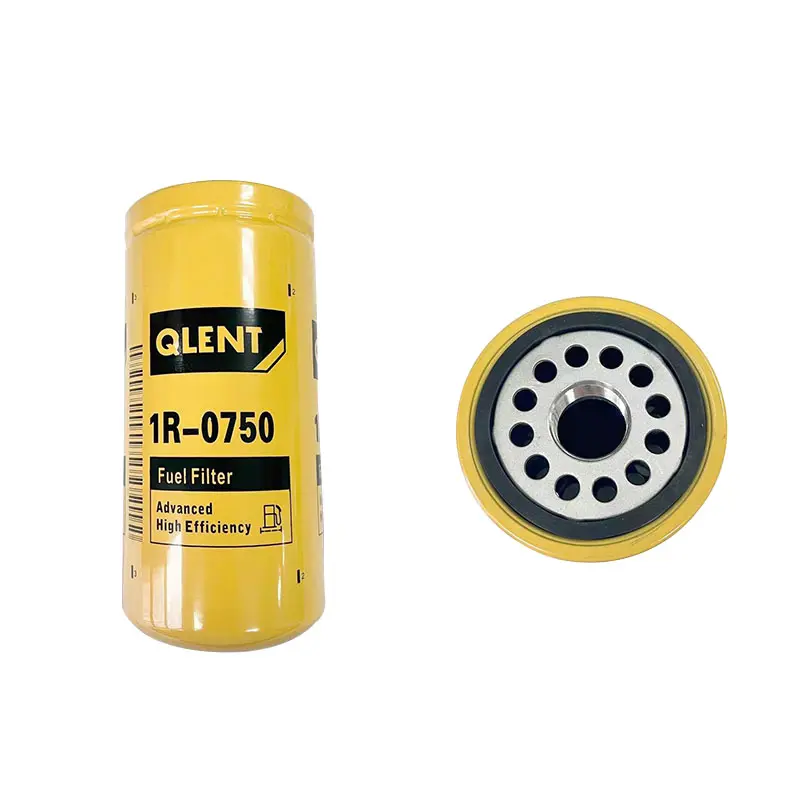 OIL FILTER
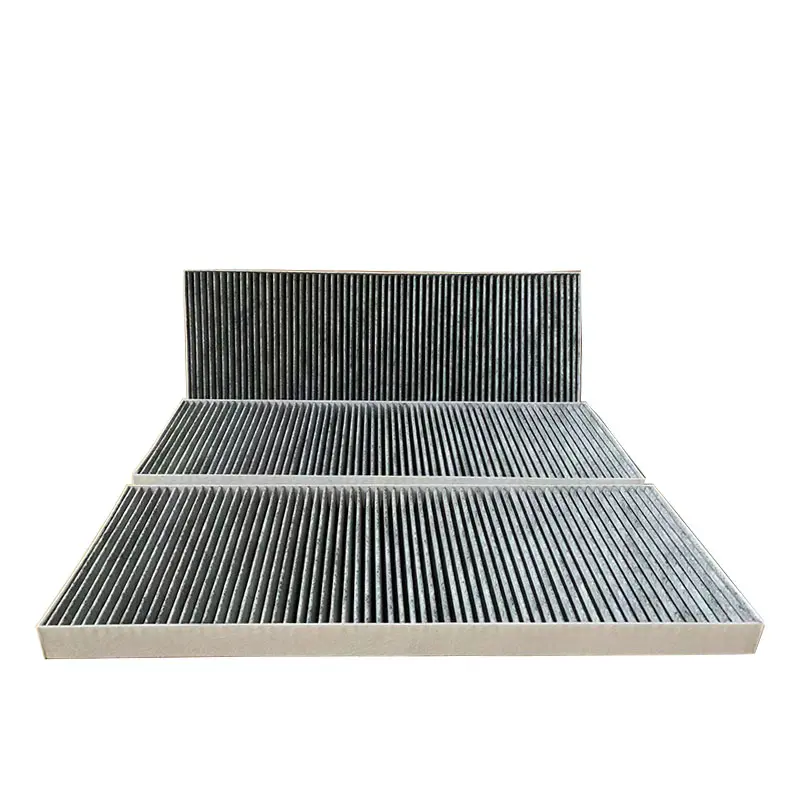 CABIN FILTER
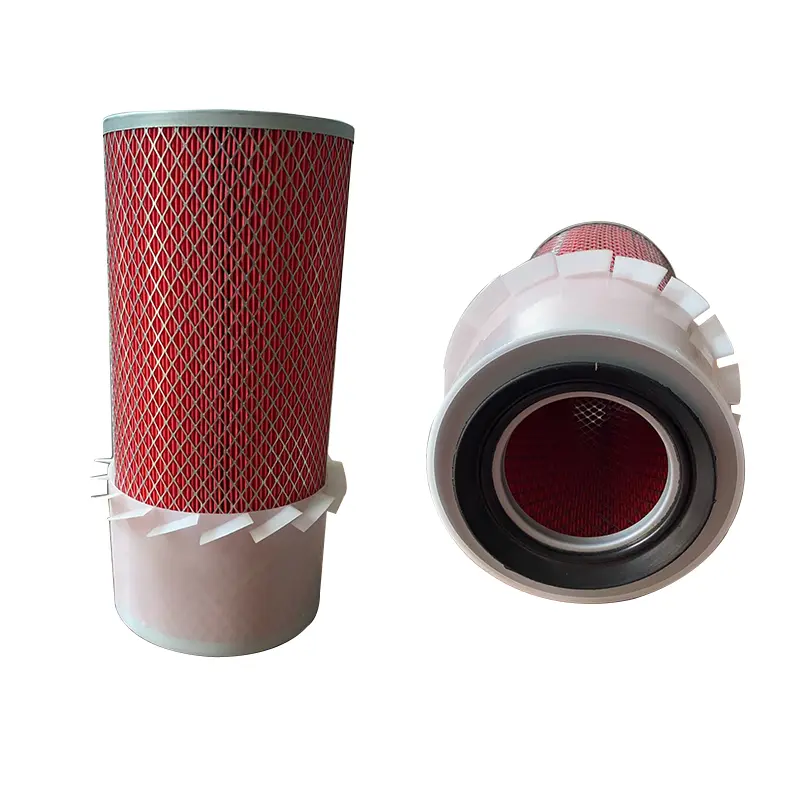 AIR FILTER