Inquiry
Form loading...

Why Are Truck Filters Essential for Engine Performance?

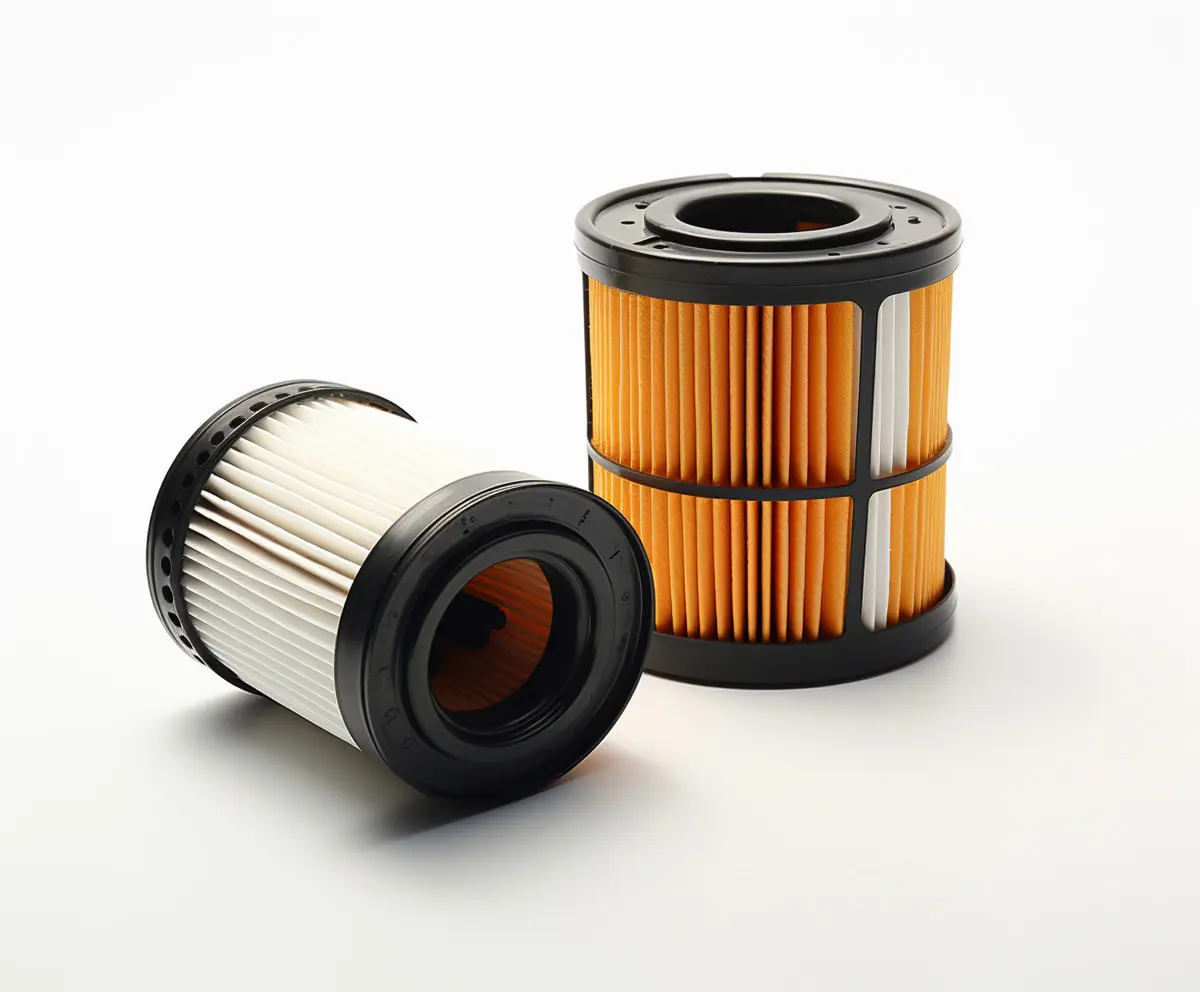
Truck filters play a crucial role in maintaining engine performance. They filter harmful particles and debris from the air and fuel. A clean truck filter directly contributes to better fuel efficiency. When the filter becomes clogged, it affects the airflow and fuel delivery. This can lead to engine strain and decreased power.

Regularly checking the truck filter is essential for optimal operation. Many truck owners overlook this aspect. A neglected filter can cause engine damage over time. This emphasizes the need for routine maintenance. Drivers should be aware of the signs of a failing filter. Poor acceleration and unusual noises can indicate a problem.

Investing in high-quality truck filters is wise. They provide better filtration and longevity. A good filter can prevent costly repairs in the future. Remember, a small part can have a significant impact. Engine performance relies heavily on the health of the truck filter. Ignoring this can lead to regret down the road.
Why Are Truck Filters Essential for Engine Performance?

Understanding the Role of Filters in Truck Engine Systems

Truck filters play a crucial role in maintaining optimal engine performance. They protect sensitive engine components from dirt, debris, and contaminants. According to industry reports, clean filters can improve fuel efficiency by up to 14%. This efficiency is vital for long-haul trucks that cover thousands of miles.

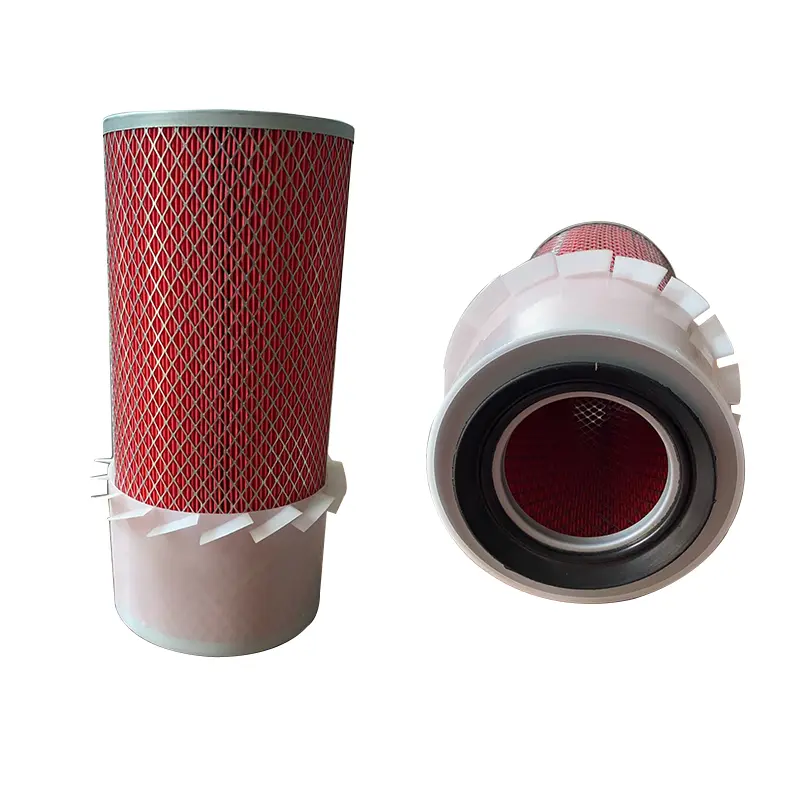
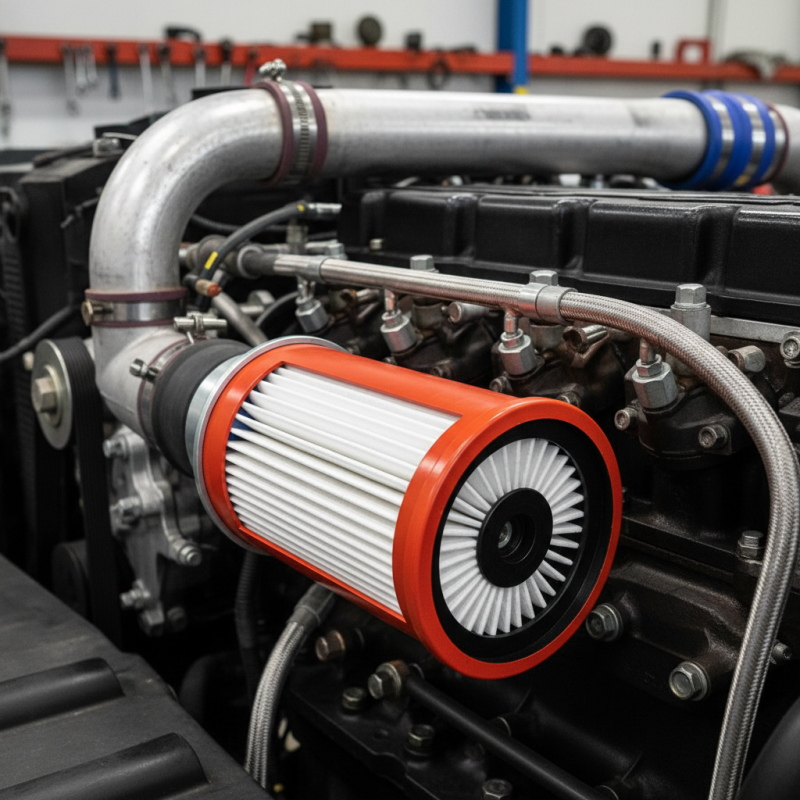
Air filters are especially important. They filter out harmful particles that can damage the engine. A clogged air filter can reduce power output significantly. Some studies show that a clean filter can enhance horsepower by nearly 10%. Clearly, regular maintenance is crucial to ensure these filters function effectively.

Tips: Check filters every 5,000 miles. Consider replacing them when necessary. This simple task can save you fuel costs and extend engine life. Don't overlook oil filters; they remove harmful particles from engine oil, ensuring smooth operation.

Remember that even the highest quality filters need to be maintained. Neglecting filter changes can lead to engine wear or reduced efficiency over time. It's important to balance cost with performance. Regular checks and replacements can prevent costly repairs.

Types of Filters Commonly Used in Truck Engines

Why Are Truck Filters Essential for Engine Performance?

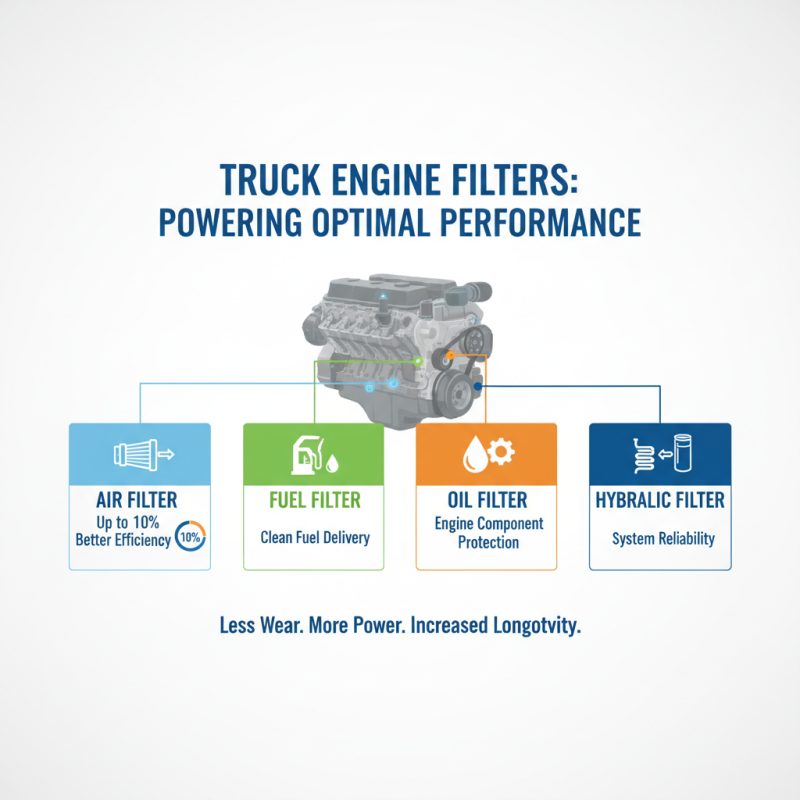
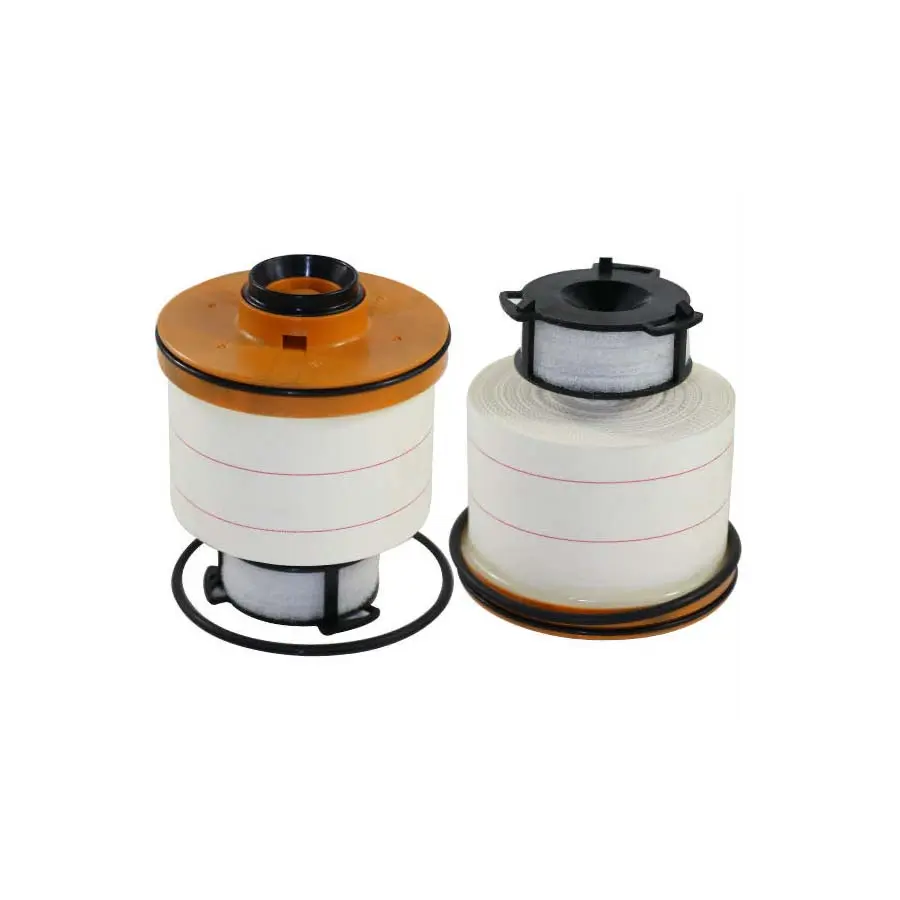
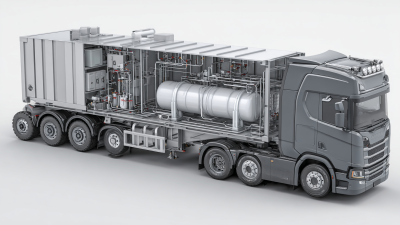
Truck engines rely heavily on various filters to optimize performance. Air filters, fuel filters, oil filters, and hydraulic filters each play critical roles. For instance, a study shows that a clean air filter can improve engine efficiency by up to 10%. This is vital for trucks that operate under heavy loads.

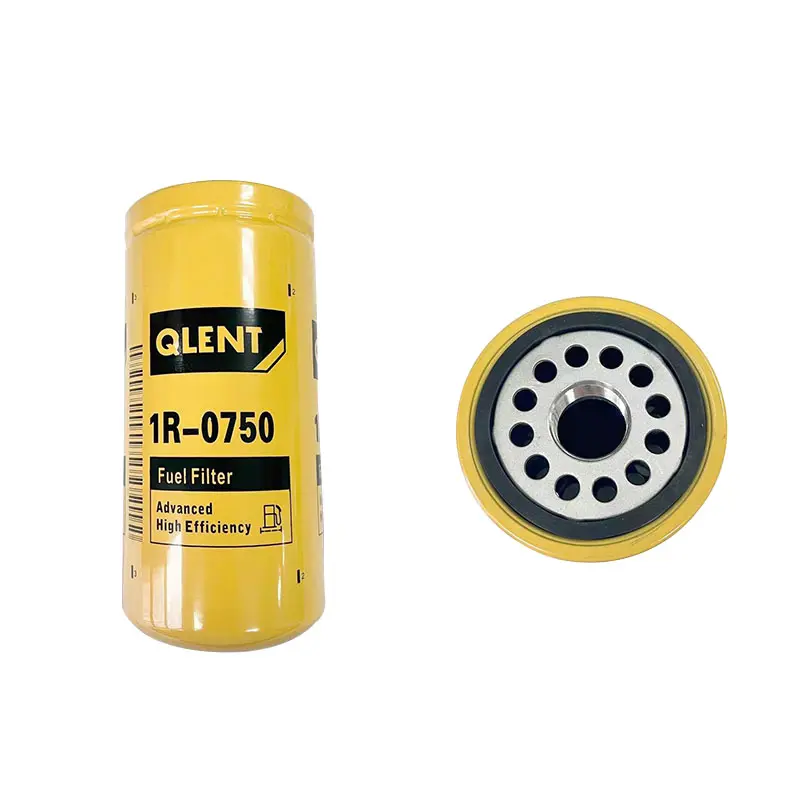
Air filters trap dirt and debris, preventing them from entering the engine. Over time, these filters can become clogged, impeding airflow. A clogged filter may reduce horsepower and efficiency by as much as 20%. Fuel filters remove impurities from fuel, ensuring that it burns cleanly. This can enhance fuel economy and reduce emissions significantly.

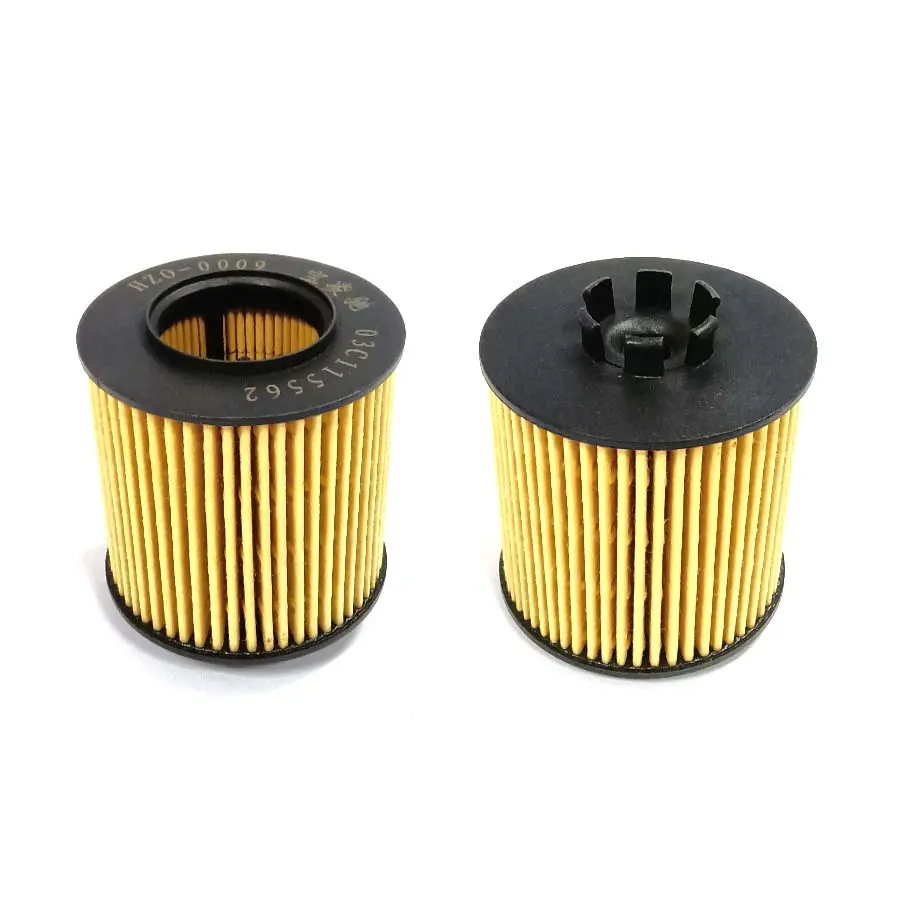
Oil filters are essential for maintaining engine longevity. They remove contaminants from engine oil, which can otherwise cause wear and tear on engine components. Without a proper oil filter, engine parts can degrade, leading to costly repairs. Hydraulic filters also ensure proper functioning of hydraulic systems in trucks. Each filter type serves a specific purpose, and failure to replace them can lead to unplanned downtime, ultimately affecting productivity. Regular maintenance of these filters is crucial for efficient truck operation.

Impact of Filter Condition on Engine Performance

Filters play a crucial role in engine performance. Truck filters, including air, oil, and fuel filters, directly impact how well an engine operates. A clean filter ensures optimal airflow and fluid circulation. According to industry reports, a clogged air filter can reduce engine performance by up to 10%. This drop can lead to more emissions and decreased fuel efficiency.

The condition of a filter significantly affects combustion quality. When dirt and debris accumulate, the engine works harder to draw in clean air, leading to increased wear. Moreover, a poorly maintained fuel filter can allow contaminants to enter the engine. This may cause fuel injector damage or engine knocking. These issues can result in costly repairs that could have been avoided.

**Tips:** Regularly inspect and replace filters. This is often overlooked. A simple change can improve fuel efficiency. Also, consider using quality fuel to reduce filter clogging. Keeping everything clean helps maintain engine health. Lastly, don’t wait for warning signs. Take preventive measures to ensure smooth engine operation.

Why Are Truck Filters Essential for Engine Performance? - Impact of Filter Condition on Engine Performance

Filter Type Impact on Engine Performance Optimal Replacement Interval (miles) Common Causes of Clogging Maintenance Recommendations
Air Filter Improves airflow to the engine, enhancing combustion efficiency. 15,000 - 30,000 Dust, debris, and contaminants. Inspect and replace every 15K miles; clean if reusable.
Fuel Filter Removes impurities from fuel, ensuring efficient engine operation. 10,000 - 20,000 Water, dirt, and rust from fuel tank. Replace per manufacturer specifications or every 10K miles.
Oil Filter Filters out contaminants in engine oil, crucial for lubrication. 5,000 - 7,500 Metal particles, sludge, and carbon. Change with every oil change or every 5K miles.
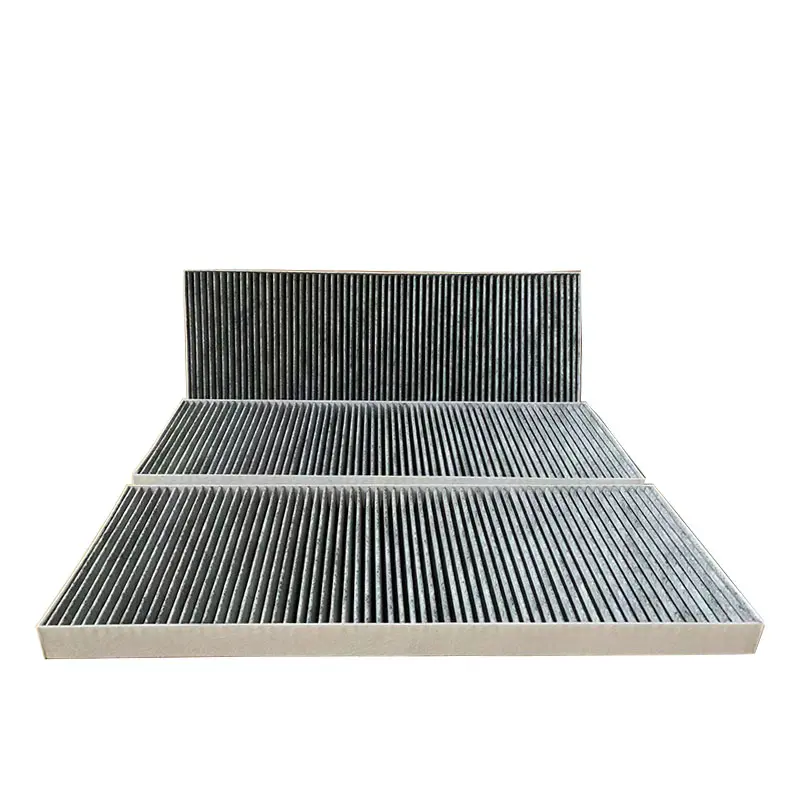
Cabin Air Filter Improves air quality inside the vehicle. 15,000 - 25,000 Pollen, dust, and pollutants. Change every 15K miles or as needed based on air quality.

Signs of Clogged Filters and Their Effects on Trucks

Clogged filters can severely impact truck performance. They hinder airflow and limit fuel efficiency. According to industry reports, trucks with clogged air filters can experience a drop in power by 10%. This can lead to increased fuel consumption and higher operational costs.

Signs of clogged filters are often subtle yet noticeable. Drivers might observe decreased acceleration and sudden engine stalling. An unusual increase in exhaust emissions can also indicate filter issues. Some mechanics estimate that a dirty filter can reduce a truck's lifespan significantly. Regular checks are essential for maintaining engine health.

Ignoring these signs can lead to more expensive repairs. Truck owners may face higher maintenance costs due to accumulated damage. In some cases, it might lead to complete engine failure. Being proactive can save a lot of trouble in the long run. Regular filter replacements are a simple yet effective strategy for optimal performance.

Best Practices for Maintaining Truck Filters and Enhancing Longevity

Truck filters play a crucial role in maintaining engine performance. Proper maintenance of these filters can significantly enhance their longevity. Regular checks are essential. Ignoring them can lead to engine inefficiency.

Tips for maintaining truck filters include routine inspections. Look for dirt accumulation or damage. Clean or replace filters as needed. Consider a schedule based on your driving conditions. Dusty roads may require more frequent checks.

Another practice is to use quality fuel and oil. Contaminants can clog filters more quickly. This impacts overall engine health. Lastly, don’t wait for warning lights. Pay attention to changes in engine performance. Keeping an eye on these factors can save your truck from costly repairs down the road.