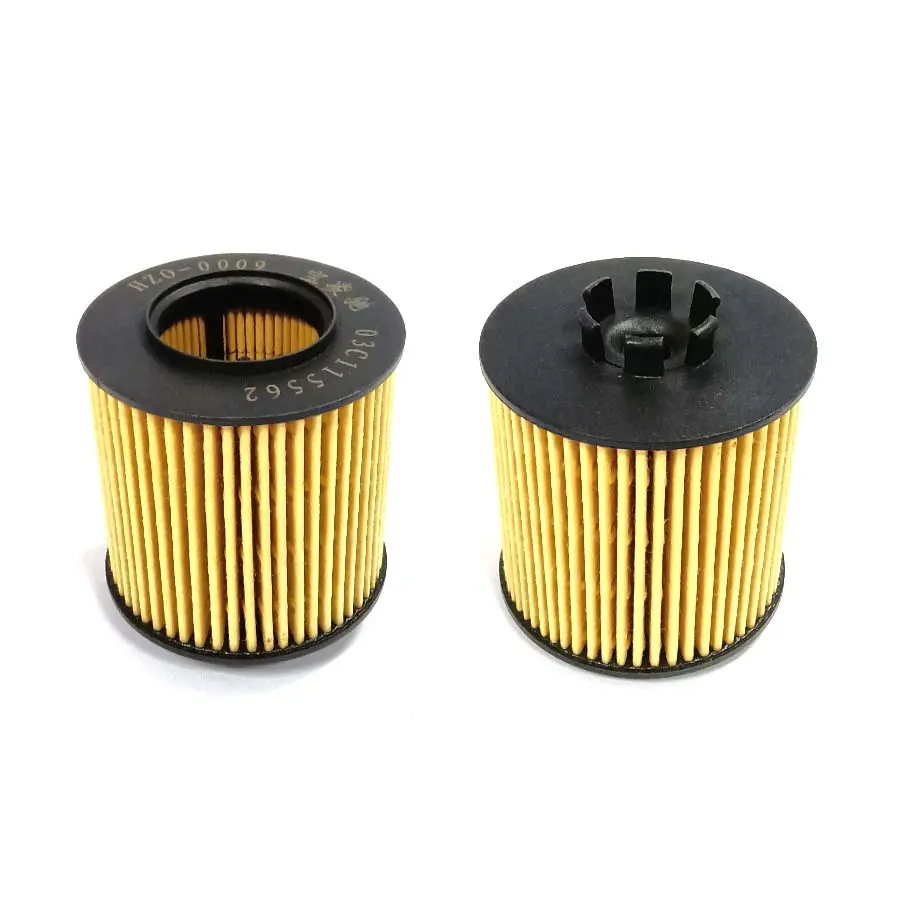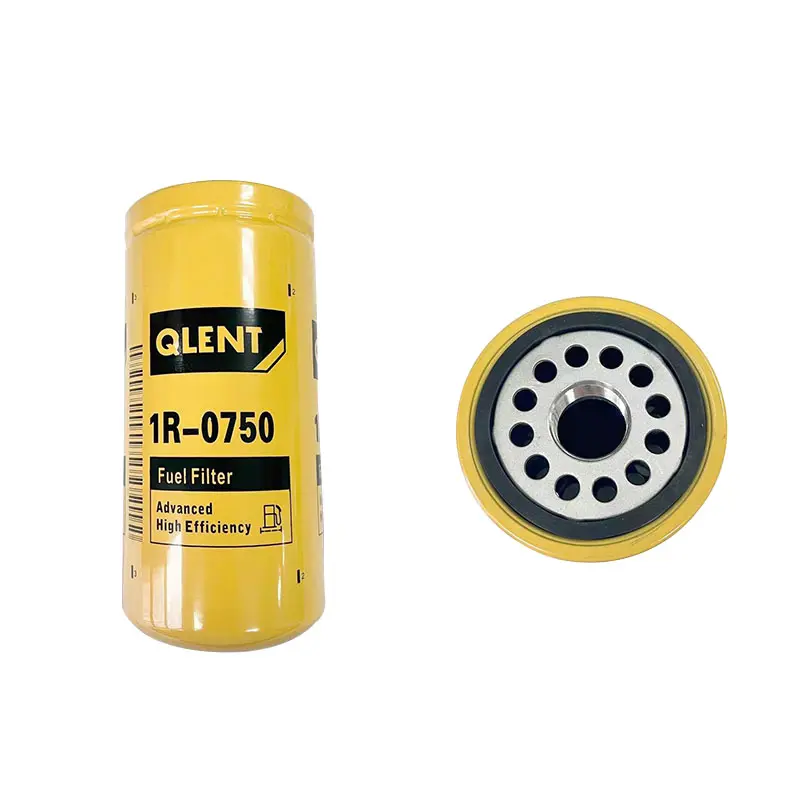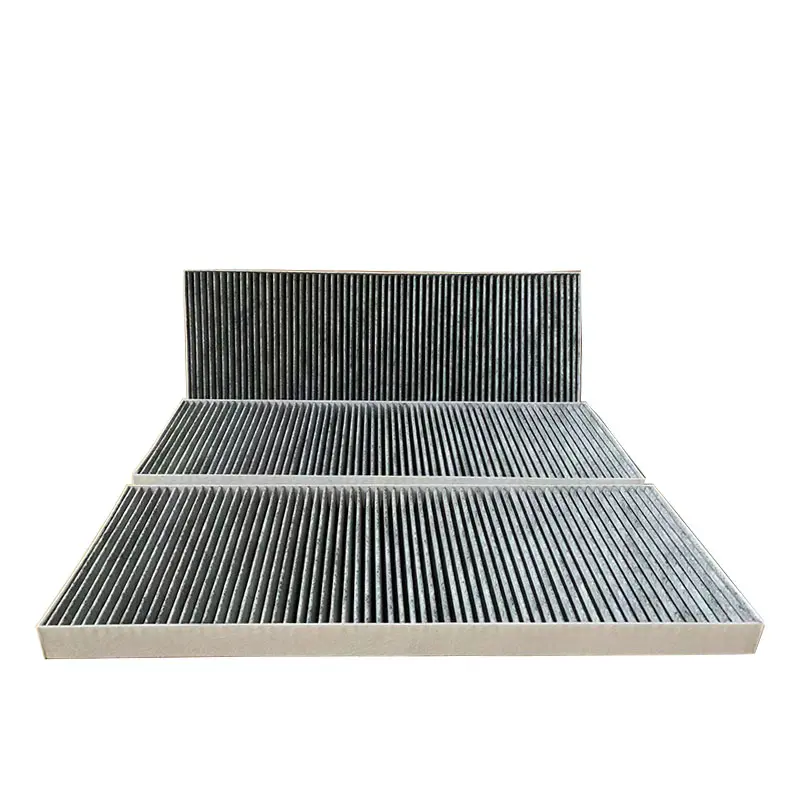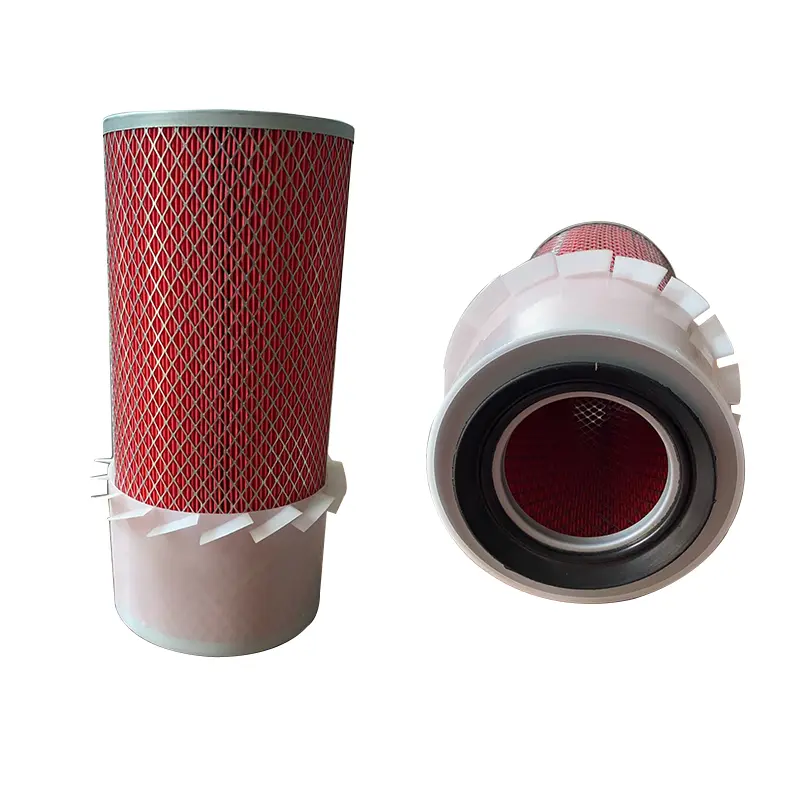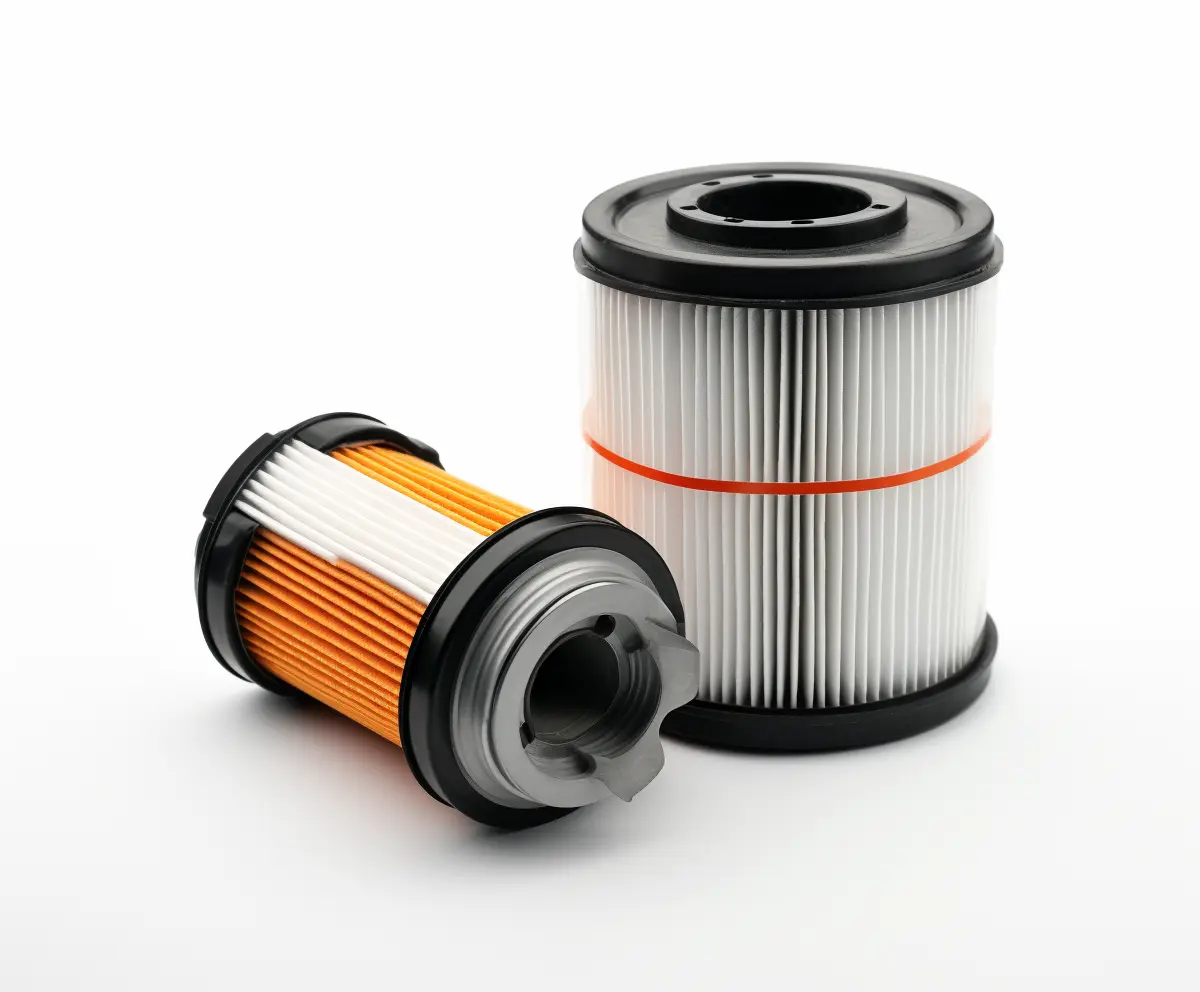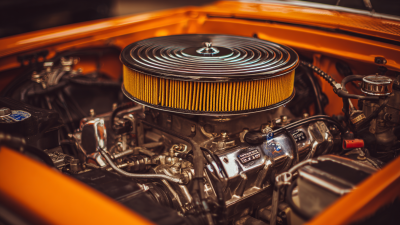
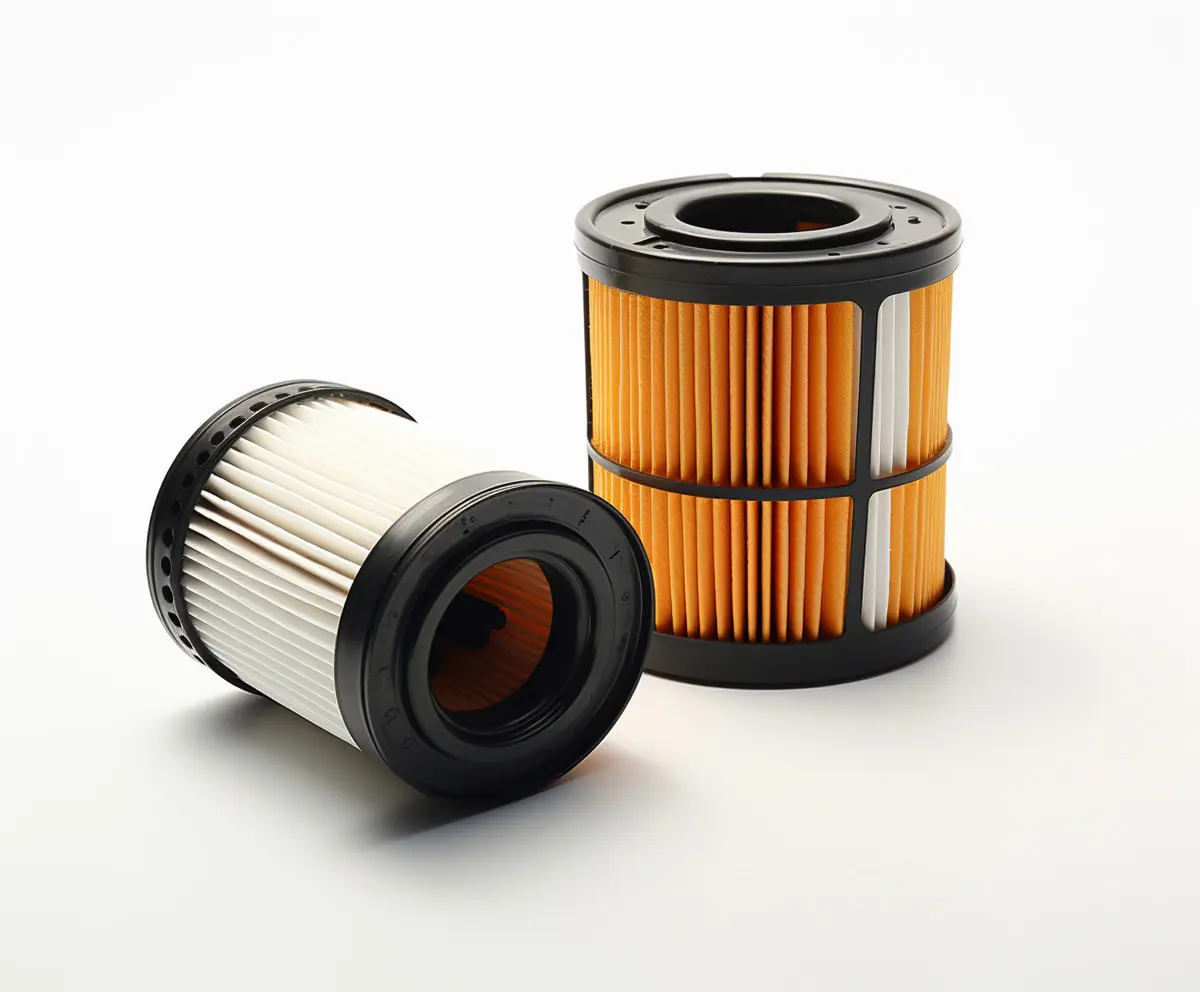
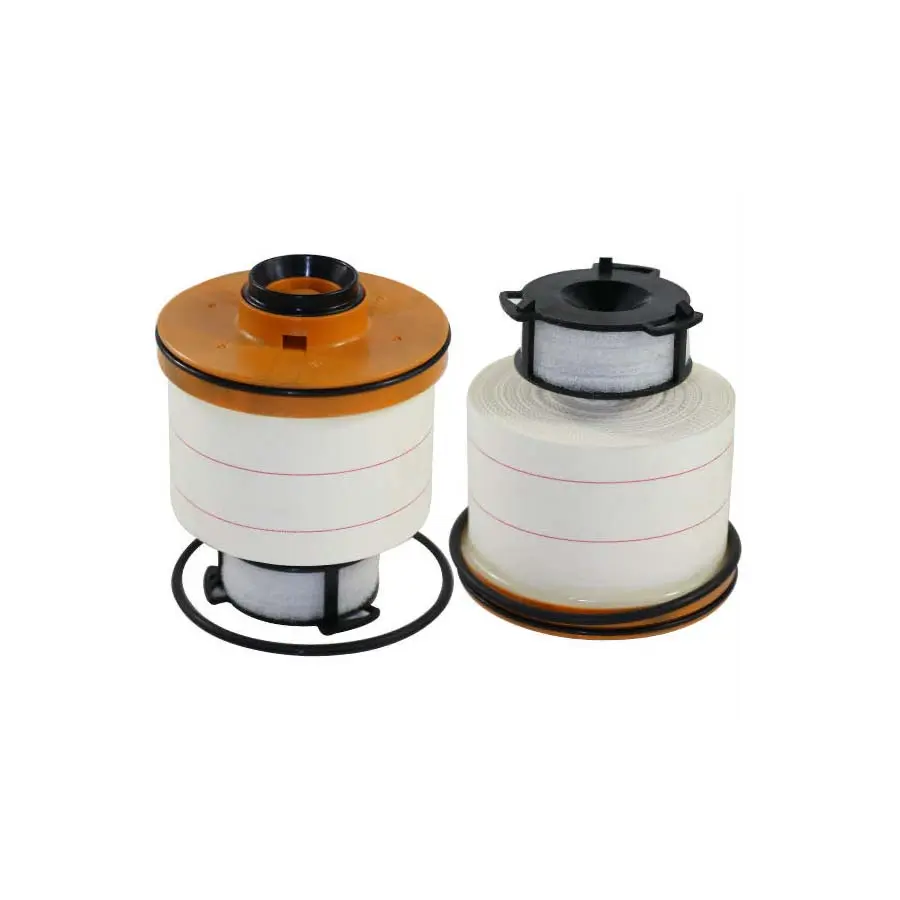
The Vehicle Oil Filter is a crucial component in maintaining the overall health and performance of your car's engine. It serves a critical function by filtering out contaminants and impurities from the oil circulating through the engine, ensuring that only clean oil reaches crucial engine parts. This filtration process helps prevent wear and tear, enhancing the engine's longevity and efficiency.
Ignoring the importance of a properly functioning Vehicle Oil Filter can lead to various engine problems, including decreased performance, increased fuel consumption, and even engine failure. Regular maintenance, including timely oil and filter changes, plays a vital role in ensuring that the Vehicle Oil Filter operates effectively. By understanding the significance of this component, car owners can take proactive steps to protect their investment and ensure their vehicle operates smoothly for years to come.
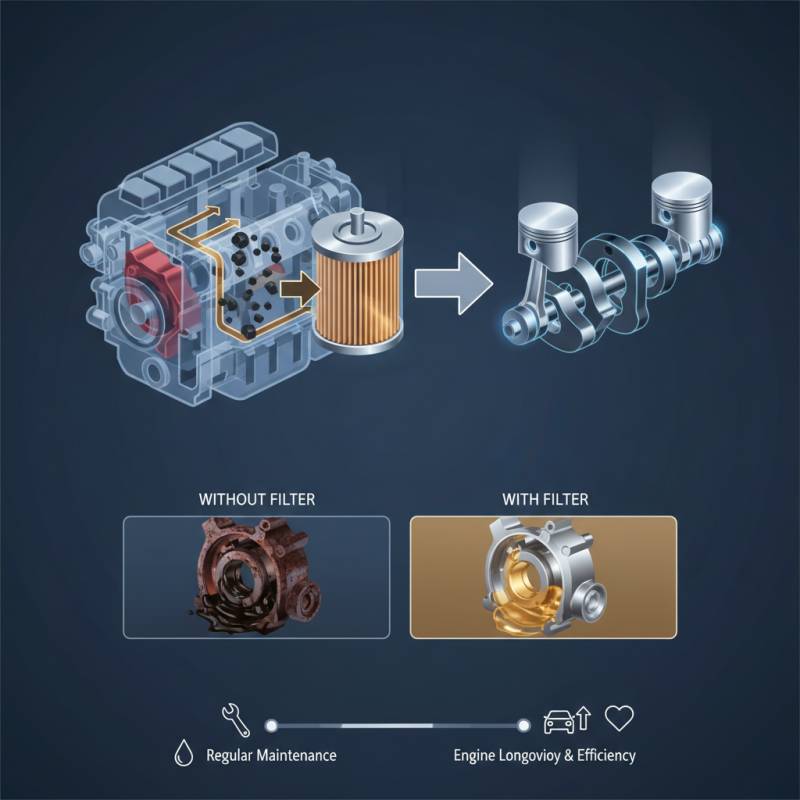
A vehicle oil filter is a crucial component of an automotive engine's lubrication system. Its primary function is to remove contaminants and dirt from the engine oil, which can accumulate over time as the oil circulates through the engine. These contaminants can include metal particles, dirt, and sludge, all of which can lead to reduced engine performance and potential damage if not filtered out. By maintaining clean oil, the filter ensures that the engine remains lubricated effectively, promoting smoother operation and extending the engine's lifespan.
In addition to filtering out impurities, a vehicle oil filter plays a significant role in maintaining overall engine efficiency. When oil is clean and free of debris, it flows more easily through the engine components, leading to better fuel efficiency and reduced wear on engine parts. Regularly replacing the oil filter as part of routine maintenance is essential, as a clogged or dirty filter can restrict oil flow, increase engine temperature, and eventually lead to severe engine problems. Understanding the importance of the oil filter underscores its role in keeping your vehicle running smoothly and efficiently.
An oil filter plays a pivotal role in maintaining optimal engine performance by removing contaminants from the engine oil.
As oil circulates through the engine, it lubricates the moving parts, but it also picks up dirt, metal particles, and other impurities that can accumulate over time. The oil filter traps these harmful substances, preventing them from recirculating and causing wear and tear on vital engine components. By ensuring that the oil remains clean, the filter helps maintain proper lubrication, which is essential for smooth operation and efficiency.
Regularly replacing the oil filter is crucial because a clogged or inefficient filter can lead to reduced oil flow and increased engine strain.
This can compromise engine performance, leading to overheating and potential damage.
A good oil filter allows the engine to work under optimal conditions, improving fuel efficiency and extending the life of the engine.
In essence, the oil filter is a safeguard that supports a smooth-running engine, ensuring that it operates as efficiently as possible while protecting it from premature wear.
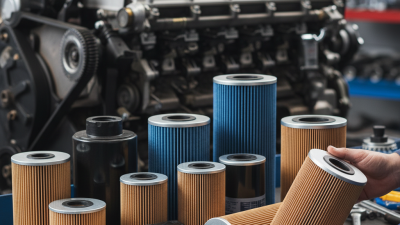
When it comes to vehicle maintenance, understanding the different types of oil filters available in the market is crucial for keeping your engine running smoothly. Primarily, oil filters fall into two main categories: mechanical filters and electronic filters. Mechanical filters, which most common oil filters use, employ a paper or synthetic media to trap impurities and particles in the oil. These filters are designed to be replaced regularly and are key in maintaining oil cleanliness, thereby extending the life of the engine.
Another notable type is the bypass filter, which is typically used in conjunction with the primary oil filter. Bypass filters are capable of filtering out finer particles that the standard filter might miss. They operate on a secondary flow system that allows oil to be rerouted through a fine filtration medium, capturing contaminants to ensure cleaner oil returns to the engine. Additionally, synthetic oil filters have gained popularity for their advanced filtration capabilities and longer lifespans compared to traditional filters. Selecting the right type of oil filter is essential, as it directly impacts the engine’s performance and longevity.
The oil filter plays a crucial role in maintaining the health of your vehicle's engine by trapping contaminants and debris that can accumulate in the engine oil. Over time, however, the oil filter can become clogged and ineffective, leading to potential engine damage. Recognizing the signs that your oil filter needs replacement is essential for preventing costly repairs and ensuring optimal engine performance.
One of the most noticeable signs of a failing oil filter is the presence of dark, dirty oil on the dipstick. Fresh oil should be relatively clear and amber in color, while dirty oil indicates that the filter is not doing its job of removing impurities. Additionally, if you notice a decrease in engine performance, it may be due to restricted oil flow caused by a clogged filter. Unusual noises from the engine, such as ticking or knocking sounds, can also signal that the oil is not circulating properly because of a compromised filter. Regularly checking the oil level and quality can help you catch these warning signs early and maintain your vehicle's longevity.
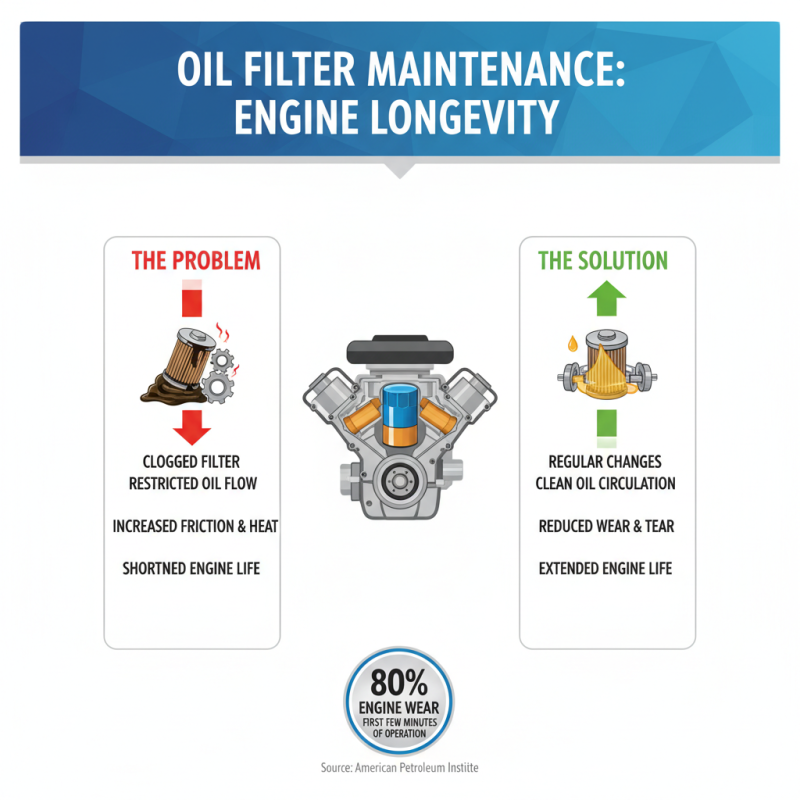
Regular maintenance of the oil filter is crucial for ensuring the longevity of your vehicle. According to the American Petroleum Institute, nearly 80% of engine wear occurs during the first few minutes of operation, highlighting the importance of clean oil in maintaining engine health. The oil filter plays a vital role in this process by trapping impurities and contaminants that can accumulate over time. If the oil filter is not changed regularly, it can become clogged and restrict the flow of oil, leading to increased friction and heat in the engine, which ultimately shortens its lifespan.
Moreover, a report by the Engine Oil Information Service indicates that a clean oil filter can enhance the efficiency of the engine by up to 10%. This efficiency translates not only into better performance but also into improved fuel economy. Neglecting oil filter maintenance can lead to a host of problems, including engine knocking, overheating, and even complete engine failure. Therefore, adhering to the recommended oil filter change intervals, typically every 3,000 to 7,500 miles, can save vehicle owners significant repair costs and extend the life of their cars. Regularly checking and replacing the oil filter not only ensures a smoother ride but also safeguards the long-term performance of your vehicle.