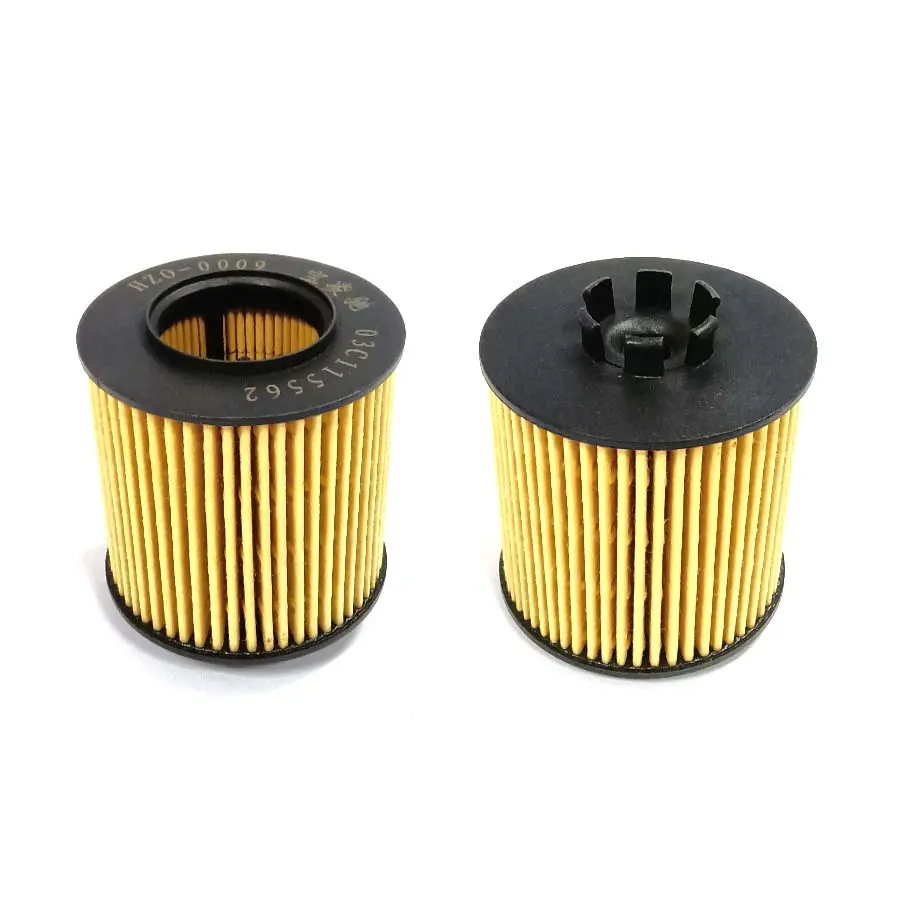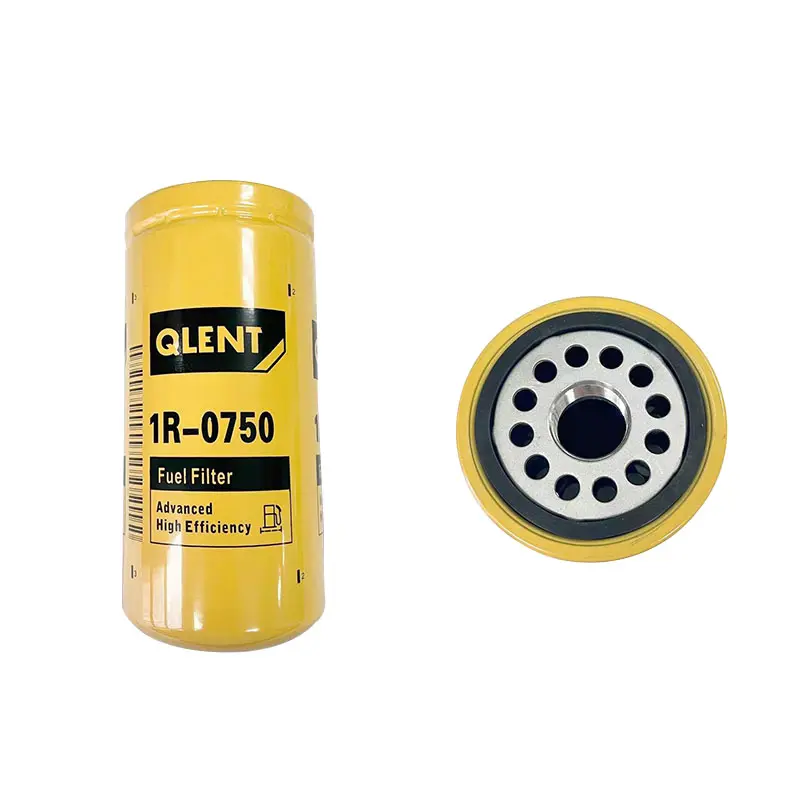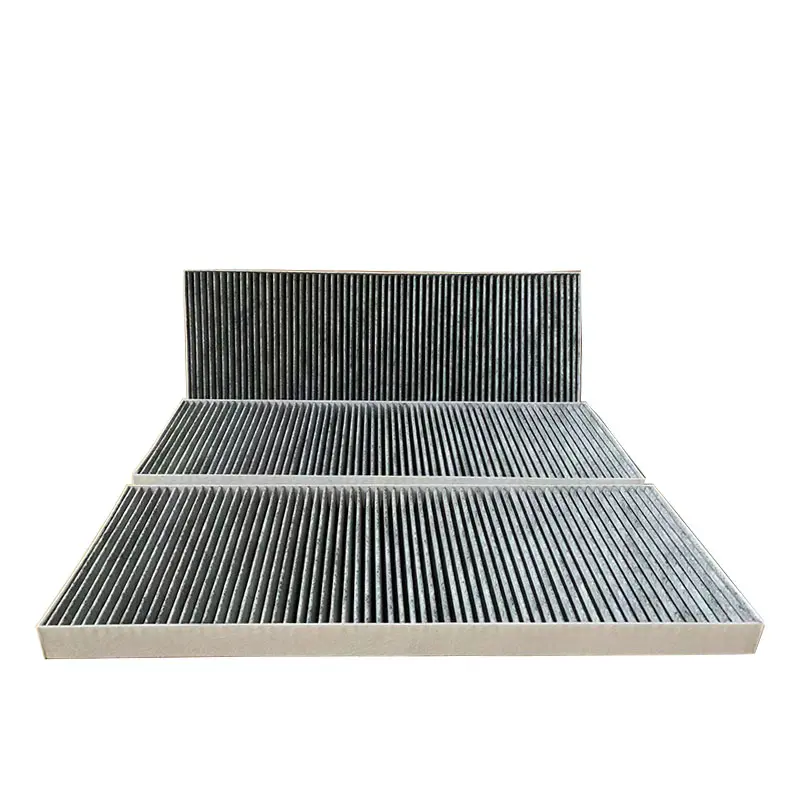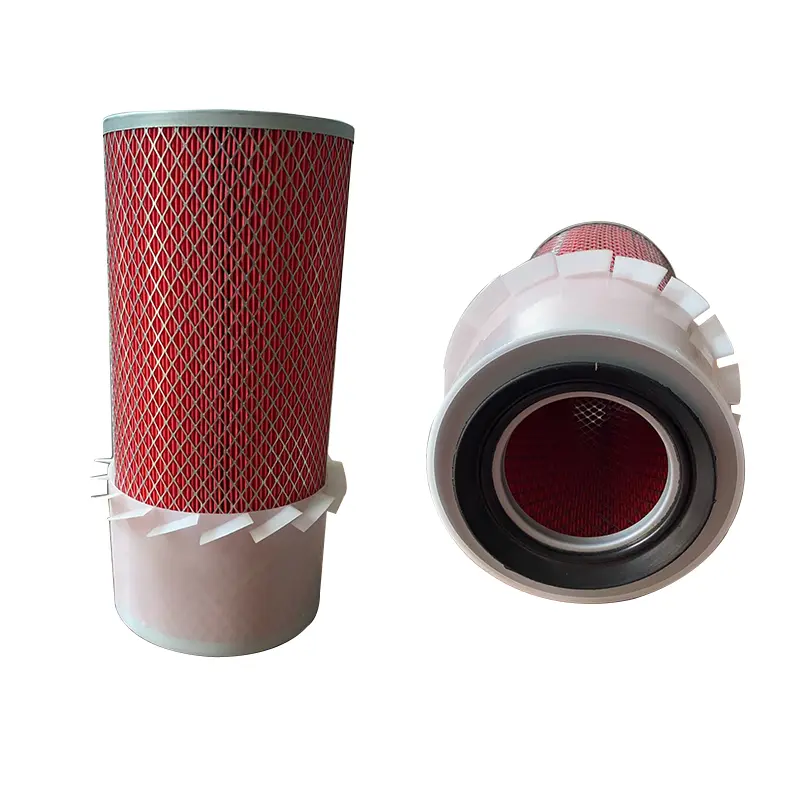
Choosing the right Vehicle Filter is not a minor maintenance decision. It supports cleaner airflow, steadier engine performance, and a more comfortable cabin. A clogged filter can quietly increase strain. The warning signs are often easy to miss.
The correct choice depends on the vehicle, driving conditions, and manufacturer specifications. An experienced technician checks the filter’s dimensions, material, sealing edge, and filtration rating. Service records also reveal useful patterns. Frequent dusty-road driving may require closer inspections. City traffic creates different demands.
Small details matter.
A well-fitted filter should sit firmly without gaps or crushed edges. Poor sealing can allow dust to bypass the filter completely. That mistake may look harmless during installation. It is not. Reliable maintenance guidance should come from vehicle manuals, established manufacturers, and qualified service professionals. Independent testing can also support better decisions, but marketing claims deserve careful review.
I have seen owners replace filters only after obvious performance problems appeared. Waiting that long is understandable, yet not always wise. A clean-looking filter may still have restricted airflow. Conversely, replacing it too early can waste money and materials. The right interval is not universal. It should reflect inspection results, operating conditions, and verified maintenance guidance. This article examines why filter quality, fit, and timing deserve equal attention. It also considers common assumptions that may need reconsideration.

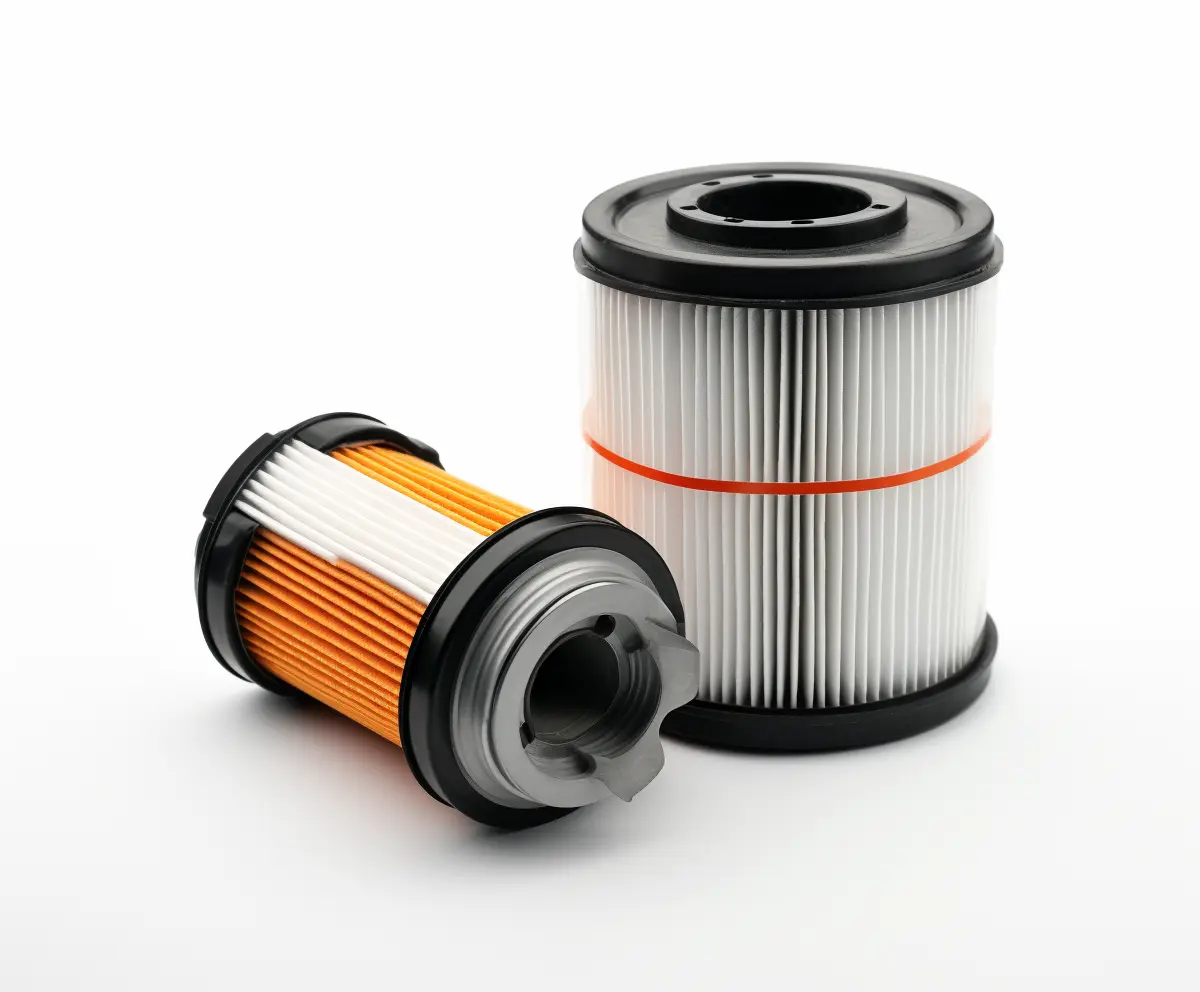
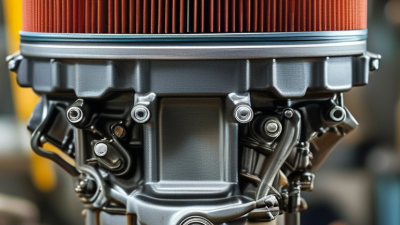
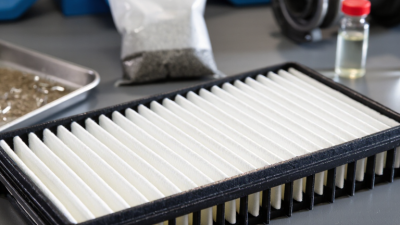
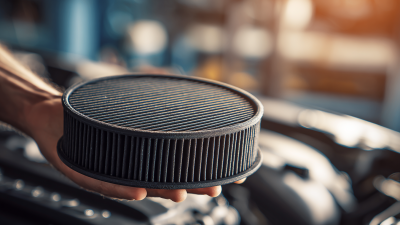
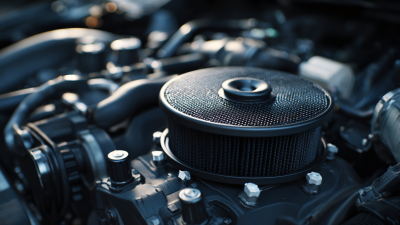
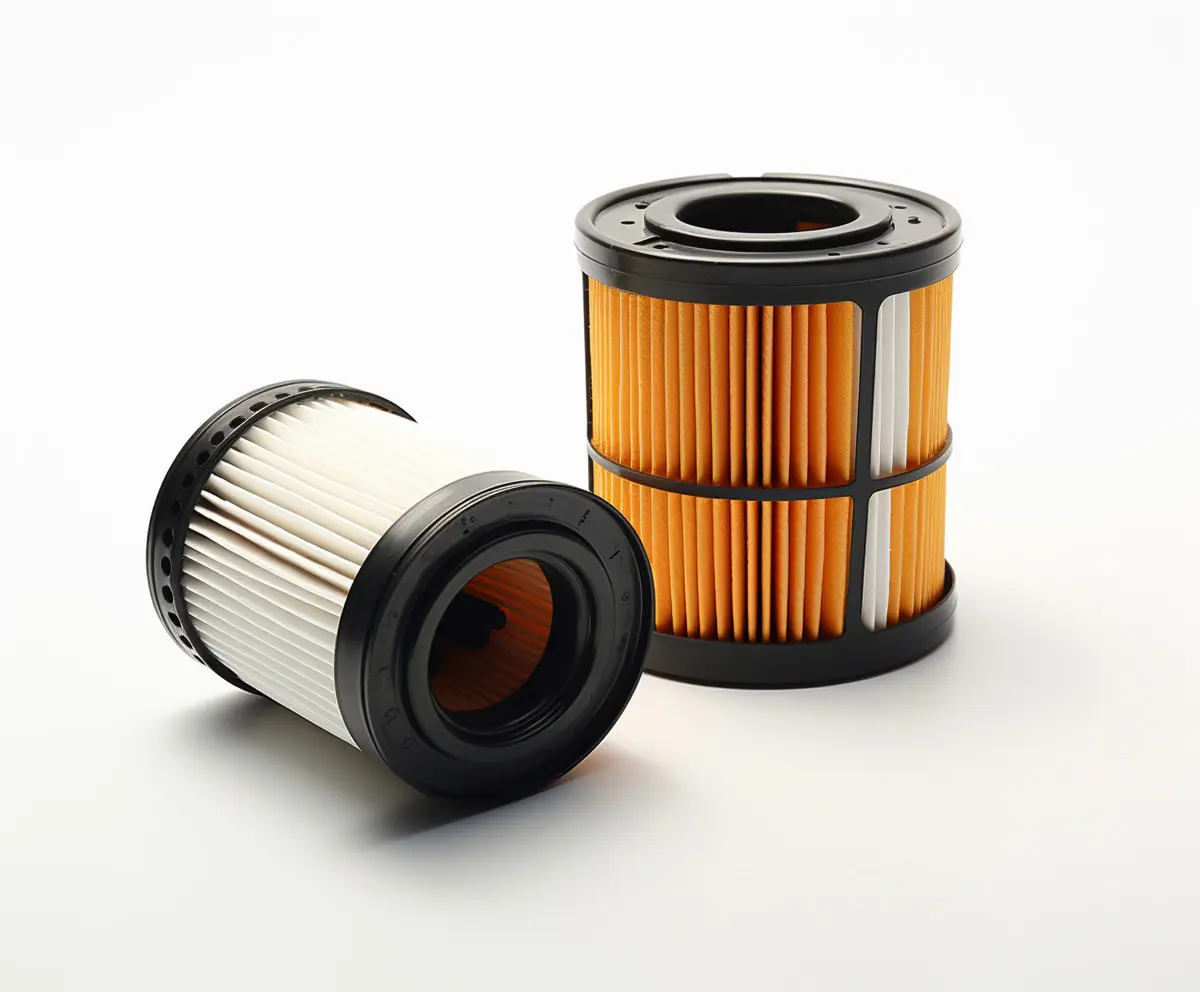
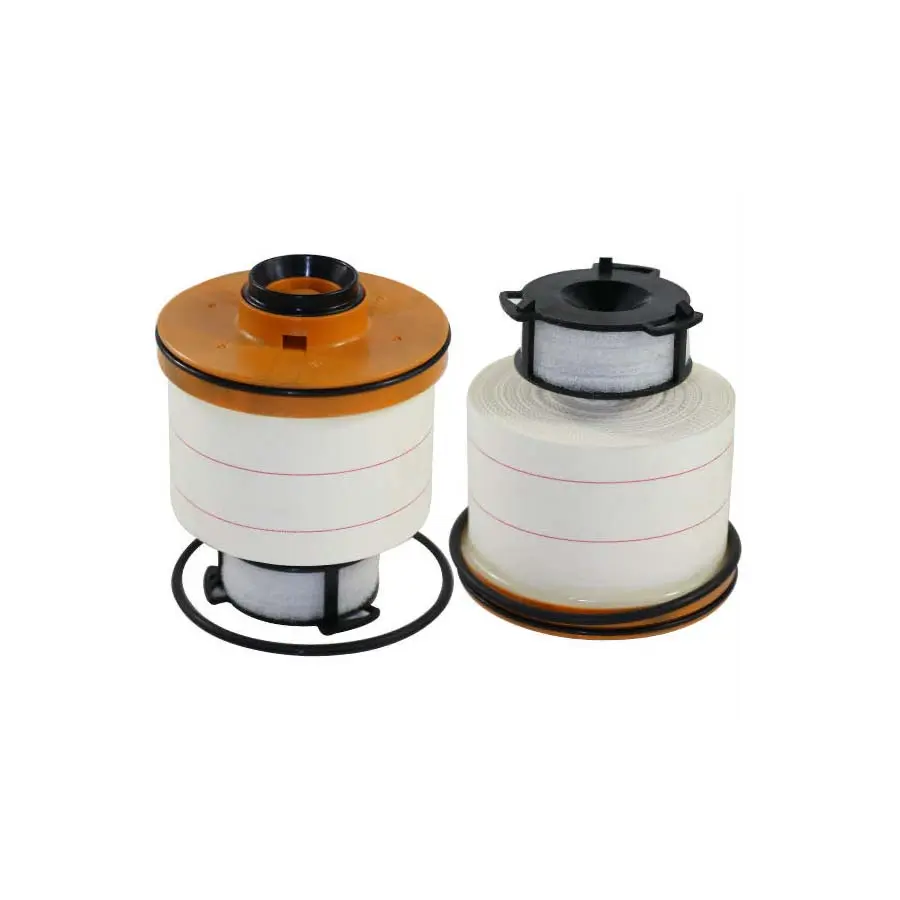
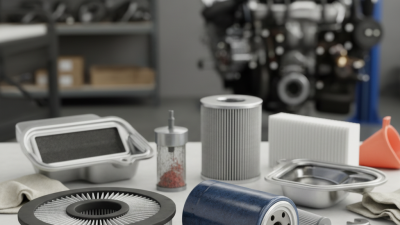
Vehicle filters are small, but their jobs are not. The air filter blocks dust before it reaches the engine. A restricted filter can disturb airflow and weaken combustion. The oil filter removes soot, metal particles, and sludge from circulating oil. The fuel filter protects injectors from water and fine debris. The cabin filter works differently. It screens dust and pollen before air enters the passenger space.
WHO’s 2021 Global Air Quality Guidelines set annual PM2.5 exposure at 5 μg/m³, showing why cabin filtration deserves practical attention. ISO 16890 also evaluates filters by PM1, PM2.5, and PM10 performance.
Filter quality must match the vehicle and service conditions. In workshop inspections, technicians often find filters changed by appearance alone. That is unreliable. A clean-looking filter may already be saturated internally. A very dense filter may also restrict airflow when poorly matched.
The U.S. Environmental Protection Agency reported that transportation produced about 28% of U.S. greenhouse-gas emissions in 2022. Filters cannot solve that problem, but correct maintenance supports efficient operation. SAE technical literature repeatedly links contamination control with component durability. Still, maintenance intervals are not universal.
Tips: Check the owner’s service schedule, driving environment, and filter fitment. Replace an air filter sooner after frequent dusty-road driving. Inspect the cabin filter for dampness and odor, not only dirt. Never ignore a warning light. One assumption deserves correction: darker oil does not automatically mean a failed filter. Used oil carries contaminants by design, so testing or professional inspection may be wiser than guessing.
Micron ratings sound simple, but they rarely tell the whole story. A 10-micron vehicle filter does not remove every particle measuring 10 microns or larger. Its actual performance depends on the test method, particle shape, pressure, and contaminant load. This is why ISO 16889 uses a multi-pass test for hydraulic filtration. The method measures how many particles enter and leave the filter during repeated contamination cycles.
The key measurement is the beta ratio. A beta ratio of β10(c)=100 means the filter captures 99% of particles at the stated size and test condition. The calculation is straightforward: efficiency equals (β−1) divided by β. A β10(c)=2,000 rating therefore indicates 99.95% efficiency, not perfect removal. These figures come from ISO 16889 test data and should always include the particle-size reference and calibration details. Without them, the number is incomplete.
Real vehicles face vibration, cold starts, water, soot, and changing flow rates. Laboratory results cannot reproduce every road condition. They remain useful, but only when compared consistently.
SAE filtration test guidance also stresses controlled flow and contaminant conditions for meaningful results. A higher beta ratio may improve cleanliness, yet a filter with excessive restriction can reduce system performance. That trade-off is easy to overlook.
I have seen specifications focus on micron size while ignoring pressure-drop curves. That is a weak comparison. Check beta ratios, test conditions, service intervals, and restriction data together. Reliability begins with the details.
Why Choose the Right Vehicle Filter?
Engine Protection: How 10-Micron Particles Accelerate Component Wear
A vehicle filter is a quiet barrier between clean lubrication and expensive engine damage. In workshop inspections, I have found fine grit around used filters, even when the oil looked reasonably clean. Particles near 10 microns can pass through weak filtration systems and circulate repeatedly. They may enter bearings, piston rings, and camshaft contact areas. The damage often begins invisibly.
A particle does not need to be large to cause trouble. At 10 microns, it can act like abrasive powder between moving metal surfaces. Repeated contact removes microscopic material and enlarges clearances over time. This may increase oil consumption, noise, and friction. It can also affect hydraulic components that depend on precise oil flow. Small particles create large consequences.
Choosing a filter requires more than reading its size rating. Check its tested efficiency, pressure-drop behavior, sealing quality, and service interval. A highly restrictive filter may reduce flow when cold, especially in winter conditions. A weak seal may allow dirty oil to bypass the filter completely. I have sometimes focused too much on micron numbers alone. That was a useful mistake. Real protection depends on filtration efficiency, stable construction, correct fit, and timely replacement. Inspecting the old filter can also reveal useful clues, such as metallic dust, sludge, or unusual discoloration. These details deserve attention before the next maintenance decision.
Choosing the right vehicle filter begins with the air inside the cabin. HEPA media is tested to capture 99.97% of 0.3-micron particles, according to the U.S. Environmental Protection Agency’s Guide to Air Cleaners in the Home. This includes fine dust, pollen, and some airborne biological particles. The 0.3-micron size is a difficult test point, not a claim that larger or smaller particles disappear completely.
That matters during congested commutes, when outside air can enter through the ventilation system. The World Health Organization’s 2021 Global Air Quality Guidelines set annual PM2.5 exposure at 5 micrograms per cubic metre. A clean cabin filter cannot control roadside pollution alone, but it can reduce particle entry when the housing seals properly. Small gaps matter. So does airflow.
A strong filter still needs practical inspection. Look for crushed pleats, damp patches, or dust around the frame during replacement. A loose fit can create an invisible bypass route. Carbon layers may help with odors and some gases, but HEPA media itself does not remove every vapor. Filter efficiency can also increase airflow resistance, especially when the media becomes loaded. A 99.97% figure is useful evidence, not a guarantee. I would treat it as one part of the decision, alongside fit, pressure drop, service intervals, and real driving conditions.
A vehicle filter replacement interval is more than a calendar reminder. OEM intervals provide a useful starting point, but operating conditions can change them quickly. A delivery van on dusty roads may load its air filter earlier than a highway vehicle. Short trips, heavy traffic, and long idling also affect service needs.
Pressure drop offers stronger evidence than appearance alone. As filter media collects dust or debris, resistance usually increases. A clean-looking filter can still restrict airflow. A damaged or poorly sealed filter may show an unusually low reading, which also needs investigation. Use a calibrated differential-pressure gauge when possible. Measure it under consistent engine conditions. Record the reading before replacement. Do not guess.
Service data makes replacement decisions more reliable. Record mileage, engine hours, filter type, pressure readings, weather, road conditions, and visible contamination. Compare these records over several maintenance cycles. A repeated rise in pressure drop may justify an earlier change. Stable readings may support a longer interval, if the equipment manual allows it. Never extend an interval without checking the manufacturer’s limits and the filter’s sealing condition.
I have seen teams trust the calendar too much. That approach is simple, but not always accurate. Data can reveal a better pattern. Still, one unusual reading should not control the whole strategy. Confirm the gauge, inspect the housing, and review the service record. Small mistakes here can become expensive engine problems.