Why You Need to Replace Your Auto Engine Parts Cabin Air Filter?
The importance of a well-functioning Auto Engine Parts Cabin Air Filter cannot be overlooked. This essential component plays a key role in maintaining air quality inside your vehicle. A clogged or dirty cabin air filter can lead to a buildup of dust, pollen, and unpleasant odors. This not only affects driver comfort but can also trigger allergies or respiratory issues.
Replacing the Auto Engine Parts Cabin Air Filter regularly ensures that clean air circulates within your car. Many people underestimate how this simple change can improve their driving experience. Yet, neglecting this part can result in reduced air flow and increased strain on your vehicle’s heating and cooling system.
When considering vehicle maintenance, it’s easy to forget the cabin air filter. This oversight can lead to discomfort and potential health risks. By committing to regular filter changes, you take a significant step toward enhancing both your vehicle's performance and your personal well-being. The need for awareness in this matter emphasizes the importance of proper auto care.
Understanding the Importance of Your Cabin Air Filter
The cabin air filter plays a crucial role in maintaining a healthy environment inside your vehicle. This filter captures dust, pollen, and other pollutants before they enter your car's interior. According to the Environmental Protection Agency, the air inside a car can be up to five times more polluted than the air outside. This emphasizes the importance of a functioning cabin air filter, especially for those with allergies or respiratory issues.
It's easy to overlook this small component. However, experts recommend replacing your cabin air filter every 12,000 to 15,000 miles, or at least once a year. Neglecting it can lead to reduced airflow in your vehicle, causing your HVAC system to work harder. This might result in increased fuel consumption and higher repair costs. Remember, clean air contributes to better driver alertness and comfort.
Tips: Regularly check your cabin air filter during routine maintenance. If you notice any unusual odors or allergens, it may be time for a replacement. Don't let a clogged filter compromise your driving experience. Evaluate your filter's condition often, especially in heavily polluted areas or during allergy seasons. Prioritizing this simple step can significantly enhance your vehicle’s air quality.
Signs That Indicate It's Time to Replace Your Cabin Air Filter
Replacing your cabin air filter is essential for maintaining a healthy driving environment. Research indicates that nearly 45% of vehicles on the road today have subpar air quality due to dirty or clogged filters. The cabin air filter prevents dust, pollen, and other particles from entering your vehicle. Over time, these filters accumulate debris, leading to reduced airflow and lower air quality inside your car.
So, how do you know when it’s time for a replacement? A significant drop in airflow through the vents can be a strong indicator. You may also notice unpleasant odors when you turn on the air conditioning. Additionally, if you experience increased allergy symptoms while driving, your cabin air filter may not be doing its job effectively. Experts recommend inspecting and replacing your cabin air filter every 12,000 to 15,000 miles, but this can vary based on driving conditions.
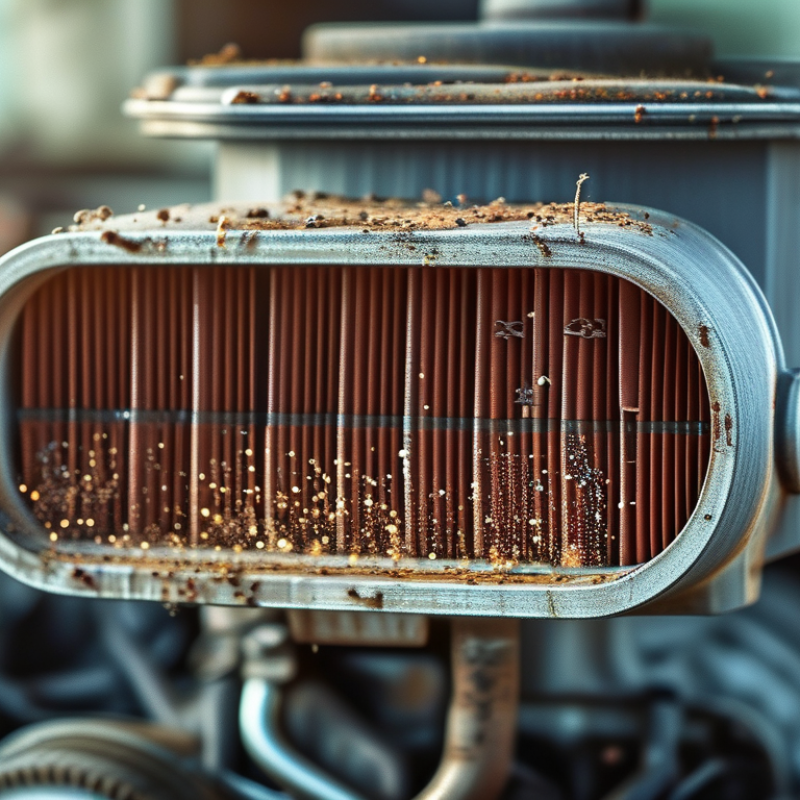
Another often overlooked sign is a visible accumulation of dirt or grime on the filter itself. A simple visual check can reveal if it’s time to act. Ignoring these signs can lead to bigger problems, such as HVAC system damage. Consistent maintenance of your cabin air filter contributes to overall vehicle health and enhances your comfort while driving.
The Impact of a Dirty Cabin Air Filter on Health and Comfort
A dirty cabin air filter can significantly affect your health and comfort while driving. It acts as a barrier against dust, pollen, and other pollutants. When clogged, it fails to clean the air entering your vehicle. Breathing in dirty air can lead to allergies and respiratory issues. You may not notice the gradual buildup of contaminants, but your body feels its impact over time.
Moreover, the car's interior climate can suffer too. A blocked filter reduces airflow, making the cabin stuffy. Whether you're commuting or on a road trip, this discomfort can distract you. Imagine being stuck in traffic, struggling to breathe. This scenario is more common than you think. It's vital to remember that small lapses in maintenance have larger consequences. The air filter is often overlooked yet plays a crucial role in your driving experience.
Regularly replacing your cabin air filter is essential. It’s a simple task that can enhance your overall health. Pay attention to foul odors or sudden allergens. These could be signs that your filter needs changing. Sometimes, it’s easy to forget about such details, but they matter. Reflect on how these small changes can lead to a better journey.
Step-by-Step Guide to Replacing Your Cabin Air Filter
Replacing your cabin air filter is an important part of vehicle maintenance. This filter plays a crucial role in your car's air quality. Studies show that a clogged filter can reduce airflow by up to 50%. This reduction affects your comfort and the efficiency of your vehicle’s HVAC system. A clean cabin air filter keeps pollutants, allergens, and dust out of the cabin, ensuring that you and your passengers breathe clean air.
To replace your cabin air filter, start by locating it, usually found behind the glove compartment or under the dashboard. Remove any screws or clips holding it in place. Take out the old filter carefully. Check for any damage or dirt buildup. Insert the new filter, ensuring it is oriented correctly. Lastly, reassemble any components removed during the process. This simple maintenance task can improve air quality and enhance overall driving comfort.
Many vehicle owners neglect this simple task, often due to lack of awareness. Industry reports indicate that 80% of drivers do not change their cabin air filters regularly. This neglect can lead to increased health risks and decreased vehicle performance. It's essential to stay proactive about your vehicle’s health. Regular checks and replacements can help avoid larger issues down the line.
Preventative Maintenance: Keeping Your Cabin Air Filter in Check
Regular maintenance of your cabin air filter is crucial for a healthy driving environment. A dirty filter can lead to poor air quality inside your vehicle. Dust, pollen, and exhaust gases can easily enter. This can trigger allergies and respiratory problems. You might notice strange smells or excessive dust settling in your car. These signs indicate it’s time for a check.
Checking your cabin air filter is simple. Most filters can be accessed without professional help. Yet, many drivers ignore this task. It’s easy to forget in a busy life. However, neglect can lead to bigger problems down the road. A clogged filter places extra strain on your HVAC system. It may lead to inefficiencies and costly repairs.
Replacing your cabin air filter isn't just about comfort. It's about safety too. Clean air keeps everyone healthy. Consider timely replacements as part of your regular vehicle maintenance routine. Your car deserves it. A little effort goes a long way. Explore your vehicle’s manual for guidance. Stay vigilant. The benefits of a fresh filter are undeniable.
Importance of Replacing Your Cabin Air Filter

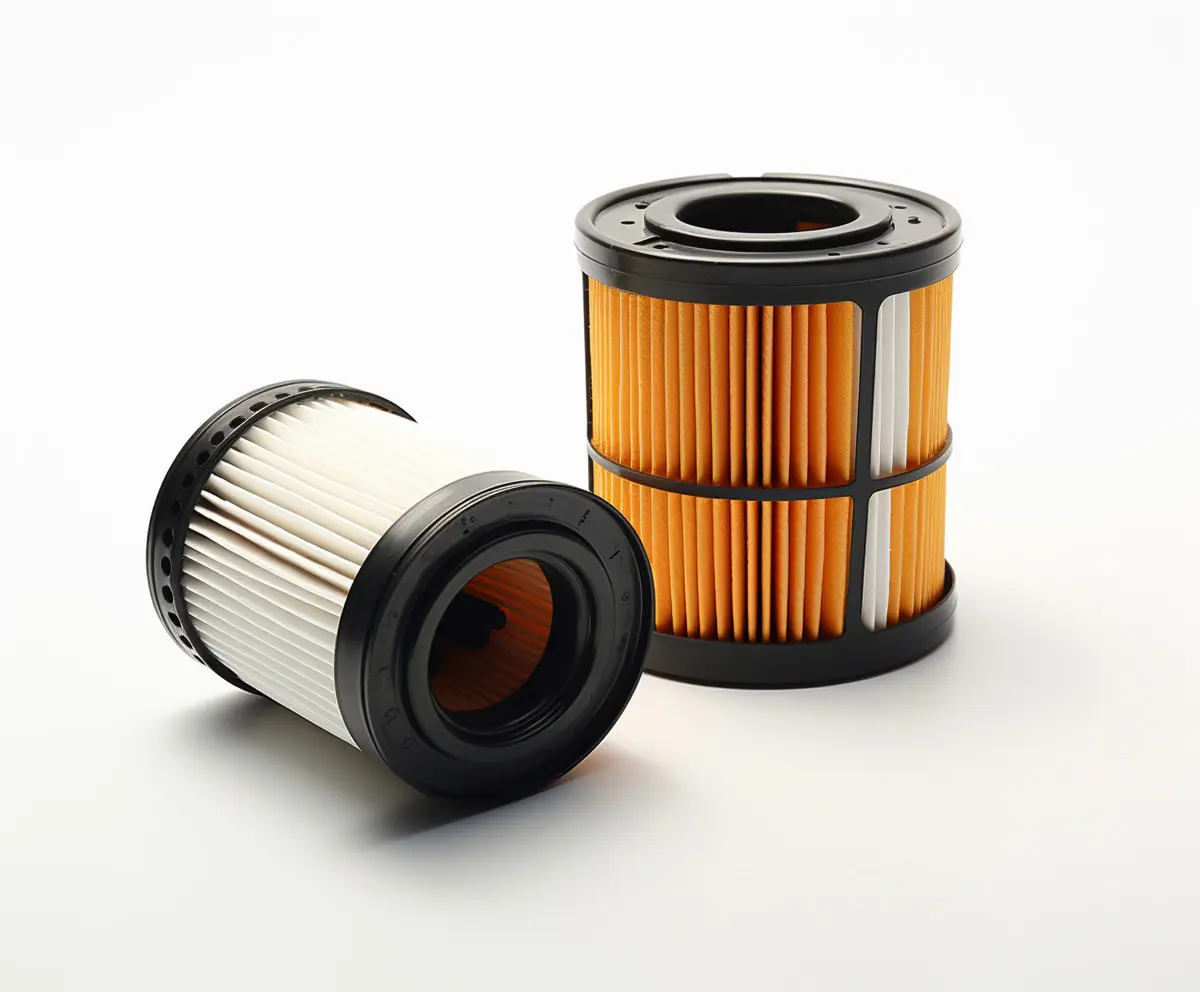 Products
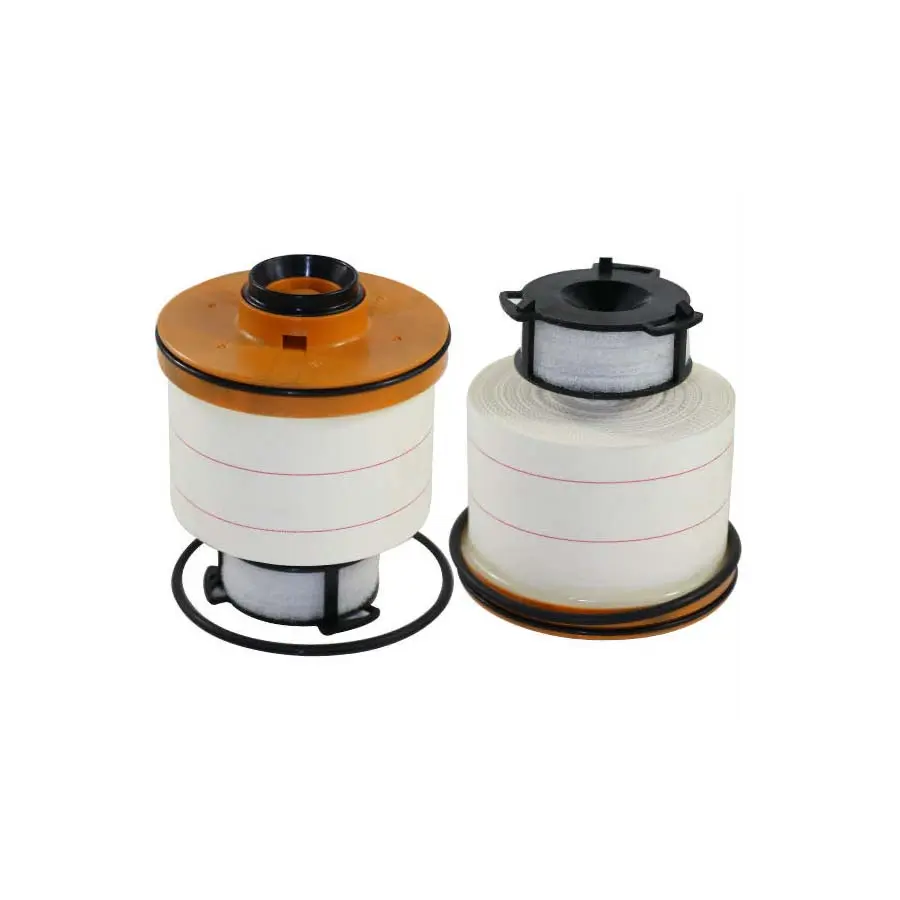 FUEL FILTER
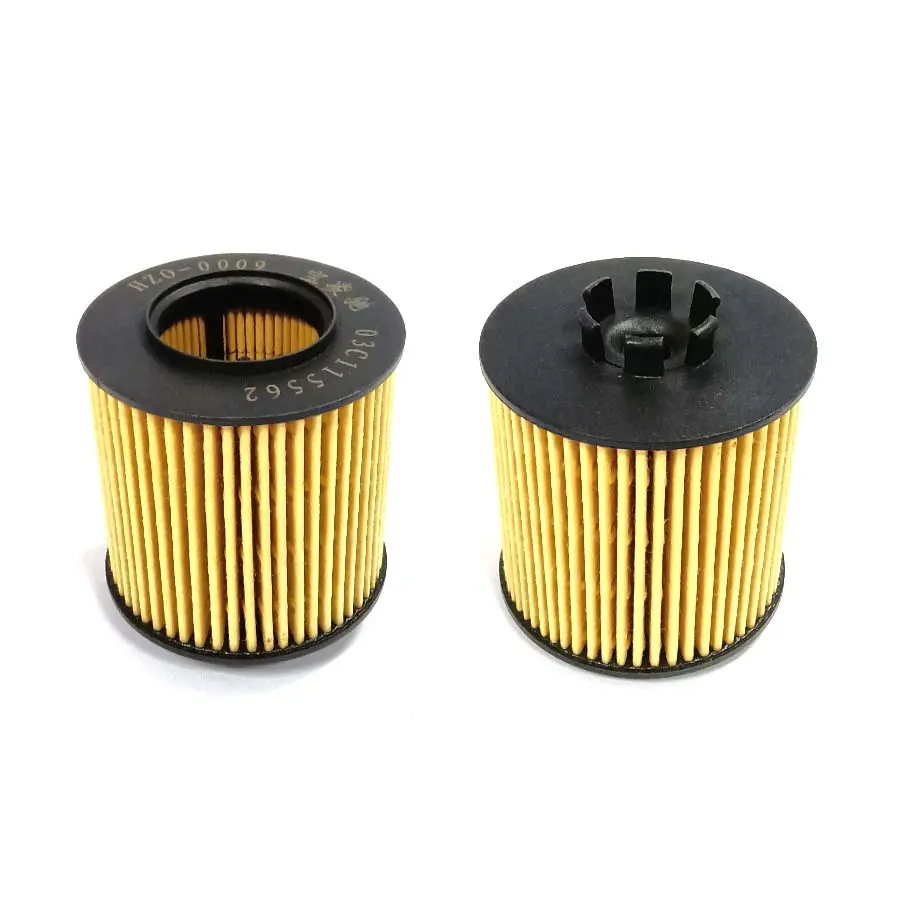 OIL ELEMENT FILTER
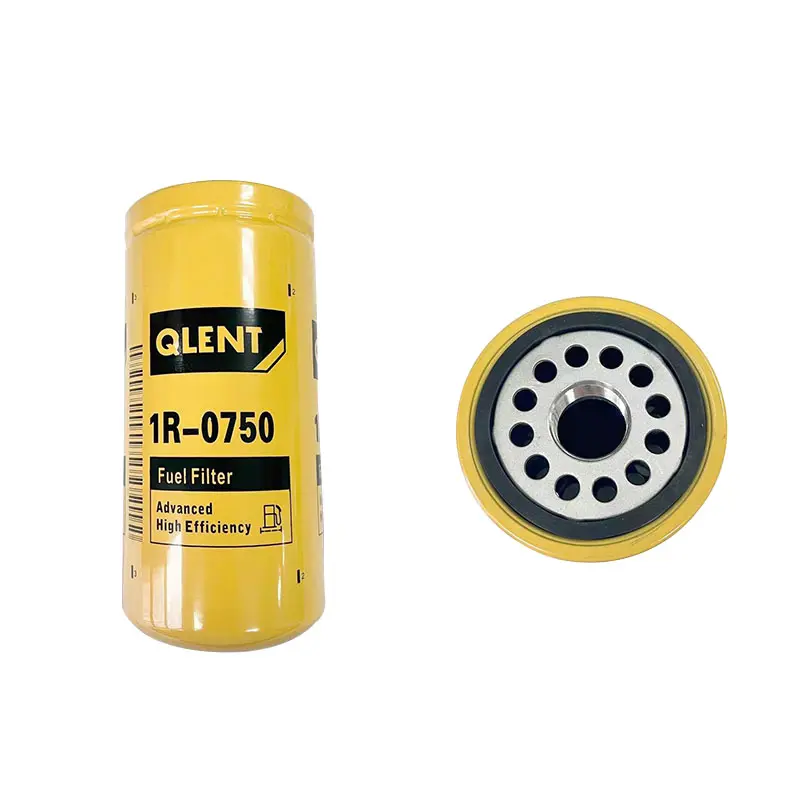 OIL FILTER
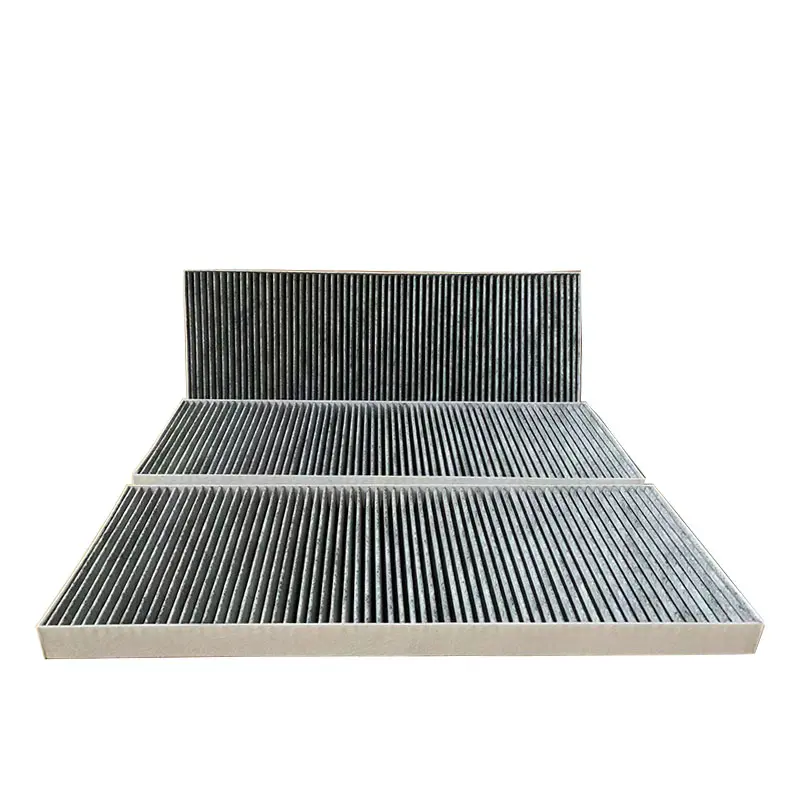 CABIN FILTER
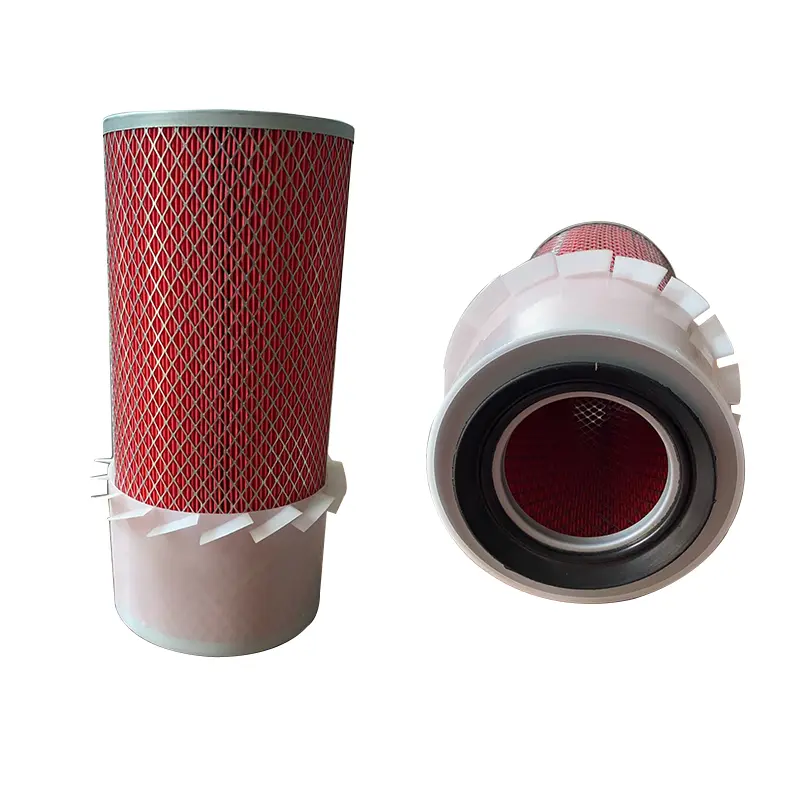 AIR FILTER