Inquiry
Form loading...

2026 Best Auto Parts Filter Types for Global Buyers?

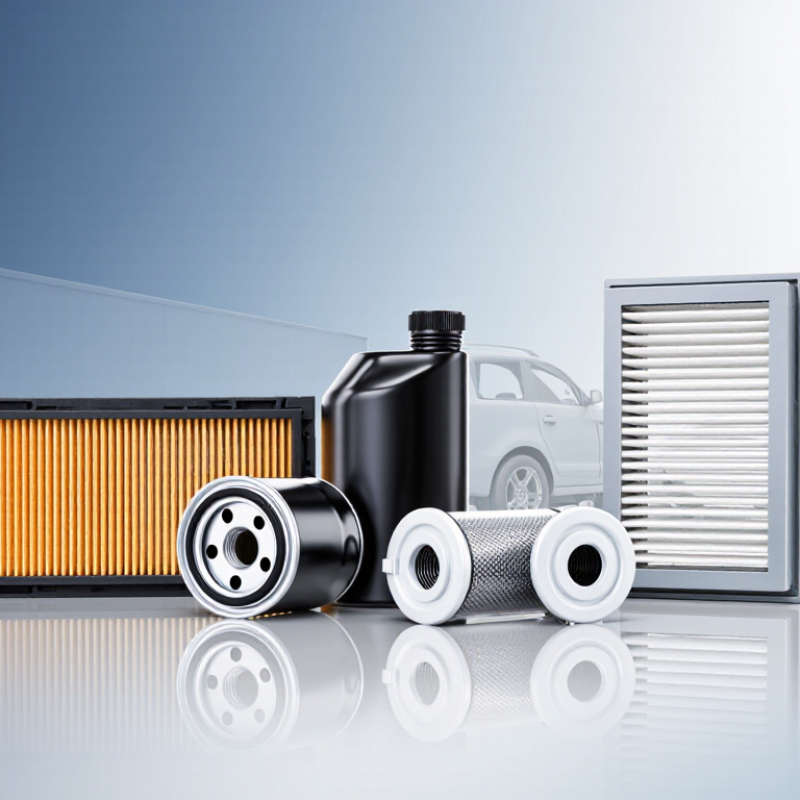
Choosing the right Auto Parts Filter in 2026 requires more than comparing prices. Global buyers must examine filtration efficiency, material quality, vehicle fitment, and supply reliability. Engine air filters protect against dust and sand. Oil filters capture metal particles and combustion residue. Fuel filters defend sensitive injection systems. Cabin filters improve air quality inside the vehicle. Each type solves a different problem.

Kurk Wilks, CEO of MANN+HUMMEL, has described filtration as “a key technology for a cleaner world.” His point remains practical for automotive purchasing. A filter is not merely a replaceable paper component. It controls what enters, circulates through, or leaves a vehicle system. Buyers should check micron ratings, pressure drop, sealing performance, media structure, and service intervals. ISO-based quality systems can support confidence, but certification alone does not prove perfect performance.

There is no universal best filter. A heavy-duty truck working on a dusty construction site may need different protection from a compact car in a coastal city. Cold starts, fuel quality, humidity, and road conditions also matter. Small details count. A crushed seal can allow unfiltered air to bypass the media. That mistake is easy to miss.

This guide compares leading Auto Parts Filter types for global buyers. It considers application, durability, technical evidence, and sourcing risks. Some recommendations may remain imperfect because vehicle data can be incomplete. Buyers should verify part numbers with reliable catalogs and manufacturers. A cheaper filter may appear attractive. It may also create higher maintenance costs later.
2026 Best Auto Parts Filter Types for Global Buyers?

Understanding the Main Types of Auto Parts Filters

Understanding the Main Types of Auto Parts Filters

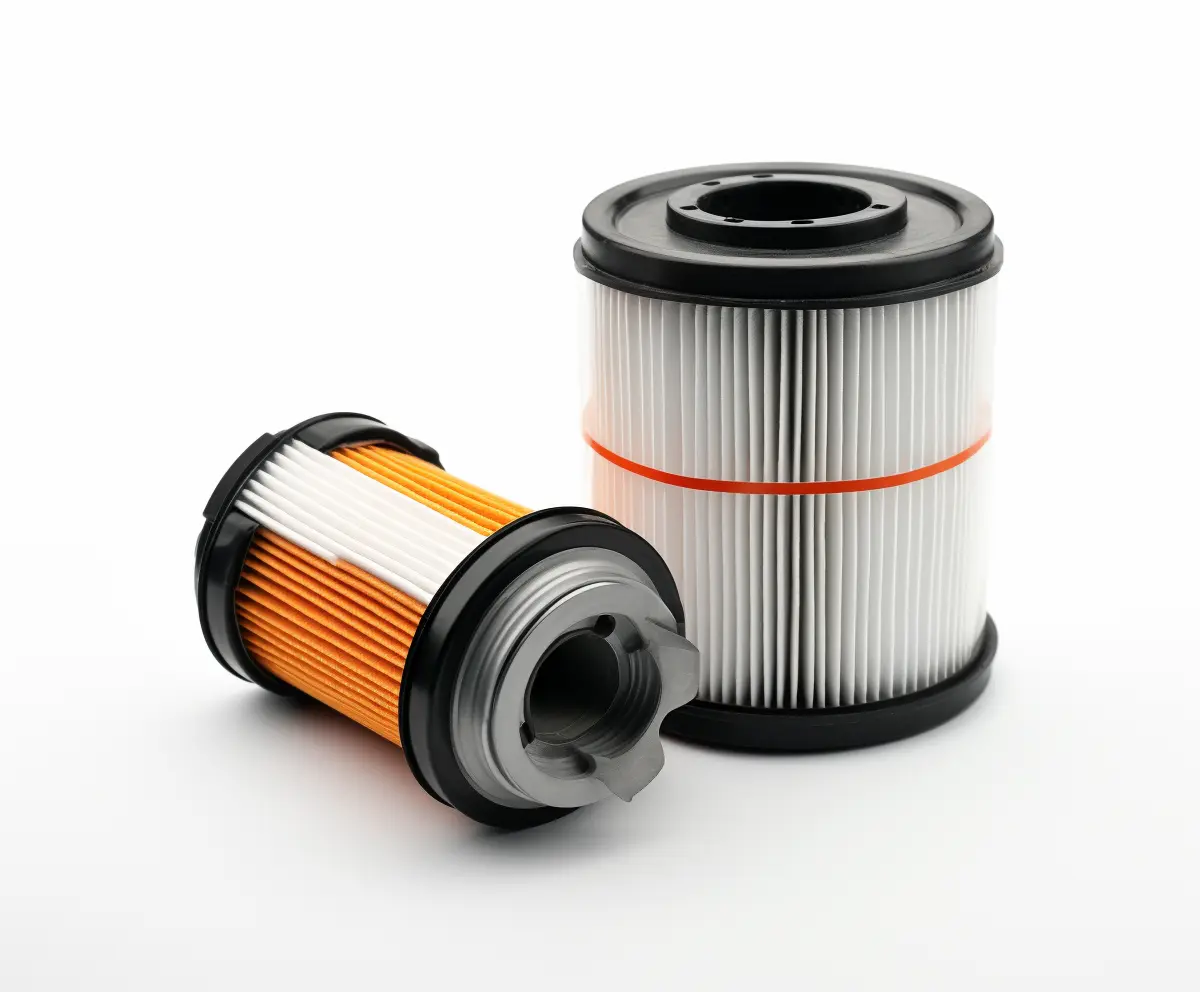
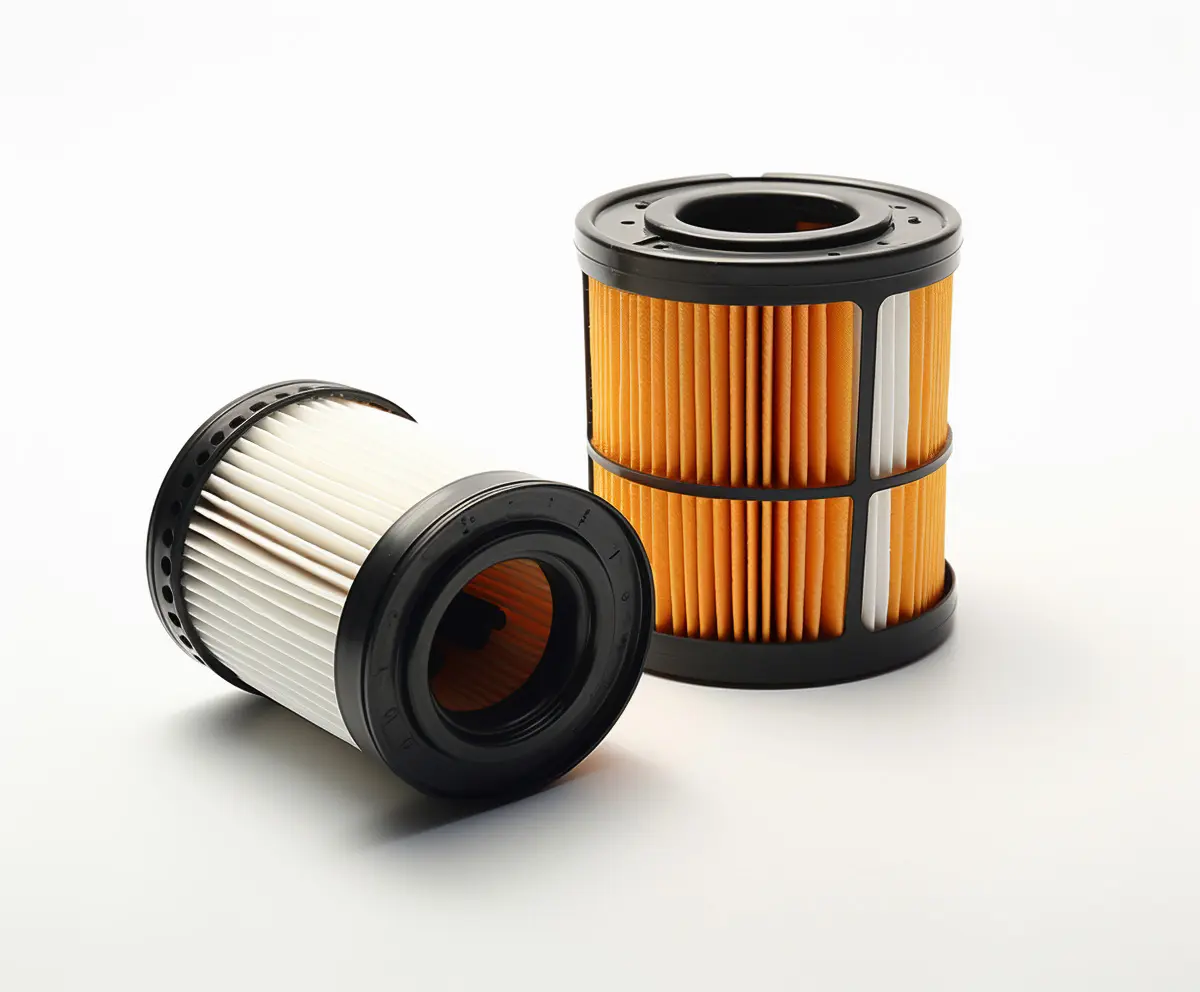
Choosing the right filter starts with understanding its job, not its appearance. Auto parts filters protect engines, passengers, and fuel systems from damaging particles.

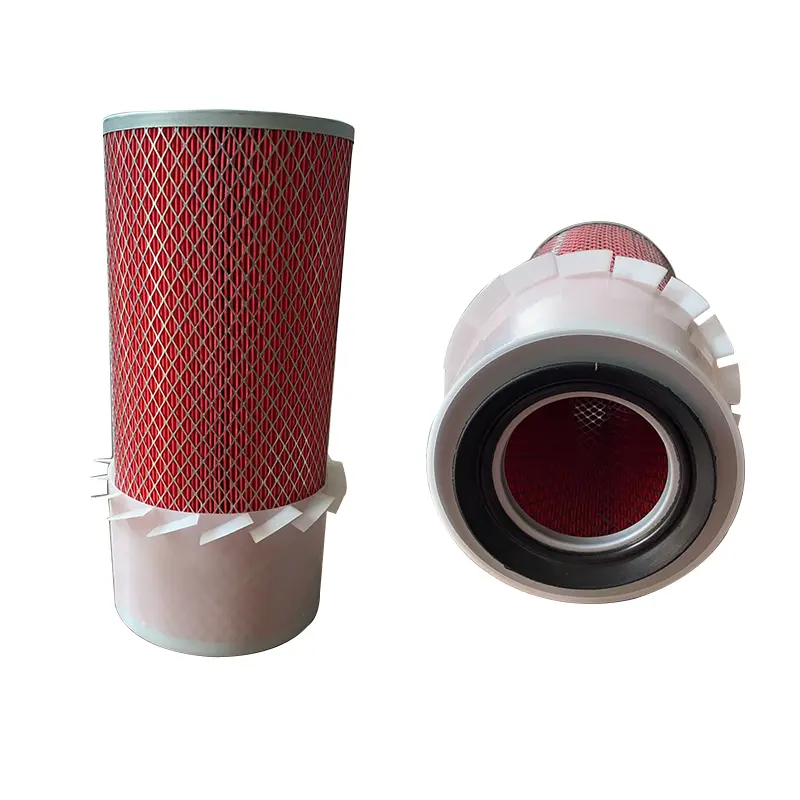
Air filters clean intake air before combustion. A clogged element can reduce airflow, increase fuel use, and cause uneven acceleration. In dusty regions, technicians inspect pleats and sealing edges more often. Small gaps matter.

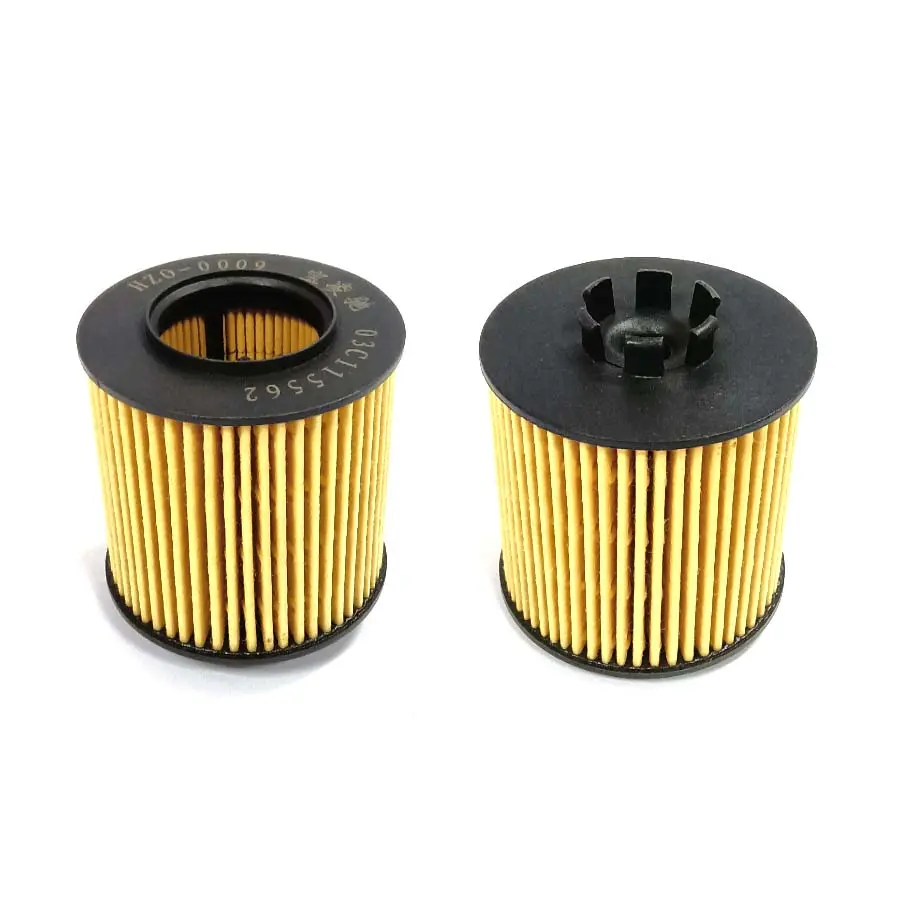
Oil filters remove metal dust, carbon residue, and other contaminants from circulating lubricant. Their bypass valve and filtration rating deserve careful review.

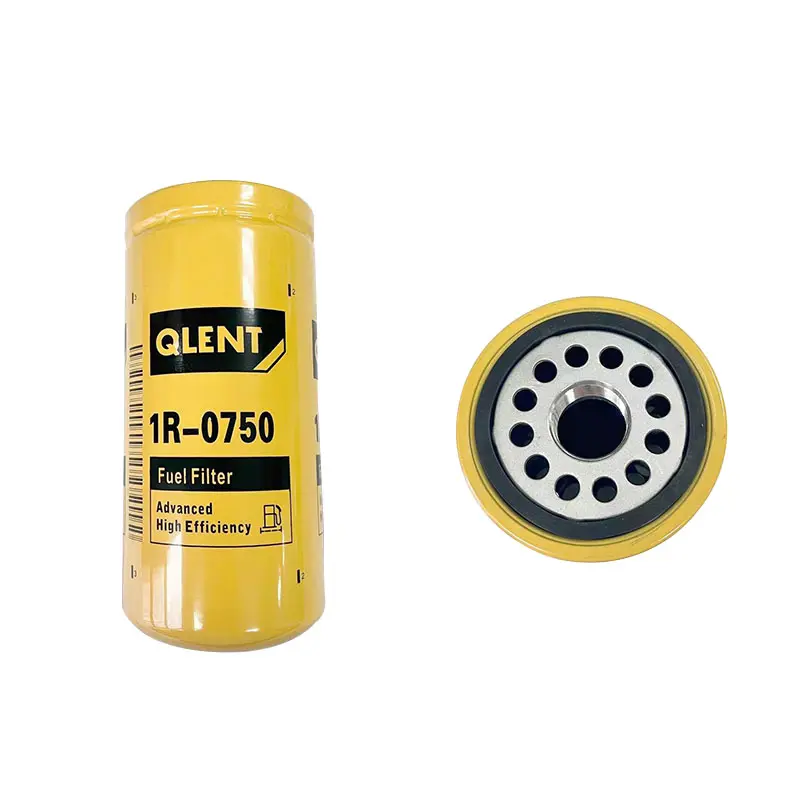
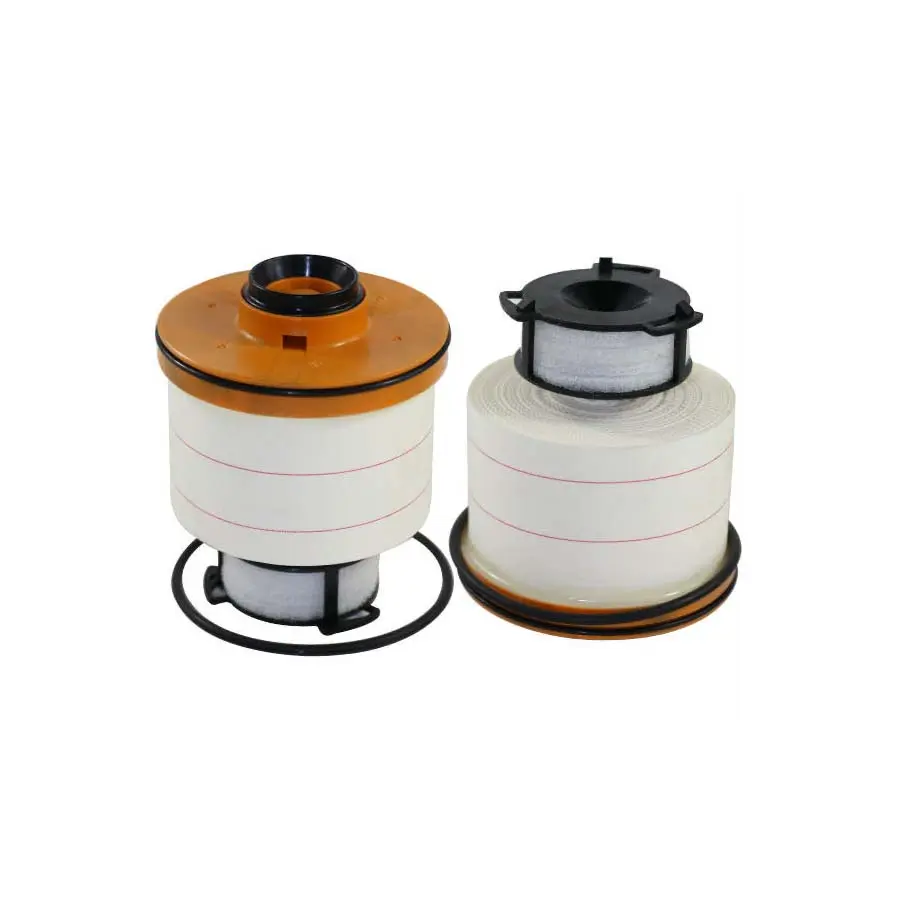
Fuel filters capture rust, sediment, and water, depending on the vehicle system. Diesel applications may require water separation, while petrol systems use different pressure specifications.

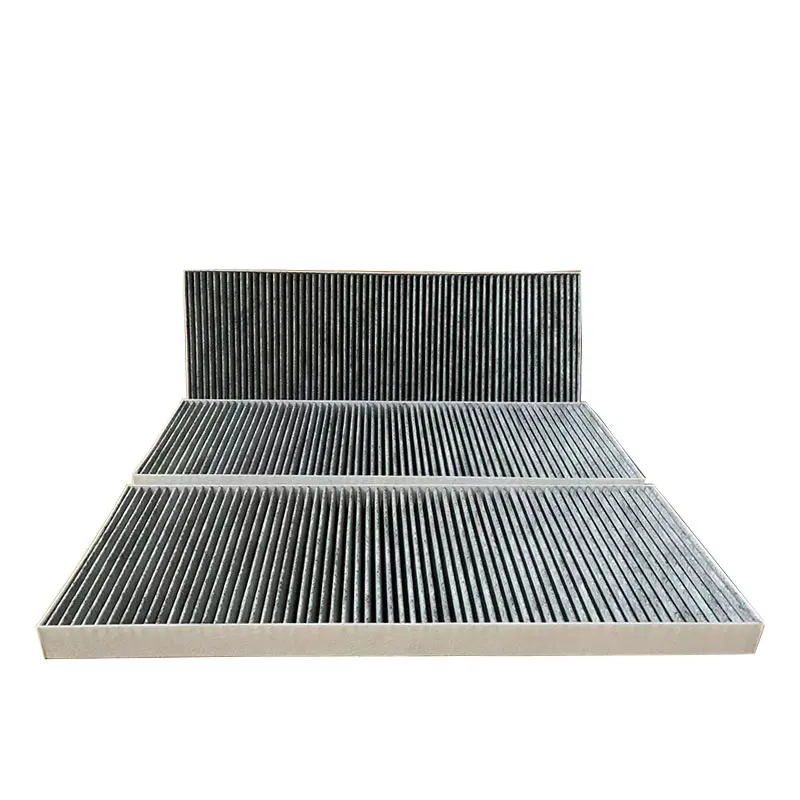
Cabin air filters protect occupants from dust and pollen. Some also reduce odors, but performance varies with moisture and replacement intervals.

Transmission and hydraulic filters support clean fluid in gearboxes, steering units, and working equipment. They must match fluid type, pressure, dimensions, and service temperature.

Global buyers should verify the vehicle model, engine code, thread size, gasket design, and applicable testing documents. Packaging should prevent crushing and moisture damage during long transport.

Workshop inspections often reveal visually identical filters failing because seals soften in hot oil. That mistake is easy to repeat.

Filter quality includes media density, fit, materials, traceable inspection, and honest performance data.


Comparing Filter Materials, Designs, and Filtration Performance

Global buyers should compare filter media, not only catalog dimensions. Cellulose media remains affordable and offers useful dust retention in normal road conditions. Synthetic nonwoven media usually provides more uniform pores, higher wet strength, and steadier airflow. A 2024 MarketsandMarkets report estimates the global automotive filters market will expand steadily through 2029, driven by stricter emissions control and longer vehicle service intervals. Market growth does not guarantee equal product quality.

Design changes performance. More pleats increase filtering area, but tightly packed pleats can raise pressure drop. A practical test checks airflow after dust loading, not only when the filter is clean. ISO 5011 procedures measure air-cleaner efficiency and restriction under controlled conditions. For engine intake filters, buyers should request both efficiency and pressure-loss results. One number is not enough.

Cabin filters need a different comparison. Particle media can capture dust and pollen, while activated carbon adds adsorption for selected gases. The 2024 Global Air Quality Report from IQAir recorded harmful fine-particle exposure across many urban regions, but cabin results depend heavily on housing seals and fan speed. It is easy to overstate carbon performance. I would ask for test conditions, particle size, loading mass, and service-life data before accepting a claim. Some low-cost filters look impressive on paper. Their pleats may collapse during installation, which remains an overlooked failure.

Matching Filter Types to Different Vehicles and Driving Conditions

2026 Best Auto Parts Filter Types for Global Buyers?

Matching Filter Types to Different Vehicles and Driving Conditions

Filter selection should begin with the vehicle, not the product label. According to ACEA’s Vehicles on European Roads 2024 report, passenger cars in Europe average 12.5 years old. Older engines may need reliable full-flow oil filters with strong gasket sealing. For newer turbocharged engines, confirm the manufacturer’s micron rating and pressure-flow requirements. ISO 4548-12 offers a useful test reference for oil-filter performance. Fit matters more than appearance.

Diesel vehicles in dusty regions require high-efficiency engine air filters with stable pleat spacing. A clogged filter can reduce airflow and increase fuel demand. Vehicles operating on gravel roads need shorter inspection intervals. Urban cars face a different problem. Fine particles and traffic fumes make activated-carbon cabin filters more suitable. ISO 11155-1 provides testing guidance for automotive cabin filters. Electric vehicles still need cabin filters, even without engine intake filtration.

Climate changes the decision. Humid coastal areas favor filters with moisture-resistant media. Cold regions require seals that remain flexible below freezing. The IEA’s Global EV Outlook 2024 recorded almost 14 million electric-car sales in 2023, showing why filter catalogs must cover changing drivetrains. Yet, one assumption deserves caution. “Long-life” does not mean maintenance-free. Service records, road dust, driving distance, and local air quality should guide replacement timing.-vesm

2026 Best Auto Parts Filter Types for Global Buyers

Typical Replacement Intervals by Filter Type and Driving Condition

Engine air, cabin air, oil, and fuel filters require different replacement schedules. The intervals shown are typical service-guidance values in miles: severe conditions such as dusty roads, heavy traffic, short trips, towing, and extreme temperatures generally require more frequent replacement. Always confirm the final interval in the vehicle manufacturer’s service manual.

Evaluating Quality Standards, Service Life, and Replacement Needs

2026 Best Auto Parts Filter Types for Global Buyers?

Filter choice should follow contamination, not price alone. Oil filters face heat, pressure, and abrasive particles. Air filters protect engines from dust, sand, and pollen. Cabin filters affect passenger comfort. Fuel filters demand accurate flow control. ISO 16889 supports oil-filter efficiency testing, while ISO 5011 evaluates air-filter performance. These standards help buyers compare test methods, but they do not guarantee equal real-world service life. S&P Global Mobility reported an average U.S. light-vehicle age of about 12.6 years in 2024. Older vehicles usually need more careful replacement planning.

Replacement intervals vary sharply. A city vehicle may collect soot faster than a highway vehicle. Heavy dust can shorten air-filter life within months. Short trips can increase moisture and fuel contamination in oil. Manufacturer schedules remain useful, but they are not perfect. Inspect the filter surface, sealing edge, and housing before replacement. A crushed gasket can cause failure even with excellent filter media. Buyers should request efficiency data, pressure-drop results, batch traceability, and storage guidance. The Automotive Aftermarket Suppliers Association’s market studies also show sustained demand for maintenance parts as vehicle fleets age.

Tips: Match the filter to the engine code and operating climate. Check ISO test details, not vague “premium” claims. Keep one sample from each shipment for inspection. Cheap filters can be expensive when dust enters the intake. Still, changing every filter too early wastes money and materials; condition-based checks are often more sensible.

Choosing Reliable Auto Parts Filters for Global Markets

Choosing Reliable Auto Parts Filters for Global Markets

Global buyers need more than a filter that looks correct. They need stable fitment, verified materials, and predictable performance across different vehicles. Oil filters should offer strong seals and consistent pressure resistance. Air filters need uniform pleating and firm frame construction. Cabin filters require clean edges, suitable media, and resistance to moisture. Fuel filters demand careful attention to filtration accuracy and flow capacity.

In inspection work, I check the housing, gasket flexibility, pleat spacing, and labeling before reviewing laboratory data. A filter may pass a basic visual check but fail after heat cycling or vibration. Testing records should identify the test method, production batch, and measured results. Standards such as ISO 5011 or ISO 4548 may support evaluation, depending on the filter type. Buyers should also confirm vehicle applications by engine code, dimensions, and installation position.

Climate can change the buying decision. Dusty roads may require stronger air-filter media, while humid ports expose packaging and metal parts to corrosion. Storage conditions matter too. I have seen good filters damaged by weak cartons and careless stacking. That mistake is easy to overlook. Cost remains important, but an unusually low price may hide inconsistent media or poor sealing. A small sample order, fitment check, and independent inspection can reveal problems before a full shipment. Even careful specifications need review, because application databases sometimes contain outdated information.