2026 Top Auto Filter Types What Are the Best Options?
As the automotive industry evolves, the demand for high-quality auto filters continues to rise. According to a recent report by MarketsandMarkets, the global auto filter market is expected to grow from $2.2 billion in 2021 to $3.5 billion by 2026. This growth is driven by the increasing emphasis on vehicle longevity and performance enhancement.
Industry expert Dr. Emily Carter notes, "The right auto filter can significantly improve engine efficiency and extend vehicle life." Filtering out contaminants is essential for optimal engine performance. However, many consumers remain unaware of the variety and effectiveness of different auto filter types available on the market.
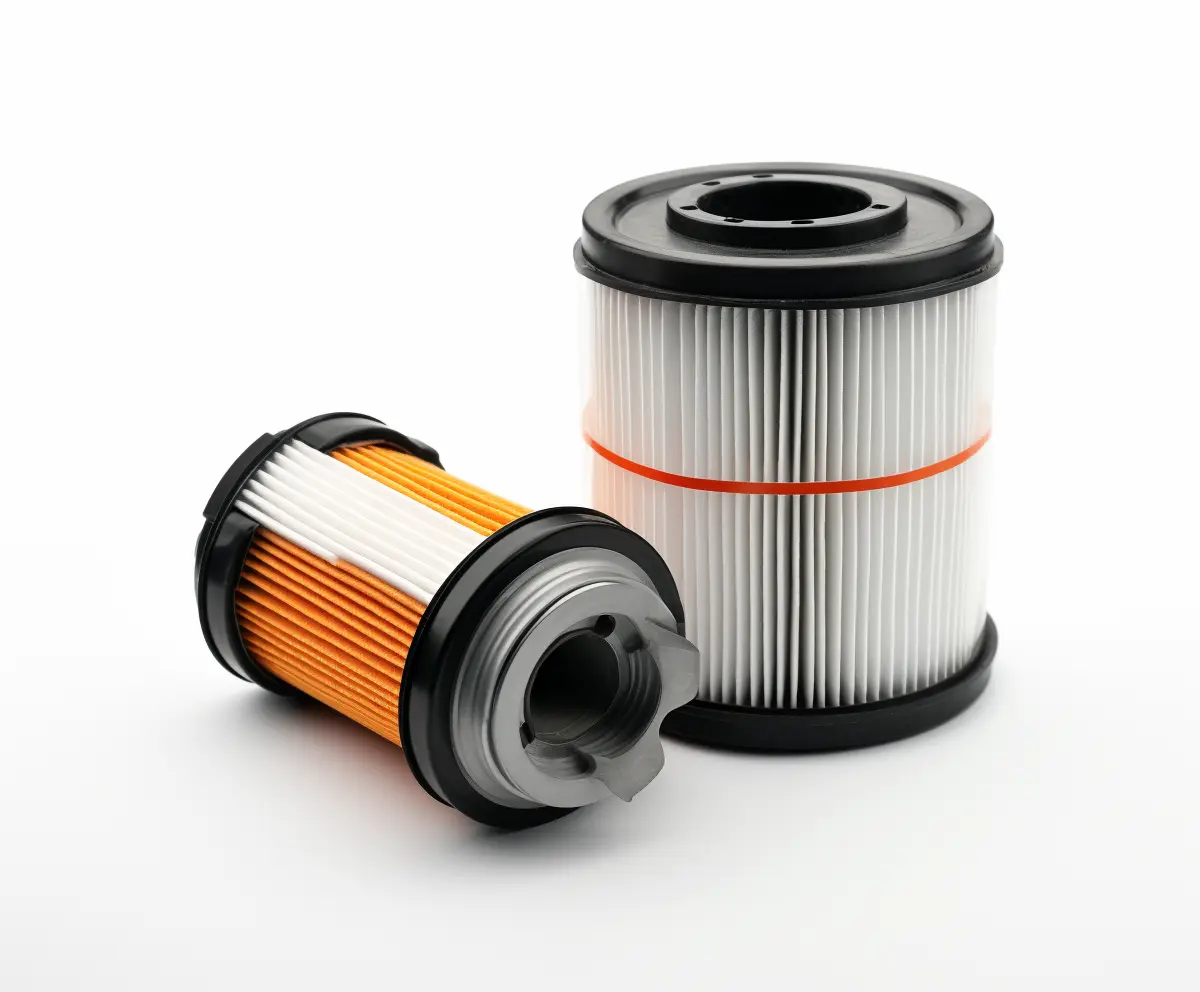
Various filters, such as oil, air, fuel, and cabin filters each serve unique functions. It's crucial to understand these differences. Choosing the wrong type may lead to mechanical issues down the road. With so many options available, consumers should reflect on their choices and consider factors like vehicle type and driving conditions. This exploration will reveal the best auto filter options for 2026 and beyond.

Overview of Auto Filter Types Available in 2026
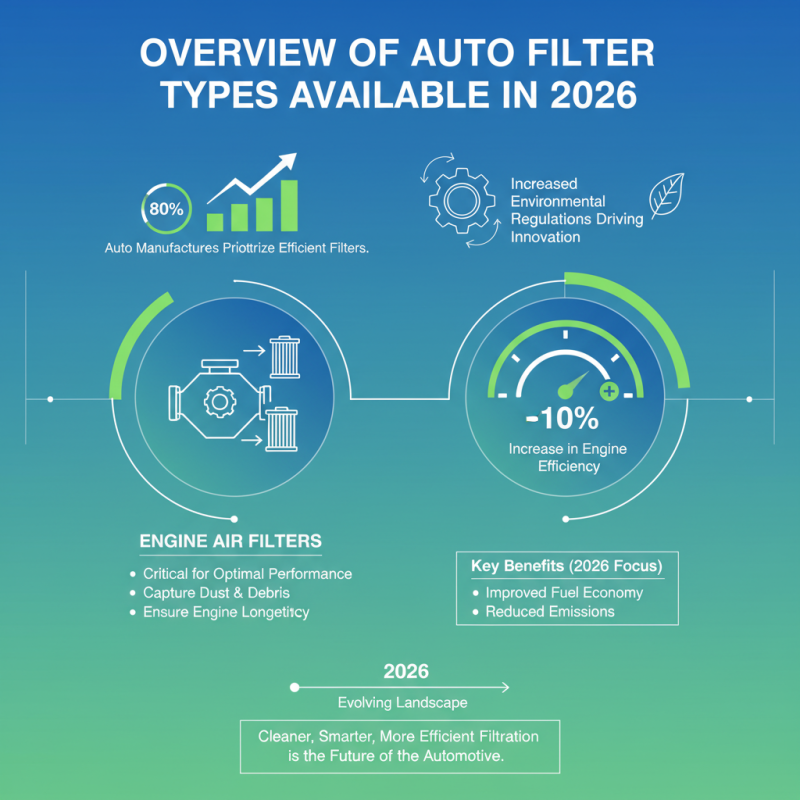
As we look toward 2026, the landscape of auto filter types is evolving at a rapid pace. Increased environmental regulations are driving innovation. According to industry reports, about 80% of auto manufacturers are now prioritizing more efficient filters. Engine air filters remain critical for optimal performance. They capture dust and debris, ensuring longevity. Effective filtration can lead to an estimated 10% increase in engine efficiency.
Oil filters are another key component. In 2022, around 65% of vehicles used synthetic oil, which requires high-quality filtration. Poor oil filtering can result in significant engine wear. A report indicates that vehicles with subpar filters experience up to a 20% decrease in engine lifespan. However, customers often overlook this aspect when purchasing vehicles. Many may not realize the long-term value of investing in superior filter technology.
Cabin air filters are gaining attention as well. In recent studies, nearly 50% of car buyers indicated they consider air quality when choosing a vehicle. This awareness is a step forward but still lacks consistency in consumer education. Filters that adapt to various driving conditions are emerging but not yet widely adopted. The gap between technology and consumer understanding remains a challenge in the industry.
Key Features to Consider When Choosing Auto Filters
When choosing auto filters, several key features warrant attention. The most critical aspect is the filter's efficiency. According to the Automotive Filter Report 2023, filters with a 99% efficiency rate can significantly extend engine life. Look for filters that can capture both particulate matter and larger debris.
The material of the filter impacts its performance. Many filters use synthetic media, which often provides superior dirt-holding capacity. However, some traditional materials still perform well under specific conditions. Longevity is another consideration; a filter that fails prematurely can lead to costly repairs.
Cost is often a misleading factor. A cheaper filter may save money upfront but might need replacing sooner. In fact, a study by the Engine Technology Association highlighted that investing in a higher quality filter can save maintenance costs over time. It’s essential to weigh your options carefully and not rush into a decision. Balancing price, performance, and longevity is crucial for optimal vehicle maintenance.
Comparison of Performance among Top Auto Filter Brands
When comparing auto filter brands, performance metrics are crucial. A recent industry report indicates that filtration efficiency can vary significantly among brands. Some filters achieve filtration rates of over 99%, while others may fall below 90%. This difference impacts engine performance and longevity.
In durability testing, certain filters lasted 10,000 miles or more before requiring replacement. Conversely, less reliable brands showed signs of degradation after just 5,000 miles. This raises questions about cost versus quality. Investing in higher-quality filters can enhance an engine's lifespan and efficiency, making it a worthwhile consideration.
User feedback reflects diverse experiences. Many reported better gas mileage and smoother engine operation with premium filters. Yet, some found minimal performance differences, which is puzzling. The disconnect suggests that personal vehicle maintenance and driving conditions significantly influence filter performance. Brands also focus on different filtration technologies. While synthetic media are gaining popularity, some traditional options still hold ground. The debate continues on what truly constitutes the best filter. This complexity invites further exploration and consideration.
Maintenance Tips for Prolonging the Life of Auto Filters
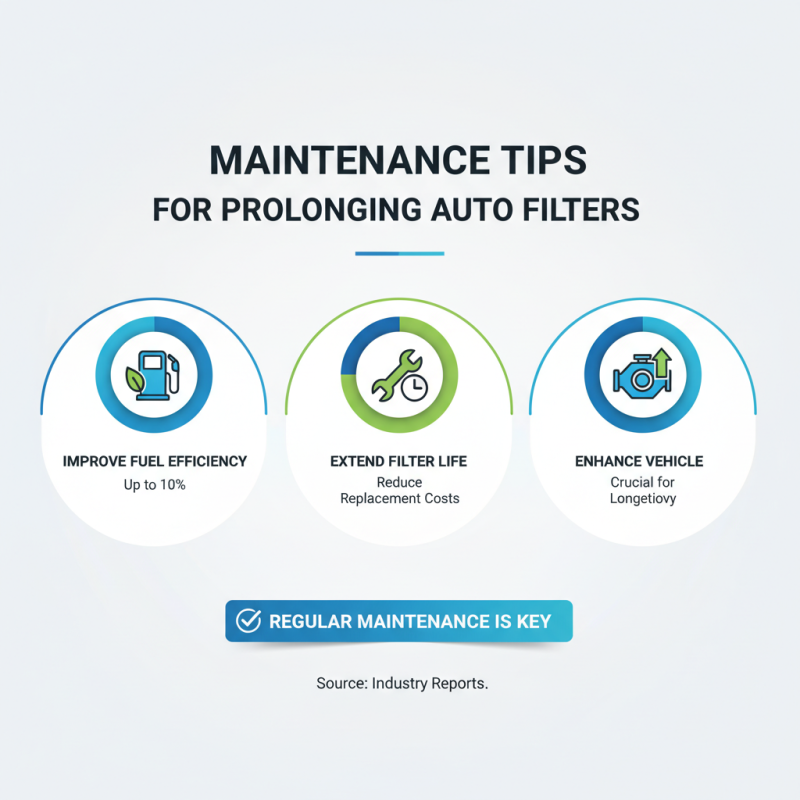
Maintaining auto filters is crucial for the longevity and efficiency of your vehicle. According to industry reports, properly functioning filters can improve fuel efficiency by up to 10%. Regular maintenance can extend the life of auto filters, reducing replacement costs.
One important tip is to check filters frequently. Many drivers overlook this simple task. A visual inspection can reveal dirt buildup. Clean filters let your engine breathe easy. Aim to replace air filters every 12,000 to 15,000 miles. This distance can vary based on driving conditions. Urban environments may require more frequent changes.
Don’t forget about the fuel and cabin filters. Replace fuel filters according to manufacturer recommendations. Ignoring them can lead to engine performance issues. For cabin filters, aim for a change every year. This helps maintain air quality inside your vehicle. Dust and allergens can accumulate, affecting your health and comfort. Regular maintenance of these filters not only supports vehicle performance but also ensures a safer driving experience.
Future Trends in Automotive Filter Technology and Design
The automotive industry is rapidly evolving, particularly in filter technology. Innovative materials are being researched for better filtration efficiency. For instance, biodegradable filters could soon replace traditional options. These advancements reflect a growing commitment to sustainability.
Design trends are changing, too. Compact filter designs are becoming essential. They can be easier to install and maintain. However, some challenges remain, such as ensuring they meet performance standards. The need to balance size and efficiency is a critical focus for manufacturers.
Additionally, integrating smart technology into filters is on the rise. Sensors can monitor filter condition in real-time. This feature will help improve overall performance and longevity. Nonetheless, integrating these technologies poses technical challenges. There is a need for careful consideration in design and implementation to avoid potential pitfalls.
2026 Top Auto Filter Types
This chart showcases the projected market share of various auto filter types in 2026, highlighting the trends in automotive filter technology and design.

 Products
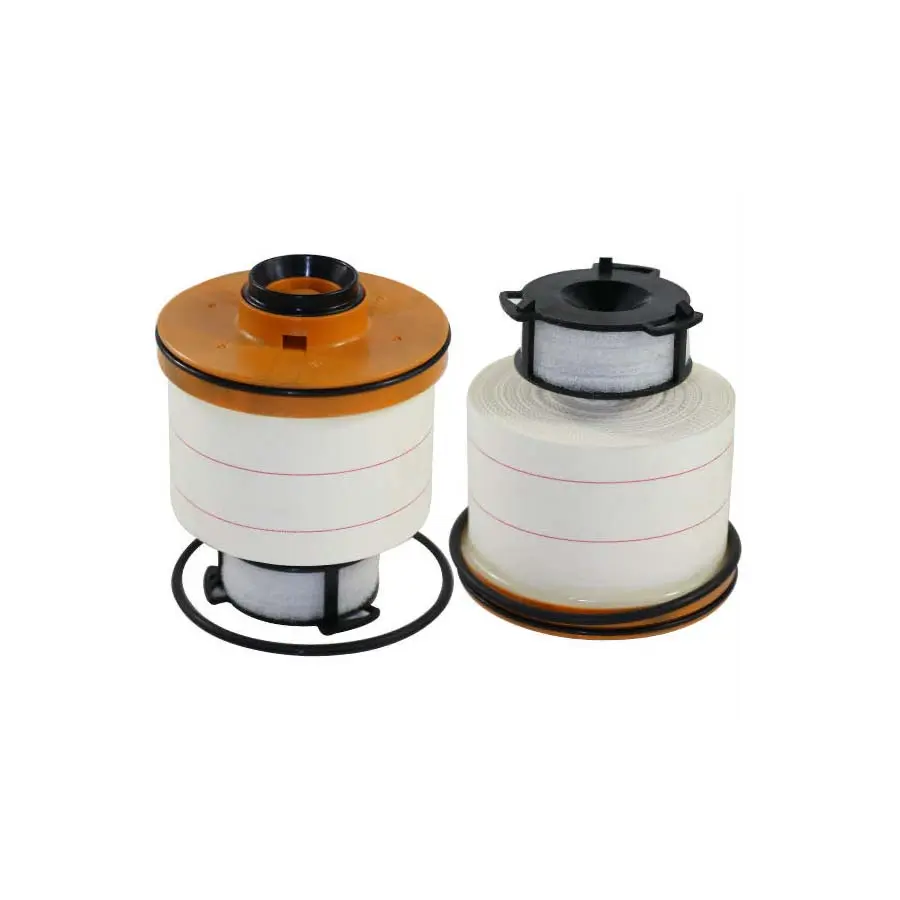 FUEL FILTER
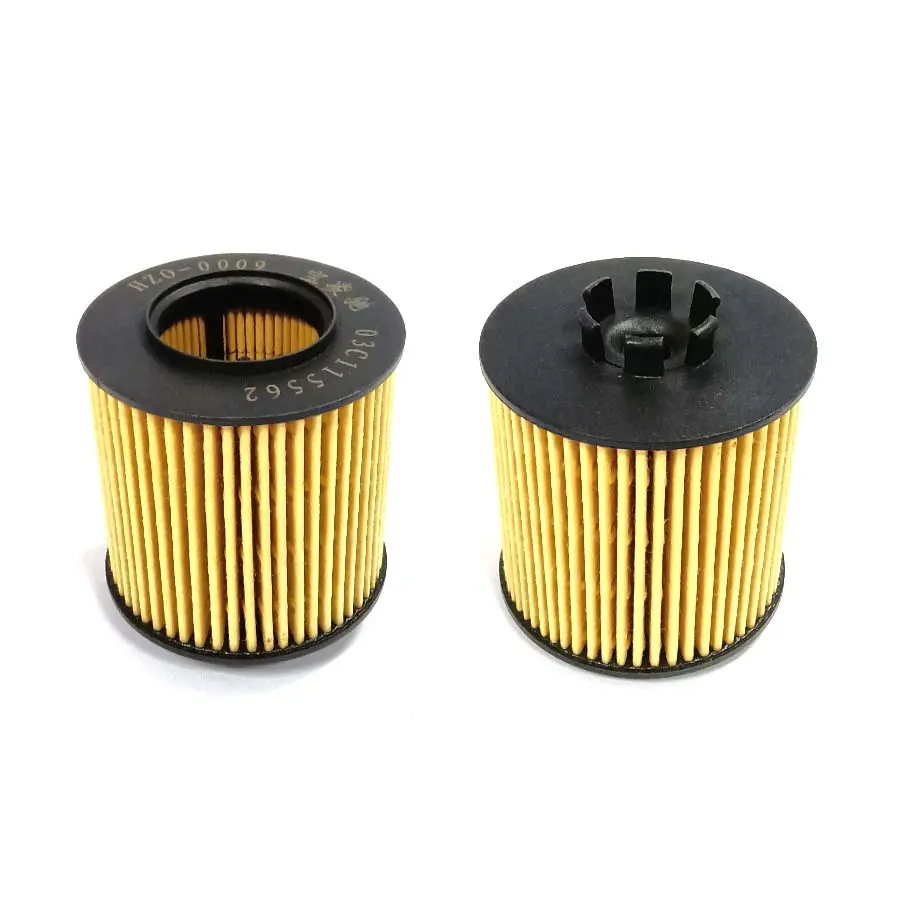 OIL ELEMENT FILTER
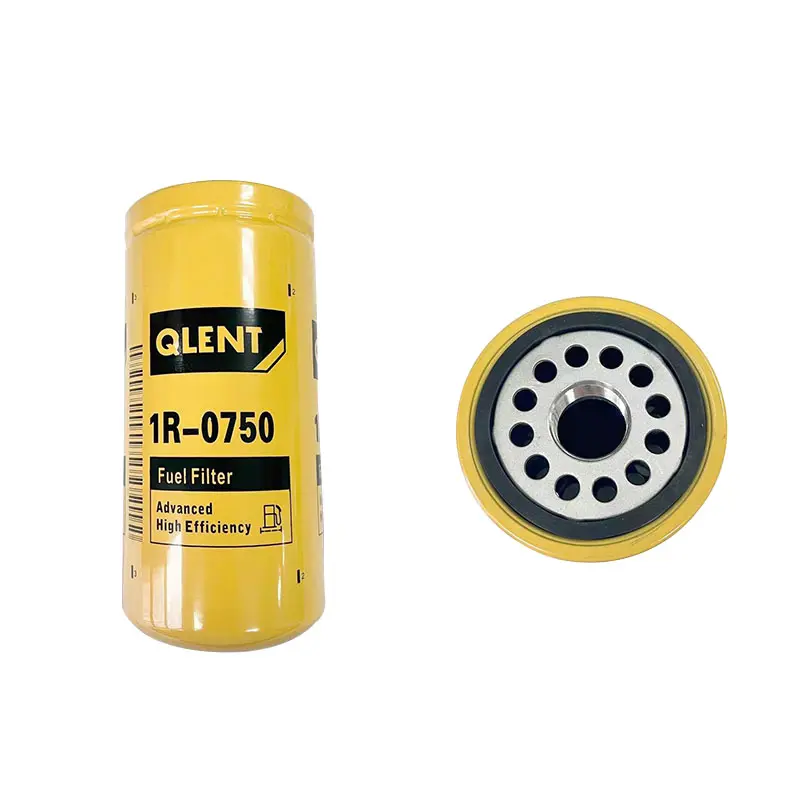 OIL FILTER
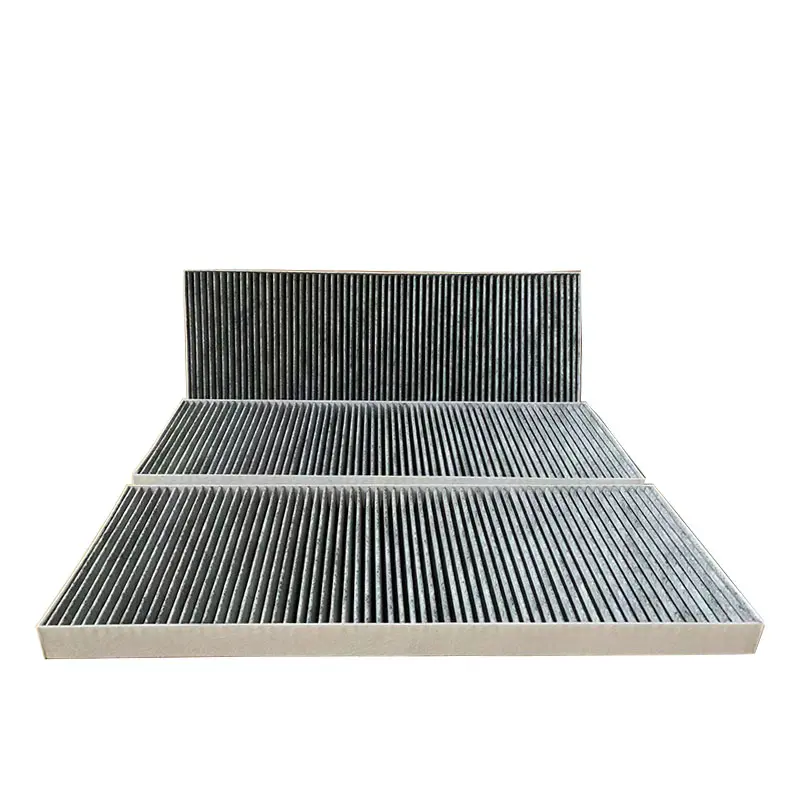 CABIN FILTER
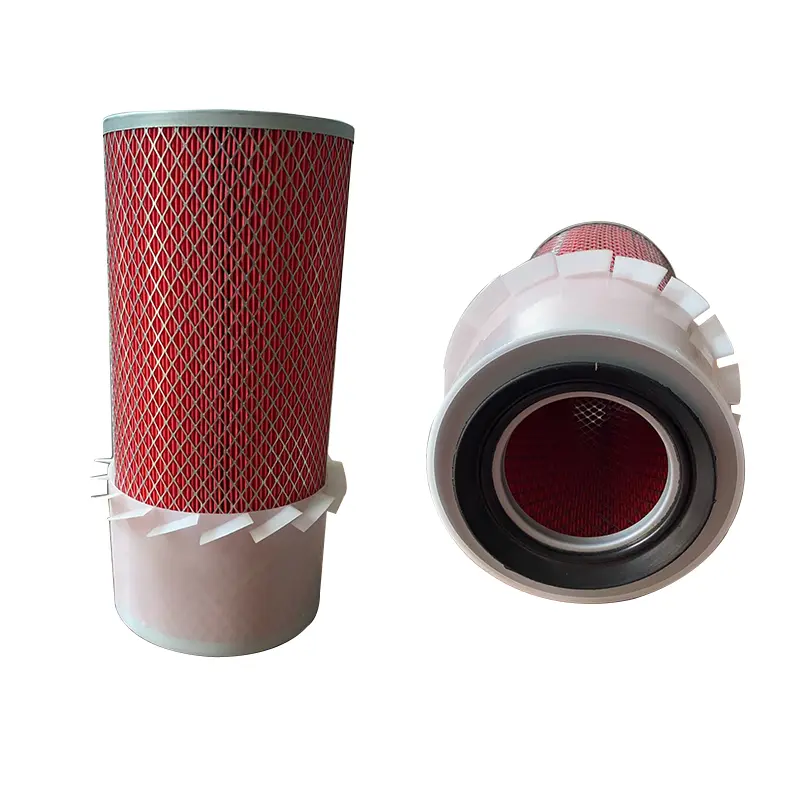 AIR FILTER