Why is Choosing the Right Fuel Filter Important for Your Vehicle?
Selecting the appropriate Fuel Filter is crucial for maintaining vehicle performance. According to James Thompson, a leading expert in automotive fuel systems, "A quality Fuel Filter can improve engine longevity and efficiency." His insight emphasizes the importance of this often-overlooked component.
Fuel Filters play a vital role in ensuring that clean fuel reaches the engine. Contaminants in fuel can lead to reduced performance, causing unnecessary repairs. A reliable Fuel Filter traps dirt and debris, ultimately protecting the engine. However, many vehicle owners neglect replacing it regularly. This can lead to bigger issues down the line.
In reality, choosing the right Fuel Filter is not as simple as it seems. With various brands and specifications available, it’s easy to feel overwhelmed. A poor choice could lead to engine problems or decreased fuel efficiency. Therefore, understanding the specific needs of your vehicle is essential. It's a reminder that sometimes, the smallest components can have the greatest impact.
Importance of Fuel Filters in Vehicle Performance and Longevity
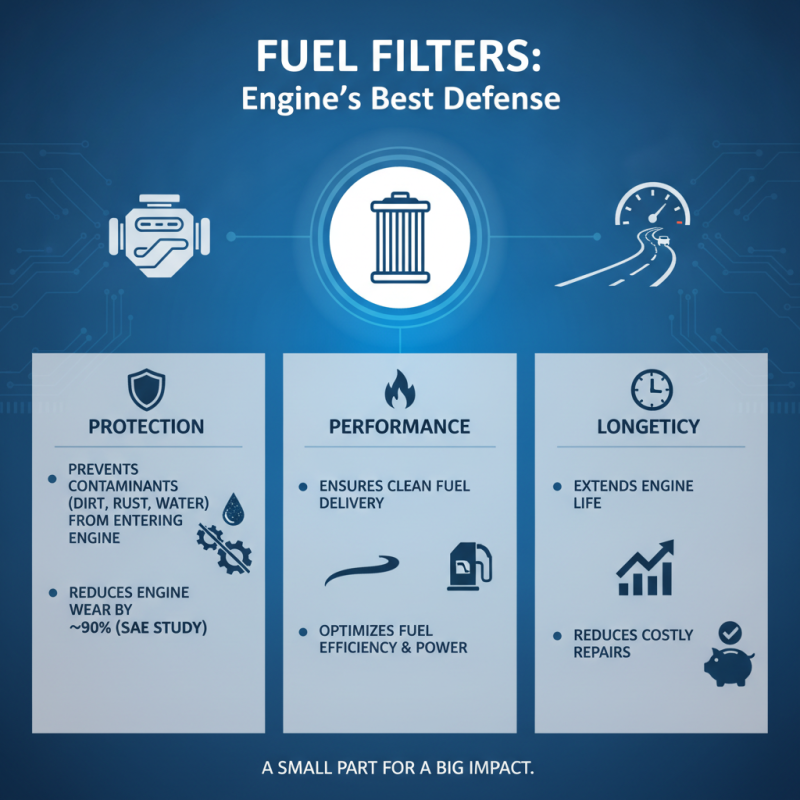
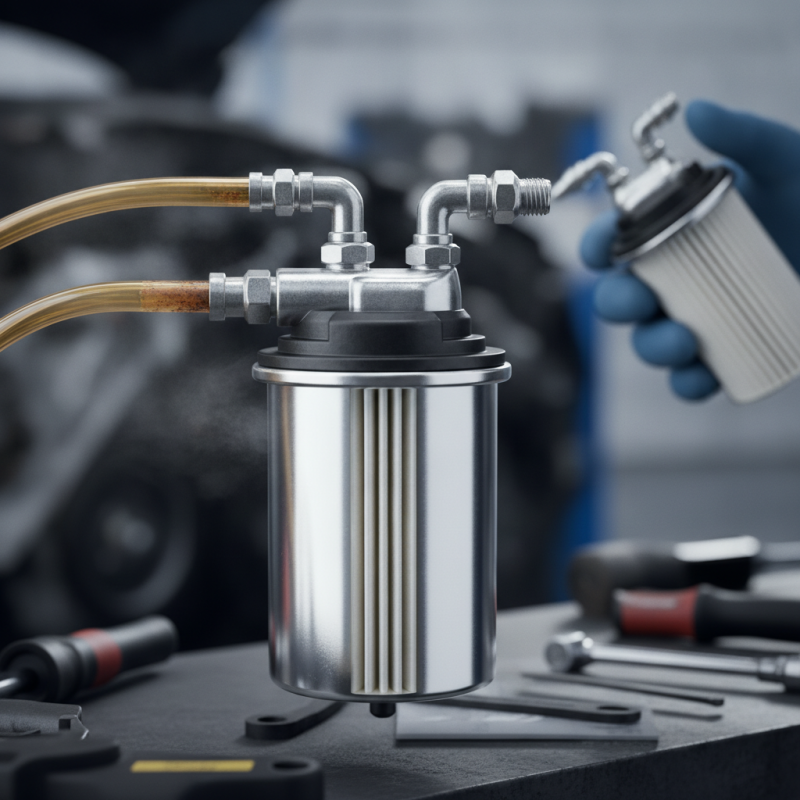
Fuel filters play a crucial role in vehicle performance and longevity. They are essential for preventing contaminants from entering the engine. According to a study by the Society of Automotive Engineers, around 90% of engine wear is due to impurities in the fuel. This indicates the importance of a reliable fuel filter, which can extend your engine's life.
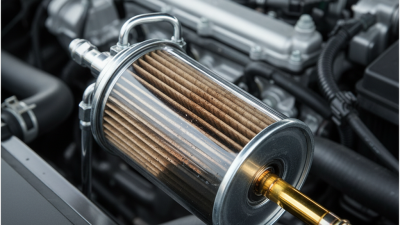
A fuel filter captures dirt, rust, and other particles. When fuel flows freely, an engine performs better. This leads to improved efficiency and reduced emissions. Reports show that a well-maintained filter can enhance fuel efficiency by up to 10%. In contrast, a clogged filter may decrease performance and increase repair costs.
Ignoring fuel filters can lead to significant problems. For example, engine knocking, reduced power, and even complete engine failure can occur. Regular replacement of fuel filters is not just a good practice; it's a necessity. The general guideline suggests replacing them every 30,000 to 50,000 miles. However, harsh driving conditions can prompt more frequent changes. Taking these factors into account can ensure your vehicle runs smoothly for years.
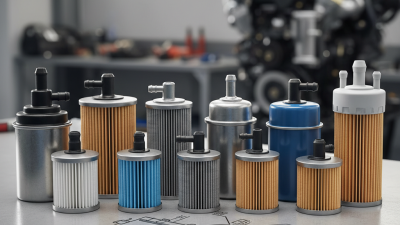
Types of Fuel Filters and Their Specifications for Various Vehicles
When it comes to fuel filters, understanding the different types is crucial.
Fuel filters act as the first line of defense, preventing impurities from reaching the engine.
Various vehicles require specific filters based on their fuel system design.
For example, diesel engines often use coarse filters to handle larger particles, while gasoline engines may opt for finer filtration.
According to a 2022 report from the Society of Automotive Engineers, improper filtration can lead to a
30% decrease in engine performance over time.
There are primarily three types of fuel filters:
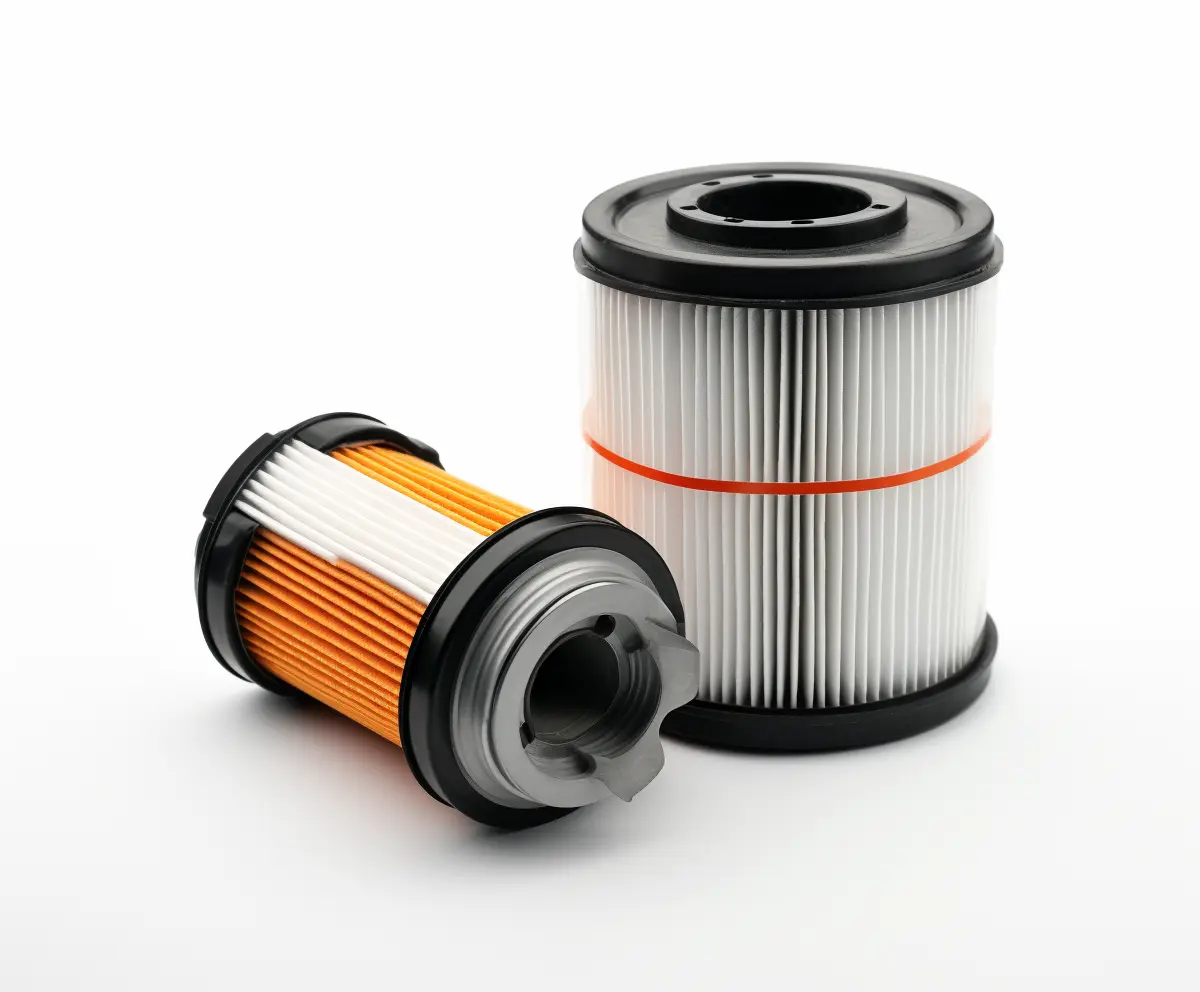
in-line, cartridge, and spin-on filters.
In-line filters are typically found in smaller vehicles due to their compact nature.
Cartridge filters are often used in newer models, offering easy replacement.
Spin-on filters are common in heavier vehicles and require a bit more effort to change but offer excellent filtration.
Choosing the appropriate type is critical, as mismatched filters can lead to fuel system failures
and costly repairs.
Many vehicle owners overlook the replacement schedule for fuel filters.
Some manufacturers recommend changing filters every 15,000 miles, while others suggest intervals up to 30,000 miles.
Neglecting this maintenance can result in reduced fuel efficiency and increased emissions.
Regular checks can identify wear and tear.
Ultimately, the right fuel filter contributes not just to engine performance
but also to vehicle longevity.
Impact of Contaminated Fuel on Engine Efficiency and Damage
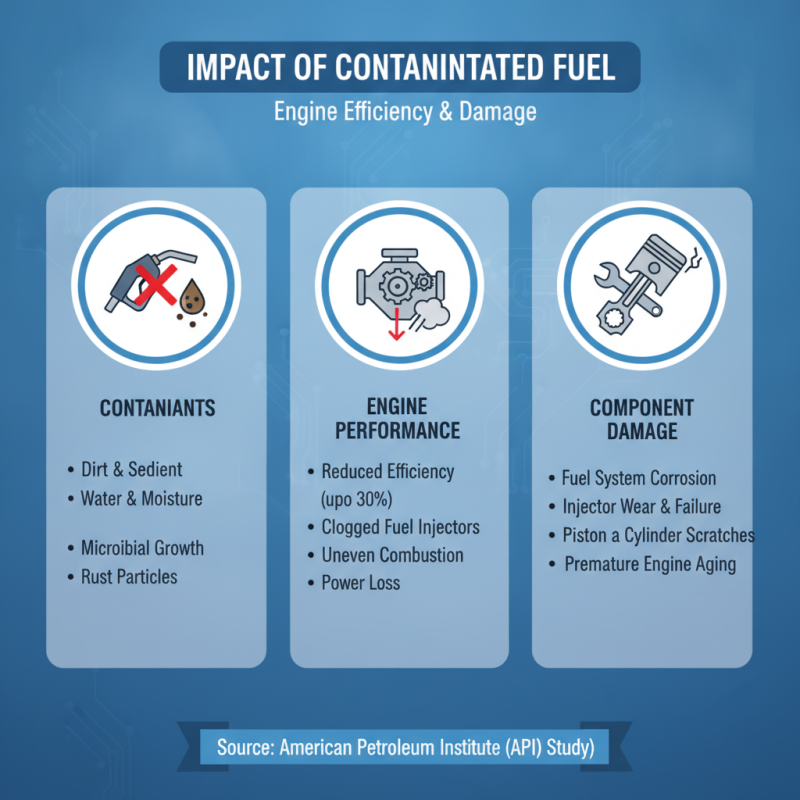
Fuel contamination can severely impair engine performance. A study by the American Petroleum Institute found that contaminated fuel can lead to a 30% decrease in engine efficiency. Impurities such as dirt, water, and microbial growth can clog fuel injectors. This blockage disrupts fuel flow and causes uneven combustion.
When fuel filters fail, contaminants circulate through the system. This can result in significant engine wear and tear. According to research from the Society of Automotive Engineers, vehicles using contaminated fuel face an increased risk of costly repairs. It is estimated that improper filtration can shorten engine lifespan by one-third. Contaminated fuel can also lead to knocking sounds and reduced power output.
Regularly replacing fuel filters can prevent these issues. Experts recommend changing filters every 15,000 to 30,000 miles. Neglecting this maintenance can lead to serious problems. The cost of repairs may far exceed the price of routine filter replacements. Ultimately, drivers must take these preventive measures seriously and remain vigilant about fuel quality.
Recommended Maintenance Practices for Optimal Fuel Filter Function
Maintaining your fuel filter is crucial for vehicle performance. Regular inspections should be part of your maintenance routine. A study by the Automotive Aftermarket Industry Association indicates that nearly 15% of repair issues stem from fuel system problems. Dirty filters can cause fuel flow restrictions, leading to poor engine performance and increased emissions.
Replacing your fuel filter every 30,000 miles is commonly recommended. However, your driving habits and fuel quality matter greatly. Heavy traffic, rough terrains, or using low-quality fuel can reduce the filter's lifespan. Checking for signs of a clogged filter, like engine hesitation or stalling, is essential. Address these issues early to prevent more significant problems.
Using quality replacement parts is vital. Reports suggest that using inferior filters can cause engine damage. A well-maintained filter helps your vehicle run efficiently, improving fuel economy by 10% or more. Keeping an eye on your fuel filter’s condition ensures better reliability and performance over time. Regular maintenance fosters a longer lifespan for your vehicle and prevents unexpected breakdowns.
Industry Standards and Guidelines for Selecting Quality Fuel Filters
When selecting a fuel filter, industry standards provide essential guidance. Quality filters are critical for engine performance. They prevent dirt and contaminants from entering the fuel system. This helps maintain optimal fuel flow and protects sensitive engine components. A poorly chosen filter can lead to clogs and fuel inefficiency.
Consider specifications from reputable sources. Look for filters that meet or exceed OEM standards. They often provide better filtration and durability. Evaluating materials used in construction is also vital. Some filters may share similar designs but differ in quality. This distinction can greatly impact longevity and performance.
Monitoring your vehicle’s fuel system is equally important. Regular checks can reveal potential issues early. If the filter’s performance seems inadequate, it might warrant a rethink. Small changes can lead to better efficiency and longer vehicle life. Ignoring these details can result in costly repairs down the road.

 Products
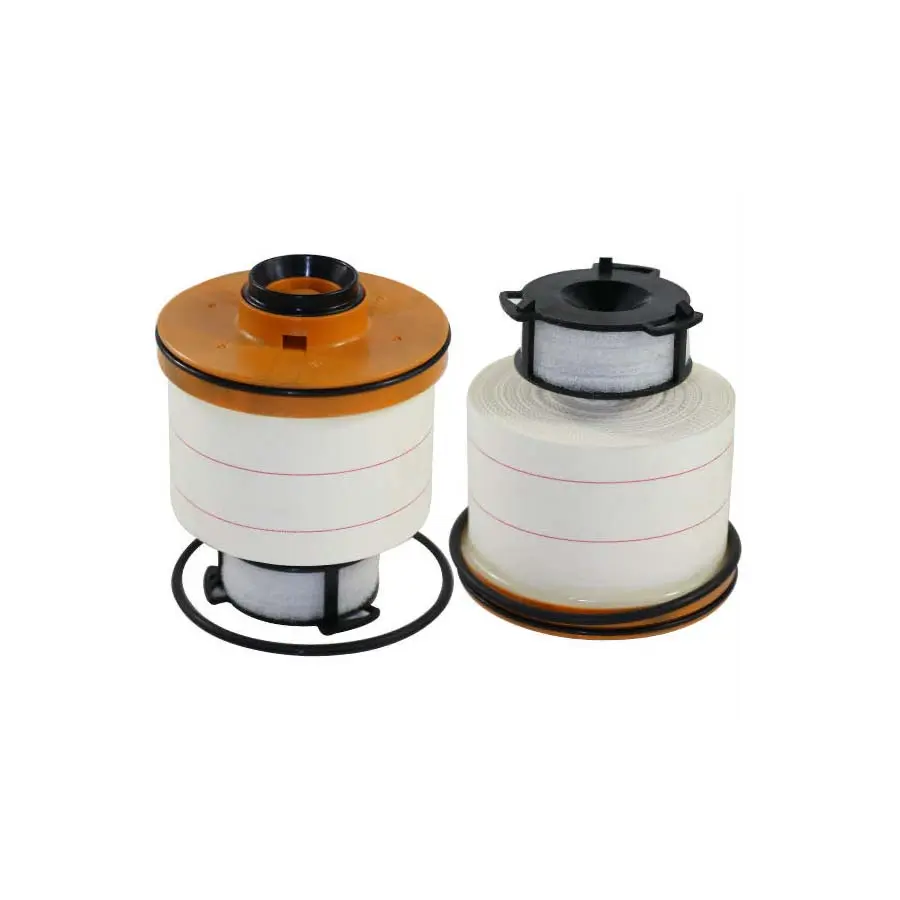 FUEL FILTER
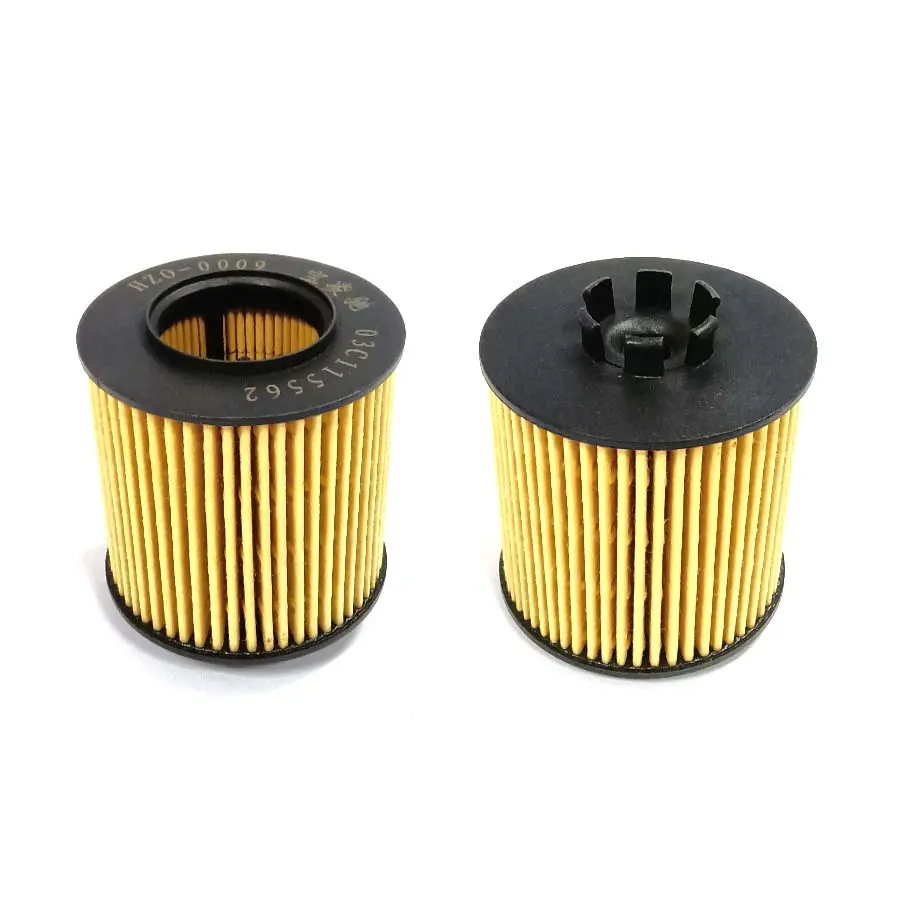 OIL ELEMENT FILTER
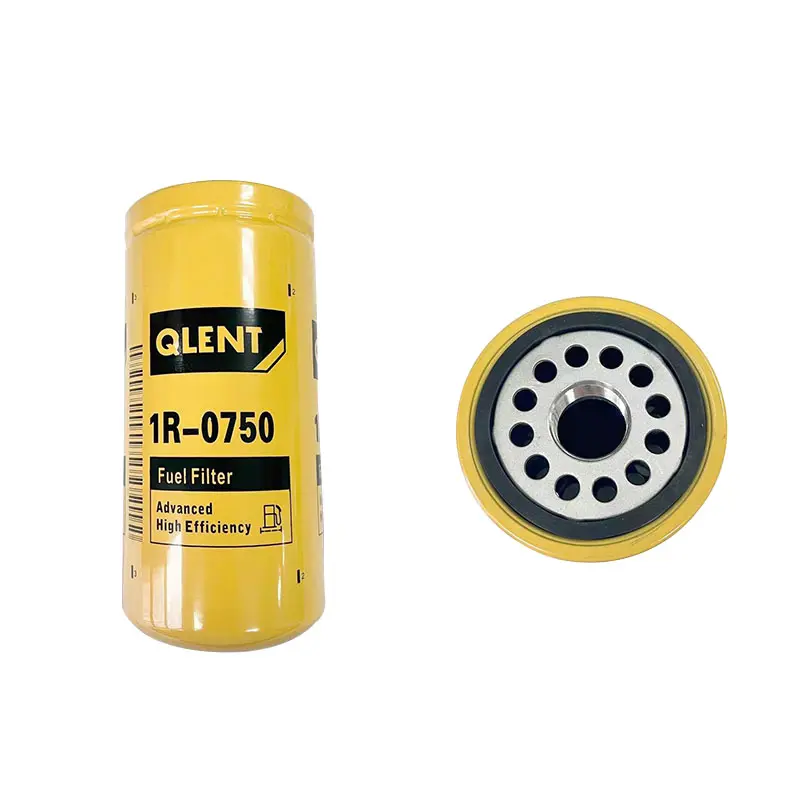 OIL FILTER
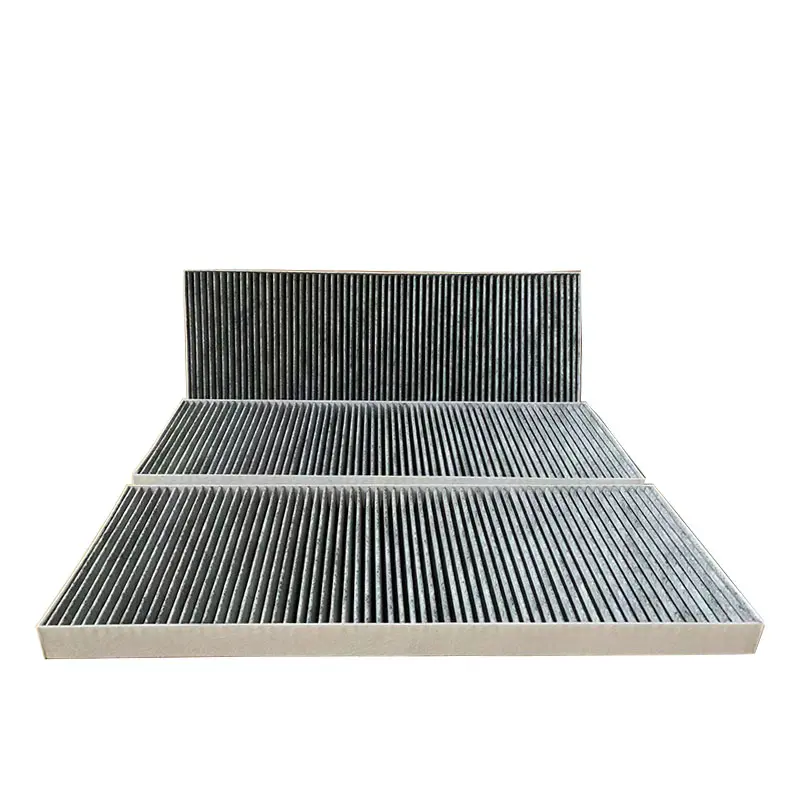 CABIN FILTER
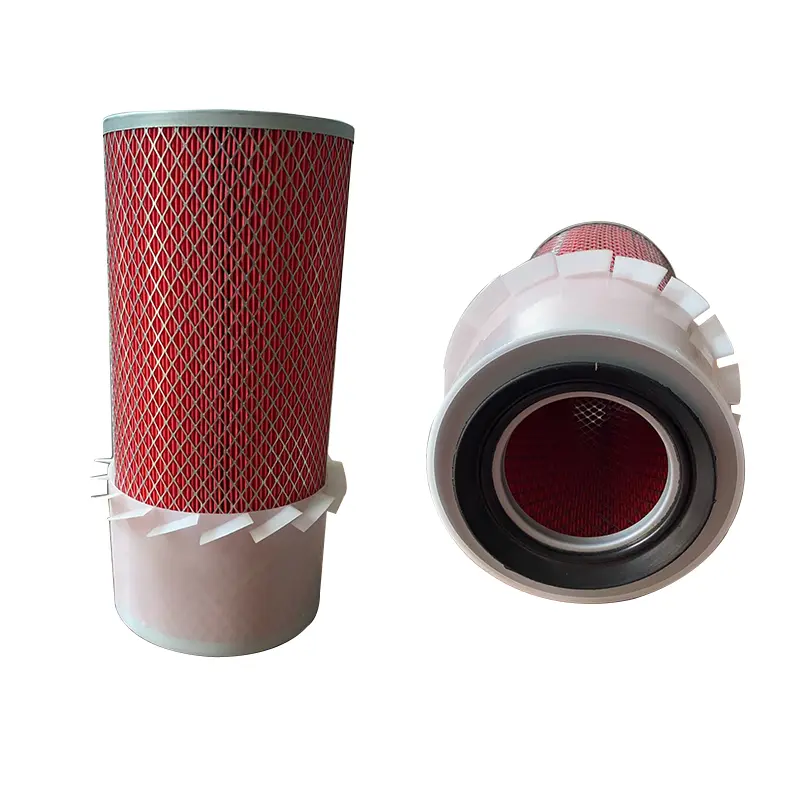 AIR FILTER