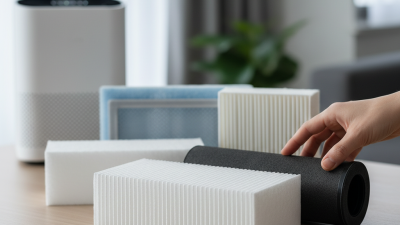
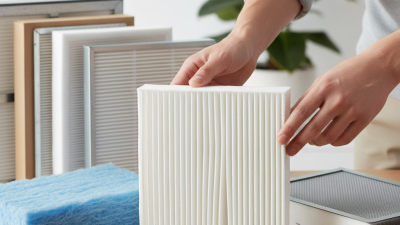
Why is Air Conditioning Filter Maintenance Essential for Efficiency?
Air conditioning systems are essential for comfort in homes and workplaces. However, many overlook the importance of regular air conditioning filter maintenance. The air conditioning filter plays a crucial role in system efficiency. A clean filter ensures proper airflow, enhancing cooling performance and energy savings.
Neglecting this maintenance can lead to reduced efficiency. Dust and debris accumulate in filters, obstructing airflow. Consequently, the system works harder, consuming more energy. This not only increases utility bills but also shortens the lifespan of the unit.
Regularly checking the air conditioning filter is a simple task. It requires minimal time and effort yet yields significant benefits. Homeowners and businesses alike should take this responsibility seriously. Maintenance is often an afterthought, but it directly impacts performance and comfort. Prioritizing filter care is a vital step toward improving air quality and system longevity.
Understanding Air Conditioning Filters and Their Role
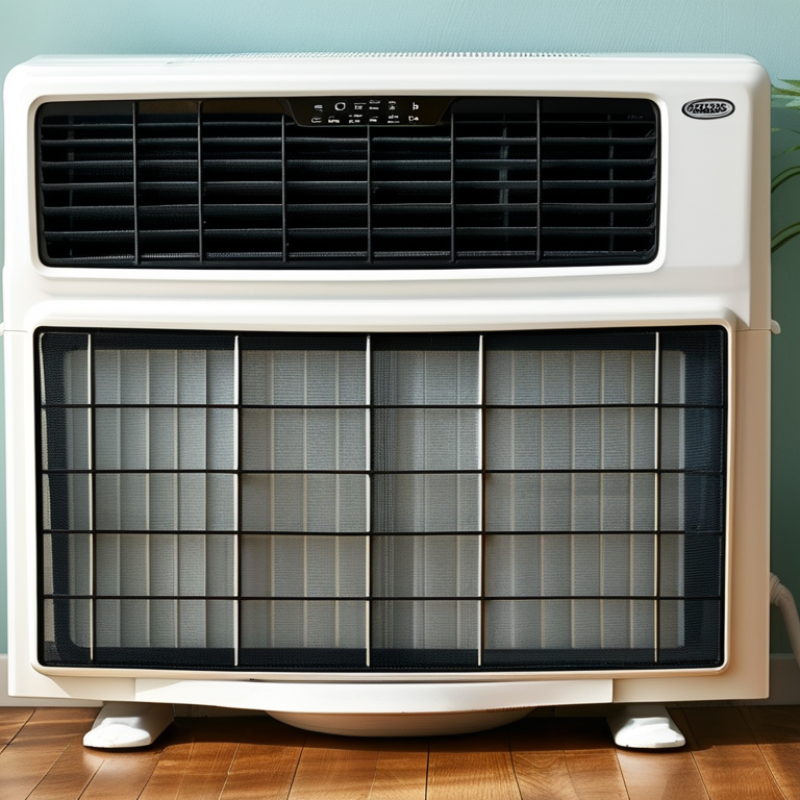
Air conditioning filters play a critical role in maintaining indoor air quality. They capture dust, pollen, and other airborne particles. This helps to ensure that the air circulated in your home is clean and healthy. When filters are neglected, they become clogged, reducing airflow. This can lead to increased energy consumption and higher utility bills.
Regular filter maintenance is essential for optimal efficiency. Changing your filter every month during the peak season can significantly improve system performance. Use high-quality filters that best suit your system’s needs. A clean filter allows your air conditioner to work less hard, prolonging its lifespan.
Tips: Check your filter regularly, especially during heavy use. Consider using washable filters to reduce waste. Keep an eye on airflow; poor airflow may signal a filter issue. If your air conditioner struggles even with a clean filter, it might be time to consult a professional. Maintaining your air conditioning system ensures comfort and savings.
The Importance of Regular Air Filter Maintenance
Regular air filter maintenance is crucial for the efficient operation of air conditioning systems. According to the U.S. Department of Energy, clean filters can improve efficiency by up to 15%. This reduction in energy consumption not only benefits the environment but also reduces utility bills. Dirty filters force the system to work harder, leading to wear and tear that can diminish its lifespan.
Neglecting air filter maintenance can lead to significant consequences. Studies show that nearly 25% of indoor air quality issues stem from dirty or clogged filters. Allergy sufferers and those with respiratory conditions may find that poor air quality exacerbates their health issues. Regular inspections can catch these problems early, ensuring cleaner air and better health outcomes.
However, many homeowners overlook the importance of this maintenance. A survey found that only 30% of respondents change their filters as recommended. This oversight can lead to reduced airflow and increased energy costs. It's essential to foster awareness and encourage proactive maintenance to safeguard both health and efficiency.
Effects of Dirty Filters on Energy Efficiency
Dirty air conditioning filters can significantly diminish energy efficiency. According to the U.S. Department of Energy, clogged filters can lead to a 15% reduction in efficiency. When dust and debris accumulate, airflow is restricted. This forces the system to work harder, consuming more energy and increasing utility bills.
Regular maintenance of air filters is crucial. Neglecting this task may result in higher operational costs and potential equipment damage. Research by Energy Star indicates that replacing a dirty filter can improve system efficiency by up to 30%. Properly functioning filters not only enhance performance but also improve indoor air quality.
**Tip:** Check filters monthly. Replace or clean them every 1-3 months, depending on usage.
Another common oversight is the impact of using the wrong filter type. Some homeowners choose filters based on cost alone, ignoring their specifications. This choice can impede airflow and damage the system over time. Understanding filter ratings can help avoid these pitfalls.
**Tip:** Invest in high-efficiency particulate air (HEPA) filters when possible. They provide superior filtration, improving both efficiency and air quality.
Impact of Air Conditioning Filter Cleanliness on Energy Efficiency
This chart illustrates the impact of air conditioning filter cleanliness on energy efficiency. Clean filters maintain optimal energy efficiency at 100%, while moderately dirty filters reduce efficiency to 75%, and very dirty filters drop it to 50%. Regular maintenance of air conditioning filters is essential to ensure maximum efficiency and reduce energy costs.
Steps for Effective Air Filter Maintenance
Effective air filter maintenance is crucial for optimal air conditioning performance. Regular checks ensure your system runs efficiently. A simple step like examining filters every month can prevent buildup. Clogged filters strain the system, reducing airflow. This can lead to higher energy bills. Clear filters trap dust better, improving air quality.
When cleaning or replacing filters, use the right type for your unit. Not all filters are created equal. Some may not capture small particles effectively. A good practice is to keep replacement filters on hand. This saves time when maintenance is due. Not doing this can lead to forgetting, resulting in poorer performance.
Conducting a thorough cleaning of the area around the air conditioner also contributes to better airflow. Dust and debris can accumulate quickly. Many overlook this part of maintenance. Regular vacuuming can help. It’s essential to check for leaks or obstructions that might affect overall efficiency. Ignoring these aspects may lead to costly repairs later.
Why is Air Conditioning Filter Maintenance Essential for Efficiency? - Steps for Effective Air Filter Maintenance
| Maintenance Step |
Recommended Frequency |
Benefits |
Tools Needed |
| Check Filter Condition |
Monthly |
Optimizes airflow, reduces energy consumption |
Visual inspection tool |
| Clean or Replace Filter |
Every 1-3 months |
Improves air quality, enhances cooling efficiency |
Replacement filters, vacuum cleaner |
| Inspect Ductwork |
Annually |
Identifies leaks, increases system efficiency |
Duct inspection camera |
| Schedule Professional Service |
Twice a year |
Ensures comprehensive maintenance, extends equipment life |
None needed |
| Monitor Indoor Air Quality |
Ongoing |
Promotes health, reduces allergens |
Air quality monitor |
Signs That Your Air Conditioning Filter Needs Attention
Regular air conditioning filter maintenance is critical for optimal performance. Neglecting this can lead to various signs indicating that your filter needs attention. For instance, if your system struggles to cool your space, that could signal a clogged filter. According to the U.S. Department of Energy, a dirty filter can reduce the system’s efficiency by 5% to 15%. This inefficiency can significantly increase energy bills.
Another sign to watch for is reduced airflow. If you notice the air feeling stale or weak, that’s a red flag. Inspecting your filter regularly can reveal buildup that compromises air quality. Studies show that regular filter changes can improve indoor air quality, reducing allergens by up to 50%. Not changing your filter can also lead to system breakdowns, resulting in costly repairs.
Sometimes, filters show visible dirt or dust buildup. If the filter appears gray or full of debris, it’s time for a change. A useful tip is to set reminders every month to check your filter. Many homeowners overlook this simple task. The longer you delay, the worse the situation becomes. Ignoring these signs can affect your comfort and health at home.

 Products
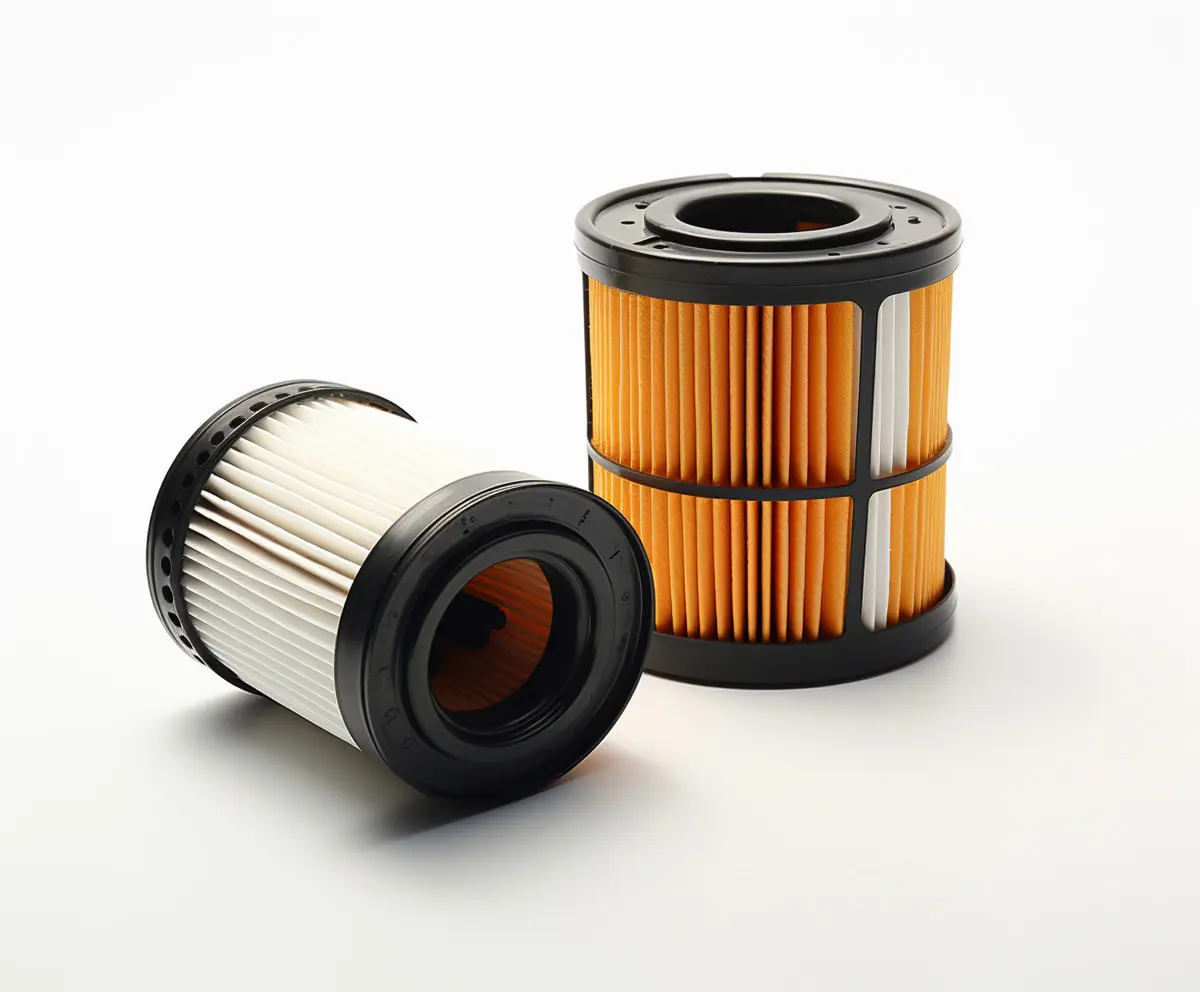
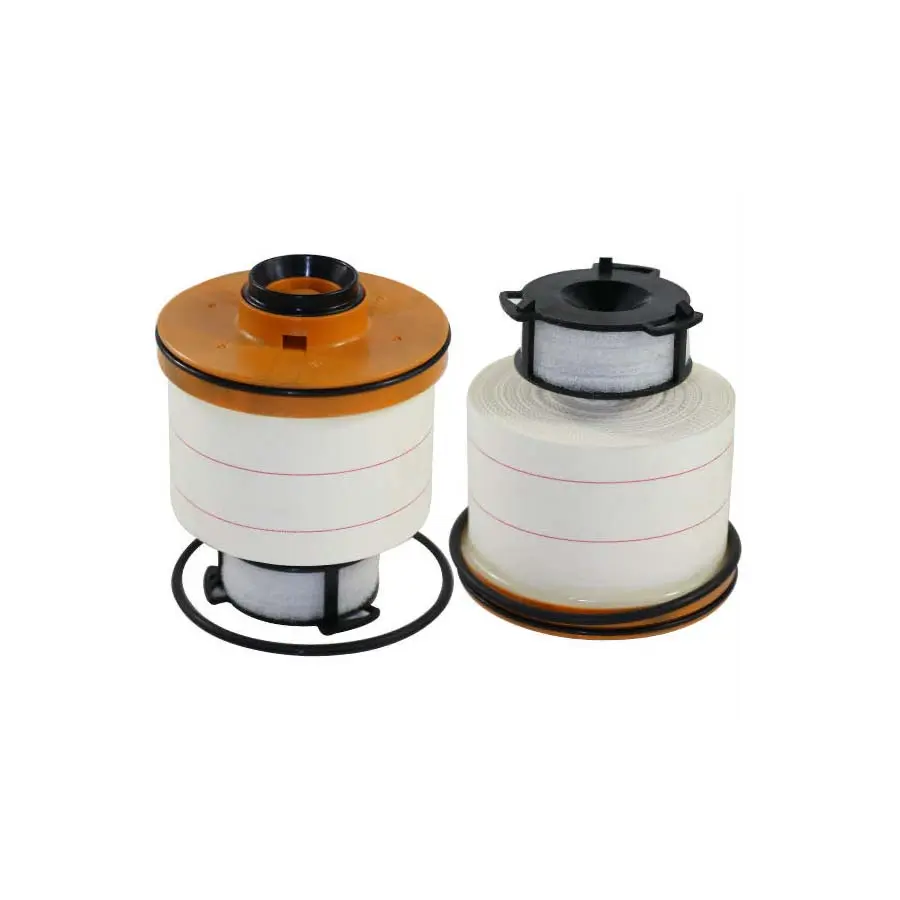 FUEL FILTER
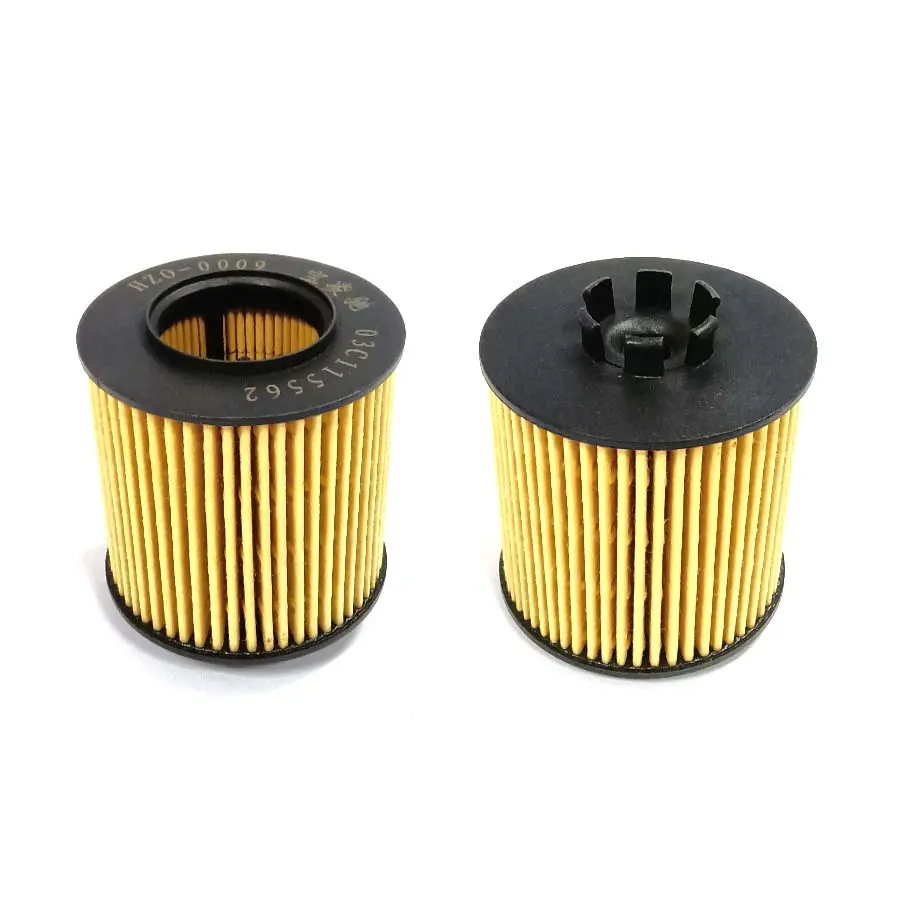 OIL ELEMENT FILTER
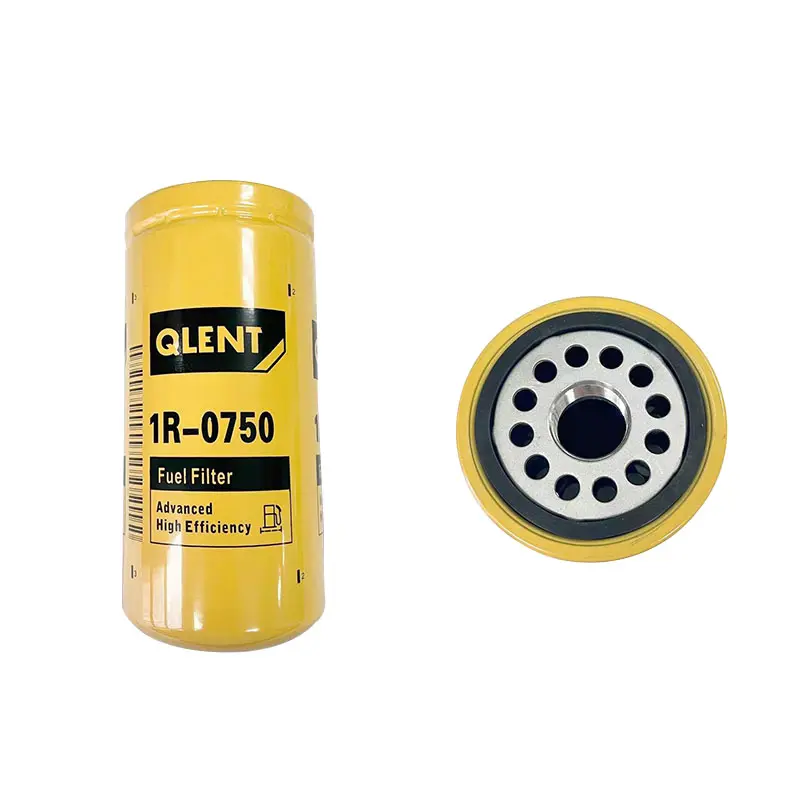 OIL FILTER
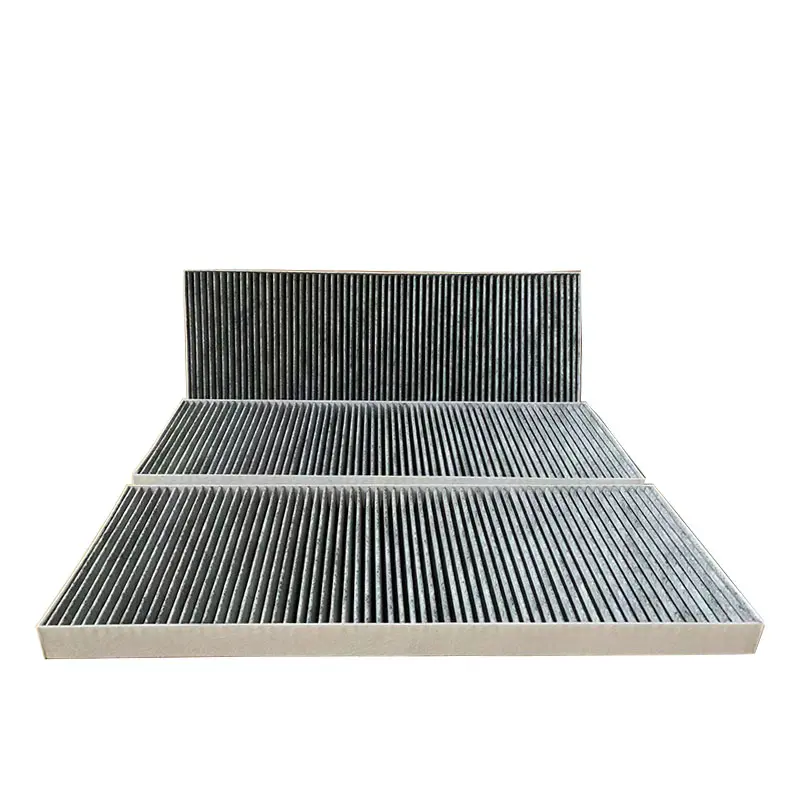 CABIN FILTER
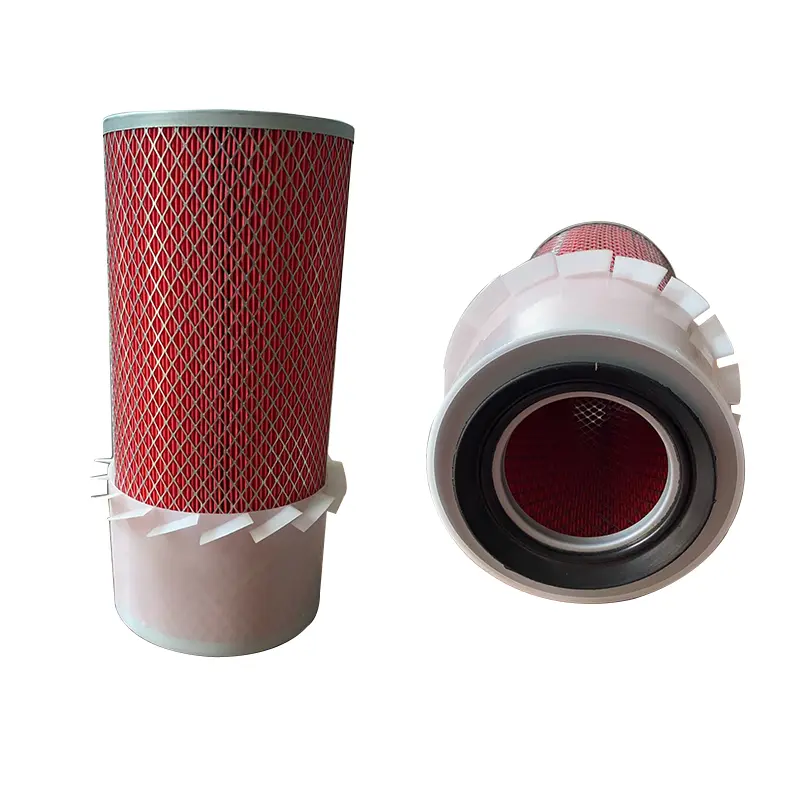 AIR FILTER