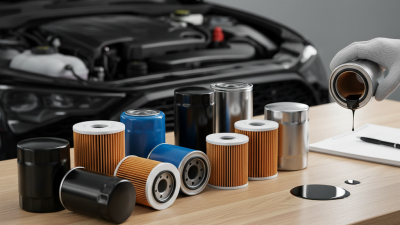
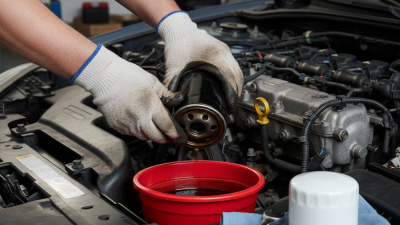
What Are the Benefits of Using Vehicle Oil Filters?
The importance of a Vehicle Oil Filter cannot be overstated. This small component plays a critical role in engine health. By trapping contaminants, it protects the engine from damage. Over time, dirt and debris accumulate in the oil. Without proper filtration, these particles can harm engine components.
Using a quality Vehicle Oil Filter enhances performance. It ensures that clean oil circulates freely, maintaining lubrication. Additionally, it can improve fuel efficiency. A clogged filter can lead to increased fuel consumption and engine strain. Regularly replacing the filter prevents these issues.
Many drivers overlook this essential maintenance task. They may not understand the connection between a clean filter and engine longevity. Investing in a reliable Vehicle Oil Filter is a wise choice. It reflects a commitment to vehicle upkeep. Ultimately, prioritizing this component promotes a healthier engine and better overall performance.
Benefits of Vehicle Oil Filters for Engine Longevity
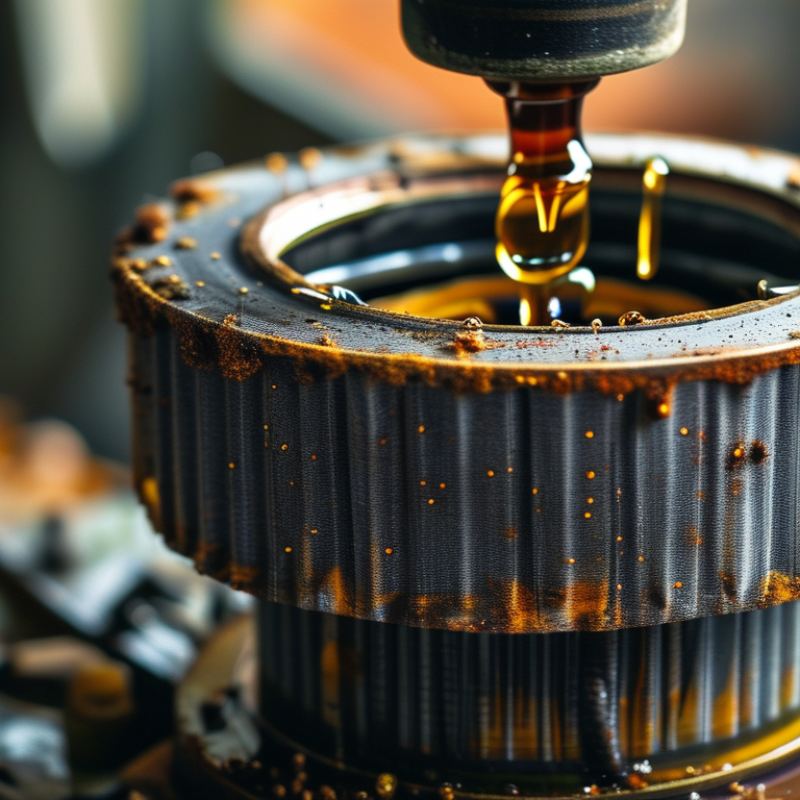
Vehicle oil filters play a crucial role in maintaining engine longevity. They effectively trap dirt, debris, and contaminants in the engine oil. When the oil is clean, it lubricates engine parts more efficiently. This reduces friction, leading to less wear and tear over time. A well-functioning filter ensures that the oil circulating through the engine remains as pure as possible.
Regular changes of the oil filter are essential. An old or clogged filter can restrict oil flow. This leads to insufficient lubrication, causing potential damage to engine components. Often, car owners delay these changes, thinking they can wait. However, this choice may result in costly repairs later. It’s vital to be proactive rather than reactive when it comes to vehicle maintenance.
Incorporating high-quality oil filters into your routine can significantly impact your engine’s lifespan. It’s not just about filtering oil; it’s about protecting a valuable investment. Regular maintenance, including the right filter, reflects your commitment to longevity and performance. Car maintenance is a responsibility that requires careful attention to detail. Neglecting even the smallest components can yield significant consequences.
Role of Oil Filters in Enhancing Engine Performance
Oil filters play a crucial role in enhancing engine performance. They prevent contaminants from circulating in the engine oil. Studies show that up to 90% of engine wear is due to dirt and debris in the oil. High-quality filters can capture particles as small as 25 microns. This keeps the engine cleaner and functioning at optimal levels.
Regular maintenance of oil filters can lead to significant performance benefits. According to industry reports, replacing an oil filter at recommended intervals can improve engine life by 20%. Clean oil supports better lubrication; this reduces friction and heat. As a result, engines can operate more efficiently, leading to better fuel economy and reduced emissions.
Neglecting oil filter changes can have detrimental effects. Dirty filters restrict oil flow, which can cause the engine to run hotter. Increased temperatures can lead to premature engine failure. It's vital to consider the condition of the oil filter as part of routine maintenance. An overlooked filter could result in higher repair costs down the line. Keeping an eye on your oil filter is essential for long-term engine health.
What Are the Benefits of Using Vehicle Oil Filters? - Role of Oil Filters in Enhancing Engine Performance
| Benefit |
Description |
Impact on Engine Performance |
| Contaminant Removal |
Effectively traps dirt, debris, and metal particles from the oil. |
Prevents engine wear and prolongs engine life. |
| Improved Lubrication |
Maintains clean oil circulation throughout the engine. |
Ensures smooth operation and reduces friction. |
| Engine Efficiency |
Supports optimal engine performance through effective oil filtration. |
Improves overall fuel efficiency and power output. |
| Reduced Emissions |
Contributes to cleaner engine operation by filtering harmful particles. |
Lowers toxic emissions and environmental impact. |
| Longevity |
Extends the lifespan of oil by removing impurities. |
Reduces frequency of oil changes and maintains engine health. |
Impact of Clean Oil on Fuel Efficiency and Emissions
Clean oil plays a crucial role in maintaining vehicle performance. It helps improve fuel efficiency significantly. When oil is dirty, it becomes less effective at lubricating engine components. This inefficiency can lead to increased fuel consumption. Studies show that clean oil can enhance vehicle mileage by up to 2%. This is a noticeable gain for both drivers and the environment.
Moreover, clean oil reduces harmful emissions. A well-filtered engine produces fewer pollutants. This is vital in the battle against air pollution. When oil circulates freely, the engine runs smoother. Filters help keep the oil clean, preventing debris from accumulating. However, many drivers overlook filter changes. This negligence can lead to mechanical issues and increased environmental impact.
Regular oil and filter maintenance is key. While it may seem minor, it has significant implications. Some may forget this aspect of vehicle care. However, taking time to check and change filters can extend engine life. It’s a simple yet effective measure that benefits everyone.
Cost-Effectiveness of Regular Oil Filter Maintenance
Regular maintenance of vehicle oil filters is crucial for a car's longevity. Clean oil filters ensure that the engine runs smoothly. They trap dirt, debris, and harmful particles that could otherwise cause damage. With time, filters become less effective. Drivers may overlook this, but neglecting oil filter changes can lead to significant engine problems.
Cost-effectiveness comes into play when considering regular oil filter maintenance. Changing the oil filter is relatively inexpensive compared to engine repairs. A clean filter can help improve fuel efficiency. Drivers might be surprised to find that a well-maintained filter can increase mileage. This is not just about saving money; it’s about preventing costly breakdowns in the future.
Ignoring oil filter maintenance can lead to a false sense of security. Some may believe that as long as the oil is changed regularly, everything is fine. This may not be true. Regular checks are essential. A few minutes spent on these checks can save hundreds of dollars in repairs later. This small effort in time and money can yield big rewards in maintaining vehicle health.
Comparison of Different Types of Oil Filters in the Market
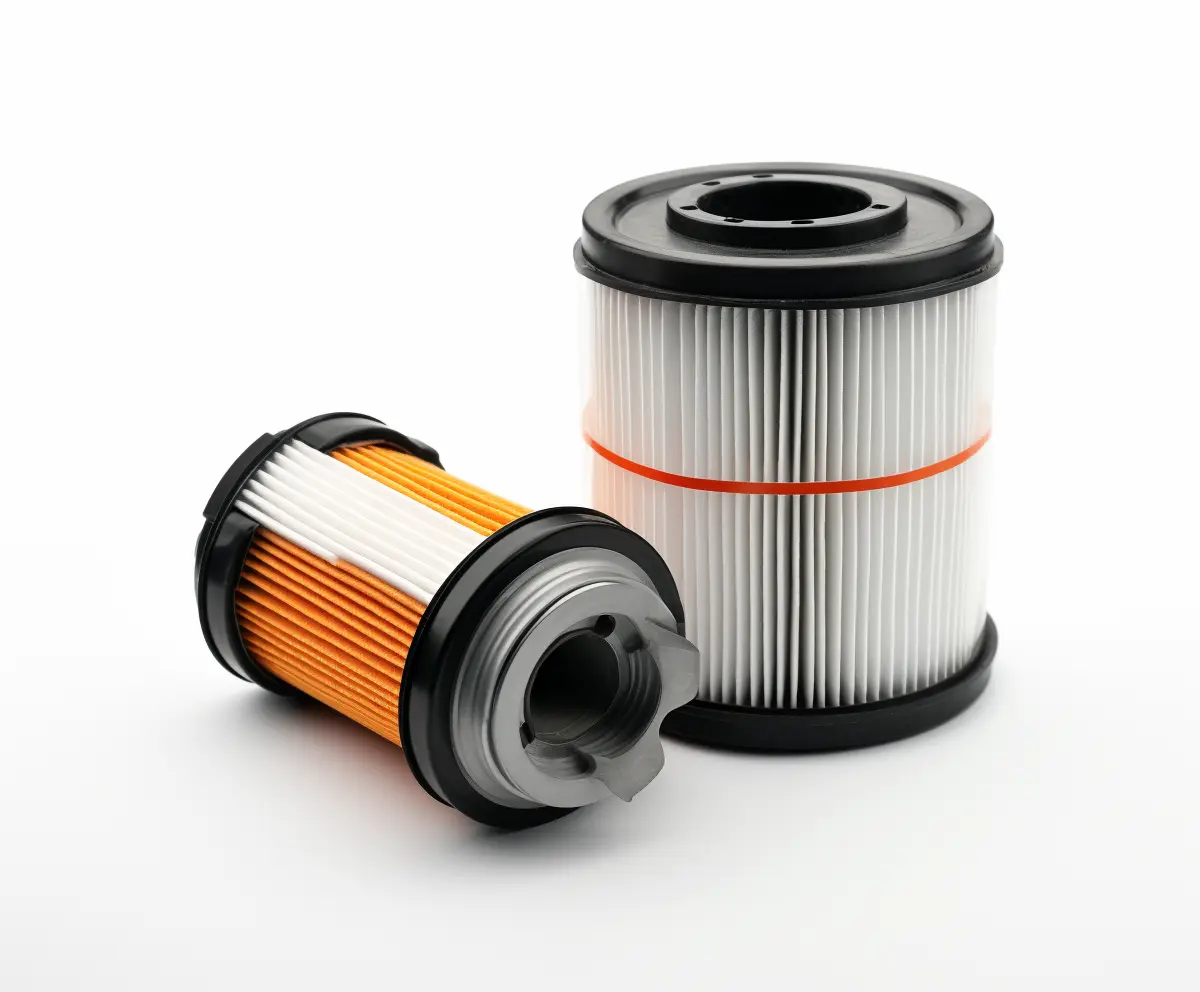
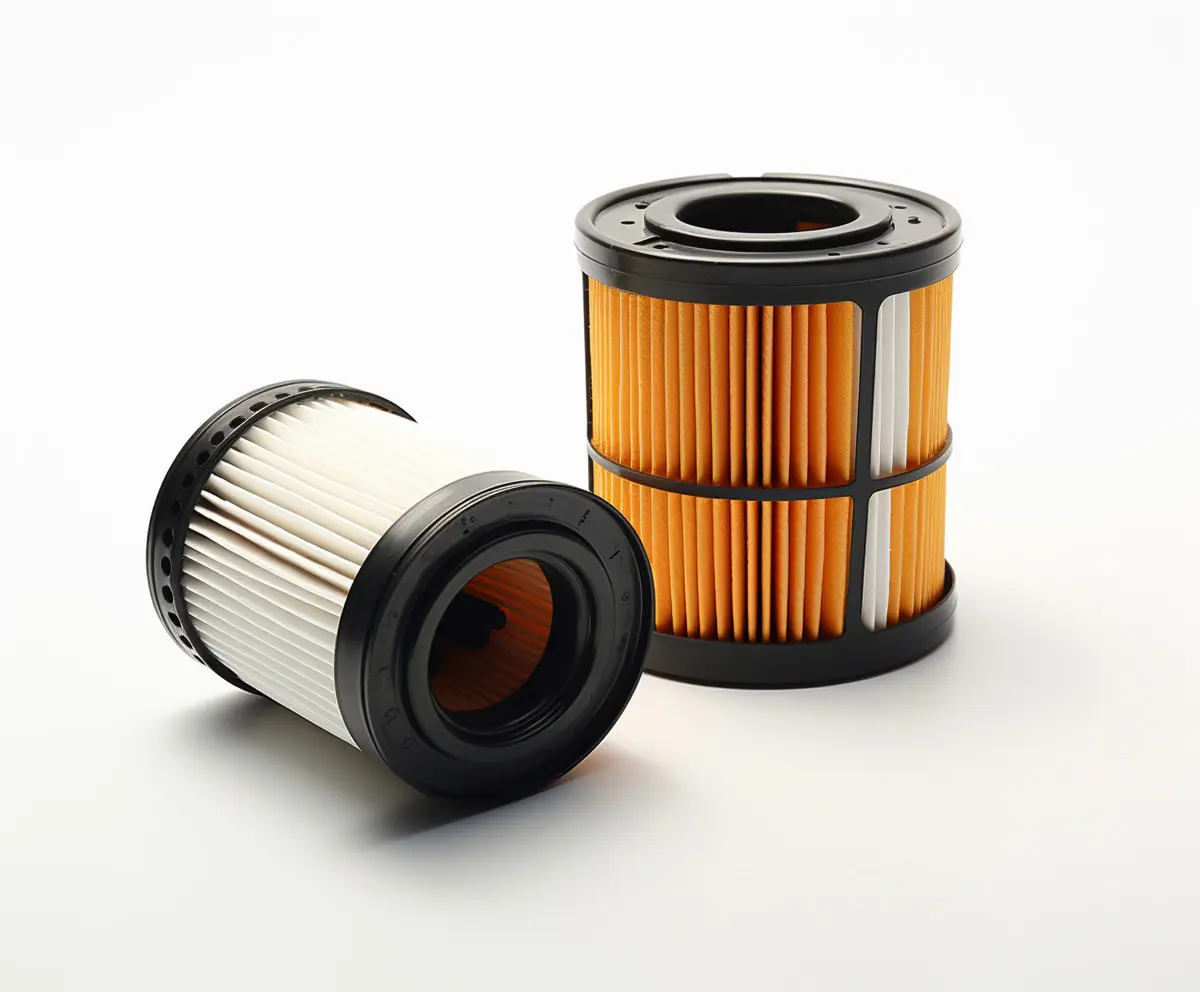
When choosing an oil filter, understanding the options available is crucial. There are three main types of oil filters on the market: mechanical, magnetic, and cartridge filters. Mechanical filters use a paper or synthetic medium to trap contaminants. They are widely available and affordable. However, their effectiveness can vary greatly.
Magnetic filters utilize magnets to catch metal particles. This type can enhance the protection of your engine by removing harmful metals. While they are less common, they can be a solid addition for those concerned about engine wear. Cartridge filters are increasingly popular. They combine ease of installation with reliable filtration. Their modular design allows for quick changes.
Tips: Regularly check your oil filter. A clogged filter can reduce engine efficiency. It’s important to replace the filter as per the manufacturer's recommendations. Furthermore, not all filters are created equal. Researching filter compatibility with your vehicle can prevent long-term issues. Don't compromise; the right filter can enhance your vehicle's performance immensely.
Comparison of Different Types of Oil Filters
This chart compares the filtration efficiency of different types of vehicle oil filters. Standard filters have a filtration efficiency of 85%, while synthetic filters improve this to 95%. High-performance filters provide the highest efficiency at 98%, and magnetic filters also offer solid performance at 90%. These differences highlight the benefits of choosing the right oil filter for optimal engine protection.

 Products
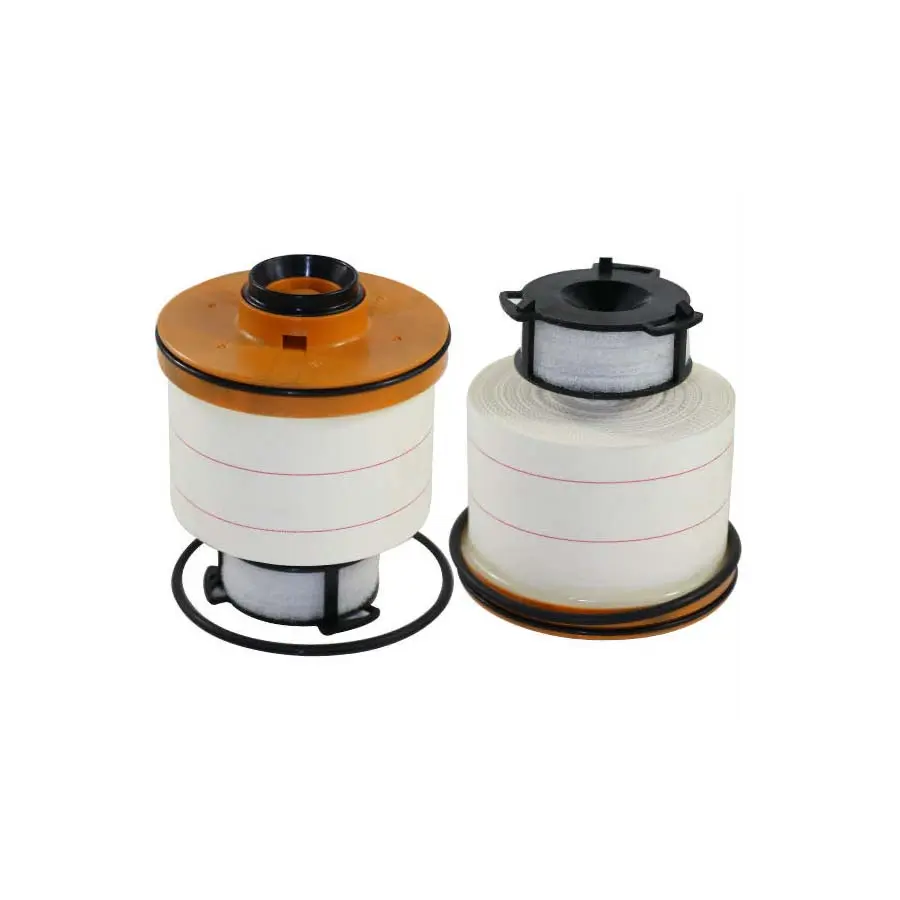 FUEL FILTER
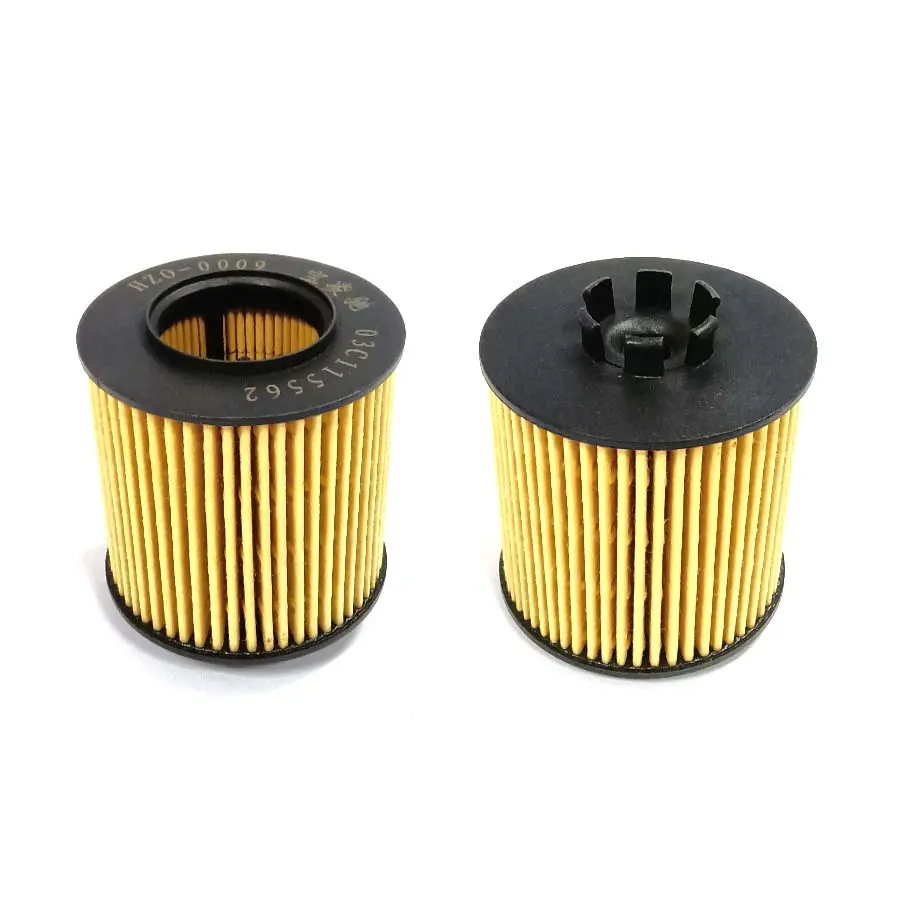 OIL ELEMENT FILTER
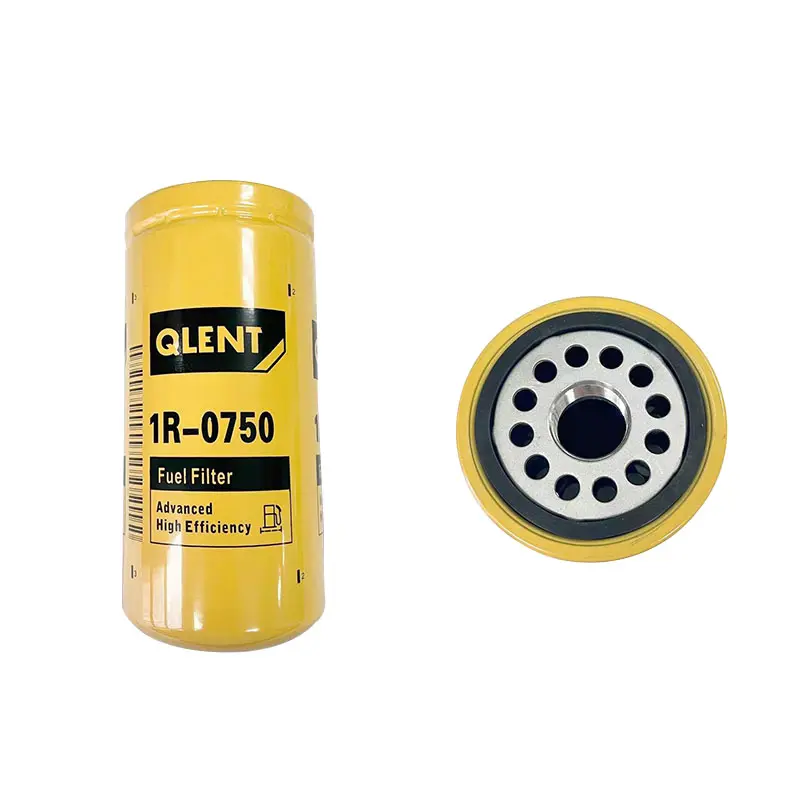 OIL FILTER
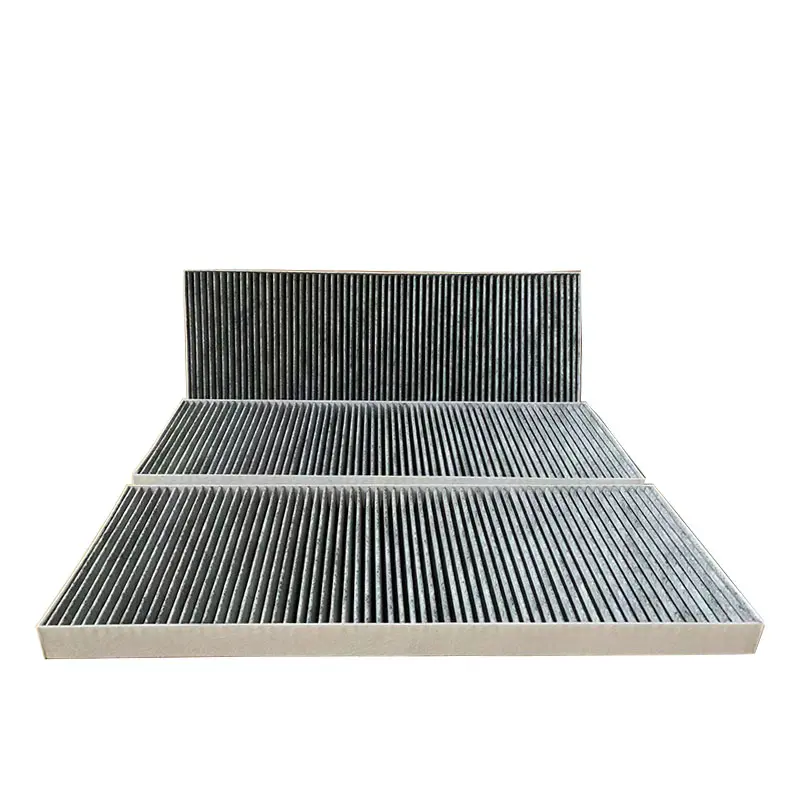 CABIN FILTER
 AIR FILTER