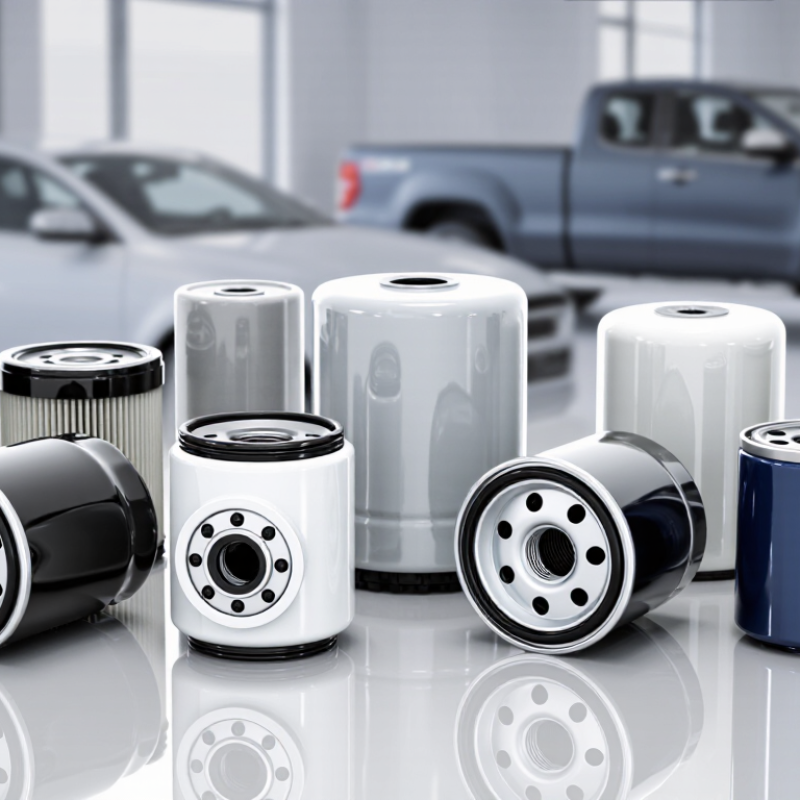
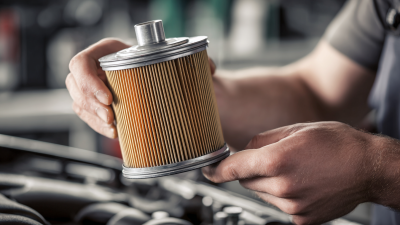
An Auto Oil Filter may look like a small part, but it helps protect the engine during every drive. It traps dirt and metal particles before they circulate through the lubrication system. The right choice depends on more than brand recognition. Fit matters.
This guide compares 10 oil filters for cars and trucks, focusing on practical details such as filtration media, construction, valve design, and stated service intervals. These features can affect how a filter performs during cold starts, long highway trips, or dusty commutes. A sturdy canister and a well-seated gasket also matter when oil pressure rises. Details count.
No single filter suits every vehicle or driving pattern. A premium option may be unnecessary for a commuter car, while a work truck may face longer hours, heavier loads, or harsher conditions. Manufacturer specifications are useful, but they do not tell the whole story. A filter that looks excellent on paper can still be wrong for a particular engine.
Before buying, check the vehicle’s owner’s manual and confirm the filter’s part number against reliable fitment information. Pay attention to engine size and model year, since similar vehicles can require different filters. This roundup is a starting point, not a substitute for those checks. The best pick is the one that fits correctly, meets the vehicle maker’s requirements, and suits your maintenance routine. It is worth being careful.
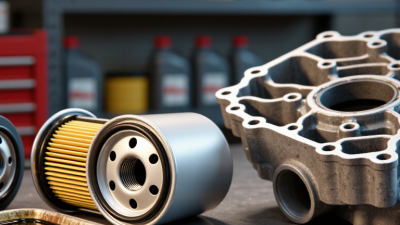
An oil filter protects an engine by trapping dirt, metal particles, and combustion residue as oil circulates. The oil pump sends lubricant through the filter before it reaches many moving parts. Inside, pleated filter media provides a large surface for catching fine debris. Clean oil helps reduce wear on bearings, camshafts, and cylinder walls. It also carries heat away from components. Not glamorous, but essential.
Many filters include a bypass valve. If the filter becomes restricted, or the oil is very cold and thick, the valve can help maintain oil flow. Some debris may then circulate, so the valve is a safeguard, not a reason to delay maintenance. A clogged filter can reduce effective filtration, while the wrong filter may not seal or fit correctly. Check the vehicle’s manual for the correct specification and service interval. Driving conditions matter; frequent short trips and dusty roads can make oil service more demanding. It is easy to assume a filter lasts as long as the oil, but that depends on the vehicle and the filter design. A small part deserves careful attention.
Oil filters help remove contaminants from circulating engine oil, reducing abrasive particles that can contribute to engine wear. This chart shows approximate particle sizes for context—not filter ratings. Actual filter performance depends on its design, efficiency, and test method.
When comparing oil filters, check fitment, filtration efficiency, dirt-holding capacity, and flow behavior—not just the price or a tiny micron number. ISO 4548-12:2017 evaluates full-flow filters through multipass testing, including particle-removal efficiency and contaminant-holding capacity. That matters because a filter must capture debris while maintaining oil flow as it loads. Ask for test results under this method when available; a single micron rating, without its test conditions, can be hard to interpret.
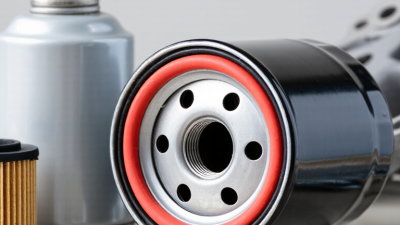
Look closely at the bypass valve, anti-drainback valve, gasket, and canister construction. The bypass valve helps preserve oil flow if the media becomes restricted, while the anti-drainback valve can reduce drain-back during engine shutdown. Their design and suitability vary by engine, so confirm the vehicle’s required specifications rather than assuming one filter fits all. Check the service manual, especially for cold-weather use or severe-duty driving. Details matter.
A larger media area may offer more capacity, but size alone does not prove better filtration. Inspect the seal for clean, even contact, and compare stated pressure-drop and capacity data where manufacturers provide it. I would not choose by marketing claims alone. Real-world oil condition, maintenance intervals, and installation quality also affect protection—and filter comparisons rarely capture every driving condition.
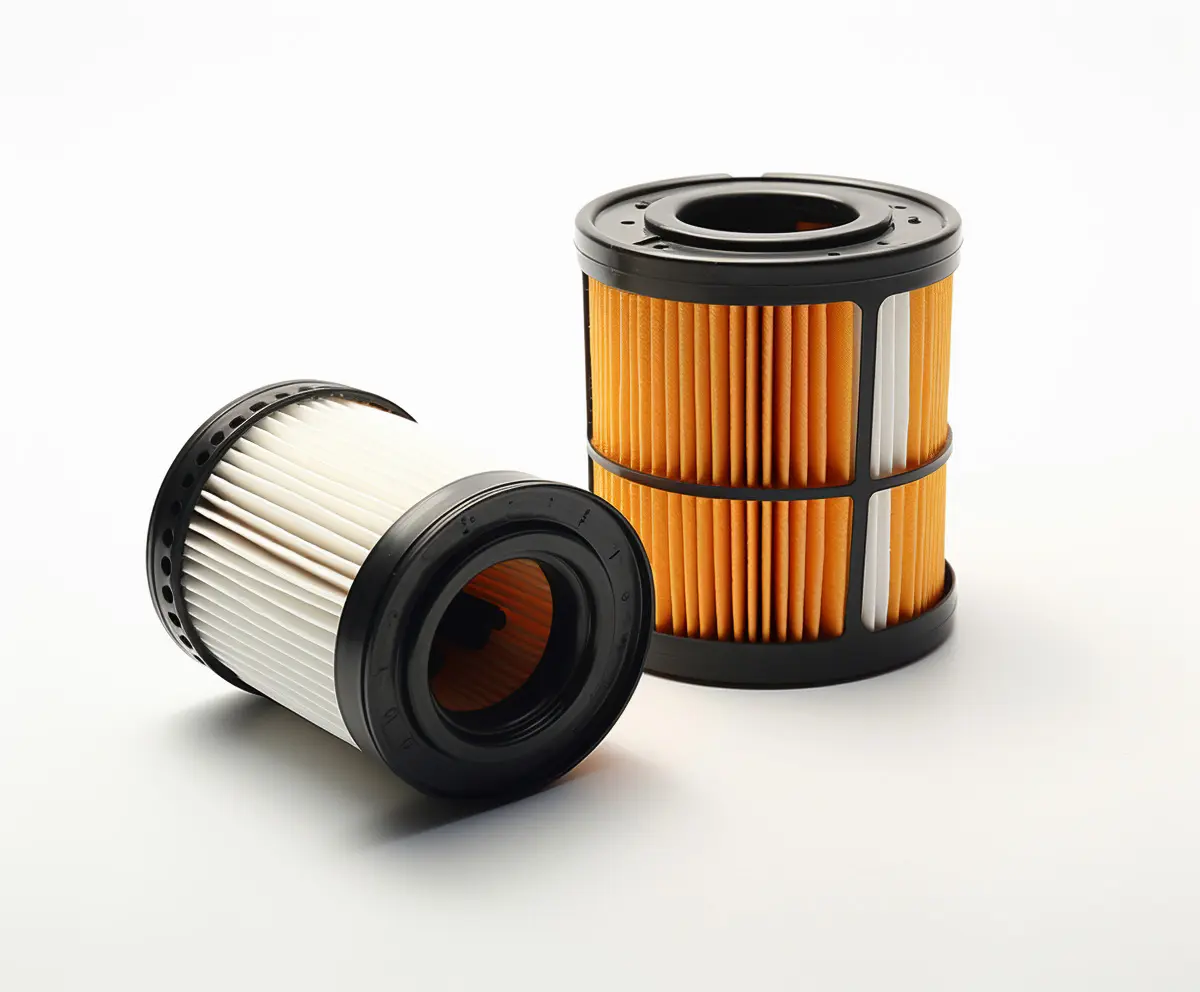
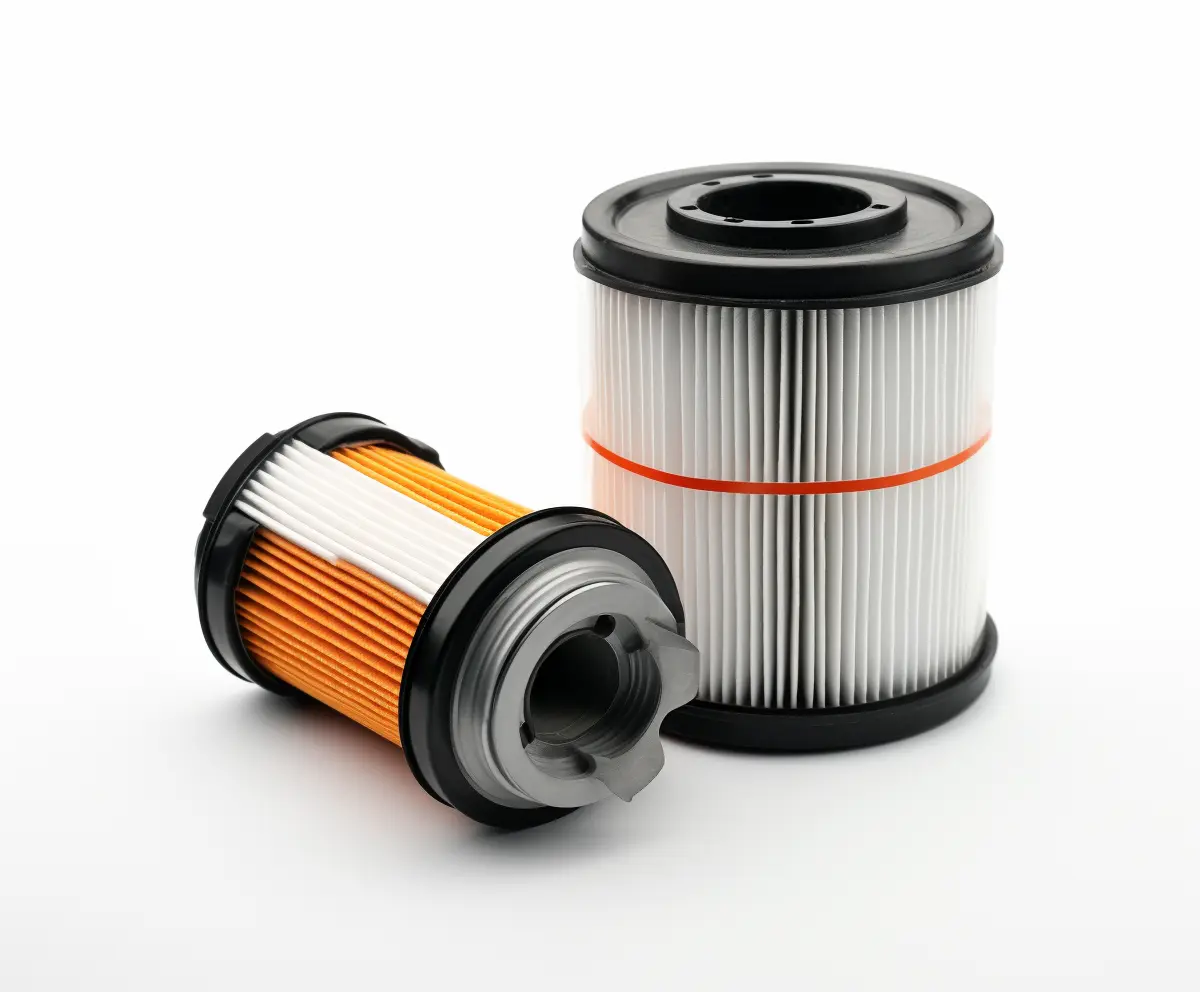
Oil filters differ in both their filtering material and their housing. A conventional cellulose filter is often suitable for ordinary commuting and routine service intervals. Its pleated paper-like media traps common debris, such as dust and tiny metal particles. Synthetic-media filters generally capture finer particles and may maintain flow longer under heat or demanding use. That does not make them right for every engine.
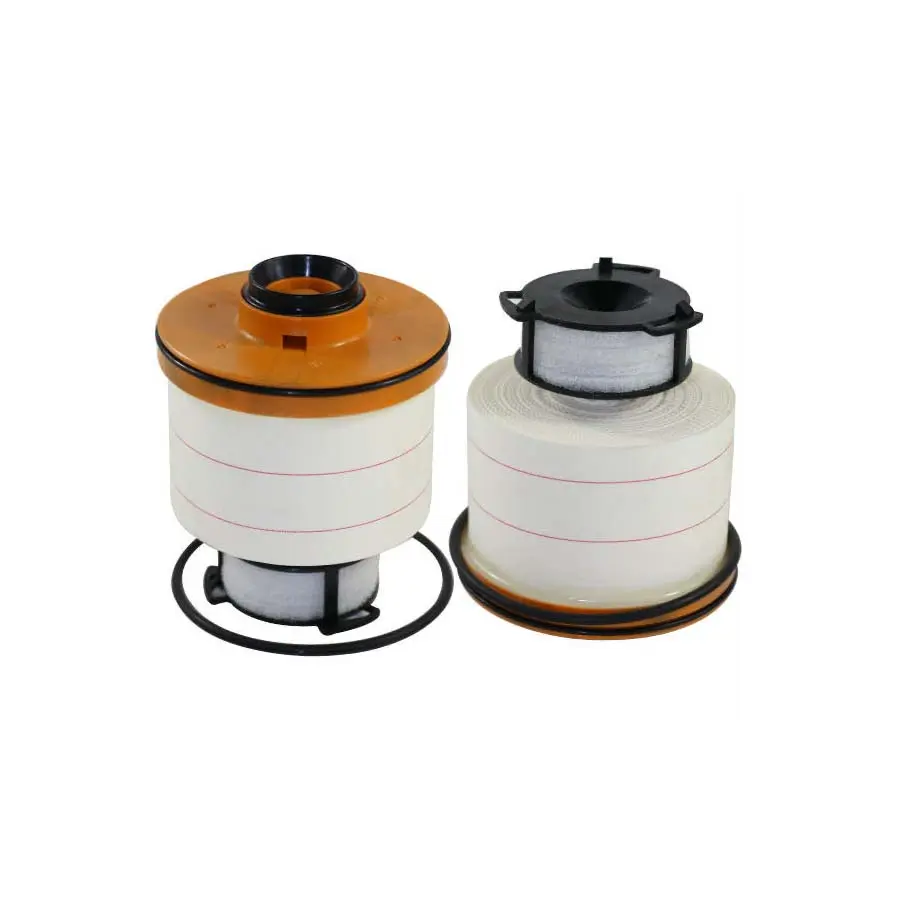
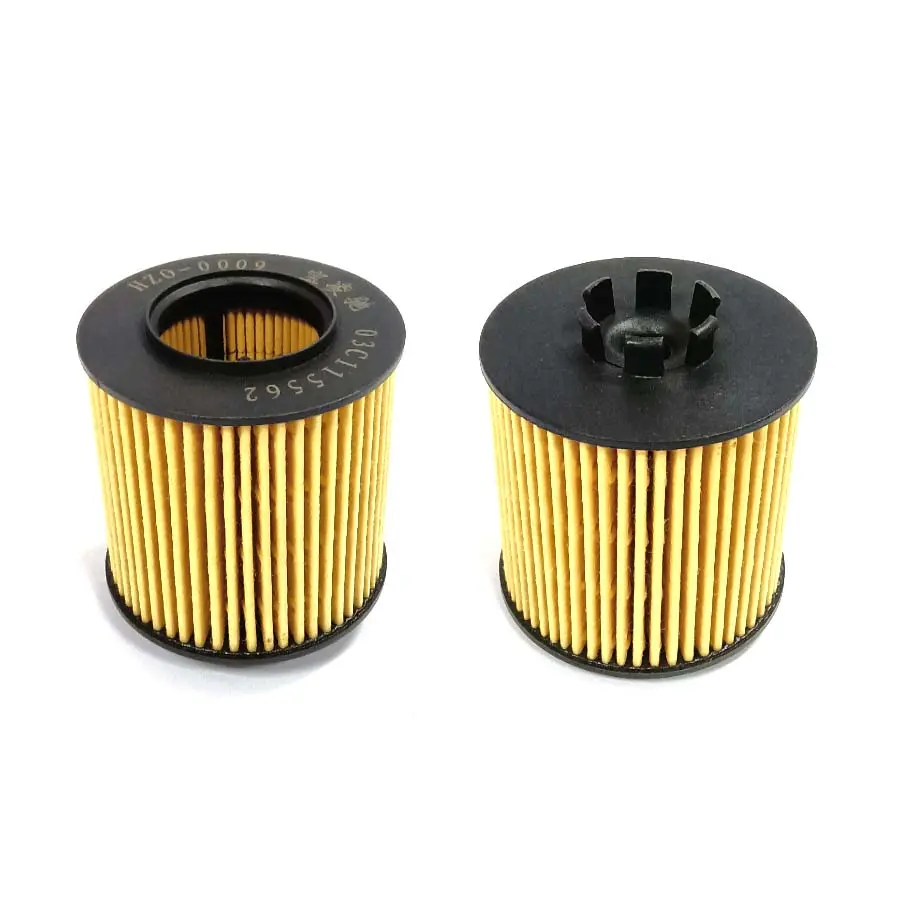
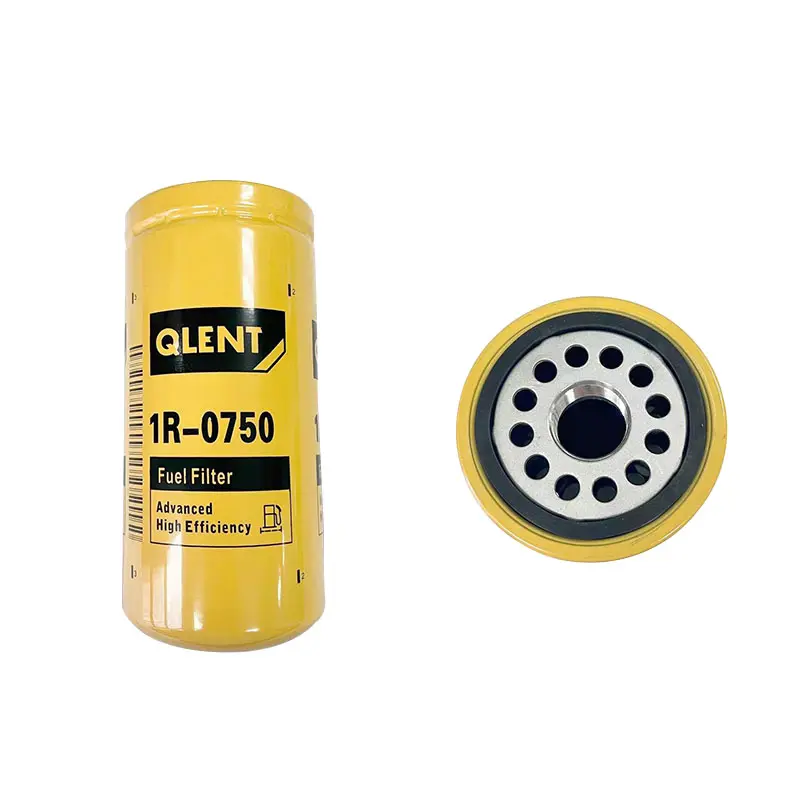
Blended-media filters combine cellulose and synthetic fibers. They can suit drivers who face mixed conditions, including stop-and-go traffic and regular highway trips. The housing matters, too. Spin-on filters are self-contained and common in many cars and light trucks. Cartridge filters place a replaceable element inside a fixed engine housing. That distinction is easy to miss during a parts search. Check the owner’s manual for the correct filter size, pressure rating, and service interval.
Some work vehicles and diesel engines use bypass filtration alongside a full-flow filter. A bypass unit cleans a smaller portion of oil more finely over time; it does not replace the main filter. In cold weather, oil is thicker at startup, so the filter’s bypass valve and flow rating matter. A higher-efficiency filter can still be a poor match if it restricts flow or does not meet the engine’s specifications. I’d resist choosing by appearance alone. Even two filters with similar dimensions may serve different applications.
Ten notable oil filters for cars and trucks stand out for different reasons, not because one design suits every engine. Consider conventional cellulose media, blended media, and synthetic media; each offers different filtration and flow characteristics. Spin-on and cartridge designs fit different engine layouts. Other useful distinctions include manufacturer-rated efficiency, a sturdy housing, an anti-drainback valve, a correctly calibrated bypass valve, and approval for a specified service interval. That gives drivers ten practical features to compare. The right choice still depends on the vehicle’s exact engine and required specifications.
Tips: Check the owner’s manual before buying. Match the filter’s part dimensions and pressure requirements, not just the vehicle name. A filter that threads on may still be wrong. Replace it at the interval recommended for your oil and driving conditions.
A good filter should balance particle capture with reliable oil flow. Short trips, dusty roads, towing, and frequent cold starts can affect service needs, especially in trucks. Extended-interval filters are not permission to stretch oil changes beyond the vehicle maker’s guidance. It is tempting to focus on the highest efficiency number, but that number alone cannot confirm fit or suitability. When specifications are unclear, verify them with a qualified parts professional.
Choosing the right oil filter starts with the exact engine, not just the vehicle’s make and year. Check the owner’s manual for the correct part specification, service interval, and oil type. Compare thread size, gasket diameter, bypass-valve requirements, and filter capacity. A filter that screws on may still be wrong.
ISO 4548-12:2017 evaluates full-flow oil filters using a multipass test. It measures particle-removal efficiency and contaminant-holding capacity—two useful performance measures, rather than a single universal “best” rating. The American Petroleum Institute’s motor-oil guidance also directs drivers to their vehicle manual for the appropriate oil specification. Match the filter to the engine’s requirements, not just a broad online list.
For installation, let the engine cool, place a drain pan underneath, and confirm the old gasket came off with the filter. Wipe the mounting surface clean. Lightly coat the new gasket with fresh oil, then tighten the filter according to its instructions; overtightening can damage the seal. Refill with the specified oil, start the engine briefly, and inspect for leaks. Replace the filter at the interval stated in the manual, especially if driving conditions are severe. This step is easy to rush, and worth checking twice.
| # | Filter Type | Construction and Function | Best-Suited Use | How to Match It | Installation and Replacement Guidance |
|---|---|---|---|---|---|
| 1 | OE-spec full-flow spin-on | A sealed metal canister with filter media and an internal bypass valve where the engine design requires one. It filters the oil supplied through the engine’s main oil circuit. | Everyday cars and light trucks that use a spin-on filter and need a standard replacement. | Confirm the exact filter application for the vehicle’s year, engine, and production details. Check thread, gasket dimensions, bypass-valve requirements, and anti-drainback-valve requirements. | Remove the old filter and confirm its gasket came off with it. Lightly coat the new gasket with clean engine oil; tighten according to the filter instructions. Replace at the interval specified in the owner’s manual. |
| 2 | Synthetic-media spin-on | Uses synthetic or synthetic-blend media. Media type alone does not determine the correct fit or the safe oil-change interval. | Drivers looking for a synthetic-media option for a compatible daily-use vehicle. | Verify that the filter is approved for the specific engine and matches its required valves, dimensions, and pressure specifications. | Install using the gasket and tightening directions supplied with the filter. Do not extend the oil-change interval unless the vehicle maker’s maintenance schedule permits it. |
| 3 | Cellulose-media spin-on | Uses cellulose-based filter media in a conventional spin-on housing. It is a common design for routine full-flow oil filtration. | Vehicles used for normal commuting and maintained on the vehicle maker’s standard service schedule. | Match the complete application, including filter dimensions, sealing surface, and any specified bypass or anti-drainback valve. | Check the sealing surface for residue before fitting. Replace the filter at the interval stated in the maintenance schedule, commonly alongside an oil change. |
| 4 | Blended-media spin-on | Combines different media materials to provide a balance of filtration characteristics. Actual performance depends on the filter’s tested design. | Cars and light trucks whose application calls for a compatible spin-on filter and whose owners want a media option between basic and specialized designs. | Use the vehicle application listing rather than appearance alone. Confirm that the filter meets the engine’s specified operating requirements. | Lubricate the gasket with clean oil and follow the stated tightening method. Use the vehicle’s oil-life monitor or maintenance schedule to determine service timing. |
| 5 | Replaceable cartridge element | A filter element fits inside a reusable engine-mounted housing, often beneath a removable cap. Sealing O-rings are typically replaced with the element. | Vehicles designed with a cartridge-style oil-filter housing. | Confirm the correct element and O-ring set for the engine. Check the housing-cap torque specification and the correct O-ring groove. | Remove and dispose of the old element and O-rings. Fit each new O-ring in its specified groove, lubricate it with clean oil, and tighten the cap to the vehicle maker’s torque specification. |
| 6 | Extended-capacity filter | Designed for an intended service capacity stated by its manufacturer. A longer-life filter does not automatically make a longer oil-change interval appropriate. | Vehicles whose maintenance plan and filter application specifically allow the intended service interval. | Check engine compatibility and the filter’s stated service limits. Follow the vehicle maker’s oil specification and oil-change schedule. | Install as directed and replace when required by the vehicle’s maintenance schedule or filter service limit, whichever applies first. |
| 7 | Heavy-duty full-flow filter | A full-flow filter intended for specified heavy-duty applications. Its construction and operating specifications must suit the engine and lubrication system. | Compatible work trucks and other heavy-duty vehicles, including certain diesel applications. | Match the exact engine application. Confirm the required bypass setting, sealing dimensions, and any vehicle-maker specifications; a larger-looking filter is not necessarily interchangeable. | Follow the engine maker’s installation procedure and service schedule. Inspect the mounting surface and check for leaks after starting the engine. |
| 8 | Cold-weather-specified filter | A filter selected to meet the engine’s required oil-flow and bypass characteristics under its intended operating conditions. No single filter design is best for every cold climate. | Vehicles regularly operated in cold conditions, when the vehicle maker specifies or permits a suitable filter for those conditions. | Check that the filter is approved for the engine and that its pressure and valve specifications match the vehicle requirements. | Use the oil viscosity and filter specified for the vehicle and climate. Replace the filter on the normal manufacturer-recommended schedule. |
| 9 | Documented high-efficiency full-flow filter | Selected using published filtration-efficiency data. Results are meaningful only when the test method and conditions are identified; ISO 4548-12 is one test method for full-flow lubricating-oil filters. | Owners comparing filtration performance who want test information for a compatible application. | Check the stated test method, particle-size data, and vehicle fitment. Do not compare efficiency figures unless they use comparable test conditions. | Install according to the vehicle and filter instructions. Keep the oil-change interval within the vehicle maker’s recommendations. |
| 10 | Auxiliary bypass filtration system | An additional fine-filtration circuit that handles only a portion of the oil flow. It is not a replacement for the engine’s required full-flow filter. | Specialized vehicles or fleets where an auxiliary system is specifically suitable and correctly engineered. | Confirm system compatibility, plumbing, mounting, and maintenance requirements with the vehicle or equipment maker. Retain the required full-flow filter. | Have the system installed and serviced according to its instructions. Replace the main full-flow filter on the vehicle’s normal schedule and maintain the auxiliary element separately. |

Important: Always verify fitment and service instructions in the vehicle owner’s manual or official service information. After installation, start the engine, check for leaks, shut it off, and recheck the oil level using the vehicle maker’s procedure.