Inquiry
Form loading...

How to Choose the Right Oil Filter for Your Vehicle?

Choosing the right Oil Filter is a small decision with real consequences for engine protection. The filter must fit the vehicle, work with its oiling system, and meet the manufacturer’s specifications. A familiar brand or a sturdy-looking metal can is not enough. The wrong thread, seal, bypass-valve setting, or filtration rating can make an otherwise routine oil change a poor match.

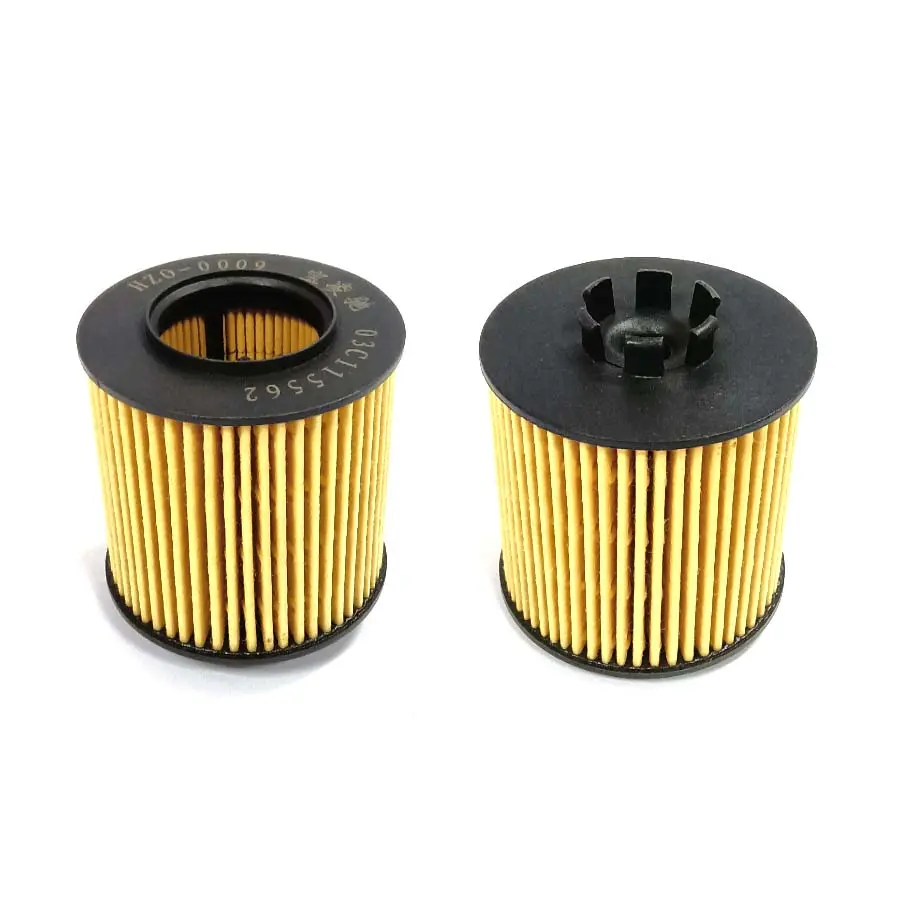
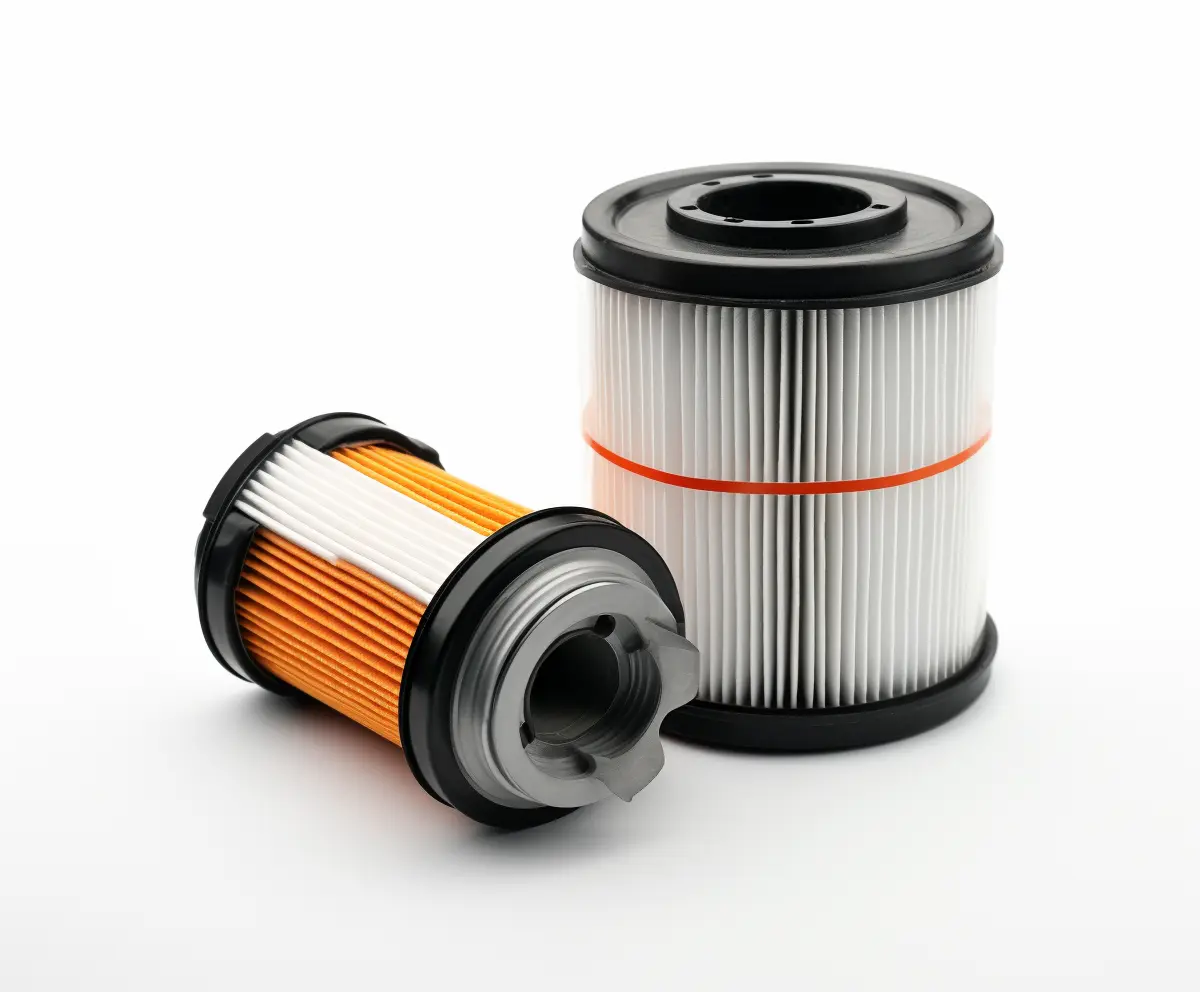
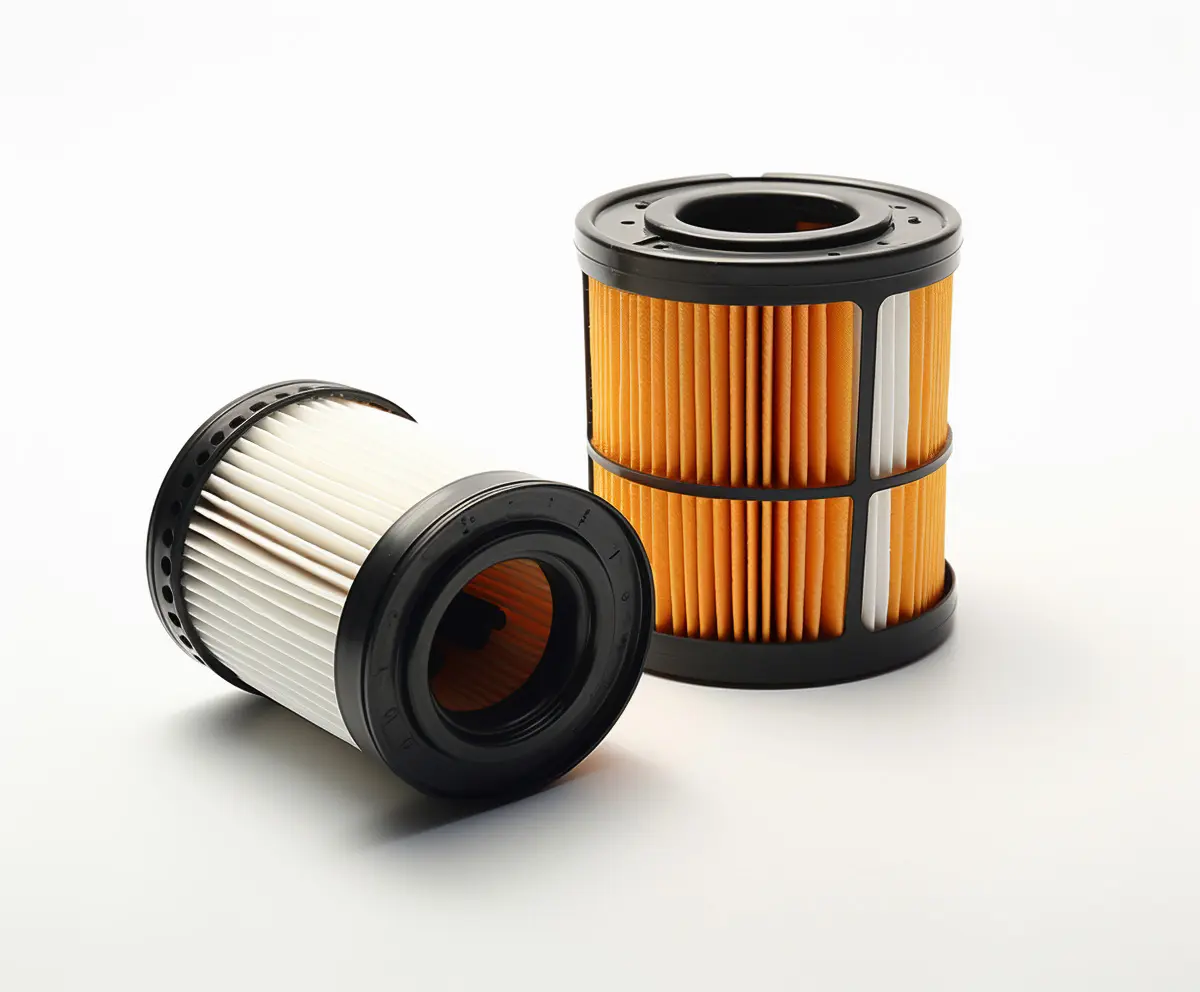
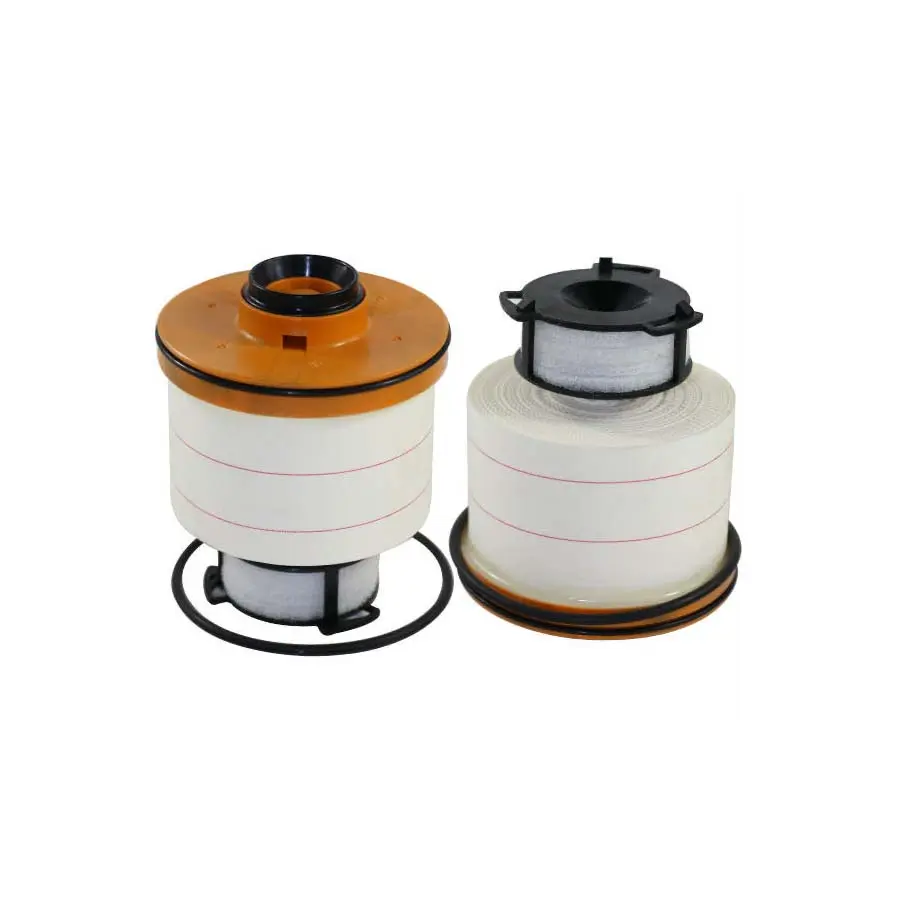
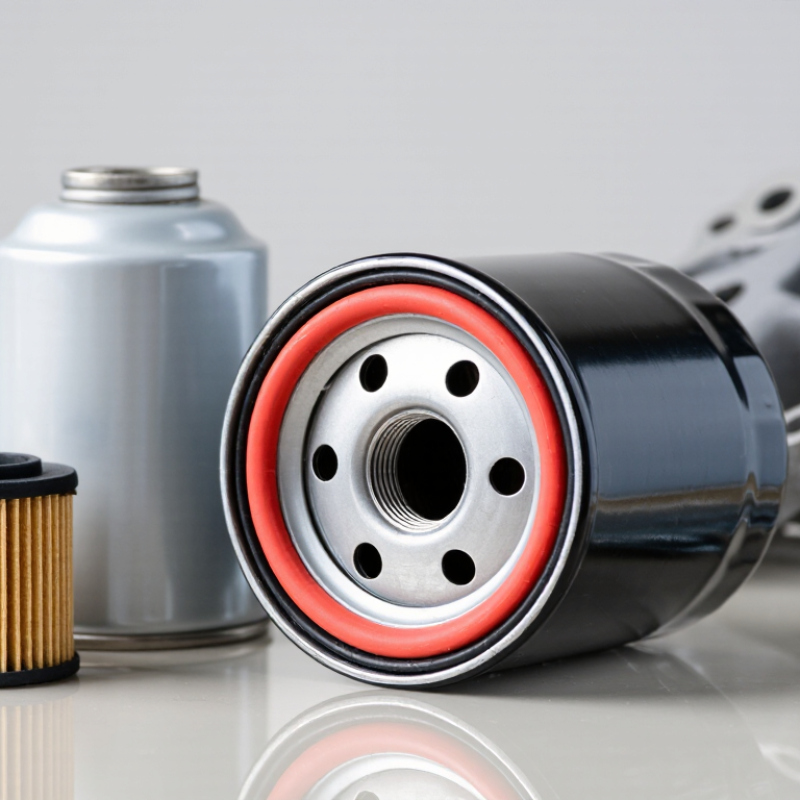
Lubrication educator Richard Widman’s guidance can be summarized this way: “Choose filtration by the engine’s needs, not by appearance alone.” This is a paraphrase, not a verbatim quotation. The principle is practical: start with the owner’s manual, then confirm the exact part number for the engine and model year. Check whether the vehicle uses a cartridge or spin-on filter. Look closely at the gasket, too; it should sit flat, without cracks or distortion.

Small details matter. A filter that looks identical may have different internal specifications. This guide explains how to compare compatibility, filtration performance, construction, and service intervals without relying on guesswork. It also covers when a premium filter may be worthwhile, and when it may not add meaningful value for your driving conditions. There is no universal “best” filter. The right choice is the one that meets the vehicle maker’s requirements and suits the way the vehicle is used. If the manual is unclear, verify the part with a reputable supplier or vehicle professional before installation. One overlooked detail can change the answer.
How to Choose the Right Oil Filter for Your Vehicle?

Identify the OEM Filter Part Number for Your Engine and Model Year

Choosing the correct oil filter starts with finding the original equipment manufacturer (OEM) part number specified for your engine and model year. Check the owner’s manual, maintenance records, or the vehicle maker’s official parts catalog. Use the VIN when searching, but confirm the result against the listed engine size and code. A VIN lookup can narrow the options, yet it may not catch every production variation.

Check the model year carefully. Vehicles sold under the same model name can use different engines or filters within one year. Build dates and regional specifications may also matter. Once you find the OEM number, compare it with the filter manufacturer’s cross-reference information. Confirm application and specifications, such as thread size, gasket dimensions, and bypass-valve requirements. A filter that looks similar may still be wrong. It is easy to over-trust appearance; I would treat the part number as the stronger clue.

Tips: Keep a photo of the manual’s filter specification and your engine label. If catalog results conflict, pause and verify with a qualified parts professional before installation. Even careful checks can miss a small detail. That is worth reconsidering.
Match Thread, Seal, and Dimensions to the Vehicle Specification

How to Choose the Right Oil Filter for Your Vehicle?

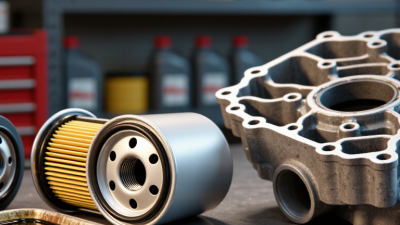
Match the filter’s thread, sealing surface, and overall dimensions to the vehicle manufacturer’s specification. Common thread listings include M20 × 1.5 and 3/4-16 UNF, but similar-looking threads are not interchangeable. A mismatch can damage threads or prevent the gasket from seating. Check the service manual or a verified fitment catalog, not just the old filter. Previous repairs may have left the wrong part installed.

Measure carefully. Confirm thread diameter and pitch, gasket inner and outer diameters, and the available space around the filter. The gasket must sit flat on a clean mounting face, with enough clearance from nearby hoses and suspension parts. A filter that screws on is not necessarily a correct fit. I still find that easy to overlook.

Performance figures matter too, but they do not prove fitment. ISO 4548-12:2017 specifies multipass testing that reports particle-count efficiency by particle size and contaminant capacity. SAE J806 also describes engine-oil-filter performance testing. These test results help compare filtration characteristics; they cannot replace vehicle-specific thread, seal, and dimension checks. If a catalog lists different measurements from the manual, pause and verify the application before installation.

Compare Filtration Results Under ISO 4548-12 Multi-Pass Testing

A suitable oil filter must balance particle removal, dirt-holding capacity, and oil-flow resistance. ISO 4548-12:2017 evaluates filters using a multi-pass test: contaminant is added to circulating oil, while particle counts are measured before and after the filter. The results show filtration efficiency at different particle sizes, contaminant capacity, and pressure drop. Efficiency can be calculated from the upstream and downstream particle counts; a higher percentage means fewer particles passed through during that test. These measurements offer a useful comparison, but they do not guarantee identical performance in every engine.

A filter with strong fine-particle capture may still be a poor match if its pressure drop is high or its capacity is low. Check the vehicle maker’s specified filter dimensions, bypass-valve requirements, and service interval. Then compare test results under the same ISO method and particle-size conditions. A small detail matters: results from different test conditions are not directly comparable. And lab performance is not the whole story.

Tips: Read the test sheet, not just a single efficiency figure. Look for particle-size results, dirt capacity, and pressure-drop data together. Confirm the filter fits your engine and operating conditions. I would not choose by the highest number alone; even a strong result can leave questions about real-world use.

Interpret Beta Ratios: β200 Equals 99.5% Efficiency at the Rated Particle Size

An oil filter’s beta ratio describes how many test particles enter compared with how many pass through. Under ISO 4548-12:2017, filtration efficiency is assessed using particle counting in a multipass test. A β200 rating means 200 particles of the specified size enter for every particle that passes through. That equals 99.5% efficiency at that rated size: 199 of 200 particles are captured. That matters. It does not mean the filter removes 99.5% of every particle size, or performs identically in every engine.

Check the micron size attached to the beta rating. A filter rated β200 at 20 microns has that efficiency at 20 microns, not automatically at 5 or 10. ISO’s test method also evaluates contaminant-holding capacity, so efficiency alone leaves out an important part of filter performance. In practice, confirm the vehicle’s specified filter fit, bypass-valve requirements, and service interval. Cold starts and oil flow matter, too. I would not choose by the highest beta number alone; a precise rating can look reassuring while hiding a mismatch in size or capacity. The ISO figure is useful, but it is not the whole picture.

Verify Bypass Pressure, Anti-Drainback Needs, and Service Interval

A filter’s bypass valve protects oil flow when cold oil is thick or the filter media becomes restricted. Its opening pressure must match the vehicle maker’s specification; a higher number is not automatically better. Too low, and oil may bypass the media too soon. Too high, and flow could be restricted during startup. Check the service manual or verified parts data, not just thread size. Small detail. Big difference.

The anti-drainback valve matters when a filter’s position lets oil drain away after shutdown. Without an effective seal, the engine may take longer to build oil pressure at startup. ISO 4548-12:2017 evaluates filter performance through multipass testing, including particle-removal efficiency and contaminant capacity. Its beta-ratio method gives useful context: a beta ratio of 200 at a stated particle size equals 99.5% efficiency at that size. That is a test result, not a promise for every filter. For replacement timing, follow the vehicle maker’s service interval and oil-life monitor, especially under frequent short trips or dusty conditions. I used to treat “fits” as enough; it isn’t. A filter’s service-life claims need to suit the interval you actually follow.

How to Choose the Right Oil Filter for Your Vehicle? - Verify Bypass Pressure, Anti-Drainback Needs, and Service Interval

Selection Check What to Verify How to Choose Why It Matters
Vehicle and engine fitment Filter part specification for the exact vehicle, engine, and model year. Use the vehicle owner's manual or a reliable parts catalogue. Confirm thread size, gasket dimensions, clearance, and any specified filter features. A filter that physically fits may still have the wrong specifications or sealing dimensions.
Bypass-valve pressure The specified bypass opening pressure, if the vehicle manufacturer provides one. Match the vehicle specification; do not assume that filters with the same external dimensions have the same bypass setting. If the specification is unavailable, consult the vehicle manufacturer or a qualified parts professional. The bypass valve allows oil to flow around the filter media when pressure difference becomes high, such as during cold starts or when the media is restricted. The required setting is application-specific.
Anti-drainback valve Whether the application calls for an anti-drainback valve and whether the selected filter includes one. Follow the vehicle's filter specification. The valve is commonly used where the filter's position or engine oil circuit could allow oil to drain from the filter after shutdown. The valve helps retain oil in the filter and oil passages after the engine is switched off, which can reduce the delay before oil pressure builds at restart.
Filter media and construction Compatibility with the required oil type, operating conditions, and vehicle specification. Choose a filter intended for the application and the oil-change interval in the owner's manual. Do not select by appearance or claims of higher filtration alone. Filtration efficiency, dirt-holding capacity, flow characteristics, and construction all affect how a filter performs in service.
Service interval The oil and filter replacement schedule in the owner's manual or the vehicle's oil-life monitoring system. Replace the filter at the interval specified for the vehicle, typically when changing the engine oil, unless the manufacturer gives different instructions. Use the severe-service schedule when applicable. There is no single service interval that applies to every vehicle, oil, driving pattern, or filter.
Operating conditions Driving patterns such as frequent short trips, extended idling, dusty conditions, towing, or extreme temperatures. Check whether the owner's manual classifies the vehicle's use as severe service and follow the corresponding maintenance schedule. Some operating conditions can increase oil contamination or impose greater demands on the engine and filter.
Installation and sealing Correct gasket seating, clean mounting surface, and the installation method specified for the filter. Follow the filter and vehicle instructions. Check for leaks after starting the engine and confirm the oil level according to the owner's manual. Incorrect installation or a damaged seal can cause oil leaks and inadequate lubrication.

Important: Vehicle-specific requirements take priority over general guidance. Consult the owner's manual for the correct filter specification, oil type, and maintenance interval.