Best Automobile Air Intake Filters for Optimal Engine Performance?
The performance of an automobile's engine is heavily influenced by its air intake system. Efficient air flow is crucial for optimal combustion. This is where Automobile Air Intake Filters play a vital role. According to a report by the Specialty Equipment Market Association (SEMA), high-performance air filters can improve engine efficiency by up to 10%.
Over time, standard filters can become clogged with dirt and debris, restricting airflow. This can lead to decreased performance and increased fuel consumption. A study published in the Journal of Automotive Engineering indicates that even a minor reduction in airflow can affect engine output by more than 5%. Therefore, selecting the right air intake filter is essential for maintaining engine health.
While many consumers are aware of the importance of high-quality filters, misconceptions persist. Not all filters are created equal, and some may offer minimal benefits. It’s essential to understand how different materials and designs impact engine performance. A detailed examination can reveal that investing in premium filters often leads to noticeable improvements. Thus, understanding the nuances of Automobile Air Intake Filters is key to enhancing your vehicle’s performance.
Overview of Automobile Air Intake Filters and Their Function
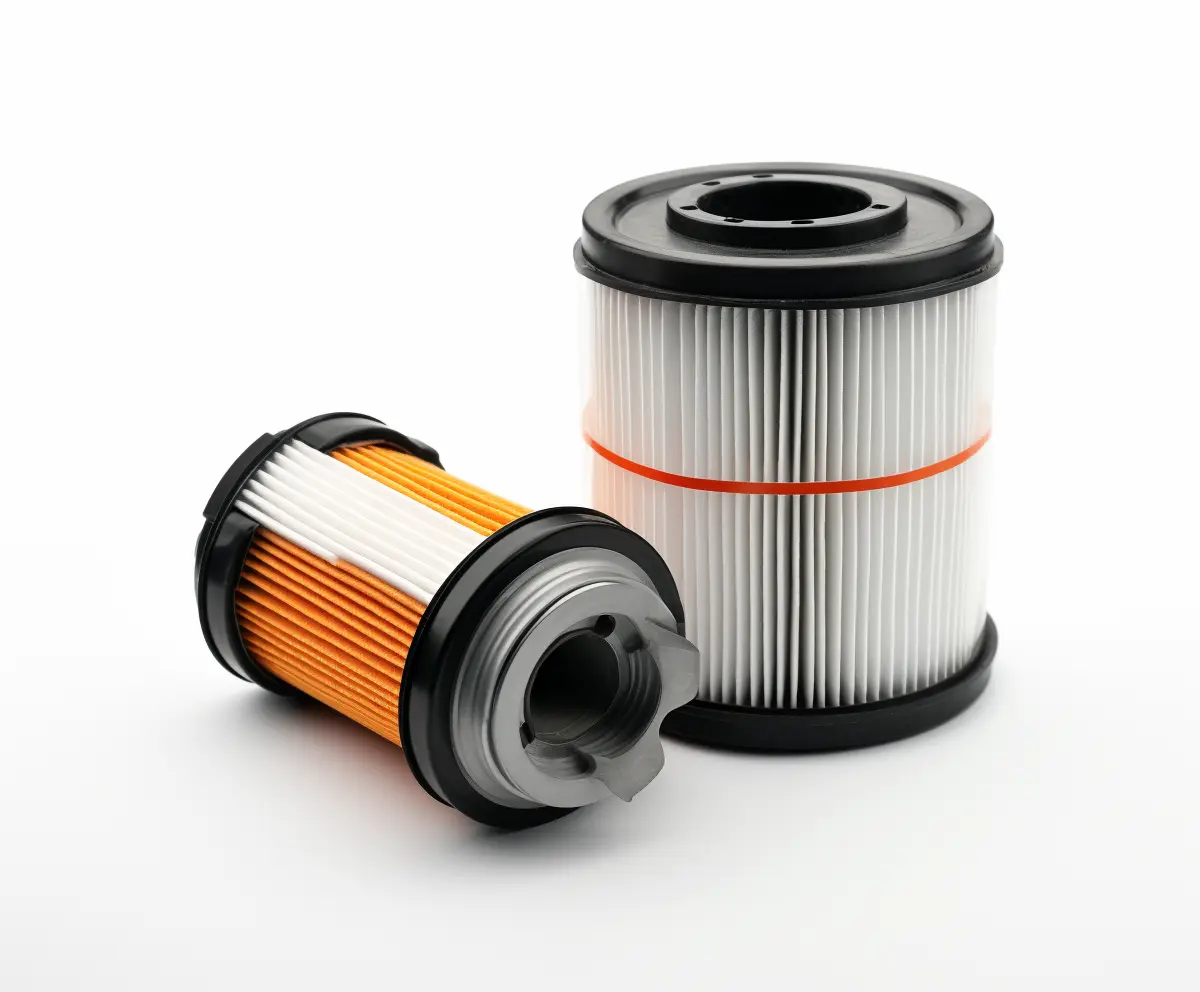
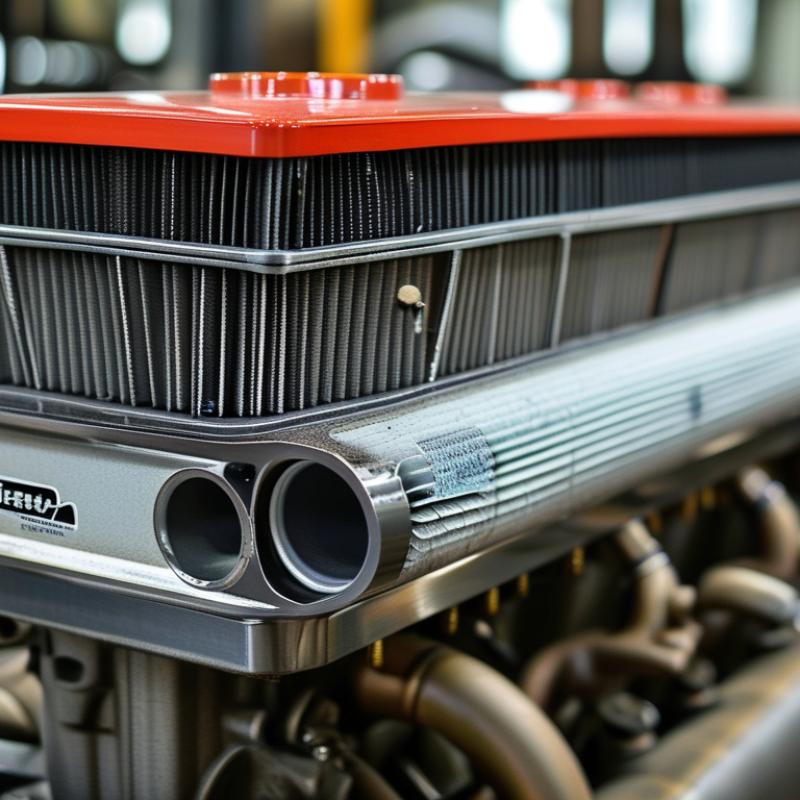
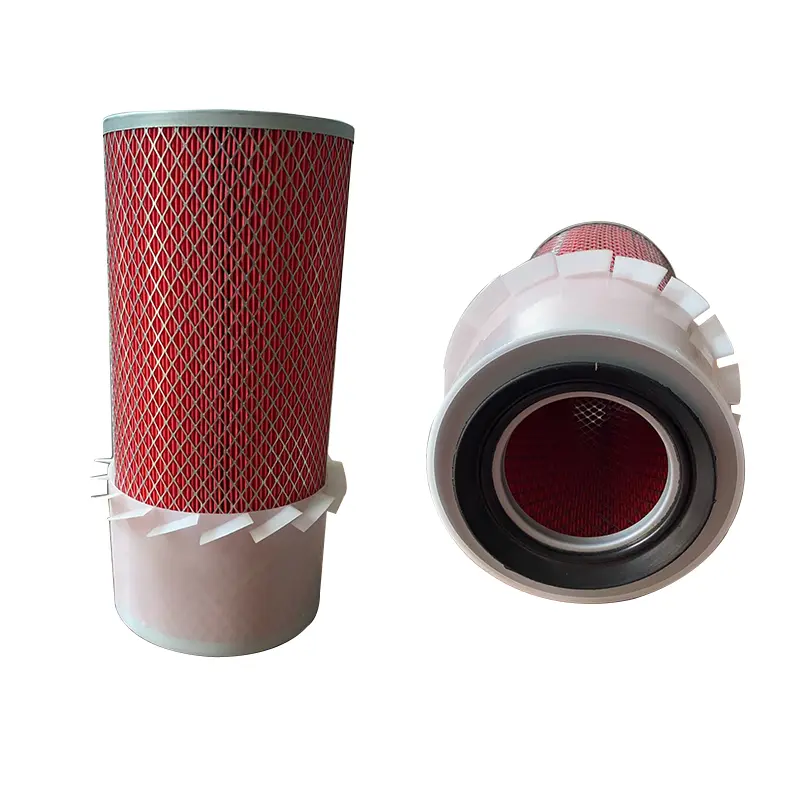
Automobile air intake filters play a critical role in engine performance. Their primary function is to trap dirt, dust, and debris before they enter the engine. Clean air is essential for efficient combustion. When the filter becomes clogged, it restricts airflow. This can lead to reduced engine power and efficiency.
Choosing the right air intake filter can be challenging. Factors such as material type and filtration efficiency influence performance. Some filters are reusable, allowing drivers to save money over time. Others are single-use, providing the convenience of easy replacement. Drivers often overlook the importance of maintaining air filters. Regular checks can prevent engine issues and enhance performance.
In the face of evolving automotive technology, filters must adapt. Some modern engines require advanced filtration systems. This ensures optimal airflow without compromising engine integrity. However, not all filters provide equal protection. It's essential to research and understand the specific needs of your vehicle. Recognizing when your filter needs attention is crucial for a smooth ride.
Types of Air Intake Filters: Paper, Cotton, and Foam Variants
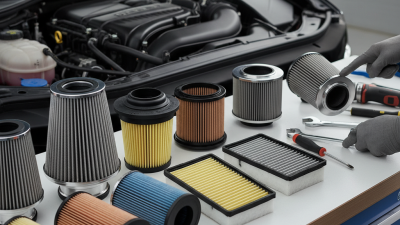
When it comes to maximizing engine performance, the choice of air intake filter plays a crucial role. The main types available are paper, cotton, and foam filters. Each has distinct characteristics that can influence your vehicle’s efficiency and durability.
Paper filters are readily available and affordable. They effectively capture dirt and debris, ensuring clean air enters the engine. However, they can become restrictive over time. This restriction may reduce airflow and engine efficiency, leading to lower performance. Regular replacements are necessary to maintain optimal function.
Cotton filters are reusable and can offer better airflow. They often come with a special oil coating, which helps trap contaminants. While they can enhance engine response, improper maintenance leads to reduced effectiveness. Foam filters provide a similar benefit and are also reusable. They tend to be more forgiving with cleaning but can require frequent servicing. Each type has its pros and cons. It’s vital to evaluate your driving conditions and maintenance habits when selecting the right intake filter for your needs.
Best Automobile Air Intake Filters for Optimal Engine Performance
| Filter Type |
Material |
Filtration Efficiency |
Lifespan |
Maintenance |
| Paper Filter |
Cellulose |
Good |
15,000 miles |
Replace |
| Cotton Filter |
Cotton Gauze |
Excellent |
50,000 miles |
Clean and re-oil |
| Foam Filter |
Polyurethane Foam |
Very Good |
30,000 miles |
Clean and re-oil |
Benefits of Upgrading to High-Performance Air Intake Filters
Upgrading to high-performance air intake filters can significantly enhance your vehicle's engine performance. This upgrade allows for better airflow, resulting in improved combustion efficiency. According to a study from the Society of Automotive Engineers, proper airflow can increase horsepower by up to 10%. With enhanced airflow, your engine can burn fuel more efficiently, producing more power with less strain.
When considering an upgrade, it’s vital to understand the specific benefits high-performance filters offer. They often feature advanced materials that trap smaller particles, protecting the engine better than standard filters. Clean air filters can lead to fuel savings of approximately 5% to 10%. Motorists may also notice a more responsive throttle, enhancing the overall driving experience.
**Tip:** Regularly check your air filter for dirt and debris. A clean filter can make a noticeable difference in performance.
However, not all high-performance filters are created equal. Some may require specific maintenance or be more prone to aftermarket issues. Moreover, installing a more efficient filter without proper tuning can sometimes lead to engine strain. That's why it's essential to consult a professional when making changes.
**Tip:** Always research the compatibility of your chosen air filter with your vehicle model.
Performance Improvements with High-Performance Air Intake Filters
Top Features to Consider When Selecting Air Intake Filters
Choosing the right air intake filter is crucial for optimizing engine performance. Air intake filters allow clean air to enter the engine while keeping out harmful particles. This process enhances airflow, which is essential for fuel combustion. Research indicates that improving airflow by just 10% can lead to a 5-10% increase in horsepower. However, not all filters are created equal.
When selecting an air intake filter, several key features should be considered. Filtration efficiency is paramount. A filter should trap dust and other impurities without significantly restricting airflow. Look for filters with a high MERV rating. A MERV rating of 10 and above can effectively filter out 85% of airborne particles. Additionally, ease of installation and maintenance can impact long-term performance. Filters that require less frequent replacement often provide better value and reliability.
Another important factor is the material used in the filter. Synthetic materials typically offer greater durability and can withstand higher temperatures without degrading. However, they may not always filter as finely as cotton-based options. It’s essential to balance filtration capability with airflow needs. This choice can be challenging, as a more efficient filter may lead to reduced airflow if not designed properly. Always check compatibility with your vehicle and consider professional recommendations for the best results.
Best Brands and Models for Optimal Engine Performance
When it comes to enhancing engine performance, air intake filters play a critical role. Choosing the right filter can significantly boost horsepower and efficiency. Several brands and models stand out for their unique designs and materials. These filters ensure optimal airflow, which is essential for better combustion.
For instance, some of the best models utilize synthetic materials. This choice allows for higher filtration efficiency and longer life. Another brand might offer filters with an innovative, multi-layer design. This type provides increased dirt holding capacity while still maintaining airflow. However, not every model will fit all vehicles perfectly.
Drivers should also consider factors like ease of installation. Some filters can be more complex to install, requiring tools or additional adjustments. Researching which model fits your vehicle's make and model can save time and frustration. It’s important to look into user reviews, as they offer real-world insights. Performance can vary based on driving conditions and maintenance practices. Always be ready to evaluate your filter choice over time for the best results.

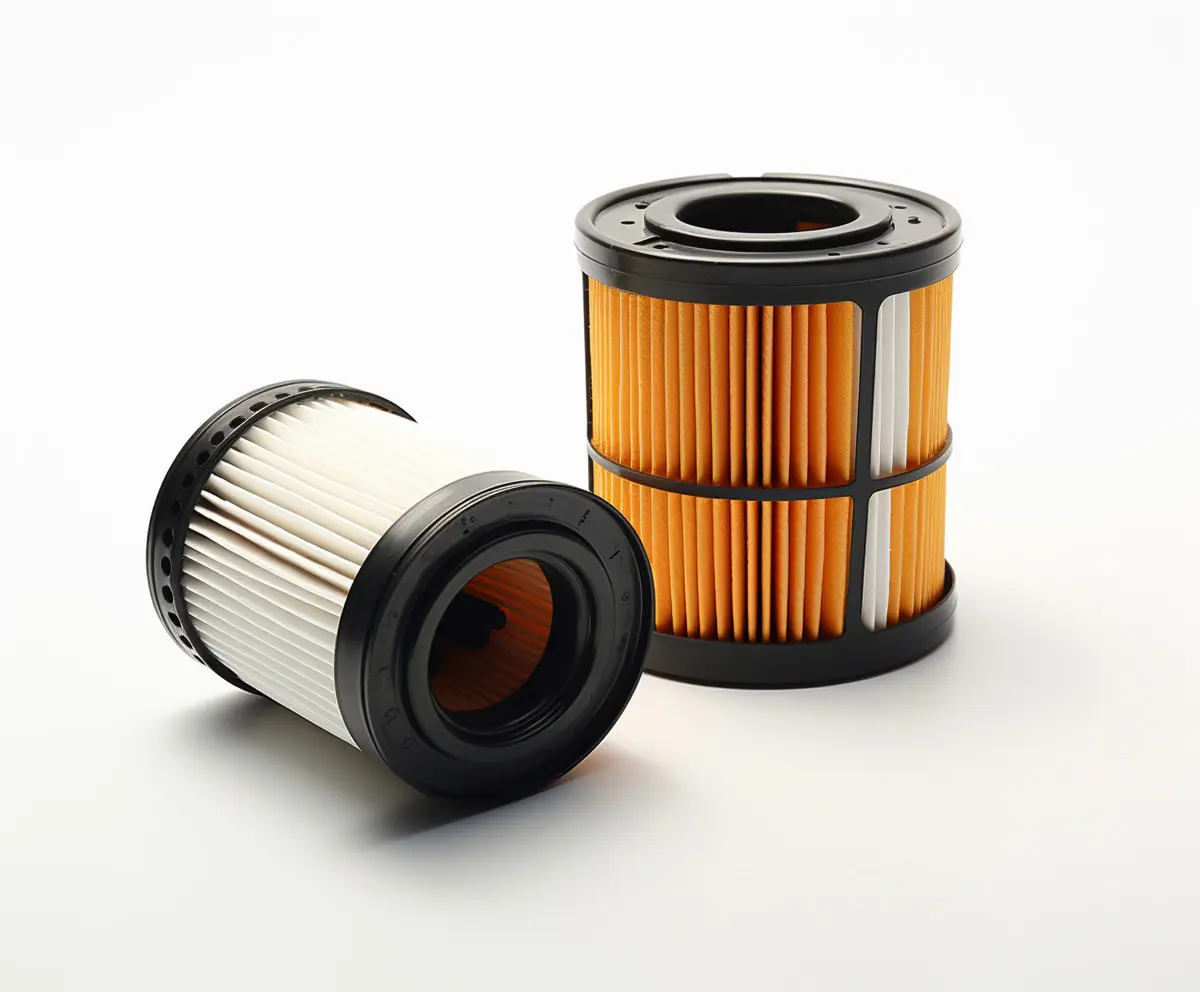 Products
 FUEL FILTER
 OIL ELEMENT FILTER
 OIL FILTER
 CABIN FILTER
 AIR FILTER